- Category
- Dairy and eggs
- State
- Fresh
- Usual unit
- g
What it is
Plain yogurt is a dairy product made by fermenting milk. Common yogurt cultures include Streptococcus thermophilus and Lactobacillus delbrueckii subsp. bulgaricus; they convert some of the milk’s lactose into lactic acid. This acidification contributes to yogurt’s characteristic tang and helps milk proteins coagulate, creating a creamy or set texture. Consistency, acidity and fat content can vary with the milk and the particular product. “Plain” generally distinguishes it from flavored varieties, but check the ingredient list to confirm what a specific product contains. (4533, 4539, 4540)
When to use it
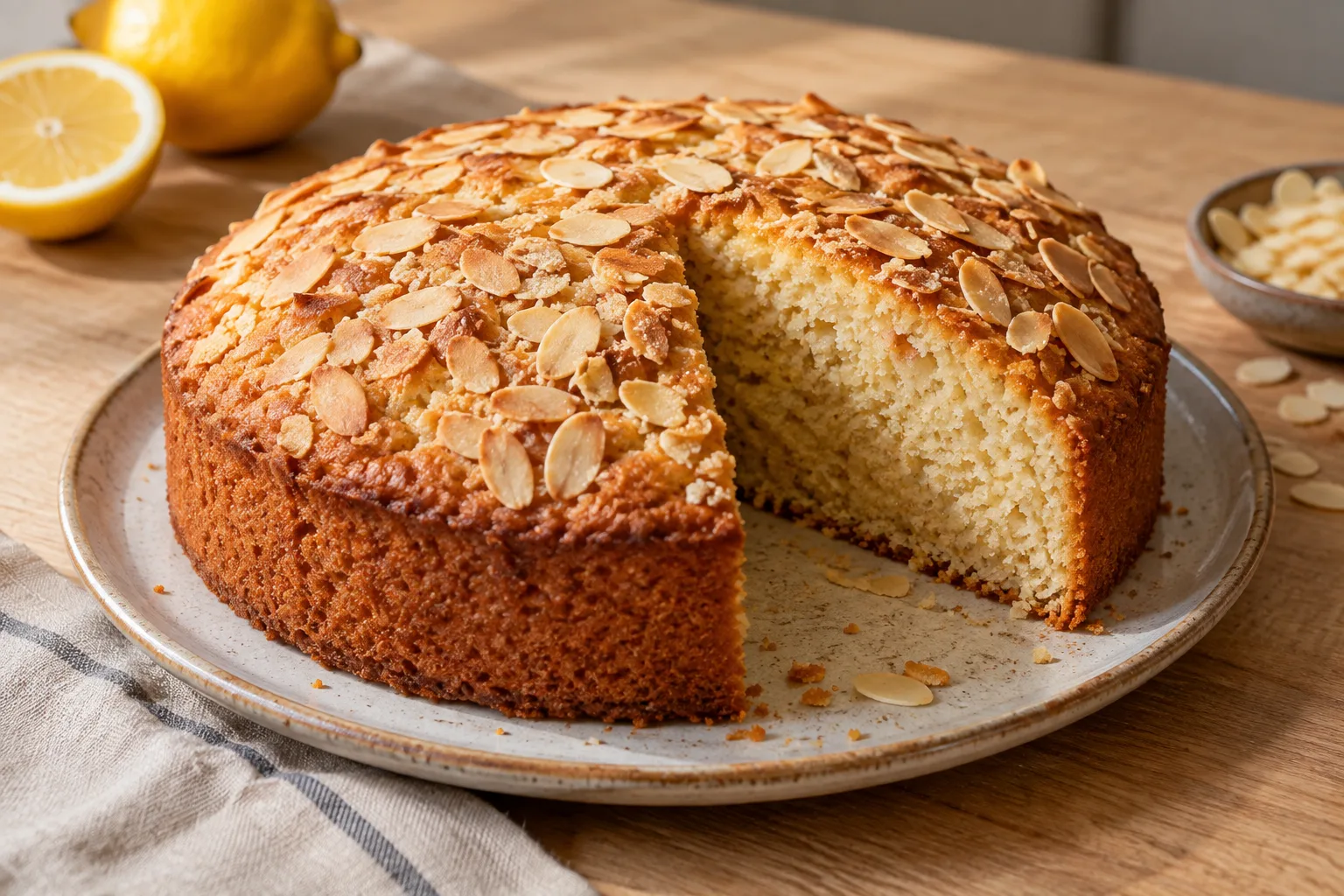
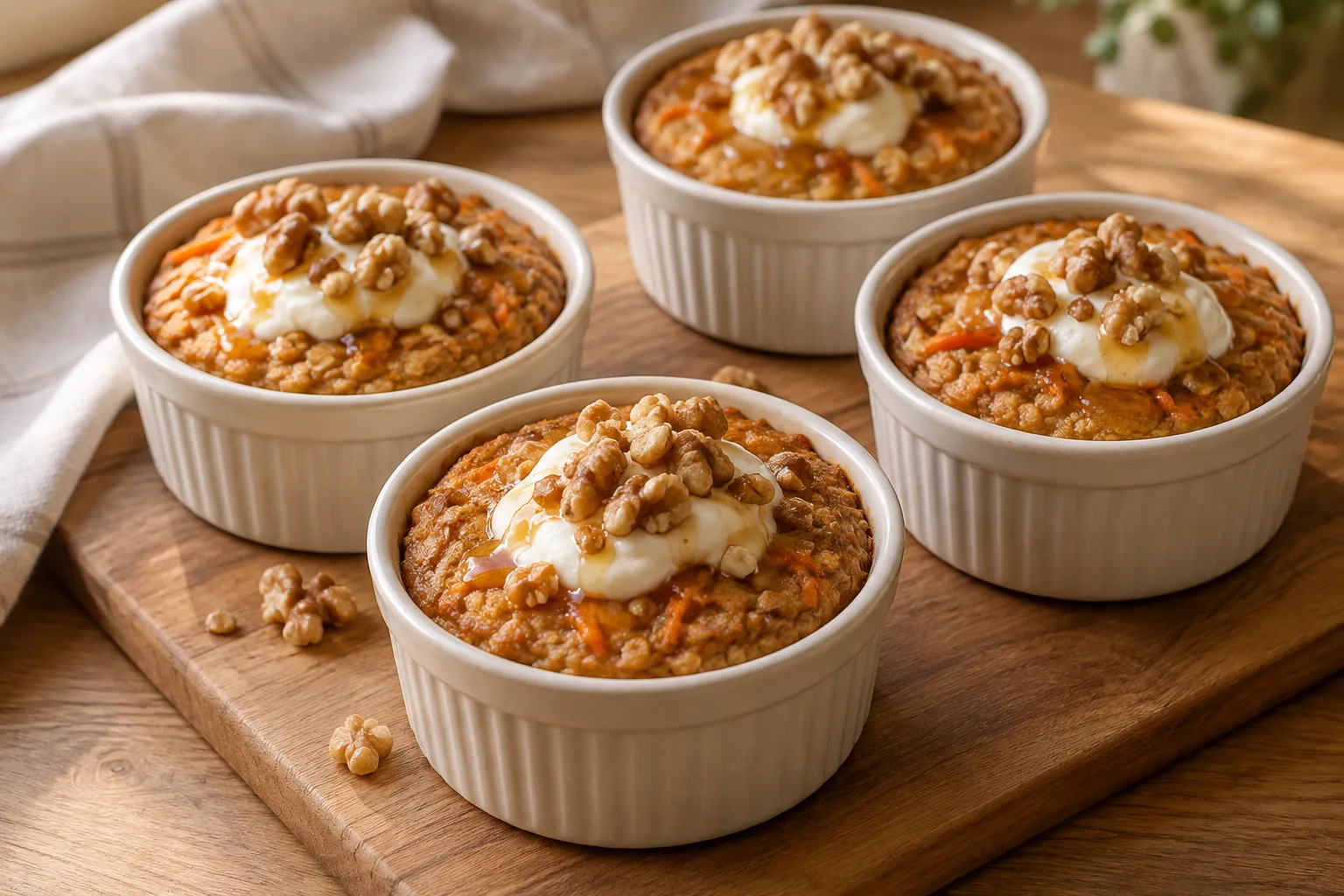
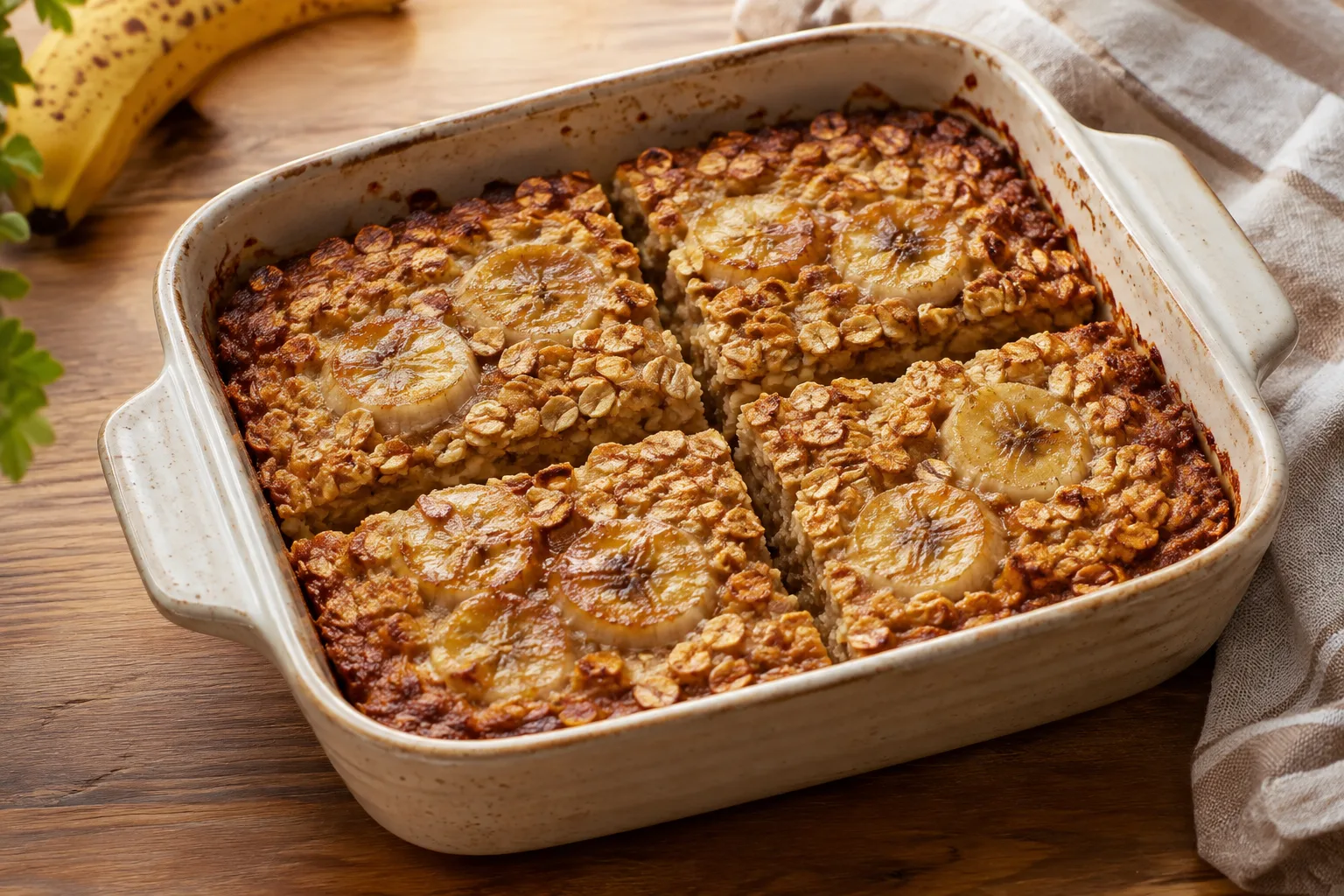
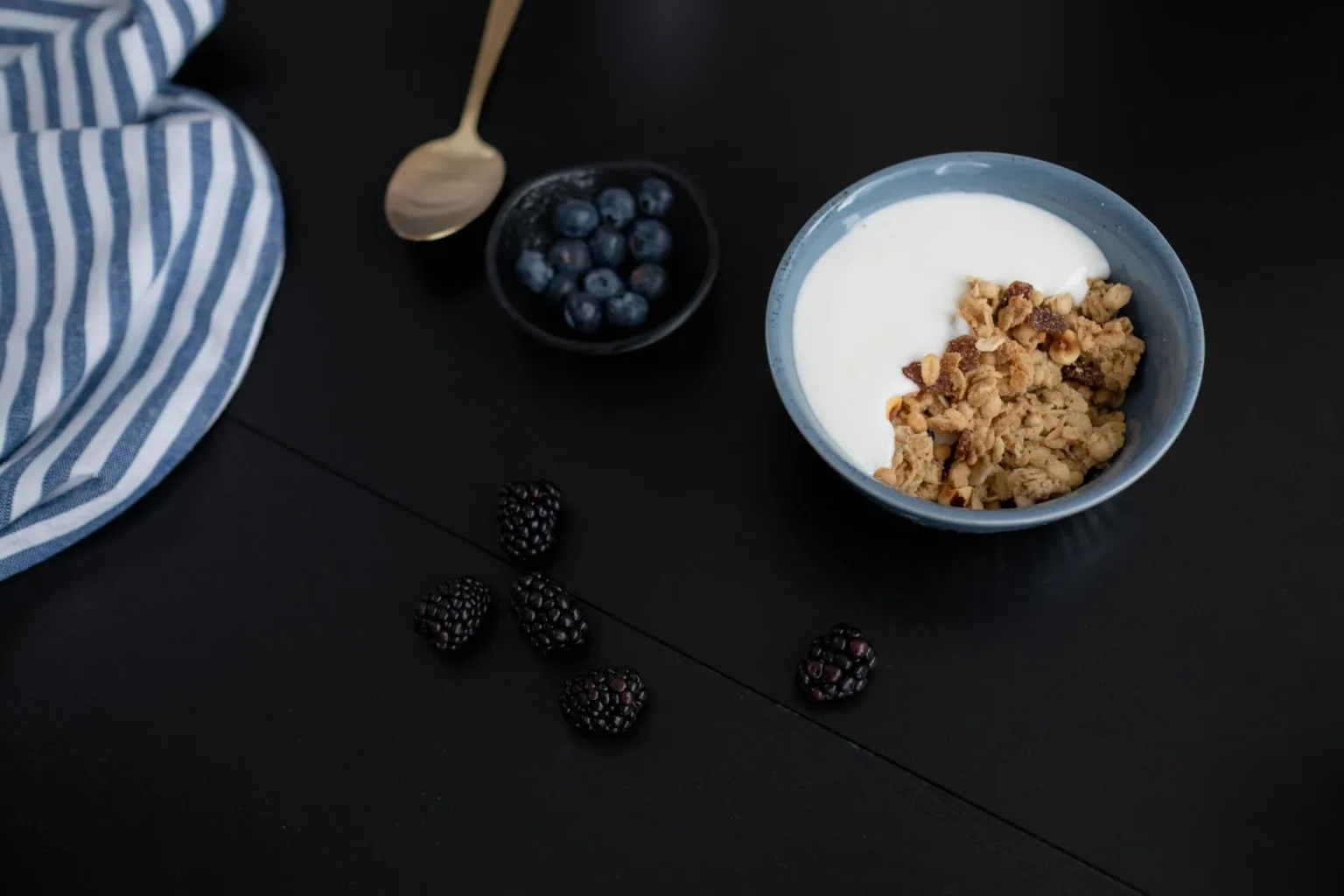
Use plain yogurt when a dish needs a creamy, tangy dairy element, such as in dressings, fresh sauces or accompaniments for vegetables and spiced dishes. It is also useful at breakfast or as a snack, served alone or with fruit, honey, nuts or granola. Yogurt can be added to baking mixtures and cakes; if a recipe depends on a particular fat proportion or texture, the result may differ from one made with cream or butter. (4534, 4535, 4538)
How to use it
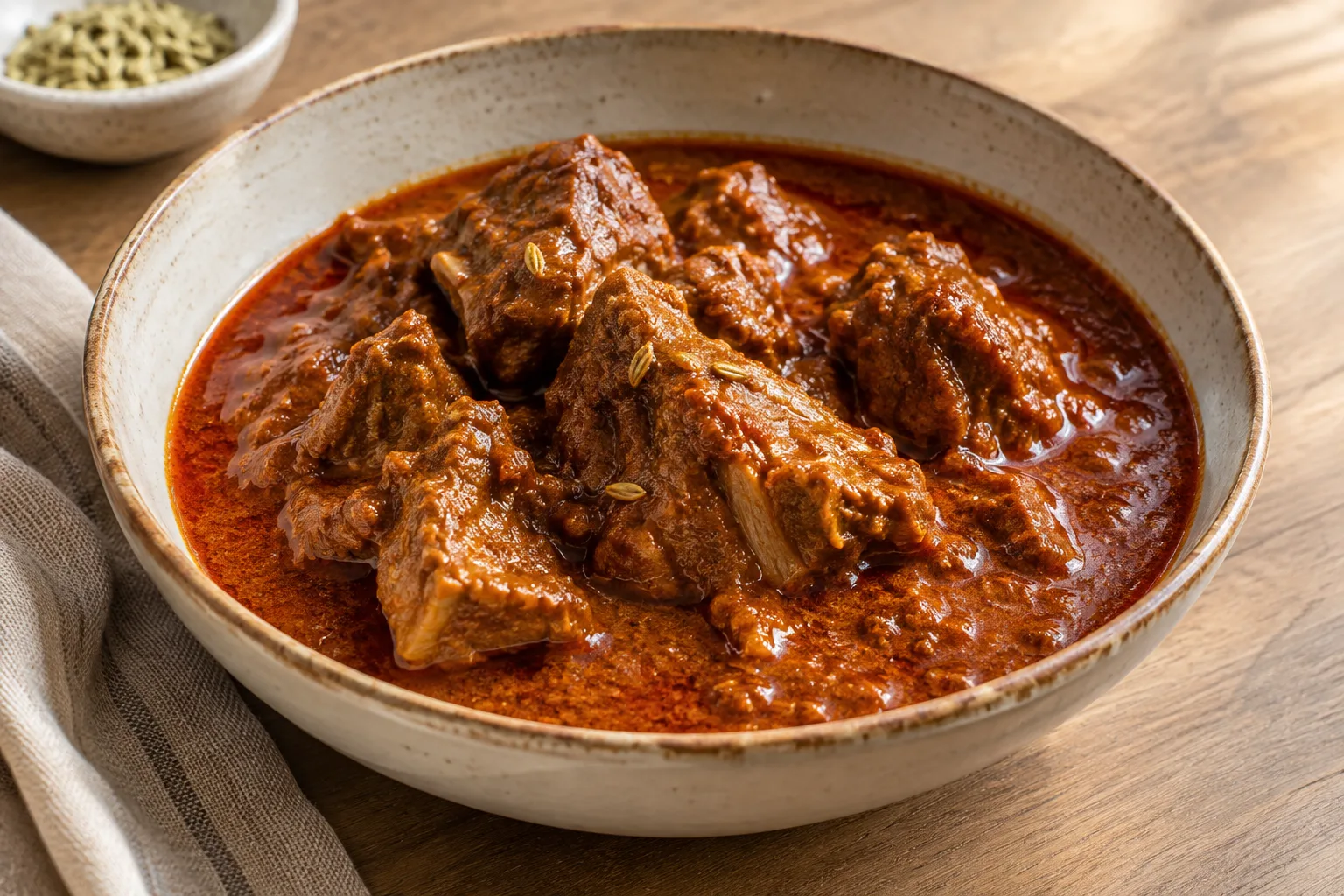
Serve it in a bowl and stir in fruit, honey or nuts. For a dressing or sauce, whisk it until smooth and combine it with ingredients such as cucumber, herbs or spices; account for its tang when balancing the rest of the recipe. It can also be mixed into marinades and baking mixtures. If adding it to hot ingredients, incorporate it gradually and allow for a possible change in texture; the available evidence does not establish one universal method to prevent this. Greek yogurt is an alternative when a thicker consistency is wanted. (4534, 4535, 4538)
Flavour and texture
Plain yogurt has a mild, fresh dairy flavor with a slight tang and a creamy texture that may be loose or firm, depending on the product. Acidity and consistency vary between brands and milk types, so check the product rather than assuming every yogurt is alike. (4534, 4535, 4539)
How to choose it
Choose an intact container from a refrigerated display and check its date, storage instructions and ingredient list. If you want yogurt without additions, check that it contains no flavors or ingredients you did not expect: the name alone does not explain every difference between products. Read the allergen information as well. (119, 4535, 4539)
Storage
Keep yogurt refrigerated and follow the container’s storage and date instructions. After opening, return it to the refrigerator and use clean utensils; the available evidence does not support one universal storage period for every product, since this depends on the specific yogurt and its label. Do not eat it if the package says it is no longer suitable or if you notice signs of spoilage. (119, 4539, 4540)
Substitutions
Greek yogurt can stand in for plain yogurt when a thicker consistency is desired, but it is denser and will not produce exactly the same result. In some recipes, yogurt can replace some or all of the cream, butter or oil; the resulting flavor and texture will differ. (4535, 4538)
Common mistakes
Do not assume every plain yogurt has the same acidity, firmness or composition: these can vary with the milk and product. When replacing cream, butter or oil, account for changes in flavor and texture, and do not overlook the storage instructions on the container. (4534, 4535, 4538, 119)
Safety and allergens
Yogurt is a dairy product and may contain milk, an allergen that should be checked on the label. Keep it refrigerated and follow the package instructions for storage, date and use; the available sources do not identify an additional specific warning that applies to all plain yogurt. (119, 4533, 4540)
Culinary uses
- Base para salsas y aliños
- Ingrediente para desayunos, postres y repostería
- Aporte de cremosidad y acidez a platos
Recommended techniques
- Mezclar en salsas y aliños
- Incorporar a masas de repostería
- Usar como marinada
Pairs well with
- Frutas frescas
- Miel y frutos secos
- Pepino y hierbas frescas
- Especias como canela, jengibre y cardamomo
Frequently asked questions
Is plain yogurt always thick?
No. Consistency varies, and Greek yogurt is generally denser than traditional plain yogurt. (4535)
Can I use it in savory dishes?
Yes. Stir it into dressings or sauces, or serve it with vegetables and spiced dishes. (4534, 4535)
What should I check when buying it?
Check that the container is intact and refrigerated, and read the ingredients, allergen information, date and storage instructions. (119, 4535)
Estimated nutrition
- Fat
- 1.55 g
- Saturates
- 1 g
- Carbohydrate
- 7.04 g
- Sugars
- 7.04 g
- Fibre
- 0 g
- Protein
- 5.25 g
- Salt
- 0.18 g
Sources and review
Automatically researched, cross-checked and validated content. Sources consulted:
- En el etiquetado alimentario hay algunas menciones que son obligatorias eletiquetadocuentamucho.aesan.gob.es
- Client Challenge doi.org
- Aesan - Agencia Española de Seguridad Alimentaria y Nutrición aesan.gob.es
- Yogur - Wikipedia, la enciclopedia libre es.wikipedia.org
- El yogur natural: qué es, valor nutricional y tipos mundolacteo.es
- Qué echarle al yogur natural: la magia de mezclarlo con otros ingredientes directoalpaladar.com
- Yogur: Variedades y usos buenazo.pe
- El yogur: Origen de sus ingredientes - Alimentando el cambio alimentandoelcambio.es
- Yogur: qué es, cómo se elabora y beneficios para el organismo | Ingredientes - Sistema Sacco ingredients.saccosystem.com
- Cocinar con yogur: de recetas de salsas y platos salados a tortas y postres light clarin.com
- ¿Qué es el yogur? Preguntas frecuentes - Yogurt in Nutrition yogurtinnutrition.com
- Variedades de yogur | Consumer consumer.es
- Yogur: qué es, beneficios y cómo elaborar (¡con recetas!) - Tua Saúde tuasaude.com
- Yogur Café: Un Acompañante Ideal para Maridar con Quesos y Embutidos de Calidad donquesotori.es
- Sens Gourmet : l'essence du goût toufood.com
- Yogur natural casero: Receta fácil y saludable hogarmania.com
- Recetas con yogur natural: deliciosas y sorprendentes cookpad.com