- Category
- Vegetables
- State
- Fresh
- Usual unit
- g
What it is
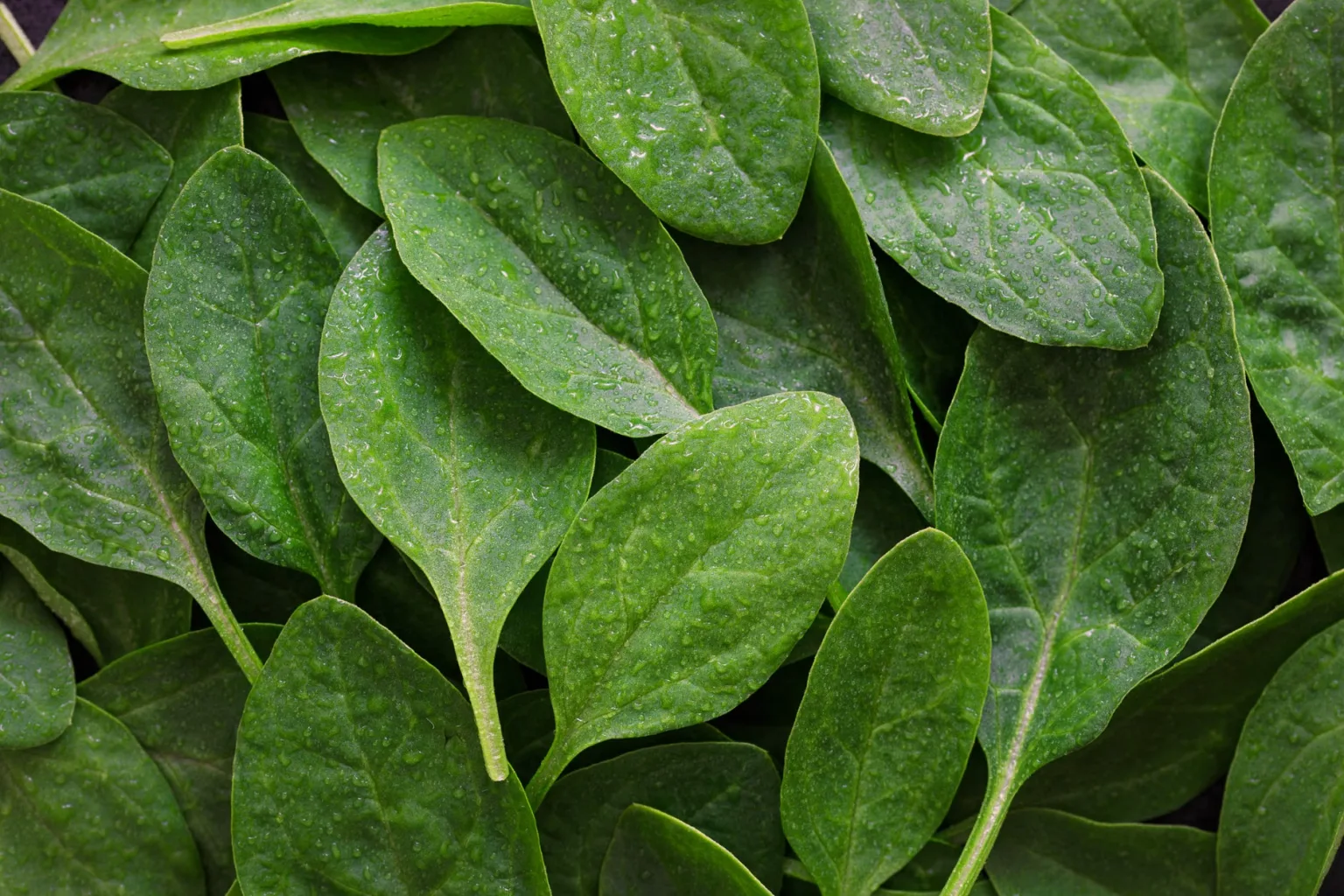
Spinach is a leafy vegetable grown for its green leaves and belongs to the Amaranthaceae family. It is sold at different stages of growth: young leaves, often called baby spinach, are tender, while more mature leaves can have more body and a slightly fibrous texture. Leaf shape and surface also vary; some leaves are smooth and others are crinkled or savoyed. These differences can help you choose spinach for a particular dish, but young leaves are not a different plant. This profile covers fresh spinach; frozen or preserved products call for attention to their format and package directions.
When to use it
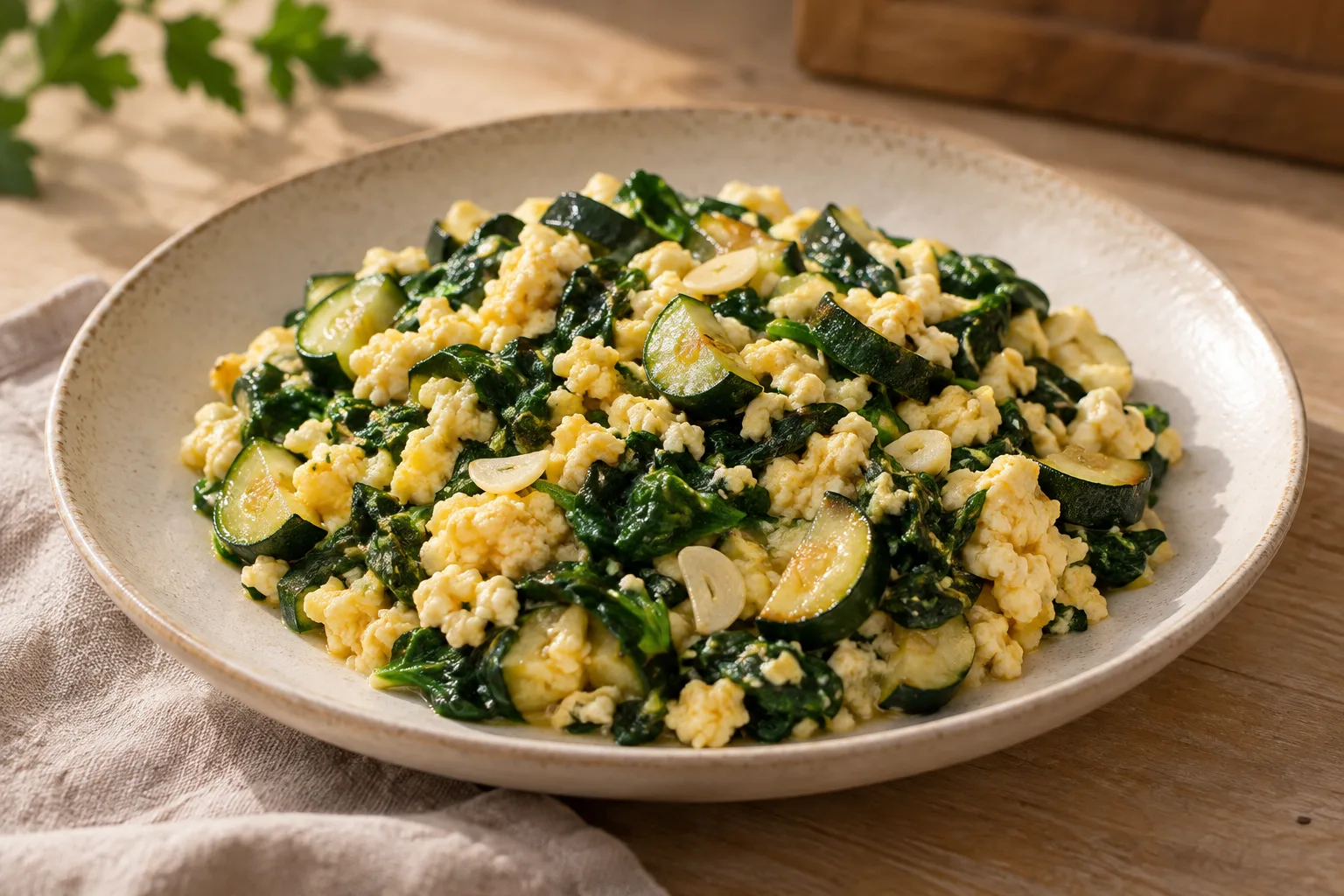
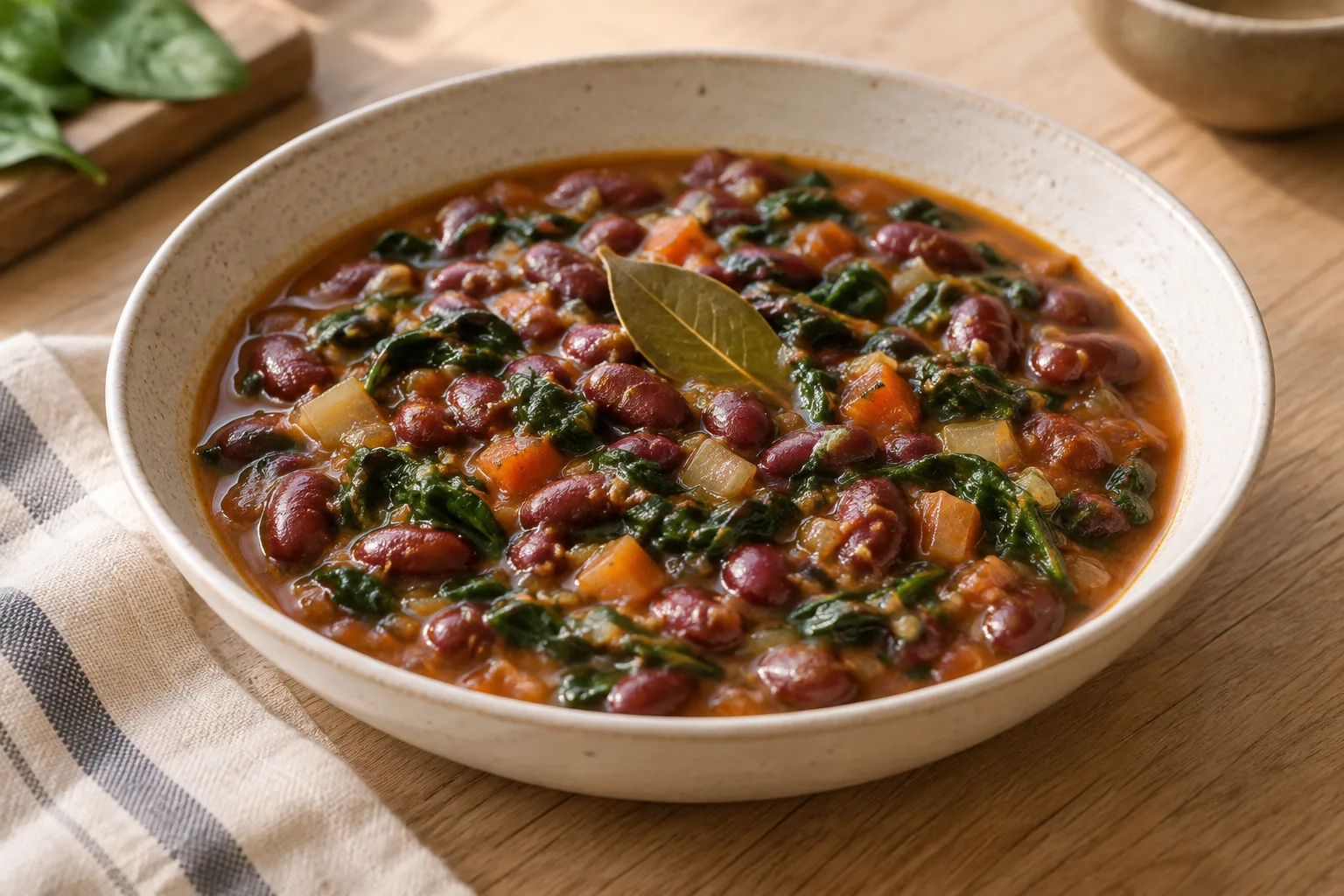
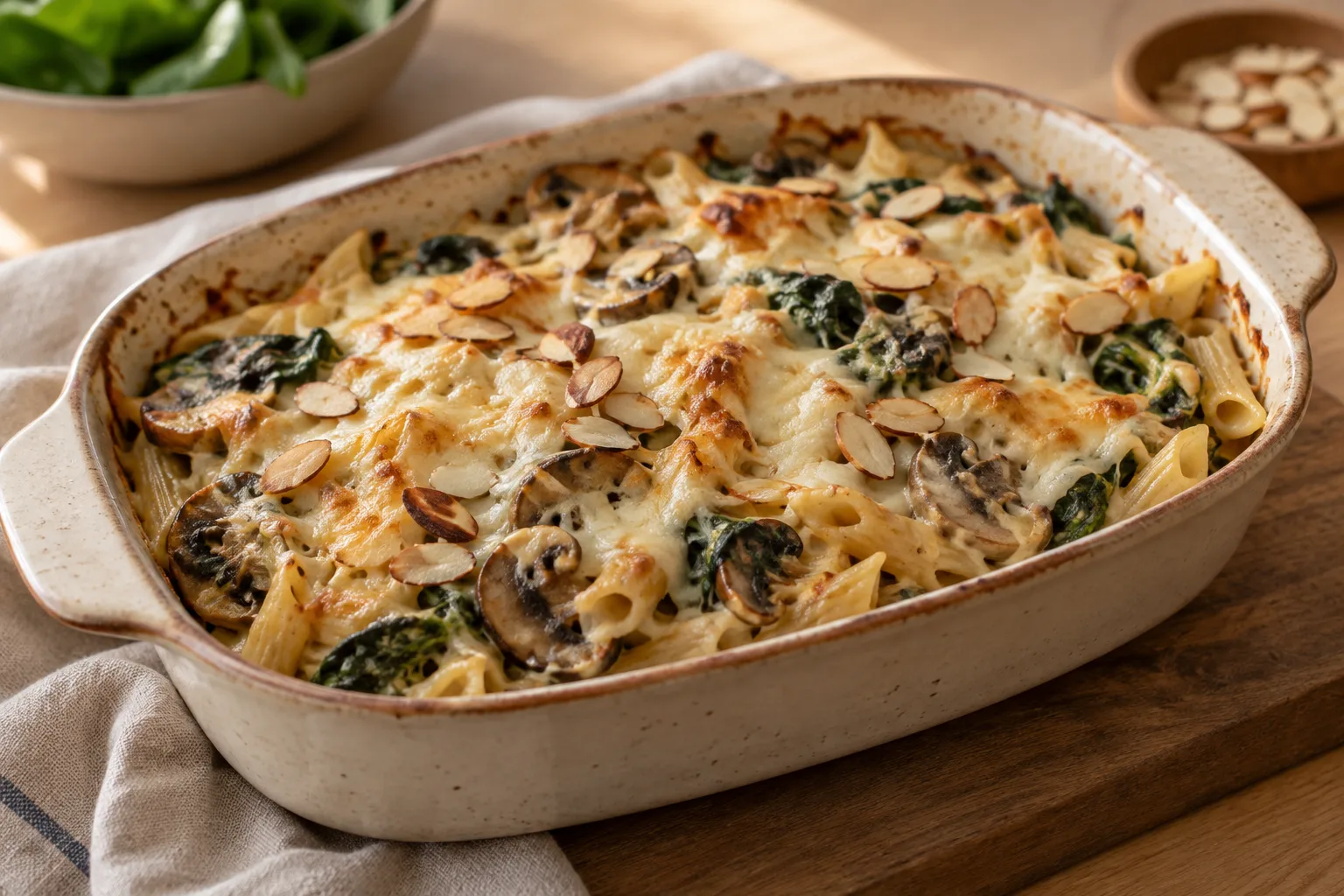
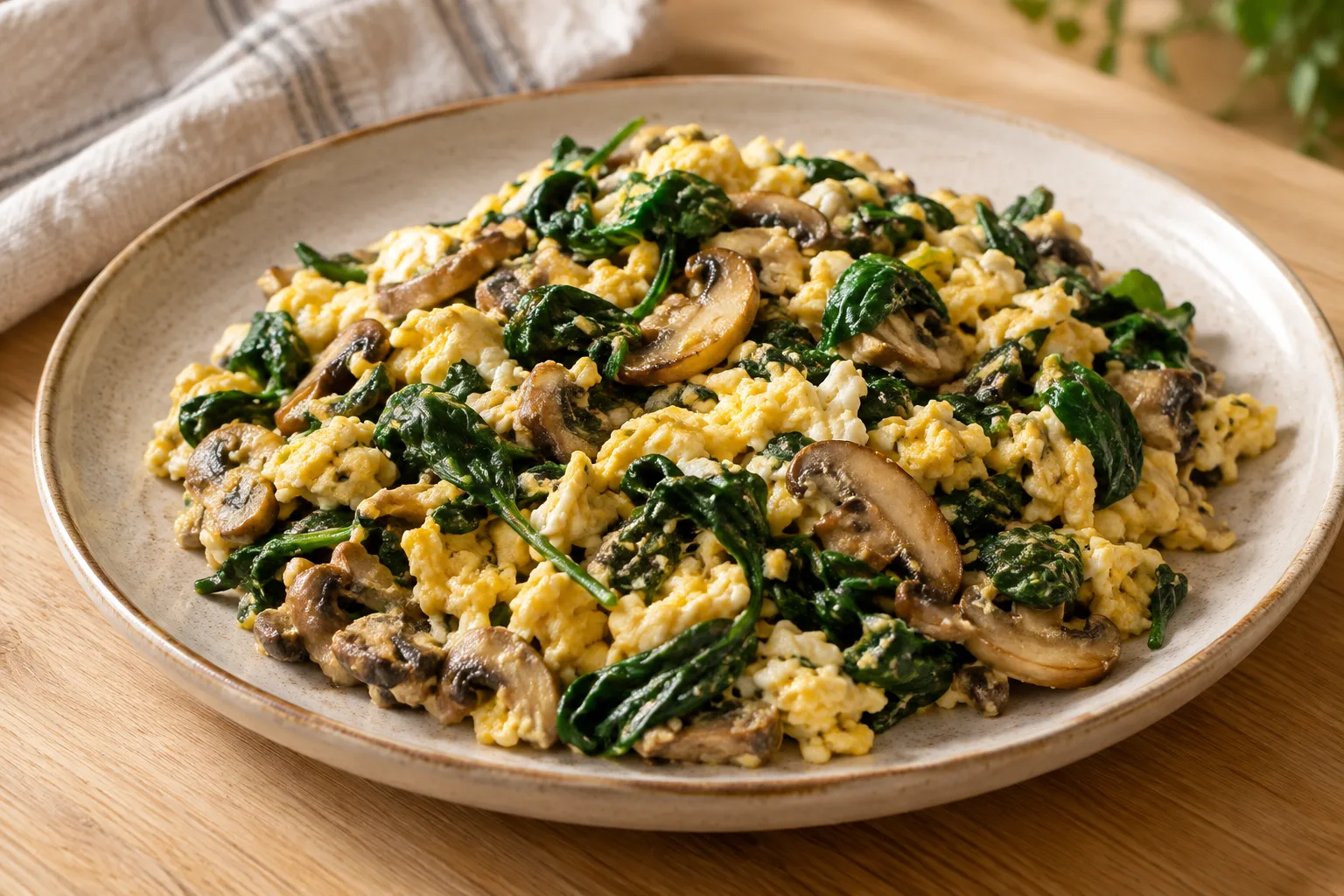
Choose young leaves when you want a delicate texture for salads, fresh sides, or smoothies. Mature leaves are a good choice for sautés, soups, stews, omelets, creamed dishes, and fillings. If spinach is the main ingredient and you want it to retain some bite, choose fresh leaves and cook them briefly. The starting texture matters less in purées or longer-cooked dishes. Remember that spinach loses a great deal of volume as it cooks, so a large-looking pile of raw leaves will yield much less in the finished dish.
How to use it
Remove damaged leaves and any stems that seem too tough for your recipe. Wash the leaves before use and drain them well, especially if serving them raw. For a salad, combine tender leaves with a dressing and contrasting ingredients such as cheese, nuts, or fruit. To cook spinach, sauté it briefly or steam it; you can also add it to soups, stews, omelets, creamy dishes, and fillings. Add it near the end of cooking if you want to preserve more texture. Since the leaves shrink substantially, start with more raw spinach than you think you need. If using packaged spinach, follow the use directions on its label.
Flavour and texture
Spinach tastes green and herbaceous, with a slight acidity that can vary from leaf to leaf. Young leaves are usually milder and more tender; mature leaves have more bite and can feel somewhat fibrous or slightly bitter. Smooth and crinkled leaves also differ in texture. Raw spinach stays fresh and leafy, while heat softens it and reduces its volume considerably, particularly during prolonged cooking.
How to choose it
Look for leaves that are vivid or deep green, fresh-looking, and tender, without yellow, reddish, dark, or damaged patches. For bunches, check the stems too: very thick stems may remain firm in a quick-cooking dish. Choose small, tender leaves for salads and more developed leaves for stews, fillings, or purées. Smooth leaves are generally easier to clean, while folds in crinkled leaves may hold more dirt.
Storage
Keep fresh spinach in the refrigerator, protected in a bag or food wrap. Avoid crushing the leaves and check their condition before use. Quality can decline during storage, so use the leaves while they still look fresh and tender. For packaged spinach, follow the storage and use instructions on the label; directions can differ by product format.
Substitutions
Tender chard can stand in for spinach in stews, soups, and fillings, although its flavor and texture are not identical. Red or mountain spinach can also be used in salads or soups, but it may change the dish's color. Adjust the cut and cooking to the firmness of the substitute; do not expect it to behave exactly like spinach.
Common mistakes
Do not estimate servings as though spinach will keep its raw volume: it shrinks considerably as it cooks. Avoid cooking mature leaves for a long time if you want distinct flavor and texture; they can become very soft. Also consider the firmness of large leaves and thick stems before using them in a very quick preparation. Young leaves generally give salads a more delicate texture.
Safety and allergens
For packaged spinach, follow the storage and use directions on the label. Instructions can vary with the product format and presentation.
Culinary uses
- Hoja para ensaladas y platos frescos
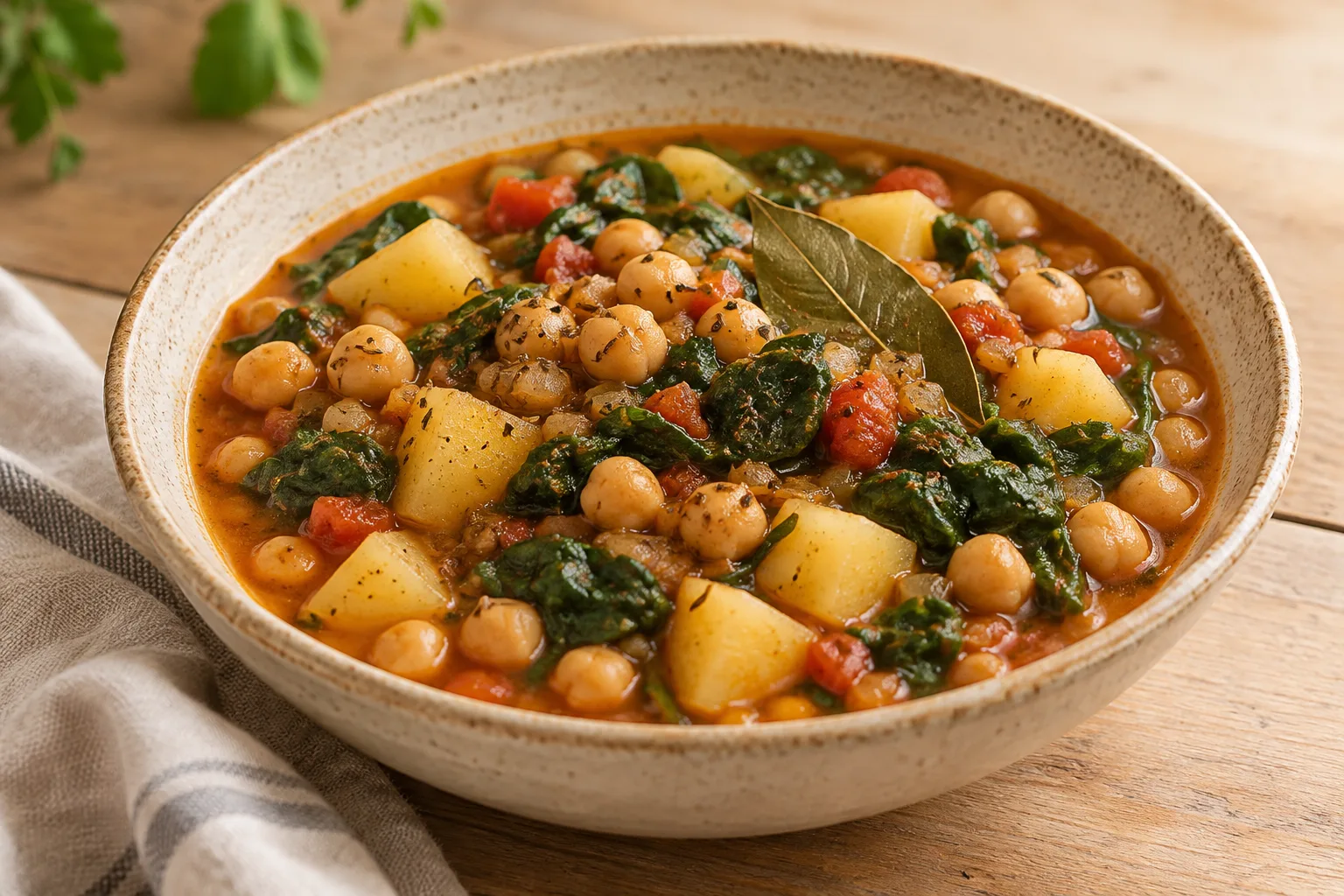
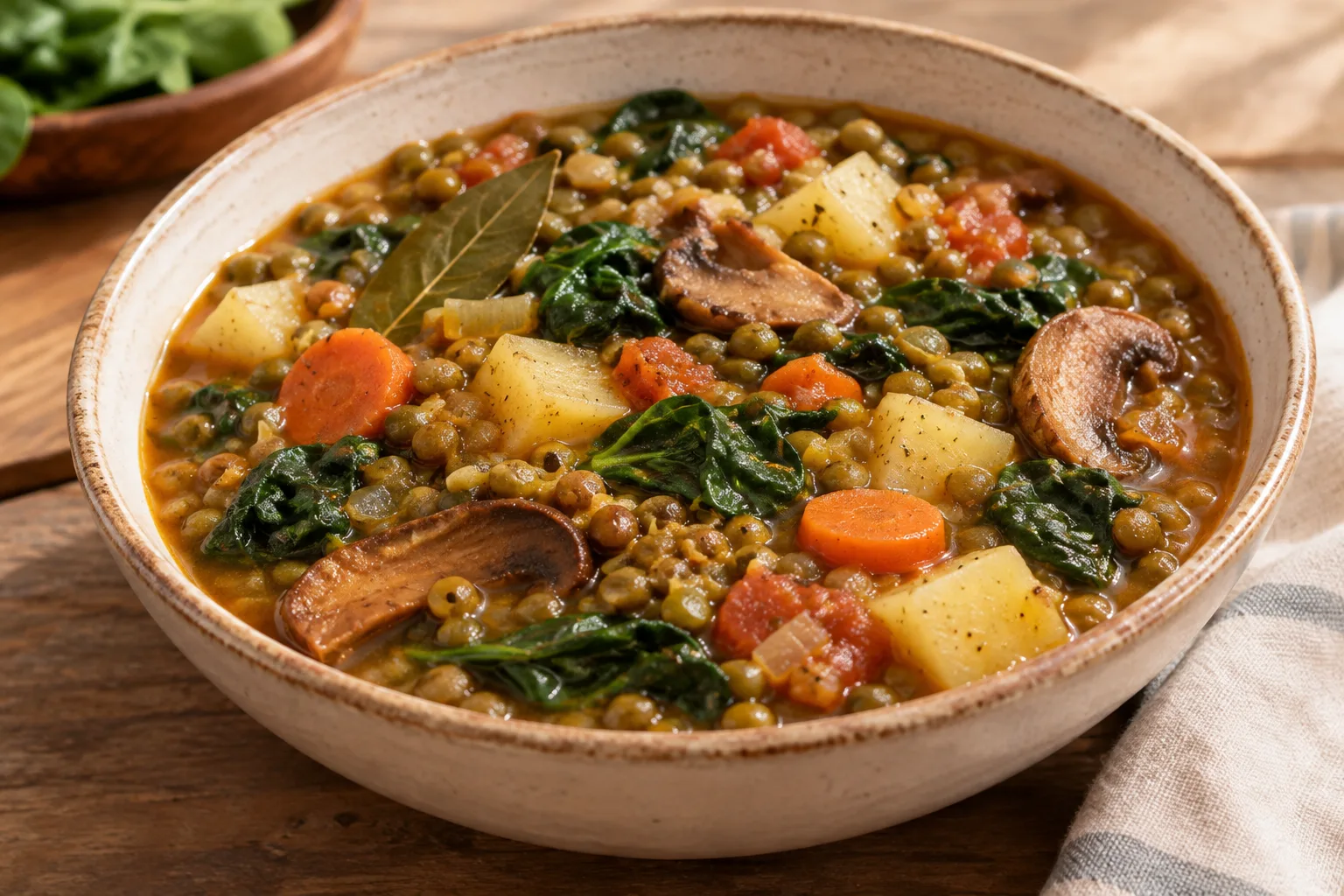
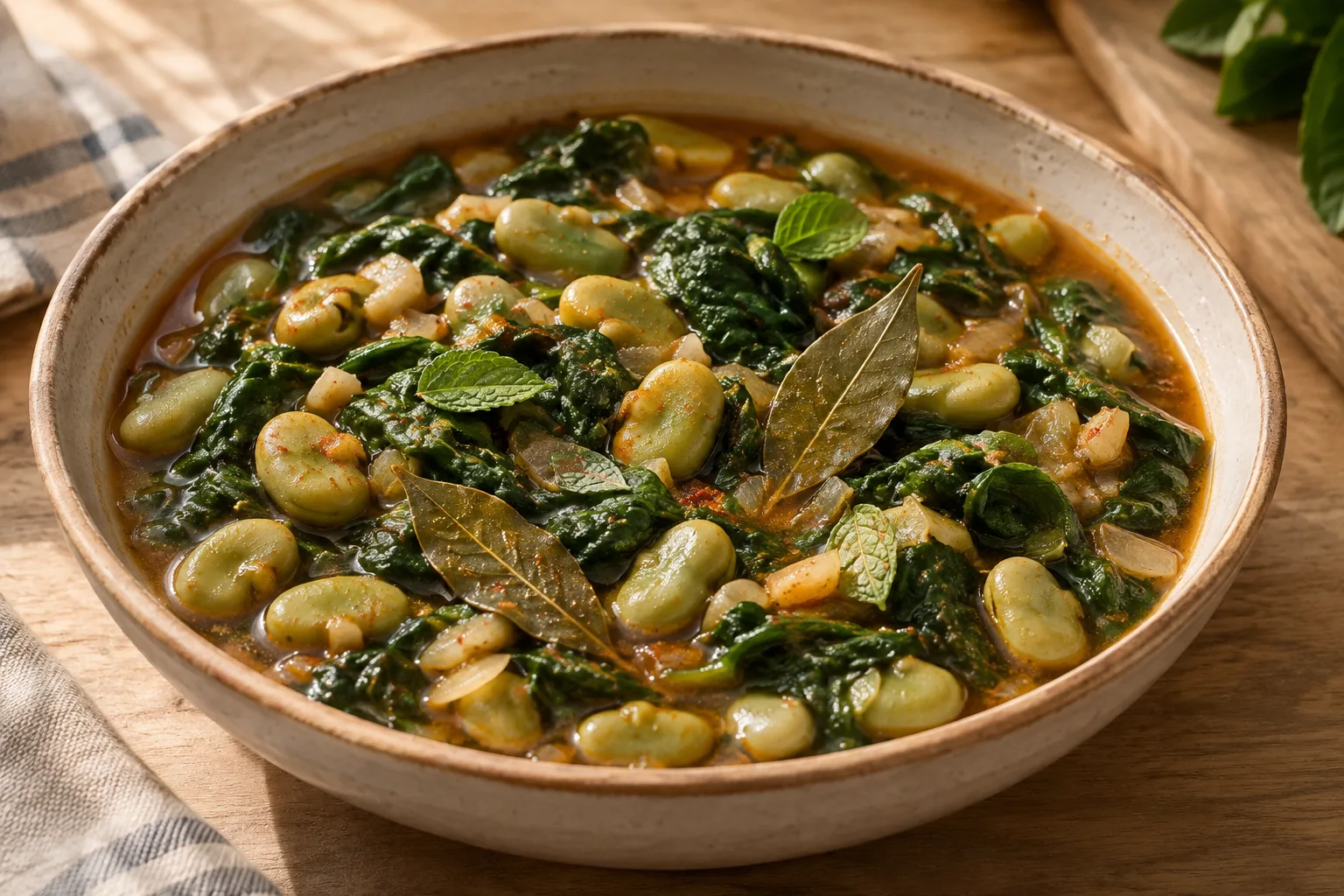
- Verdura para guisos, sopas, rellenos y guarniciones
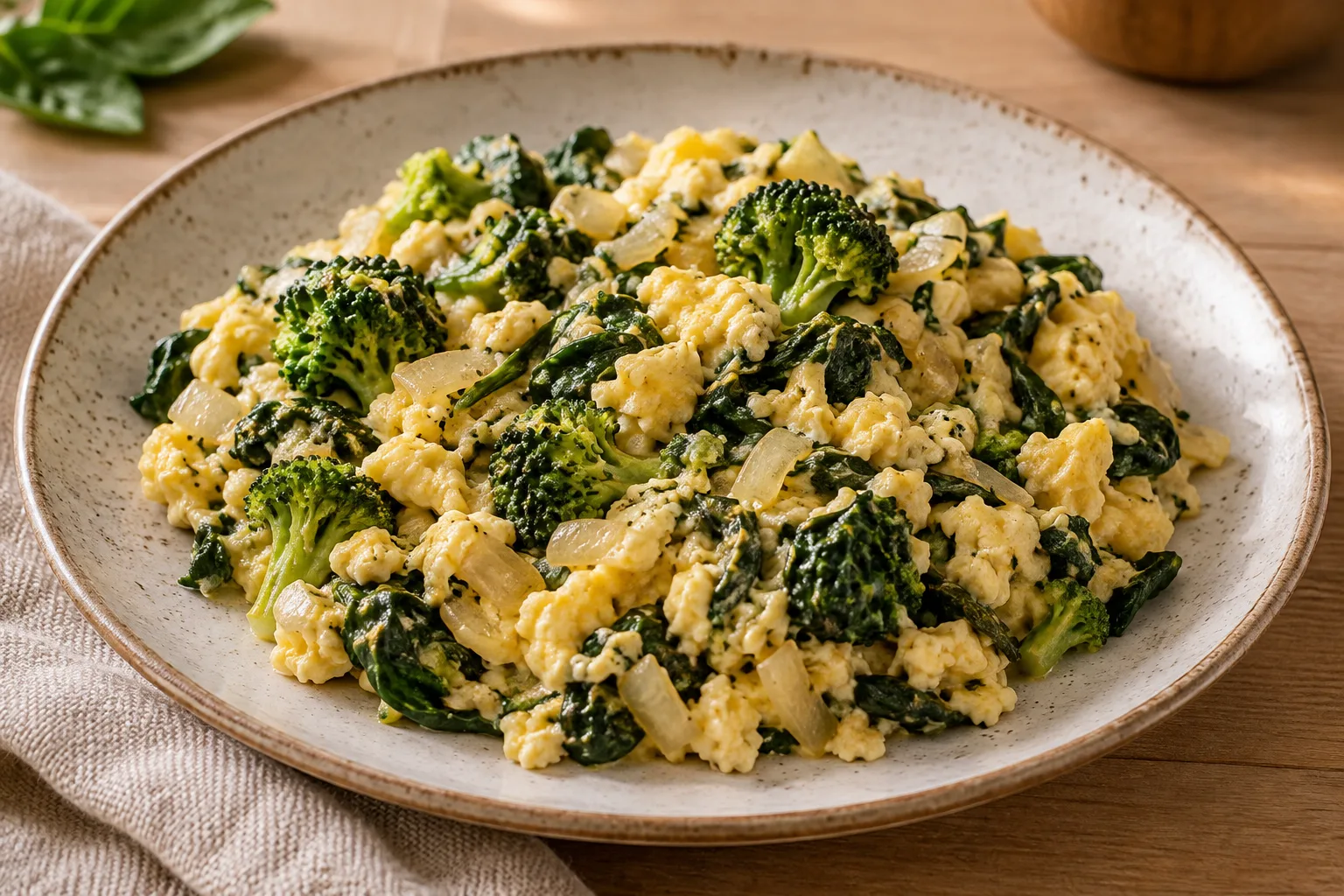
- Ingrediente para cremas, tortillas y preparaciones trituradas
Recommended techniques
- Consumir cruda
- Saltear brevemente
- Cocinar al vapor
- Añadir a sopas o guisos
Pairs well with
- Ajo y cebolla
- Setas y piñones
- Queso y frutos secos
- Pescados y mariscos
- Huevo
Frequently asked questions
Can spinach be eaten raw?
Yes. Fresh leaves can be used raw in salads and other cold dishes; young leaves are often especially tender.
Why does spinach look smaller after cooking?
The leaves lose a great deal of volume as they cook and become more compact. Factor this in when estimating how much to use.
Which spinach is best for a salad?
Young leaves are usually more delicate and tender. Mature leaves can also be used, either on their own or mixed with other leaves.
Estimated nutrition
- Fat
- 0 g
- Saturates
- 0 g
- Carbohydrate
- 3.53 g
- Sugars
- 0 g
- Fibre
- 2.4 g
- Protein
- 2.35 g
- Salt
- 0.19 g
Sources and review
Automatically researched, cross-checked and validated content. Sources consulted:
- En el etiquetado alimentario hay algunas menciones que son obligatorias eletiquetadocuentamucho.aesan.gob.es
- Client Challenge doi.org
- Aesan - Agencia Española de Seguridad Alimentaria y Nutrición aesan.gob.es
- Espinacas: beneficios y cómo usarla en la cocina - Cocina y Come cocinaycome.com
- Espinaca joseanalija.com
- Escuela de Cocina: LAS ESPINACAS tuprofedecocina.blogspot.com
- Espinaca | HerbaZest herbazest.com
- Espinaca | Introducción | Verduras y hortalizas | EROSKI CONSUMER verduras.consumer.es
- Descubre Todos los Tipos de Espinacas: Variedades, Características y Beneficios jardineriaon.com
- Espinacas: todas sus propiedades y beneficios para la salud cuerpomente.com
- Espinaca: origen, cultivo, propiedades y beneficios. frutamerca.com
- Espinacas - Infoalimenta infoalimenta.com
- Espinacas: Beneficios, Propiedades y Usos Culinarios - No Desperdicies nonsprecare.it
- Gastronomía sefardí - Wikipedia, la enciclopedia libre es.wikipedia.org
- Las mejores recetas para cocinar con espinacas: fáciles, caseras y rápidas directoalpaladar.com
- Espinacas: Beneficios, Sabor, Usos, Cómo Cocinar, Recetas, Nutrición, Tipos lotusmagus.com
- Recetas Cómo cocinar espinacas: seis maneras de disfrutar con una verdura maltratada: Cómo cocinar espinacas: seis maneras de disfrutar con una verdura maltratada | El Comidista | Gastronomía | EL PAÍS elpais.com