- Category
- Vegetables
- State
- Fresh
- Usual unit
- g
What it is
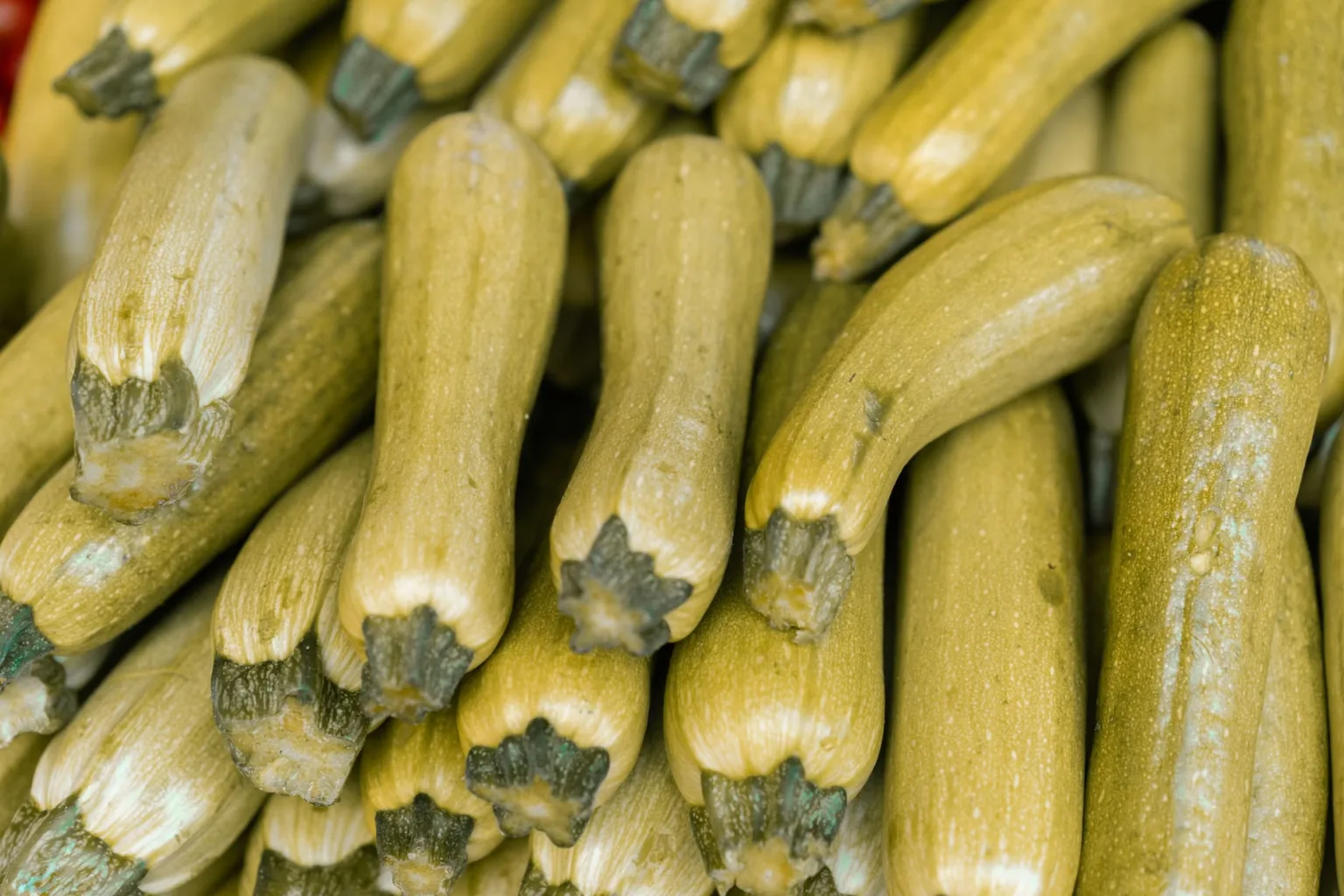
Zucchini is the young fruit of a plant in the cucurbit family, which also includes pumpkins, cucumbers, and melons. In cooking, it is commonly treated as a vegetable. The most familiar type is usually long and green, but zucchini can also be yellow, pale, or round. Its skin is thin and can be cooked along with the flesh, which is tender and juicy. Its flavor is delicate, with a faint sweetness, so it pairs easily with more pronounced ingredients and seasonings. Texture and flavor can differ between varieties and sizes, so a zucchini’s shape or color does not tell the whole story about how it will perform in a dish.
When to use it
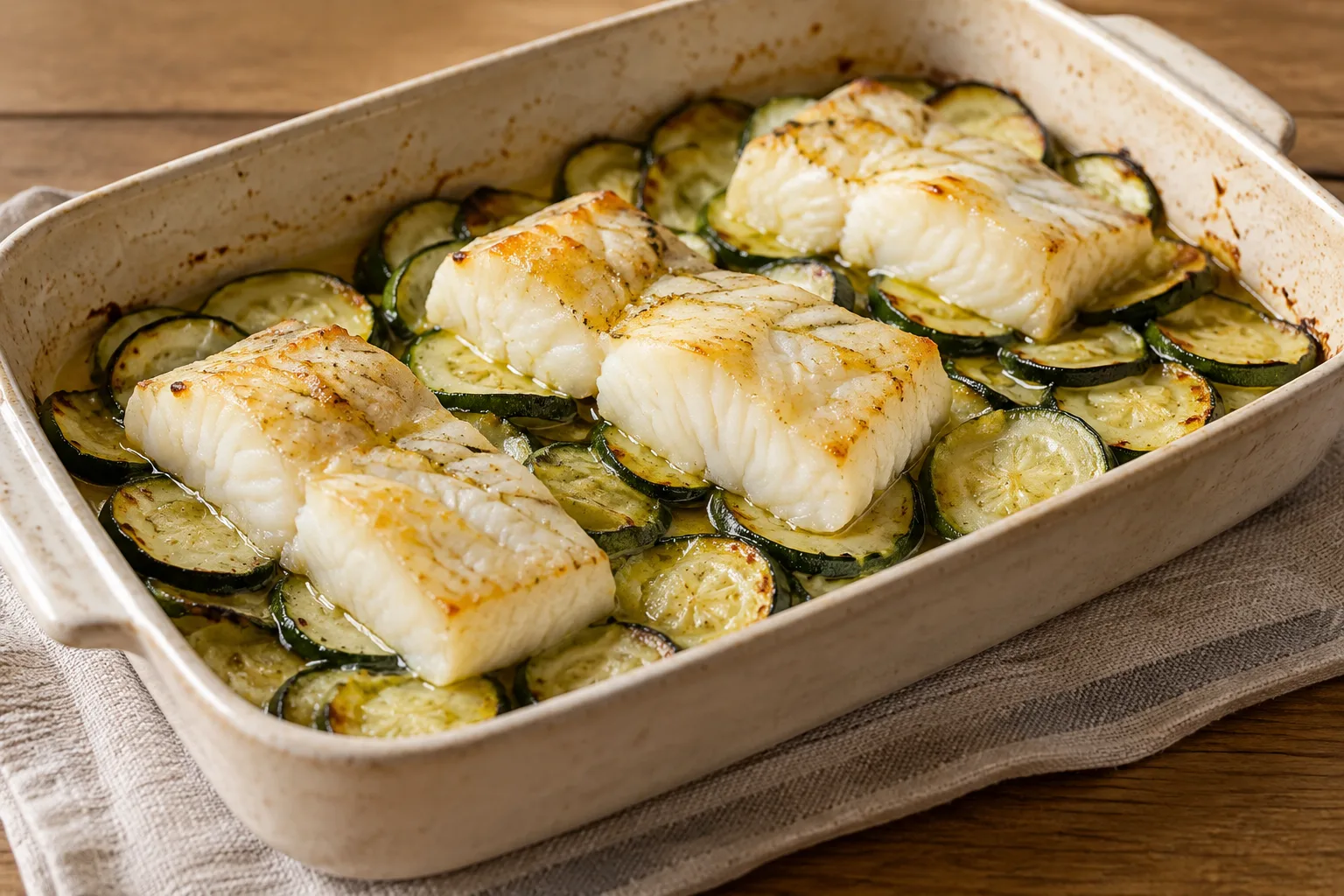
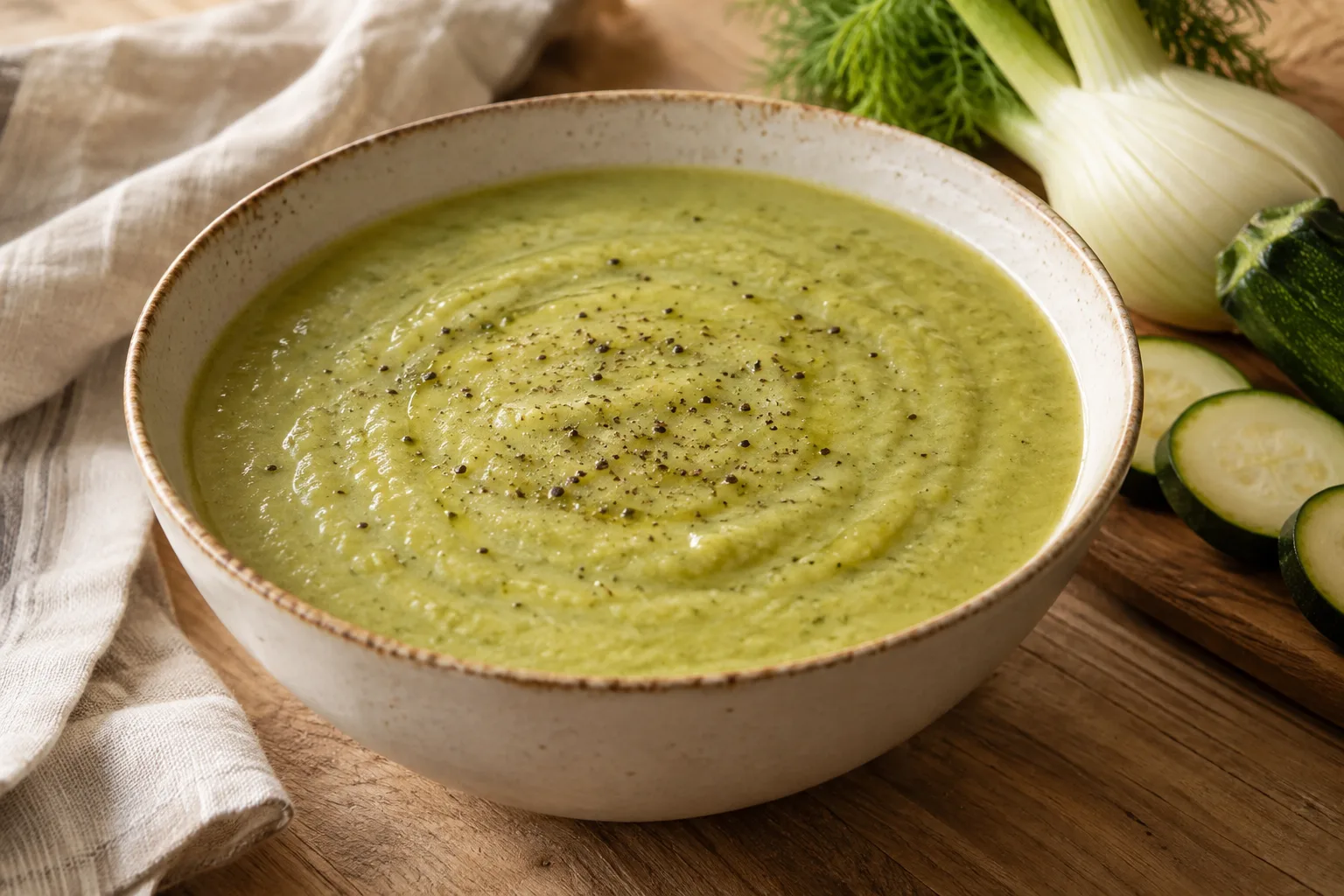
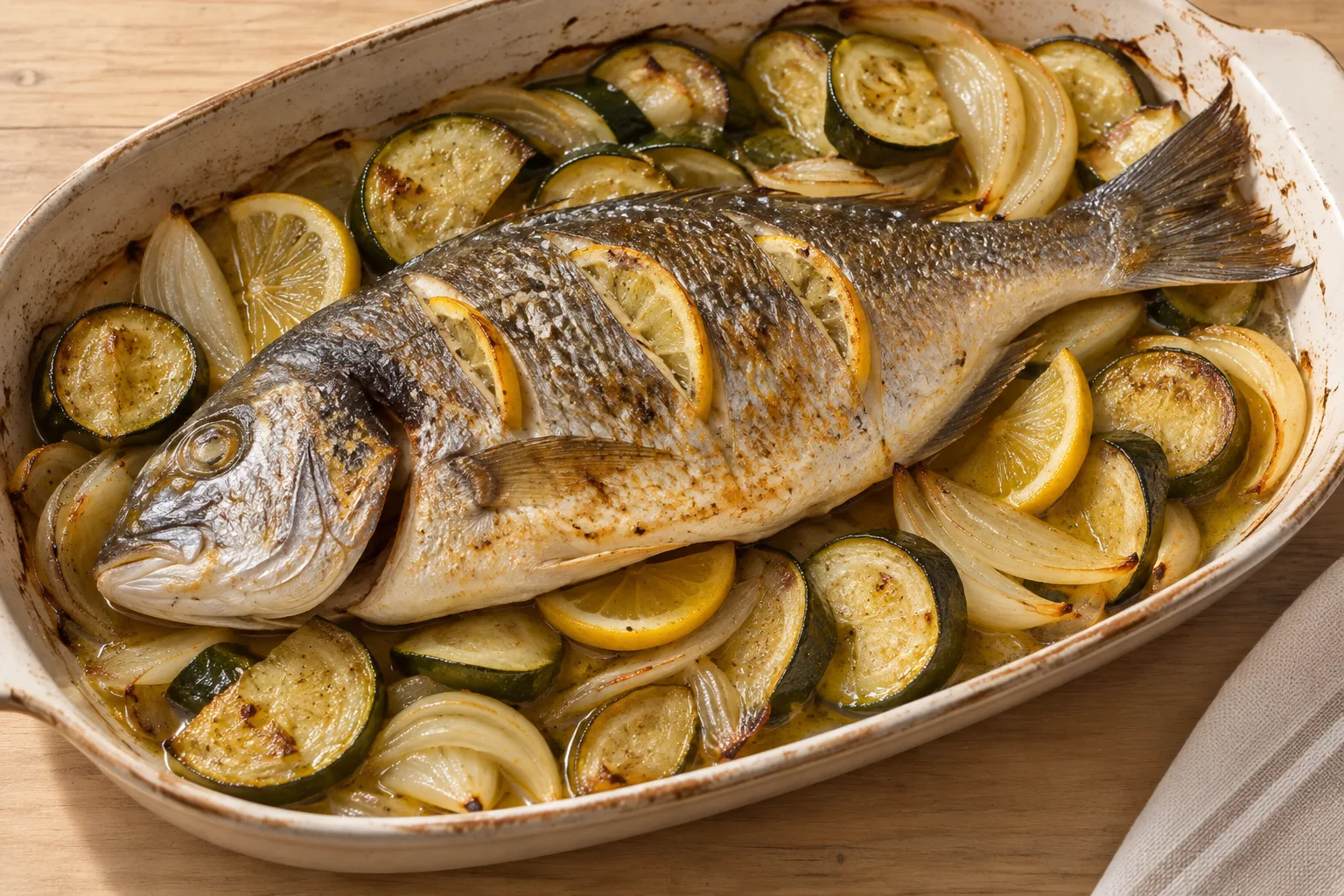
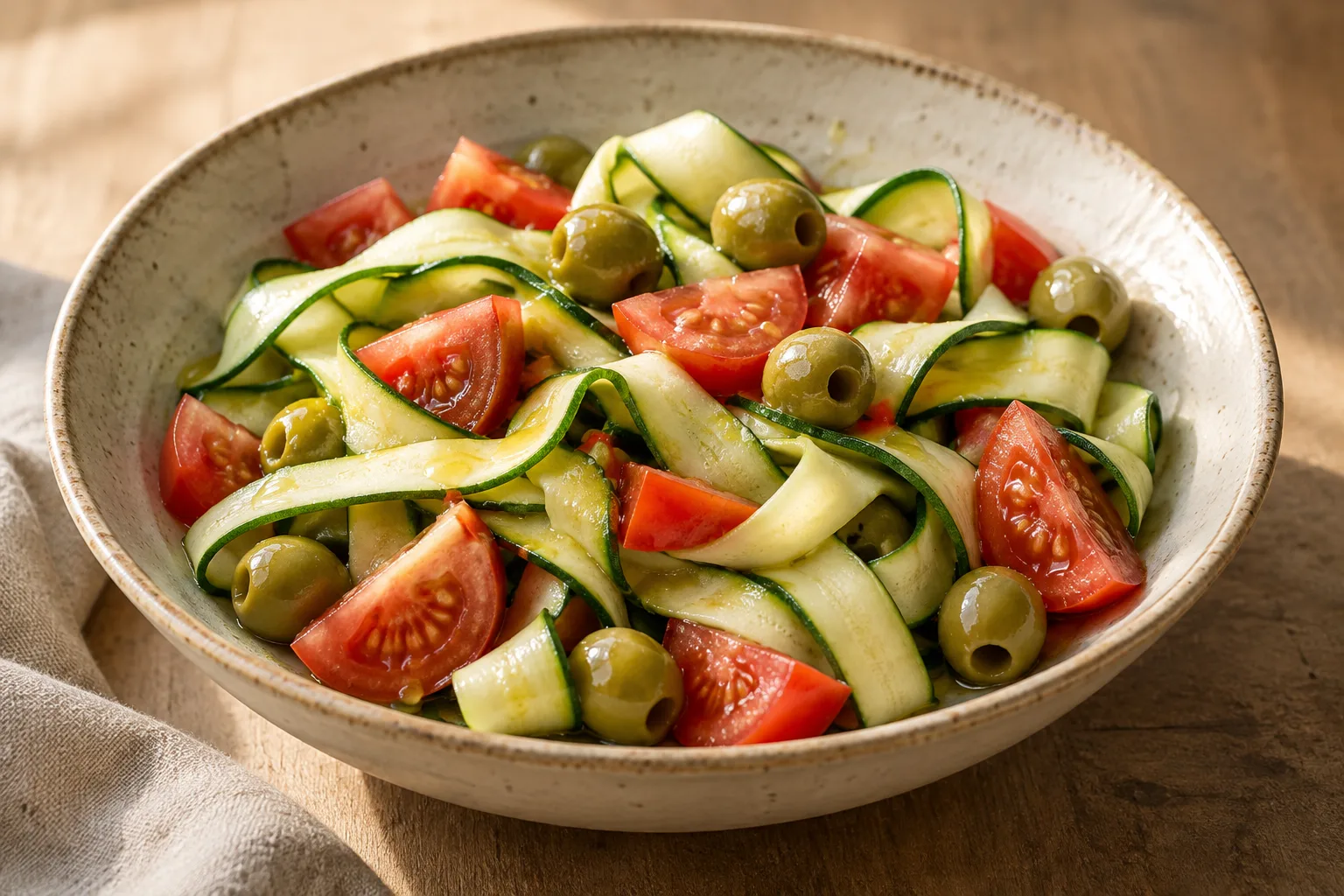
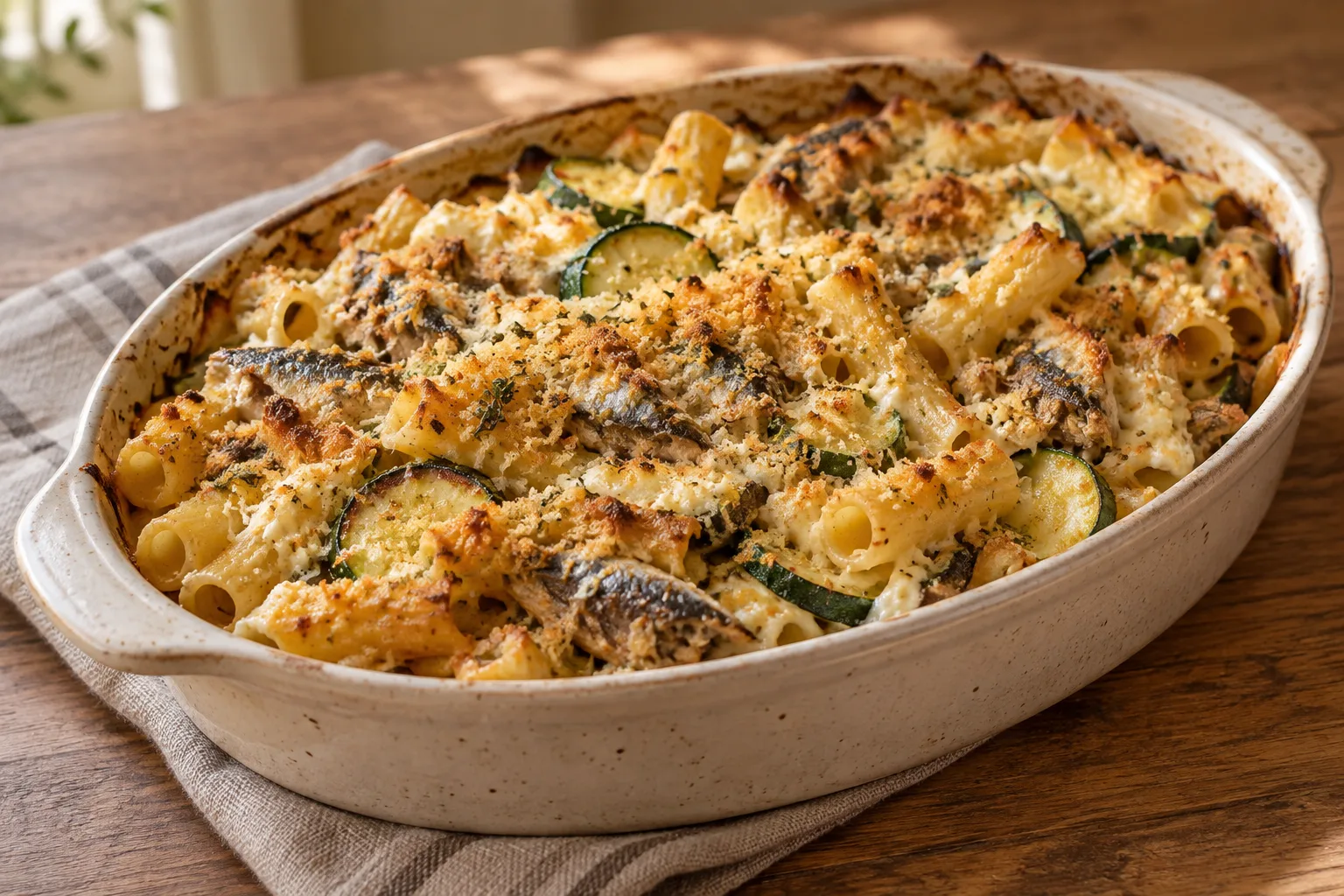
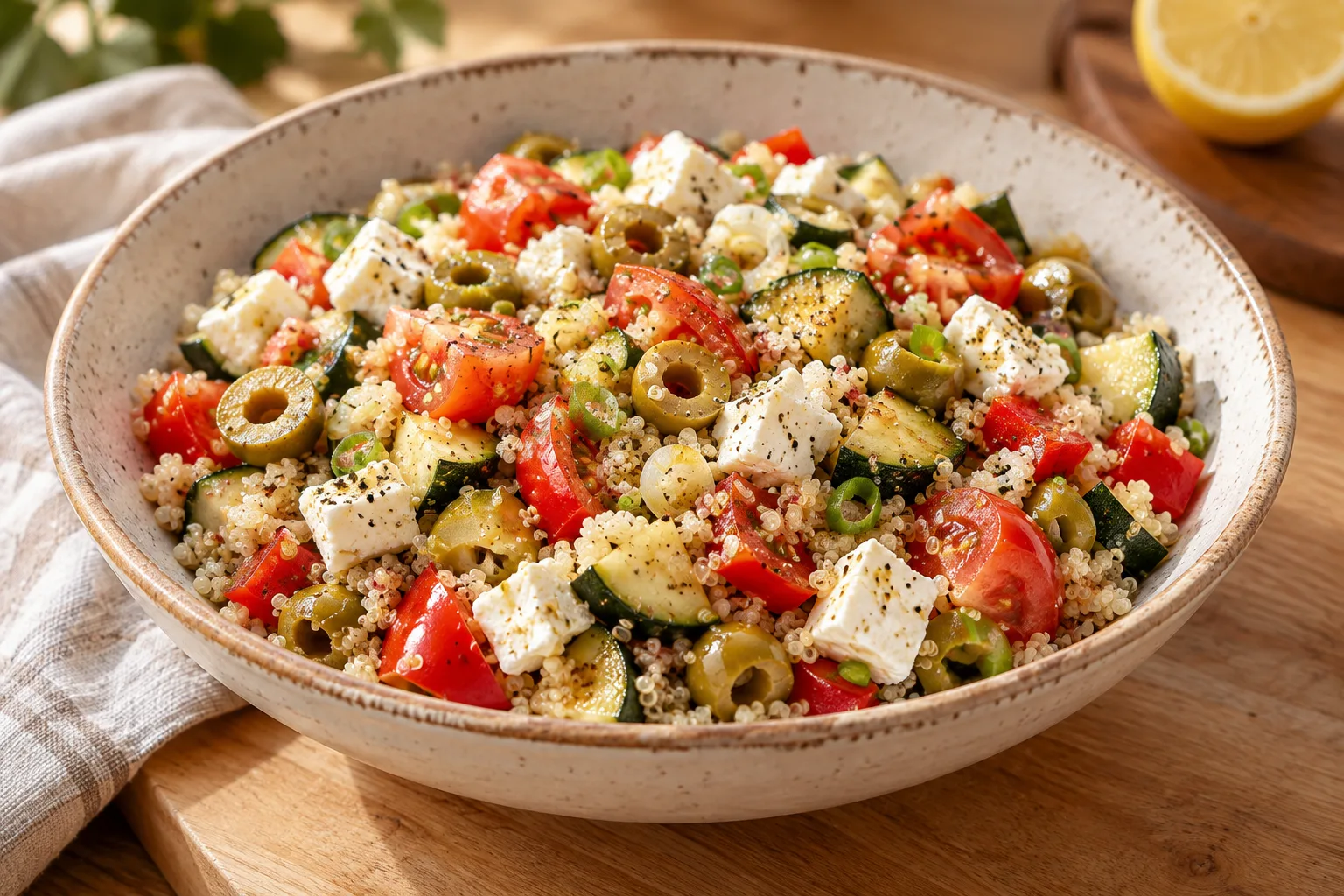
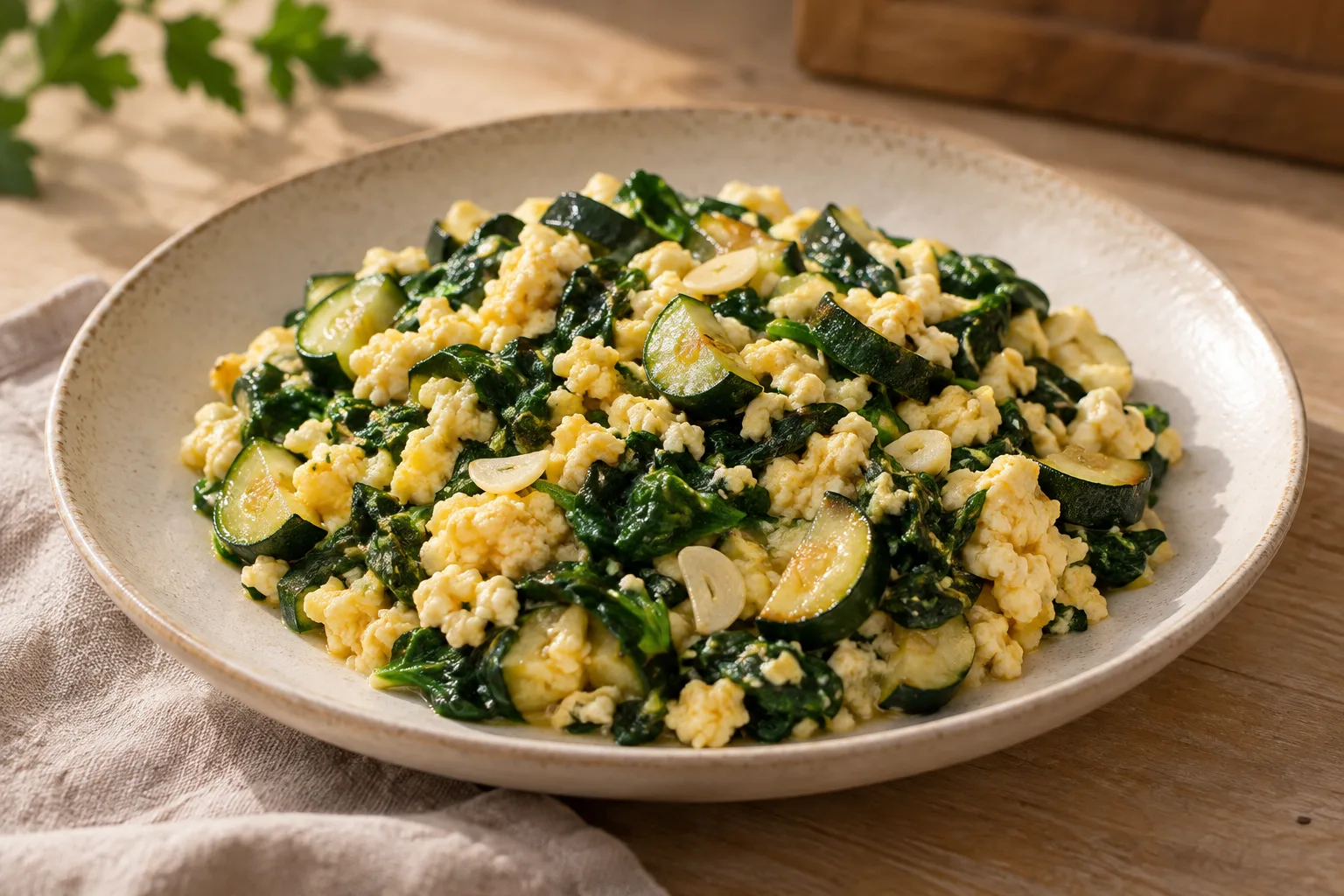
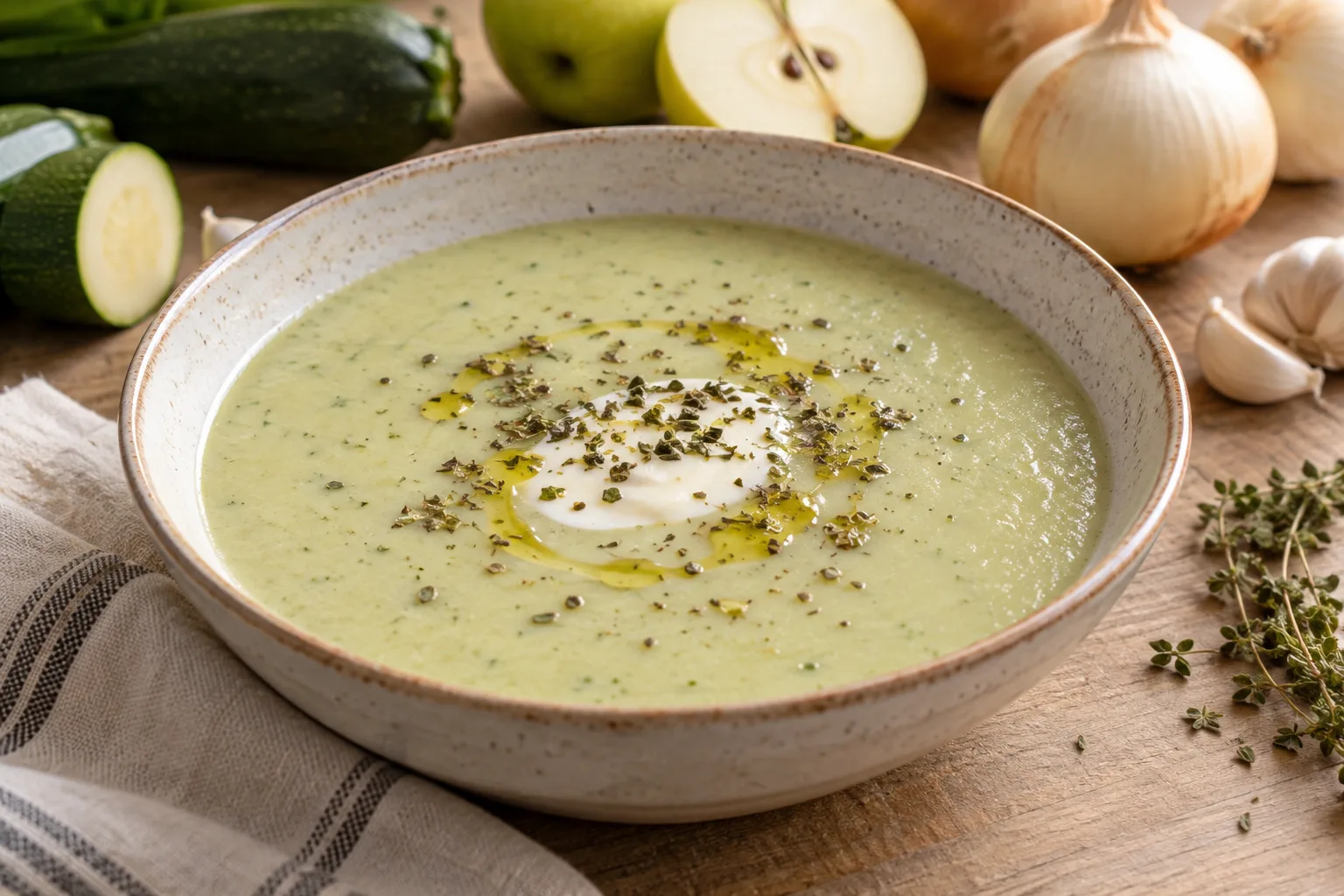
Use zucchini when you want a tender vegetable or a mild base that can take on other seasonings. Thinly sliced, it works in salads; cooked, it can go into soup, an omelet, a sauté, a side dish, or a baked filling. Round varieties are particularly handy for stuffing. The available sources describe zucchini as available at markets throughout the year, while some identify summer as its ideal season. Choose the variety with the preparation in mind, and do not assume every type has exactly the same texture.
How to use it
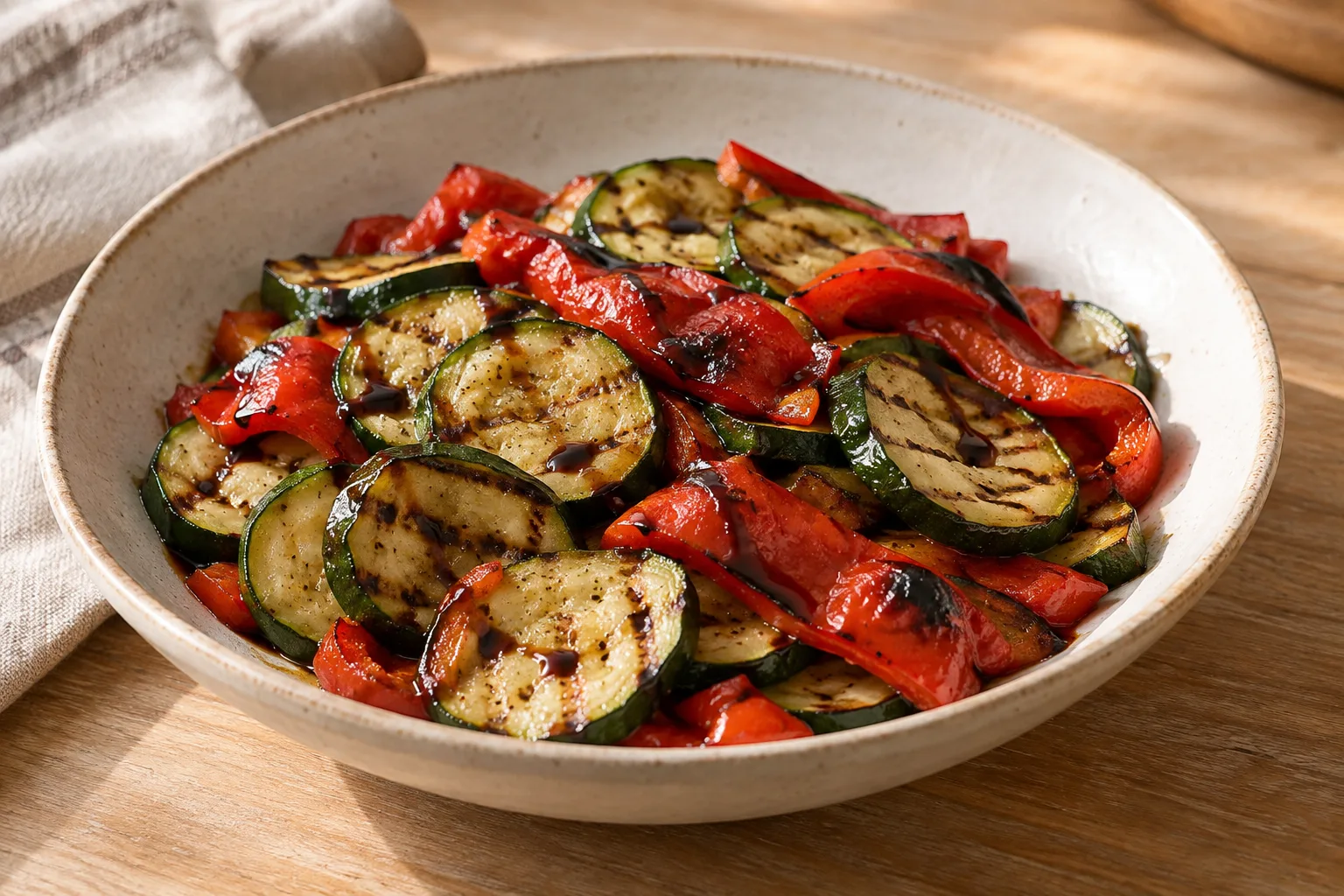
Wash zucchini before preparing it and trim the stem end. Peeling is usually unnecessary: the thin skin can stay on, especially when the zucchini is firm and in good condition. For a salad or carpaccio, slice it thinly; you can also grate it into a salad. To cook it, cut it into similar-sized pieces and sauté, grill, roast, bake, steam, or stew it as the dish requires. It can be cut into pasta-like ribbons, added to an omelet, or blended into soup. To stuff it, scoop out the center and use the flesh in the filling; round varieties are convenient for this presentation. Larger zucchini may have more seeds and a softer central portion, which you can remove if you want a firmer texture.
Flavour and texture
Zucchini has a mild, fresh, faintly sweet flavor that leaves room for herbs, garlic, lemon, and other ingredients. Its flesh is juicy and tender; the final texture depends on variety, size, cut, and cooking method. Raw, thin slices can feel firm and fresh. Cooking softens the flesh and can release liquid, so brief cooking or a hot pan can help it brown rather than steam in its own juices.
How to choose it
Look for firm, compact zucchini with smooth, glossy skin and no visible blemishes. Green is common, but yellow, pale, and round varieties are also available; color alone does not mean a zucchini is lower quality. Very large specimens may have more seeds and a softer or more fibrous center. Choose a size and shape that suit the dish: round zucchini are convenient for stuffing, while long ones are easy to slice into ribbons or rounds.
Storage
Keep fresh zucchini in the refrigerator vegetable drawer, unwashed and not piled on top of one another. The culinary sources recommend using it within a few days because it can soften; they do not establish an exact storage period for every zucchini. Wash it just before use. If it has been cut, store it in a closed container and use it soon to limit texture loss. One source recommends blanching zucchini before freezing, then cooling and drying it; its firmness may decrease after thawing.
Substitutions
The sources do not establish a direct substitute for zucchini in every recipe. In a baked vegetable dish, eggplant or bell pepper may fit, as both appear in documented vegetable preparations, but neither has the same flavor or texture. For soup, potato is documented as an ingredient used alongside zucchini; it should not be treated as a universal replacement. Adjust the cut and cooking method to the vegetable you choose.
Common mistakes
Overcooking can make zucchini very soft and leave excess liquid. To brown it, avoid crowding the pan and use a hot cooking surface, as one culinary source recommends. Peeling it automatically is usually unnecessary because the thin skin is edible. Do not assume every variety is identical: larger zucchini may have a softer center and more seeds, while round forms are convenient for stuffing.
Safety and allergens
The available sources identify no specific warning for fresh zucchini. Wash it before preparation and, if it is packaged, follow the storage and use instructions on its label.
Culinary uses
- Base o ingrediente principal de cremas, sopas, tortillas y platos al horno.
- Guarnición, componente de ensaladas o vegetal para rellenar.
Recommended techniques
- Comer crudo en láminas finas o rallado.
- Saltear, cocinar a la plancha, asar, hornear, cocer al vapor o guisar.
Pairs well with
- Ajo, albahaca, perejil, orégano y mostaza.
- Tomate, puerro, rúcula, espárragos, queso fresco o de cabra y frutos secos.
Frequently asked questions
Do I need to peel zucchini?
Usually not. Culinary sources describe the skin as thin and edible; wash it before use and peel it only if a recipe or your preference calls for it.
Can zucchini be eaten raw?
Yes. Slice it thinly or grate it for salads and other raw preparations.
How can I stop zucchini from becoming too soft?
Avoid prolonged cooking. For browning, one source recommends using a hot pan and not letting the zucchini cook in the liquid it releases.
Which zucchini is best for stuffing?
Round varieties are particularly convenient for stuffing, though other shapes can also be prepared this way depending on the recipe.
Estimated nutrition
- Fat
- 0.32 g
- Saturates
- 0.08 g
- Carbohydrate
- 3.11 g
- Sugars
- 2.5 g
- Fibre
- 1 g
- Protein
- 1.21 g
- Salt
- 0.02 g
Sources and review
Automatically researched, cross-checked and validated content. Sources consulted:
- En el etiquetado alimentario hay algunas menciones que son obligatorias eletiquetadocuentamucho.aesan.gob.es
- Client Challenge doi.org
- Calabacín: tipos, propiedades y las mejores formas de cocinarlo hogarmania.com
- Escobi - El Calabacín, Todo lo que Deberías Saber escobi.es
- El calabacín, su origen, propiedades y beneficios faborit.com
- Historia y cultivo del calabacín | Campos del Abuelo – Campos Del Abuelo camposdelabuelo.com
- 3 recetas de calabacín, y sus propiedades y beneficios | El Diario Vasco diariovasco.com
- Así ha pasado el calabacín de ser una verdura secundaria a convertirse en uno de los ingredientes más versátiles de la cocina elconfidencialdigital.com
- Calabacín: todas sus propiedades y beneficios para la salud cuerpomente.com
- Guía de tipos de calabaza para tus recetas | Recetas Nestlé recetasnestle.com.mx
- Guía completa de tipos de calabacín y sus variedades: identificación, usos y consejos jardineriaon.com
- Calabacín | Sabor, usos y aplicaciones en cocina – Goed en lekker goedenlekker.nl
- Gastronomía de Menorca - Wikipedia, la enciclopedia libre es.wikipedia.org
- Calabacines: 10 formas de disfrutarlos sin perder su esencia solococinar.com
- Las 23 mejores recetas caseras con calabacín. Cocina fácil y rápida con hortalizas directoalpaladar.com
- 80 recetas con calabacín fáciles de preparar y sabrosas nuevoestilo.es