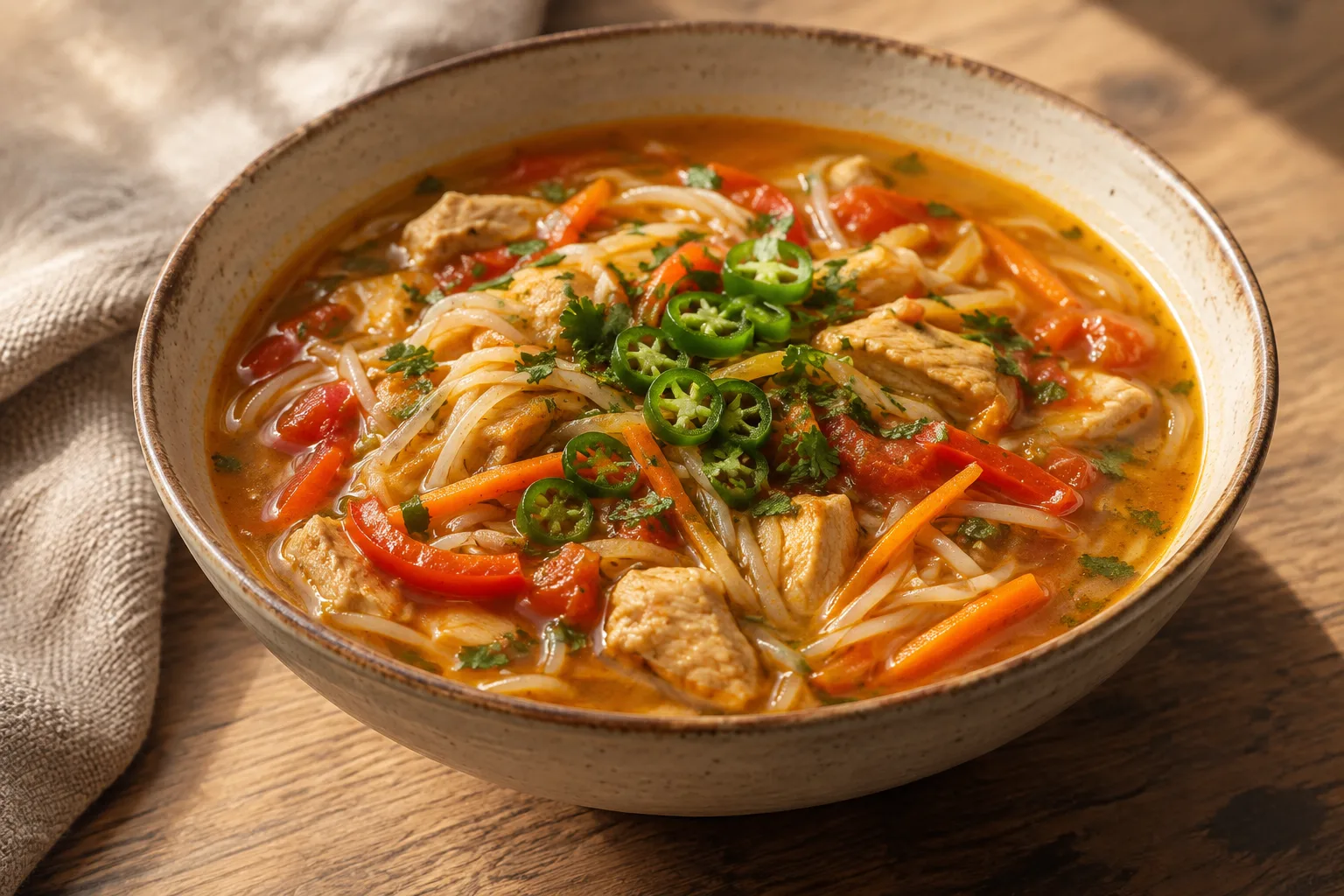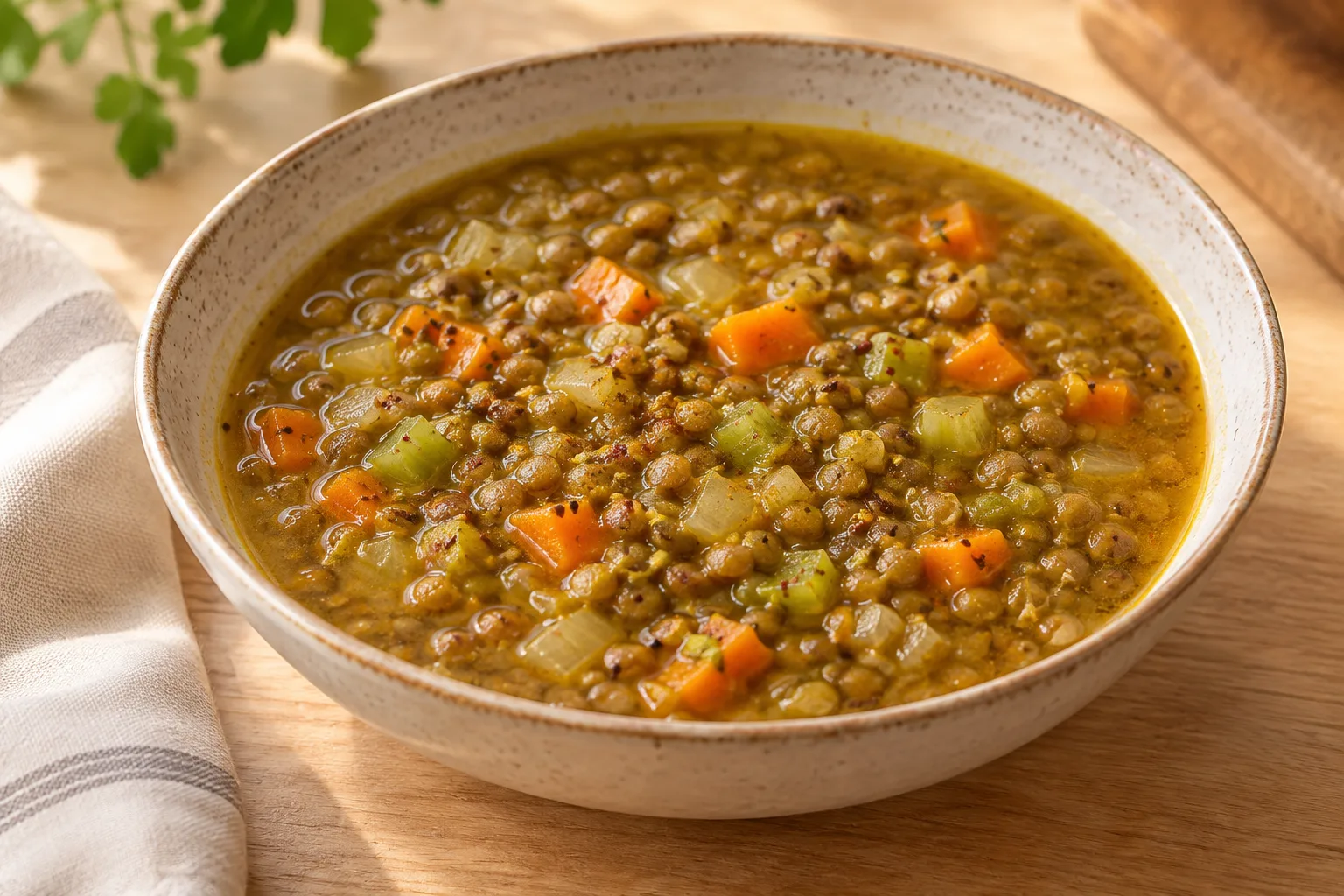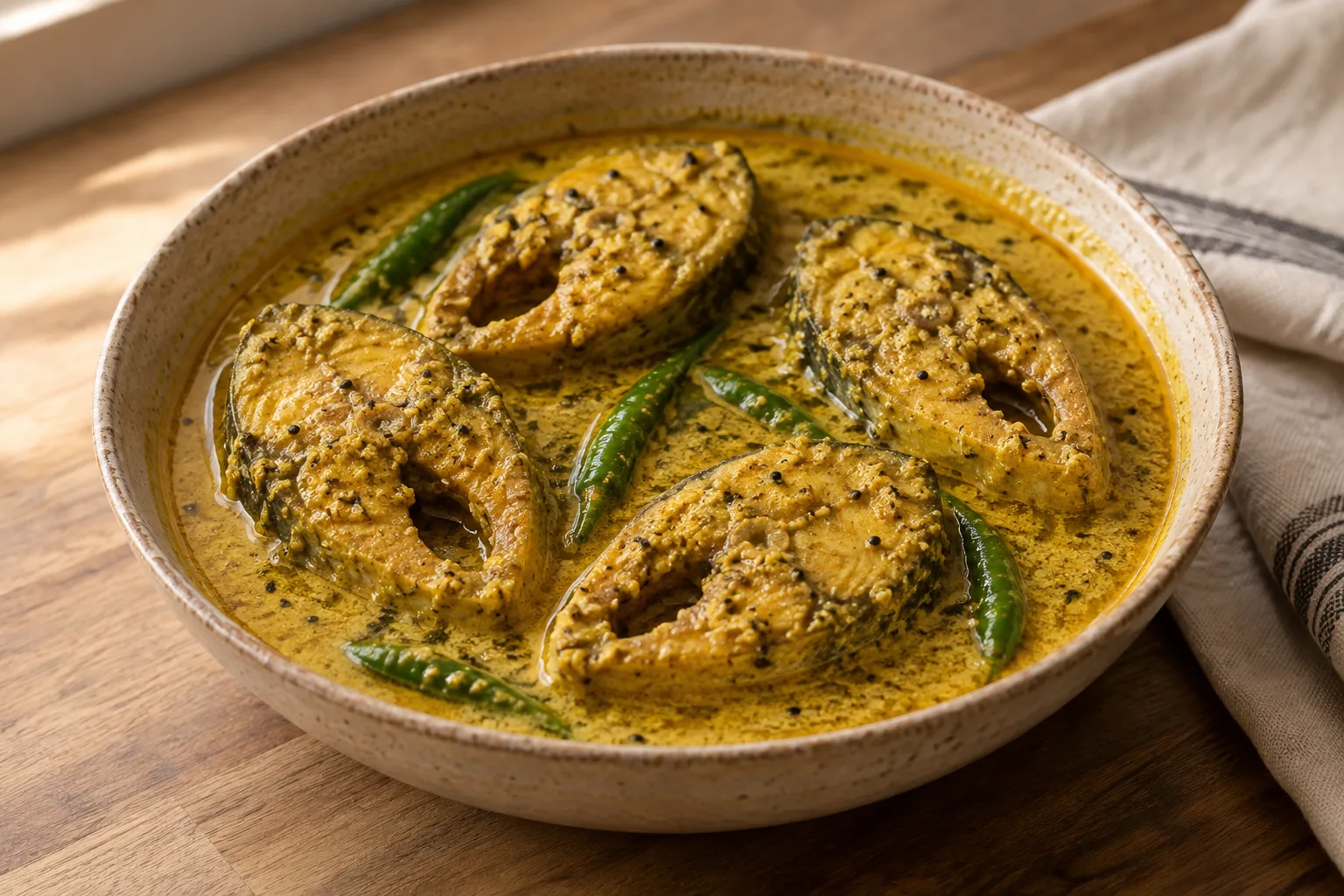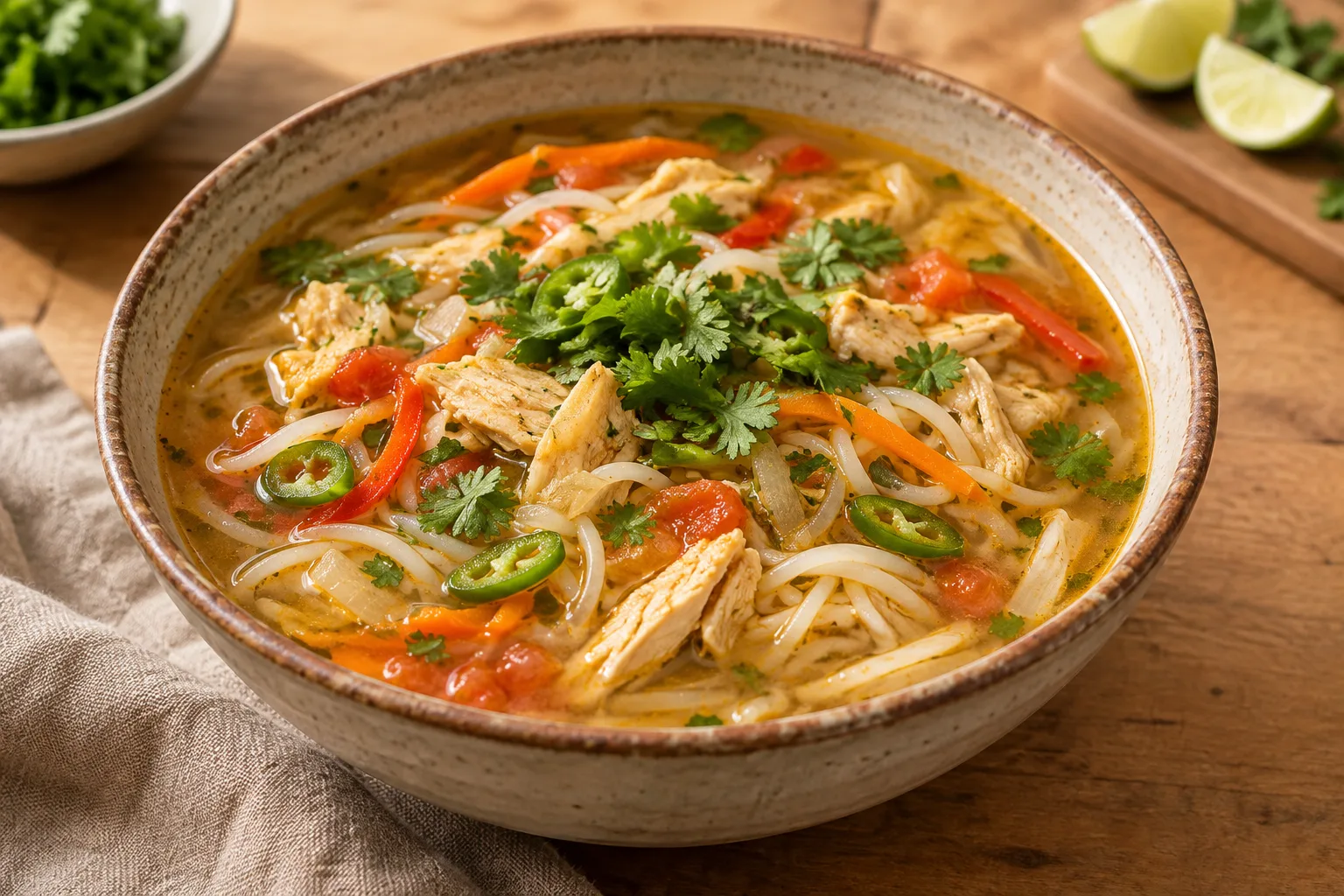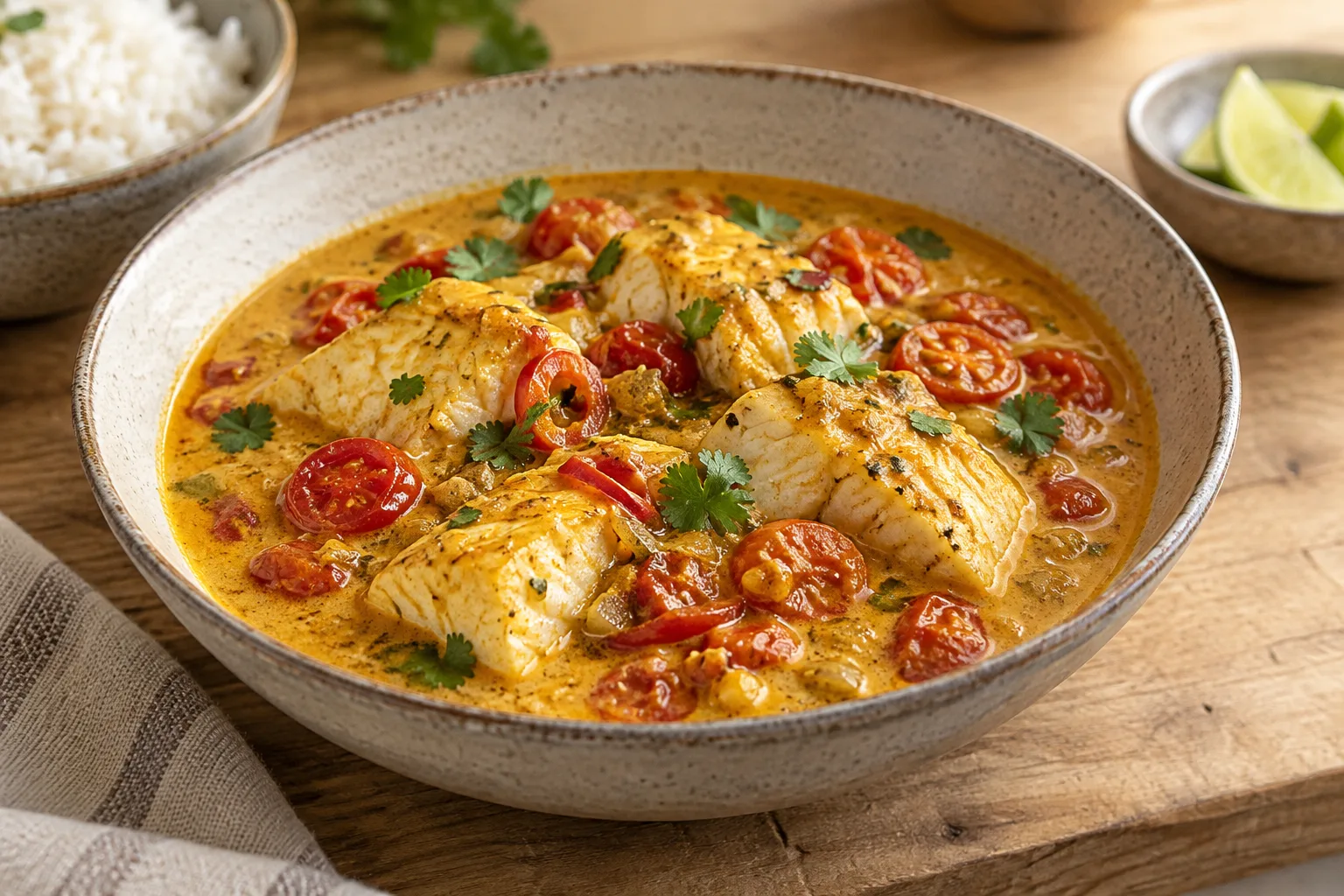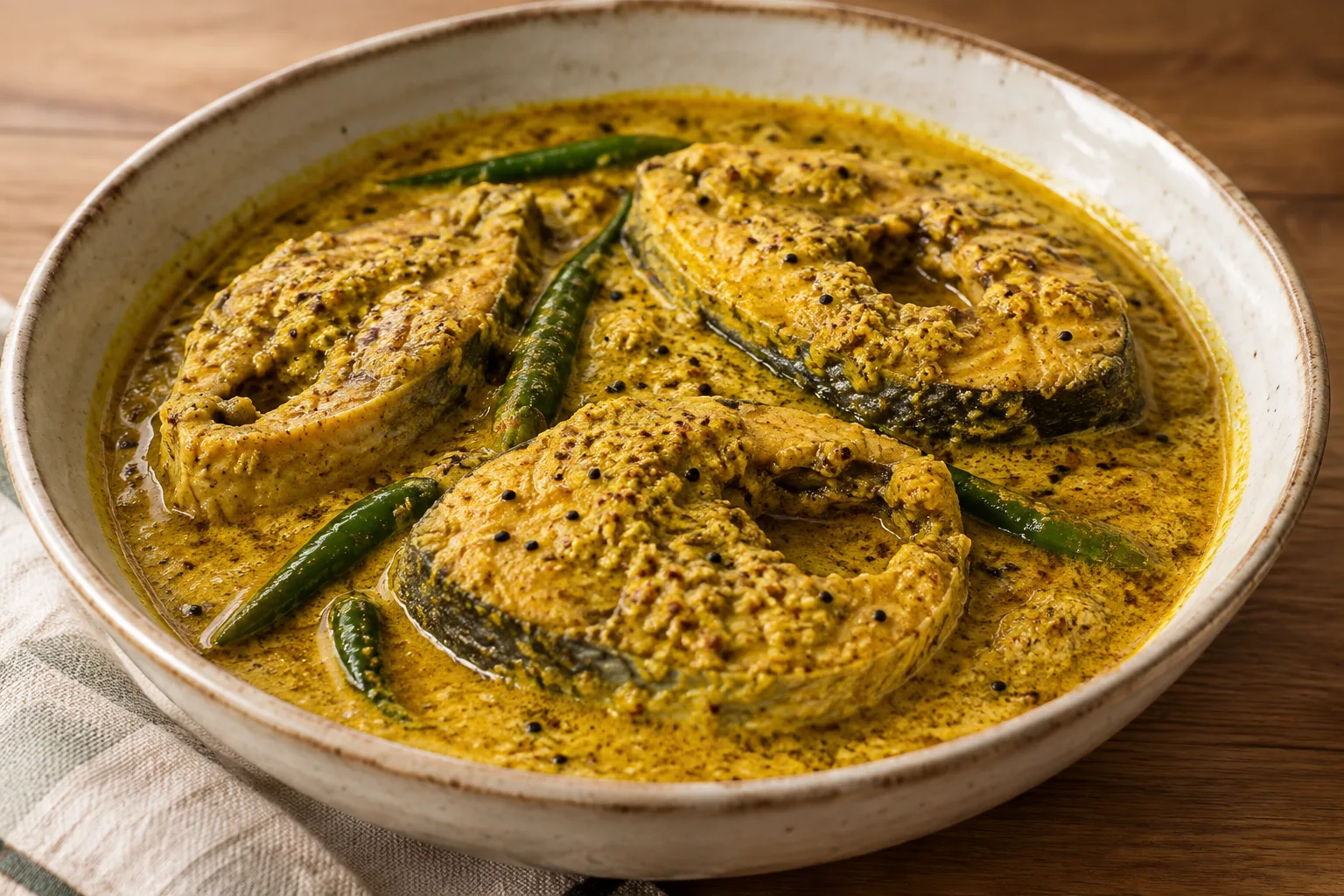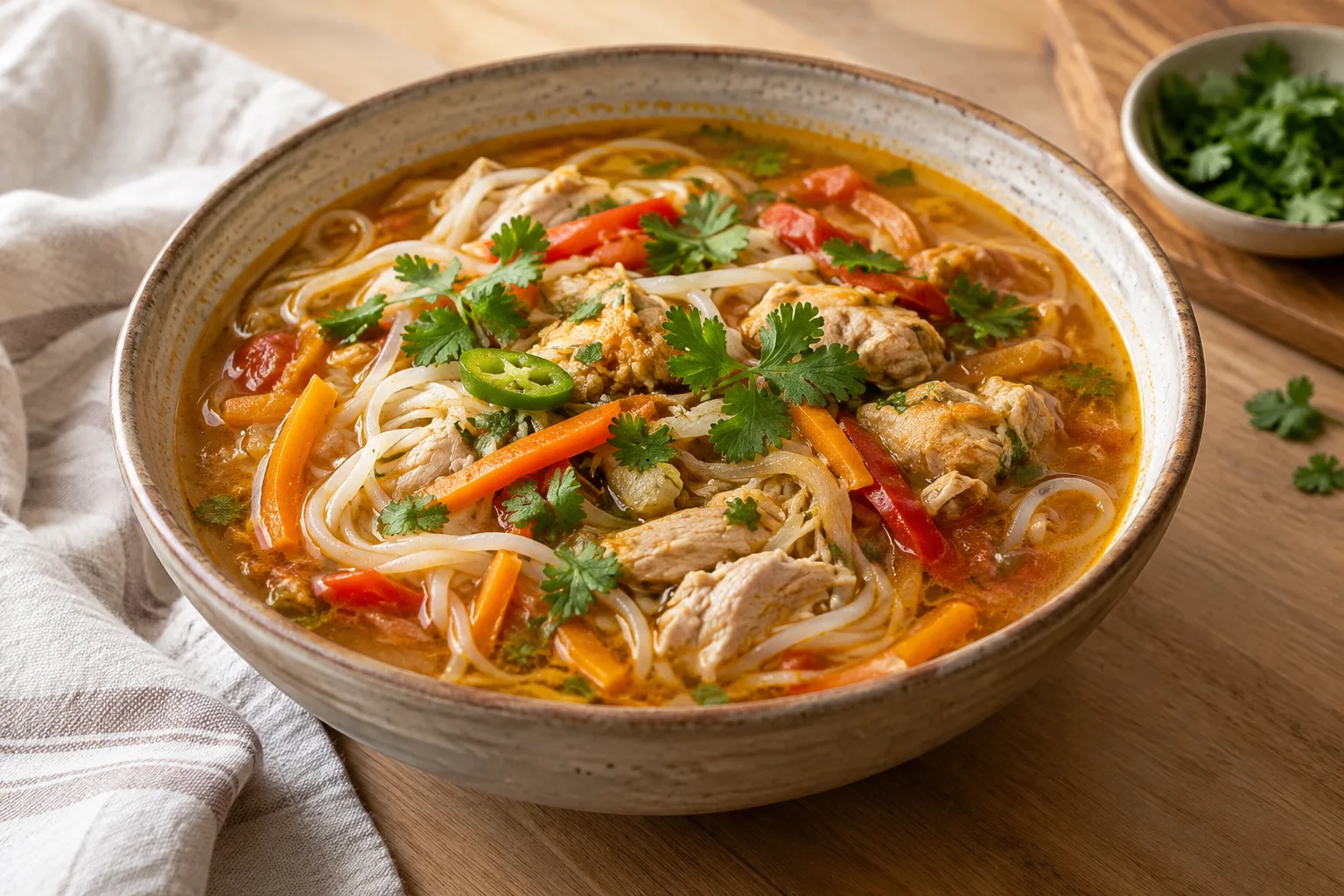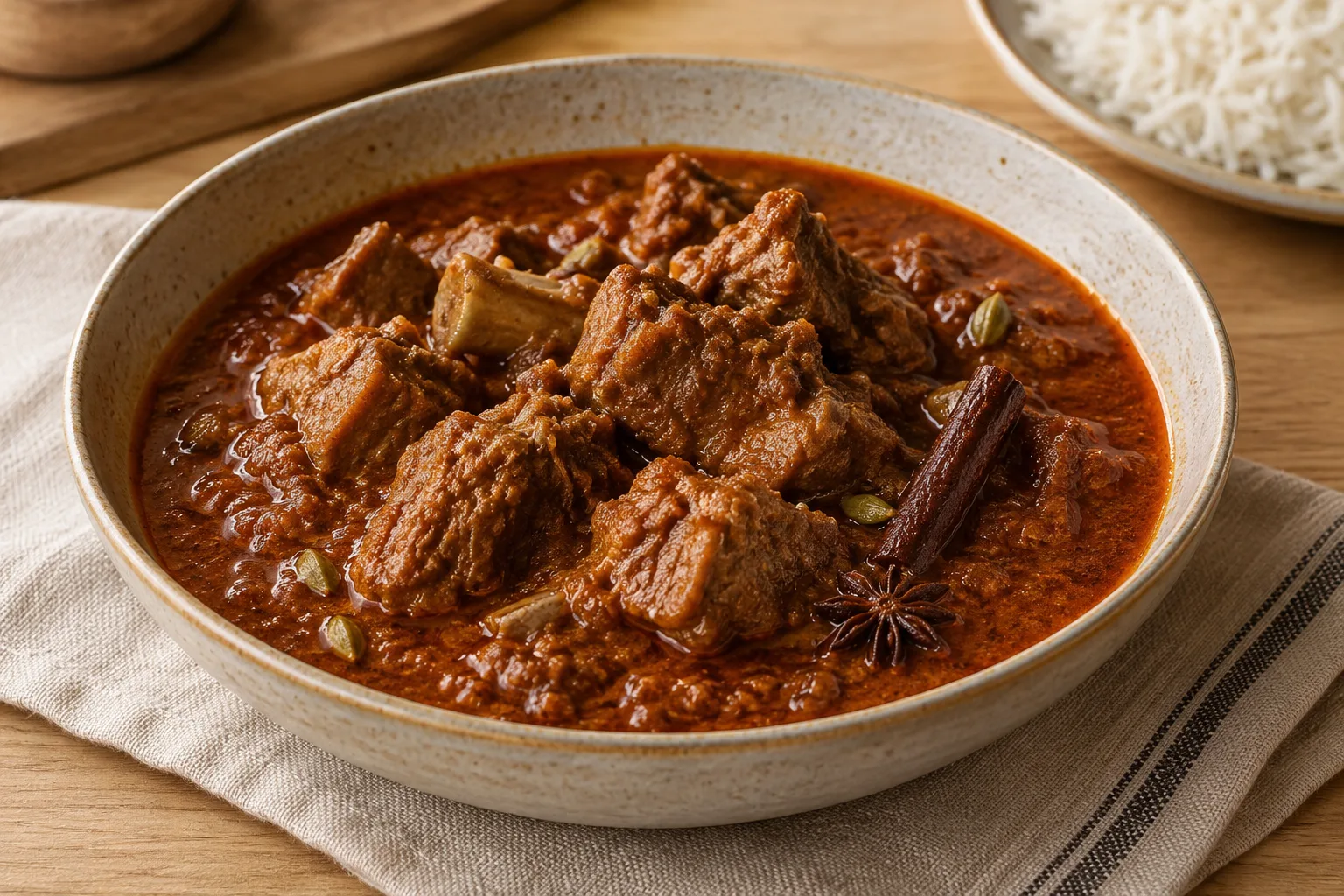
- Category
- Herbs and spices
- State
- Powdered
- Usual unit
- teaspoon
What it is
Ground turmeric is the dried, powdered form of the rhizome of the plant commonly known in cooking as turmeric. It is sold as a yellow-orange powder and used for both color and flavor. It is familiar in curries and spice blends, but can also be added to rice, soups, sauces, stews, drinks and baked goods. Its described flavor is warm, earthy and slightly bitter, with gentle heat and notes that may recall ginger or mustard. Color intensity can vary between products, so add it gradually and judge the result in the dish rather than treating color alone as a measure of quality.
When to use it
Use it when you want to give a dish a yellow or orange hue, or add a warm, spiced background without relying on a prepared curry blend. It can complement rice, curries, lentils, soups, stews and sauces, and is also used in some drinks and sweet preparations. In simple recipes, its flavor may remain subtle when used sparingly; if you want more than color, consider how it fits with the other spices and ingredients. Add it gradually so you can adjust the color and avoid letting its bitterness dominate.
How to use it
Measure the ground turmeric and mix it into a curry, rice dish, soup, sauce or stew as it cooks. It can also be dispersed into a hot drink, smoothie or baking mixture; stir well so the powder does not collect in one spot. One culinary source describes frying it in oil as a way to make its flavor more noticeable, so you can add it to oil with other aromatics before adding the remaining ingredients. Start with a small amount, taste, and adjust the color and flavor to suit the recipe. Because it stains strongly, handle it carefully and clean splashes promptly.
Flavour and texture
The powder is fine and has an intense yellow-orange color. Its flavor is described as warm, earthy and slightly bitter, with gentle heat and notes that may suggest mustard, ginger or pepper. In small amounts and simple preparations, it may contribute more color than flavor; integrated with oil or other ingredients, its profile can become more noticeable. The result depends on the amount used and the balance of the recipe.
How to choose it
Look for a product clearly labeled ground turmeric and check both the label and the condition of the package before buying. The powder is typically yellow-orange, although color intensity alone is not enough to judge quality. If possible, choose packaging that protects the spice and can be closed again after use. Check the ingredient list to see whether you are buying turmeric alone or a spice blend.
Storage
Keep ground turmeric tightly closed and follow the directions on its package. The culinary source available says the powder retains its coloring qualities well for an extended period, but does not specify exact conditions or a universal shelf life. To preserve its characteristics, avoid leaving the container open while cooking and do not put wet spoons into it. Do not use the product if you notice moisture, contamination or an unusual change.
Substitutions
Fresh turmeric can be an alternative if you have the rhizome, but it is not an exact replacement: it contains more moisture and has a different texture, so adjust the amount to the recipe. Saffron can also contribute yellow or orange color, and turmeric has been used as a less expensive substitute for saffron in some preparations; their flavors are nevertheless different. Neither alternative is guaranteed to provide the same color, aroma and flavor as ground turmeric.
Common mistakes
Do not add a large amount all at once just to deepen the color: turmeric can contribute bitterness, and its intensity varies with the product and recipe. Nor should you expect a pinch to provide a pronounced flavor every time; in some simple dishes its main role may be visual. Avoid confusing plain turmeric with curry powder, and do not describe it as an exact saffron substitute: it can provide color, but the aromatic profile changes.
Safety and allergens
The supplied official evidence identifies no turmeric-specific warning. Use it as a culinary ingredient, check the label, and avoid consuming a product in damaged packaging or one showing signs of moisture or contamination. As with any food, follow the manufacturer's directions.
Culinary uses
- Aporta color amarillo anaranjado a platos y bebidas.
- Añade un matiz cálido y especiado a preparaciones saladas y dulces.
Recommended techniques
- Incorporar a curris, arroces, sopas, guisos o salsas durante la preparación.
- Sofreír brevemente en aceite para integrar su sabor en el plato.
- Mezclar en bebidas calientes, batidos o preparaciones horneadas.
Pairs well with
- Arroz, lentejas y otros platos de legumbres.
- Jengibre, pimienta y canela.
- Leche de coco y bebidas calientes.
- Berenjena, espinacas, pollo y pescado.
Frequently asked questions
Does ground turmeric contribute more color or flavor?
It can contribute both. In small amounts and simple dishes, color may be most noticeable; its warm, slightly bitter flavor depends on the amount and preparation.
What dishes can I use it in?
Try it in curries, rice, soups, stews, sauces, drinks and some batters or sweet preparations. Add it gradually and taste as you go.
Can I replace saffron with turmeric?
Turmeric can provide color in some recipes, but it does not reproduce saffron's flavor exactly. Treat it as a color alternative, not an aromatic equivalent.
Estimated nutrition
- Fat
- 0 g
- Saturates
- 0 g
- Carbohydrate
- 0 g
- Sugars
- 0 g
- Protein
- 0 g
- Salt
- 0 g
Sources and review
Automatically researched, cross-checked and validated content. Sources consulted:
- Client Challenge doi.org
- Descubre los secretos de la cúrcuma en la cocina: desde... cocinista.es
- Agencia Española de Seguridad Alimentaria y Nutrición aesan.gob.es
- CR tested for heavy metals in 15 herbs and spices, from .. ... ucanr.edu
- La Sierra Natural Foods - Financial Administration - La Sierra University lasierra.edu
- Tienda | Store Room stristoreroom.si.edu
- Vamos a Conservar Alimentos: Proceso Rápido para preparar Pepinillos en Vinagre extension.psu.edu
- OSU WordPress Outage | Technology | Oregon State University blogs.oregonstate.edu
- Guía de ñame marzo 11 2025 uprm.edu
- Cúrcuma: qué es, para qué sirve, propiedades y beneficios bonviveur.com
- Descubre para qué sirve la cúrcuma | Recetas Nestlé recetasnestle.com.ec
- La cúrcuma - Alimento anticáncer. Beneficios y Propiedades conasi.eu
- La cúrcuma, la raíz que vuelve oro blends y platos. | Alveus alveus.eu