- Category
- Vegetables
- State
- Fresh
- Usual unit
- g
What it is
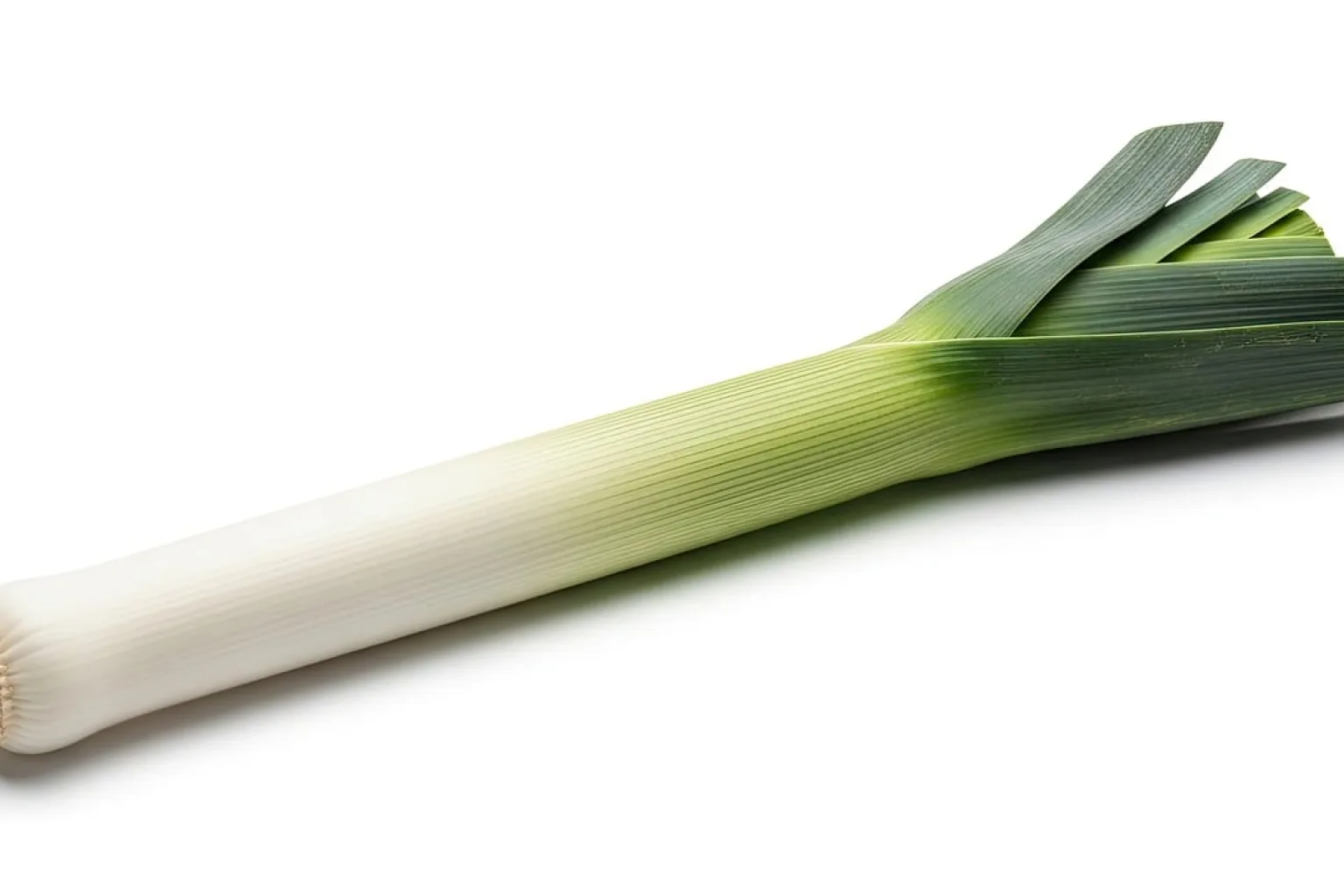
Leek is a long vegetable made of overlapping leaves that form a white lower section and a green upper section. It belongs to the Allium group, along with foods such as onions and garlic. The white section is generally tender and mild, while the green leaves can be firmer and more pronounced in flavor. It can be used whole apart from the root end and any outer layers or tips that are tough or damaged. Soil can become trapped between the layers, so open them up and rinse them before slicing or cooking.
When to use it
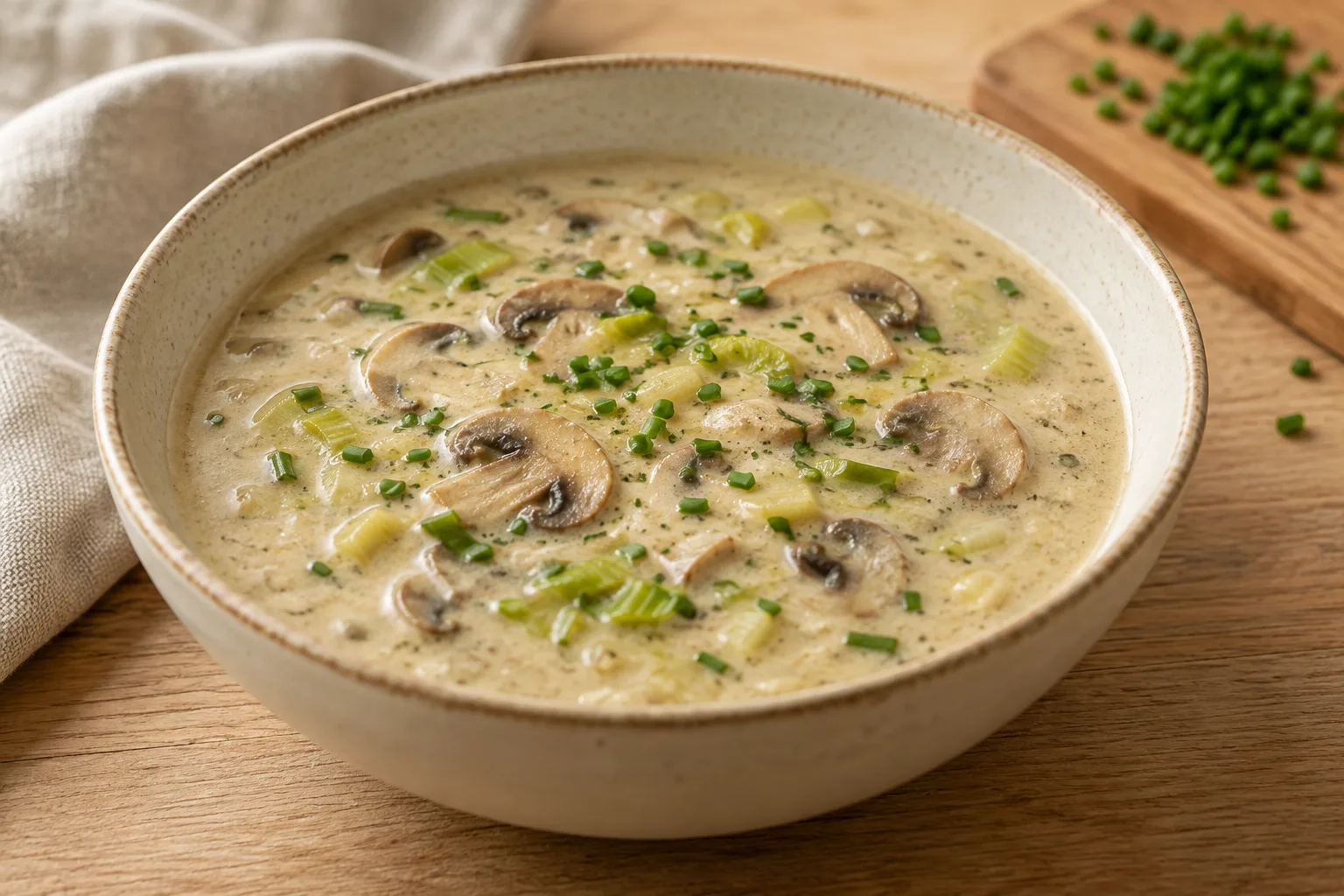
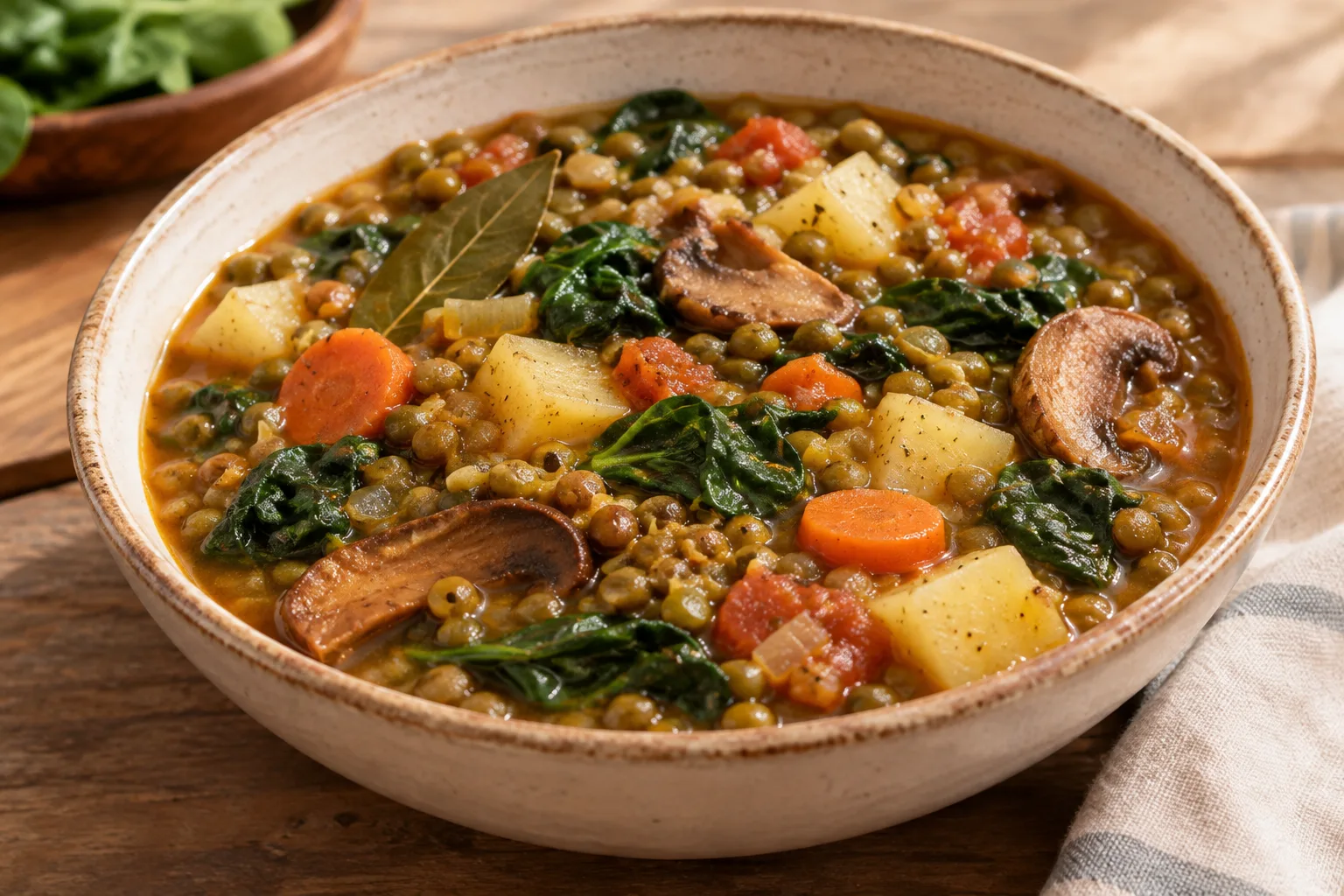
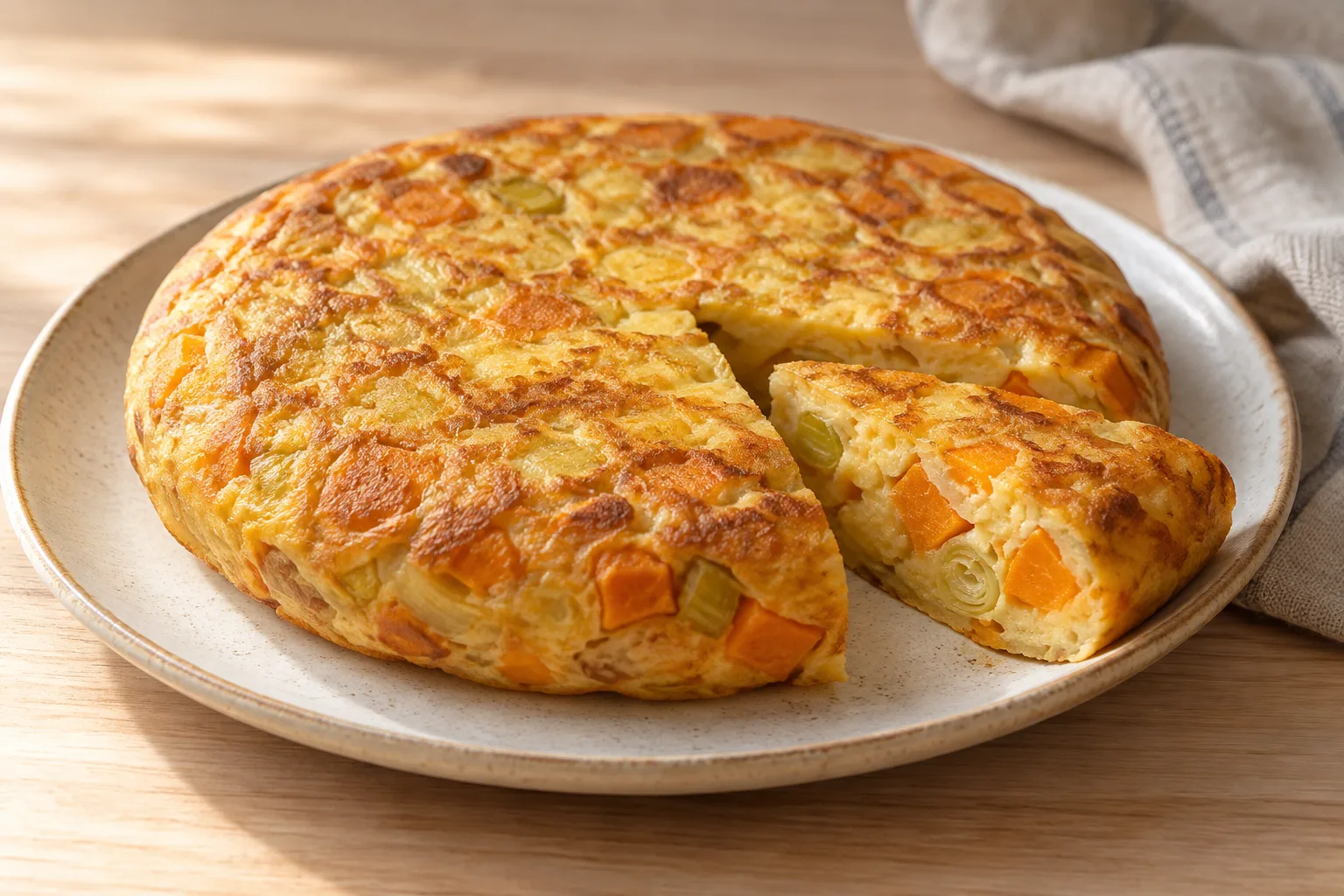
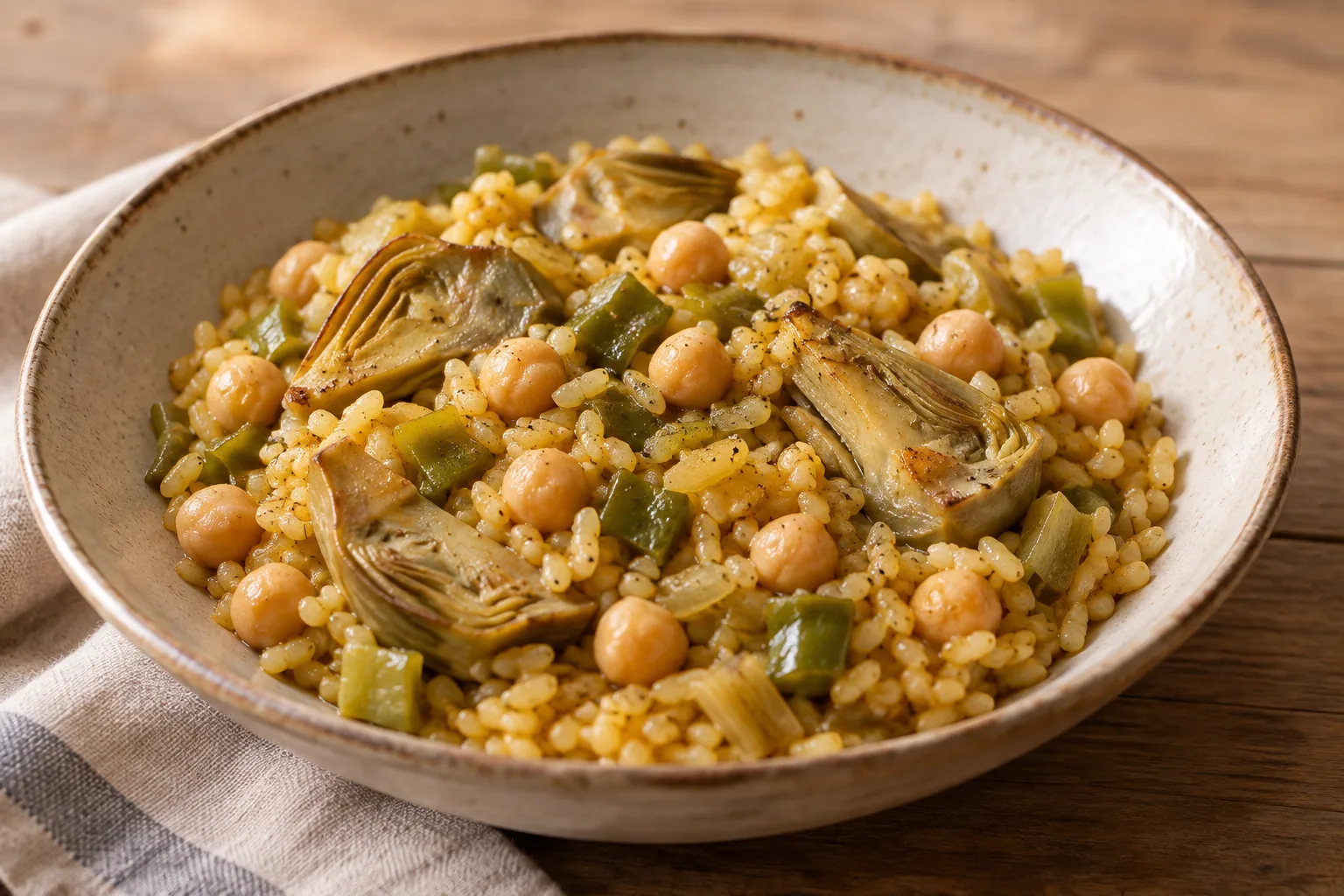
Use leek when you want a gentler aromatic base than onion, or when you want the vegetable itself to stand out. It works in soups, stocks and stews, as well as purées, mashed dishes, savory tarts and egg dishes. Serve it cooked as a side, or add it raw, thinly sliced, to a salad. Clean green leaves can flavor stock; choose which part to use according to the texture and intensity you want.
How to use it
Trim off the root end and remove damaged outer leaves or tips that are particularly tough. Cut the leek lengthwise and separate the layers under running water to remove any trapped soil; drain it and slice as needed. Sliced or chopped leek can be gently sautéed until softened and used as a base for soups, stews or fillings. It can also go into purées, savory tarts or roasted side dishes. For salads, slice it very thinly. Clean green leaves can be saved to flavor stock.
Flavour and texture
Leek has an onion-like flavor that is usually milder and slightly sweet. Its intensity can vary: the green leaves tend to taste stronger than the white section. Raw leek is firm and crisp; cooking makes it tender and silky, so it can blend into a purée or retain more body when served as a side. Gentle cooking helps soften it without letting its flavor overwhelm the rest of the dish.
How to choose it
Choose leeks that feel firm and have fresh-looking white and light-green sections. Avoid ones with yellowing, cracks or signs of damage. If you are cooking several at once, choosing leeks of a similar size can make preparation more even. Size and flavor intensity can vary from leek to leek; normal variation does not necessarily mean one is better than another.
Storage
Keep leeks unwashed and untrimmed in the refrigerator vegetable drawer, in a bag that helps retain moisture. Clean them just before use, since soil can lodge between the layers. Check their condition before cooking and discard any damaged parts. How long they keep depends on how fresh they were when purchased, so there is no single storage period that applies to every leek.
Substitutions
Onion can replace leek in an aromatic base, but its flavor is usually stronger, so start with less and adjust to taste. Scallion can also provide an Allium flavor, though it will not reproduce leek's texture exactly. In a dish where leek is the main ingredient, another aromatic will change the result; treat it as a flavor alternative rather than an exact equivalent.
Common mistakes
Do not assume a leek is clean just because the outside looks clean: soil can remain between the layers. Open it up and rinse it thoroughly before slicing. Another mistake is automatically discarding all the green leaves; clean leaves can add flavor to stock. Trim tough or damaged sections, and match the cut to the dish instead of using large pieces in a raw salad.
Safety and allergens
Rinse the leek under running water and separate its layers to remove soil before preparing it. If it is sold packaged or prepared, follow the storage and use instructions on its label.
Culinary uses
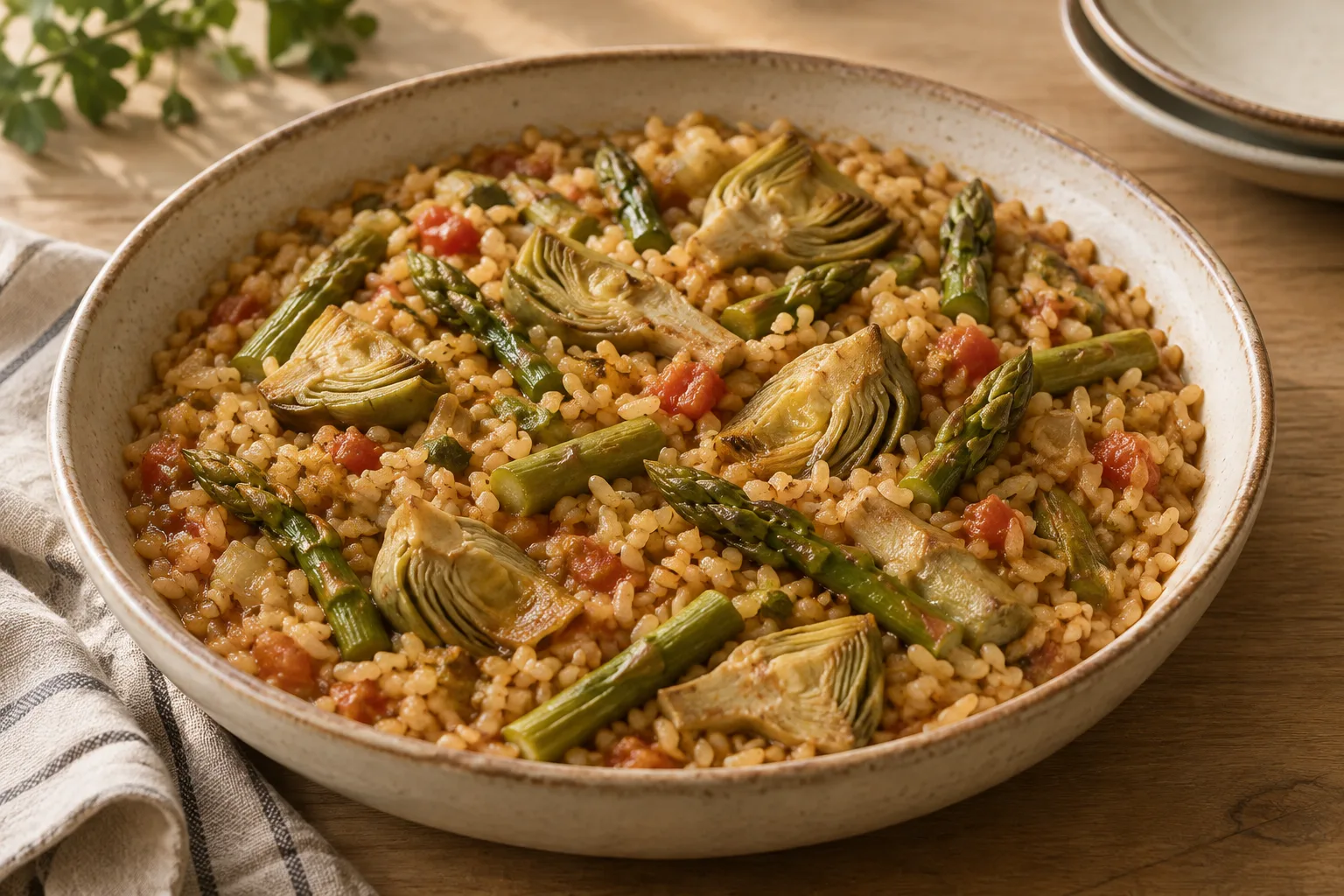
- Base aromática para sopas, guisos y salteados
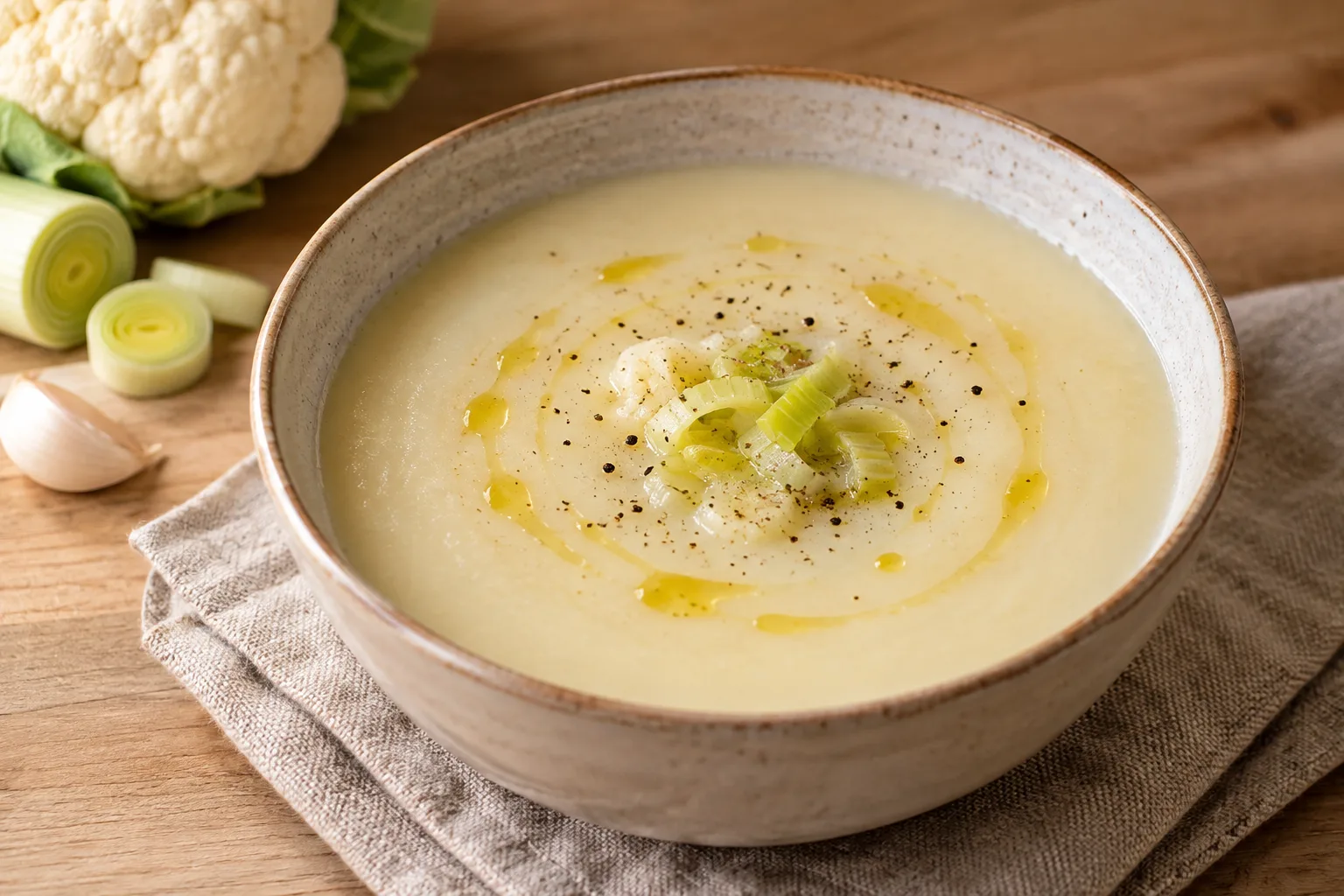
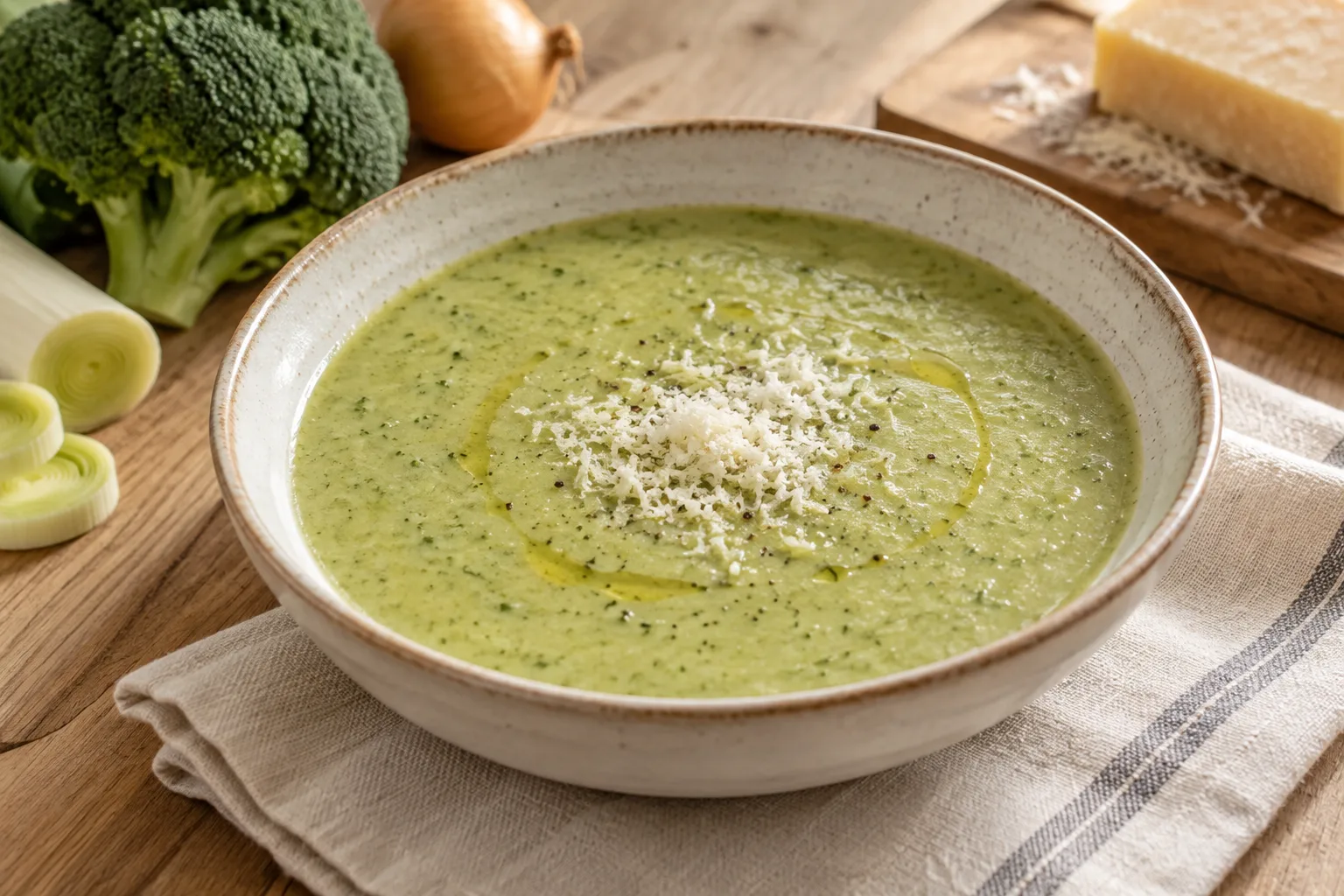
- Verdura protagonista en cremas, tartas y guarniciones
Recommended techniques
- Cortar y rehogar suavemente para ablandarlo
- Cocer en sopas o guisos
- Asar hasta que esté tierno
- Cortarlo muy fino para servirlo crudo
Pairs well with
- Patata
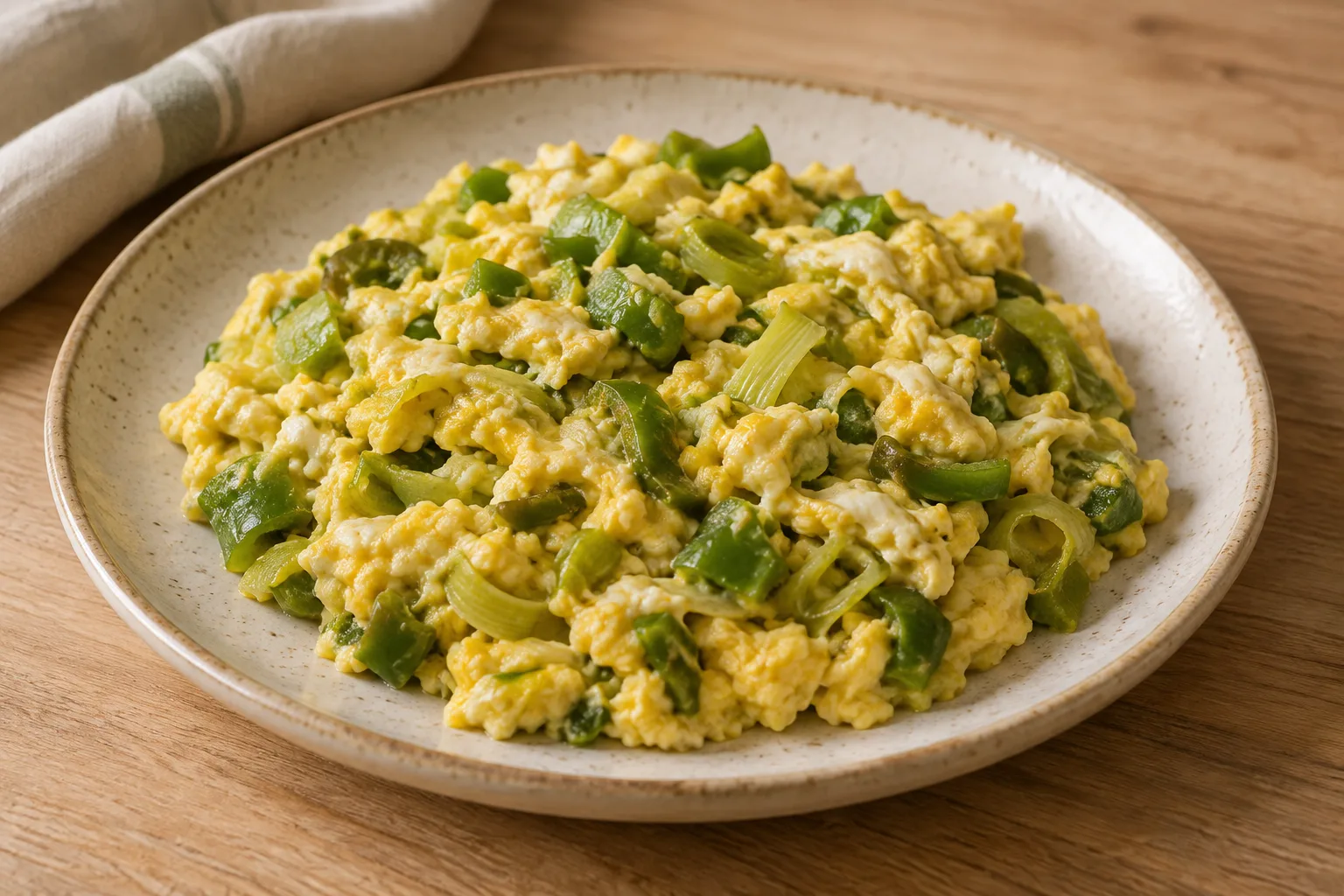
- Huevos y queso
- Nata o mantequilla
- Perejil, salvia, tomillo y albahaca
Frequently asked questions
Which parts of a leek can I use?
The white section and green leaves can be used. Clean green leaves can flavor stock; remove the root end and any tough or damaged parts.
How do I remove soil trapped between the layers?
Cut the leek lengthwise, separate the layers and rinse them under running water before slicing.
Can leek be eaten raw?
Yes. For salads, slice it very thinly and wash it well before use.
What can I use instead of leek?
Onion or scallion can provide a similar aromatic note, but the flavor intensity and texture will change. Adjust the amount to taste.
Estimated nutrition
- Fat
- 0.2 g
- Saturates
- 0.03 g
- Carbohydrate
- 7.62 g
- Sugars
- 2.11 g
- Fibre
- 1 g
- Protein
- 0.81 g
- Salt
- 0.02 g
Sources and review
Automatically researched, cross-checked and validated content. Sources consulted:
- En el etiquetado alimentario hay algunas menciones que son obligatorias eletiquetadocuentamucho.aesan.gob.es
- Puerro: propiedades, características y recetas con la saludable verdura de temporada directoalpaladar.com
- Cómo Cocinar Puerro: Técnicas Profesionales y Errores a Evitar spice.alibaba.com
- Client Challenge doi.org
- Allium ampeloprasum var. porrum - Wikipedia, la enciclopedia libre es.wikipedia.org
- Explorando el puerro friolisa.es
- Artes culinarias/Ingredientes/Puerro - Wikilibros es.wikibooks.org
- Puerro - Frutas Eloy frutaseloy.com
- Puerros ¿Qué son? Propiedades y beneficios. Recetas para sorprender abc.es
- Los secretos del puerro: un superalimento con grandes beneficios - concadelatordera.com concadelatordera.com
- ▷ ¿Qué es el puerro y para qué sirve? | Como Cocinar y Comer comococinarocomer.com
- Puerros: recetas, usos, propiedades y beneficios finedininglovers.es
- Puerro: sus propiedades y usos en la cocina - Cocina y Come cocinaycome.com
- ¿Cuáles son los usos culinarios de los puerros? - Quora es.quora.com
- Tiempo de Cocción del Puerro: Comparativa de Técnicas y Utensilios para Potenciar su Sabor en la Pastelería Savory pasteleriamarianohernandez.es