- Category
- Fruit
- State
- Fresh
- Usual unit
- limón
What it is
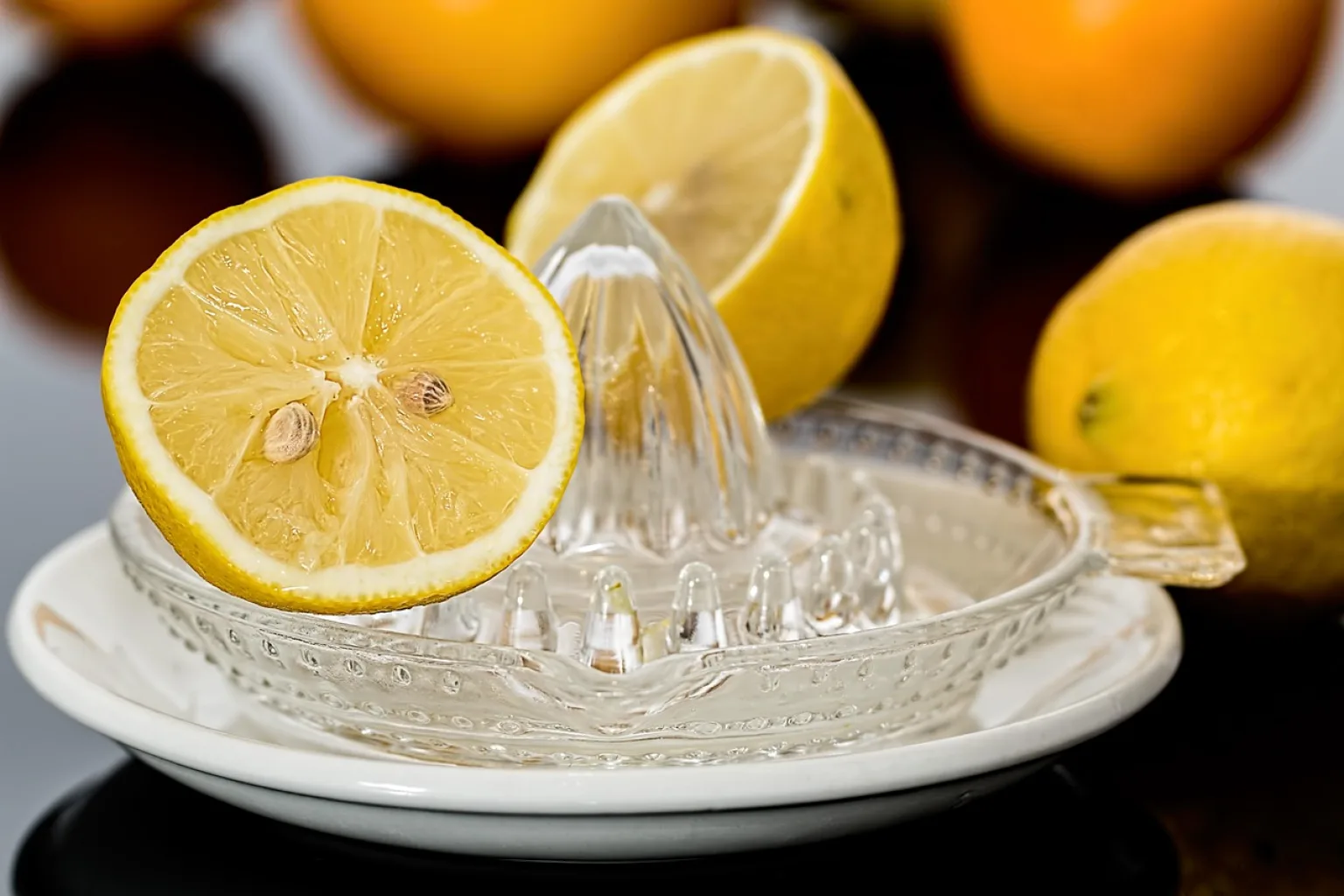
Lemon juice is the liquid extracted from the inside of a lemon by squeezing the fruit. Its defining taste is sour, and it is used mainly as an ingredient to season or balance other foods rather than necessarily being served on its own as a drink. Freshly squeezed juice can go straight into a recipe; packaged options also exist, including pure juice and products made from concentrate, and their processing and characteristics can differ. Lemon juice is not the same as lemonade, which usually combines juice with water and may include sugar or sweeteners. If a recipe also needs the aroma of lemon peel, juice alone will not fully replace it: they are different parts of the fruit with distinct uses.
When to use it
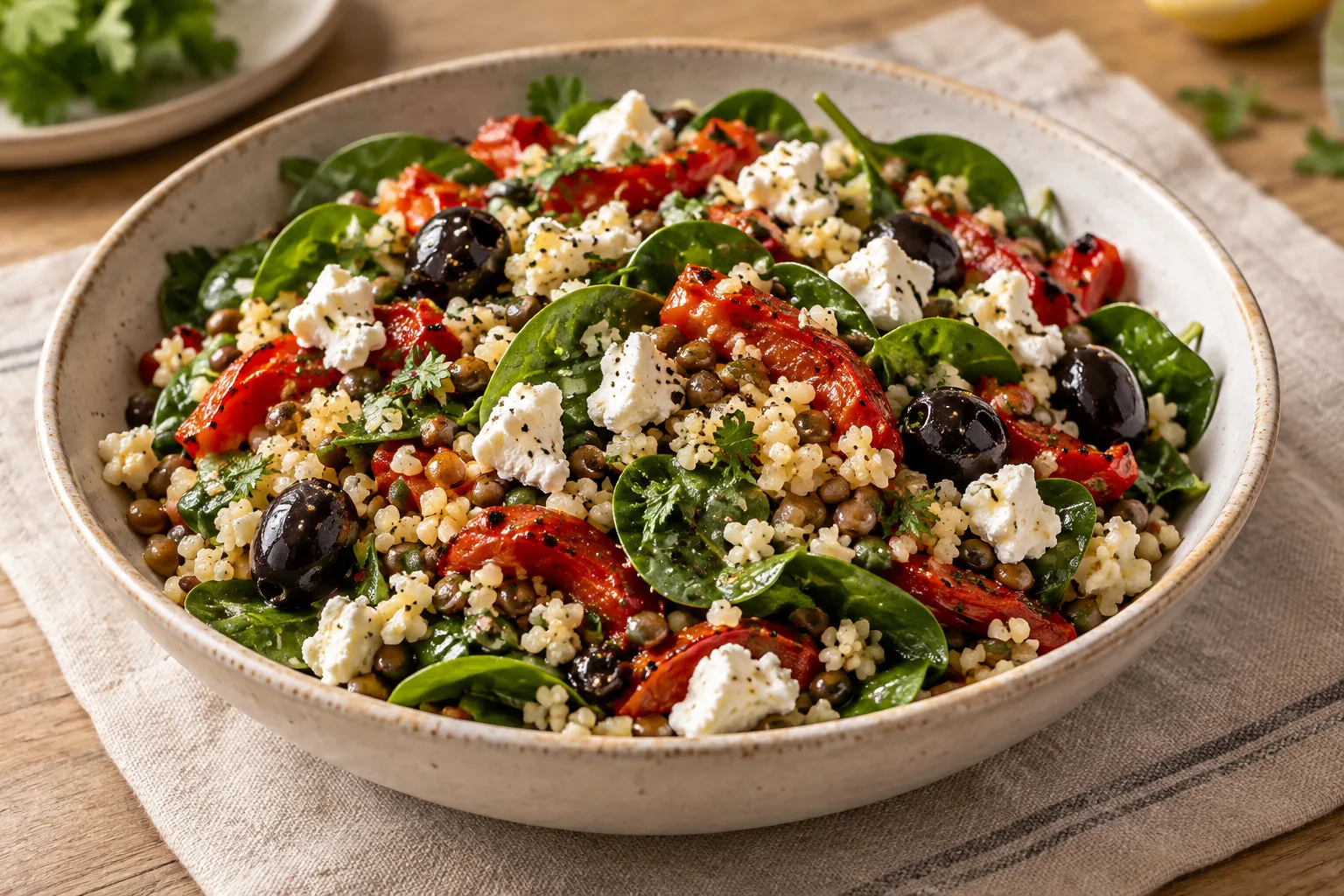
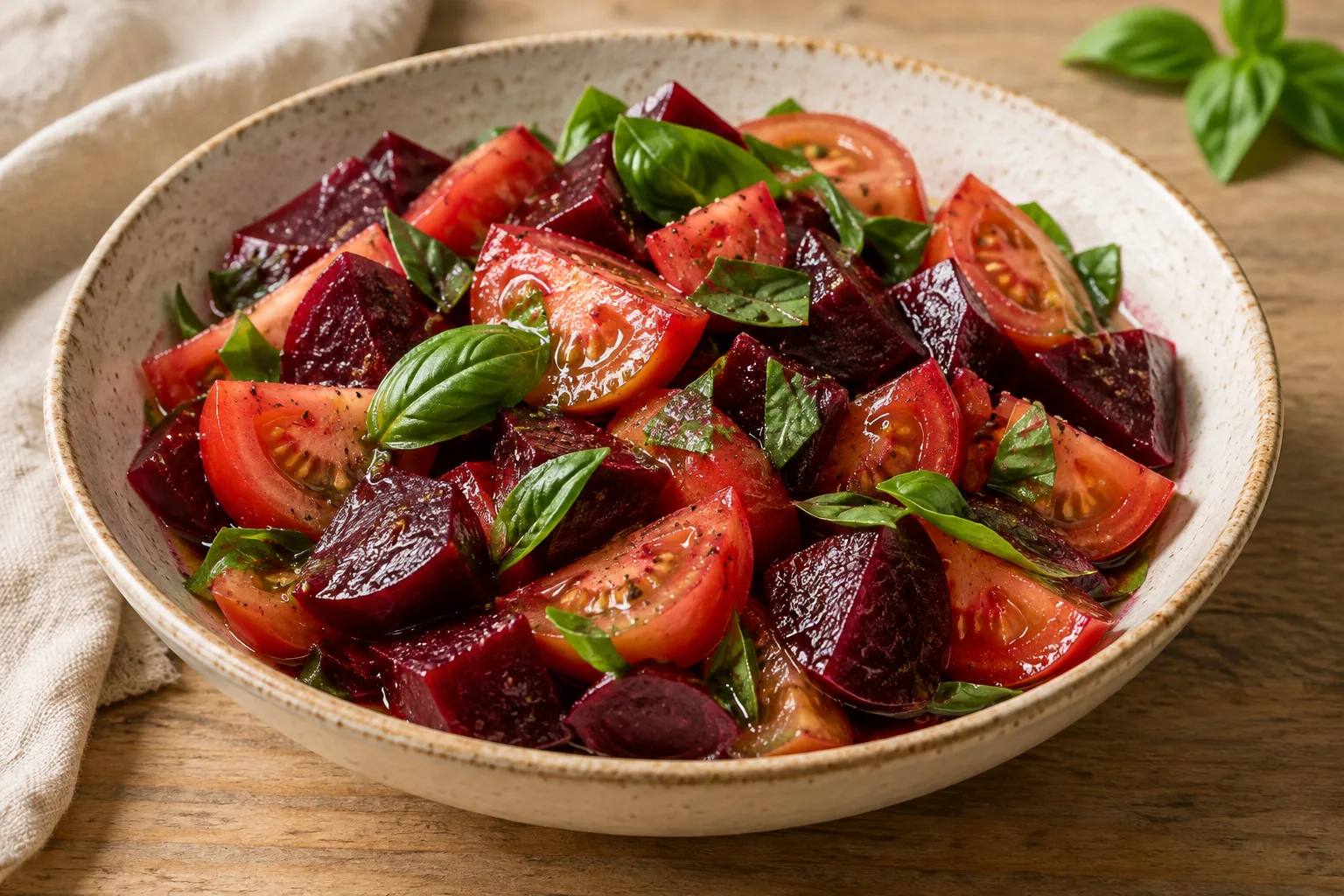
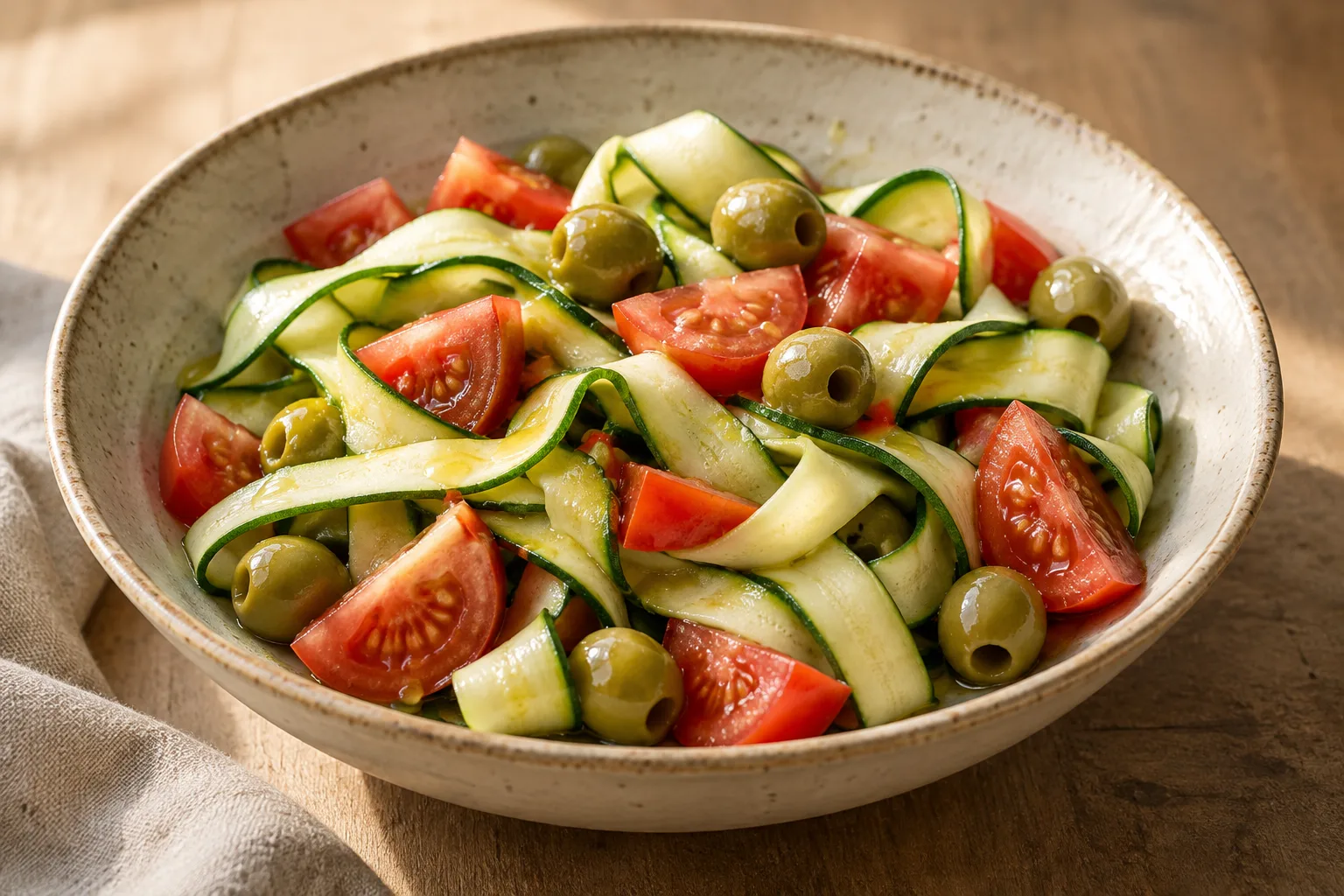
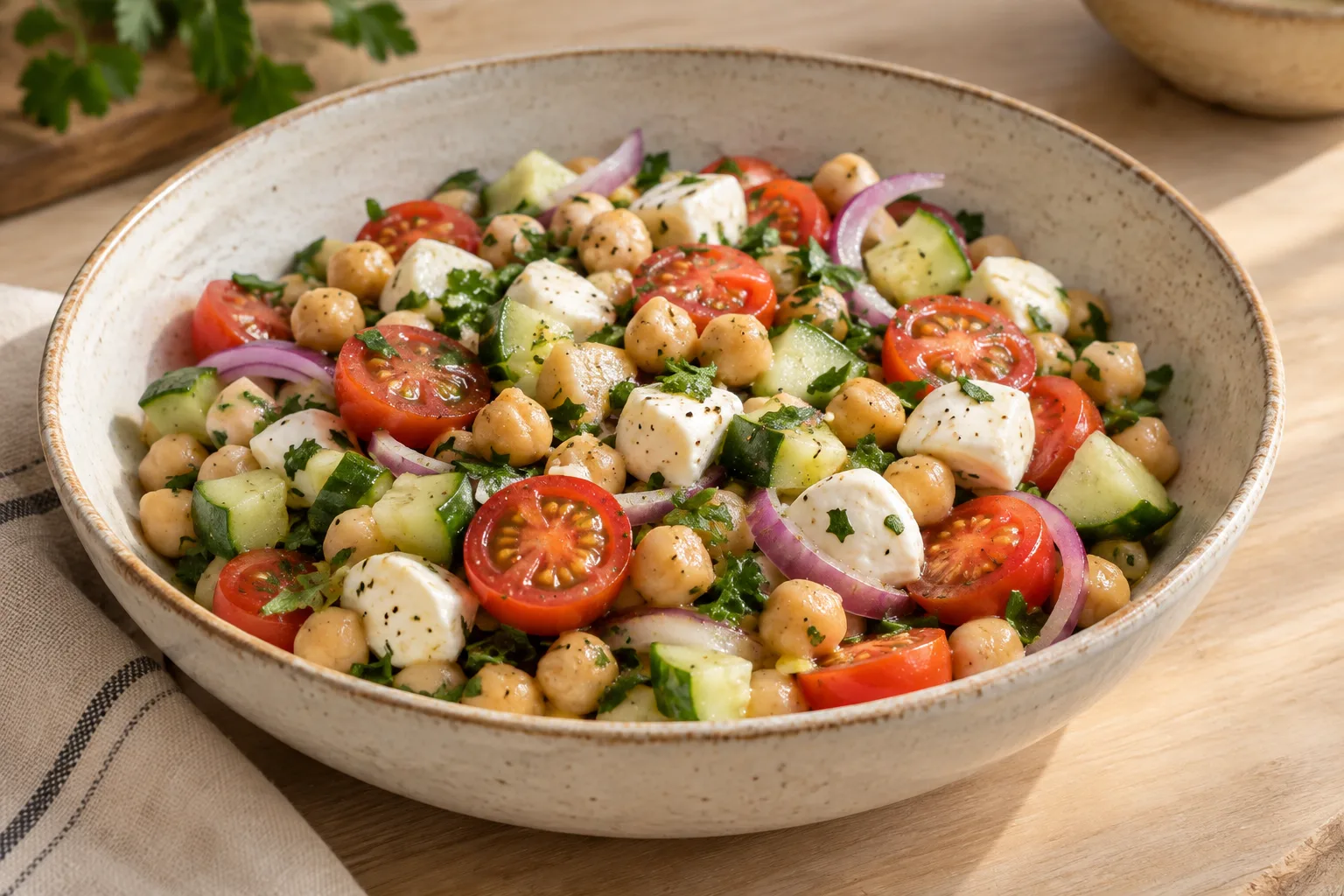
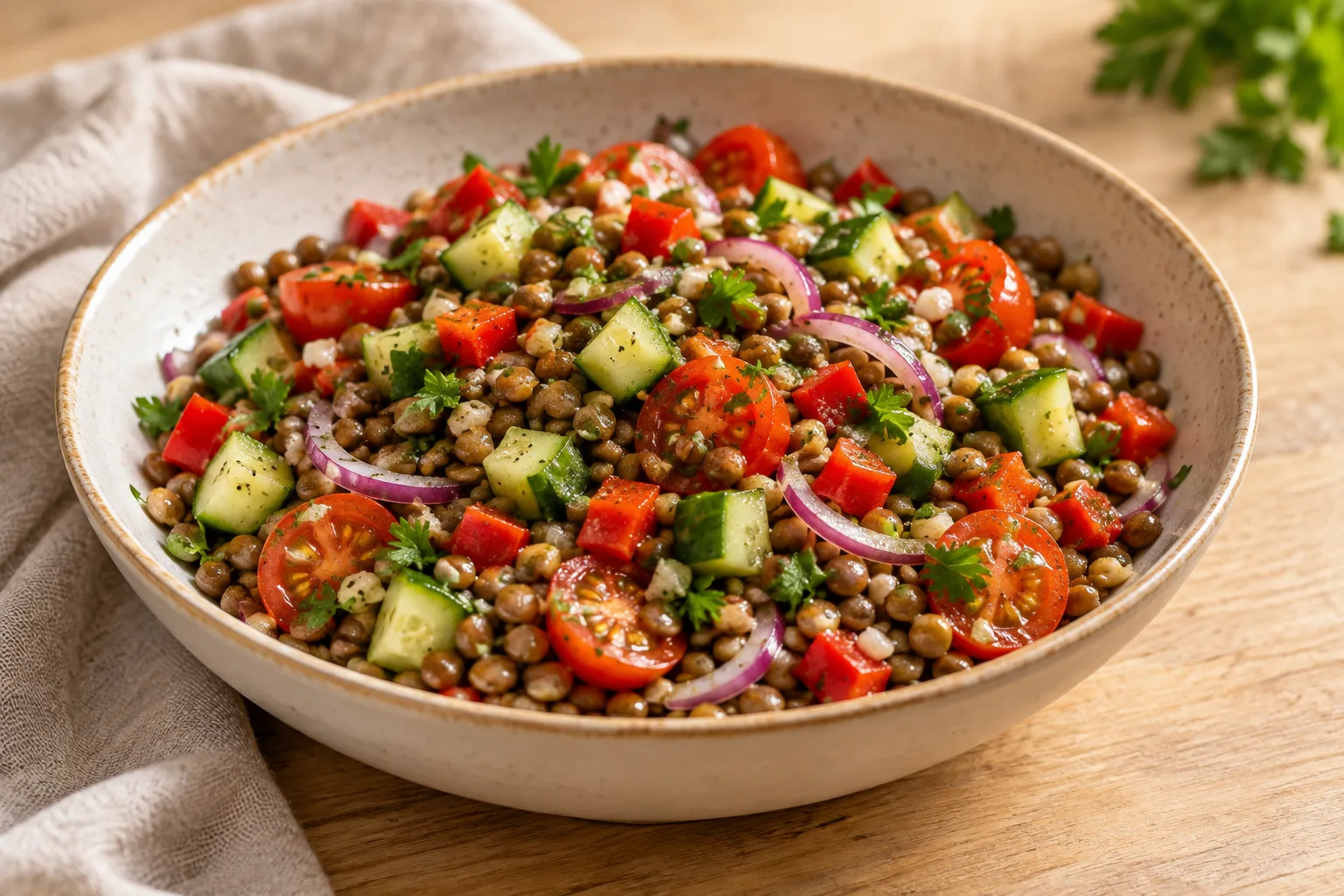
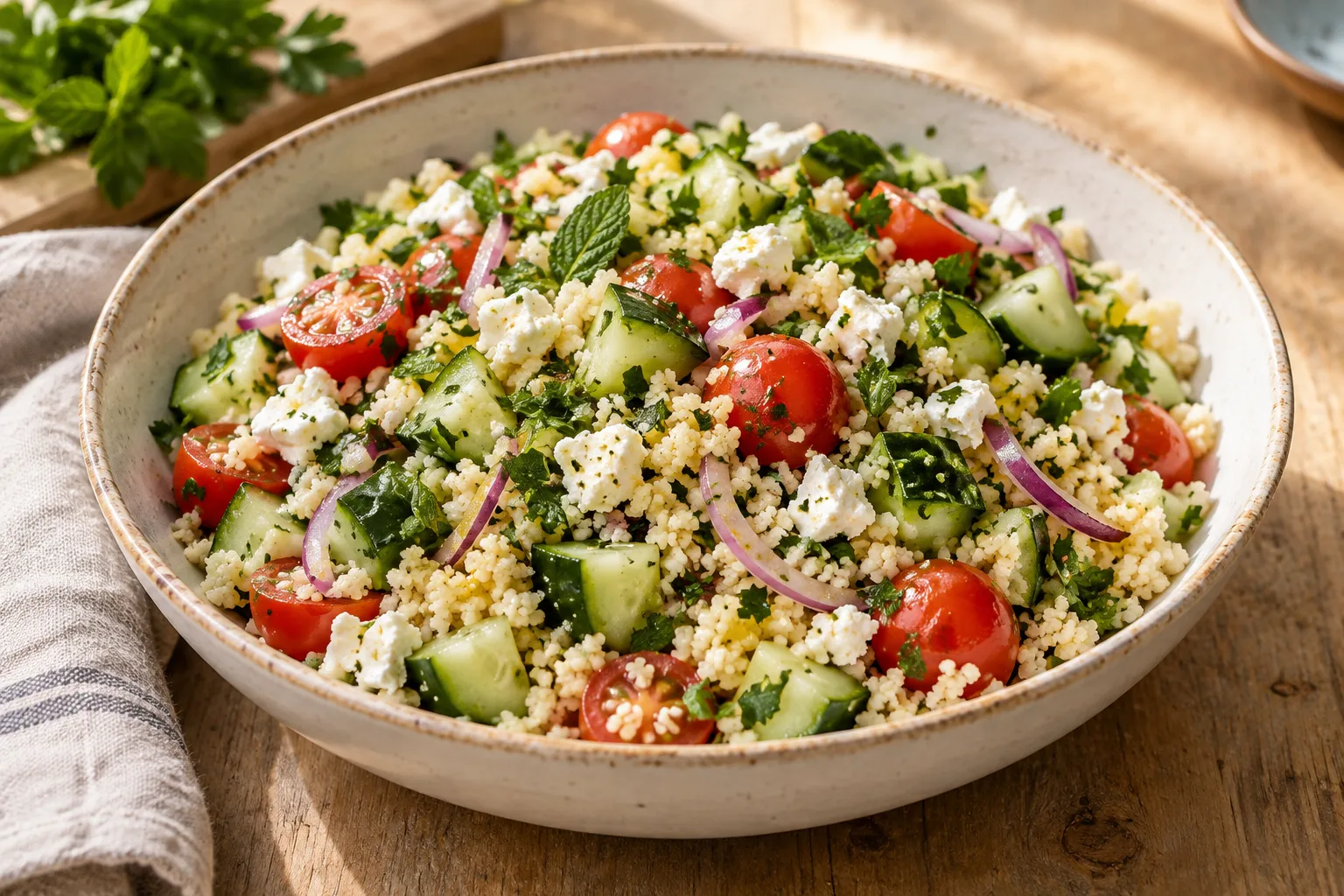
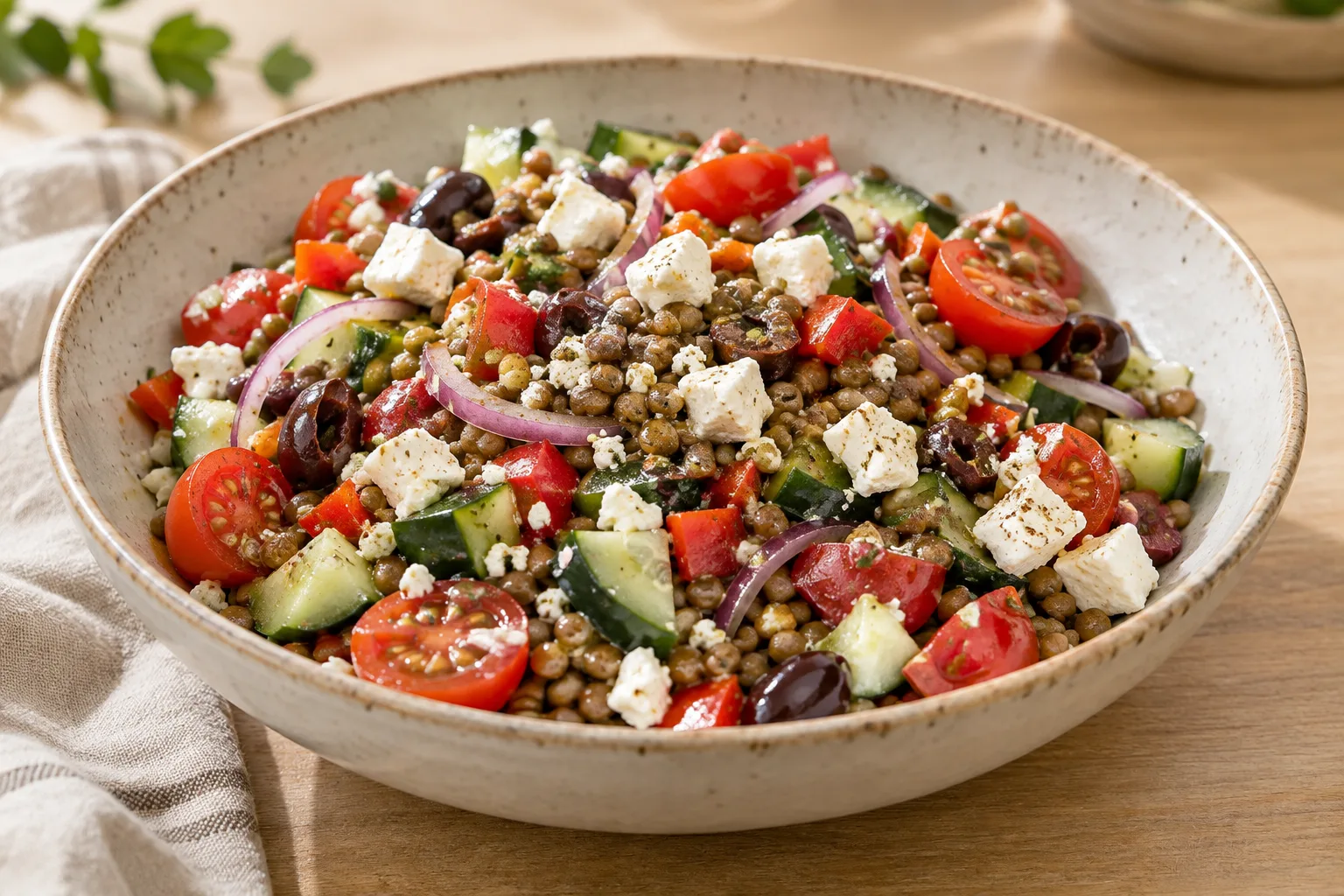
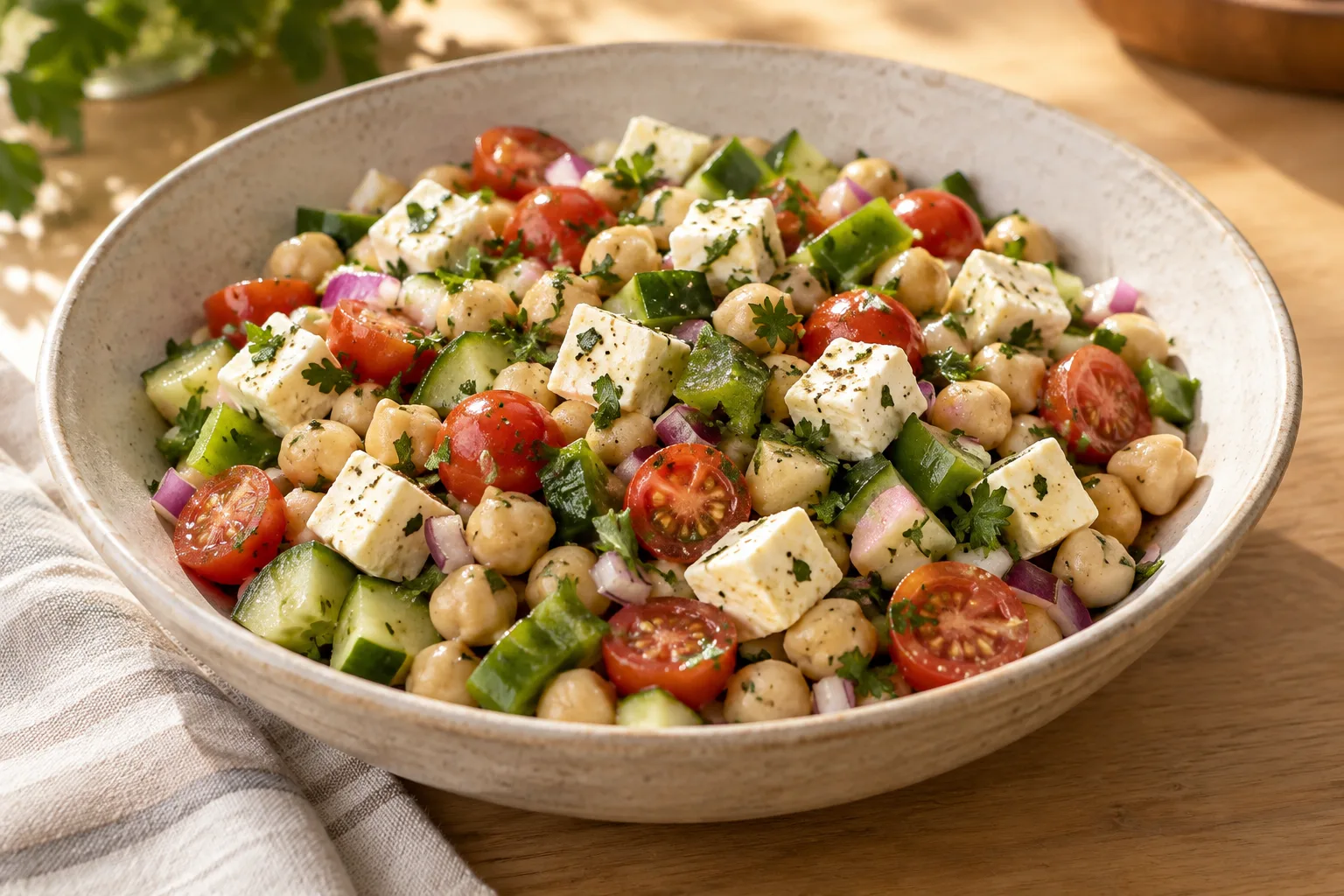
Use lemon juice when a dish needs a sour counterpoint or a citrus aroma: a few drops can finish a salad, accompany fish or seafood, or brighten a sauce. It is also used in marinades, pasta dishes and baking, where it can offset very sweet flavors. A little juice over cut fruit or vegetables can help limit browning. Add it gradually and taste as you go, since too much acidity can dominate the rest of the dish.
How to use it
To make fresh juice, cut a lemon and squeeze it by hand or with a citrus juicer; remove any seeds that fall into the preparation, and strain only if you want to remove the pulp. Add it gradually to dressings, sauces, drinks, soups or cooked dishes, tasting between additions to control the acidity. You can also drizzle it over cut fruit or vegetables to help limit browning. For marinades, combine it with the other ingredients in the recipe; do not assume that contact with juice replaces cooking. In baking, follow the recipe’s proportions: changing the amount can affect the balance of flavor and the preparation.
Flavour and texture
Lemon juice has a distinctly sour citrus taste and a fresh aroma. Freshly squeezed juice is liquid and may contain some pulp; straining it gives a more uniform texture. The level of acidity can vary between lemons and products, so adjust the amount by tasting. Over time, juice can become bitter if the fruit it came from deteriorates.
How to choose it
If you plan to squeeze lemons at home, choose fruit that looks sound and firm, without soft areas or obvious signs of deterioration. When buying packaged juice, check that it is the type you need: products may be pure juice or made from concentrate. Read the ingredient list and label instructions. Color and packaging alone do not guarantee that a product is suited to a particular recipe.
Storage
Handling depends on whether you have whole lemons, freshly squeezed juice or a packaged product. For commercial juice, follow the label’s storage and use instructions, since product formats and processing differ. Squeeze lemons when you need the juice if you want a freshly squeezed flavor. The available evidence does not establish a universal storage period or specific conditions for homemade juice, so do not transfer instructions from one product to another.
Substitutions
In a dressing, vinegar can provide acidity in place of lemon juice, although the flavor will differ and the amount may need adjusting. Lime juice can also work in preparations that suit a different citrus profile. Neither substitute exactly reproduces lemon’s aroma and acidity; add a little at a time and taste before finishing the recipe.
Common mistakes
Adding all the juice at once can make a dish too sour and mask its other flavors. Another mistake is expecting juice to provide the aroma of lemon peel: the peel and liquid have different uses. Do not confuse pure juice with lemonade or juice made from concentrate; check the product and adapt its use to the recipe and label.
Safety and allergens
The available evidence contains no specific official warning about culinary use of lemon juice. For packaged products, follow the label’s storage and use instructions and check its allergen information; mandatory information can vary with the product and how it is sold.
Culinary uses
- acidulante
- aliño y acabado
- aromatizante de preparaciones
Recommended techniques
- exprimir
- incorporar en vinagretas y salsas
- usar en marinados
- rociar sobre frutas o verduras cortadas
Pairs well with
- aceite y ensaladas
- pescados y mariscos
- carnes y aves
- hierbas aromáticas
- postres y bebidas
Frequently asked questions
Is lemon juice the same as lemonade?
No. Juice is the liquid extracted from a lemon; lemonade is a drink usually made by combining juice with water and may contain sugar or a sweetener.
Can lemon juice help keep cut fruit from browning?
Yes. A little juice over cut fruit or vegetables can help limit browning; the amount needed depends on the preparation.
Can I substitute vinegar for lemon juice?
In some dressings, yes, although the result will taste different. Add it gradually and adjust by tasting.
Estimated nutrition
- Fat
- 0.24 g
- Saturates
- 0.04 g
- Carbohydrate
- 6.9 g
- Sugars
- 2.52 g
- Fibre
- 0.3 g
- Protein
- 0.35 g
- Salt
- 0 g
Sources and review
Automatically researched, cross-checked and validated content. Sources consulted:
- En el etiquetado alimentario hay algunas menciones que son obligatorias eletiquetadocuentamucho.aesan.gob.es
- Cómo cocinar con jugo de limón: 13 Pasos (con imágenes) es.wikihow.com
- 15 recetas al limón: platos salados y postres con todo el sabor de este cítrico bonviveur.es
- Zumo de limón: propiedades, beneficios, valor nutricional y recetas para usarlo en la cocina directoalpaladar.com
- Limón, un sol en la cocina | Diario Sur diariosur.es
- ¿Por qué la muerte es origen de miedos y tabúes? doi.org
- Estudio sobre el Limón: Orígenes, Beneficios y Usos Culinarios - Studocu studocu.com
- Limón: propiedades, beneficios y usos - Herbolario Casa Pià casapia.com
- Artes culinarias/Ingredientes/Limón - Wikilibros es.wikibooks.org
- Jugo de limón - Wikipedia, la enciclopedia libre es.wikipedia.org
- Zumo de limón - Gastronomía Vasca: Escuela de Hostelería Leioa gastronomiavasca.net
- Jugo de limón (¿crudo?, ¿orgánico?) | Fundación G+E diet-health.info
- Zumo de limón concentrado: un ingrediente versátil en la industria alimentaria - Fabricante de mosto de uva y zumo de uva concentrado: Julian Soler juliansoler.com
- LIMÓN: ¿Qué es? Historia, características, beneficios y mucho más hablemosdeflores.com
- AI Chef Pro Funciones Avanzadas: Técnicas de Power User | Blog AI Chef Pro blog.aichef.pro
- Los 14 mejores sustitutos del extracto de limón para tus recetas - Cook & Logic cookandlogic.com