- Category
- Herbs and spices
- State
- Fresh
- Usual unit
- g
What it is
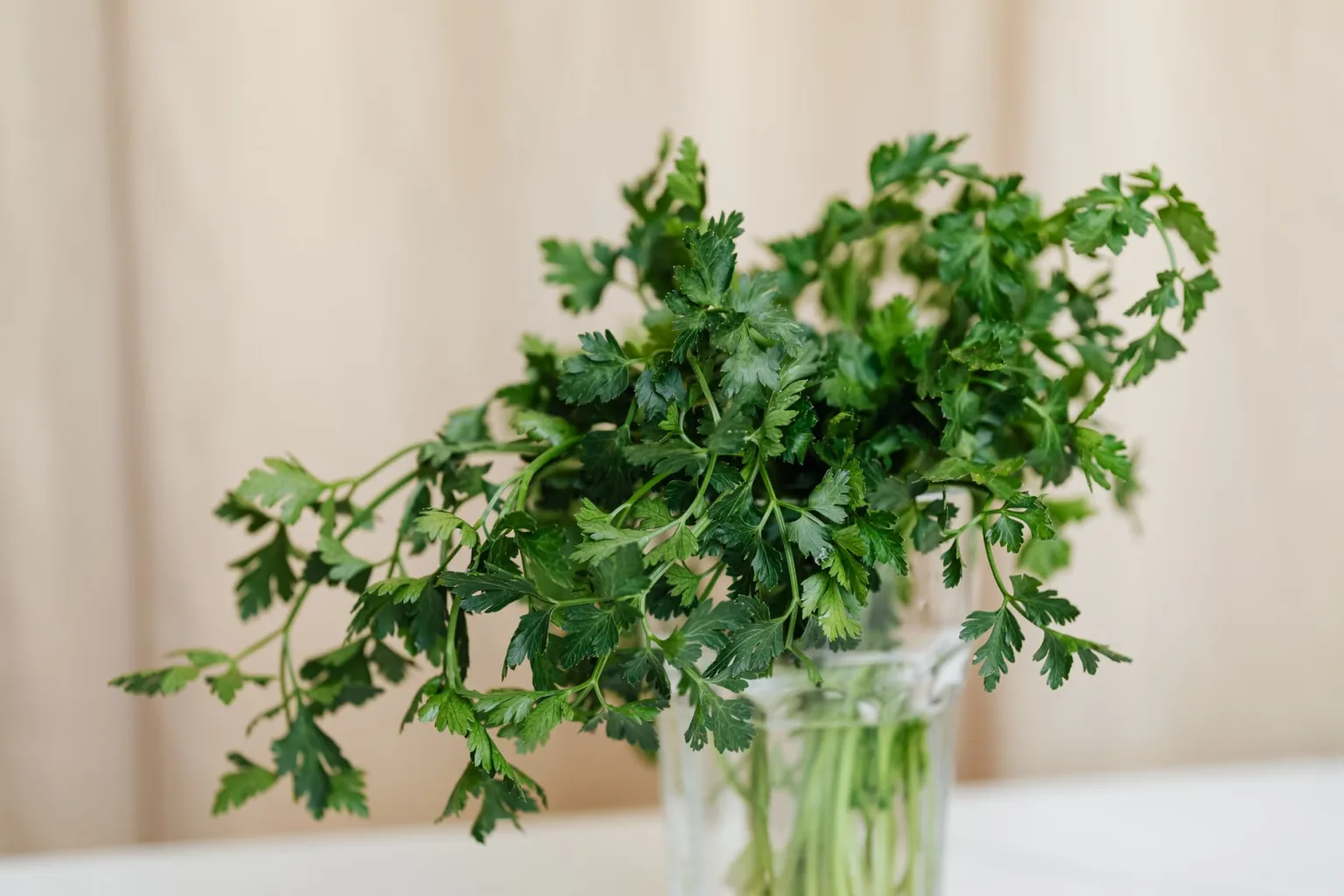
Parsley is an aromatic herb in the Apiaceae family, which also includes plants such as celery, fennel and cilantro. Fresh parsley is commonly sold in bunches, with leaves that may be flat or curly. Flat-leaf parsley is described as more intense and aromatic; curly parsley is usually milder and can also be used to finish a plate. There is also root parsley, or Hamburg parsley, grown for its fleshy root rather than only for its leaves. This profile focuses on fresh leaf parsley, which can be used as a seasoning, an ingredient and a garnish.
When to use it
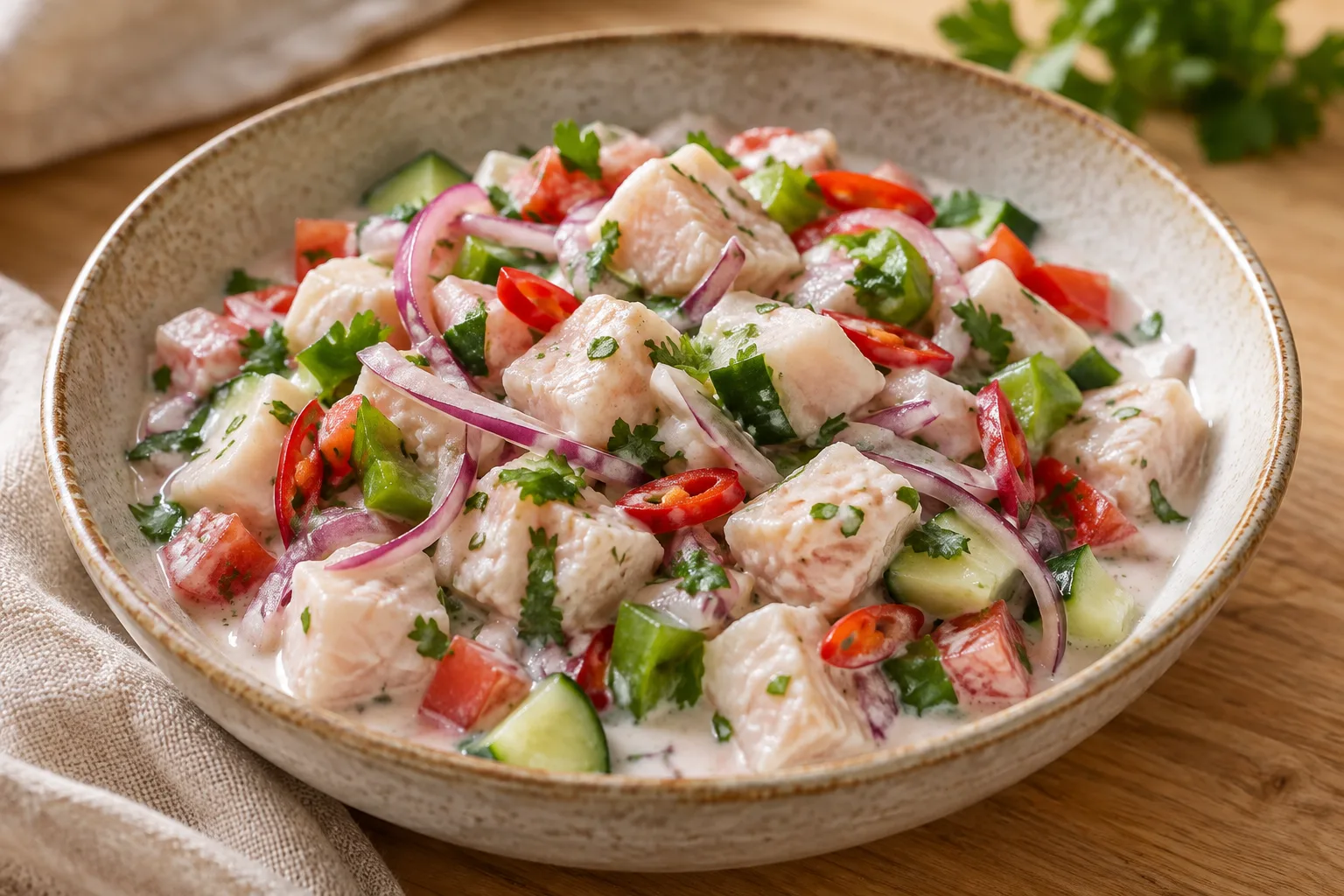
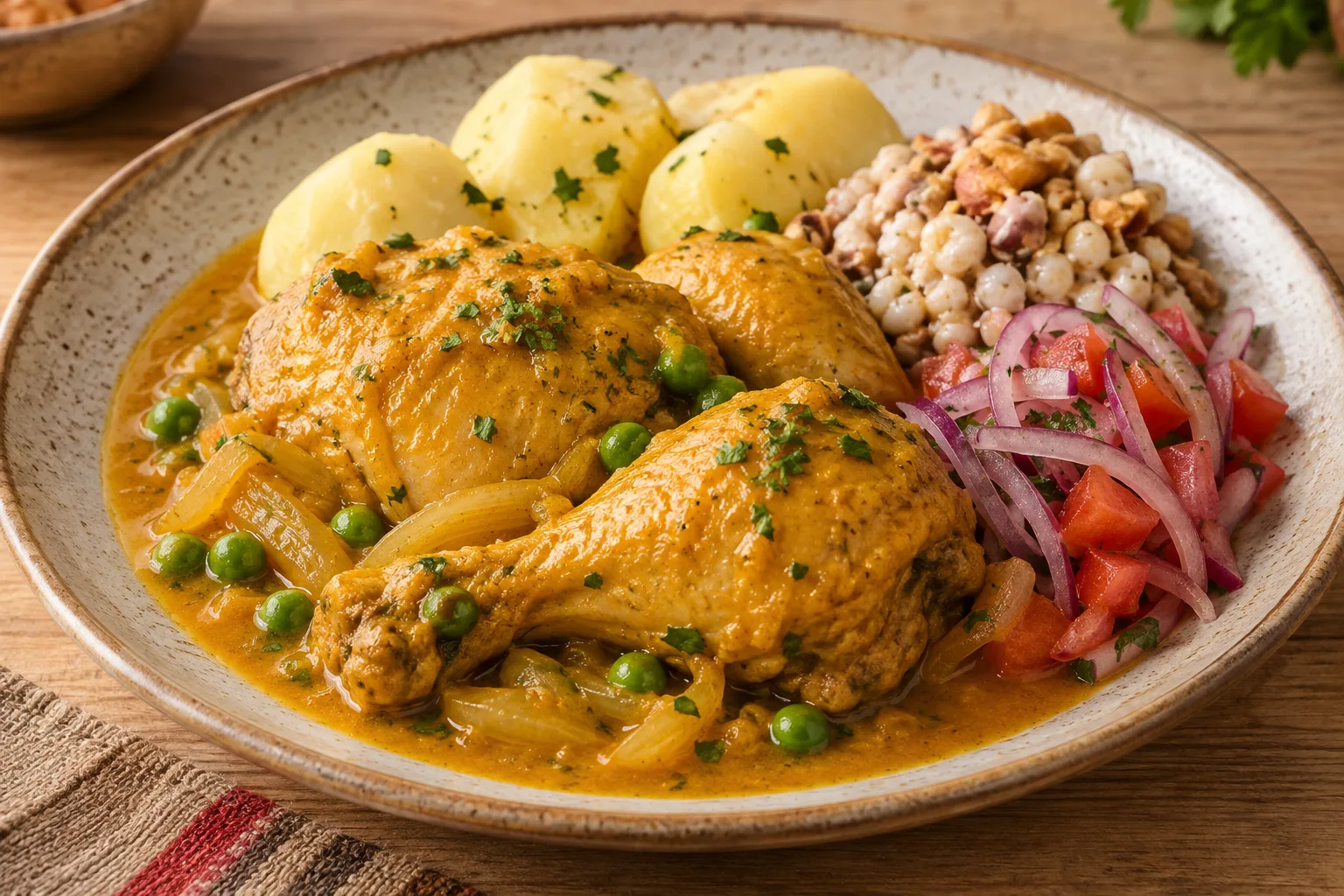
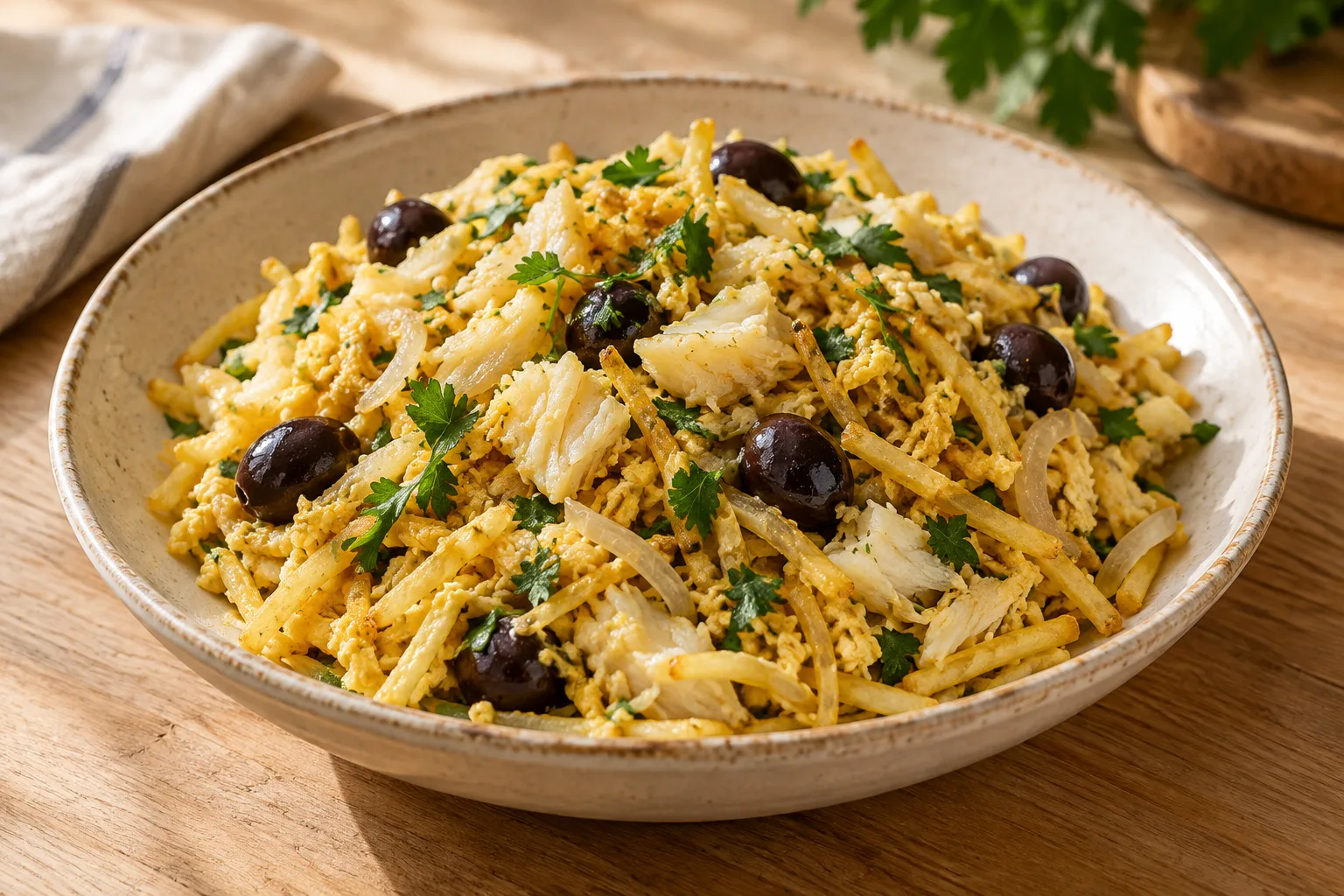
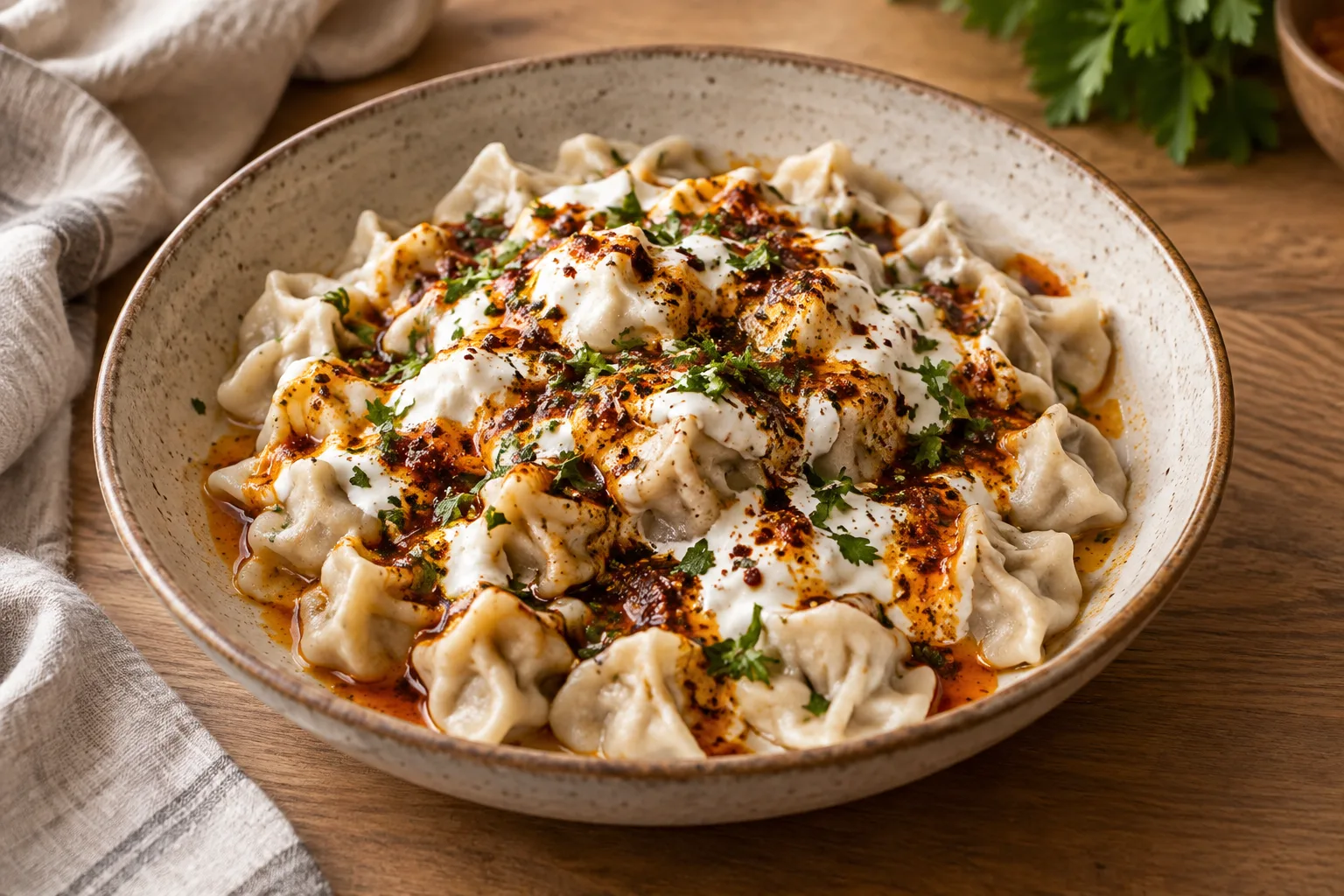
Use parsley when you want to add a fresh herbal aroma without necessarily making it the dominant flavor. Flat-leaf parsley works well in sauces, vinaigrettes, fillings, soups and stews when you want a more pronounced flavor. Curly parsley may suit a garnish or a milder profile. You can also add it raw to salads or use it with fish, meat and vegetables. If a recipe calls for parsley as a finishing touch, add it near serving so its fresh character remains noticeable.
How to use it
Wash and dry the leaves before using them. To chop parsley, gather the leaves into a small bunch and cut with a rocking knife motion; for a finer cut, turn the bunch and repeat. Avoid chopping it more than needed. Add parsley raw to salads and vinaigrettes or use it as a finishing touch, or incorporate it into soups, sauces and stews during cooking. Leave leaves whole for garnish, or gather stems and leaves into a herb bundle to flavor a simmering dish. Pair it with garlic in sauces and preparations for fish or meat. The flavor varies by type: flat-leaf parsley is more intense, while curly parsley is milder.
Flavour and texture
Parsley has a fresh, herbal aromatic profile, with a slightly peppery note described for the herb in general. Flat-leaf parsley tends to be more intense and pungent, while curly parsley is usually milder. The two types are easy to distinguish by leaf shape, and curly leaves have a more pronounced texture. Fresh and chopped, parsley contributes aromatic presence; whole leaves can also serve as a garnish.
How to choose it
Fresh parsley is commonly sold in bunches. Choose the type to suit the dish: flat-leaf parsley is a good choice when you want a more intense aroma and flavor; curly parsley suits a milder taste or whole-leaf garnish. Do not confuse leaf parsley with root or Hamburg parsley, which is grown and used for its fleshy root. If a recipe relies heavily on parsley's aroma, remember that the varieties are not identical.
Storage
One described way to keep fresh parsley is to place the stems in water. You can also chop it, divide it into small portions and freeze it for later use. Frozen parsley can be useful in cooked preparations, although it is not the same format as fresh leaves for garnishing. The available evidence does not specify a storage life or detailed refrigerator conditions; follow any package directions and avoid assuming a fixed storage period.
Substitutions
If fresh parsley is unavailable, dried parsley is an option sold in a different form and with a different aromatic character. If you need to switch varieties, curly parsley can stand in for flat-leaf parsley when a milder profile suits the dish; flat-leaf parsley can replace curly parsley when you want a more intense flavor. These options are not identical in aroma, intensity or appearance, so choose according to the parsley's role in the dish.
Common mistakes
Do not treat flat-leaf and curly parsley as if they have exactly the same flavor profile: flat-leaf is generally more intense, while curly parsley is milder. Do not confuse root parsley with leaf parsley when a recipe calls for fresh leaves. Avoid chopping the leaves more than necessary if you want to preserve their appearance and aroma, and do not expect a milder type to provide the same intensity as flat-leaf parsley.
Safety and allergens
Check that the product is identified as parsley and follow any use and storage directions on its label. The available evidence does not identify a specific safety warning for fresh parsley as an ingredient; do not assume safety properties that are not stated.
Culinary uses
- Hierba aromática y condimento
- Acabado y guarnición
Recommended techniques
- Picar finamente e incorporar crudo
- Añadir a sopas, guisos y salsas durante la preparación
- Usar en un ramillete de hierbas para aromatizar
Pairs well with
- Ajo
- Pescados y carnes
- Sopas, guisos y salsas
- Ensaladas y vinagretas
Frequently asked questions
What is the difference between flat-leaf and curly parsley?
Flat-leaf parsley is generally more intense and aromatic. Curly parsley is described as milder and is also used as a garnish.
Can parsley be added raw?
Yes. Chop it into salads or vinaigrettes, or use it to finish a dish; it can also be added to cooked preparations.
How can I store fresh parsley?
One described option is to keep the stems in water. Parsley can also be chopped and frozen in small portions; the available evidence does not give a storage duration.
Estimated nutrition
- Fat
- 0.79 g
- Saturates
- 0.13 g
- Carbohydrate
- 6.33 g
- Sugars
- 0.85 g
- Fibre
- 3.3 g
- Protein
- 2.97 g
- Salt
- 0.14 g
Sources and review
Automatically researched, cross-checked and validated content. Sources consulted:
- En el etiquetado alimentario hay algunas menciones que son obligatorias eletiquetadocuentamucho.aesan.gob.es
- Client Challenge doi.org
- Perejil: beneficios, usos y recetas - CocinoPedia.com cocinopedia.com
- Todo sobre el perejil: beneficios, recetas y usos en la cocina hola.com
- ¿Para qué se usa el perejil en la cocina? | Recetas Nestlé recetasnestle.cl
- Qué es el perejil, la más popular de las hierbas mediterráneas: sus propiedades y las mejores recetas en las que usarlo directoalpaladar.com
- Qué es el perejil y para qué sirve | JUST SPICES ® justspices.es
- Perejil: el toque mágico para tus platillos | Recetas Nestlé recetasnestle.com.mx
- Recetas de róbalo chileno: consejos de cocina fáciles, deliciosas y gourmet globalseafoods.com
- Sopa - Wikipedia, la enciclopedia libre es.wikipedia.org
- Perejil. ¿Qué es? Propiedades, beneficios y usos en la cocina abc.es
- Perejil | www.cocinista.es cocinista.es
- Perejil: Usos, Cultivo, Propiedades y Beneficios para la Salud flores.ninja
- Sustitutos para Perejil: Guía Definitiva según Platos spice.alibaba.com
- Tipos de setas comestibles: guía para principiantes eurogrow.es