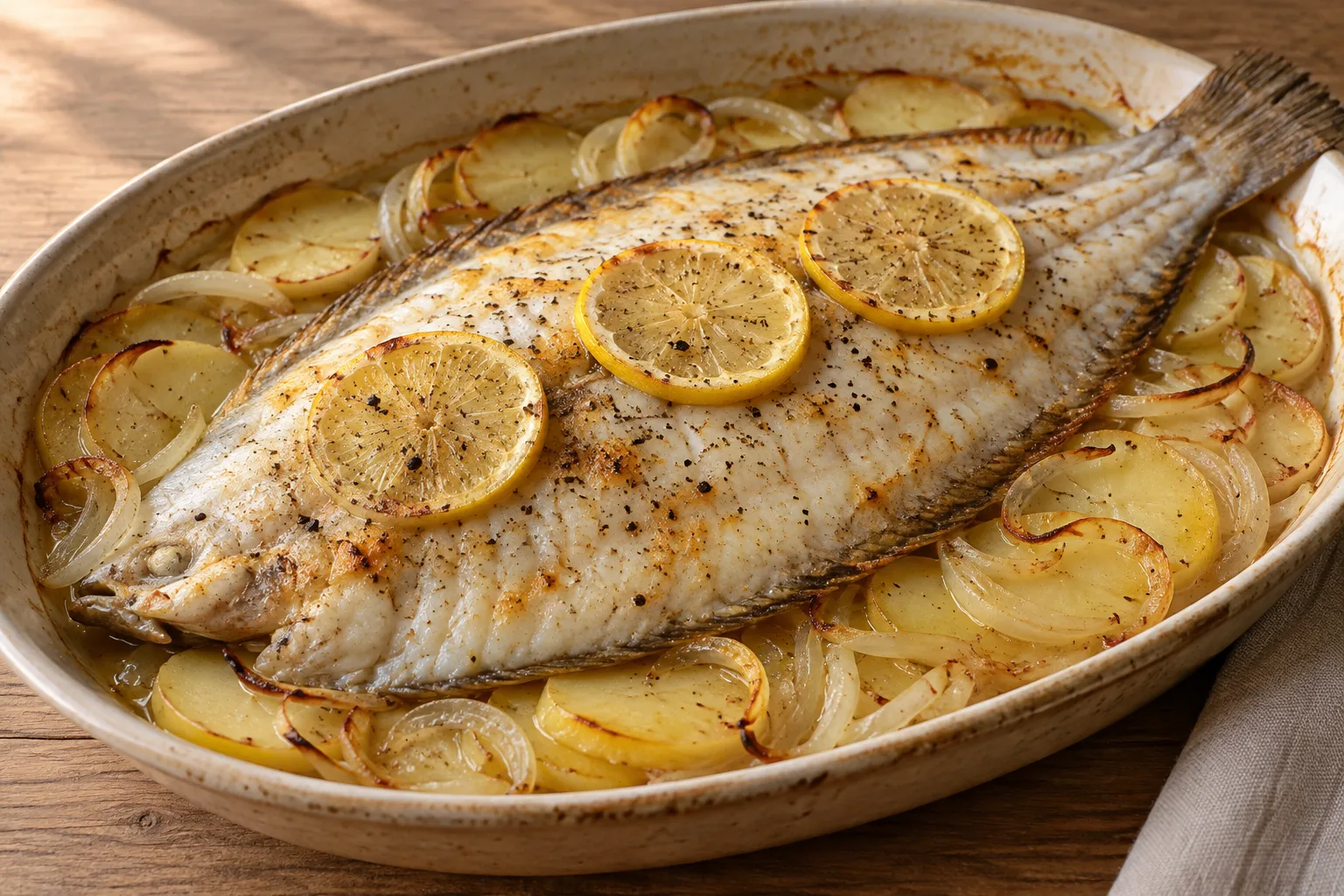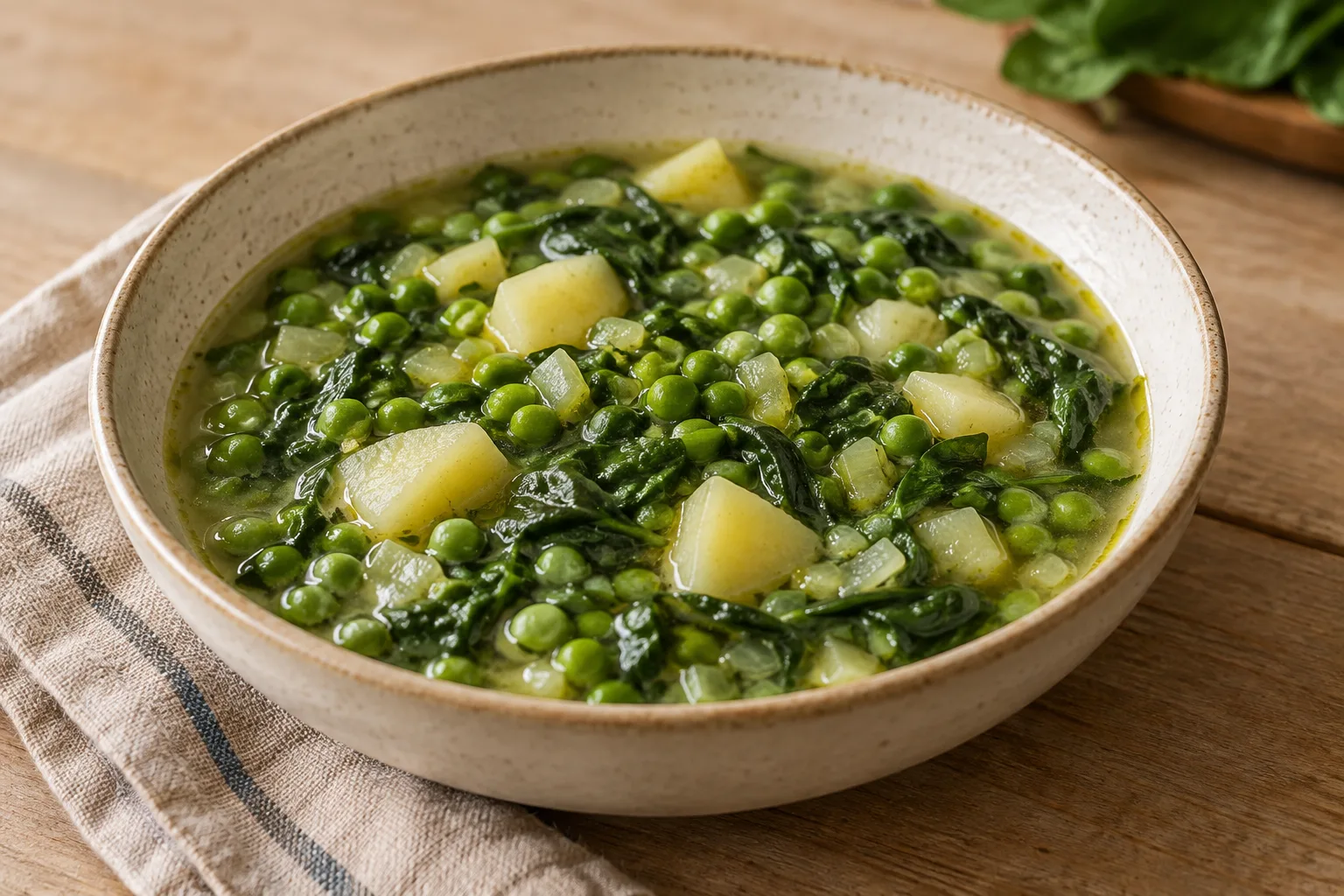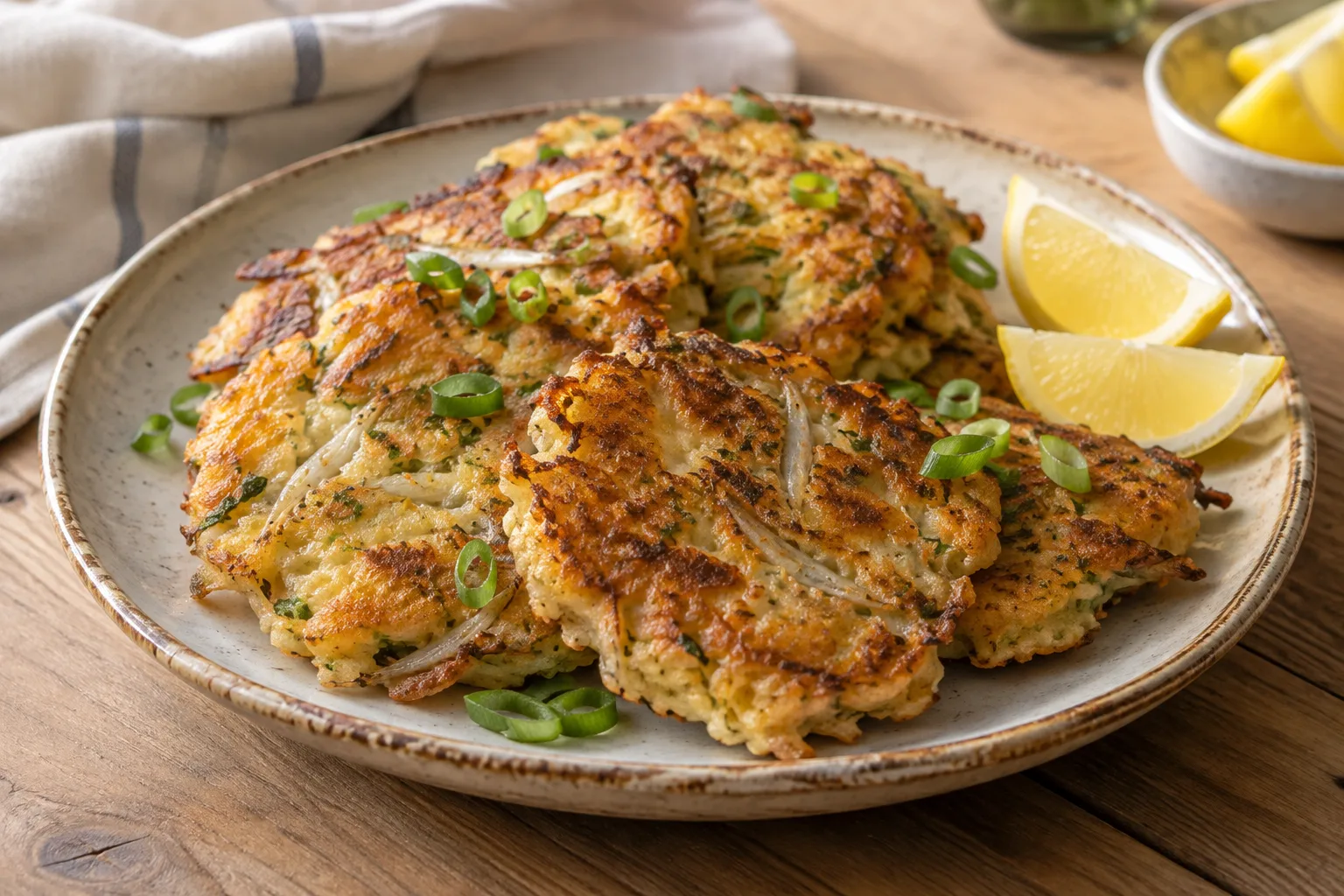
- Category
- Vegetables
- State
- Fresh
- Usual unit
- unidad mediana
What it is
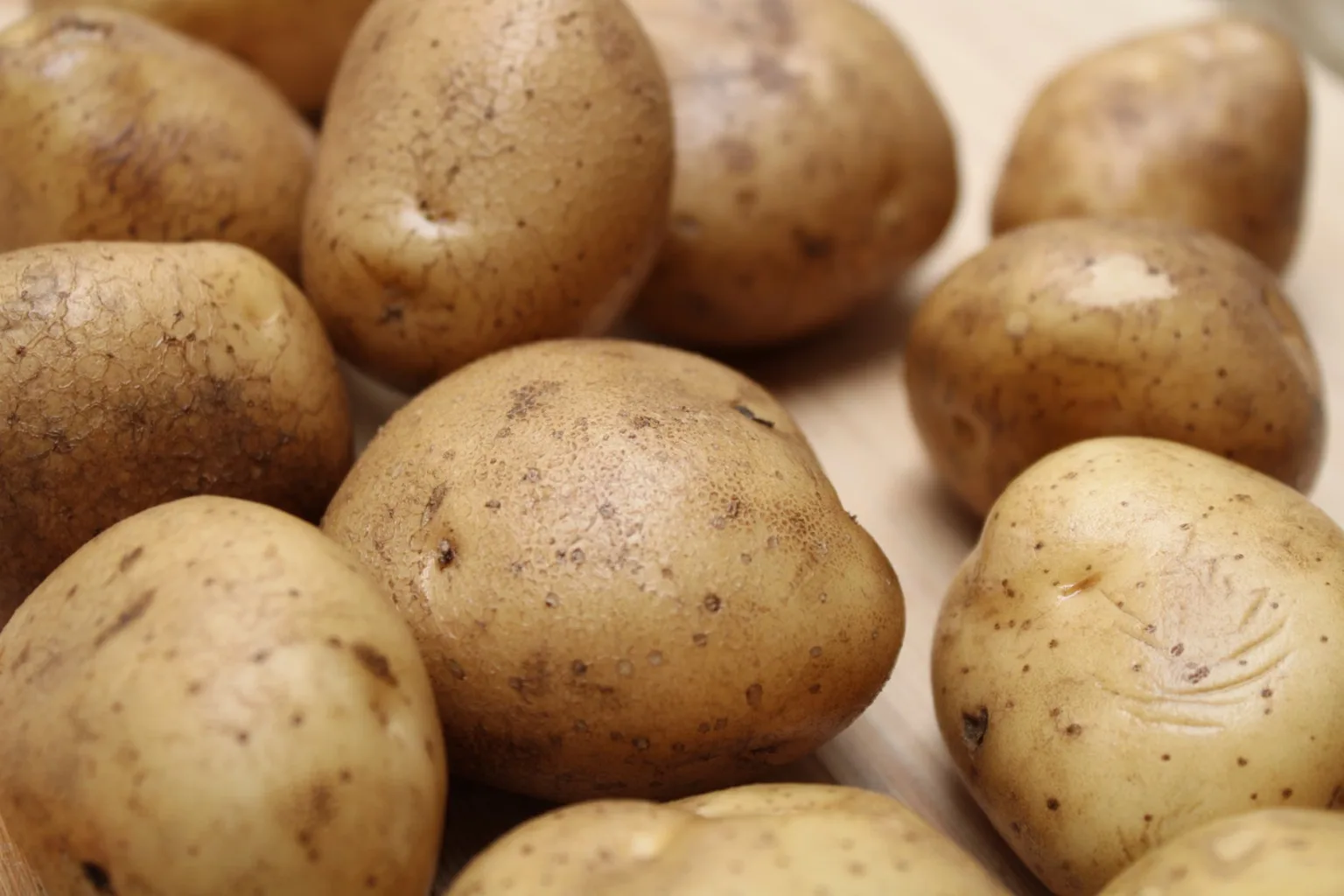
A potato is the edible tuber of a plant in the nightshade family. In cooking, it is treated as a vegetable and comes in varieties that differ in size, shape, color, and texture. They do not all behave alike during cooking: some hold their edges and shape better, while others tend to break down and become flourier. This variation makes it useful to choose potatoes for the dish rather than assume every variety will give the same result. Potatoes are eaten cooked in dishes such as tortillas, stews, mash, salads, and side dishes.
When to use it
Use potatoes when you want a substantial base for a dish, a side, or an ingredient to serve with eggs, meat, fish, or vegetables. For salads and recipes where the pieces should remain distinct, choose a variety that holds its shape. For mash, frying, or dishes where a softer texture is wanted, a flourier variety may be a better fit. These are useful guidelines, not absolute rules: both the variety and the cooking method affect the result, so choose with the texture you want in mind.
How to use it
Wash the potatoes before preparing them, then decide whether to cook them whole or cut. Pieces of similar size help them cook more evenly. They can be boiled, steamed, roasted in the oven or in a parcel, fried, gently cooked in oil, stewed, or mashed. In a stew, softened pieces can add body to the liquid; for salads, choose a variety that holds its shape; for mash or frying, consider a flourier texture. Versatile varieties such as Monalisa or Kennebec are described for several uses, although the final result still depends on the variety and preparation.
Flavour and texture
Potatoes have a mild, restrained flavor that works with a wide range of accompaniments and seasonings. Their texture varies considerably with variety and cooking method: they can stay firm and hold their shape, become tender and creamy, or turn floury and break apart readily. When fried, they can brown on the outside and remain tender inside; mashed, they become a soft base that can be combined with other ingredients.
How to choose it
Choose a variety for the intended use: a potato that holds its shape is handy for salads and some stews, while a flourier one suits mash and certain fried dishes. If the variety is identified on the label or by the retailer, use that information as a guide rather than a guarantee, because cooking characteristics can vary. For general use, varieties such as Monalisa and Kennebec are described as versatile across several preparations.
Storage
Follow the package directions when buying packaged or prepared potatoes, particularly for storage and use. The available evidence does not establish specific household storage conditions for fresh potatoes, so do not assume one universal storage method or shelf life. For processed products, check their storage and use instructions as well; these can differ by product and presentation.
Substitutions
If the named variety is unavailable, choose another that suits the dish's desired texture. For frying, varieties described as suitable for that use can often replace one another; for salads or stews where pieces should hold together, choose a firm potato. Monalisa and Kennebec are described as versatile, but a substitution may still change the finished texture.
Common mistakes
Treating every variety as though it has the same texture and suits every recipe can lead to an unexpected result. Very uneven pieces may also soften at different rates when cooked together. Start by deciding whether you want distinct pieces that hold their shape or a tender, floury consistency, then choose the variety and preparation accordingly.
Safety and allergens
For packaged or prepared products, check the label for declared ingredients, allergens, and storage and use directions; details may vary by product and presentation. An official alert reported gluten in frozen prefried potatoes, so do not assume that all processed potato products have the same ingredients.
Culinary uses
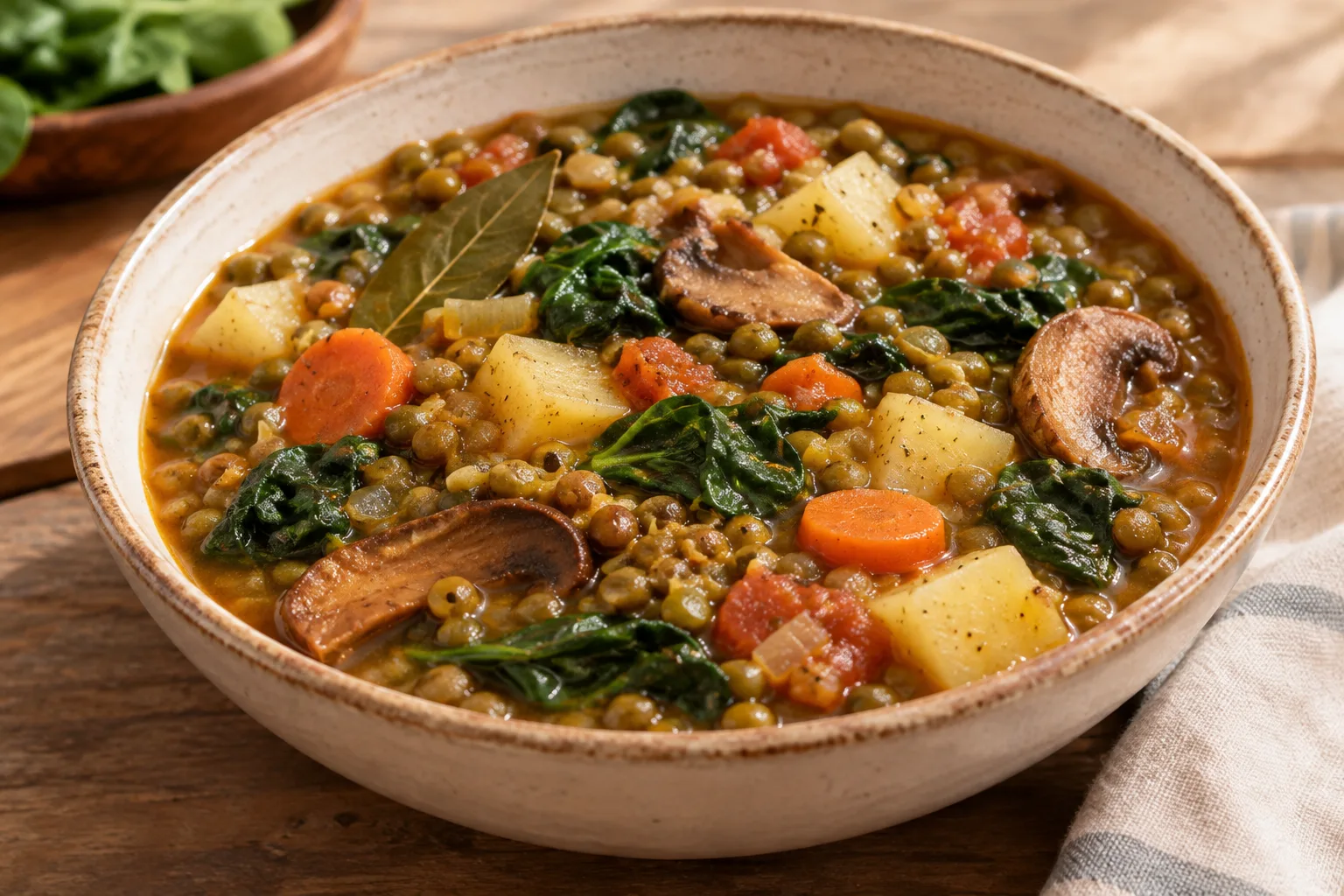
- Base de platos principales, como tortillas, guisos y patatas rellenas.
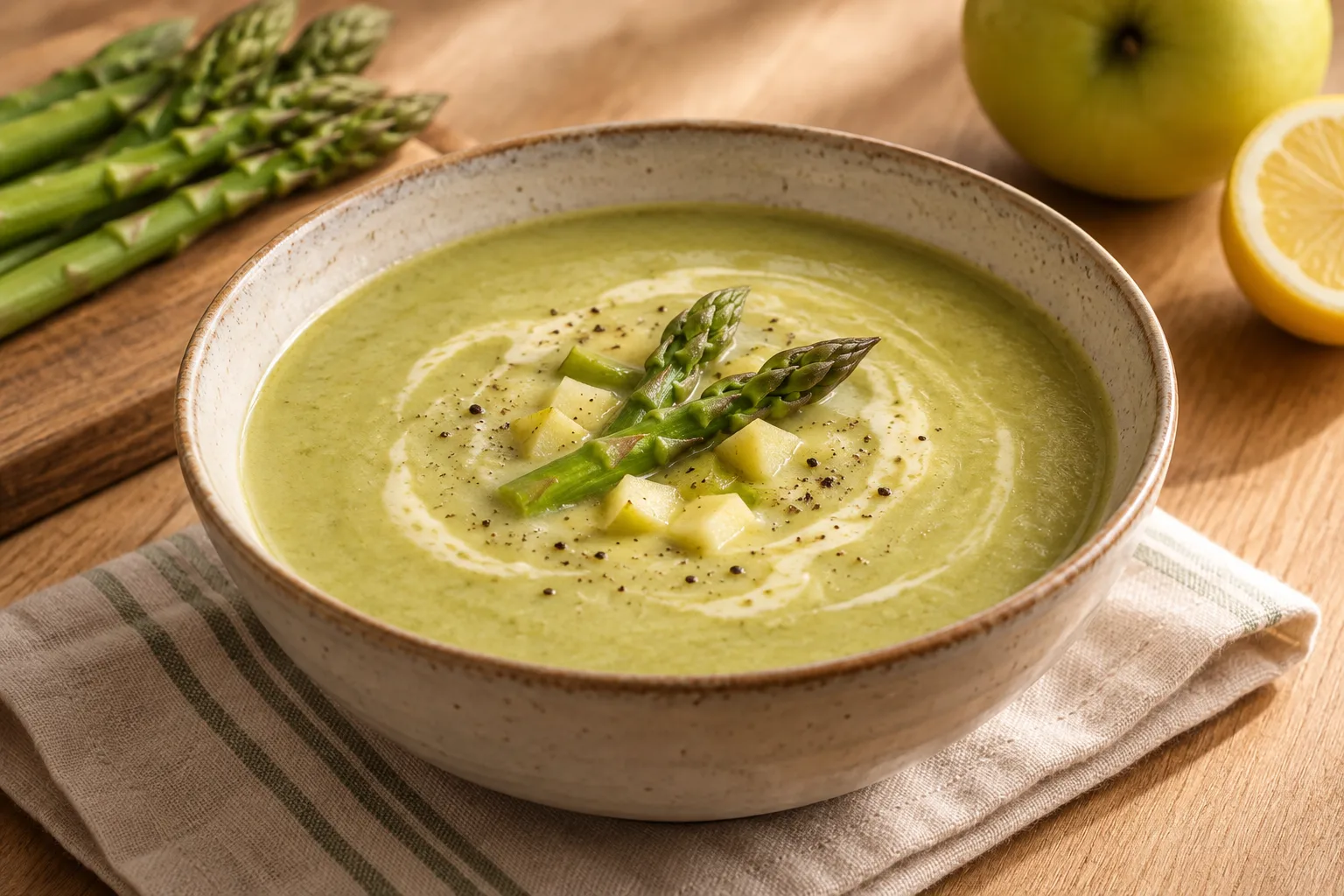
- Guarnición cocida, frita, asada o en puré.
- Ingrediente que puede aportar cuerpo a guisos y salsas al ablandarse.
Recommended techniques
- Cocer en agua, entera o cortada en piezas regulares.
- Cocinar al vapor.
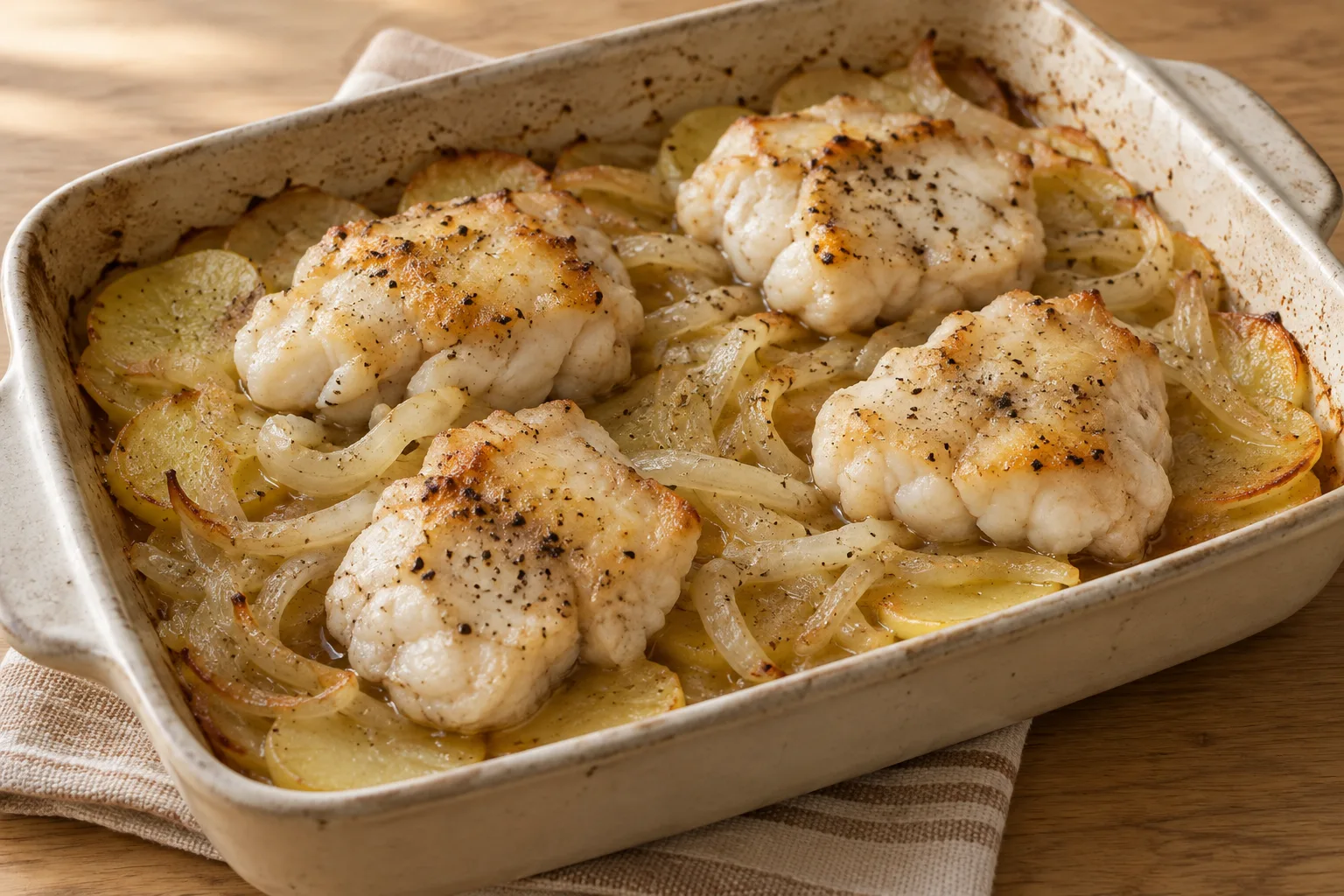
- Asar al horno o en papillote.
- Freír o pochar; la variedad influye en la textura final.
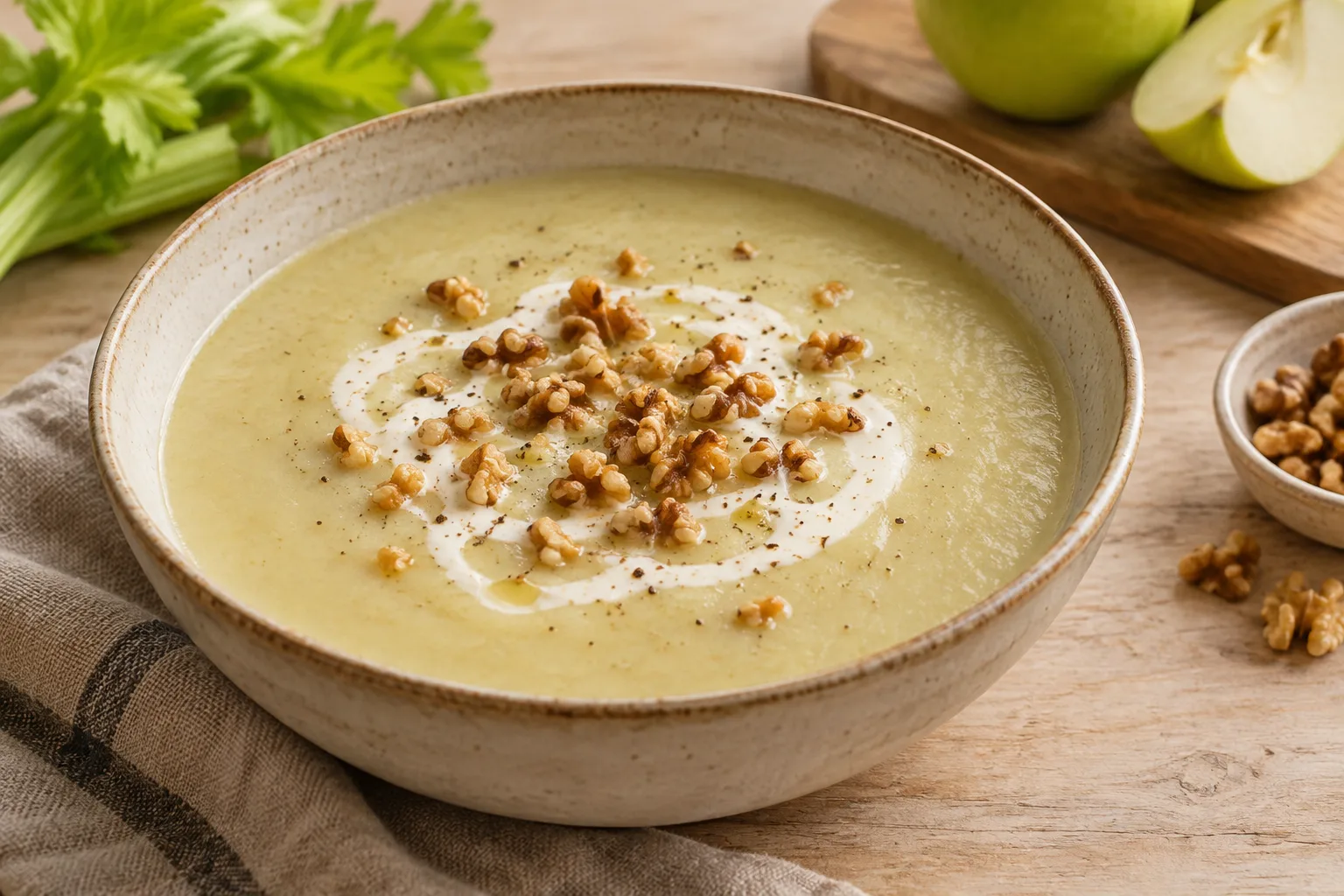
- Triturar para preparar purés.
Pairs well with
- Huevos, en tortillas o como acompañamiento de patatas fritas.
- Carne y pescado, especialmente junto a un puré de patata.
- Verduras en guisos, purés y platos de acompañamiento.
Frequently asked questions
Can every potato be used for every recipe?
They do not all behave alike. Variety affects whether a potato holds its shape or becomes flourier, so choose according to the texture you want.
Which varieties can work for several uses?
Monalisa and Kennebec are described as versatile options for several preparations, including boiling, roasting, and stewing.
How can I cook potatoes?
You can boil, steam, roast, fry, gently cook, stew, or mash them.
Estimated nutrition
- Fat
- 3.13 g
- Saturates
- 0 g
- Carbohydrate
- 47.07 g
- Sugars
- 9.38 g
- Fibre
- 6.3 g
- Protein
- 12.5 g
- Salt
- 0.94 g
Sources and review
Automatically researched, cross-checked and validated content. Sources consulted:
- En el etiquetado alimentario hay algunas menciones que son obligatorias eletiquetadocuentamucho.aesan.gob.es
- Client Challenge doi.org
- Aesan - Agencia Española de Seguridad Alimentaria y Nutrición aesan.gob.es
- 1.1.2-La Patata: historia, variedades y usos gastronómicos - GIRASOLES webgirasoles.com
- Patata española: Origen variedades y usos culinarios en la gastronomía española - LaRecetaSecreta.com larecetasecreta.com
- Variedades de patatas: tipos, características y usos culinarios – Patatas patatas.es
- Cocina de la papa - Wikipedia, la enciclopedia libre es.wikipedia.org
- La patata, origen y datos curiosos | masymas supermercados supermasymas.com
- Tipos de patatas: guía práctica de características y usos | Bartalent Lab bartalentlab.com
- Patatas: variedades y usos en la cocina - Ferjusanz ferjusanz-frutas-verduras.es
- Tipos de patatas y usos recomendados para cada tipo academianutricionydietetica.org
- Por qué la patata conquistó el mundo: su sorprendente historia elconfidencialdigital.com
- ▷ La Patata: Propiedades, Beneficios y Valor Nutricional lacosmeticanatural.net
- Tipos de patata y qué patata elegir según la cocción margavilan.substack.com
- Ensaladilla de Albacete: La Estrella de los Aperitivos con Sabor y Variedad albacetecapital.es
- Cuatro formas de cocinar la batata para aprovechar su sabor y nutrientes al máximo eldiario.es
- El sencillo cambio al cocer patatas que evita que se rompan y mejora su sabor andaluciainformacion.es