- Category
- Grains, flour and pasta
- State
- Dry
- Usual unit
- tazas
What it is
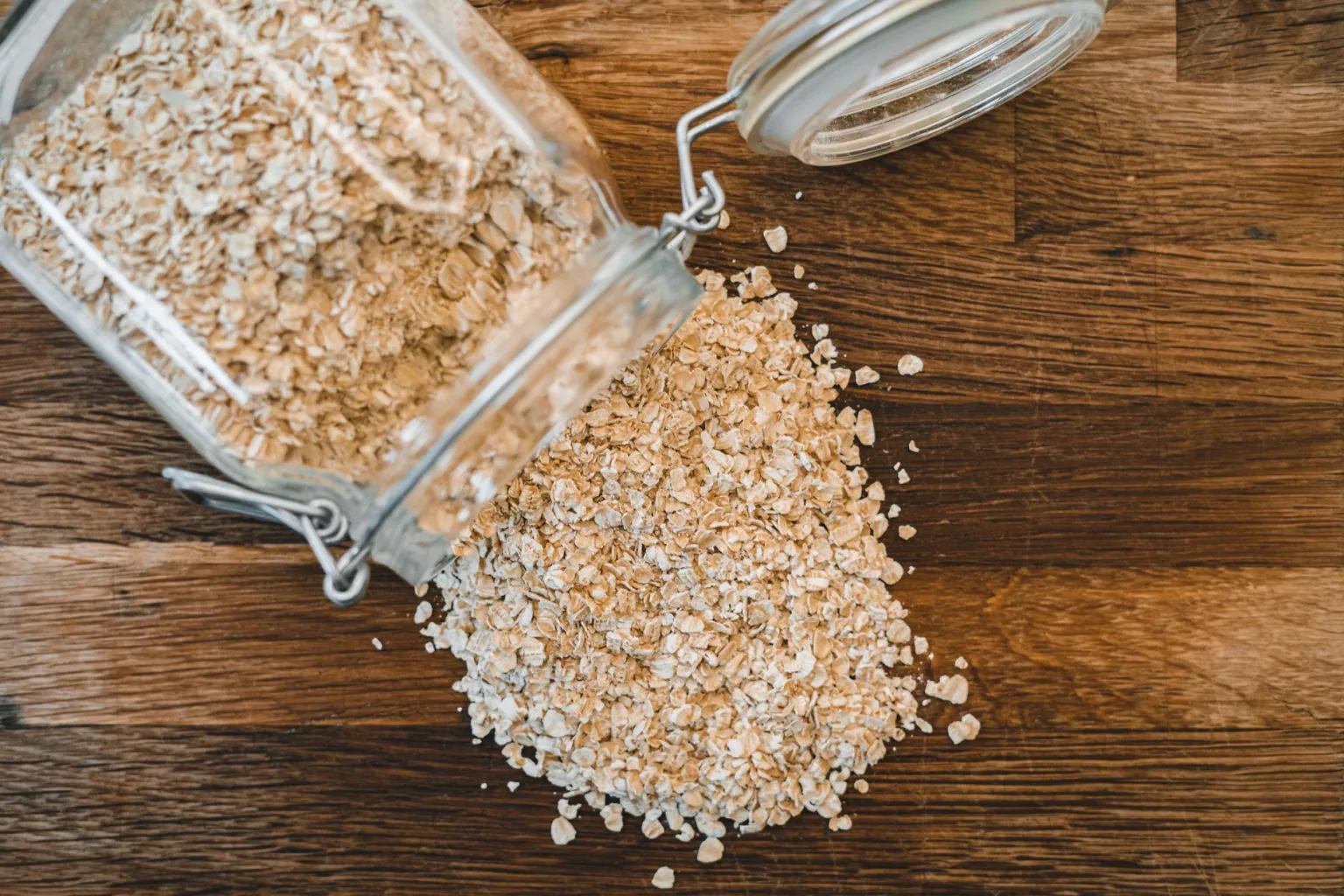
Rolled oats are a culinary form of the oat grain: the grain is processed and pressed into flakes that readily absorb liquid. They are sold in different thicknesses, and chopped or instant versions are also available; these generally need less cooking than thicker flakes. Rolled oats are not the same as oat bran, which is the separated outer layer of the grain, or oat flour, which is ground. Processing may involve heat, so a packaged product should not be assumed to be raw simply because of its appearance.
When to use it
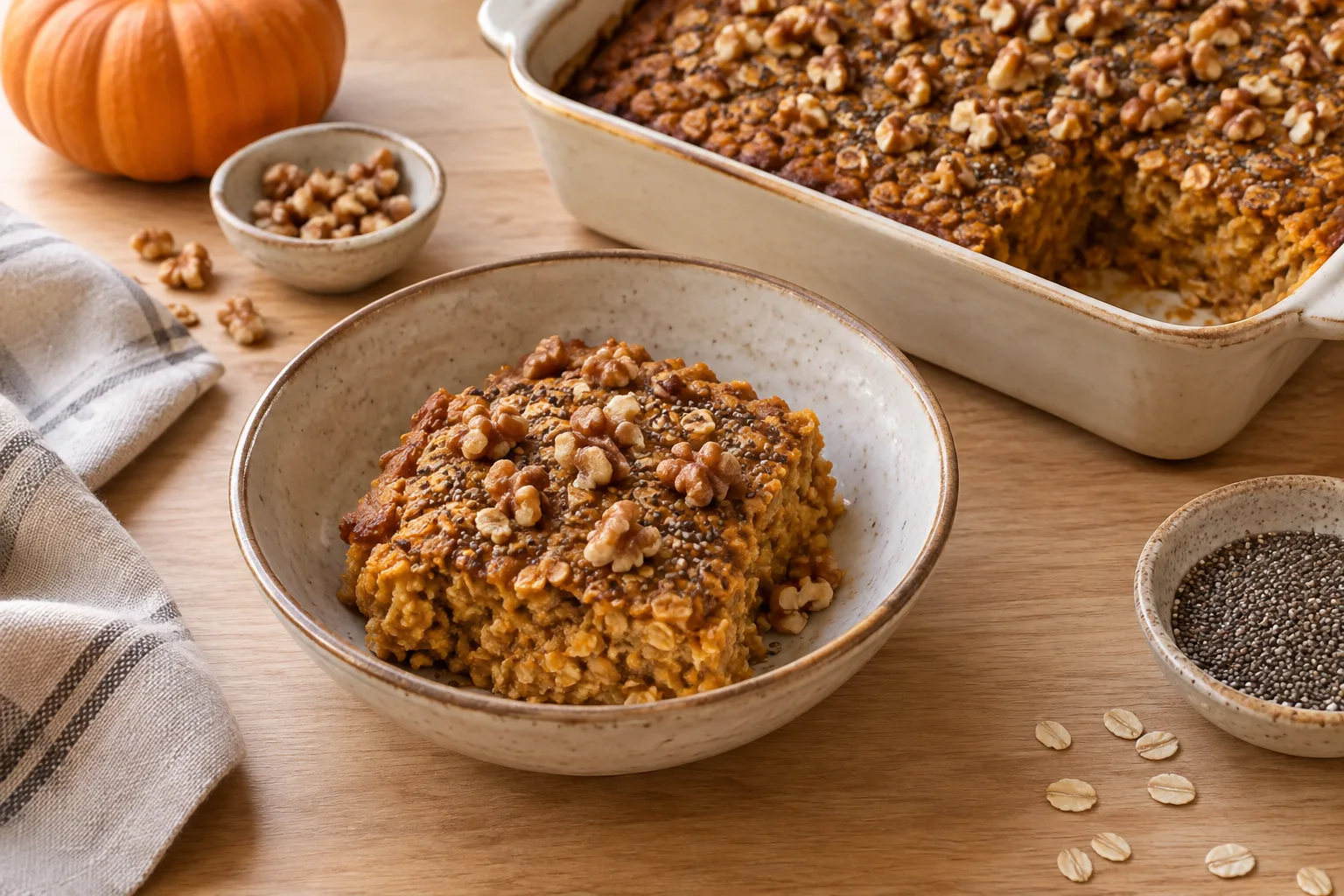
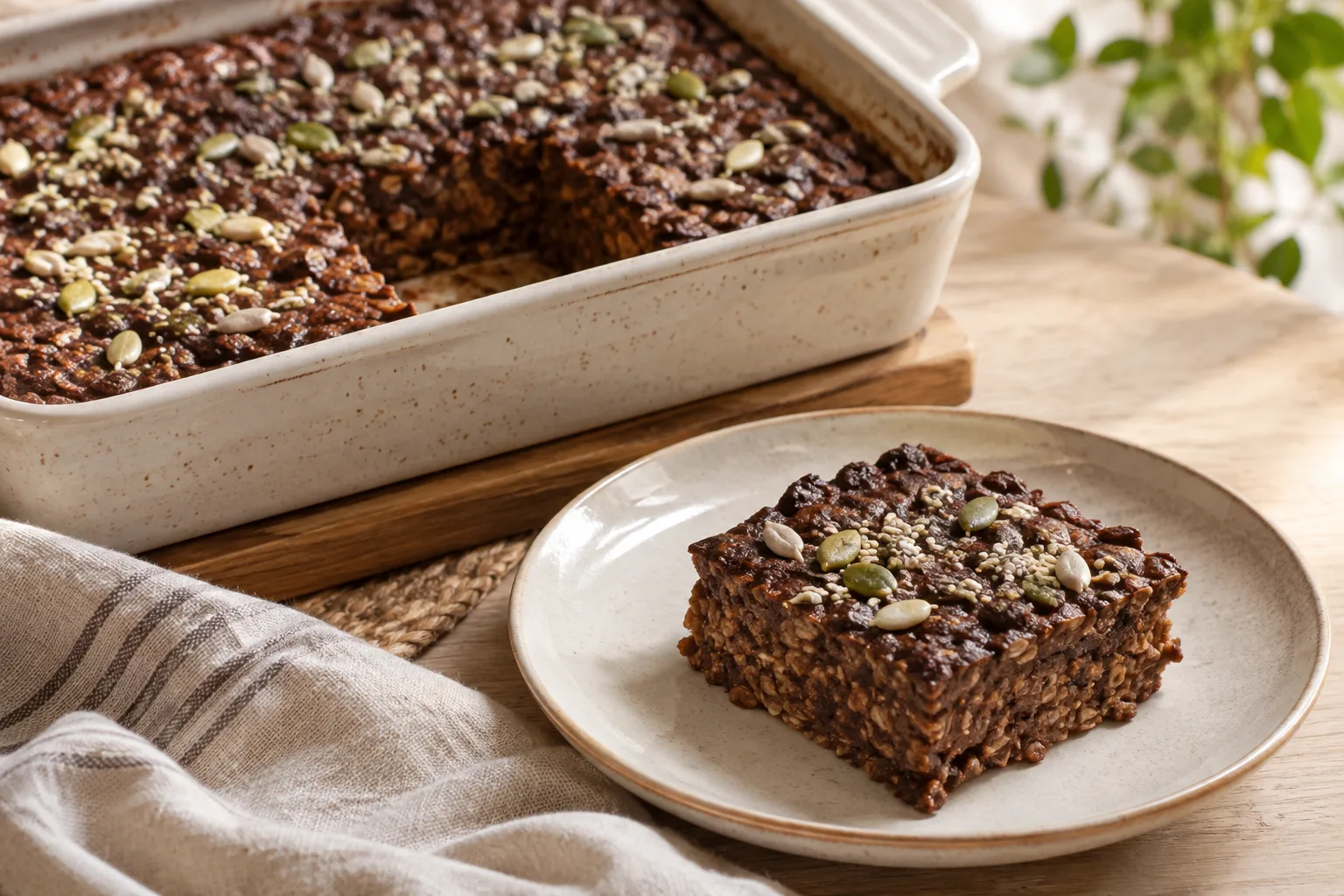
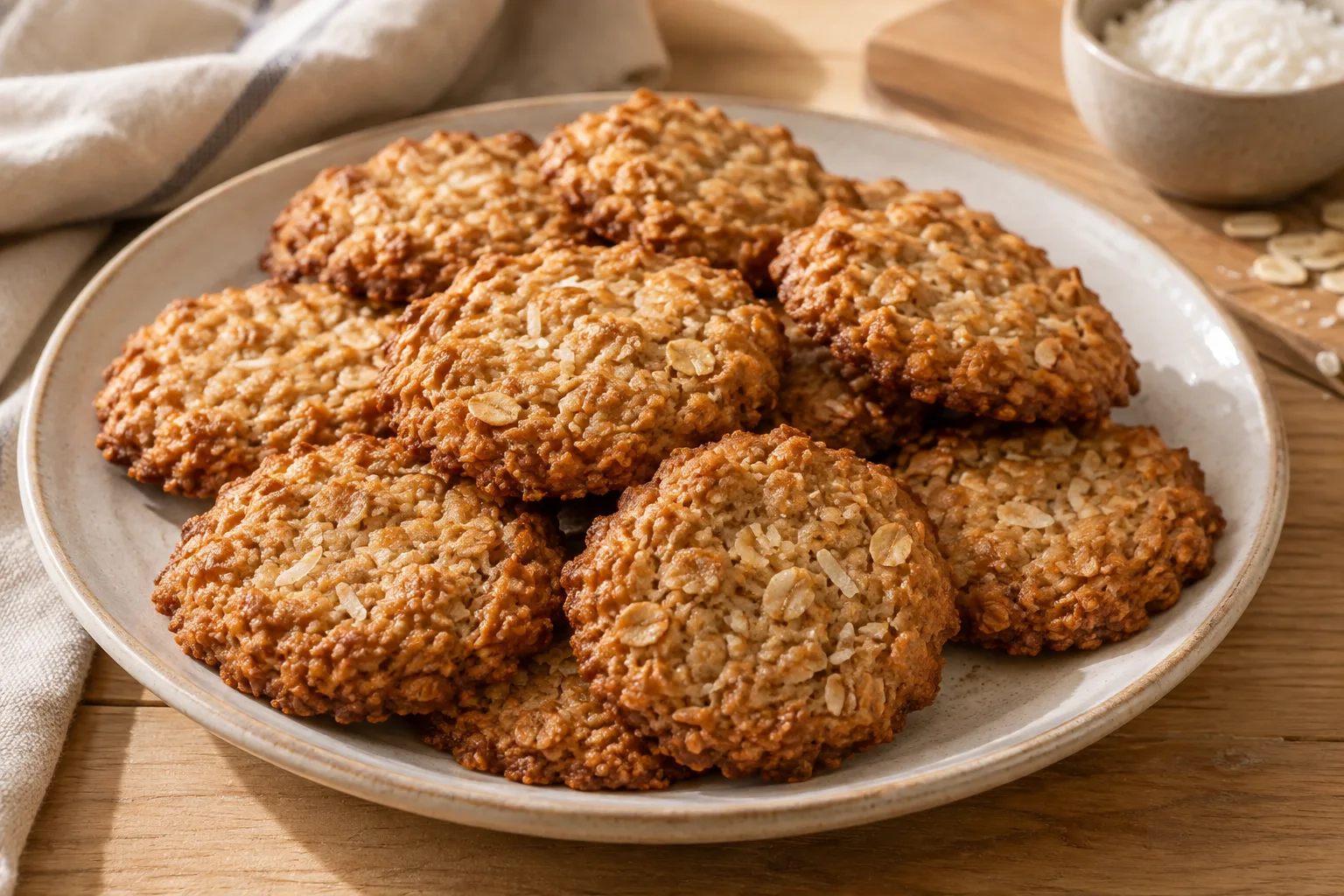
Use rolled oats when you want a simple base for porridge, more substance in muesli, or an ingredient that can be mixed into dough. They also work in biscuits, breads, cakes and other baked goods, and can be added to burger or meatball mixtures to alter their texture. Choose the flake size for the result you want: fine or instant oats rehydrate and cook more quickly, while thicker flakes remain more noticeable. Do not confuse them with oat groats, bran or flour; these are different forms with different uses.
How to use it
For porridge, cook the oats in water or milk until the mixture reaches the consistency you like; a plant-based drink can also be used. For a cold preparation, combine them with yoghurt, milk or a plant-based drink and add fruit, nuts or seeds. Stir them directly into biscuit, bread or cake mixtures, or use them in burger and meatball mixtures. They can also add body to soups and purées. Match the liquid and oat format to the texture you want: thinner flakes hydrate faster, while instant oats need less cooking. If you want a ground texture, use oat flour rather than expecting flakes to behave like flour.
Flavour and texture
Rolled oats have a mild cereal flavour; the light toasting that may be part of their processing contributes to their characteristic taste. They are firm flakes when dry and soften and thicken a dish as they absorb liquid. Thickness affects how quickly they rehydrate: fine or instant oats tend to produce a quicker, more uniform result, while thicker flakes retain a more distinct texture.
How to choose it
Check that you are buying flakes rather than bran, flour or oat groats, since these forms have different textures and uses. Choose whole or thick flakes when you want them to remain more noticeable, and chopped or instant oats when speed matters. Read the ingredient and allergen information, especially if you need to avoid gluten: do not assume that every packet of oats is suitable for a gluten-free diet.
Storage
Store the oats in an airtight container in the refrigerator, a storage option suggested for regular and instant oats. Keep them protected from moisture and check the product before use. Do not use them if you find signs of moisture or an unusual appearance. Follow the manufacturer's directions after opening as well; storage guidance can vary with the product and packaging.
Substitutions
Instant oats can stand in for regular rolled oats when you want to reduce cooking time, although the result will be quicker and may have a different texture. Oat flour can work when a recipe calls for a ground ingredient, but it does not reproduce the shape or texture of flakes. Bran is not an equivalent substitute either: it comes from a different part of the grain and behaves differently in a recipe.
Common mistakes
Do not treat rolled oats, bran, flour and oat groats as interchangeable; each behaves differently. Avoid choosing thick flakes when you need a very short cooking time, and do not expect rolled oats alone to provide the structure of flour. Their appearance also does not prove that the oats are raw or gluten-free, so check the product information when either point matters.
Safety and allergens
Oats and oat products are included among the cereals to consider in gluten intolerance. If you need to avoid gluten, choose a product labelled “gluten-free” and check its packaging; do not assume oats are suitable just because they are oats. If allergen information is unclear, ask the retailer or manufacturer.
Culinary uses
- Base para gachas y porridge
- Ingrediente y elemento de textura para masas, repostería y platos salados
Recommended techniques
- Cocer en agua o leche para obtener gachas cremosas
- Mezclar en masas, hamburguesas o albóndigas
- Incorporar sin cocción a muesli o preparaciones para dejar en remojo
Pairs well with
- Leche o bebidas vegetales
- Yogur y fruta fresca
- Frutos secos y semillas
- Verduras y especias
Frequently asked questions
Are rolled oats the same as oat bran?
No. Rolled oats are made by processing and pressing the grain; bran is the separated outer layer and has a different texture and use.
Can I eat rolled oats without cooking them?
They can be used in cold preparations such as muesli or mixtures with yoghurt and liquid. Formats and processing can vary, so check the package if you are unsure about a particular product.
Are oats suitable for a gluten-free diet?
Do not assume they are. AESAN lists oats among cereals relevant to gluten intolerance; if you need to avoid gluten, check for a “gluten-free” label.
Estimated nutrition
- Fat
- 22.3 g
- Saturates
- 6 g
- Carbohydrate
- 208 g
- Sugars
- 6.67 g
- Fibre
- 32.2 g
- Protein
- 43.7 g
- Salt
- 25 g
Sources and review
Automatically researched, cross-checked and validated content. Sources consulted:
- ¿Por qué la muerte es origen de miedos y tabúes? doi.org
- II (Comunicaciones) COMUNICACIONES PROCEDENTES DE LAS INSTITUCIONES, ÓRGANOS aesan.gob.es
- Los alimentos envasados deben indicar la presencia de alérgenos e intolerancias eletiquetadocuentamucho.aesan.gob.es
- Avena, tipos y beneficios del cereal saludable para tu cocina hogarmania.com
- Tipos de avena: ¿qué usos tiene cada uno de ellos? -canalHOGAR hogar.mapfre.es
- Copos de avena - Wikipedia, la enciclopedia libre es.wikipedia.org
- Avena (¿cruda?, ¿orgánica?) | Fundación G+E diet-health.info
- Copos de avena: 5 formas deliciosas de disfrutar en tu desayuno distribucionesballester.es
- Copos de avena | CuidatePlus cuidateplus.marca.com
- COPOS DE AVENA | Ylla 1878 ylla1878.com
- ¿Pará que sirven los Copos de Avena? Beneficios y propiedades | NutriTienda - Tu mejor versión blog.nutritienda.com
- Diferencias entre copos de avena y salvado de avena bonviveur.com
- La tienda de Era · Harinas, pasta y cereales · ERA delaera.es
- 5 recetas con copos de avena que debes conocer cuerpomente.com
- Recetas con copos de avena: irresistibles y saludables cookpad.com
- Avena: 10 errores comunes que cometes al cocinarla lavanguardia.com