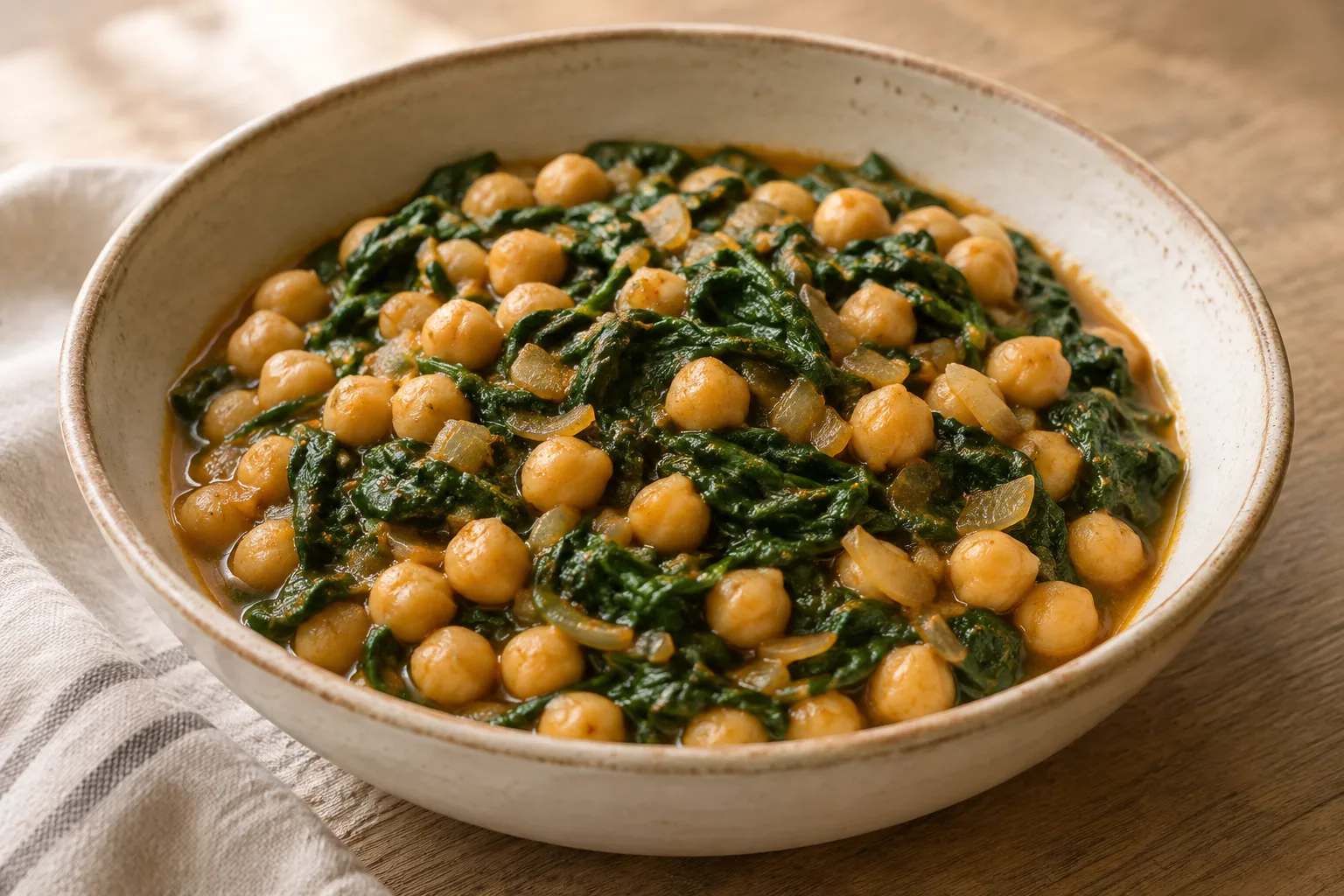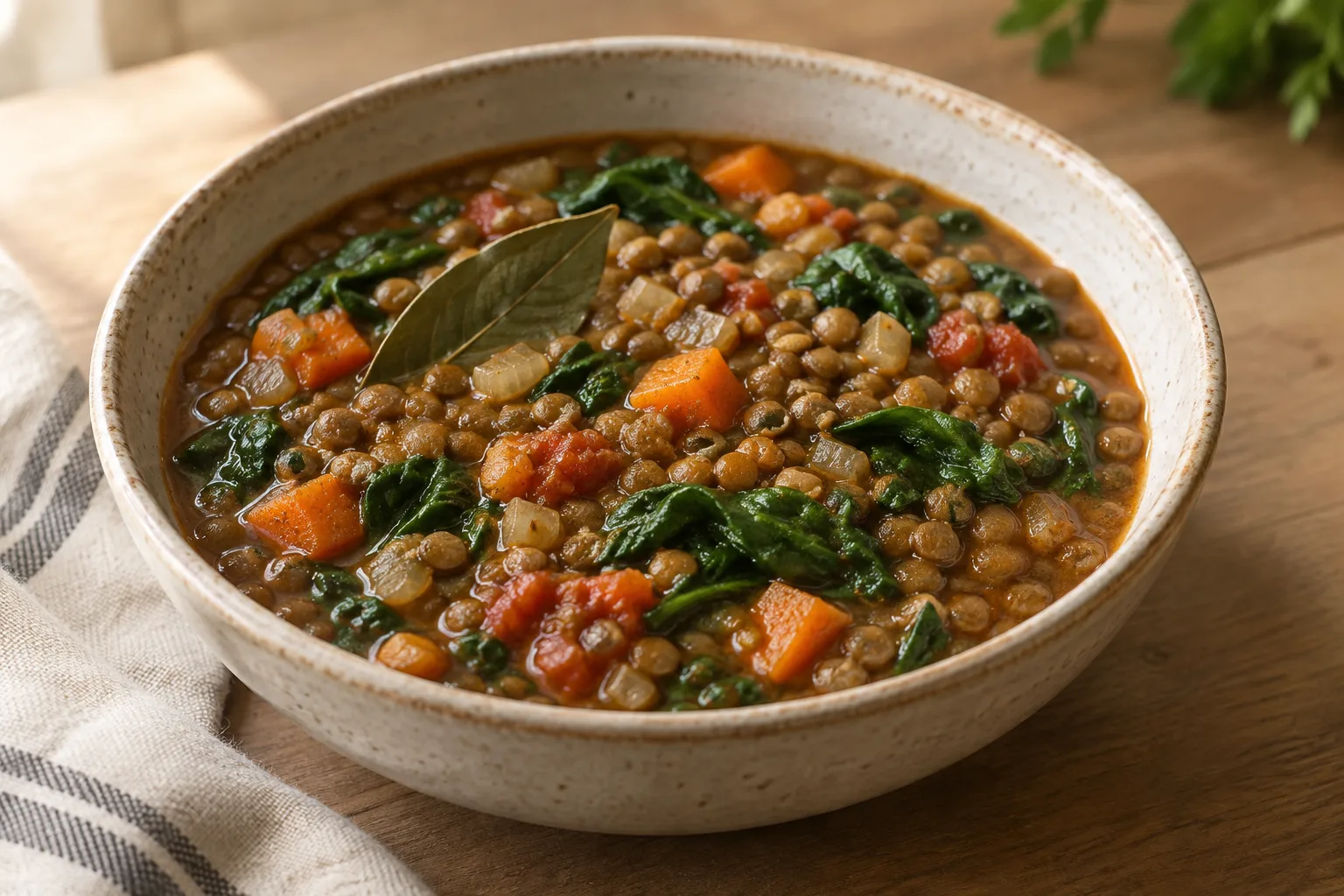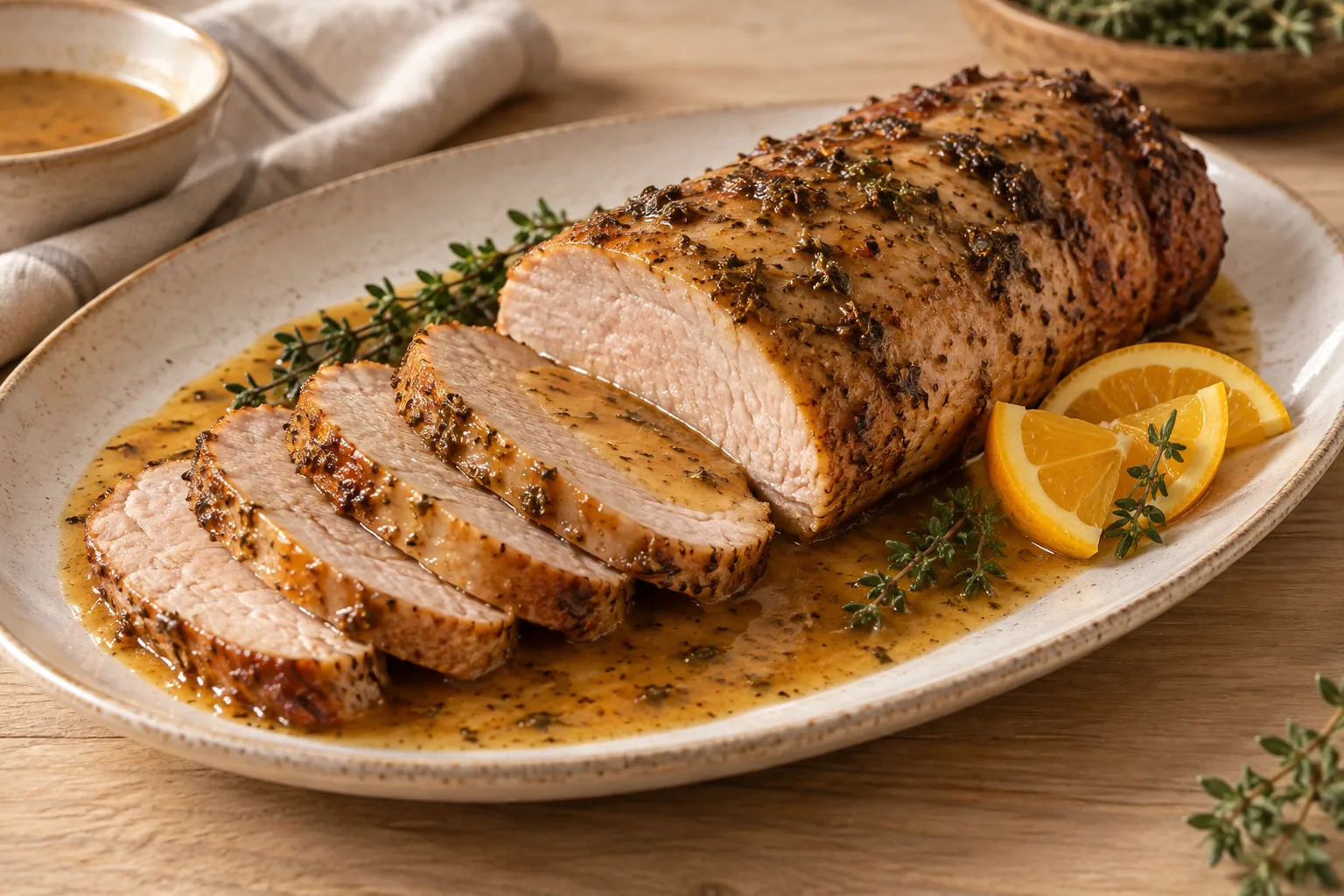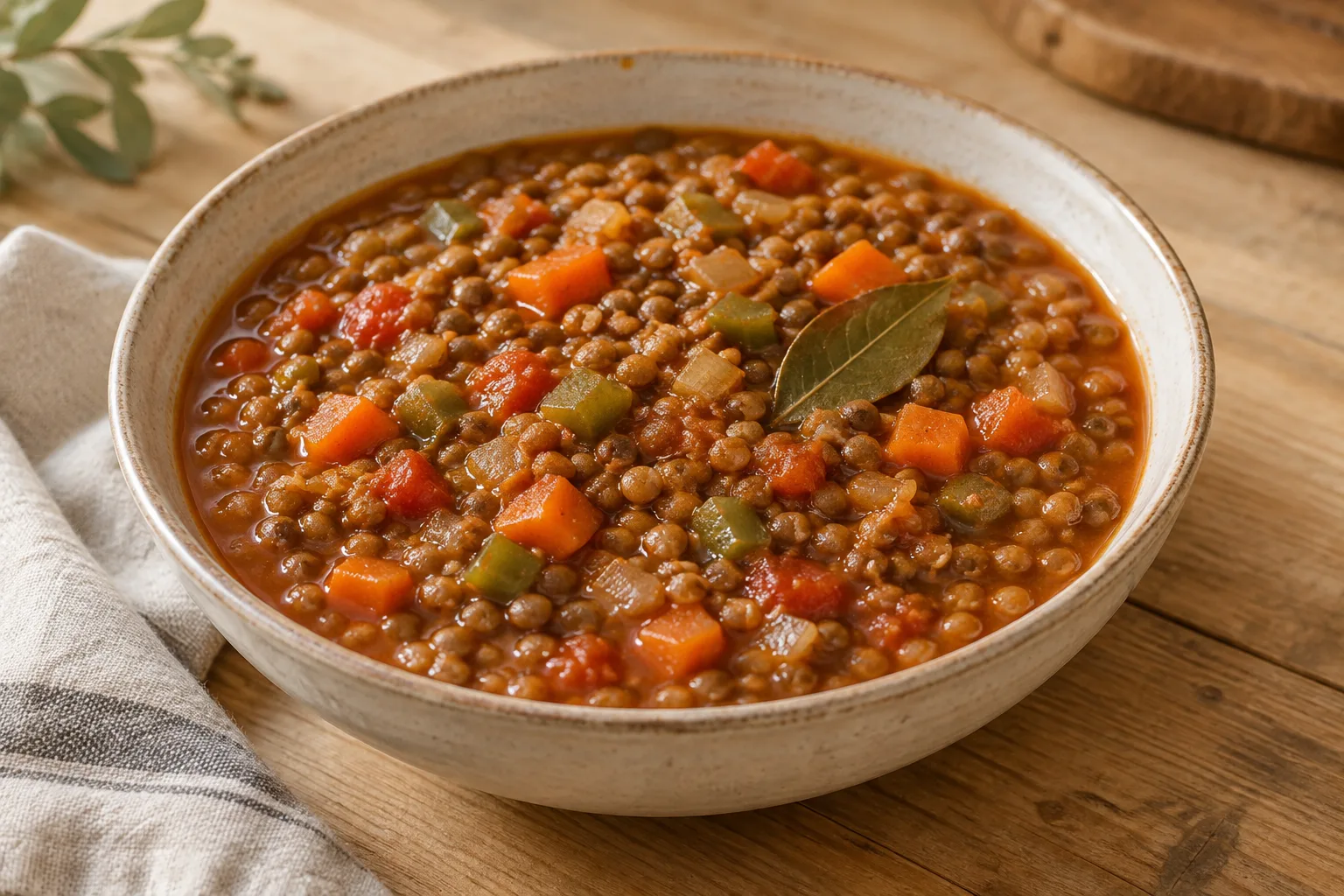
- Category
- Herbs and spices
- State
- Powdered
- Usual unit
- teaspoon
What it is
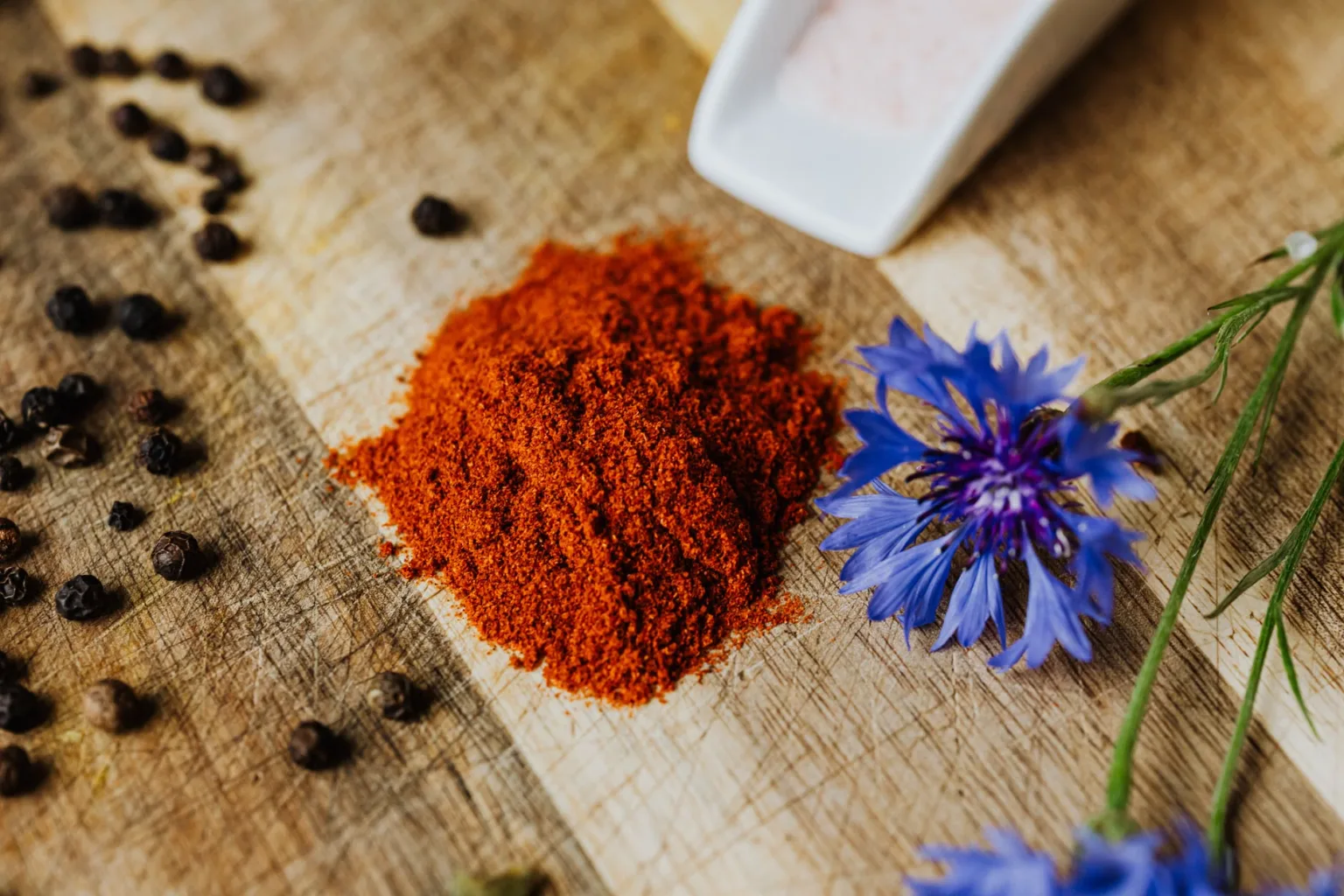
Sweet paprika is a powdered spice made by drying and grinding sweet red peppers. It is used to add color and flavor to savory cooking, and differs from hot varieties because it is not intended to bring pronounced heat. In some places, paprika is a broad name for products in this pepper-spice family, but a particular product’s character depends on the peppers and how they were dried. One sweet paprika may taste mild and fruity, while another may have a smoky note if its peppers were smoke-dried. Check the package description if you need to confirm that it is sweet rather than hot, or if you specifically want a smoked product.
When to use it
Use it when you want a reddish hue and a warm, gentle, aromatic flavor without the heat associated with hot paprika. It suits stews, soups, rice dishes, sauces and seasoning blends, and can also go into marinades for meat or fish. Add it either as part of a sautéed base or as a finishing sprinkle over cooked food. If a smoky character matters to your dish, choose a product labeled as smoked: sweet paprika is not always smoked, because the aroma depends on the drying process.
How to use it
For a sautéed base, add the paprika near the end and stir briefly; then promptly add the recipe’s liquid so the powder does not sit in hot oil for long. Prolonged heating can darken it and bring out an unpleasant bitter taste. You can also mix it with oil and garlic for a marinade, or stir it into the base of soups, stews, rice dishes and sauces. As a finish, sprinkle it over potatoes, cooked vegetables, creamy soups or plated dishes, distributing it evenly. Start with a moderate amount and adjust to taste: paprika contributes both color and aroma, and too much can dominate the dish. Check the package if heat level or smokiness is important to the recipe.
Flavour and texture
It is a fine red to red-orange powder with a generally mild, aromatic profile. Sweet paprika is intended to add flavor without the pronounced heat of hot varieties, though products can differ. Depending on the pepper and drying method, it may have fruitier, earthier or smokier notes. It also colors a dish; if heated in oil for too long, it can darken and become bitter.
How to choose it
Read the full product name and look for “sweet” if you want to avoid a hot variety. Check whether the package says “smoked” as well: smoke-drying changes the aroma and is not a universal feature of sweet paprika. If origin or a particular style matters to your recipe, verify it on the label rather than inferring it from the word paprika alone. Red color by itself does not confirm heat level or drying method.
Storage
Keep it tightly closed, protected from light, and in a cool, dry place to help retain its aroma and color. Avoid leaving the container open or keeping it near moisture and heat. Follow any product-specific storage directions on the package, since instructions can vary. If the paprika loses its aroma or changes in appearance, check the date and storage guidance on the label.
Substitutions
For a similar profile, substitute paprika from another origin or sweet pepper powder whose label confirms that it is mild or sweet rather than hot. Smoked sweet paprika adds a smoky note that can change the result while still contributing color and flavor. Do not assume that every product called paprika has the same heat level or aroma: check the package description and adjust the amount to taste.
Common mistakes
Do not fry it for a long time: prolonged heat can darken paprika and make it taste bitter. In a sauté, add it briefly and pour in the recipe’s liquid soon afterward. Another mistake is assuming all sweet paprika is smoked, or that every product called paprika is necessarily sweet; check the label. Avoid adding too much as well, since its color and flavor can overwhelm a dish.
Safety and allergens
Check the package to confirm the product’s identity and follow its storage and use directions. If you need allergen information, review the label for the specific product; details can depend on its presentation and composition.
Culinary uses
- Aporta color rojizo a guisos, arroces, sopas y salsas.
- Añade aroma y un sabor suave a platos salados sin el picor propio de las variedades picantes.
Recommended techniques
- Incorporarlo brevemente al sofrito y añadir enseguida líquido para evitar que se oscurezca o amargue.
- Espolvorearlo en crudo al final de la preparación o sobre el plato servido.
- Mezclarlo con aceite y ajo para un adobo o aliño.
Pairs well with
- Patatas, legumbres y guisos de carne.
- Arroces, sopas y salsas.
- Aceite y ajo en adobos; pescado o pulpo como platos para sazonar.
Frequently asked questions
Is sweet paprika hot?
It is made to provide a mild flavor rather than the heat associated with hot varieties. Check the product name to confirm which type you are buying.
Are sweet paprika and paprika always the same?
Paprika is used for ground dried-pepper products, but the name alone does not guarantee an identical profile. Pepper variety and drying can affect flavor, aroma and heat, so read the label.
How can I keep paprika from turning bitter?
Do not leave it in hot oil for long. Stir it into a sauté briefly and add the recipe’s liquid soon afterward, or use it as a finishing sprinkle.
Does sweet paprika always taste smoky?
No. Smokiness depends on the drying method. If you want that flavor, choose a product labeled smoked.
Estimated nutrition
- Fat
- 0 g
- Saturates
- 0 g
- Carbohydrate
- 0 g
- Sugars
- 0 g
- Fibre
- 0 g
- Protein
- 0 g
- Salt
- 0 g
Sources and review
Automatically researched, cross-checked and validated content. Sources consulted:
- En el etiquetado alimentario hay algunas menciones que son obligatorias eletiquetadocuentamucho.aesan.gob.es
- Client Challenge doi.org
- Pimentón - Wikipedia, la enciclopedia libre es.wikipedia.org
- Guía Completa del Pimentón Dulce: Usos y Variedades – Erik el rojo erikelrojo.com
- ▷ ¿Cuál es el pimentón dulce? | Como Cocinar y Comer comococinarocomer.com
- Pimentón dulce, agridulce y picante: en la variedad está el gusto deia.eus
- Pimentón Dulce - EcuRed ecured.cu
- Pimentón: Propiedades, Tipos y Recetas | Enciclopedia... cocinista.es
- Pimentón Dulce sucesoresdeignaciolopez.com
- Todo sobre el pimentón: Variedades y usos cocinaespanola.es
- Tipos y variedades de pimentón: Dulce, agridulce, ahumado, Paprika elsequero.es
- 6 métodos para cocinar el pimentón | Recetas Nestlé recetasnestle.com.co
- Paprika o pimentón húngaro: qué es, tipos y diferencias con otros pimentones bonviveur.com
- Pimentón dulce: sabor y color en tus platos | Recetas Nestlé recetasnestle.com.ec
- Cómo cocinar con pimentón hola.com