- Category
- Vegetables
- State
- Fresh
- Usual unit
- unit
What it is
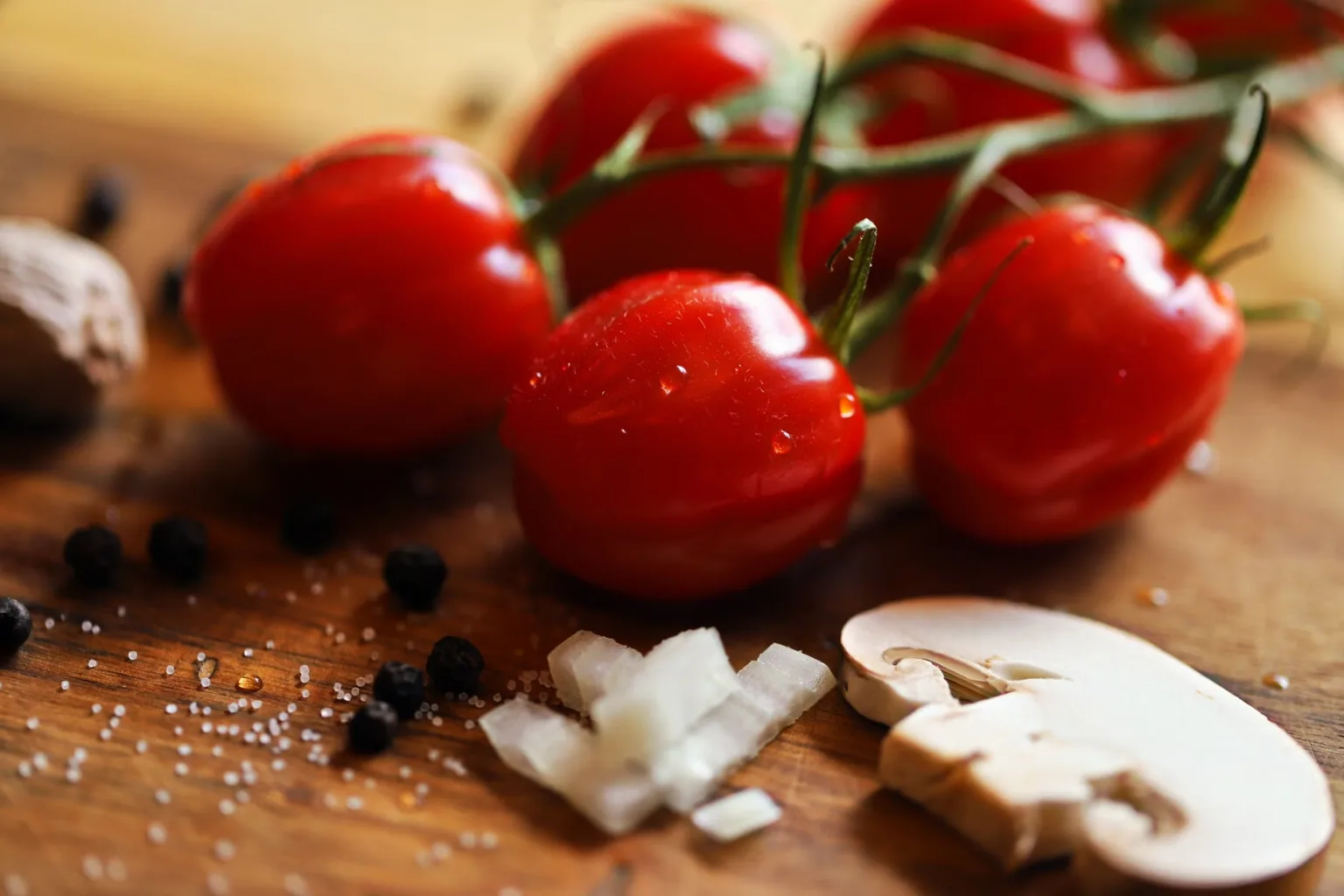
A tomato is the edible fruit of the plant Solanum lycopersicum, which belongs to the nightshade family. Botanically it is a seed-bearing fruit, but in cooking it is commonly treated as a vegetable and used mostly in savory dishes. There is no single standard appearance: tomatoes vary in size, shape and color, and their flesh can be more or less meaty or juicy. Familiar types include large salad tomatoes, small cherry tomatoes and elongated pear-shaped tomatoes. These differences affect how the tomato feels when cut and which preparations make it most practical to use.
When to use it
Choose fresh tomatoes when you want to add color, flesh and a fresh or slightly tangy flavor to a dish. Large, meaty tomatoes work well as the main feature in salads and cold dishes; cherry tomatoes are convenient whole or added to salads. Tomatoes can also be cooked into sauces and stews or used in cold soups such as gazpacho. If a recipe calls for a more uniform or convenient tomato product in a cooked preparation, canned tomatoes or tomato purée can be suitable alternatives.
How to use it
First decide whether you want the tomato to keep its shape or become part of a blended or cooked preparation. For a salad, slice or chop it and serve it with ingredients such as mozzarella and basil; cherry tomatoes can be added whole. For tomato bread, rub ripe tomato over the bread and add olive oil if the recipe calls for it. You can also blend tomatoes into a cold soup, or cook them as part of a sauce or stew. Pear tomatoes, large tomatoes and cherry tomatoes do not have the same shape or texture, so adapt the cut and use to the type available. Canned tomatoes and purée are options for cooked preparations.
Flavour and texture
Flavor can range from sweet and fruity to fresh and slightly tangy, depending on the type and the product’s condition. Texture varies too: some tomatoes have meaty, firm flesh, while others are juicier. Cherry tomatoes are small and are often described as sweet; pear tomatoes are elongated and have abundant flesh. Color is not always red, as varieties in other colors also exist. Appearance alone therefore does not capture every difference in flavor and texture.
How to choose it
Choose according to how you plan to cook: large, meaty tomatoes suit slices or a prominent place in a salad; cherry tomatoes are convenient as small individual pieces, and pear tomatoes are an option for sauces and cooked dishes. Since varieties differ in size, shape and color, do not judge every tomato by one visual standard. Look for intact-looking pieces and choose the type that matches the texture you want in the dish. If you buy a packaged tomato product or a processed version, check its label for its name and any applicable instructions.
Storage
The available sources do not establish one universal temperature, storage period or method for all fresh tomatoes. Varieties and product condition can differ, so a single storage recommendation should not be treated as a rule for every tomato. If a tomato product comes with special storage or use instructions, follow them. For packaged products, check the label for relevant storage directions. There is not enough evidence here to recommend a precise storage period for fresh tomatoes without specific instructions.
Substitutions
In a sauce or stew, canned tomatoes or tomato purée can stand in for fresh tomatoes, since tomato products are used in cooked preparations. The ingredient’s form will differ: fresh tomatoes provide pieces, while purée is already blended. If only the tomato size needs to change, cherry tomatoes can take the place of larger tomatoes when small pieces suit the dish, although the presentation and texture will not be identical.
Common mistakes
Do not treat every variety as though it has the same texture, size or use: a small cherry tomato and an elongated pear tomato will not behave identically when cut or served. Do not assume that all tomatoes are red, or that being a botanical fruit means they are usually served as dessert. When replacing fresh tomatoes with canned tomatoes or purée, remember that the ingredient’s form changes and adjust the preparation accordingly.
Safety and allergens
No specific safety warning for fresh tomatoes is established by the supplied evidence. If a packaged product or tomato product has special instructions, check and follow its storage and use directions on the label.
Culinary uses
- Fresh ingredient for salads and cold dishes
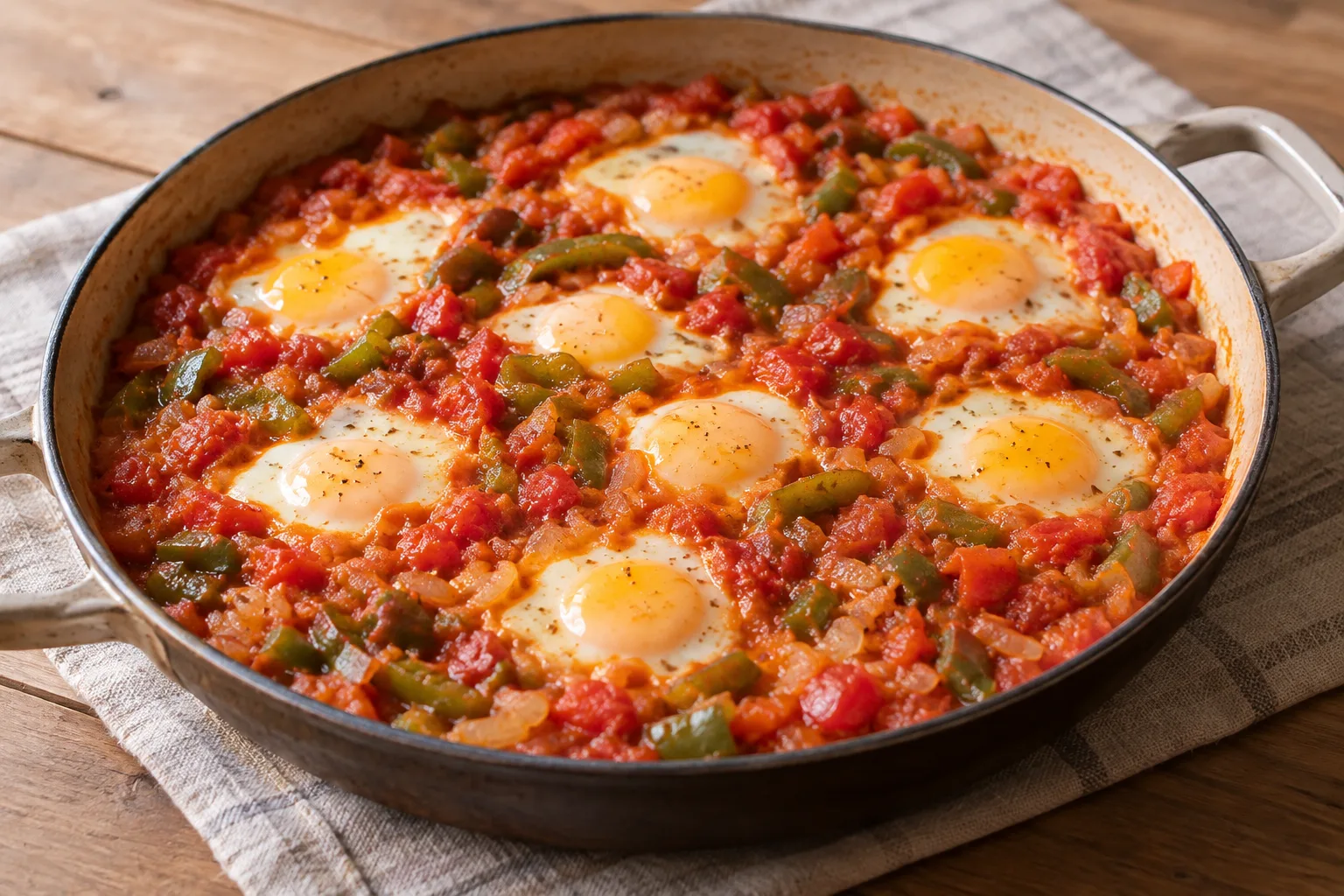
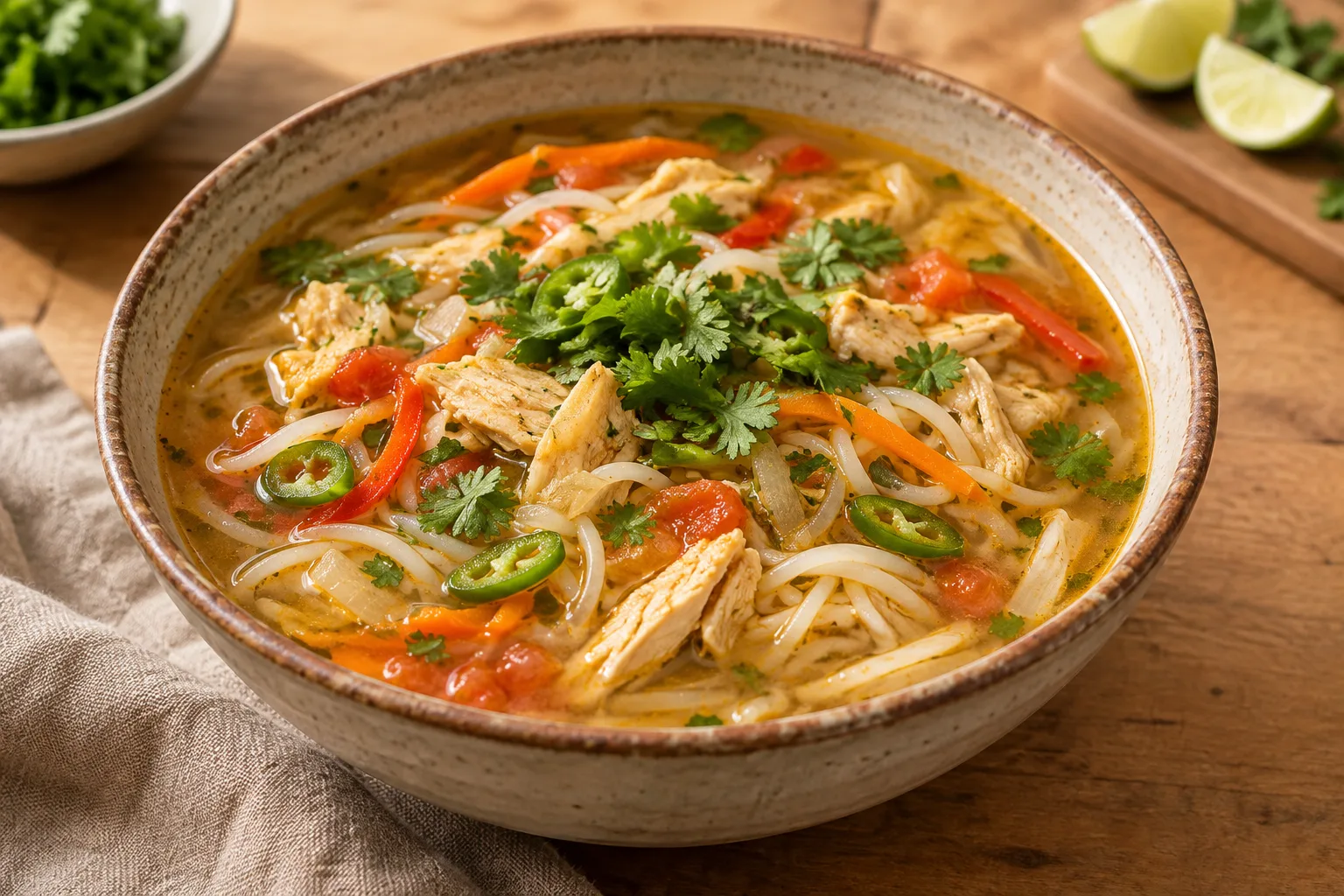
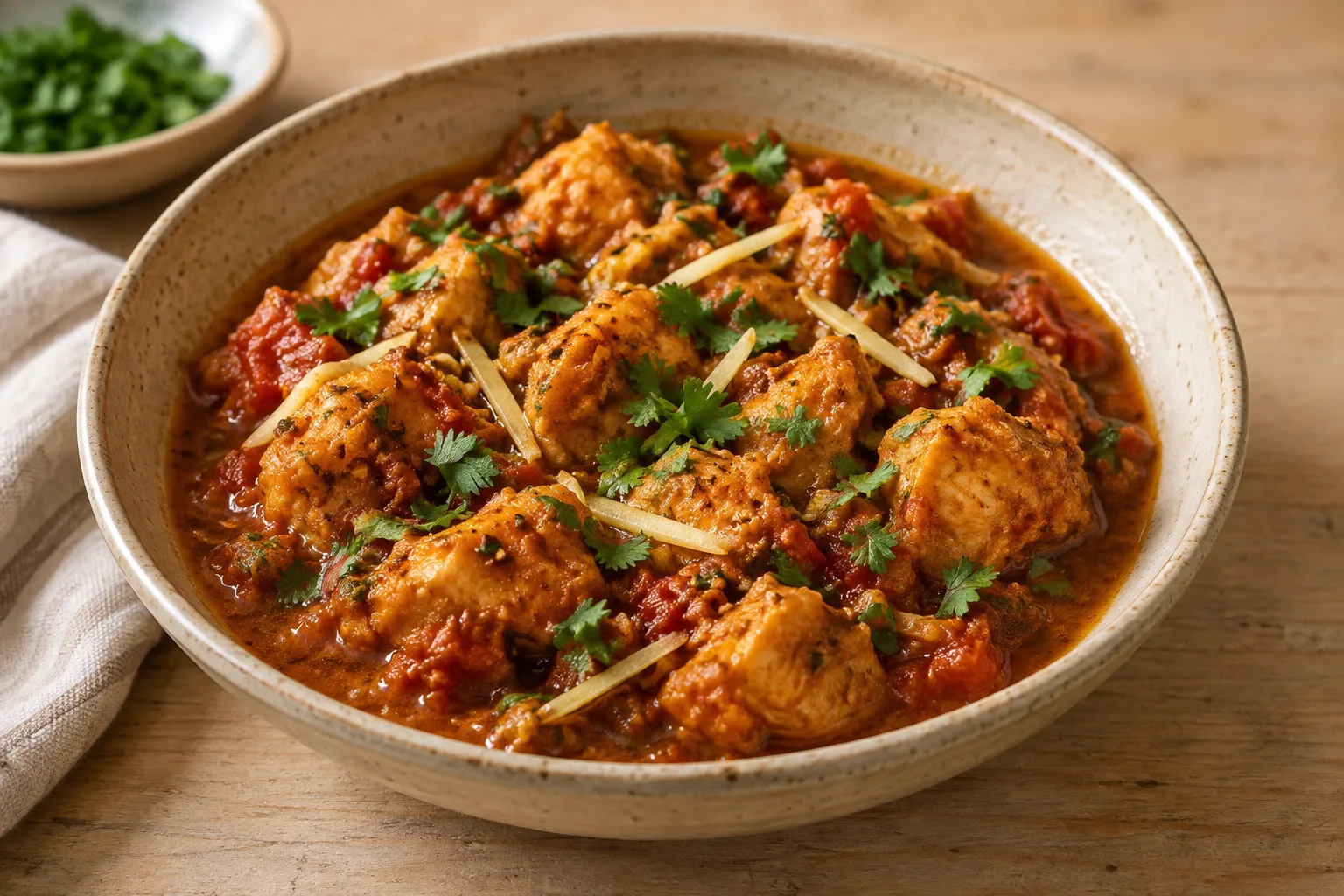
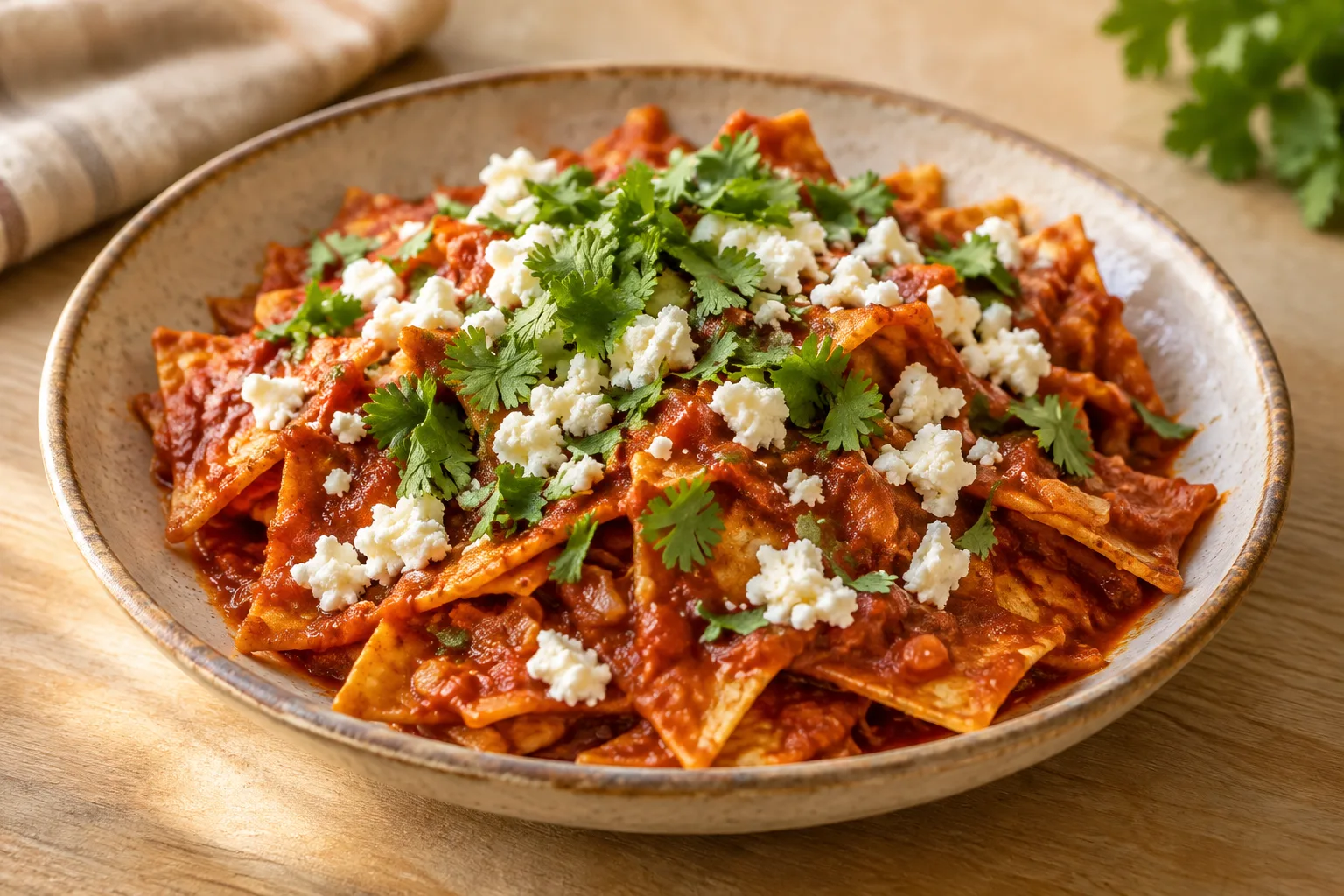
- Base or component for soups, sauces and cooked dishes
Recommended techniques
- Serve raw, sliced, diced or whole, depending on the variety
- Cook into sauces, stews or other preparations
- Blend into cold soups such as gazpacho
Pairs well with
- Mozzarella and basil
- Bread, garlic and olive oil
- Onion, pepper and aromatic herbs
Frequently asked questions
Is a tomato a fruit or a vegetable?
Botanically, it is a seed-bearing fruit; in cooking, it is commonly treated as a vegetable and often used in savory dishes.
Which type of tomato works well in a salad?
Choose large, meaty tomatoes for slices or cherry tomatoes for small individual pieces. The best choice depends on the texture and presentation you want.
Can I replace fresh tomatoes with canned tomatoes?
Yes, particularly in sauces and stews. Keep in mind that canned tomatoes or purée have a different form from fresh tomatoes.
Estimated nutrition
- Fat
- 0 g
- Saturates
- 0 g
- Carbohydrate
- 3.97 g
- Sugars
- 3.17 g
- Fibre
- 1.6 g
- Protein
- 0.79 g
- Salt
- 0.04 g
Sources and review
Automatically researched, cross-checked and validated content. Sources consulted:
- En el etiquetado alimentario hay algunas menciones que son obligatorias eletiquetadocuentamucho.aesan.gob.es
- Client Challenge doi.org
- Tomate - Wikipedia, la enciclopedia libre es.wikipedia.org
- Variedades de tomates: guía completa con tipos, características y usos jardineriaon.com
- La historia del tomate en la cocina | Hida hida.es
- El tomate: orígenes, variedades y propiedades de este alimento | Excelencias Gourmet excelenciasgourmet.com
- ¿Qué otros usos le dan al tomate? restauranteelpilonrascafria.es
- Tomates: usos en la cocina y propiedades - Cocina y Come cocinaycome.com
- Tipos De Tomates: Variedades Y Usos Culinarios | La Fallera lafallera.es
- Tomate: Variedades Españolas, Tipos, Propiedades y Cultivo frutamerca.com
- Maridajes – Agrogust agrogust.com
- Los 6 mejores tipos de tomate y cómo usarlos en cocina mercadosantamariadelacabeza.es
- Aesan - Agencia Española de Seguridad Alimentaria y Nutrición aesan.gob.es
- Tomate. Propiedades, beneficios y usos en la cocina abc.es
- El mejor tomate de España | Tipos de tomate y más anchoasdeluxe.com
- Cocinar con tomates secos: ideas y recetas | Gastronosfera gastronosfera.com