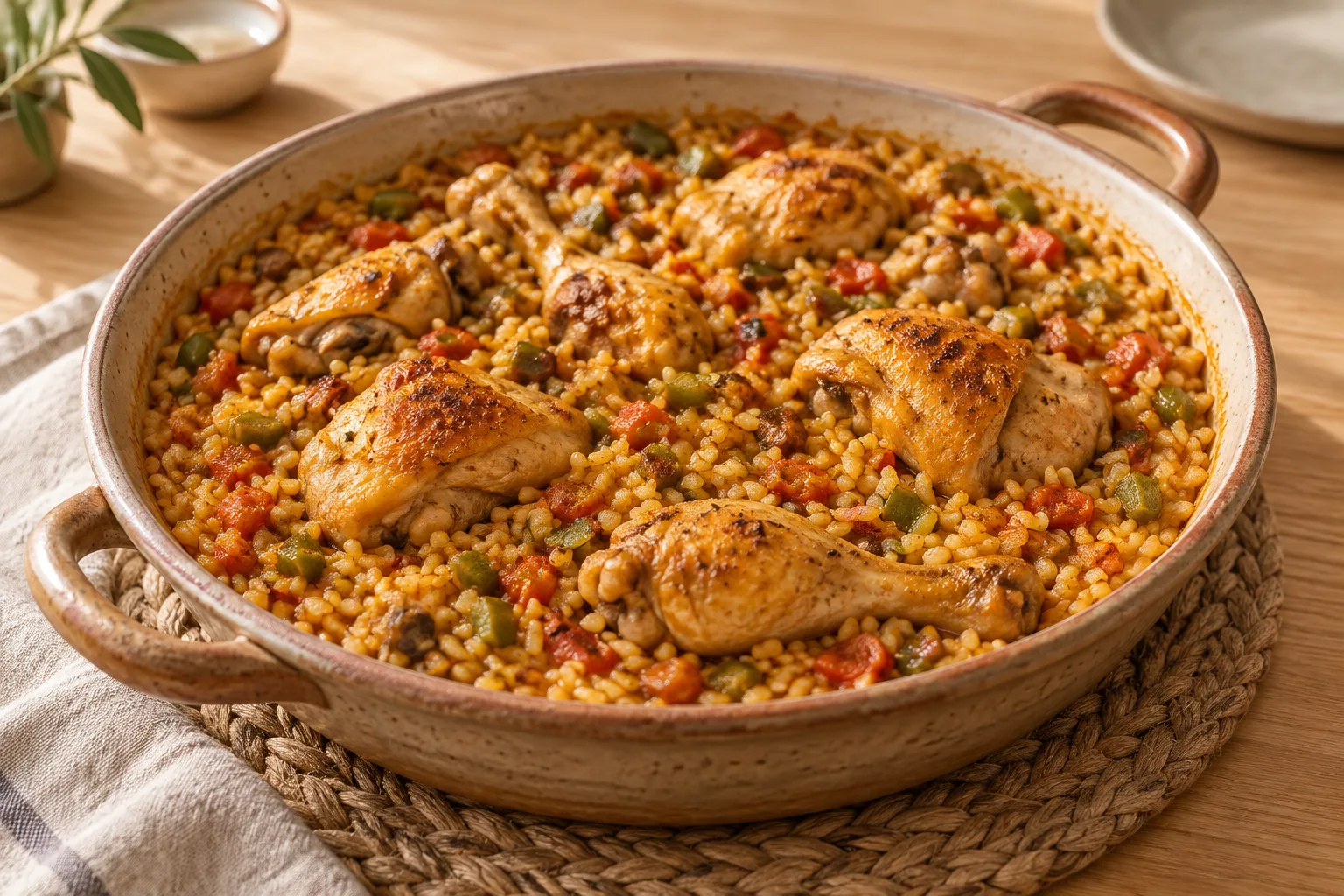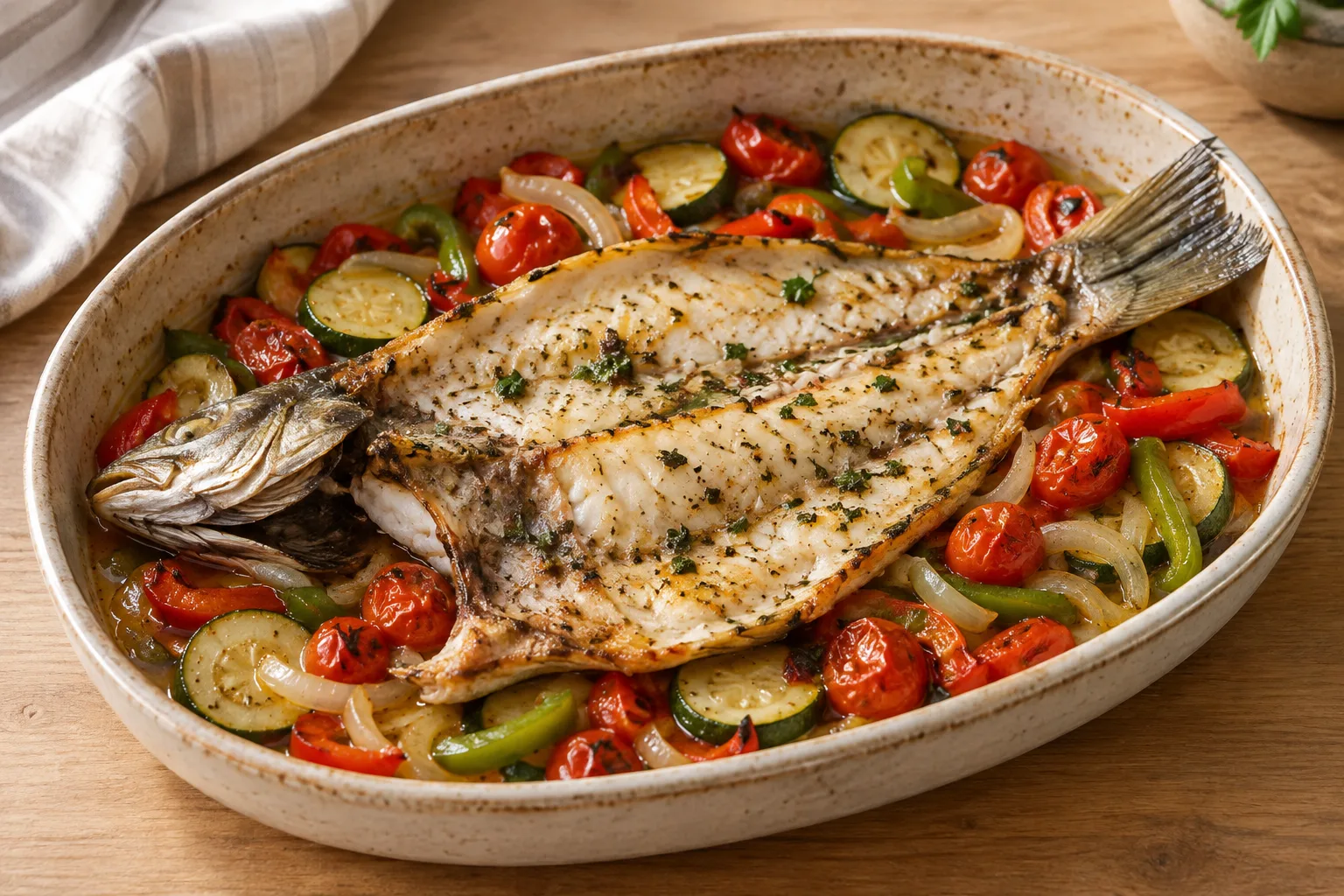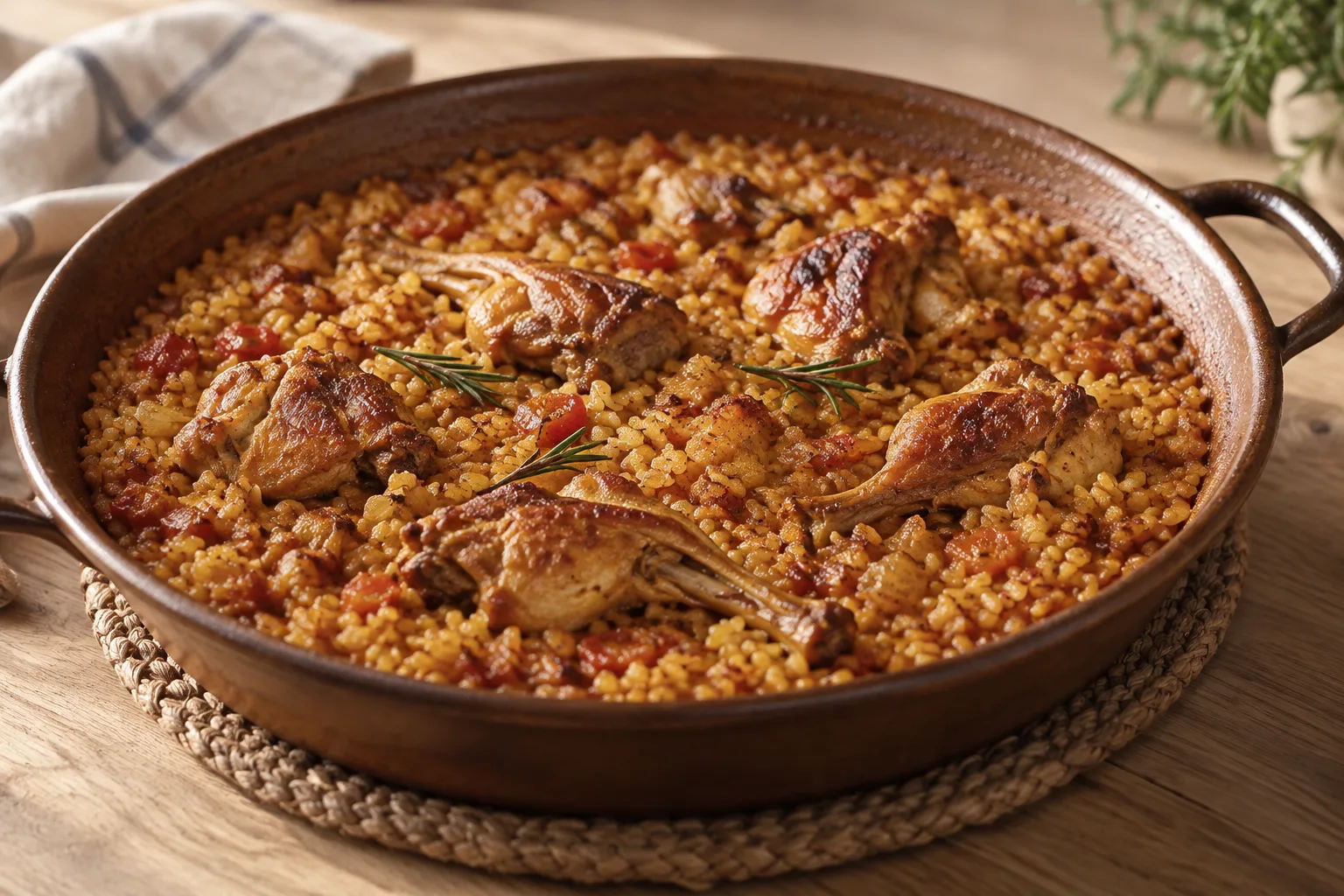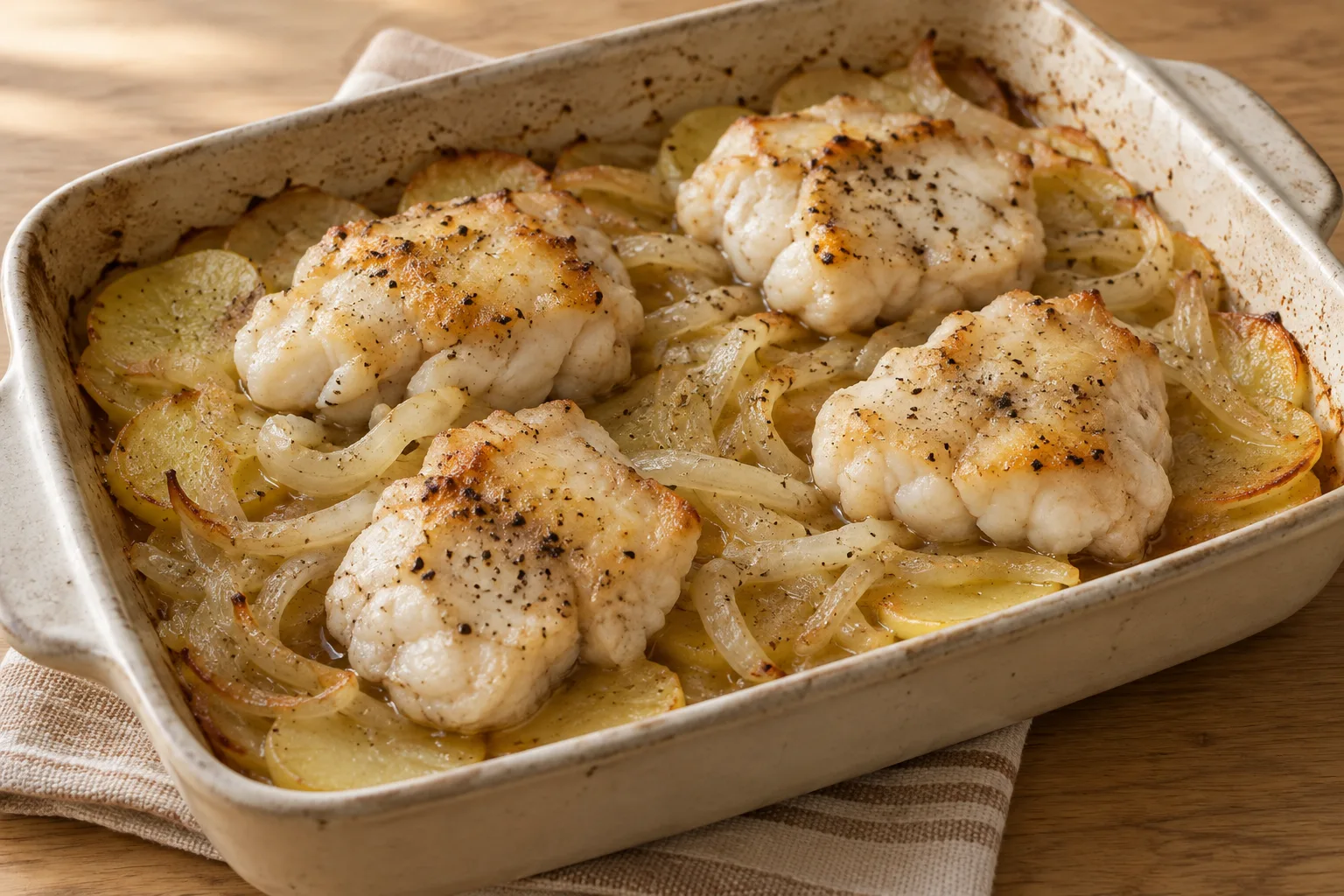
- Category
- Drinks
- State
- Liquid
- Usual unit
- ml
What it is
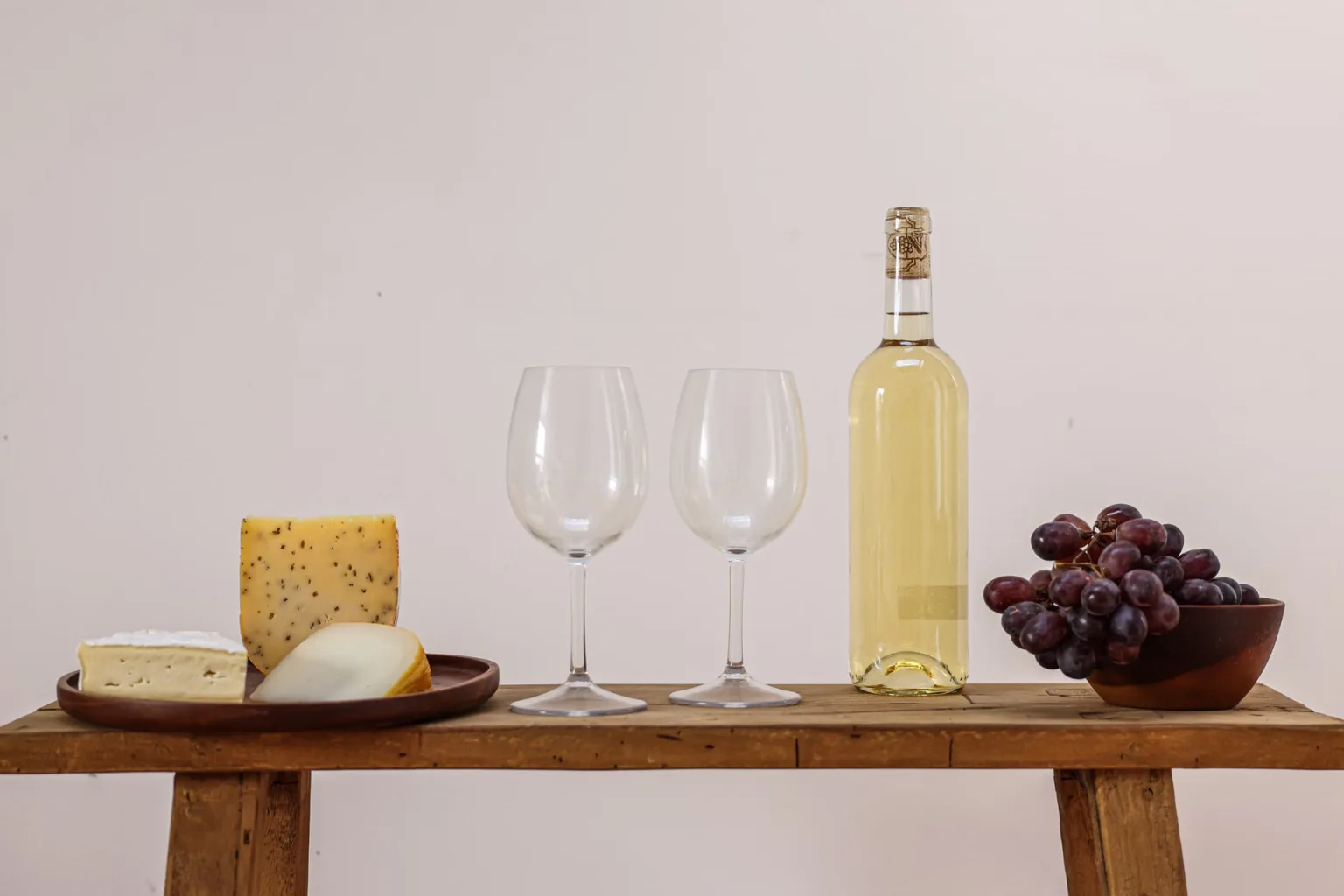
White wine is an alcoholic beverage made by fermenting uncoloured grape juice or pulp. It can be made from light-skinned or dark-skinned grapes, provided prolonged skin contact does not give the finished wine a strong colour. Its appearance can range from greenish-yellow or straw to golden. Styles include dry, semidry and sweet wines, as well as still and sparkling wines. Grape variety and winemaking method contribute to differences between bottles. In the kitchen, white wine works as a liquid ingredient and aromatic addition, as well as a drink to serve with food. Not every white wine tastes alike: sweetness, acidity and aromatic intensity vary, so the style you select matters when cooking.
When to use it
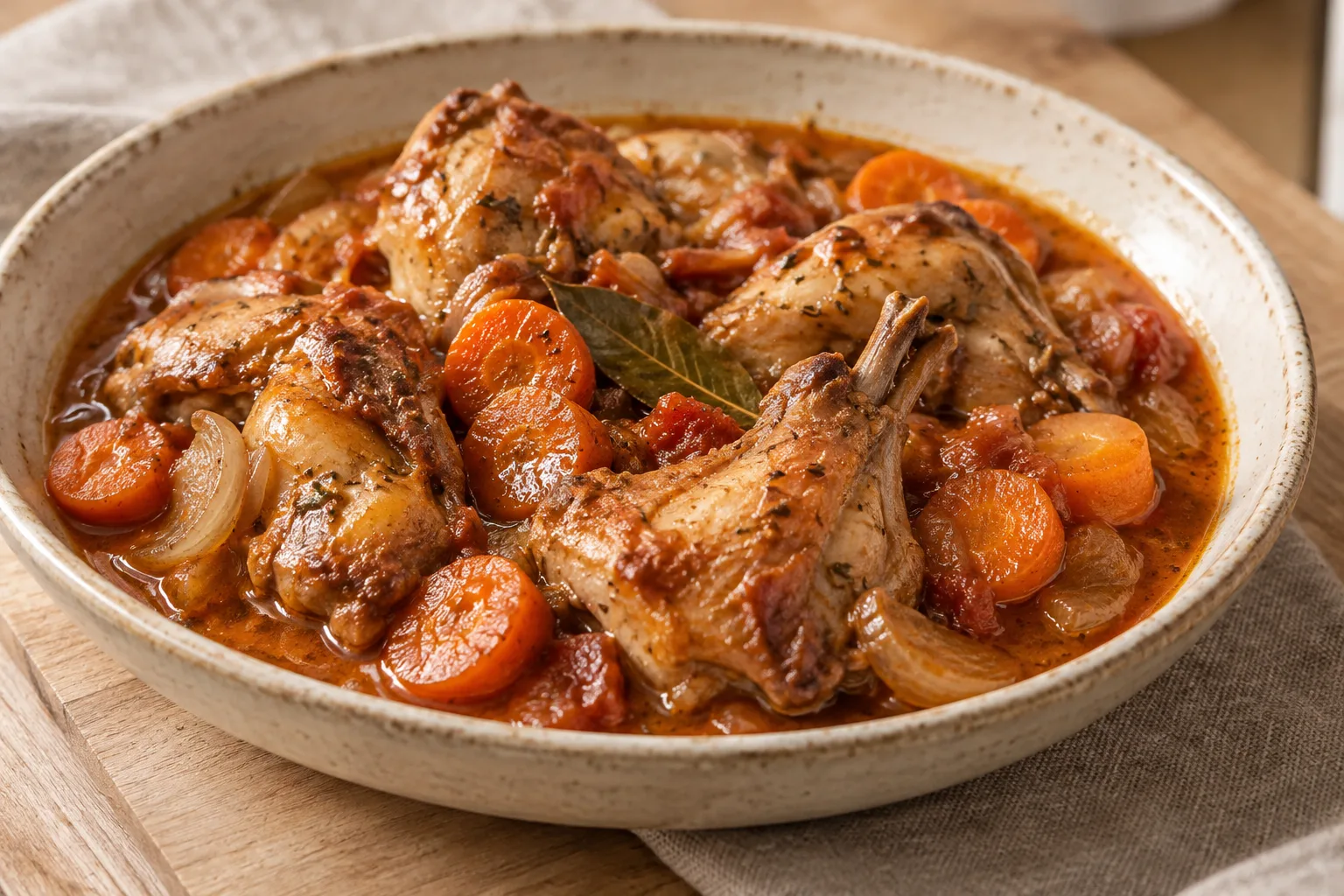
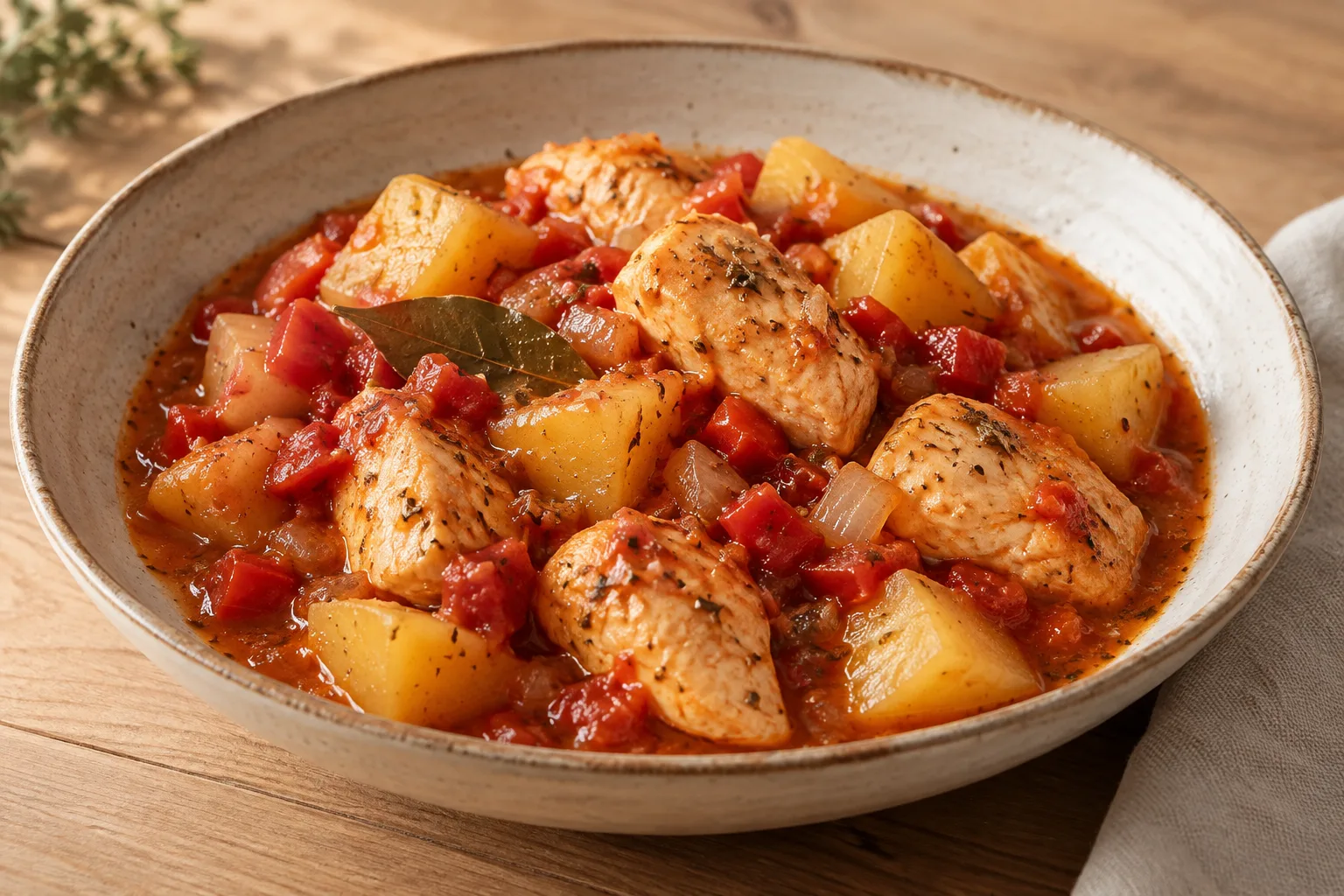
Use white wine when you want to bring acidity and aromatic depth to a dish without the intense colour associated with red wine. Dry white wine can be versatile in sauces, stews, reductions, sautés and risotto. It can also be used in marinades or to deglaze a pan. Fish, seafood and white meats are common culinary matches, though the best choice depends on the wine style and the dish. If the wine is sweet or semidry, account for that sweetness when deciding whether it suits the recipe.
How to use it
Choose the style before adding it: dry white wine is often a versatile cooking option, while a sweeter wine contributes sweetness of its own. To deglaze, add wine to the pan with the cooked-on residue and use the liquid as the basis for a sauce; you can also cook and reduce it to make an aromatic base. Add it to stews, sauces or risotto during preparation, along with the recipe’s other liquids. For a marinade, combine it with herbs, spices and oil to suit the dish. Adjust the amount to the recipe and the flavor you want: the available evidence does not establish a universal quantity or cooking time that guarantees alcohol removal.
Flavour and texture
The profile varies considerably from bottle to bottle: white wine can be dry or sweet, more or less aromatic, and noticeably acidic. Its colour can range from greenish-yellow or straw to golden. In a dish, it can add aroma and acidity without the deep colour associated with red wine. Sparkling wines contain dissolved carbon dioxide and form bubbles when opened; they are not the same style as still white wines.
How to choose it
Choose a wine to suit the dish and the flavor you want: dry white wine is often versatile for cooking, while a sweet style can change a recipe’s balance. Read the label to identify the style and check the alcohol strength where it is given. If you plan to cook with it, select a bottle whose profile you would also consider suitable as a drink; the words “white wine” alone do not tell you whether it is dry, sweet, still or sparkling.
Storage
The available guidance recommends refrigerating an opened bottle and resealing it with its cork to help preserve its aromas and flavors. No reliable storage period or complete conditions for unopened bottles are provided, so do not assume a universal shelf life. Follow the product label where it gives storage instructions, and do not assume every white wine needs exactly the same handling.
Substitutions
If a recipe calls for dry white wine and you only have semidry, you can use it while allowing for the extra sweetness and adjusting the dish’s balance if needed. You can also replace semidry wine with dry wine when you want a less sweet result. These swaps are not completely neutral: styles can differ in sweetness, acidity and aroma.
Common mistakes
Do not assume every white wine is dry or that sparkling wine will behave exactly like still wine. Choosing a sweet wine without accounting for its sweetness can change a dish’s balance. Do not assume cooking removes all alcohol: the available evidence does not establish a time or method that guarantees this. Choose a style for the result you want, not just for its colour.
Safety and allergens
White wine is an alcoholic beverage. Check the label for its alcohol strength; alcohol information must be declared on beverages above 1.2% alcohol by volume. Wine may contain sulphites, so check the label if you need to avoid them.
Culinary uses
- Cooking liquid for sauces, stews and risotto
- Deglazing liquid and marinade ingredient
- Table beverage
Recommended techniques
- Deglazing
- Reduction
- Marinating
- Adding to sauces, stews or risotto during cooking
Pairs well with
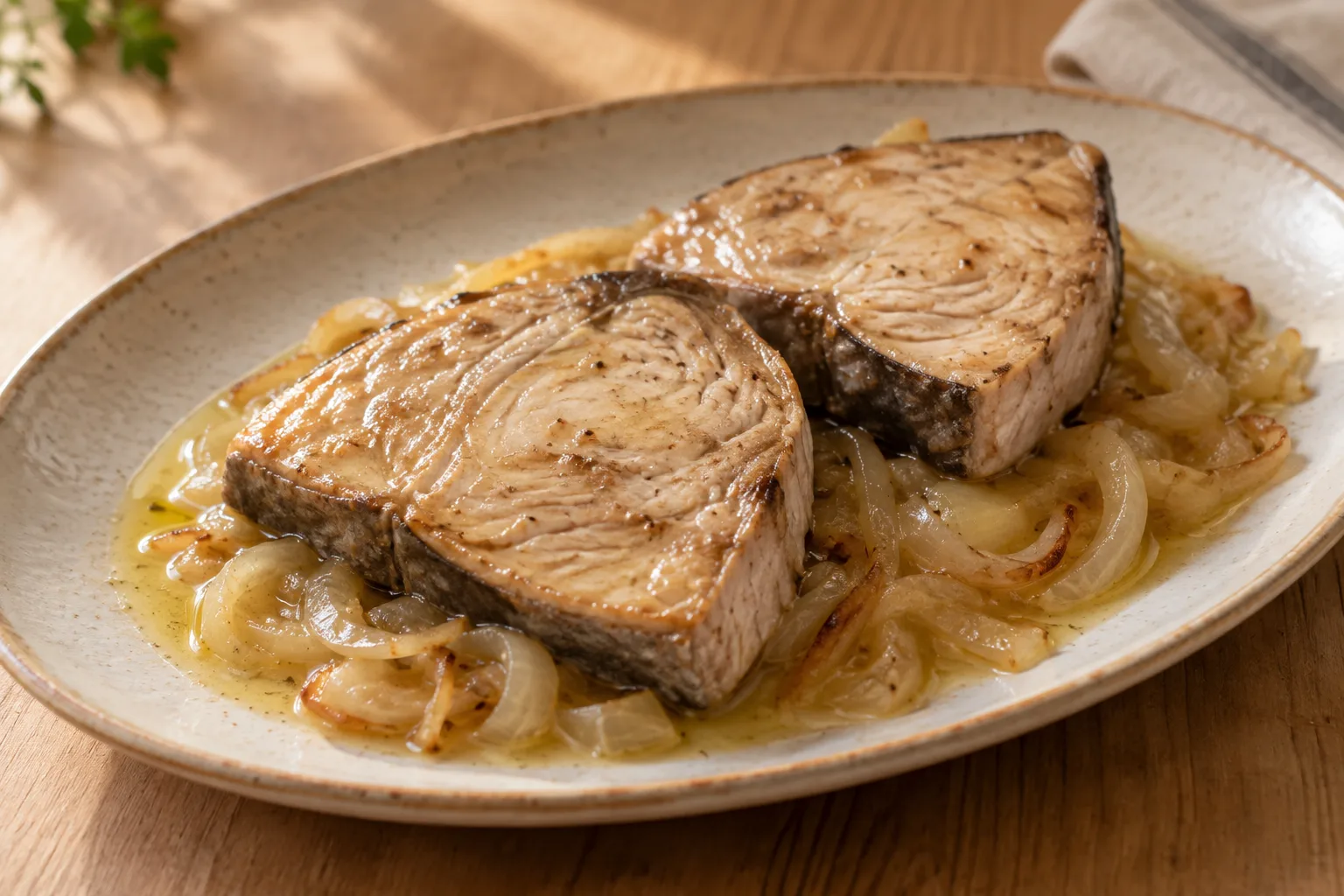
- Fish and seafood
- White meats
- Rice dishes and risotto
- Mild cheeses
Frequently asked questions
Which white wine should I use for cooking?
Dry white wine is often a versatile choice for sauces, stews and other dishes. Choose for the recipe’s flavor profile, and remember that sweet wine will add sweetness.
How is white wine used in cooking?
It can deglaze a pan, form the base of sauces and reductions, add liquid to stews and risotto, and be included in marinades.
Are all white wines dry?
No. White wines include dry, semidry and sweet styles, as well as still and sparkling wines. Check the label to identify the product.
How should I store an opened bottle?
The available guidance is to reseal it with its cork and refrigerate it. No universal storage period is provided here.
Sources and review
Automatically researched, cross-checked and validated content. Sources consulted:
- En el etiquetado alimentario hay algunas menciones que son obligatorias eletiquetadocuentamucho.aesan.gob.es
- Aesan - Agencia Española de Seguridad Alimentaria y Nutrición aesan.gob.es
- Vino blanco - Wikipedia, la enciclopedia libre es.wikipedia.org
- Cómo se elabora el vino blanco y sus características campusdelvino.com
- Vino blanco para cocinar — Origen, Sabores, Opciones y Beneficios cocinandorecuerdos.com
- Vino Blanco: Guía Definitiva Para Amantes Del Vino [2022] latrastiendasanxenxo.es
- Vino blanco - Gastronomía Vasca: Escuela de Hostelería Leioa gastronomiavasca.net
- Cómo usar el vino blanco para cocinar: el mejor para cada receta directoalpaladar.com
- Vino blanco: Todo lo que debes saber | Gastronómica Internacional gastronomicainternacional.com
- Vino blanco para cocinar: cómo elegirlo y en qué preparaciones usarlo | EL ESPECTADOR elespectador.com
- Conoce los tipos de vinagre y sus usos | Consumer consumer.es
- 5 usos del vino blanco en la cocina – Bodegas La Eralta bodegaslaeralta.es
- ¿Quién decide qué es realmente un vino ‘natural’? doi.org
- El Vino Blanco en la Cocina: Guía para Elegir y Utilizarlo en tus recetas notasdecata.pe
- **Vino Blanco: Comparativa de los Mejores para Degustar (Guía de Selección y Maridajes)** bazulrestaurante.es
- Qué es el maridaje de vino. Con qué maridar un vino blanco - Bodegas Altanza bodegasaltanza.com
- Maridaje del vino blanco: Los mejores platos para este vino debuenavid.es