- Category
- Herbs and spices
- State
- Fresh
- Usual unit
- bunch
What it is
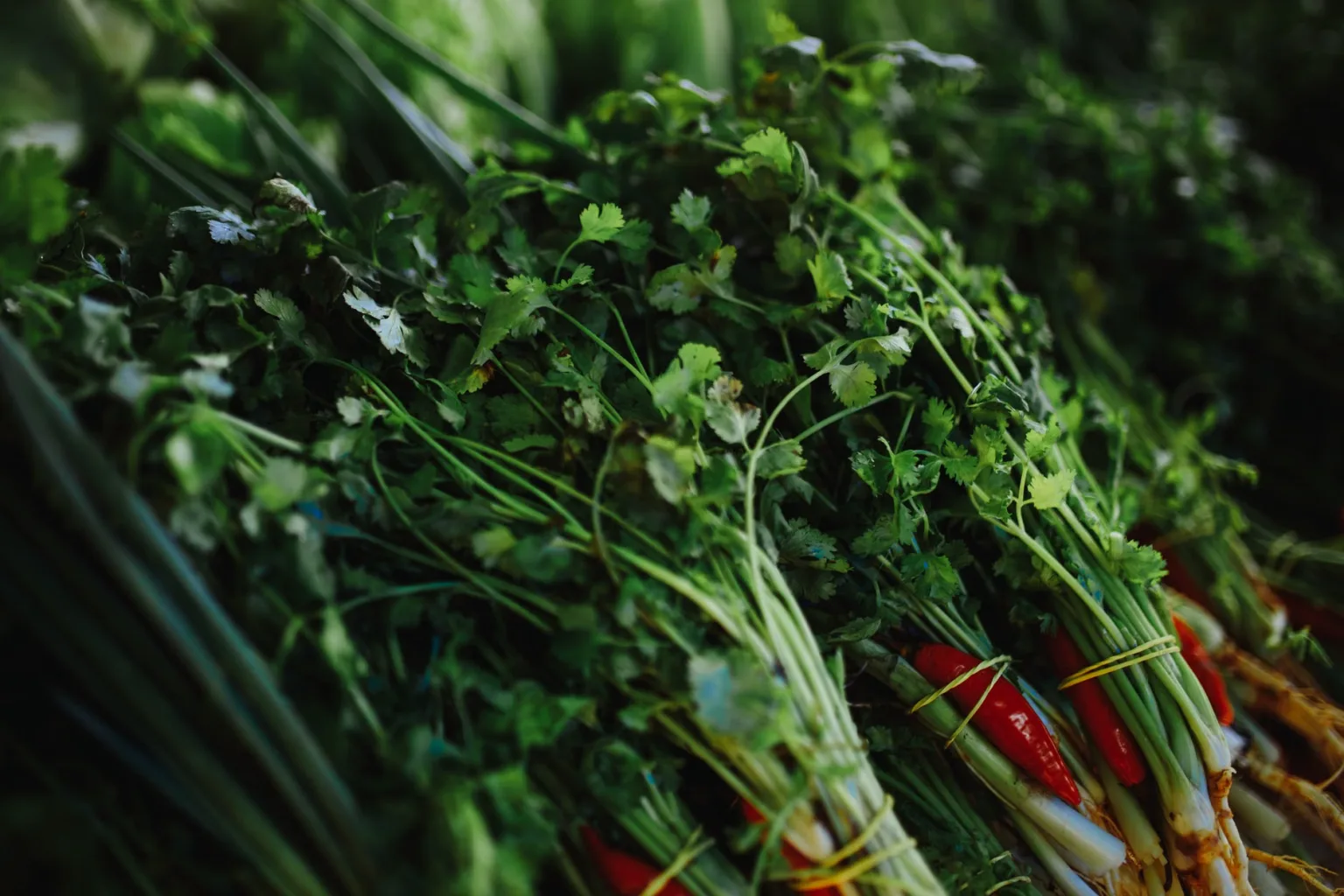
Fresh cilantro is the leafy herb Coriandrum sativum, a member of the Apiaceae family. In common culinary usage, “cilantro” usually means the leaves, while “coriander” often means the seeds, though names vary by region. This profile is about the fresh herb, not dried seeds. Its green leaves resemble flat-leaf parsley in shape but have a distinctive aroma and flavor. Some people describe the taste as citrusy and sharp; others perceive it as soapy. Fresh cilantro is commonly sold in bunches and is highly perishable, so it is best suited to fresh use. The whole plant has edible parts, but leaves are the part most often used as a fresh herb.
When to use it
Use cilantro when you want a fresh herbal note in salsa, guacamole, salads, soups, rice dishes, or potato dishes. It can also work as a garnish, provided its distinctive flavor suits the people eating the dish. Because heat can diminish its flavor, add it near the end of cooking in hot dishes rather than treating it like a dried herb intended for a long simmer. In cold dishes, add it ahead of serving if you want its flavor to blend with the other ingredients. If you do not know your diners’ preferences, begin with a small amount and taste before adding more.
How to use it
Wash cilantro just before using and blot it dry; dry leaves are less likely to cling to a knife while being chopped. Separate leaves and tender stems if you want a finer texture, then chop with a chef’s knife or kitchen scissors. Use it fresh in salsa, salads, or as a garnish. For soups and other hot dishes, stir it in near the end to retain more of its flavor. In a cold dish, you can add it earlier and allow time for the flavors to blend. If you want to save it for soups or stews, one university extension method is to chop the herb, cover it with water in an ice-cube tray, freeze it, and keep the cubes in a freezer bag.
Flavour and texture
The tender green leaves are delicate and aromatic, with a strong flavor often described as citrusy and sharp. Perception differs: some people notice a soapy quality and may prefer another herb. Tender stems can also be used. Heat and drying reduce some of the herb’s flavor, so fresh cilantro is often most expressive when used uncooked or added near the end of cooking.
How to choose it
Choose a bunch with green, lively, fragrant leaves. Avoid bunches with many wilted, yellowed, or blackened leaves. Because cilantro can resemble flat-leaf parsley, smelling the bunch can help you identify its characteristic aroma. Check that the herb looks fresh and is not excessively soiled, and buy an amount you can use soon because it is perishable.
Storage
Keep fresh cilantro refrigerated. One option is to wrap it loosely in a slightly damp paper towel and place it in a storage bag. Another is to stand the stems in a container of water like a bouquet, cover them loosely with a bag, and refrigerate; change the water every two days and use within one week, as described by the extension guide. Wash it just before use rather than before storage to avoid adding unnecessary moisture. For longer storage in cooked dishes, it can be chopped, frozen in water-filled cubes, and kept in a freezer bag.
Substitutions
Flat-leaf parsley can stand in when you need a fresh green herb, but it will not reproduce cilantro’s strong aroma or citrusy flavor. In pesto, basil is a possible alternative for a similar style of preparation, though the result will taste different. These substitutions change the character of the dish; do not assume they taste the same or automatically use the same amount.
Common mistakes
Avoid prolonged cooking if you want to preserve cilantro’s fresh flavor: heat and drying reduce its intensity. Do not chop it while wet if you can avoid it, since damp leaves cling more readily to the knife. Do not identify it as parsley by leaf shape alone; check its aroma. Adding a large amount without tasting first can overwhelm a dish, especially for people who dislike its sharp flavor.
Safety and allergens
Fresh cilantro may be eaten raw, and the supplied sources do not provide an ingredient-specific official handling instruction. Follow any storage and use directions on the package, where provided, and consult local official food-safety guidance. Allergen information can depend on the food and on how it is sold or packaged.
Culinary uses
- Fresh garnish
- Seasoning for sauces, soups and salads
Recommended techniques
- Rinse and dry before chopping
- Add near the end of cooking
- Chop with a knife or kitchen scissors
- Freeze chopped leaves for use in soups or stews
Pairs well with
- Salsa and guacamole
- Soups and salads
- Rice and potato dishes
- Fish and seafood
Frequently asked questions
Are cilantro and coriander the same thing?
They are parts of the same plant, Coriandrum sativum. In common culinary usage, cilantro usually means the leaves and coriander the seeds, though terminology varies by region.
When should I add cilantro to soup?
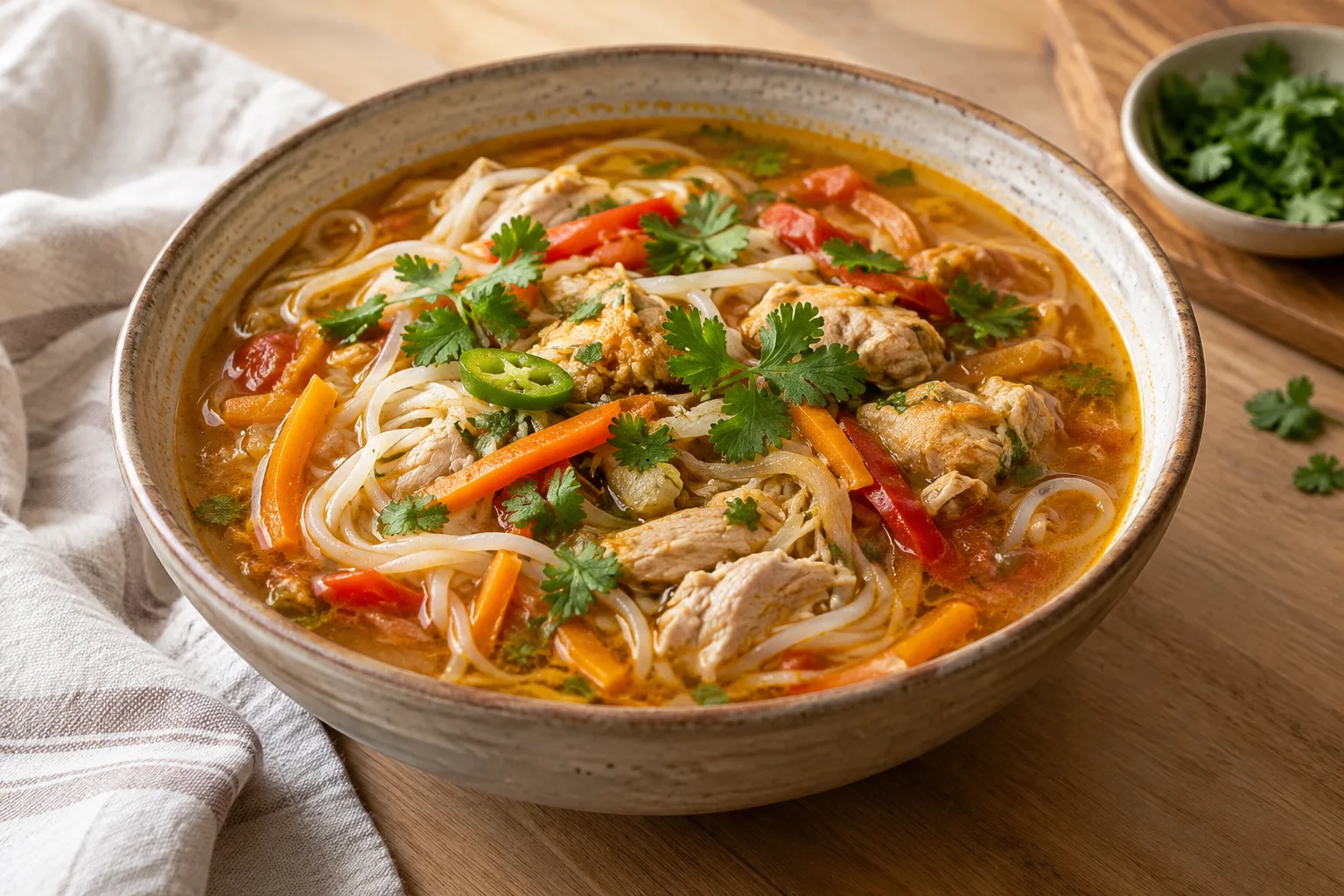
Add it near the end of cooking to retain more of its flavor. You can also scatter fresh leaves over the soup just before serving.
How should I store fresh cilantro?
Refrigerate it loosely wrapped in a slightly damp paper towel or stand the stems in water under a loose cover. Wash it just before use.
Estimated nutrition
- Fat
- 0.52 g
- Saturates
- 0.01 g
- Carbohydrate
- 3.67 g
- Sugars
- 0.87 g
- Fibre
- 2.8 g
- Protein
- 2.13 g
- Salt
- 0.12 g
Sources and review
Automatically researched, cross-checked and validated content. Sources consulted:
- En el etiquetado alimentario hay algunas menciones que son obligatorias eletiquetadocuentamucho.aesan.gob.es
- Client Challenge doi.org
- ➮ Distribución y Consumo SEPTIEMBRE-OCTUBRE 2005 133 mapa.gob.es
- Aesan - Agencia Española de Seguridad Alimentaria y Nutrición aesan.gob.es
- How to Make Fresh Herbs Last Longer: Basil, Cilantro, Parsley, and More - Escoffier escoffier.edu
- Fruit and Vegetable Guide Series: Cilantro | USU extension.usu.edu
- Field to Fork Cilantro | NDSU Agriculture ndsu.edu
- Cilantro - Food Source Information chhs.colostate.edu
- Cilantro / Coriander, Coriandrum sativum – Wisconsin Horticulture hort.extension.wisc.edu
- Cilantro - Coriander - Extension Fond du Lac County fonddulac.extension.wisc.edu
- Cilantro: propiedades, orígen y usos en la cocina - Oriental Market orientalmarket.es
- Cilantro: Origen, Usos Culinarios y Beneficios Saludables flores.ninja
- El cilantro: el tesoro culinario con muchos beneficios elperiodicodelturismo.com
- Diferentes usos del cilantro que nadie te dijo y te sorprenderán | Delicioso | Univision univision.com
- Cilantro, recetas, propiedades y sus usos en cocina hola.com