- Category
- Vegetables
- State
- Fresh
- Usual unit
- unit
What it is
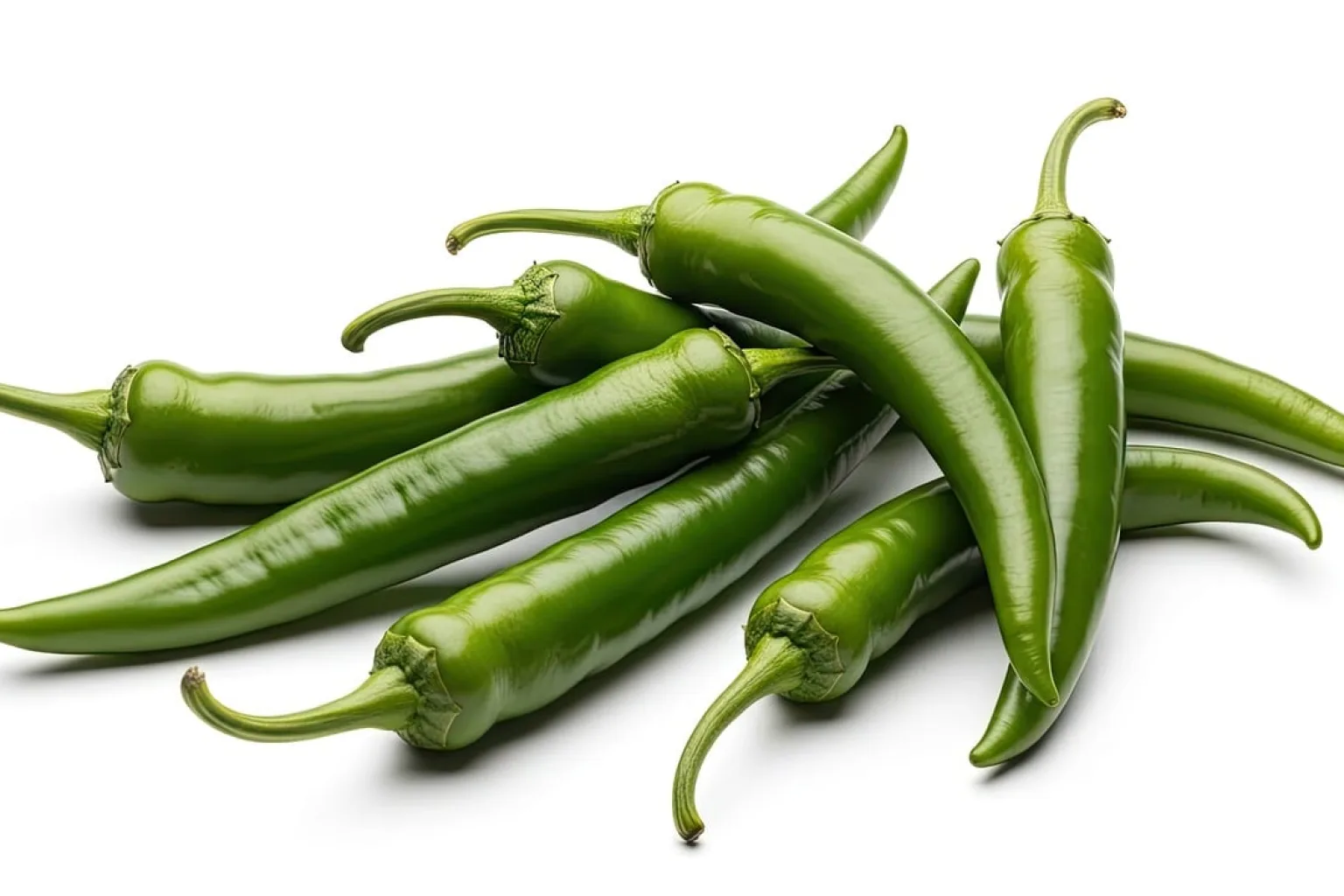
Green pepper is the fresh fruit of a Capsicum plant, used as a vegetable in cooking. The name covers peppers of different shapes and sizes: some are broad and fleshy, while others are long with thinner flesh. In sweet pepper varieties, green commonly indicates a less advanced stage of ripeness than the yellow or red fruit of related varieties. Its flavor can be vegetal, mild, or somewhat bitter; the color alone does not mean that a pepper is hot. Green pepper is also not the same as green peppercorn, which comes from a different plant and is sold as a spice.
When to use it
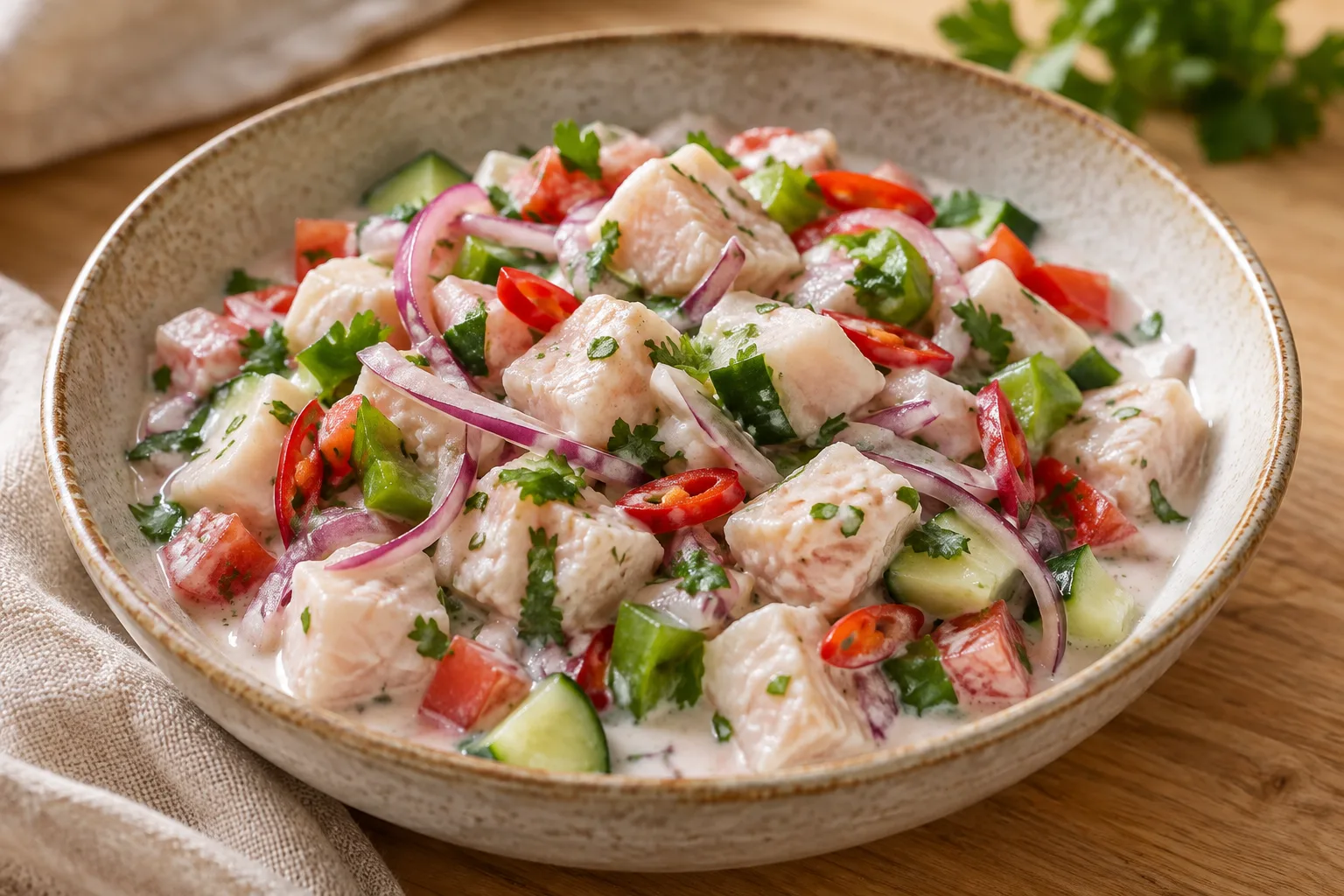
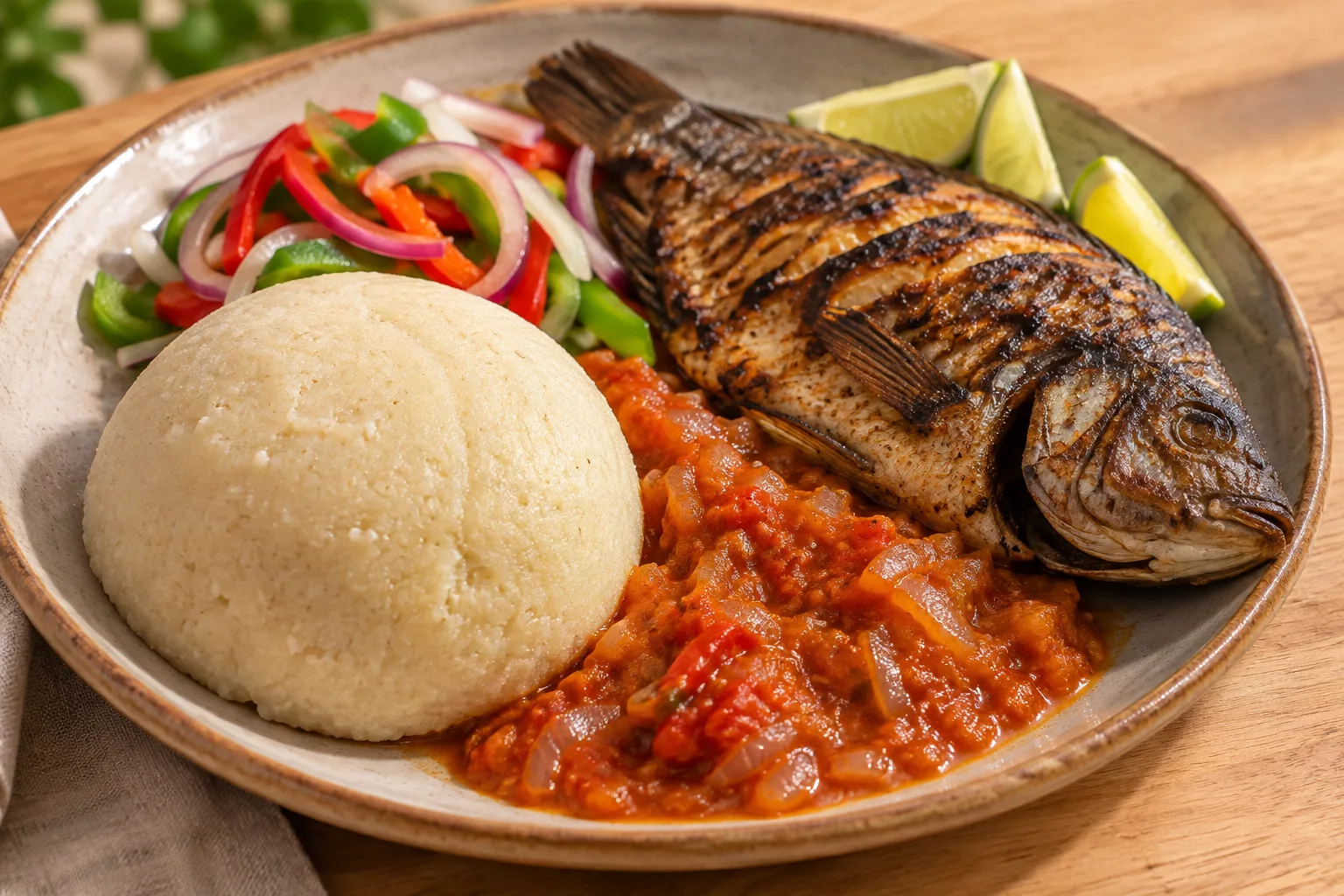
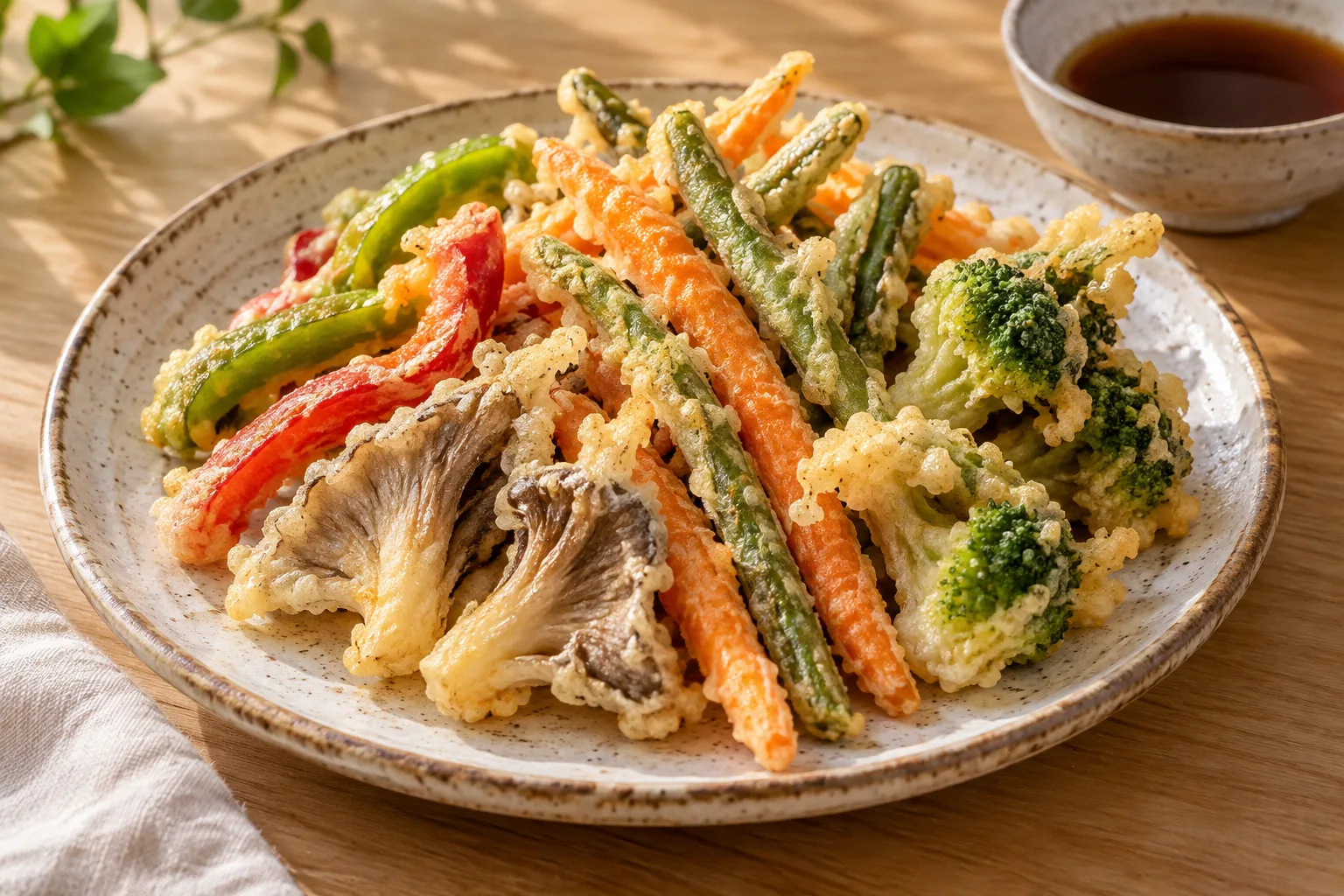
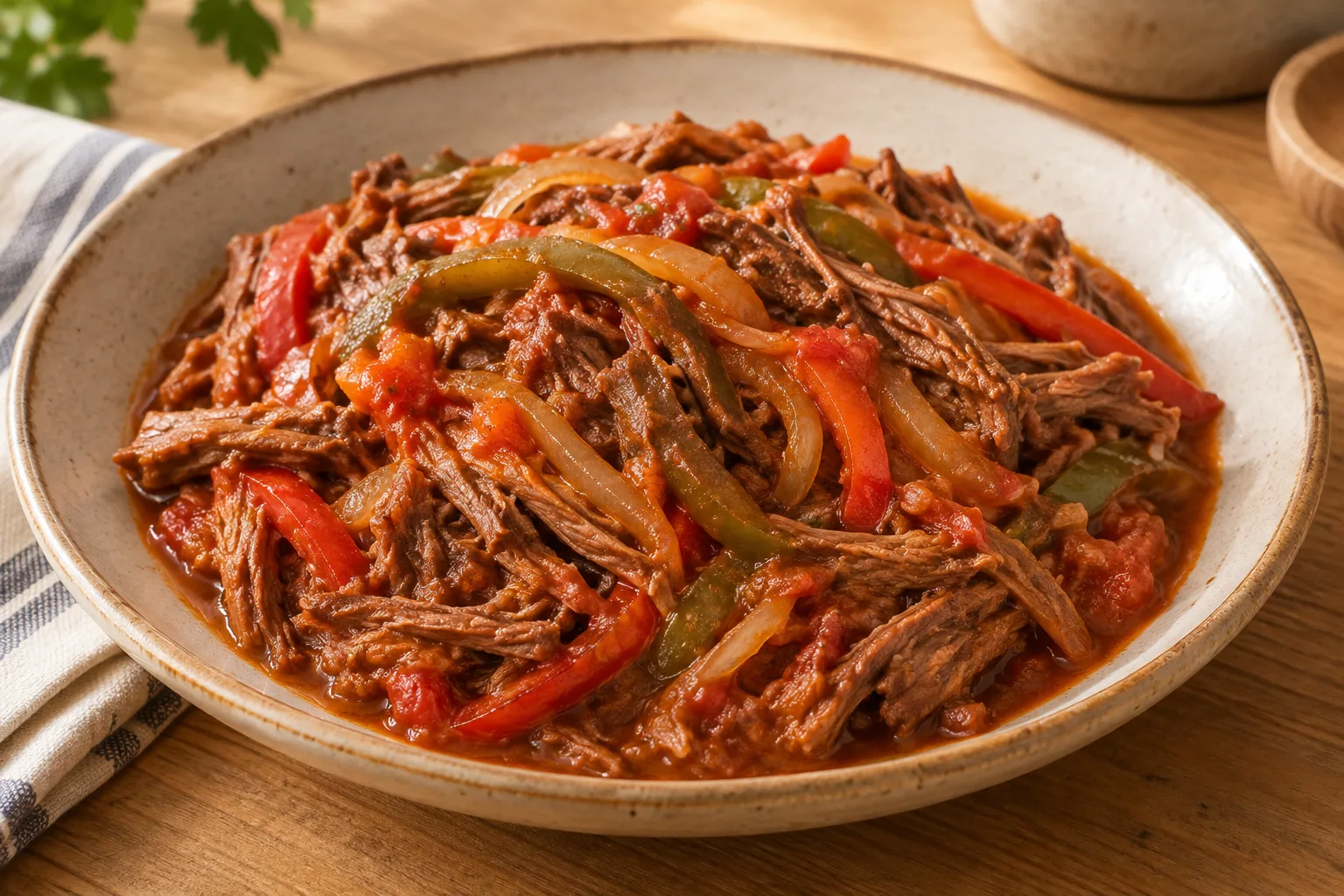
Use green pepper when you want vegetal flavor, color, and texture, or when you need an aromatic base for a sofrito, sauce, or stew. Serve it raw in salads or sandwiches when you want a crisp bite; cooked, it can accompany other vegetables or become part of a rice or bean dish. Choose the type to suit the preparation: a fleshy pepper can be practical for stuffing or roasting, while a long, thin one is suited to frying. Flavor and texture vary between varieties, so let the pepper you have guide how you use it.
How to use it
Wash the pepper before cutting it. Remove the stem, seeds, and inner membranes if you do not want them in the dish. For raw use, slice or dice it for a salad or sandwich. For a sofrito or sauté, cut it to suit the other ingredients and cook it with onion, garlic, or tomato. You can also fry it, roast it, grill it, or add it to a stew; a fleshy pepper can be used as a shell for a filling. Flesh thickness differs by variety, so adapt the cut and cooking method to the pepper in hand rather than assuming every green pepper will behave alike.
Flavour and texture
Green pepper is generally more vegetal and less sweet than ripe red pepper, and some varieties have a slightly bitter note. Raw, it is firm and crisp. Cooking softens its texture and blends its flavor into the dish. The strength of the flavor, flesh thickness, and shape depend on the variety, so green peppers do not all behave the same way in a pan or oven.
How to choose it
Choose peppers that feel firm and fleshy, with bright color, smooth glossy skin, and a green, firm stem. Avoid wrinkled or spotted peppers and those with cuts, dents, or watery areas, which can indicate age or deterioration. Consider the shape as well: a long, thin pepper does not provide the same amount of flesh or the same result as a broad, fleshy one. Variety matters, especially when buying for frying, roasting, or stuffing.
Storage
Available guidance recommends keeping fresh green peppers in the refrigerator’s vegetable drawer, without wrapping them in a way that blocks air circulation. Check them before use and discard peppers with watery areas, cuts, or visible deterioration. Freezing after washing and removing the seeds is also described, either whole or cut; quality may vary with the pepper and its later use. Do not improvise a home-canning process: peppers are included among low-acid foods for which strict safety procedures are needed.
Substitutions
Red or yellow sweet pepper can stand in when a sweeter, fruitier flavor is acceptable. Another green pepper can also work, but shape, flesh thickness, and seed quantity may differ; adjust the cut and method, especially for stuffing or frying. A substitute will not exactly reproduce the vegetal, less-sweet character of some green peppers. Do not confuse green pepper with green peppercorn, a different spice.
Common mistakes
Do not assume all green peppers are interchangeable: a fleshy variety and a long, thin one respond differently to stuffing, roasting, and frying. Nor does green color guarantee a consistent level of sweetness or heat. Avoid peppers that are wrinkled, cut, or watery, and do not mistake this vegetable for green peppercorns from Piper nigrum.
Safety and allergens
Choose intact peppers and avoid those with watery areas, cuts, or visible deterioration. Follow any storage and use directions on the product label. Do not make home-canned peppers using an improvised method: official guidance includes peppers among low-acid foods that require strict procedures to reduce contamination risks.
Culinary uses
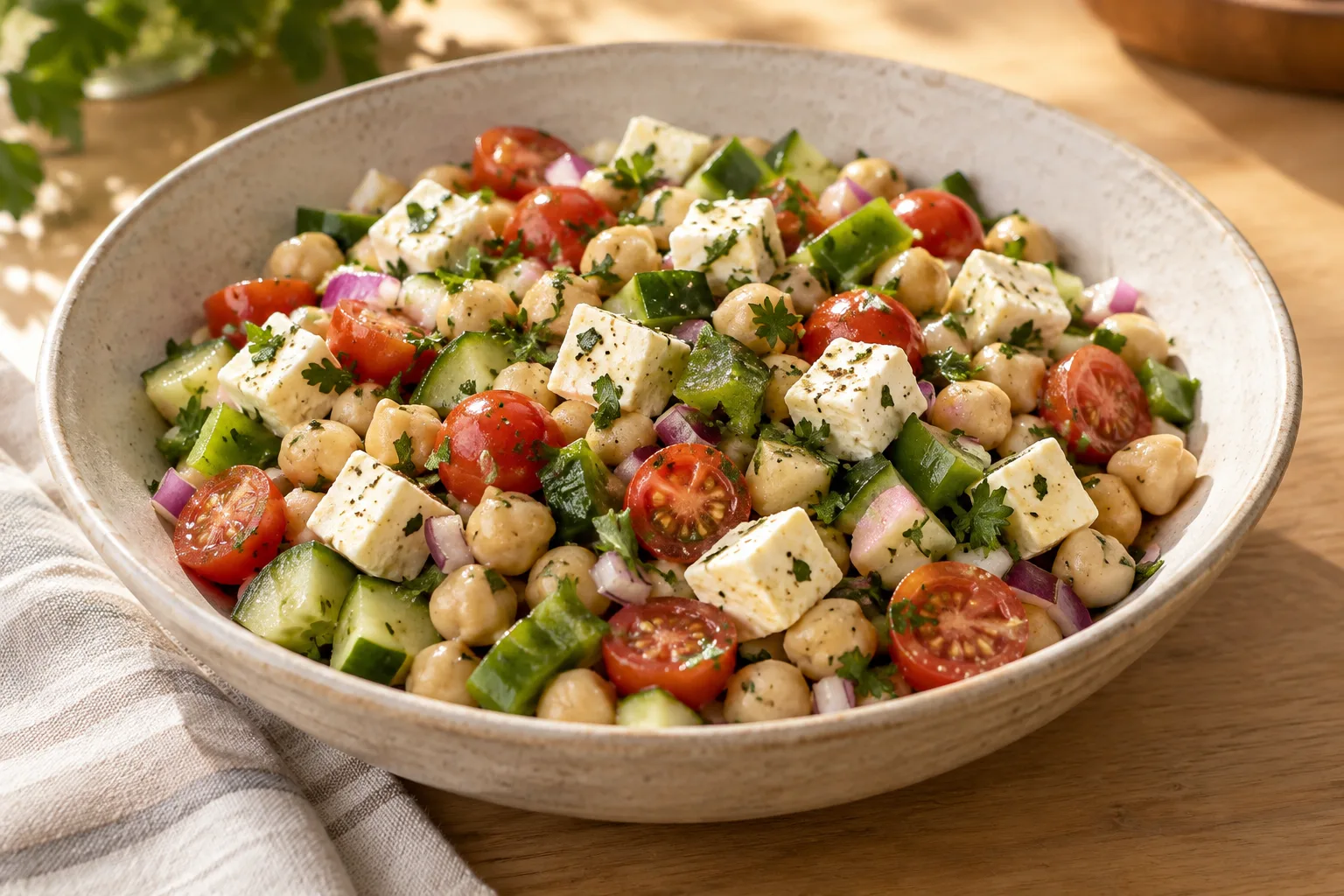
- Fresh, crisp vegetable for salads and sandwiches
- Aromatic vegetable base for sofritos, stews and sauces
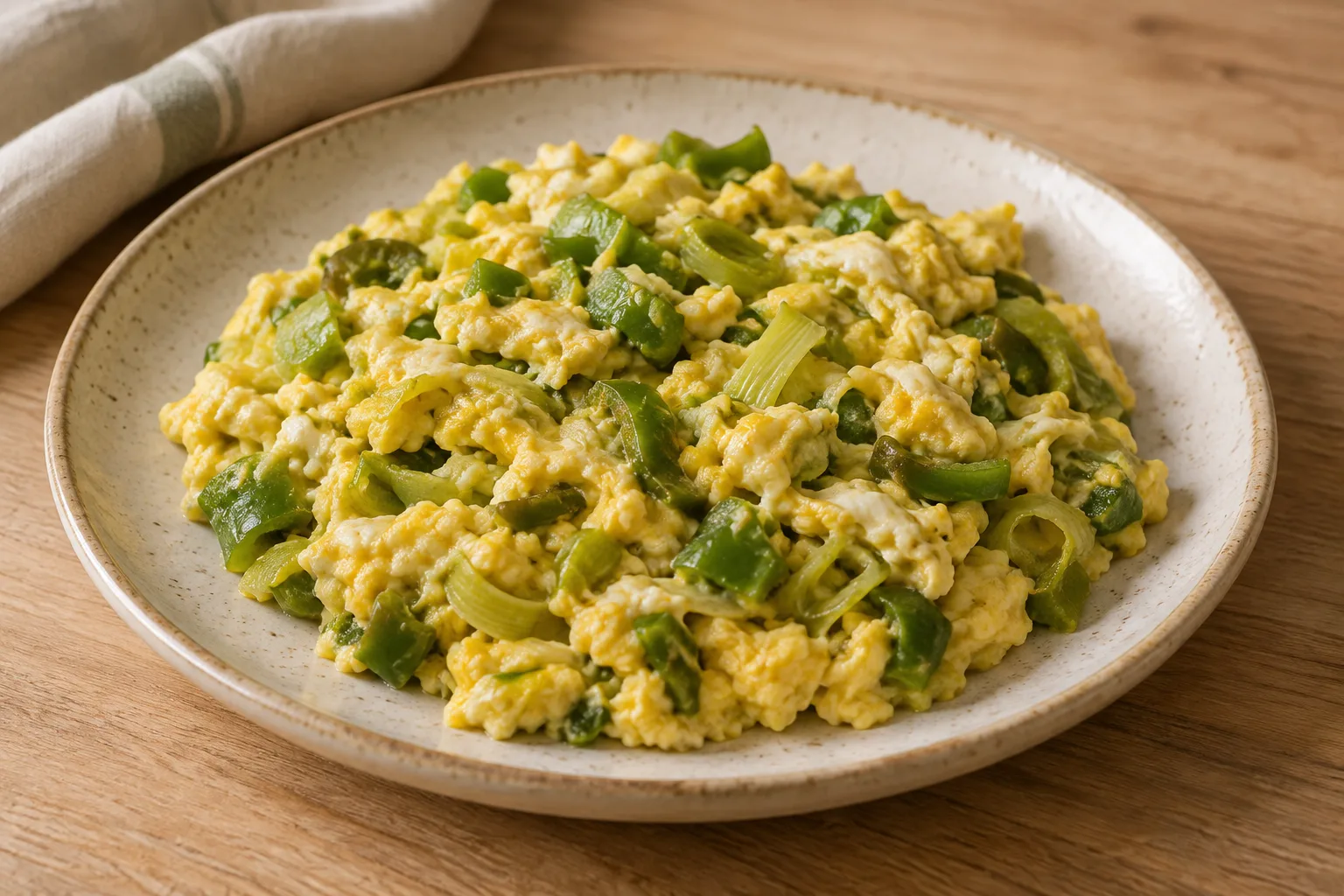
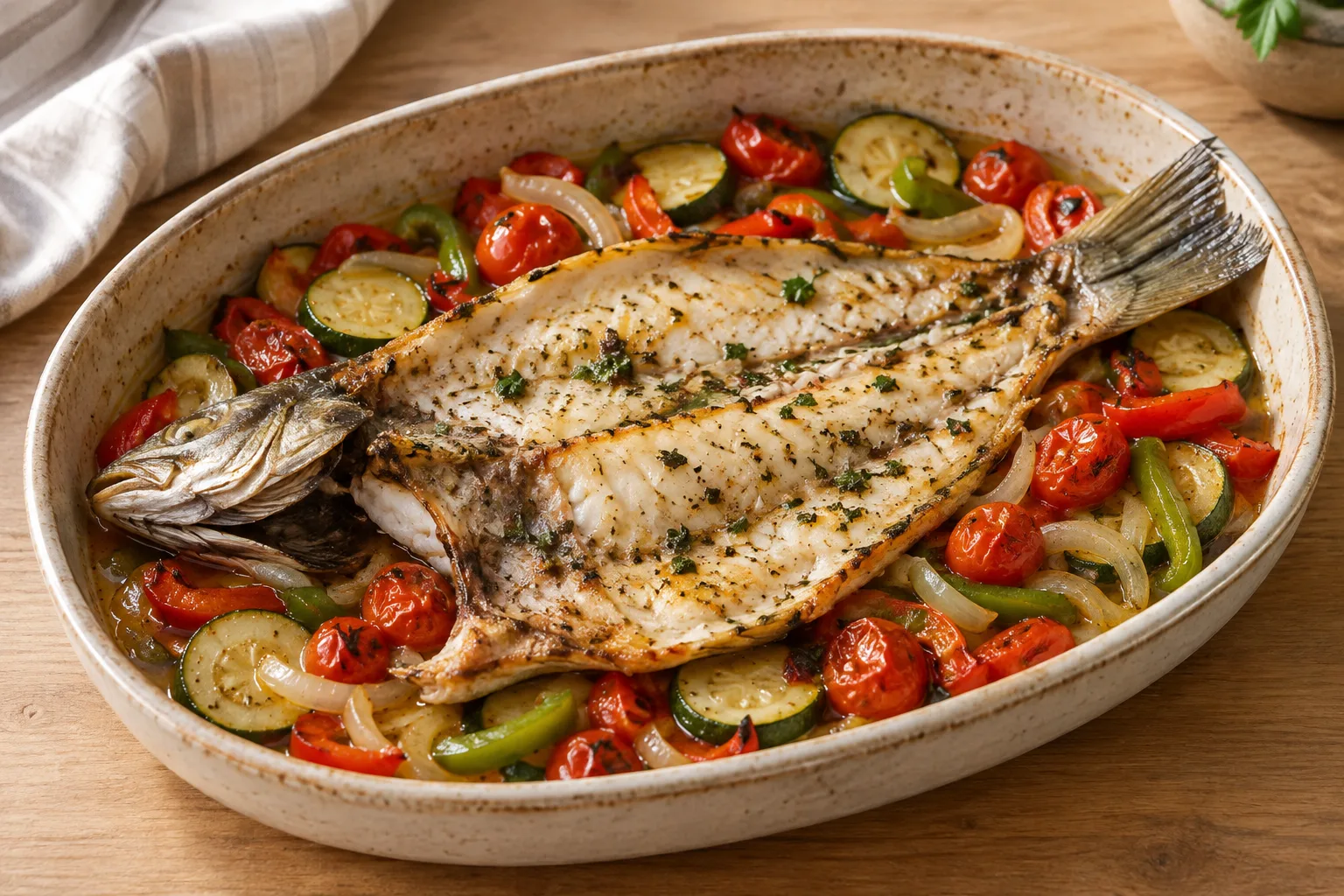
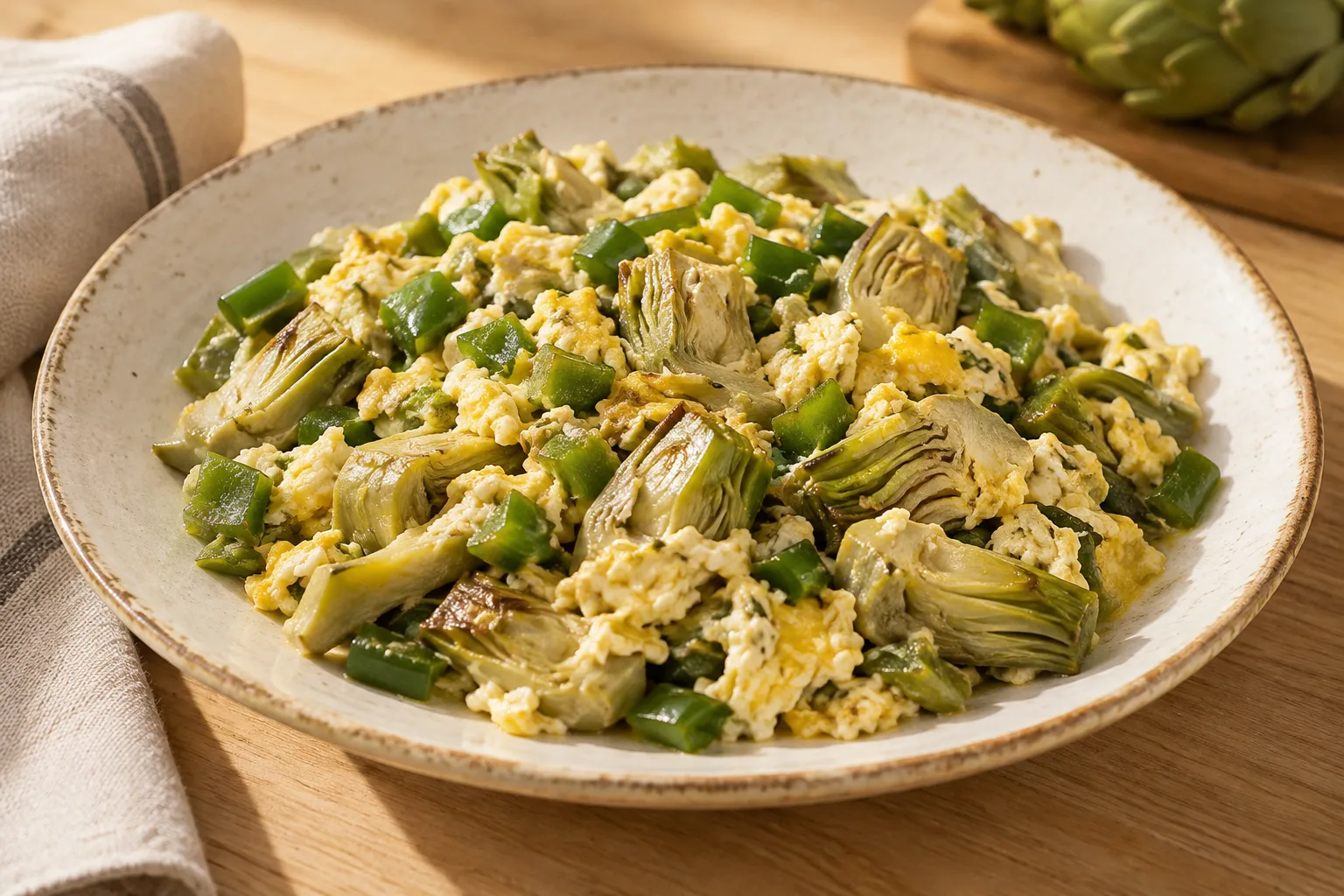
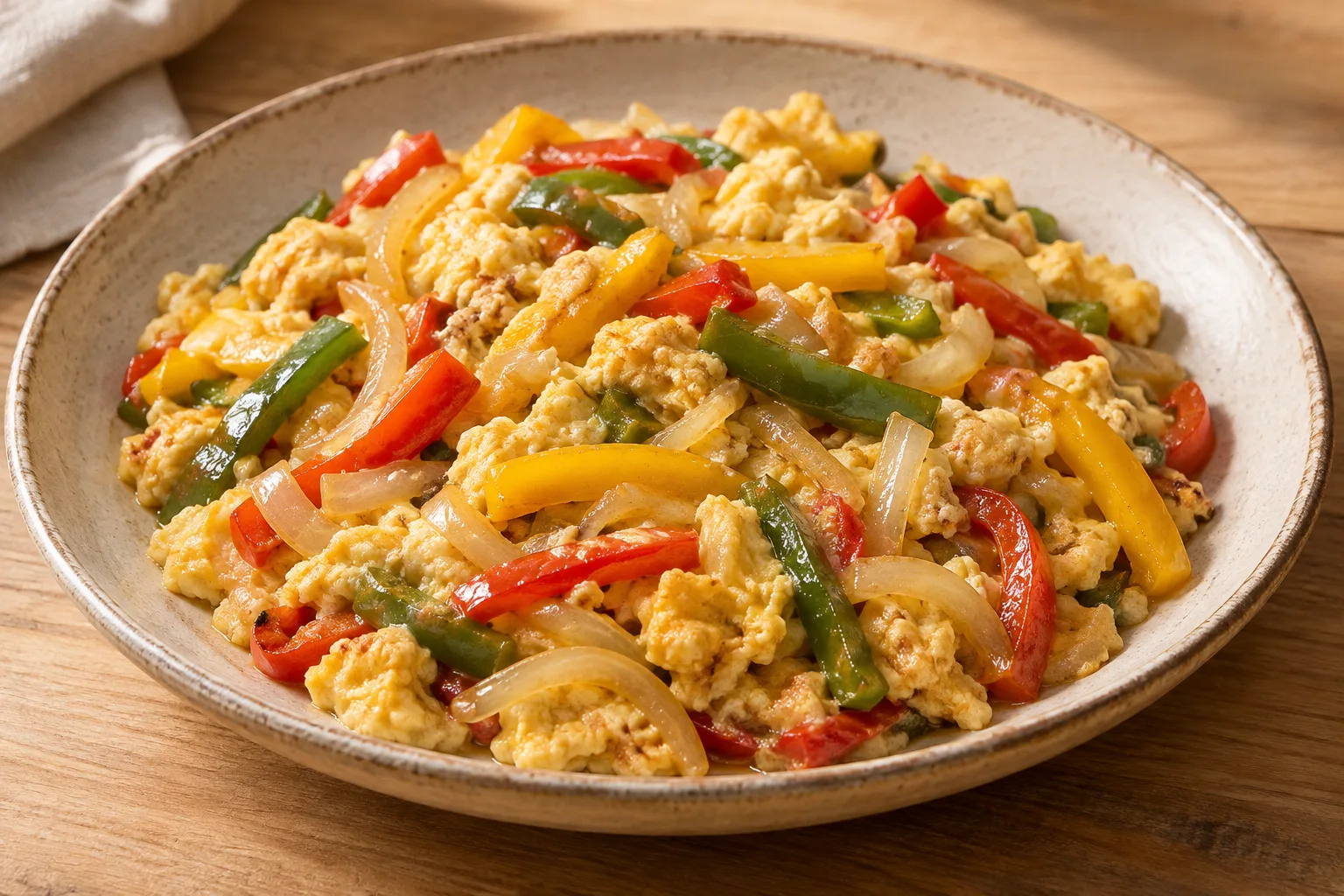
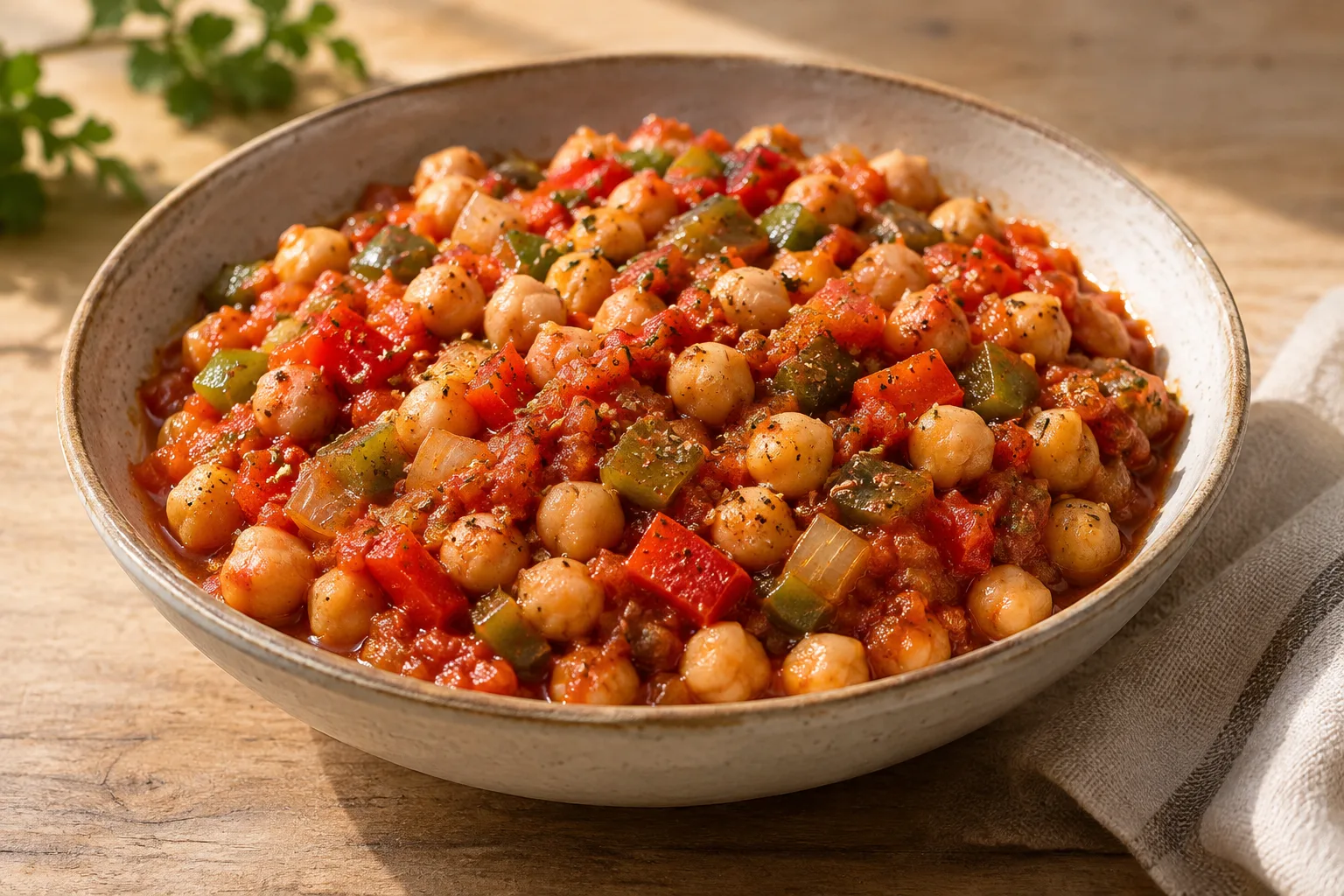
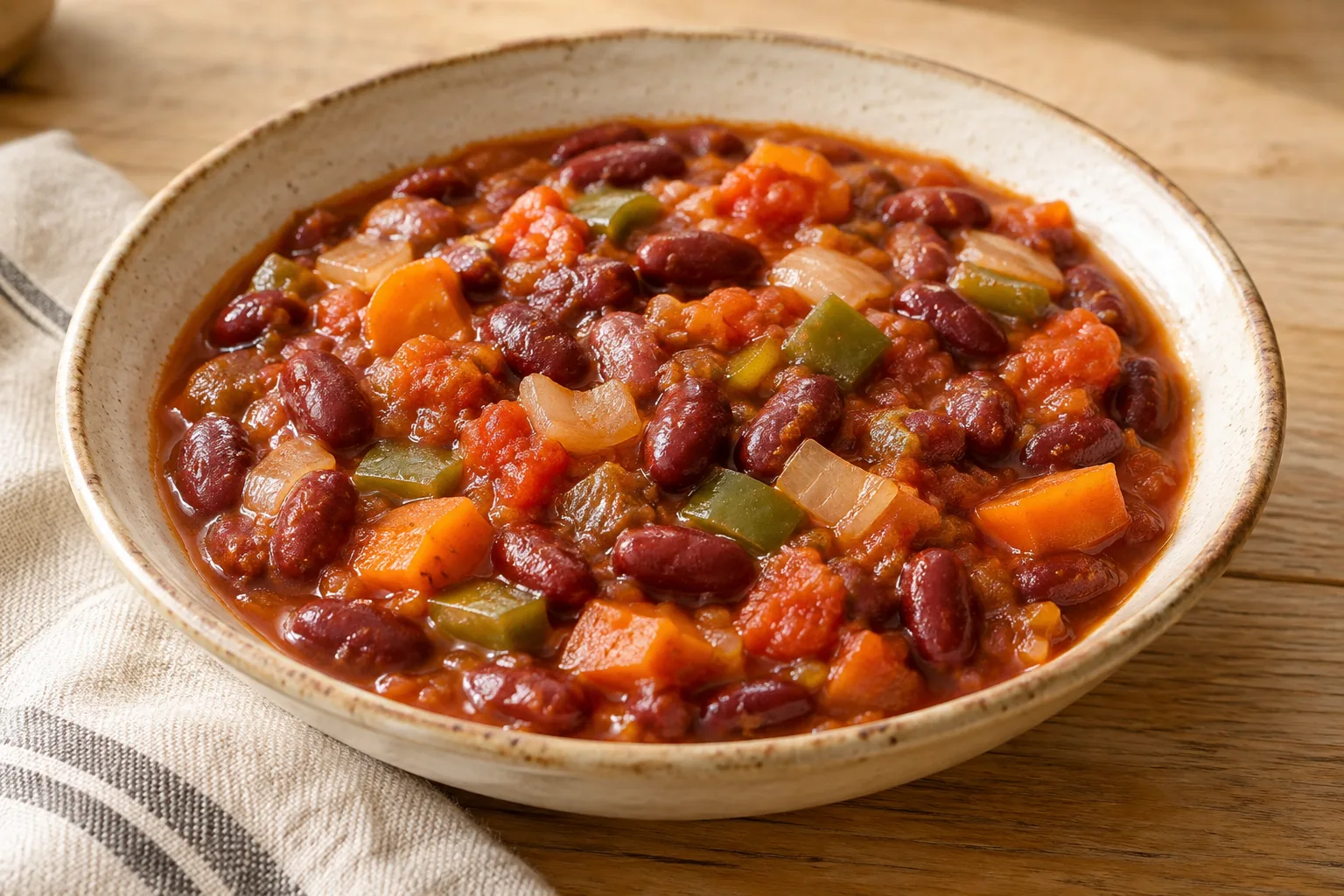
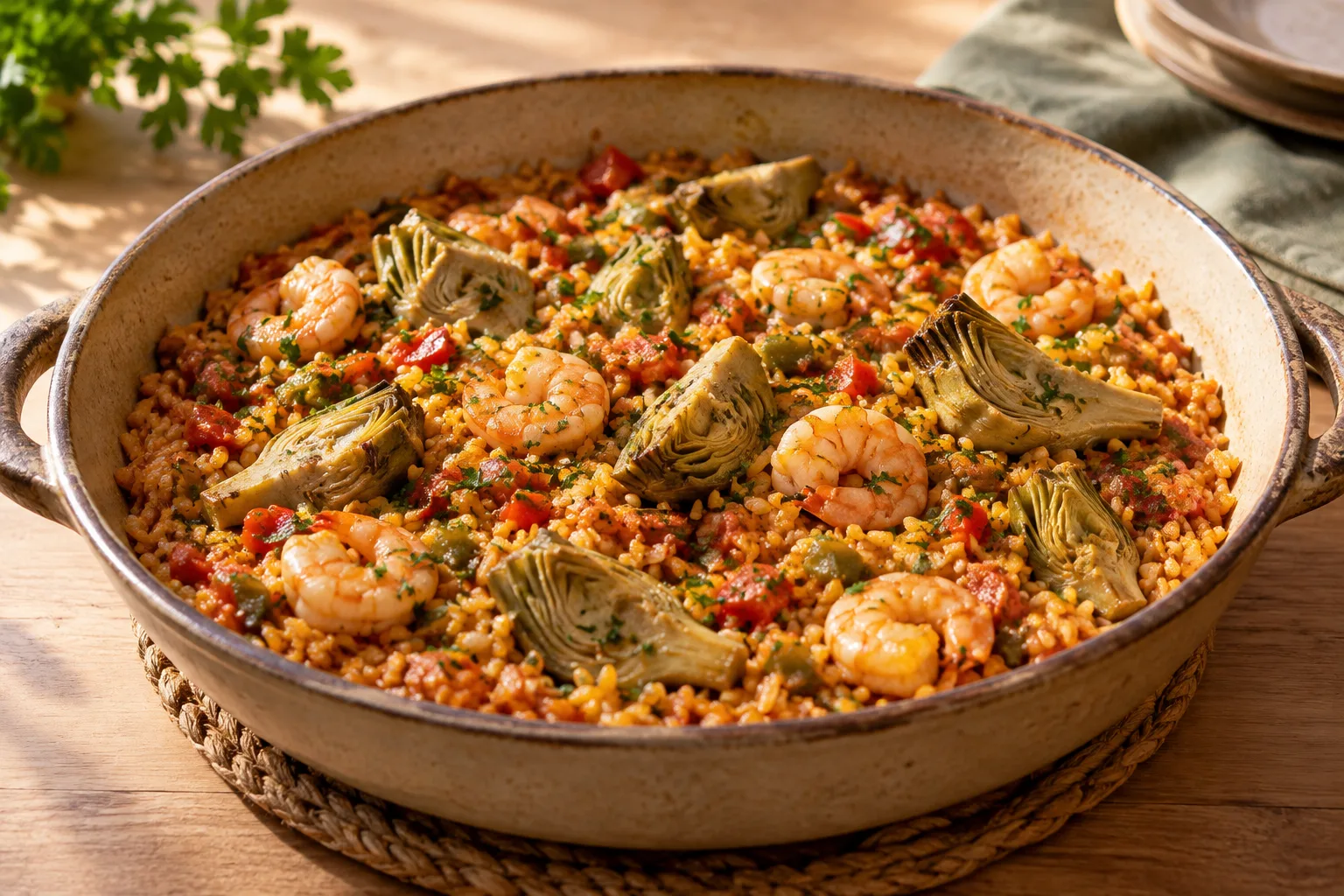
- Cooked side dish, filling or component of a mixed dish
Recommended techniques
- Eat raw, sliced or diced
- Fry or sauté
- Roast or grill
- Boil or cook in a stew
Pairs well with
- Onion and garlic
- Tomato
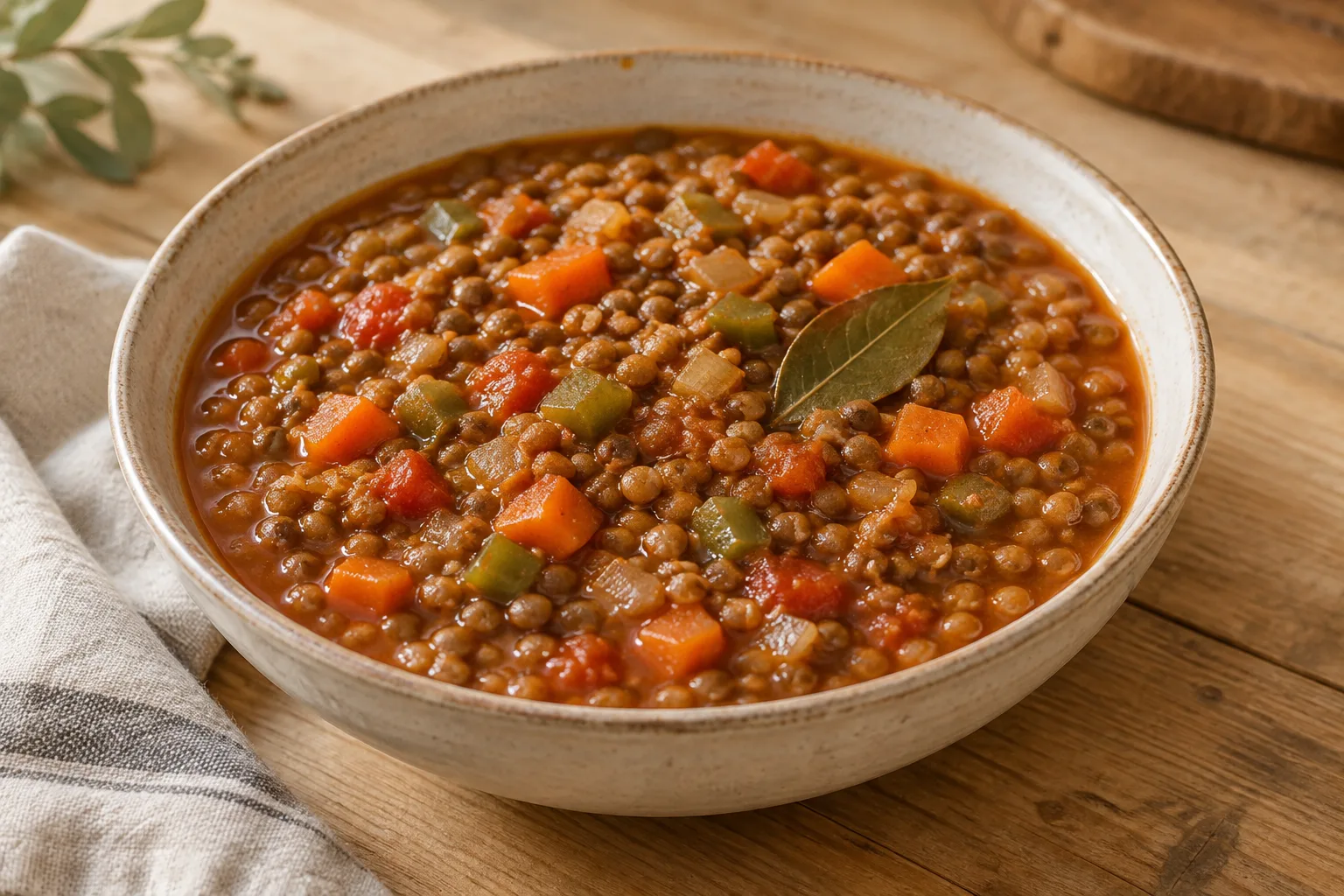
- Beans or lentils
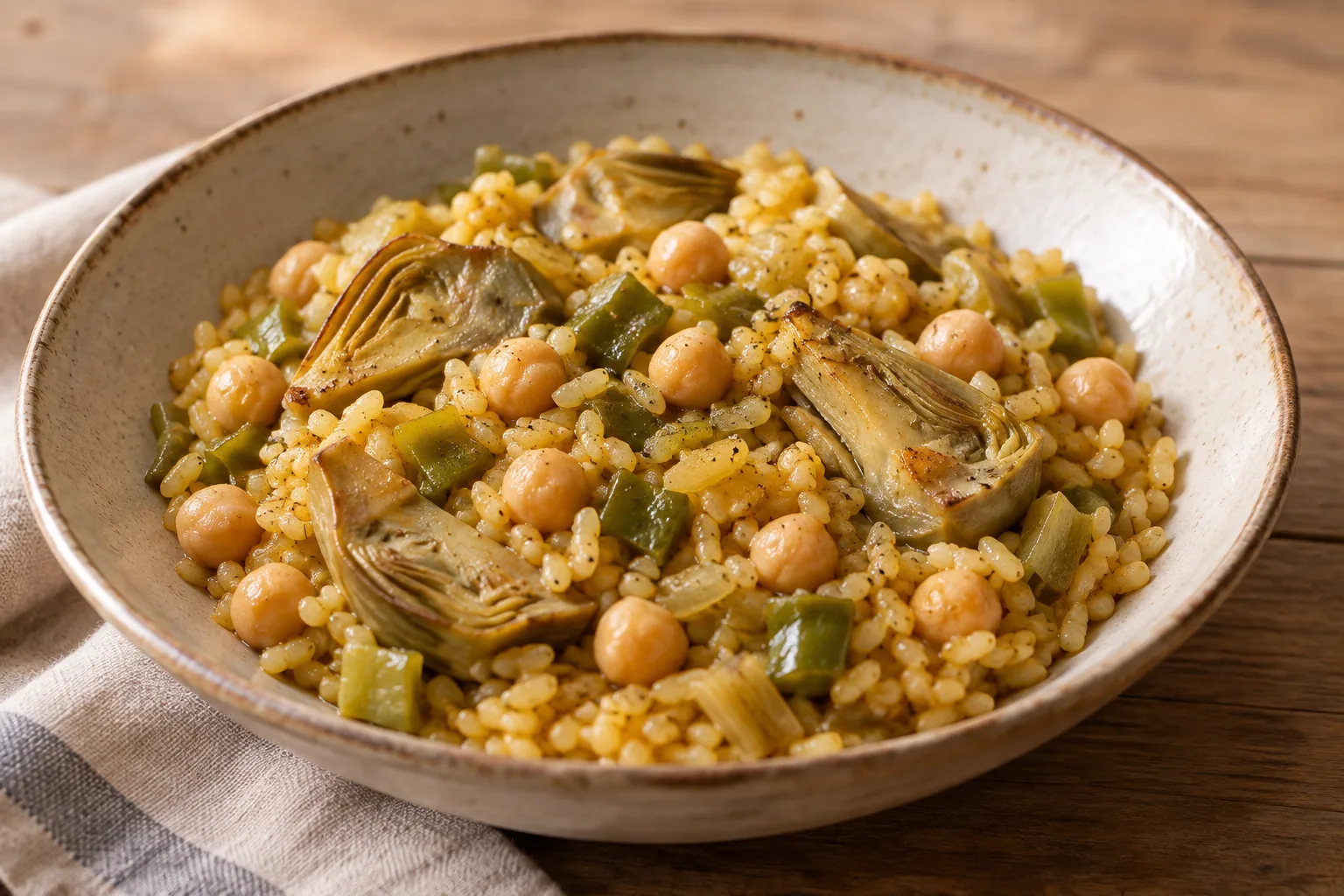
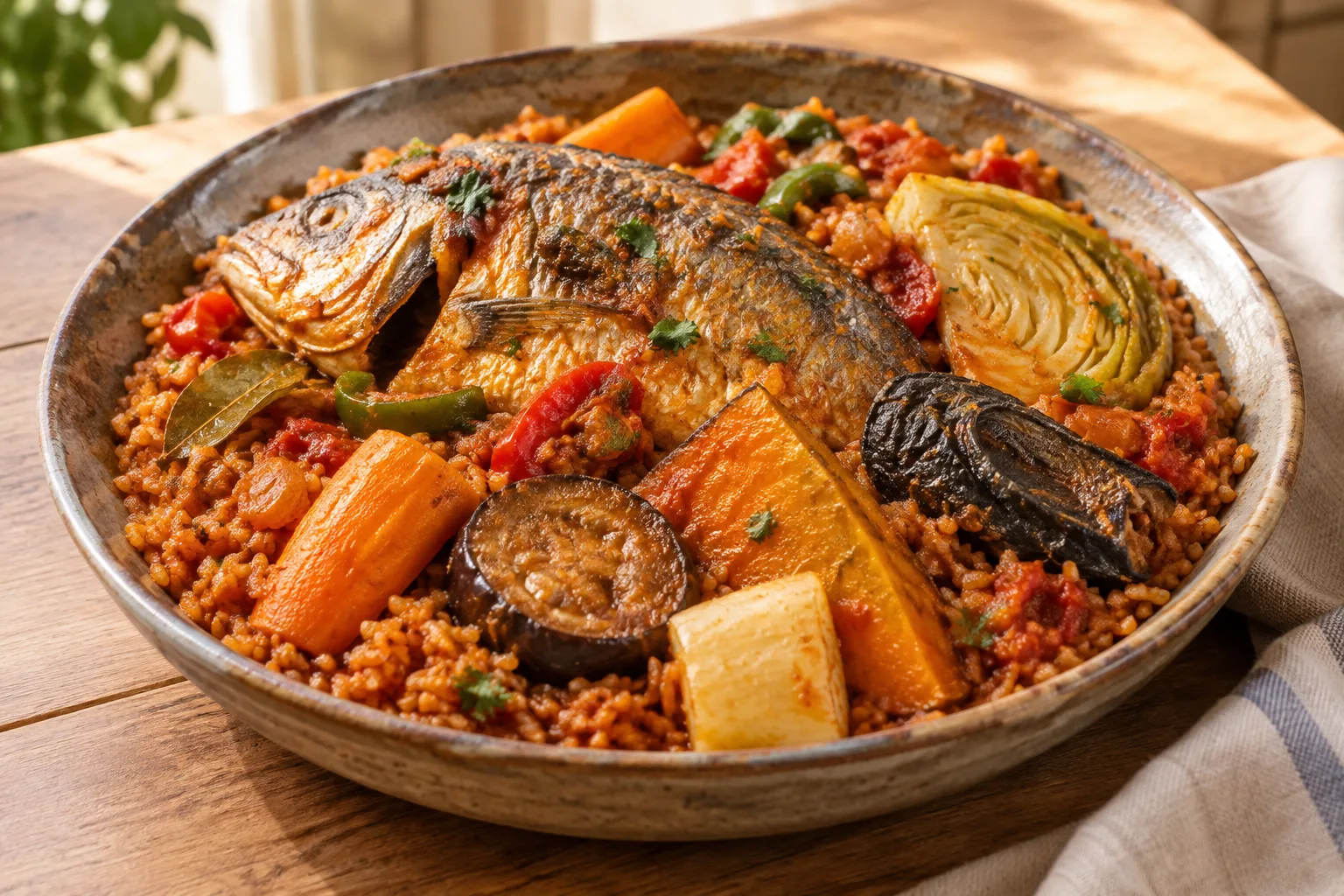
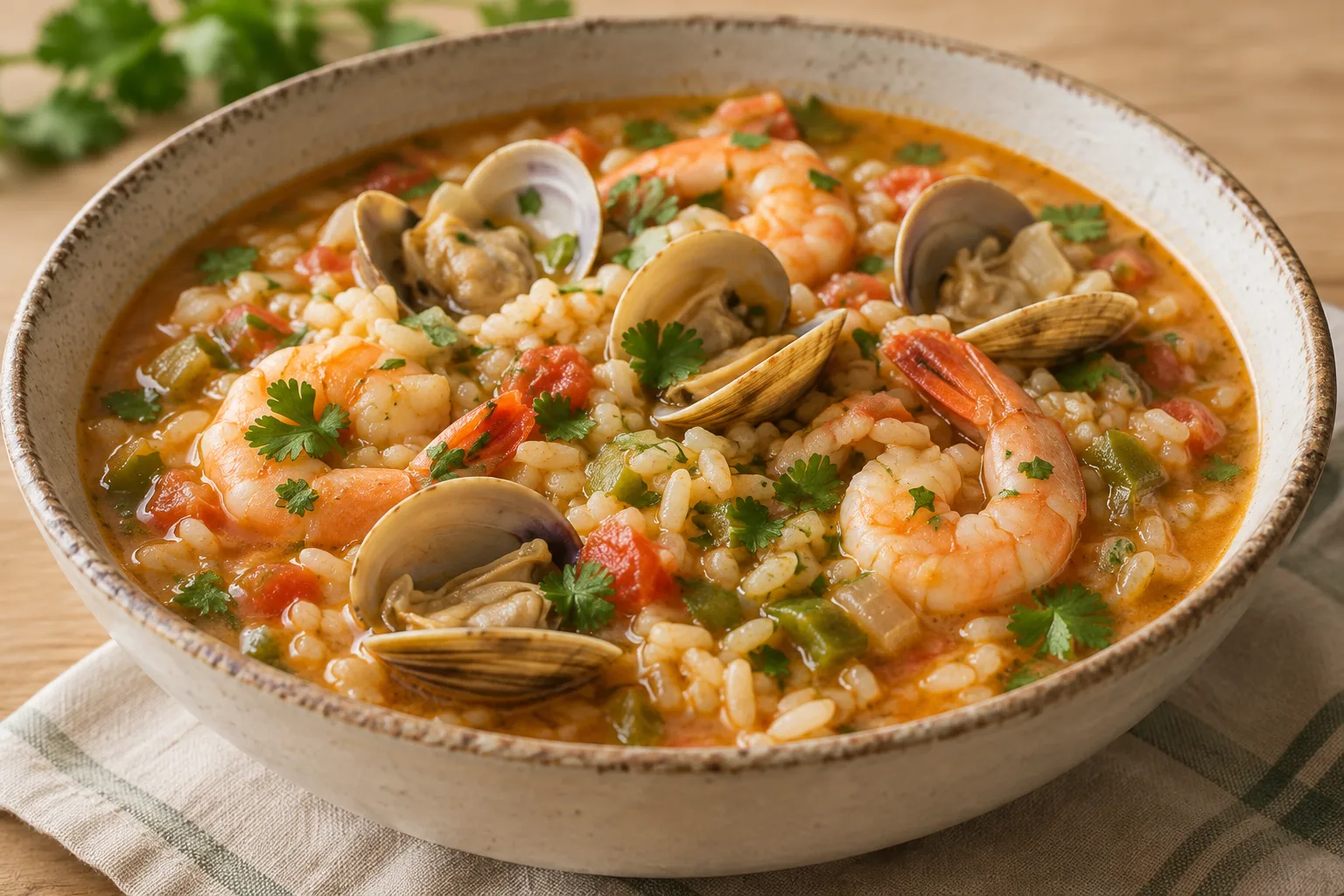
- Rice and other vegetables
Frequently asked questions
Are green peppers always hot?
No. Green color alone does not show that a pepper is hot. Sweet peppers and varieties with different characteristics exist; check the variety or product information.
Can I eat green pepper raw?
Yes. Wash it, slice or dice it, and add it raw to salads or sandwiches when you want a crisp texture.
Is green pepper the same as green peppercorn?
No. Green pepper is a Capsicum vegetable. Green peppercorn comes from Piper nigrum and is used as a spice.
Estimated nutrition
- Fat
- 11.8 g
- Saturates
- 1.59 g
- Carbohydrate
- 4.22 g
- Sugars
- 2.17 g
- Fibre
- 1.8 g
- Protein
- 0.78 g
- Salt
- 0.04 g
Sources and review
Automatically researched, cross-checked and validated content. Sources consulted:
- En el etiquetado alimentario hay algunas menciones que son obligatorias eletiquetadocuentamucho.aesan.gob.es
- Aesan - Agencia Española de Seguridad Alimentaria y Nutrición aesan.gob.es
- Pimentón - Wikipedia, la enciclopedia libre es.wikipedia.org
- Variedades de pimientos más populares y algunas recetas con ellos hola.com
- Artes culinarias/Ingredientes/Pimiento - Wikilibros es.wikibooks.org
- Pimientos: variedades y usos en cocina - CocinoPedia.com cocinopedia.com
- El pimiento: propiedades, variedades y beneficios para la salud; por Pablo Ojeda lasexta.com
- El Pimiento Verde. Un ingrediente tradicional - Restaurante La Española restaurantelaespanola.es
- Pimientos verdes – Vargaleza vargaleza.com
- Pimiento Verde - Verduras de Tudela verdurasdetudela.com
- Pimienta verde | www.cocinista.es cocinista.es
- La pimienta verde - Santa Mónica -Boutique de especias especias.com.uy
- Pimienta verde: usos en la cocina - Ingredientes culinarios cocinaycome.com
- Usos culinarios apropiados de las variedades de plátano verde barraganete, dominico y maqueño, en la gastronomía ecuatoriana. | Revista de Gastronomía y Cocina doi.org
- Sustitutos del pimiento verde →【 Alternativas 2026 】 recetasis.com
- Ayudando a Cocinar.: Pimiento Verde🫑 ayudandoacocinar.es
- Pimientos verdes: El rey de los vegetales solococinar.com