- Category
- Vegetables
- State
- Fresh
- Usual unit
- unit
What it is
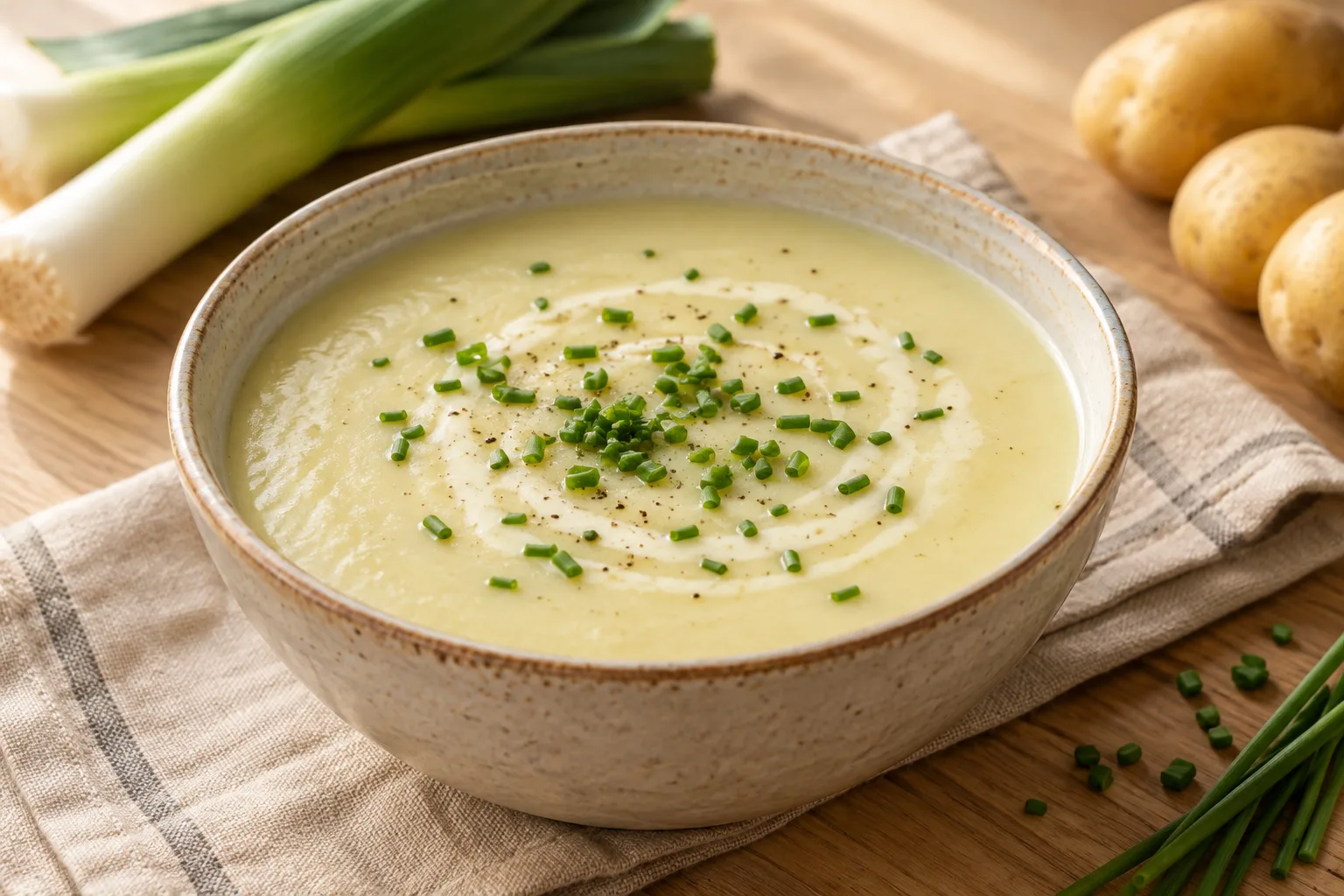
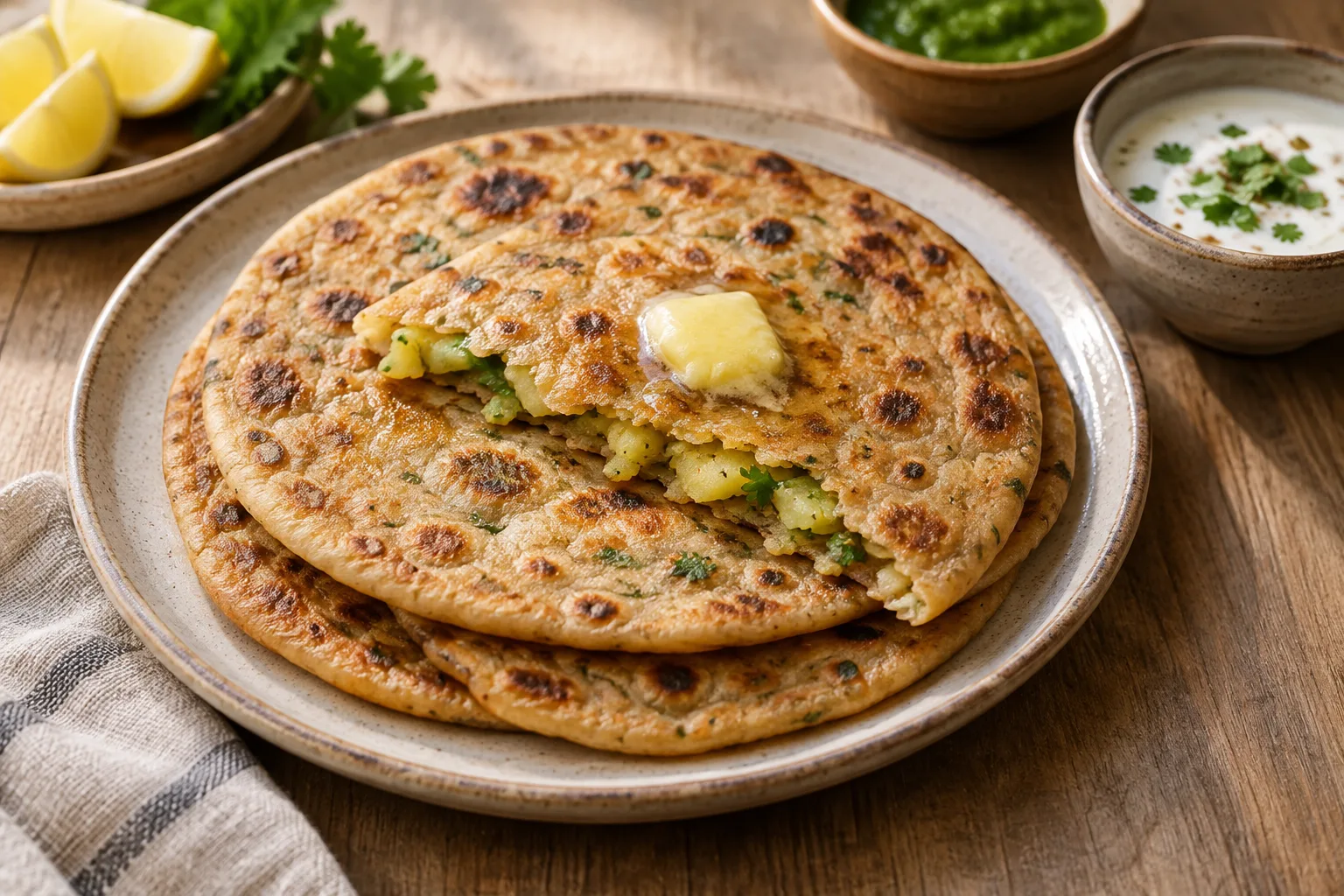
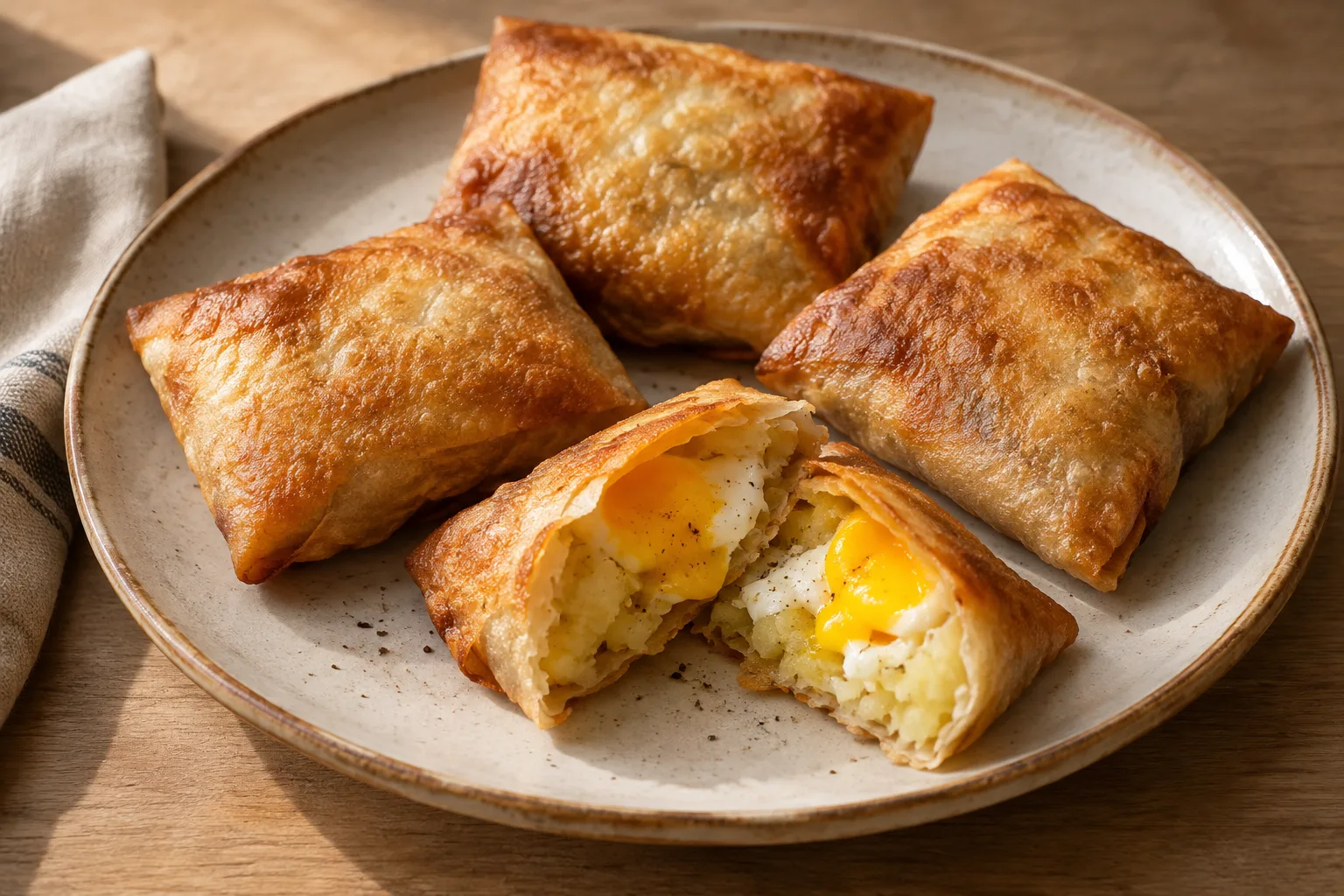
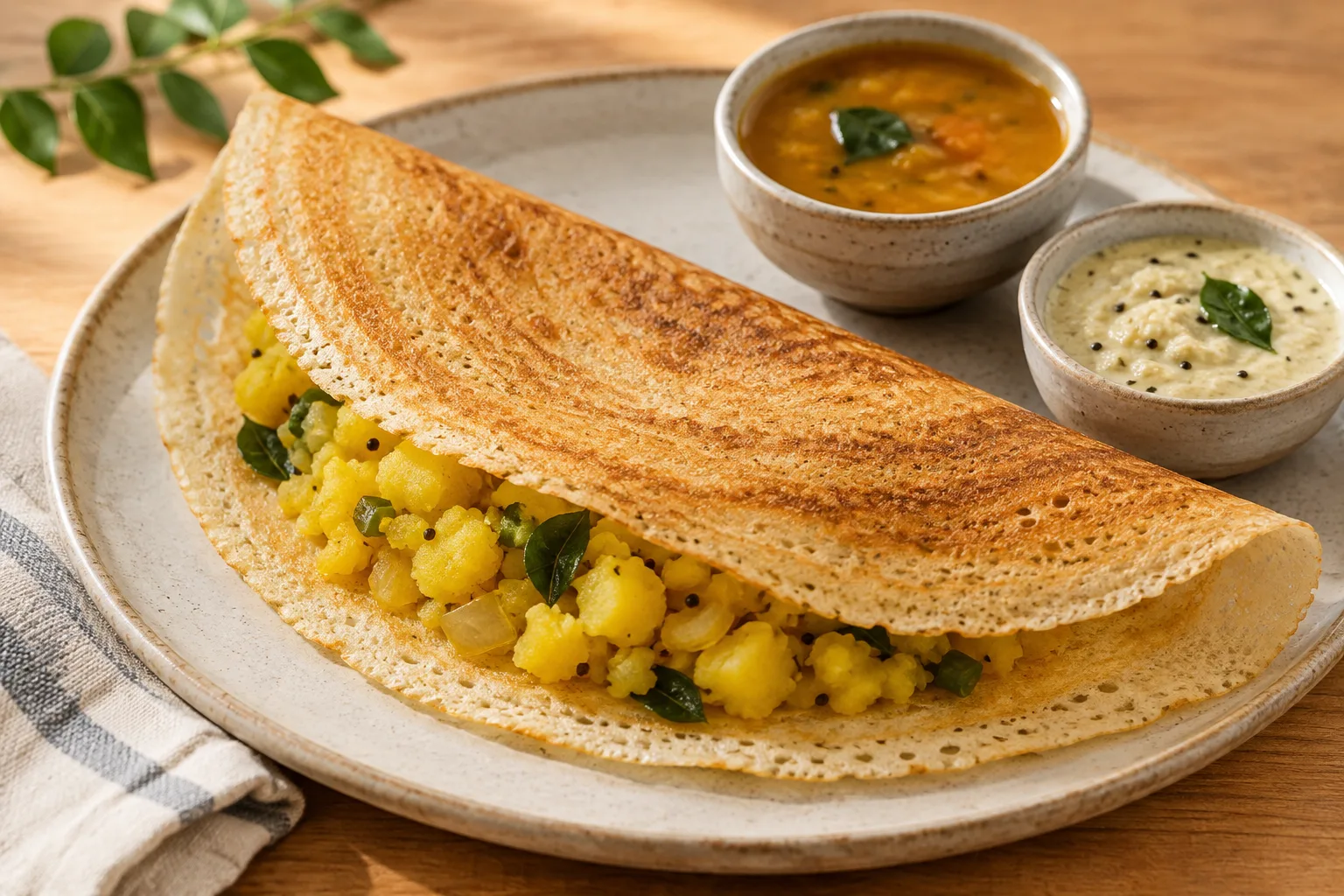
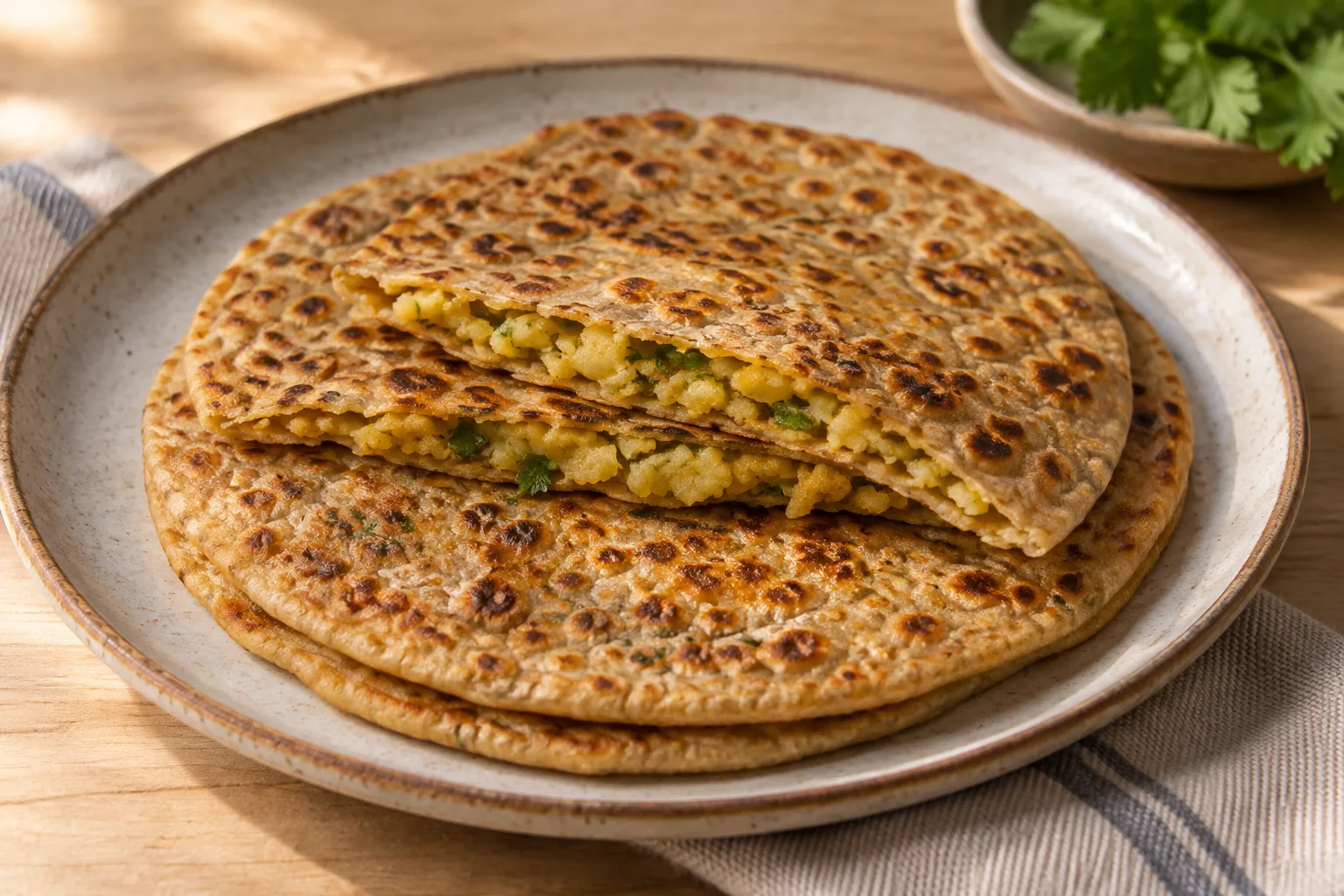
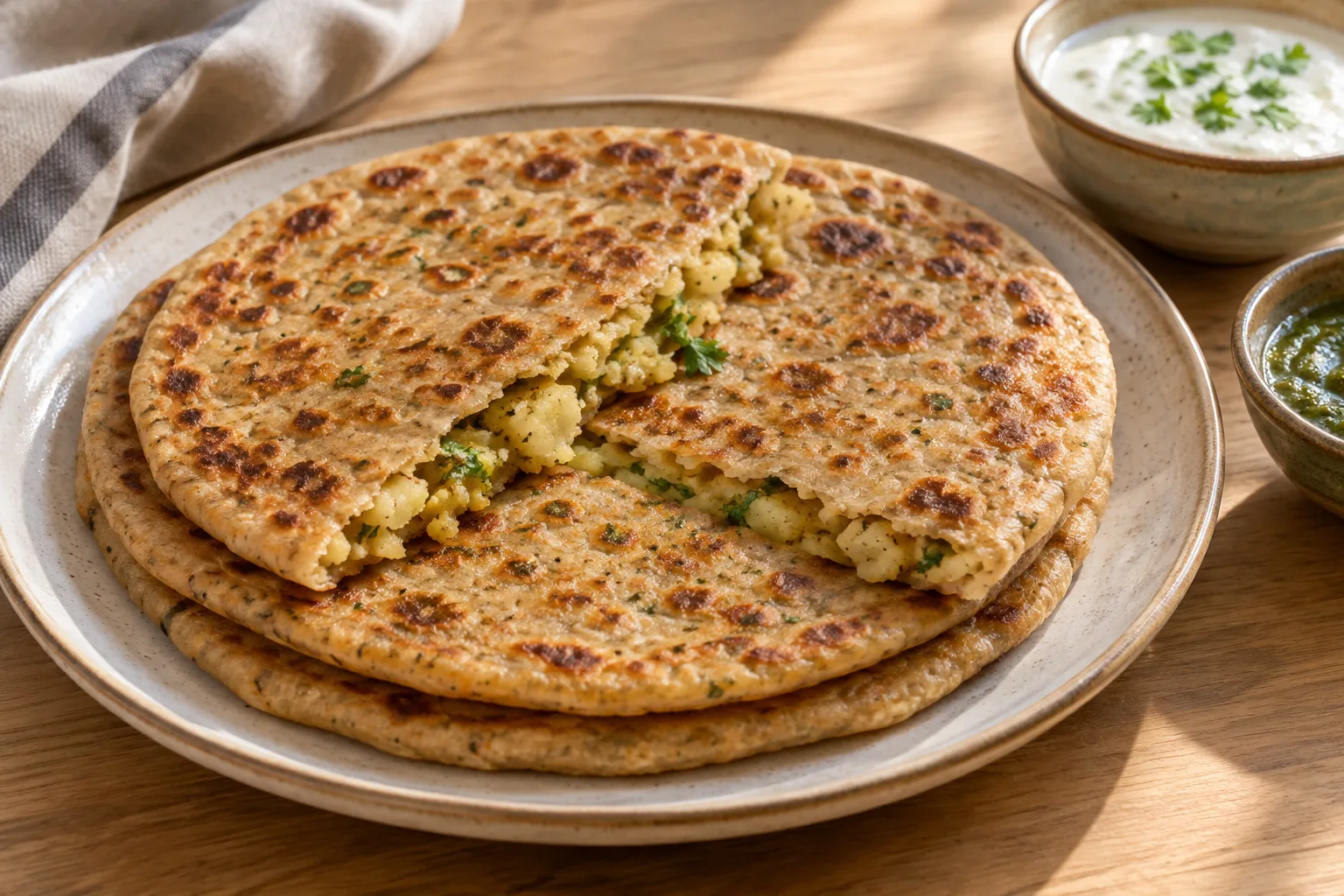
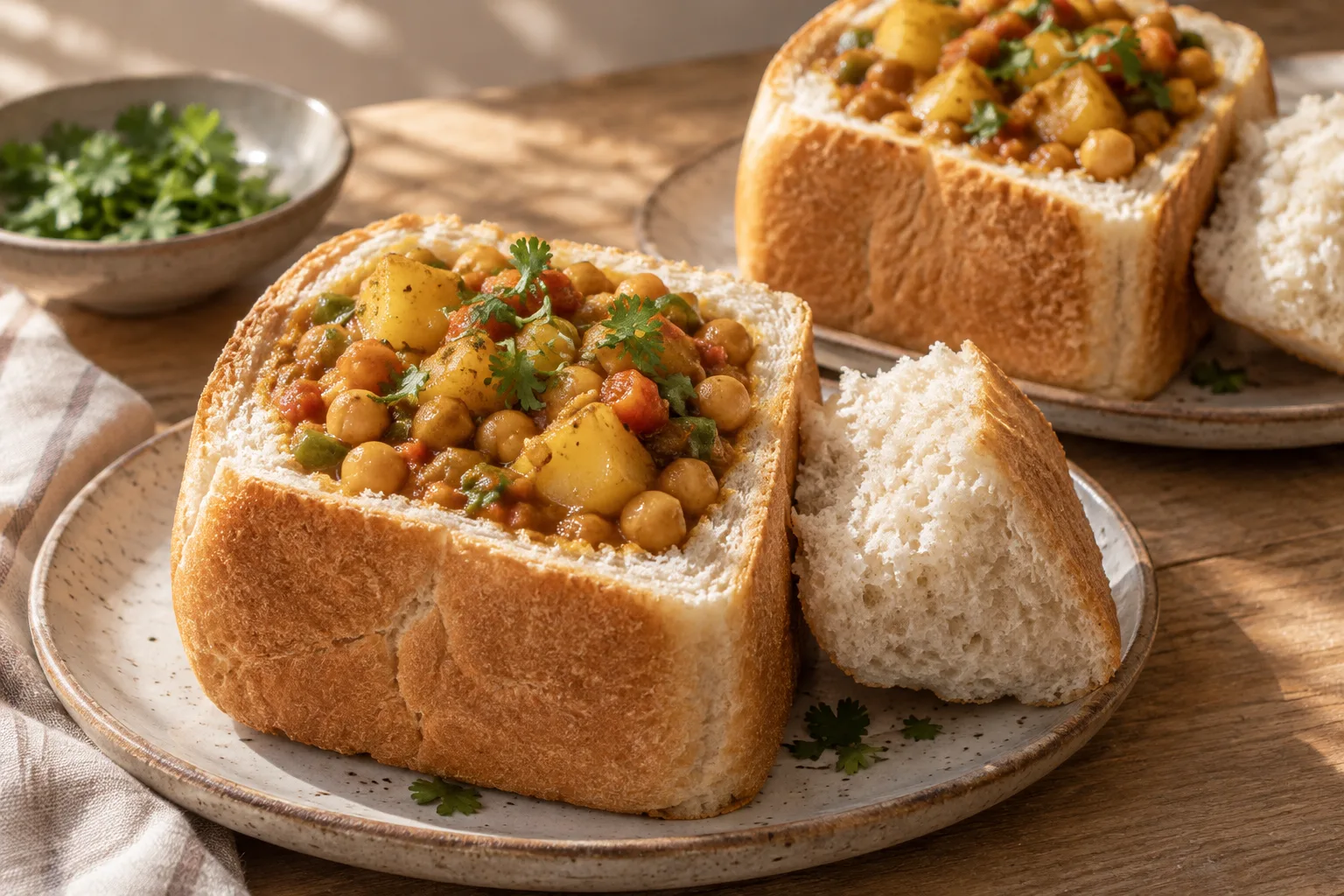
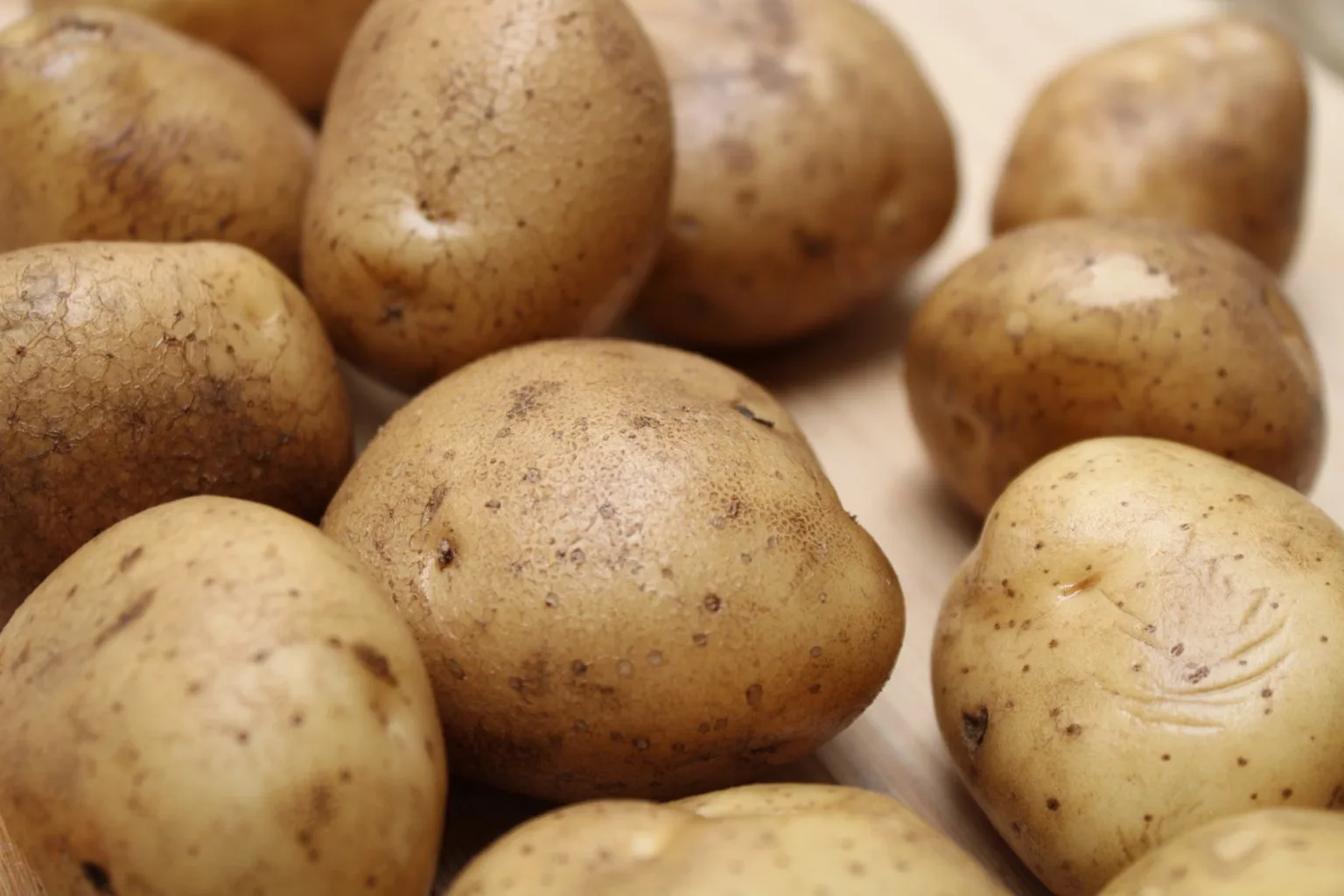
A potato is the edible tuber of the plant Solanum tuberosum. In cooking it is used as a fresh vegetable ingredient and may be prepared whole, cut, or mashed. Potatoes do not all behave alike: variety, firmness, and the balance of moisture and starch affect whether pieces remain intact, become creamy, or break down during cooking. It is therefore useful to select potatoes for the preparation rather than assume that one kind will perform equally well in every cooking method.
When to use it
Use potatoes when you want to add substance to a meal, make a side dish, or build a dish around an adaptable ingredient. Varieties that hold their shape are useful for salads, boiling, and stews with distinct pieces; flourier varieties work well for mash and can help thicken cooking liquid. For frying or roasting, the result also depends on the variety and the cut. If you do not know which variety you have, choose a flexible preparation such as a stew or boiled potatoes, then observe how they respond.
How to use it
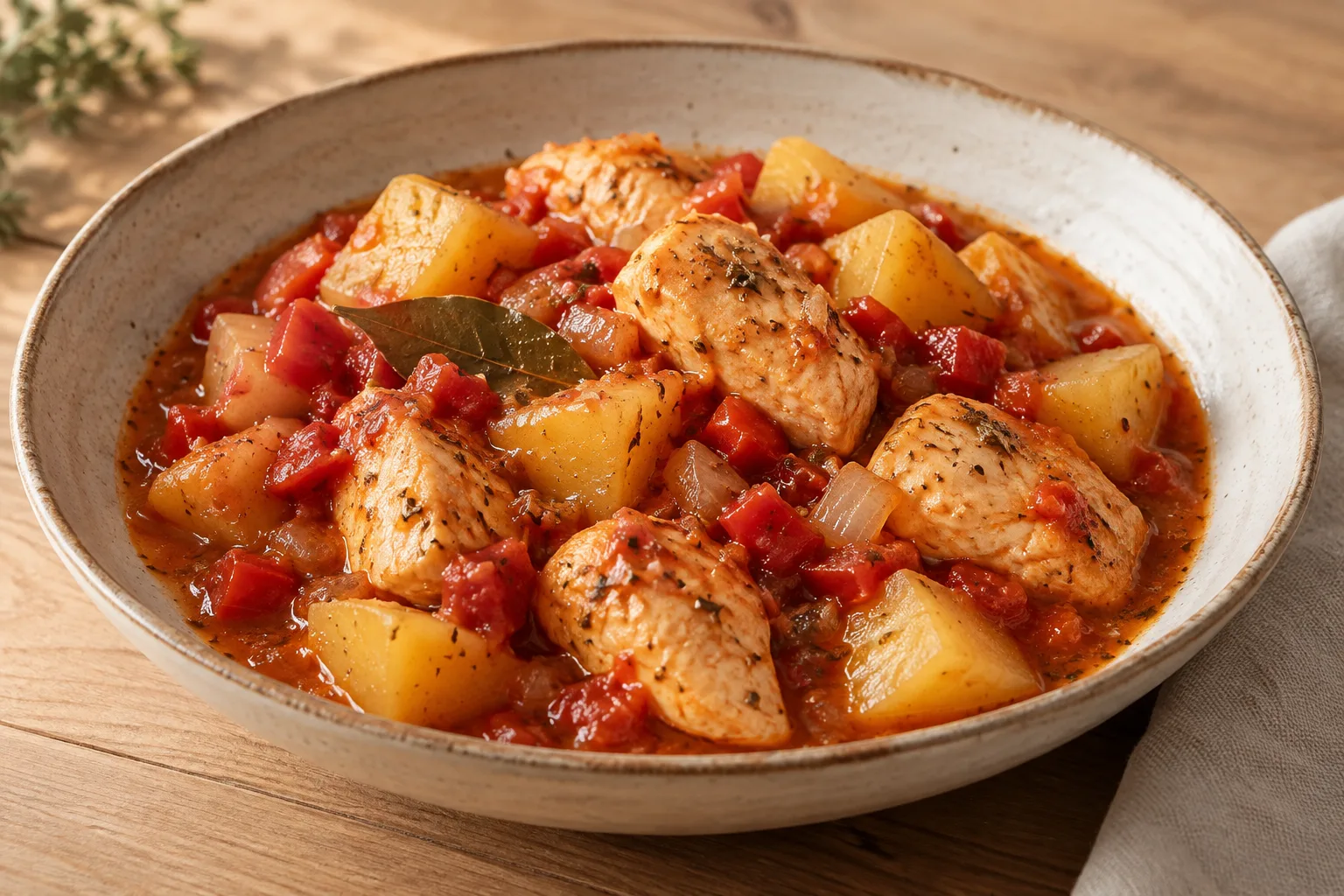
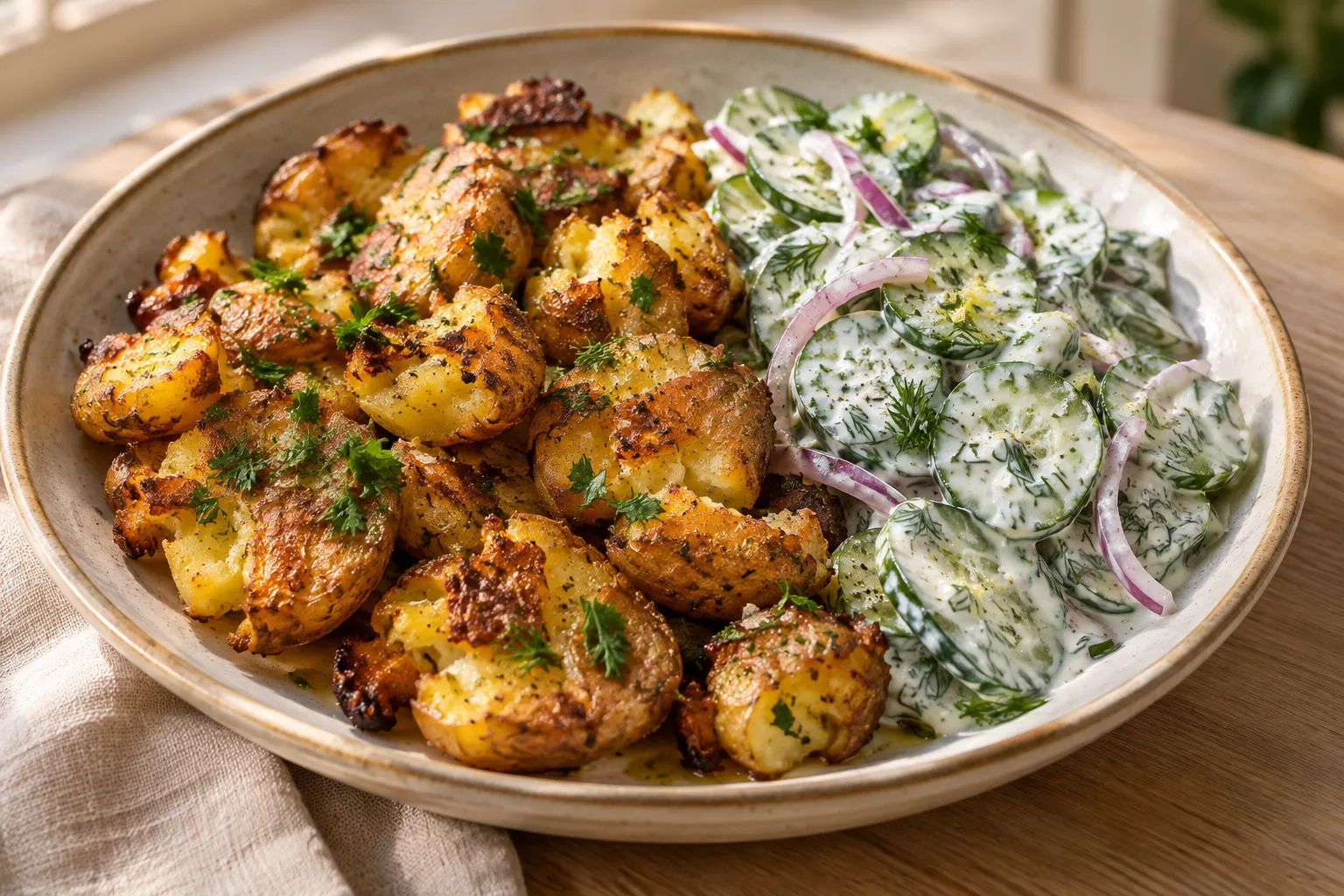
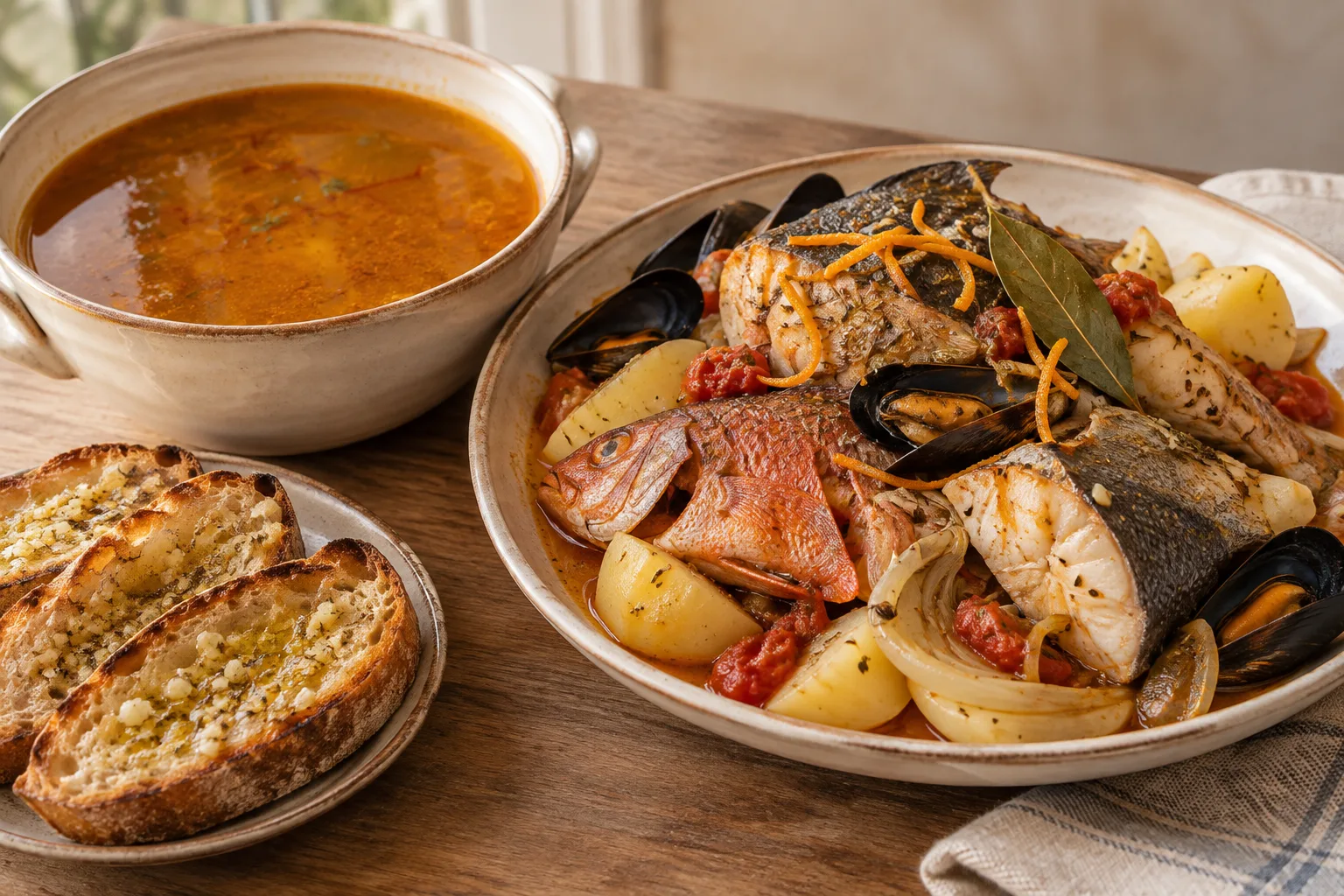
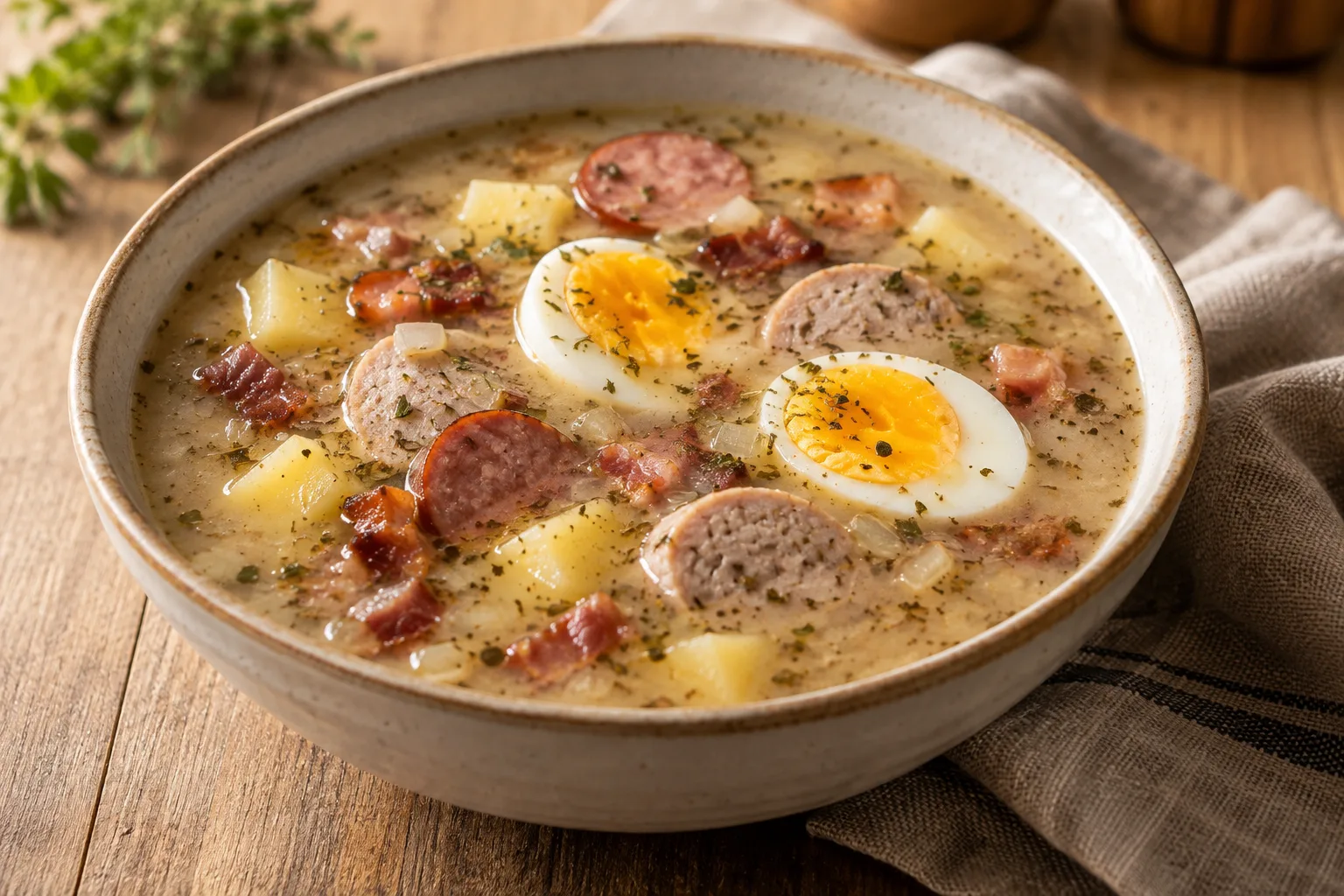
Wash potatoes before preparing them, then decide whether to cook them whole, with the skin on, peeled, or cut; the best choice depends on the dish. For pieces that should stay intact, make them a similar size and handle them carefully. Potatoes can be boiled, steamed, roasted, fried, or stewed; serve them in pieces, mash them, or add them to a tortilla-style dish. In a stew, a variety that partly breaks down can give the liquid more body, while a firm-fleshed one leaves more distinct pieces. Match the variety and cut to the texture you want.
Flavour and texture
Potatoes generally have a mild, adaptable flavor that works with many seasonings and other ingredients. Their texture changes substantially with variety and cooking method: they may remain firm, become tender, creamy or floury, or develop a crisp exterior. Flourier varieties tend to break down and are useful for mash and thicker stews; firm-fleshed potatoes hold their shape better when you want recognizable pieces.
How to choose it
Choose firm potatoes without obvious damage and in a size that suits your preparation. If the seller or packaging identifies a variety or suggests a use, take that information into account because potatoes respond differently to heat. For salads or intact pieces, look for a potato that holds its shape; for mash or a thick stew, a flourier texture may be useful. Skin color alone does not establish how a potato will cook, so prioritize the variety and stated use when that information is available.
Storage
Keep fresh potatoes in a dry, dark, well-ventilated place, away from damp conditions and direct light. Light can encourage greening, so check the potatoes while they are stored. Keep damaged pieces separate from sound ones and use the poorer-quality potatoes first. Shelf life depends on variety and actual storage conditions; the available evidence does not support one fixed storage duration for every potato.
Substitutions
If the named variety is unavailable, choose another potato with similar cooking behavior rather than relying only on its color or name. For pieces that need to stay intact, choose a firm-fleshed variety; for mash or to add body to a stew, choose a flourier one. A substitution can change the texture and final result, so watch how it cooks and adjust the cut and handling to suit the potato you have.
Common mistakes
A common mistake is to treat every variety as interchangeable: a potato that breaks down may not suit a salad of distinct pieces, while a firm one may produce a different style of mash. Cutting pieces to very different sizes can also work against even cooking. Choose according to the technique and texture you want, and do not assume that skin color alone predicts cooking behavior.
Safety and allergens
Wash potatoes before preparation and follow package directions for packaged or processed products. Check ingredient and allergen information on products such as prefried potatoes: their composition can vary, and official alerts have reported gluten in some products of this kind. This does not mean that unprocessed fresh potatoes contain gluten.
Culinary uses
- Ingrediente básico y componente principal
- Guarnición o acompañamiento
- Espesante para sopas, guisos y salsas
Recommended techniques
- Cocción en agua
- Cocción al vapor
- Asado
- Fritura
- Triturado para puré
- Guisado
Pairs well with
- Huevos
- Carne y aves
- Pescado
- Cebolla
Frequently asked questions
Which potatoes are suitable for mash?
A flourier variety is often suitable because it breaks down readily and gives a soft texture. Kennebec and Monalisa are among the varieties recommended for mash in the available evidence, although preparation also affects the result.
Which potatoes work for potato salad?
Choose a potato that holds its shape after cooking. Red Pontiac is mentioned as an option for cold salads, and firm-fleshed varieties are also described as useful when distinct pieces are wanted.
Can every potato be used for frying?
They do not all behave in exactly the same way. Agria, for example, is recommended for frying; other varieties may suit several methods but can produce different browning and texture. Use variety-specific guidance when it is available.
Why do potatoes break apart in a stew?
Variety and flesh texture affect how well a potato stays intact during cooking. A flourier potato may partly break down and thicken the liquid; if you want distinct pieces, try a firm-fleshed variety.
Estimated nutrition
- Fat
- 0 g
- Saturates
- 0 g
- Carbohydrate
- 17.6 g
- Sugars
- 0.68 g
- Fibre
- 1.4 g
- Protein
- 2.03 g
- Salt
- 0 g
Sources and review
Automatically researched, cross-checked and validated content. Sources consulted:
- En el etiquetado alimentario hay algunas menciones que son obligatorias eletiquetadocuentamucho.aesan.gob.es
- Client Challenge doi.org
- Aesan - Agencia Española de Seguridad Alimentaria y Nutrición aesan.gob.es
- 1.1.2-La Patata: historia, variedades y usos gastronómicos - GIRASOLES webgirasoles.com
- Patata española: Origen variedades y usos culinarios en la gastronomía española - LaRecetaSecreta.com larecetasecreta.com
- Variedades de patatas: tipos, características y usos culinarios – Patatas patatas.es
- Cocina de la papa - Wikipedia, la enciclopedia libre es.wikipedia.org
- La patata, origen y datos curiosos | masymas supermercados supermasymas.com
- Tipos de patatas: guía práctica de características y usos | Bartalent Lab bartalentlab.com
- Patatas: variedades y usos en la cocina - Ferjusanz ferjusanz-frutas-verduras.es
- Por qué la patata conquistó el mundo: su sorprendente historia elconfidencialdigital.com
- Tipos de patata y qué patata elegir según la cocción margavilan.substack.com
- Variedades de patatas, aprende a distinguirlas - Scoolinary blog.scoolinary.com
- Tipos de patatas y sus aplicaciones culinarias gourmet.expob2b.es
- Recetas con Patata - Gallina Blanca gallinablanca.es