- Category
- Oils and fats
- State
- Liquid
- Usual unit
- tablespoon
What it is
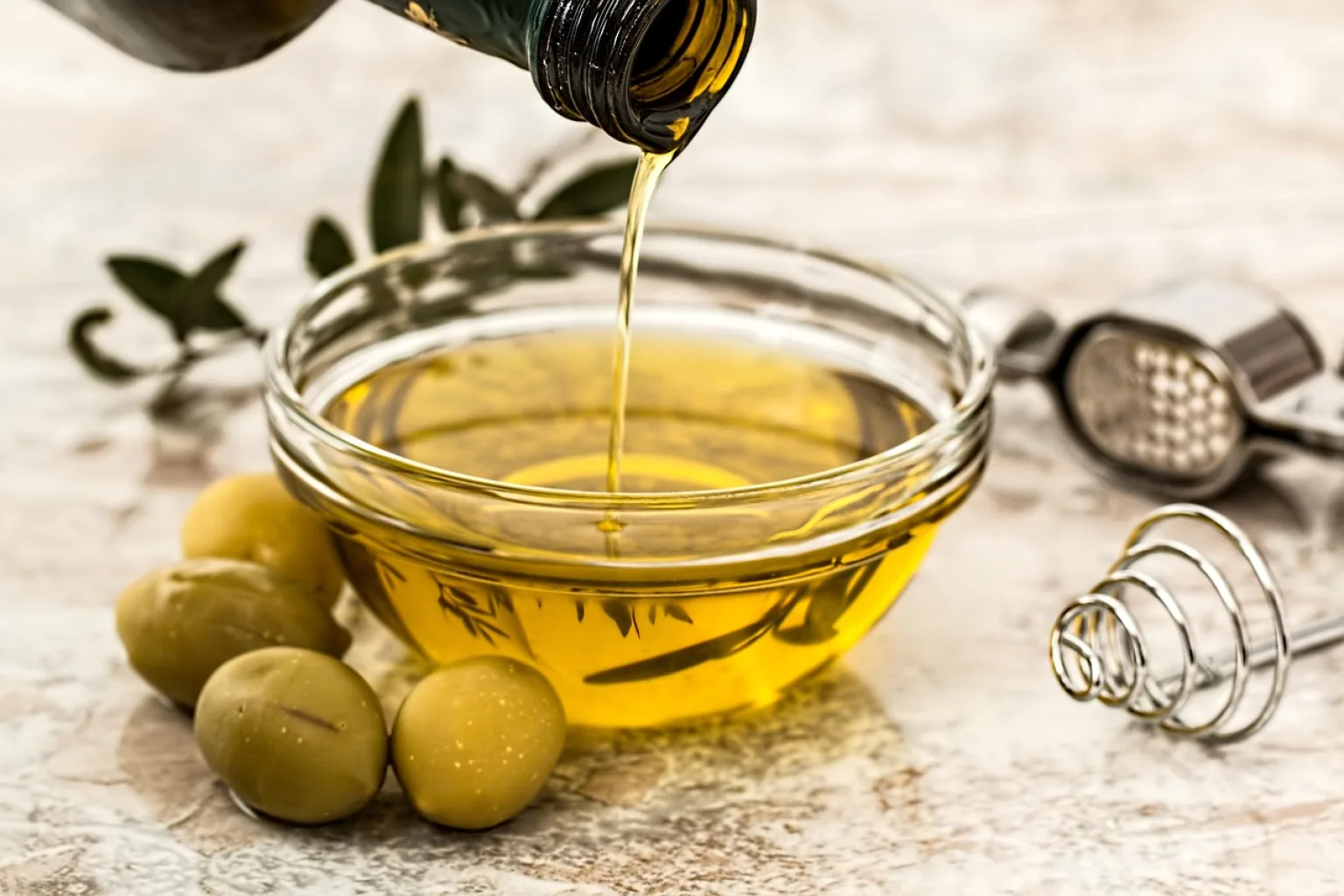
Vegetable oil is a liquid cooking fat obtained from plants. The name alone does not necessarily identify one particular plant: it may refer to an oil such as soybean or corn oil, or to a blend of oils. For that reason, there is no single flavor, aroma, or heating behavior that applies to every product sold under this name. The variety, degree of refining, and composition stated on the package can affect how the oil tastes and behaves when heated. In cooking, it can be used to cook food, contribute texture, or form part of dressings and other preparations. To find out what a particular product contains, check its product name and ingredient list on the label.
When to use it
Use it when a recipe calls for a mild-tasting fat, an oiled cooking surface, or oil mixed into a preparation, provided the specific product suits that use. The word “vegetable” does not guarantee that every bottle tastes the same or can be used at any temperature. For sautéing or frying, check information for the particular oil and avoid heating it until it smokes; different oils tolerate heat differently. For dressings, batters, or finishing, consider whether its neutral or distinctive flavor suits the dish. If a recipe depends on a pronounced oil aroma, generic vegetable oil may not be the flavor you want.
How to use it
First read the label to identify the oil or blend and any use guidance. Measure the amount called for and add it to a pan, dressing, or batter as appropriate. When cooking in a pan, heat the oil with the food or shortly before adding it, and watch that it does not begin to smoke; if smoke appears, take the pan off the heat and adjust the method before continuing. Do not assume all vegetable oils work equally well for sautéing, frying, baking, or uncooked use: flavor and heat tolerance vary with the specific oil. For a vinaigrette, combine it with vinegar or citrus juice and adjust the proportions to taste. In baking, use it only when the recipe allows for oil, keeping in mind that it can produce a different texture from a solid fat.
Flavour and texture
Generic vegetable oil has no single flavor profile. Some products taste mild, while others more clearly reflect the plant or blend used. Under ordinary conditions of use, culinary vegetable oils are liquid; their flow and texture may vary by product and conditions. In a dish, oil can help ingredients move easily, brown, or come together in a dressing. Check the label if you want a particularly neutral oil or a specific flavor.
How to choose it
Read the product name and ingredient list: “vegetable oil” alone may not reveal which plant oil is used. If you want a particular flavor, choose a product that identifies its oil and compare labels. Check that the container is intact and that use and storage directions are legible. If you need an oil for high-heat cooking or uncooked use, choose according to the specific product’s characteristics, not just the general wording on the front.
Storage
Follow the storage directions on the package, since the specific product may have its own requirements. As a quality-minded general practice, keep the bottle tightly closed and away from heat and direct light; do not leave it beside a heat source. Check the label for storage and use instructions. If the product has a clear change in smell or appearance, do not use it and review the manufacturer’s guidance.
Substitutions
Mild olive oil or canola oil can replace generic vegetable oil in some recipes, but they are not identical: they may change the flavor and their behavior under heat. Choose a substitute to suit the preparation and the information for the product. In baking, a liquid oil can replace some solid fat in certain recipes, but the finished texture may differ; do not treat this as a universal one-for-one swap.
Common mistakes
A common mistake is assuming that “vegetable oil” always means soybean oil, or that every bottle has the same flavor and suits every cooking method. The composition can vary, so check the label. Also avoid heating oil until it smokes: excessive heat can damage its flavor and quality. In a delicately flavored recipe, an oil with a pronounced aroma may overwhelm the result.
Safety and allergens
Check the product label for ingredients and storage and use directions. The general name alone does not confirm which oils a bottle contains; if you need to avoid a particular ingredient, verify the package information and ask the manufacturer or seller for clarification when necessary.
Culinary uses
- Aportar grasa y ayudar a transferir el calor durante la cocción
- Contribuir a la textura y servir de base para aliños
Recommended techniques
- Saltear a calor moderado, evitando que el aceite humee
- Mezclar en aliños y vinagretas
- Incorporar a masas y preparaciones horneadas
Pairs well with
- Verduras y hortalizas
- Vinagre o zumo de cítricos en aliños
- Harinas y masas para hornear
Frequently asked questions
What exactly is in vegetable oil?
The name may refer to oil from one plant or to a blend. Check the product name and ingredient list on the package to identify the specific product.
Can I use it for frying?
That depends on the specific oil and its product guidance. Do not assume every vegetable oil behaves the same under heat, and avoid letting the oil smoke.
Can I substitute olive oil?
It may work in many preparations, but olive oil can add a different flavor. Also consider the intended cooking method and the characteristics on its label.
Estimated nutrition
- Fat
- 100 g
- Saturates
- 14.3 g
- Carbohydrate
- 0 g
- Sugars
- 0 g
- Protein
- 0 g
- Salt
- 0 g
Sources and review
Automatically researched, cross-checked and validated content. Sources consulted:
- En el etiquetado alimentario hay algunas menciones que son obligatorias eletiquetadocuentamucho.aesan.gob.es
- Aceite vegetal - Wikipedia, la enciclopedia libre es.wikipedia.org
- Pantry Food Storage | Ohioline ohioline.osu.edu
- Food Selection & Storage | Home & Garden Information Center hgic.clemson.edu
- Choose the Best Cooking Oil uaex.uada.edu
- Agencia Española de Seguridad Alimentaria y Nutrición aesan.gob.es
- Kitchen Companion: Your Safe Food Handbook ucanr.edu
- Aceite Vegetal Hidrogenado doi.org
- Cooking with Fats and Oils: Can they withstand the heat? - Kendall Reagan Nutrition Center chhs.colostate.edu
- 4 Tips For Cooking With Oil - Escoffier escoffier.edu
- Expand your healthy cooking oil choices - Harvard Health health.harvard.edu
- Food Storage in Home | USU extension.usu.edu
- Storing Food for Safety and Quality | University of Idaho uidaho.edu
- Cooking Oils: Which One When, and Why? | University of Rochester Medicine urmc.rochester.edu
- Listado Aceites Vegetales: El aceite de oliva y otras variedades tiendaybarra.es
- - YouTube youtube.com
- Beneficios y usos de los aceites vegetales en la cocina - Assolim assolim.com