- Category
- Herbs and spices
- State
- Powdered
- Usual unit
- teaspoon
What it is
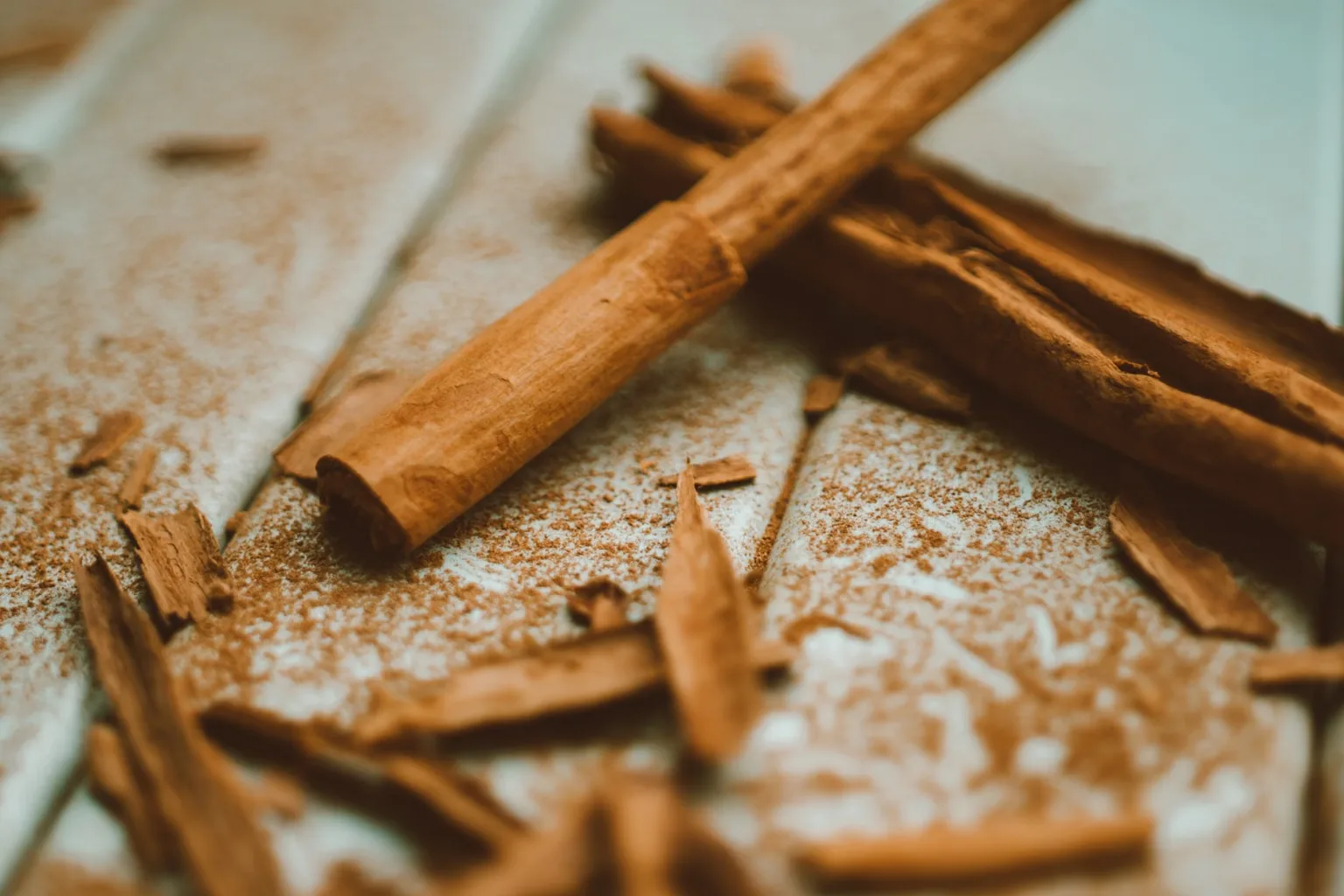
Ground cinnamon is a powdered spice made by grinding the dried inner bark of trees in the Cinnamomum genus. The name can cover different varieties, including Ceylon cinnamon and cassia, so aroma and intensity can vary. Because it is already ground, it is easy to blend into batters, creams, drinks and spice mixes, or to sprinkle over a finished dish.
When to use it
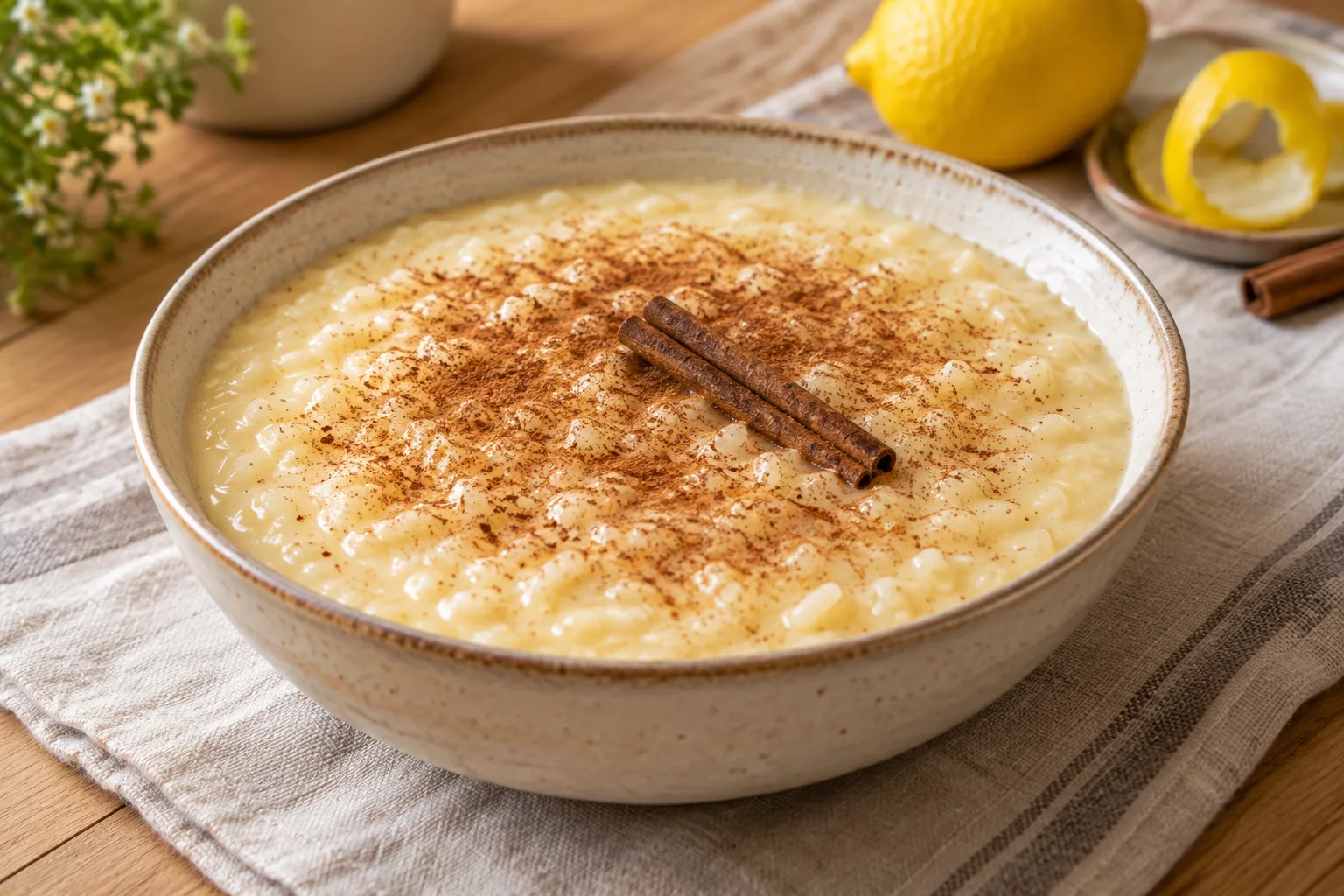
Use it when you want to add a warm, distinctive aroma to sweet dishes such as rice pudding, custards, compotes, fruit, cookies and cakes. It can also lend fragrance to coffee, tea, chocolate and other drinks. In savory cooking, it can add an aromatic note to some spice blends, curries, rice dishes and preparations with lamb. Choose the amount to suit the cinnamon’s intensity and the balance you want.
How to use it
Mix it with the dry ingredients for a batter, or stir it into a cream, compote or rice preparation so the aroma is distributed evenly. In drinks, stir thoroughly so the powder does not remain concentrated on the surface. You can also sprinkle it over toast, fruit, desserts or drinks just before serving. For savory dishes, begin with a small amount in the spice mixture and adjust to taste; too much cinnamon can taste bitter and feel gritty.
Flavour and texture
Its profile is generally warm, sweet and aromatic, with intensity that varies by variety and product. Cassia can taste stronger and spicier, while Ceylon cinnamon is often more delicate. As a powder, it has a fine texture, but it can seem gritty if too much is used or it is not blended in well.
How to choose it
Look for packaging that clearly identifies the product and, if the variety matters to you, check whether it names Ceylon cinnamon or cassia. Ground cinnamon may be a blend of varieties, and appearance alone cannot reliably identify its contents. Choose an intact package and check the available ingredient and allergen information on the label.
Storage
Keep it in a tightly closed container in a cool, dry place away from direct light and moisture. Avoid leaving the package open near cooking steam, as moisture and air can affect its aromatic qualities. If the product provides specific storage instructions, follow the label.
Substitutions
There is no exact substitute for ground cinnamon. Nutmeg, clove or allspice can contribute warm, earthy notes, but each has a different aroma. Start with a small amount and taste before adding more; the result will not exactly reproduce cinnamon’s profile.
Common mistakes
A common mistake is adding too much cinnamon: it can overwhelm other flavors, taste bitter and leave a gritty texture. Do not assume all ground cinnamon has the same profile; variety and blending can change its intensity. Blend the powder in well and adjust gradually.
Safety and allergens
Check the label for ingredients and allergen information, especially for products sold in bulk or in blends. Food authorities have issued alerts concerning raw materials used for ground cinnamon; pay attention to official notices and follow the product’s instructions.
Culinary uses
- Aromatizante para preparaciones dulces
- Condimento para platos salados
- Especia para bebidas y mezclas de especias
Recommended techniques
- Incorporar en masas, cremas y otras mezclas
- Espolvorear sobre alimentos o bebidas al servir
- Añadir a mezclas de especias
Pairs well with
- Arroz con leche y otros postres de leche
- Manzana y otras preparaciones de fruta
- Chocolate, café y bebidas calientes
- Curris, cordero y platos de arroz
Frequently asked questions
Can ground cinnamon and cinnamon sticks be used interchangeably?
They can provide a similar aroma, but ground cinnamon blends into a dish while a stick can be removed after infusing. Adjust the amount to suit the recipe.
Can ground cinnamon be used in savory dishes?
Yes. It can be used in curries, spice blends, rice dishes and some preparations with lamb; use it in moderation.
How can I avoid a gritty or bitter result?
Use a small amount, blend it in well and taste before adding more. Too much can cause either effect.
Estimated nutrition
- Fat
- 1.24 g
- Saturates
- 0.34 g
- Carbohydrate
- 80.6 g
- Sugars
- 2.17 g
- Fibre
- 53.1 g
- Protein
- 3.99 g
- Salt
- 0.02 g
Sources and review
Automatically researched, cross-checked and validated content. Sources consulted:
- En el etiquetado alimentario hay algunas menciones que son obligatorias eletiquetadocuentamucho.aesan.gob.es
- Client Challenge doi.org
- Aesan - Agencia Española de Seguridad Alimentaria y Nutrición aesan.gob.es
- Presentamos nuestra herramienta de maridaje de ingredientes culinarios basmatic.com
- Canela: propiedades, tipos y usos en la cocina que deberías conocer hogarmania.com
- Todo sobre la canela, cómo usarla y sus beneficios abc.es
- La canela: origen, tipos, usos y beneficios de una especia única lasrecetascocina.com
- Canela Molida sucesoresdeignaciolopez.com
- Canela de Ceilán: Origen, Usos y Beneficios - Blog iO.GENIX tienda.iogenixnutrition.com
- Todo sobre la canela: propiedades, beneficios, qué es y cómo utilizarla en cocina directoalpaladar.com
- Canela: sus usos en la cocina - Ingredientes culinarios cocinaycome.com
- Canela molida de Ceylan - Comprar Online - La Parada de las Especias comprarespecias.net
- Canela (¿molida, cruda, orgánica?) | Fundación G+E diet-health.info
- Arroz con leche - Wikipedia, la enciclopedia libre es.wikipedia.org
- Canela molida 600g x 1 ud. - Conservas Dani danionline.es
- ¿Qué es la canela? – COMMEMEMUCHO commememucho.com
- Quenelles de Brochet: La Receta Francesa con el Maridaje Vino Perfecto | Gastrona gastrona.app