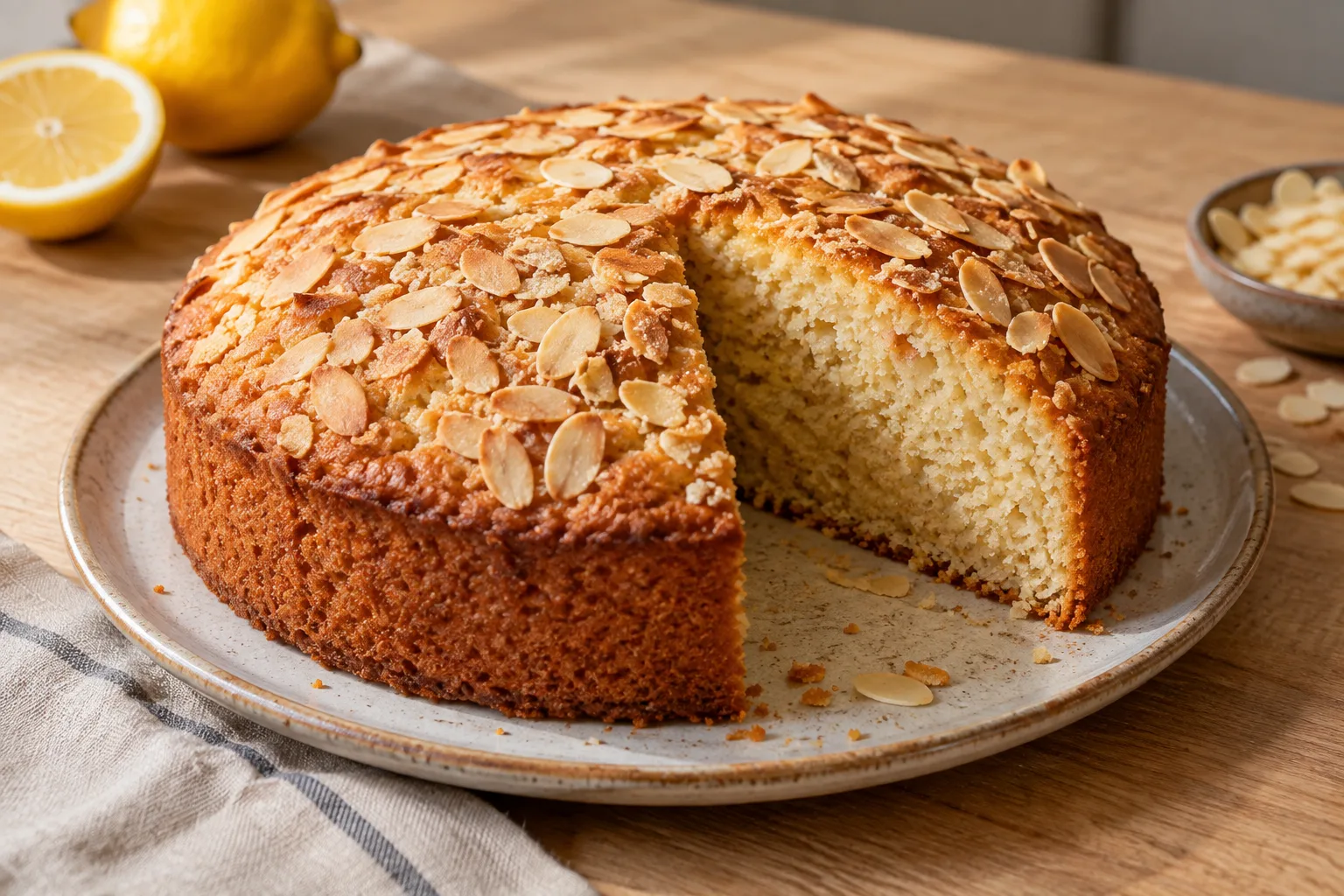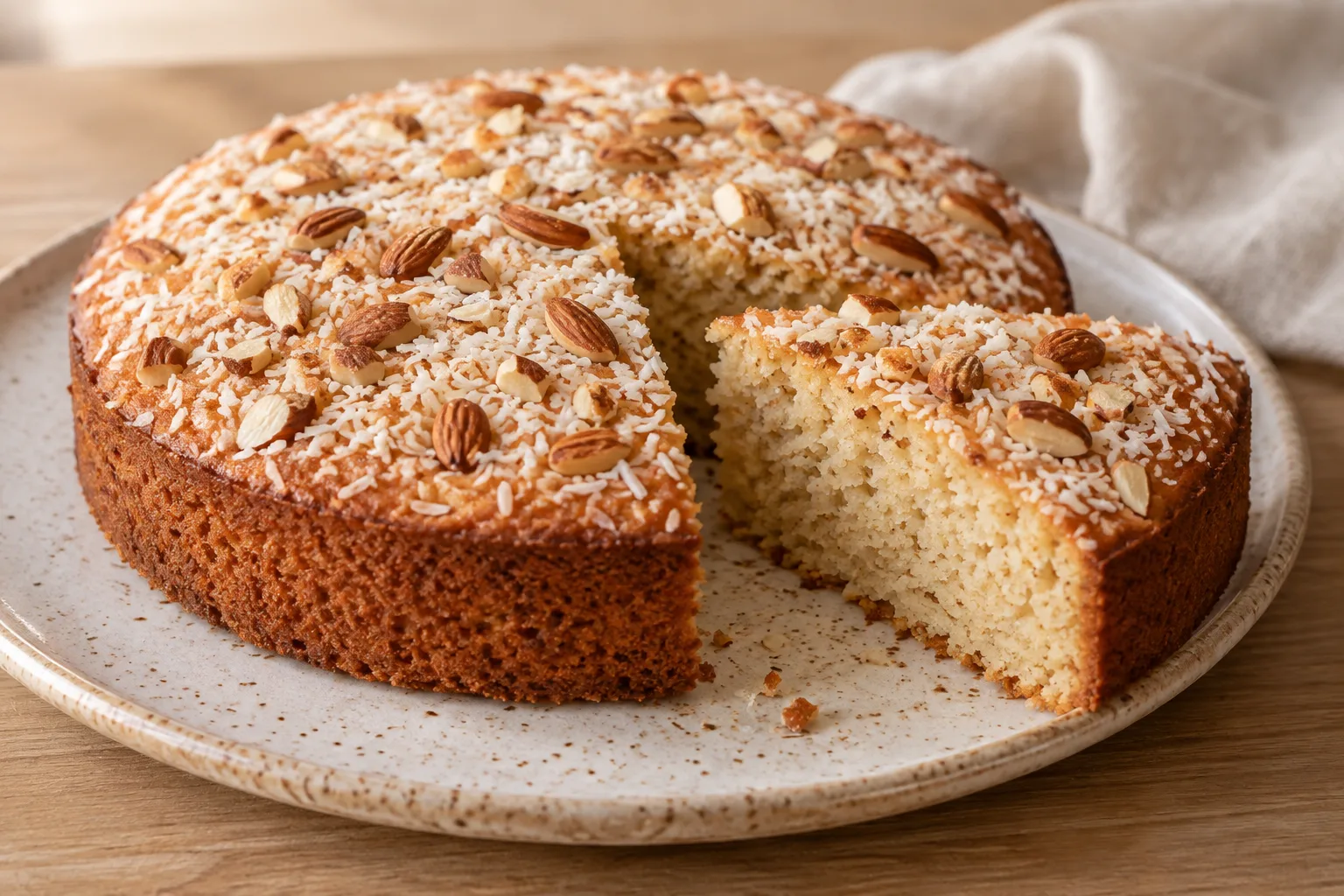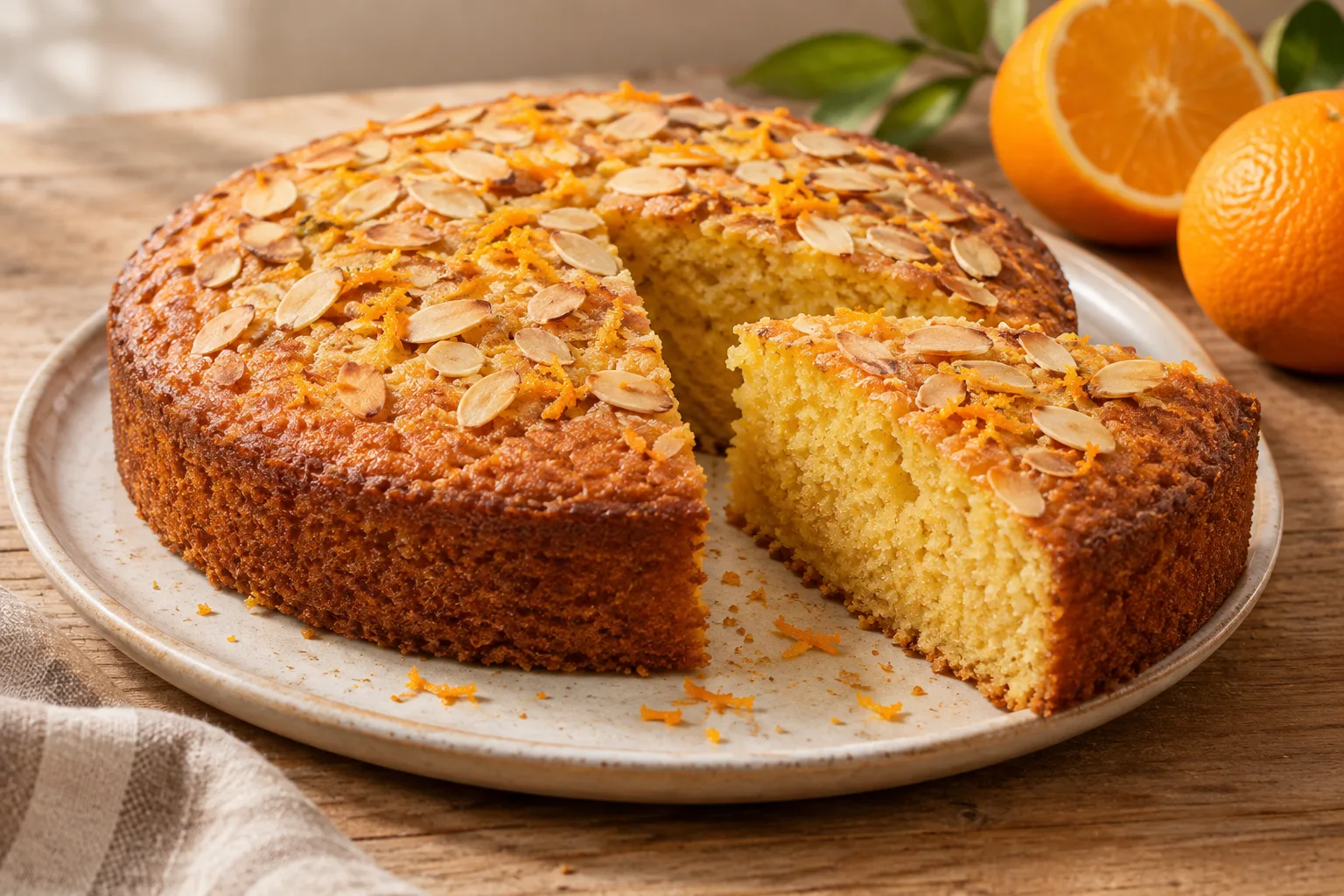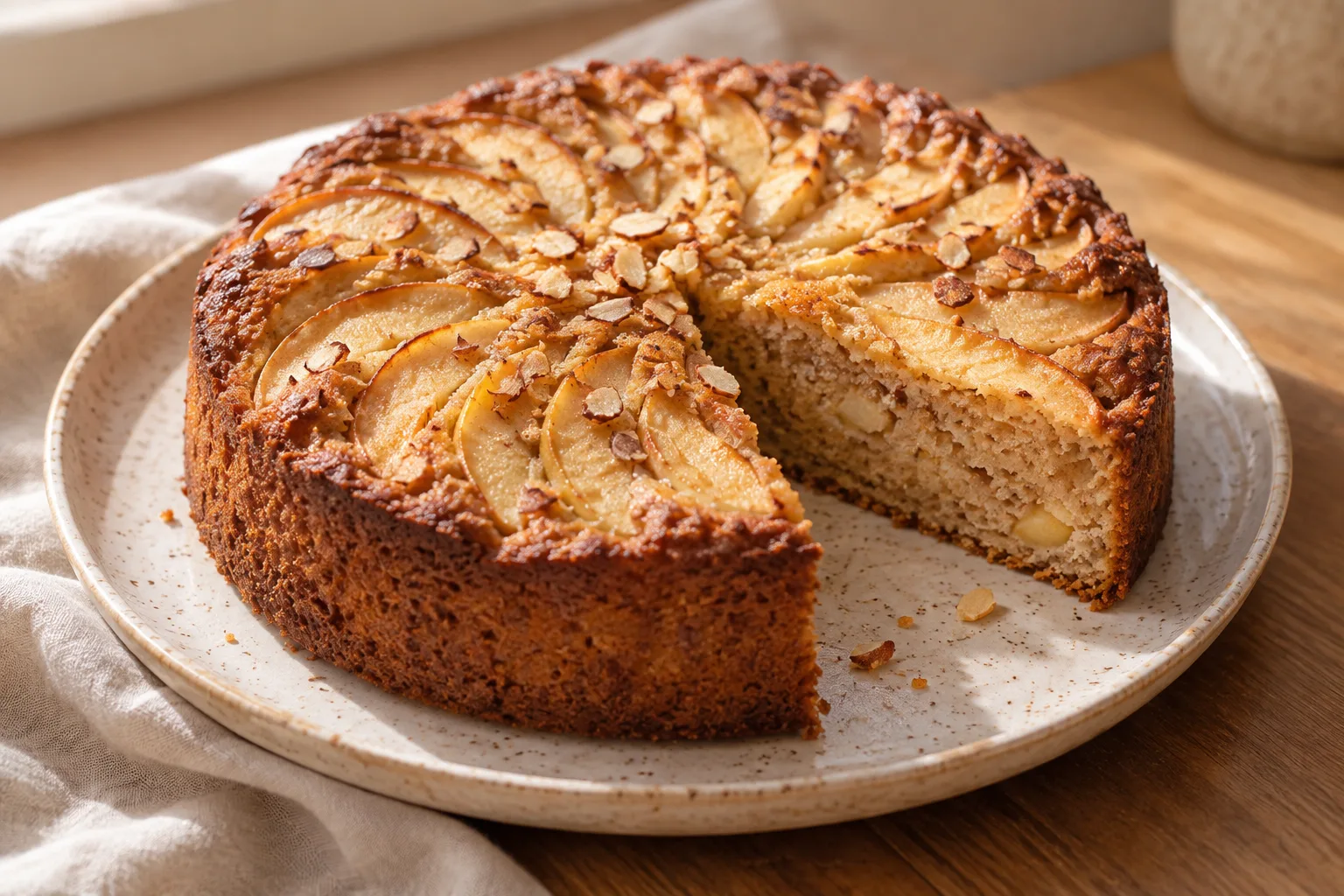
- Category
- Baking
- State
- Powdered
- Usual unit
- g
What it is
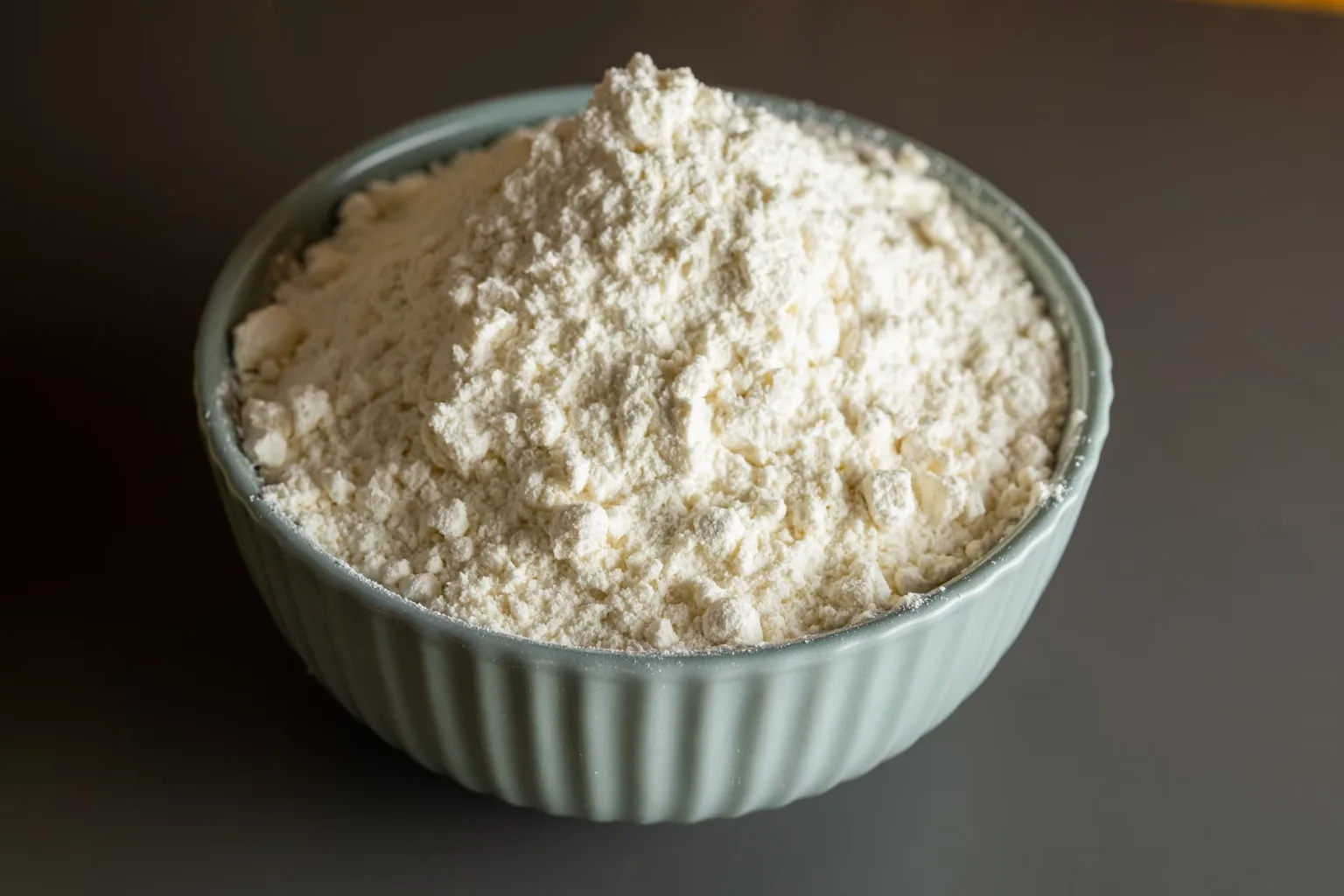
Baking powder is a powdered leavening agent formulated to produce gas in a batter. It commonly combines an alkaline component, usually baking soda, with one or more acidic components and an ingredient that helps keep the mixture stable. When it meets liquid, and also as the mixture heats during cooking, the components generate carbon dioxide. The resulting bubbles help the batter expand and become lighter. Despite the word “yeast” in some names used for this ingredient, baking powder is not a living yeast and does not ferment like baker’s yeast. Commercial formulas can differ, so check the package for the specific product’s ingredients.
When to use it
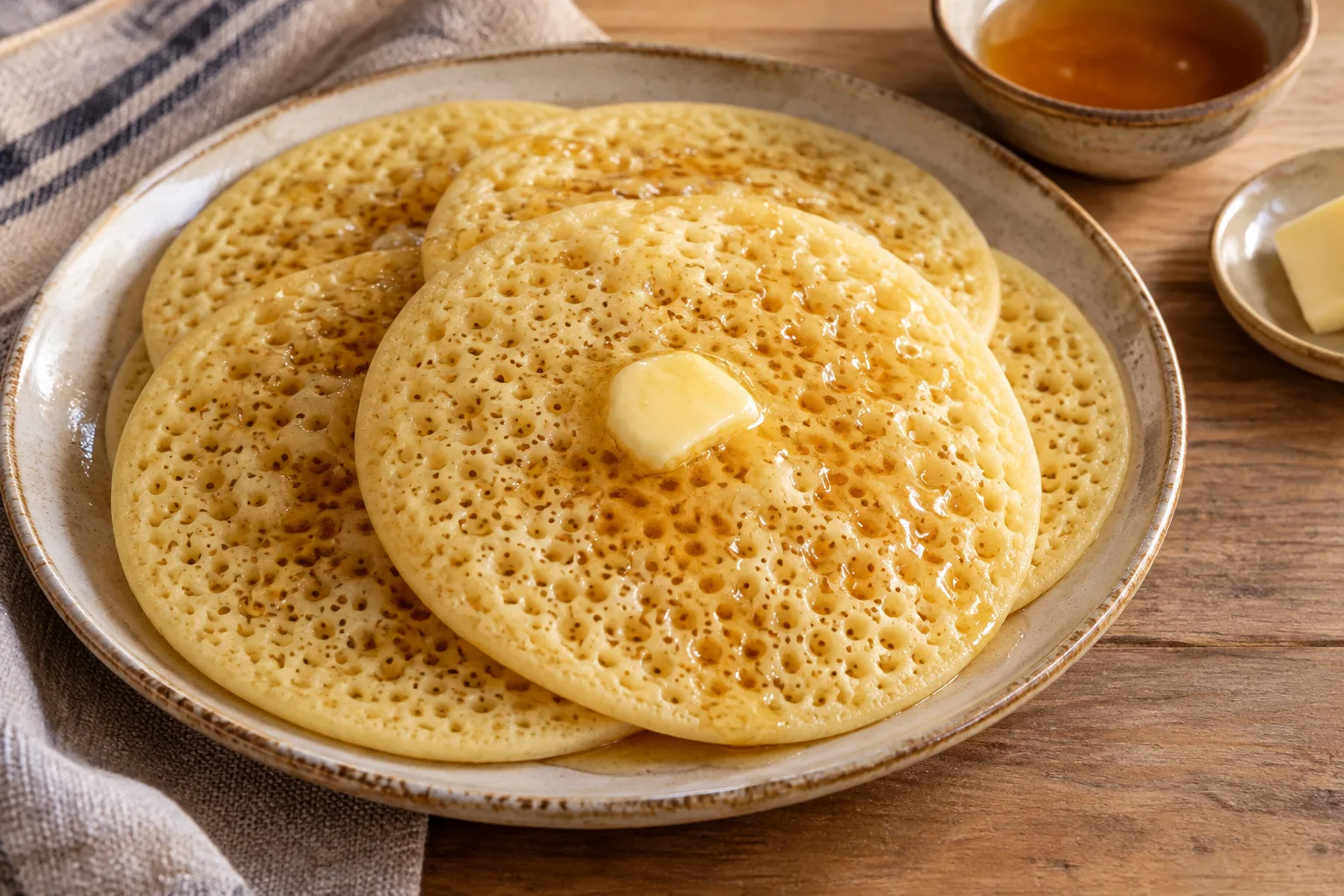
Choose baking powder when a recipe calls for it and is intended to rise as a batter or similar mixture cooks. It is commonly used in cakes, muffins, cookies, and pancakes. Do not automatically swap it for fresh or dried baker’s yeast: those work through fermentation and are used for doughs that need that process. Baking powder can work in some specific preparations, but it does not by itself create the same characteristics as fermented bread.
How to use it
Follow the amount and method in the recipe, since the suitable proportion depends on the formula. To distribute the leavener evenly, mix it with the dry ingredients, such as flour, before adding liquids. Then prepare the batter as directed and bake or cook it according to the recipe; it generally does not require a fermentation rest beforehand. Do not add extra on the assumption that more will always improve the rise: too much can undermine the result. If substituting another leavener, use a recipe adapted for that change, since alternatives can affect flavor, texture, and liquid balance.
Flavour and texture
Its main purpose is to aerate and leaven a mixture, not to add fermentation flavor. In a well-proportioned recipe, it can help create a lighter crumb with small bubbles throughout. The final texture also depends on the other ingredients and how the batter is prepared and cooked. Incorrect use or an improvised substitution may produce a different result, so follow the recipe’s formulation rather than increasing the amount without guidance.
How to choose it
Look for a product labeled baking powder, and do not confuse it with fresh or dried baker’s yeast. Read the label and check the ingredients if you need to avoid a particular substance, since formulas can vary between products. Also check the maker’s directions for use and storage. A brand name or powder-like appearance alone does not show that one product can be substituted for another.
Storage
Read and follow the storage instructions on the package, as directions can depend on the product. Protect the powder from moisture and close the package after use: contact with liquid is part of the gas-producing reaction, so avoid letting the product get wet in storage. Do not assume a particular shelf life if the package does not specify one; check the date and the manufacturer’s instructions before using it.
Substitutions
There is no universal replacement that preserves exactly the same result. Baking soda combined with an acid can work when a recipe is formulated for that combination; the amounts depend on the other ingredients. In selected preparations, whipped egg whites or aquafaba can add air, but they do not necessarily produce the same effect. Baker’s yeast is not a direct substitute either: it ferments and requires a different process. Expect possible changes in flavor, rise, and texture when changing the leavener.
Common mistakes
A frequent mistake is confusing baking powder with baker’s yeast and using them as though they were equivalent. Uneven mixing, choosing a different amount from the recipe without a reason, or replacing it with baking soda without considering the mixture’s acidity can also affect the result. Do not assume that adding more will always make a batter lighter: the outcome depends on the formula and even distribution of the leavener.
Safety and allergens
Check the product and recipe labels, especially if you have an allergy or intolerance: ingredients can vary, and allergen information should be checked on the label. Follow the manufacturer’s directions for use and storage. Do not use the product if a damaged package or moisture makes it difficult to identify or assess confidently.
Culinary uses
- Chemical leavening for batters
- Helps create a lighter, more aerated texture in baked goods
Recommended techniques
- Distribute it evenly through the dry ingredients before adding liquids
- Mix it into the batter according to the recipe and bake without a fermentation rest
Pairs well with
- Cake and muffin batters
- Pancake and cookie mixtures
Frequently asked questions
Is baking powder the same as baker’s yeast?
No. Baking powder produces gas through a reaction between its components; baker’s yeast is a fermentation agent. Do not substitute one directly for the other.
Does a baking powder batter need to rest?
It does not need a fermentation rest like dough made with baker’s yeast. Follow the recipe’s method and cook the mixture as directed.
Can I replace baking powder with baking soda?
Not automatically. Baking soda needs a suitable acidic ingredient and appropriate proportions; use a recipe designed for that substitution.
Estimated nutrition
- Fat
- 0 g
- Saturates
- 0 g
- Carbohydrate
- 0 g
- Sugars
- 0 g
- Protein
- 0 g
- Salt
- 14.58 g
Sources and review
Automatically researched, cross-checked and validated content. Sources consulted:
- En el etiquetado alimentario hay algunas menciones que son obligatorias eletiquetadocuentamucho.aesan.gob.es
- Sistema de gestión de la seguridad alimentaria (SGSA) aesan.gob.es
- Levadura química. ¿Qué es? Cómo emplearla en la cocina abc.es
- Tipos de levadura, características y usos | IFEMA MADRID ifema.es
- Tipos de Levadura: ¿Cómo saber cuál escoger? | ¡Descúbrelo! levanova.es
- ¿Qué es la levadura química? | Panadería Chapela chapela.es
- Levadura: tipos de levadura y diferentes usos cocinatis.com
- El desarrollo de la levadura química - American Chemical Society acs.org
- ¿Qué es la levadura química o de repostería?... cocinista.es
- Levadura: qué es, tipos y beneficios bonviveur.com
- Levadura Química - ¿Este ingrediente es vegano? - La Guía Veg laguiaveg.com
- Levadura de panadería vs Levadura química: Diferencias y usos harinaliacanarias.es
- Aceituna - Wikipedia, la enciclopedia libre es.wikipedia.org
- ¿Con Qué Sustituir la Levadura Química? 7 Alternativas Sencillas mae-innovation.com
- 🥖 Cómo SUSTITUIR LA LEVADURA en una Receta cocina.es
- Alternativas a la Levadura: Análisis y Comparativa de los Mejores Sustitutos para tus Recetas de Pastelería pasteleriamarianohernandez.es