- Category
- Vegetables
- State
- Fresh
- Usual unit
- unit
What it is
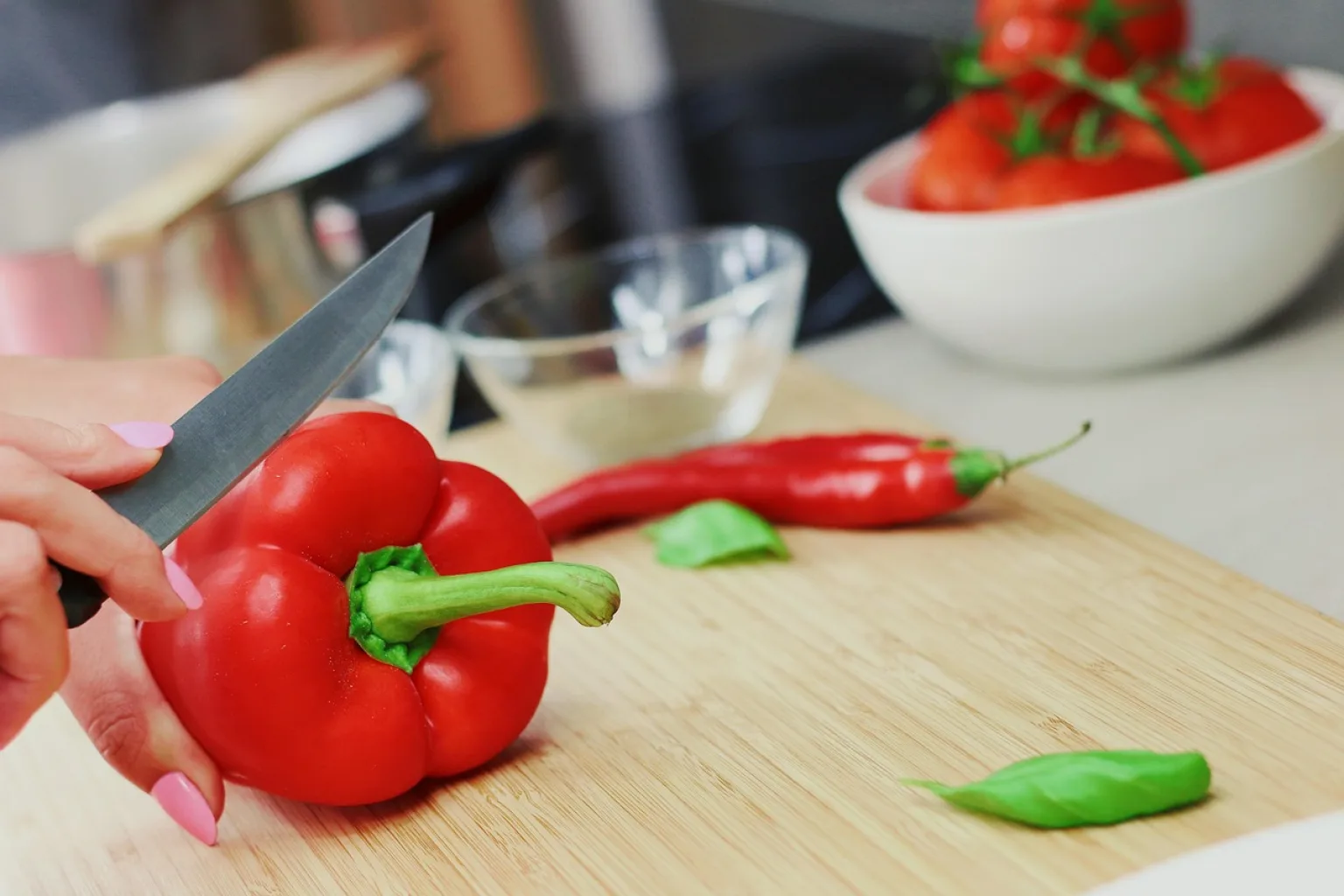
A red bell pepper is the fresh fruit of a plant in the Capsicum genus, used in cooking as a vegetable. It is not the same as paprika: paprika is a ground seasoning made from dried peppers, while this profile covers the fresh ingredient. Peppers differ in shape, size, fleshiness and flavor; red bell peppers are commonly described as sweet and fleshy, though the exact qualities depend on the variety. The inside contains seeds and inner parts that can be removed before cooking. Red bell pepper can be served raw or cooked and used as a main feature, such as when stuffed, or in smaller amounts to add color, texture and flavor to another dish.
When to use it
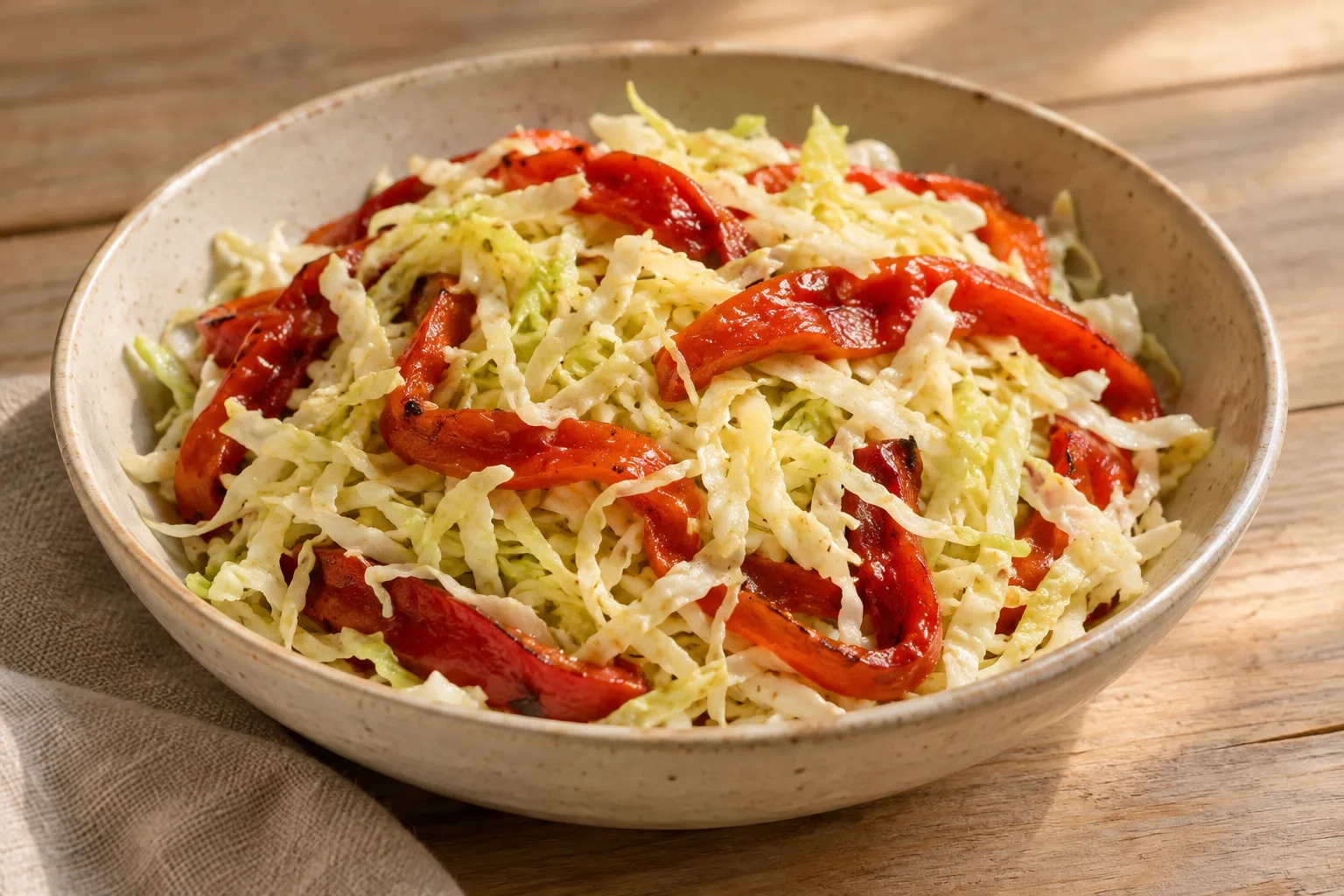
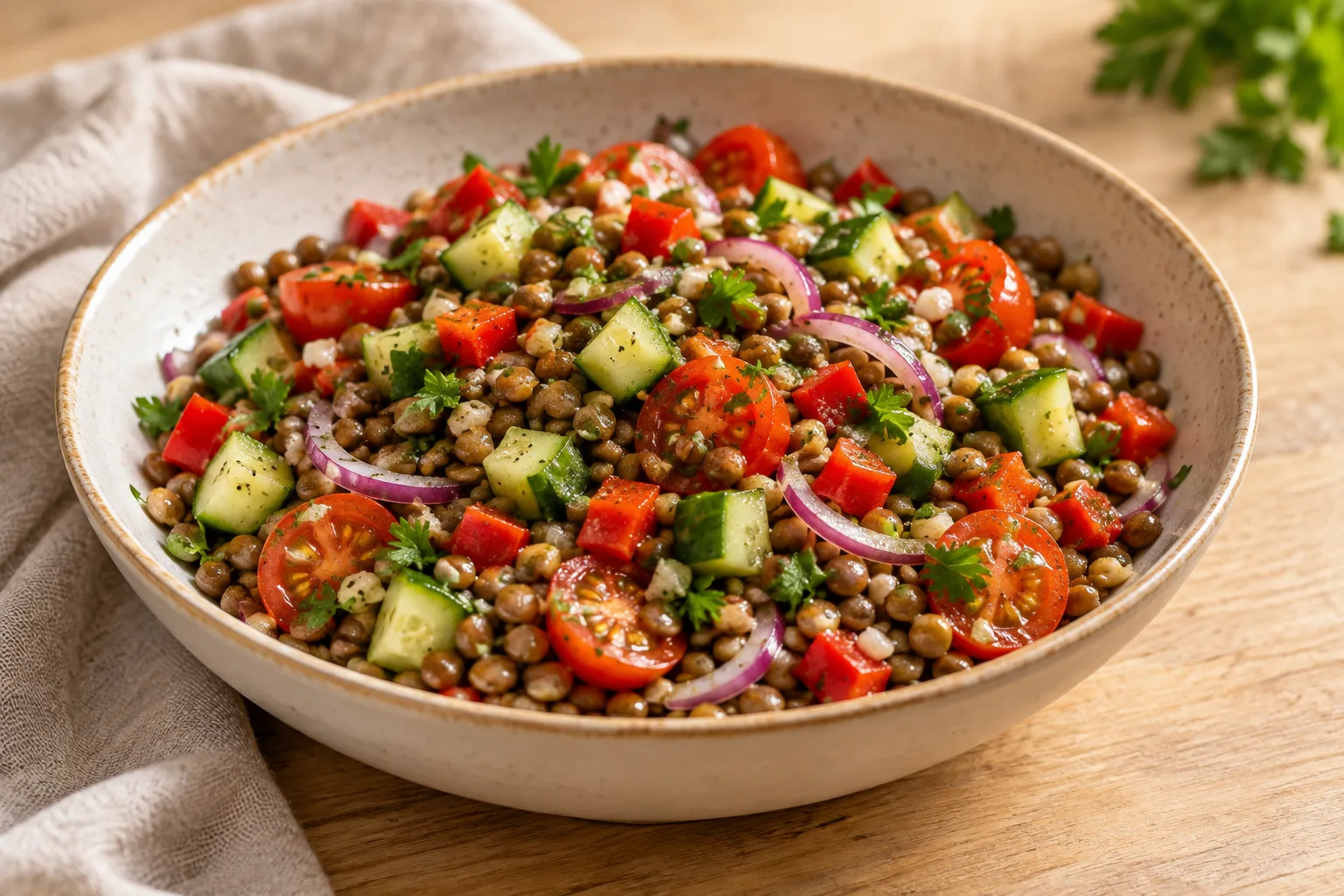
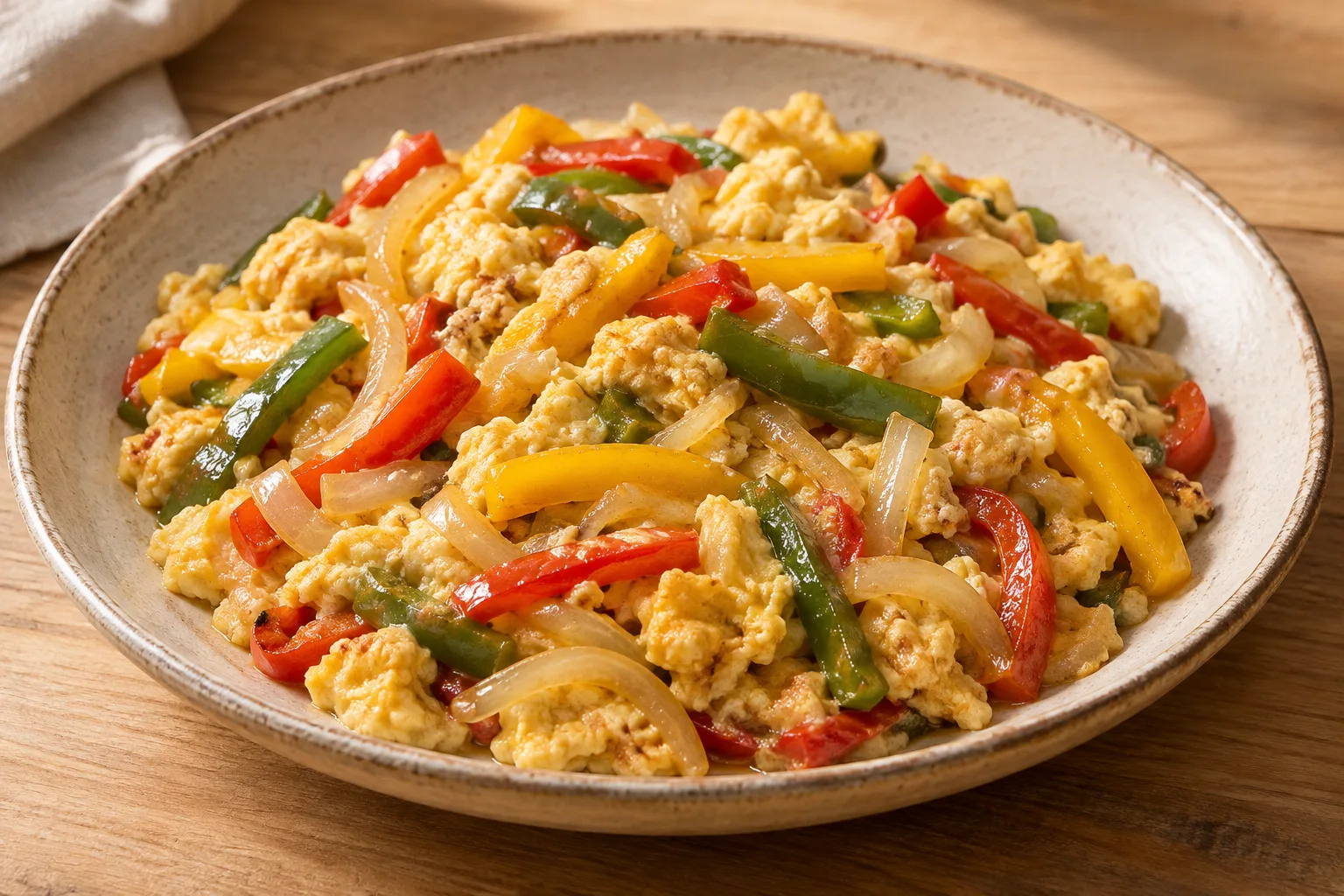
Use it raw when you want color and a crisp texture in salads and other cold dishes. In hot preparations, add it to sautéed dishes, stews, sauces or rice, where it contributes vegetable flavor and sweetness. It can also be roasted and served as a side or in a warm salad, and its shape makes it suitable for stuffing. Red pepper is not identical in flavor to green or yellow peppers, so the swap may change the dish. Choose the preparation for the texture and flavor you want, and do not confuse the fresh fruit with dried, ground paprika.
How to use it
Before cooking, wash the pepper, cut it open and remove the stem, seeds and inner parts if you do not want them in the dish. For a salad, slice or dice it and serve it raw for a crisp texture. For a sauté or stew, cut it into even pieces and cook it with the other ingredients specified in the recipe. It can also be fried, boiled or roasted, and used in sauces and side dishes. To stuff it, keep the pepper intact and follow a reliable recipe for the filling and cooking method. Roasted pepper can be served as a side or added to a salad. Match the cut and technique to the recipe: there is no single cooking time that applies to every variety and size.
Flavour and texture
Red bell pepper is generally sweet, fleshy and aromatic, although the variety affects its flavor. Raw, it is firm and crisp; roasting makes it softer and more tender, while frying gives it a richer, more yielding texture. Its strong color brings visual appeal to salads and cooked dishes. These differences are normal: size, flesh thickness and cooking method all affect texture, so choose a technique to suit the result you want.
How to choose it
Choose peppers that look firm and have intact skin; individual peppers do not all need to have the same size or shape. Variety affects flesh thickness and best use: fleshy peppers work well for roasting or stuffing, while suitable peppers of many shapes can be sliced for salads or cooked in stews. Check that you are buying fresh bell pepper rather than dried paprika or preserved pepper. If the product is packaged, read its label and follow the guidance for that specific presentation.
Storage
The available evidence does not establish a specific storage condition or shelf life for fresh red bell pepper, so a universal time should not be assumed. If it is packaged, follow the storage instructions on the label; food information may provide guidance when special conditions are needed. For loose produce, consult the seller or an official food-storage source. This profile does not establish safe storage times for pepper once cut or cooked.
Substitutions
Yellow bell pepper can replace red in salads and cooked dishes, but its flavor may differ. Green bell pepper also works in many preparations, especially cooked ones, though it is described as more vegetal and less sweet. Neither option guarantees the same color, sweetness or texture as red. Paprika is not a direct substitute: it is a dried, ground seasoning rather than a fresh pepper.
Common mistakes
Do not confuse fresh red bell pepper with paprika; they are different products and do not provide the same texture or function. Do not assume every pepper has the same sweetness, flesh thickness or cooking behavior: variety matters. Raw pepper stays crisp in a salad, while roasting or frying changes its texture. Avoid assuming a universal cooking or storage time that is not stated for the product.
Safety and allergens
The evidence reviewed provides no specific safety warning for fresh red bell pepper. Wash and prepare it with clean utensils, and follow any applicable storage and use directions on the package. This profile cannot establish a safe storage period for pepper after it has been cut or cooked.
Culinary uses
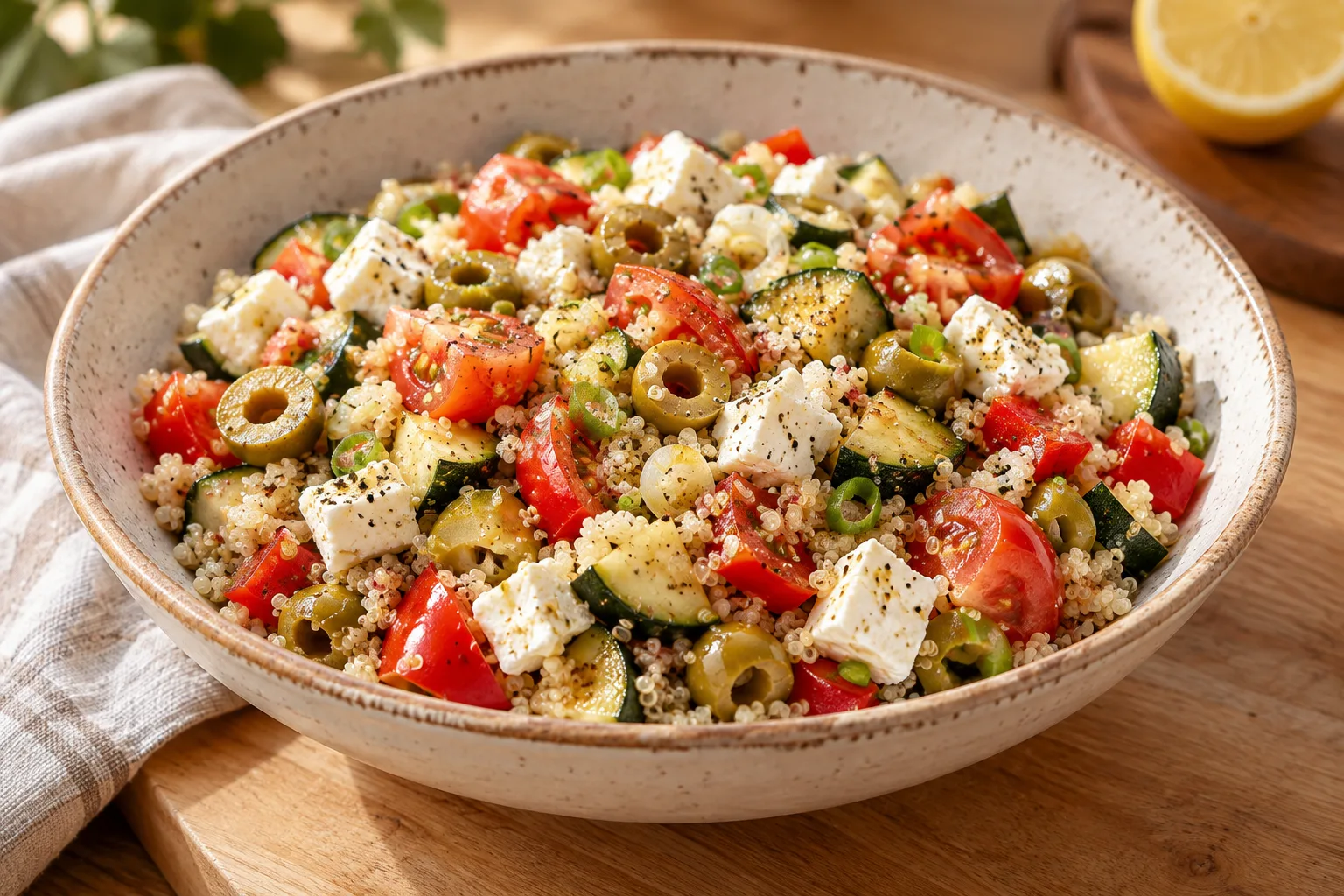
- Fresh ingredient for salads and cold dishes
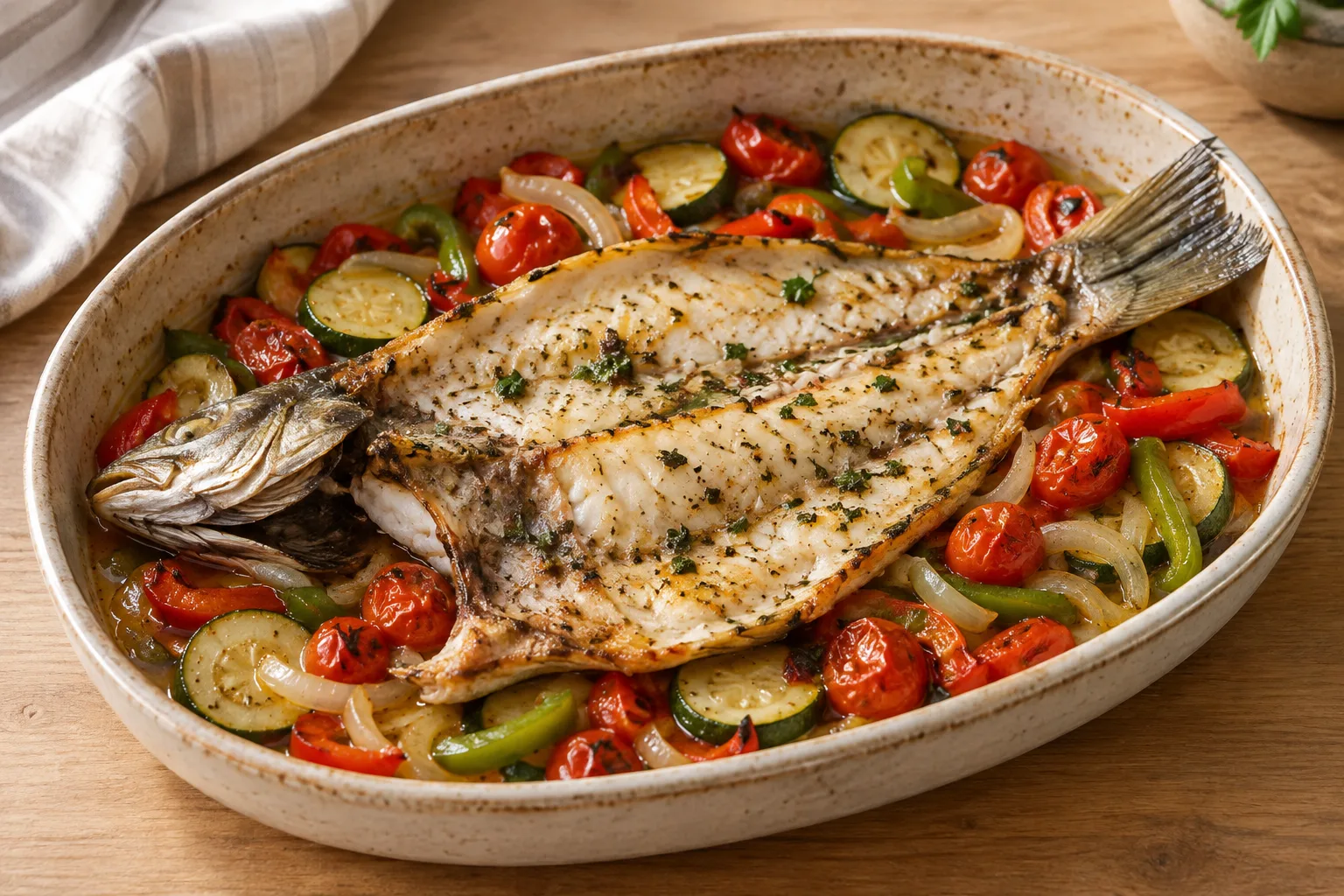
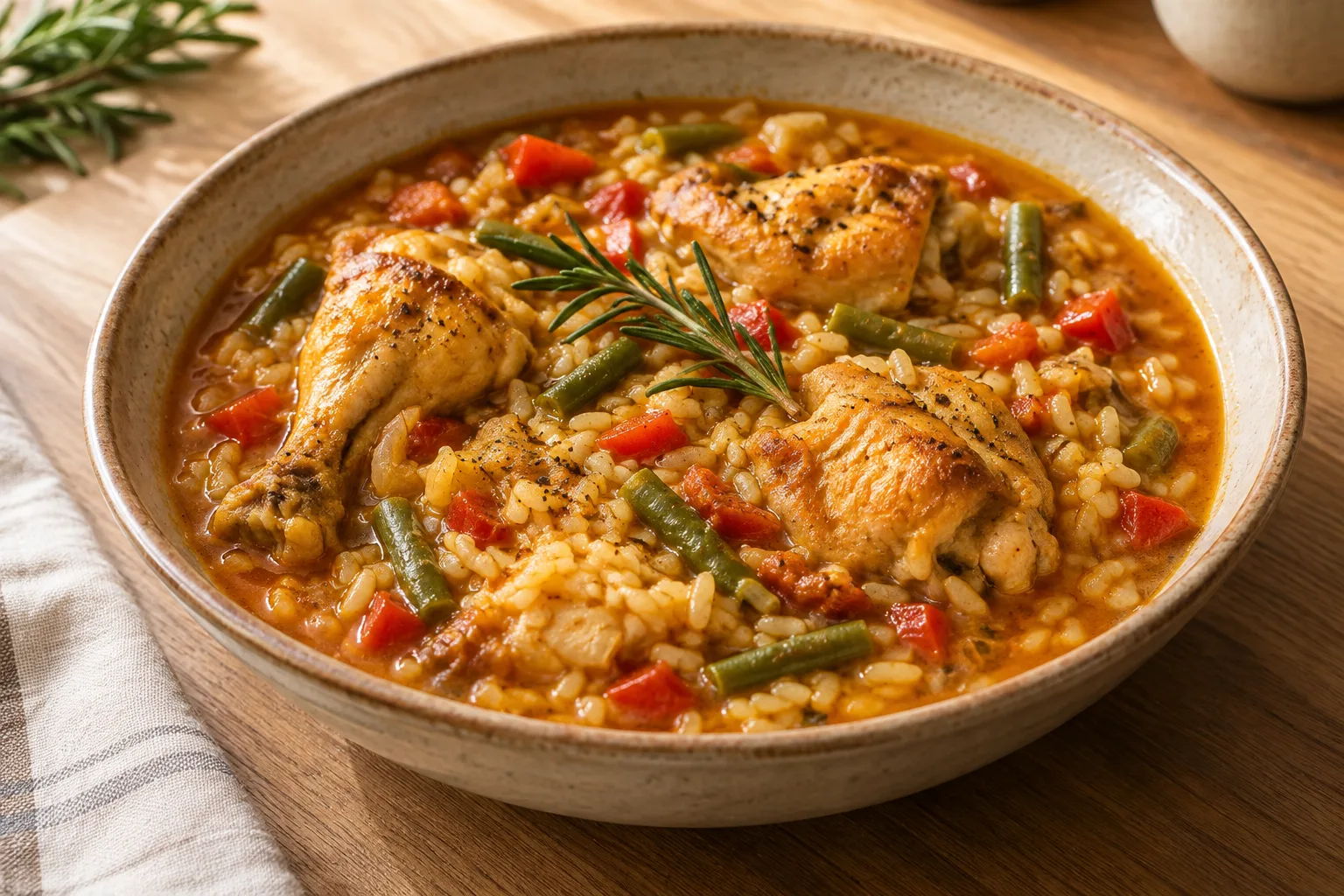
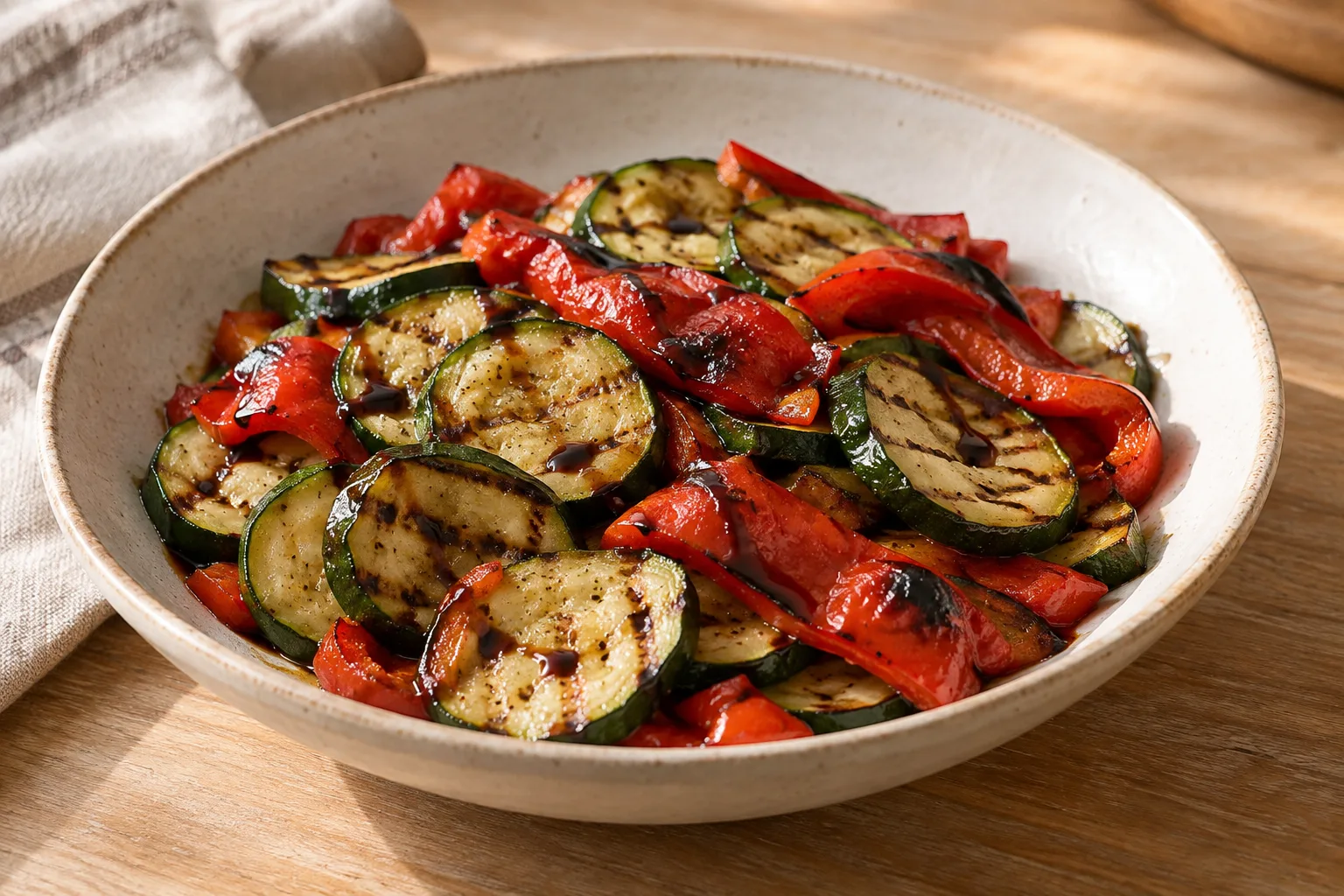
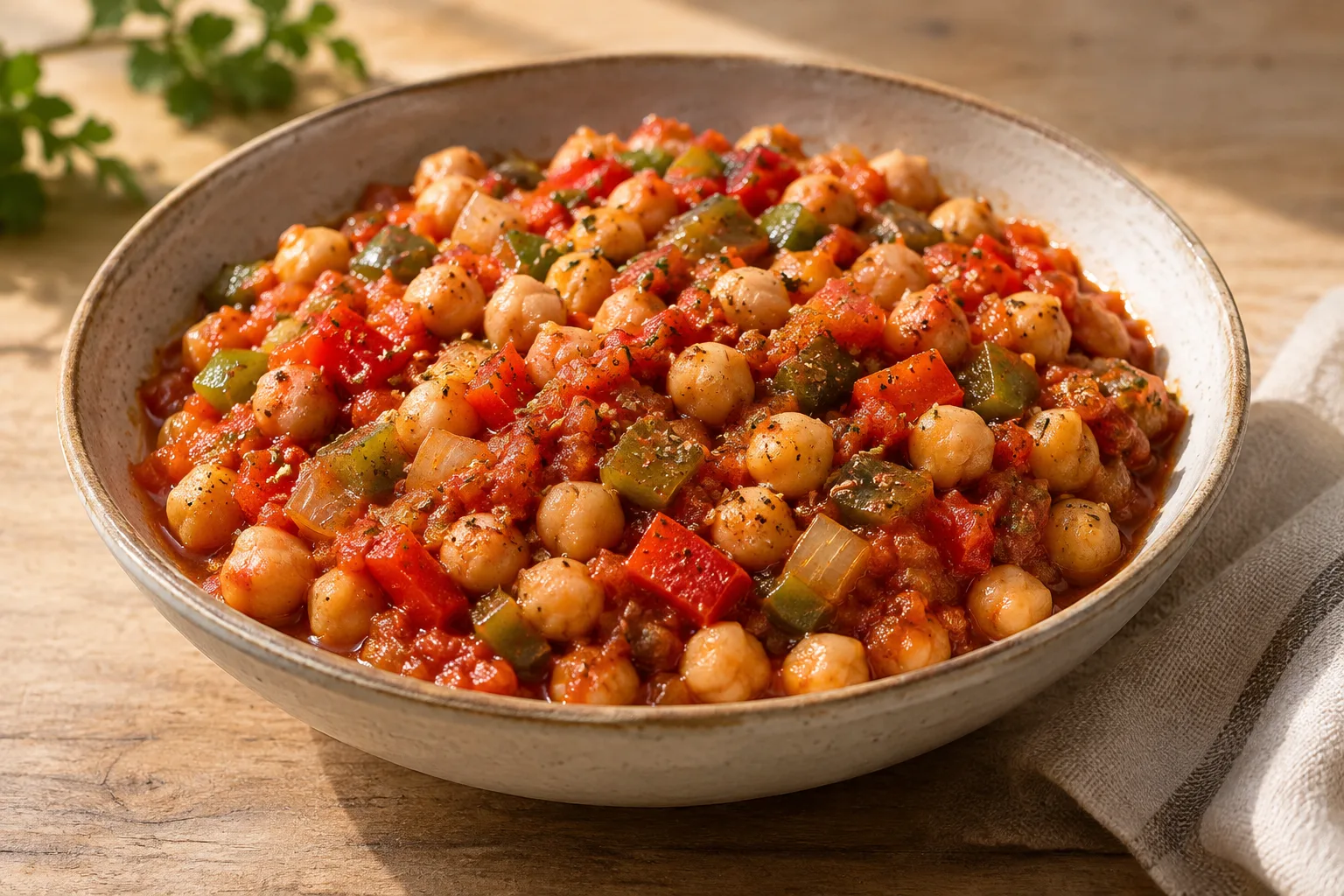
- Vegetable for roasting, sautéing, frying, stuffing, sauces and stews
Recommended techniques
- Eat raw, sliced or diced
- Roast
- Sauté or fry
- Boil
- Stuff and cook
Pairs well with
- Rice and grains
- Meat or fish
- Legumes and other vegetables
- Olive oil, onion and tomato in salads or cooked dishes
Frequently asked questions
Is fresh red bell pepper the same as paprika?
No. Red bell pepper is a fresh vegetable; paprika is a ground seasoning made from dried peppers.
Can I eat red bell pepper raw?
Yes. Slice or dice it for salads and other cold dishes, where it adds color and crisp texture.
How else can I cook it?
It can be roasted, sautéed, fried or boiled, and used in sauces, stews or stuffed preparations.
Can I substitute green or yellow pepper?
Often, yes, but flavor, color and texture may change; green pepper is generally less sweet and more vegetal.
Estimated nutrition
- Fat
- 9.84 g
- Saturates
- 4.92 g
- Carbohydrate
- 8.2 g
- Sugars
- 3.28 g
- Fibre
- 1.6 g
- Protein
- 1.64 g
- Salt
- 1.06 g
Sources and review
Automatically researched, cross-checked and validated content. Sources consulted:
- En el etiquetado alimentario hay algunas menciones que son obligatorias eletiquetadocuentamucho.aesan.gob.es
- Client Challenge doi.org
- Pimentón - Wikipedia, la enciclopedia libre es.wikipedia.org
- Variedades de pimientos más populares y algunas recetas con ellos hola.com
- Artes culinarias/Ingredientes/Pimiento - Wikilibros es.wikibooks.org
- Pimiento rojo - Florette florette.es
- Pimiento: Variedades (Rojo, Verde, Padrón), Propiedades y Cultivo frutamerca.com
- Pimiento rojo totalmercas.com
- El pimiento rojo:¿ una verdura o un condimento? - Grupo Gastronómico El Almirez ggelalmirez.com
- Qué es el pimentón: guía completa sobre su origen, variedades y usos – Reposteriaypasteleria.com.es reposteriaypasteleria.com.es
- Pimientos: variedades y usos en cocina - CocinoPedia.com cocinopedia.com
- El pimiento: propiedades, variedades y beneficios para la salud; por Pablo Ojeda lasexta.com
- Recetas fáciles con pimiento rojo: 3 ideas rápidas y sabrosas anchoasdeluxe.com
- Los 6 mejores sustitutos del pimiento con receta - NewFoodHub nwfoodhub.com
- Pimiento rojo Km 0 de Lleida dulce, jugoso y cultivado en huerto propio para ensaladas, salsas y conservas - Km0 km0andanifruits.com
- Las mejores recetas con pimiento rojo · El cocinero casero elcocinerocasero.com