- Category
- Pulses
- State
- Other
- Usual unit
- taza
What it is
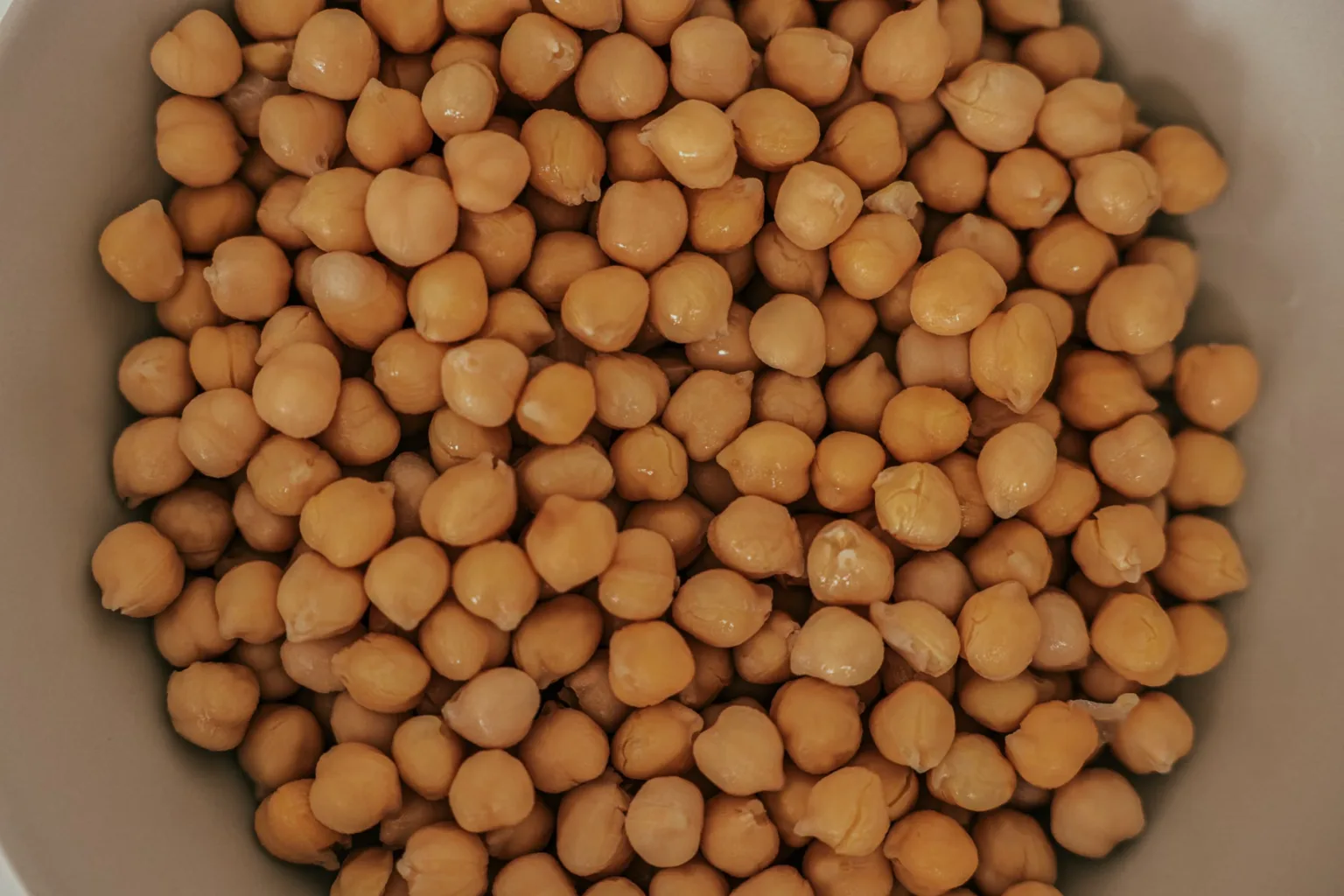
Cooked chickpeas are the mature seeds of the chickpea plant that have already been cooked. They are often sold canned or in jars, sometimes in their cooking liquid and sometimes with added salt; they can also be cooked at home from dried chickpeas. Because they are already cooked, they offer a convenient way to add this legume to a meal without starting with dry beans. Their firmness, shape and seasoning can vary with the product and preparation, so taste them and adjust the dish before serving.
When to use it
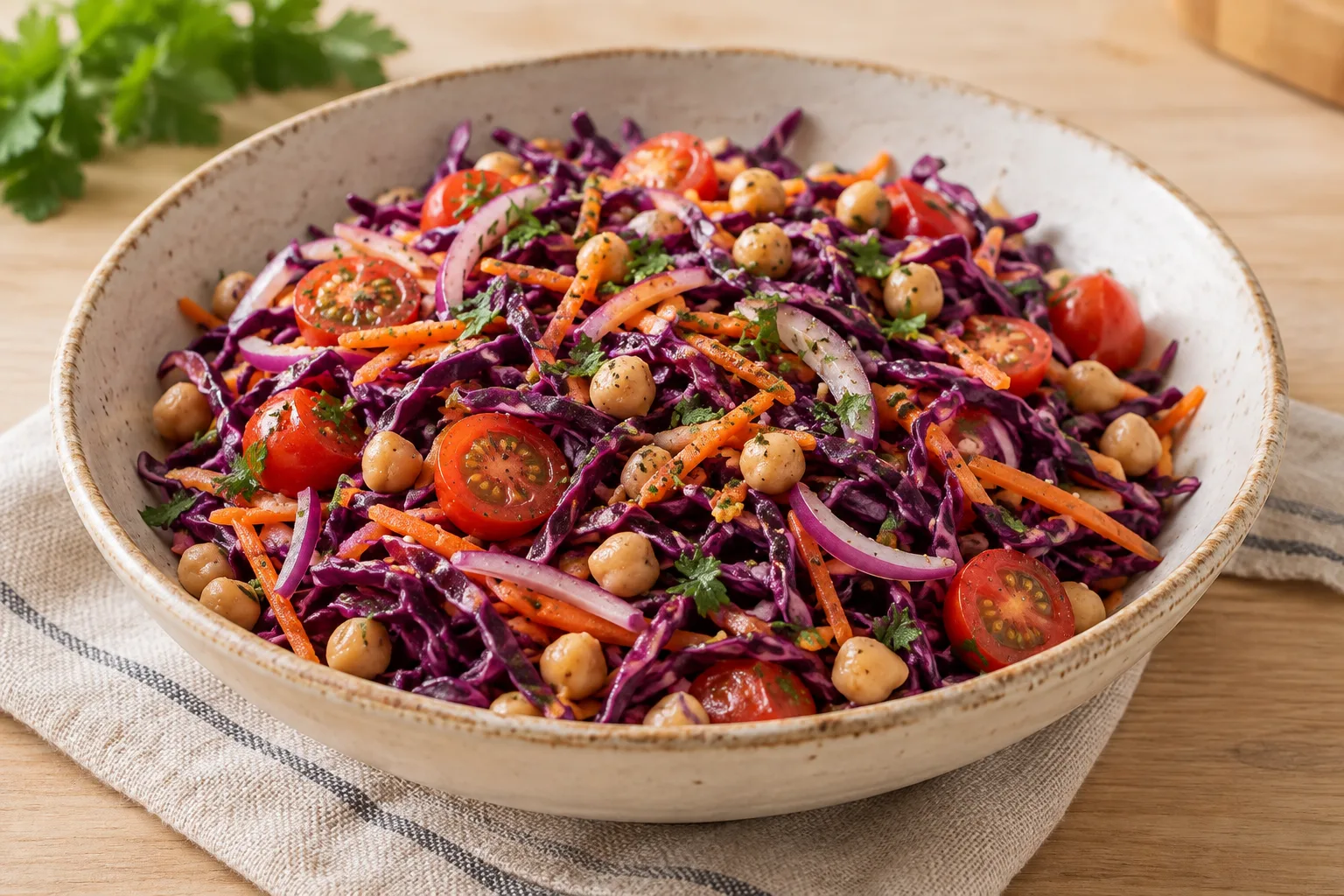
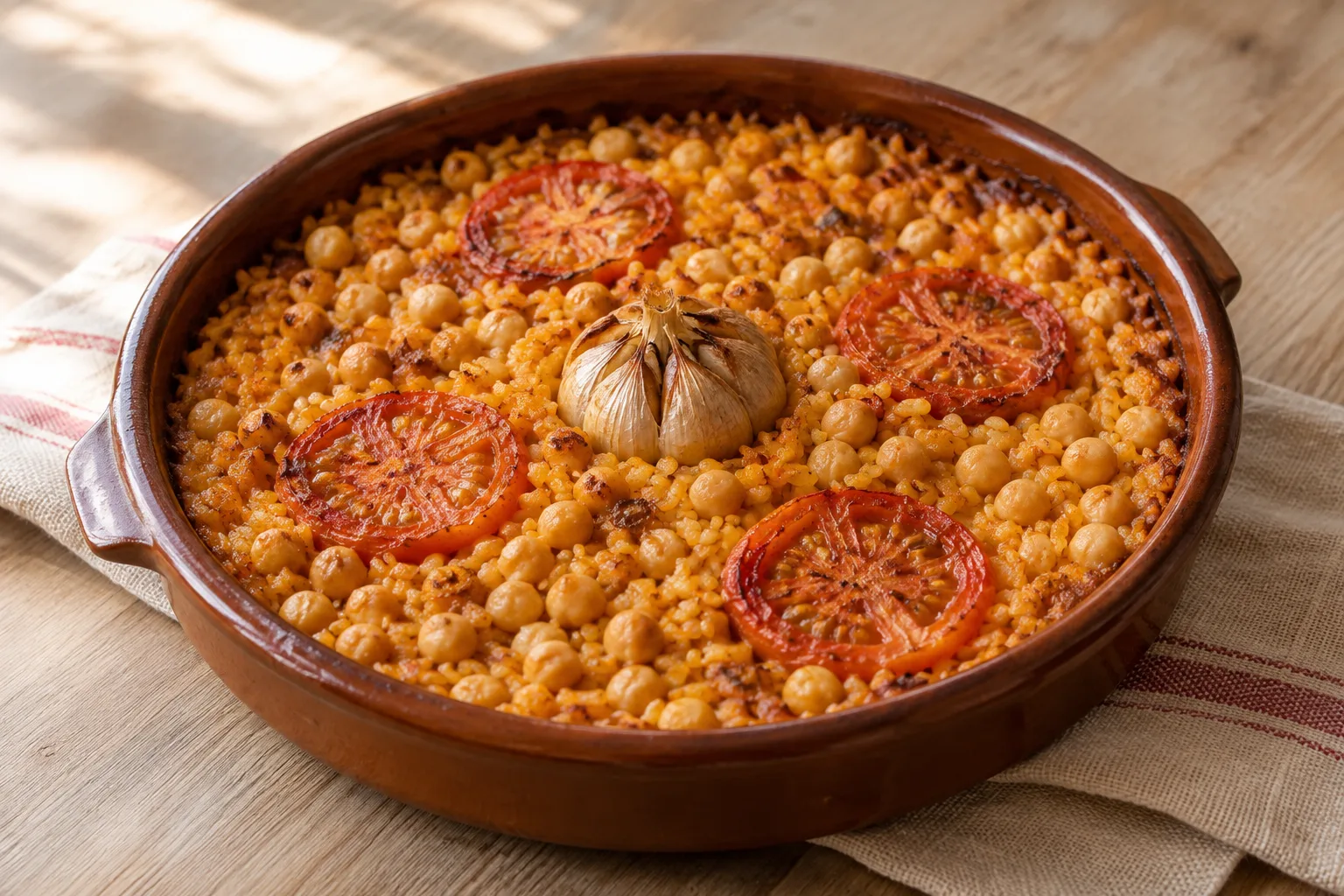
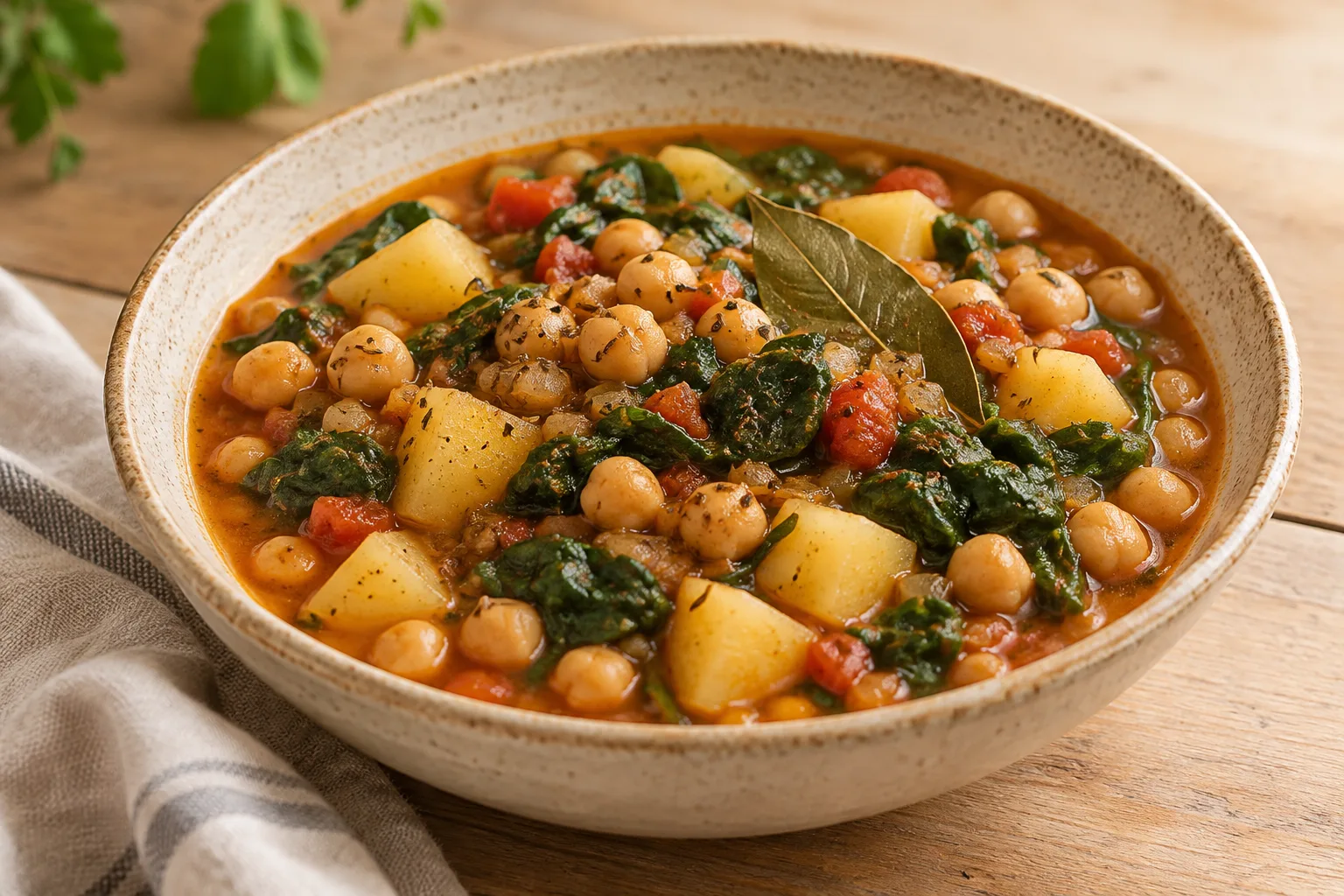
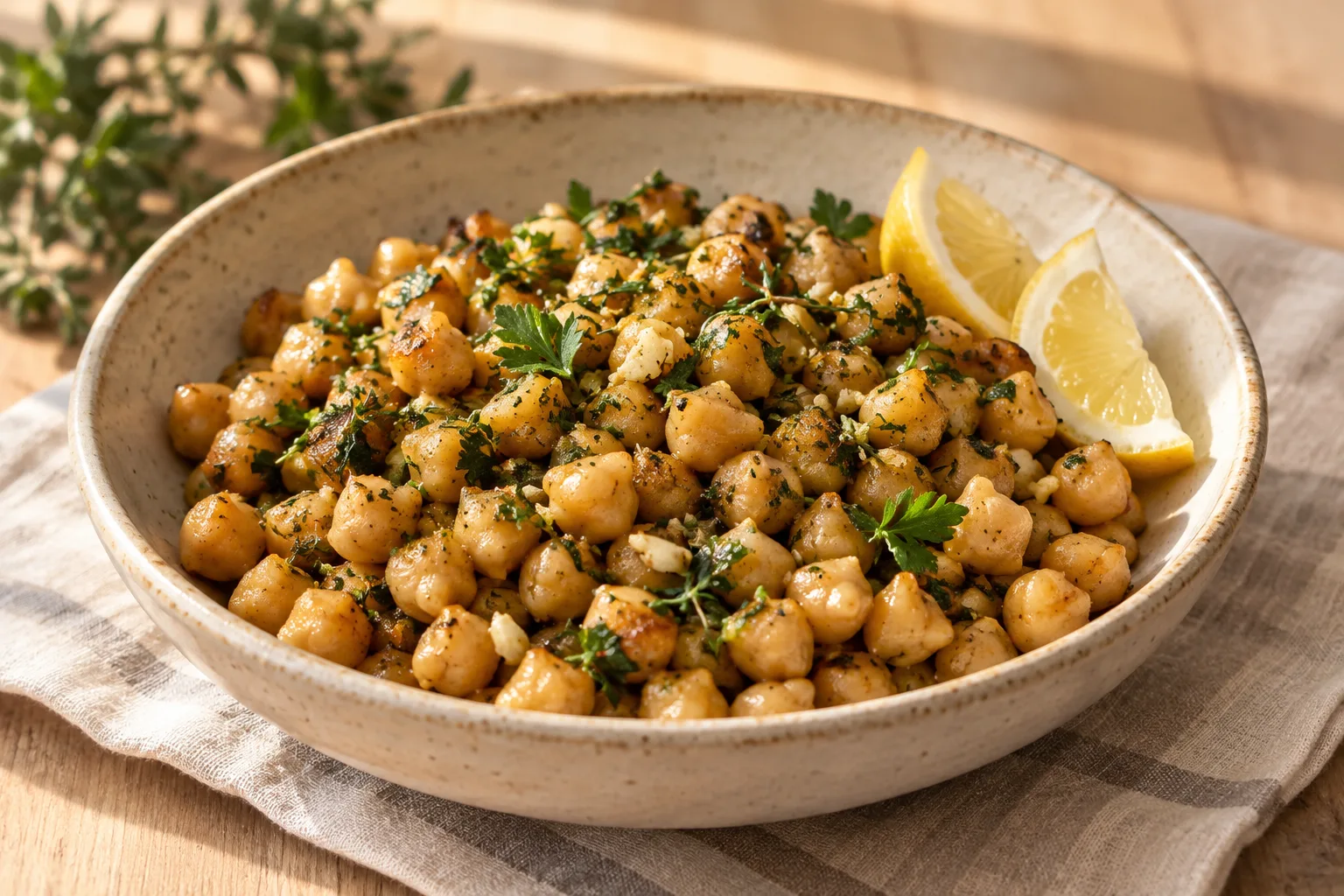
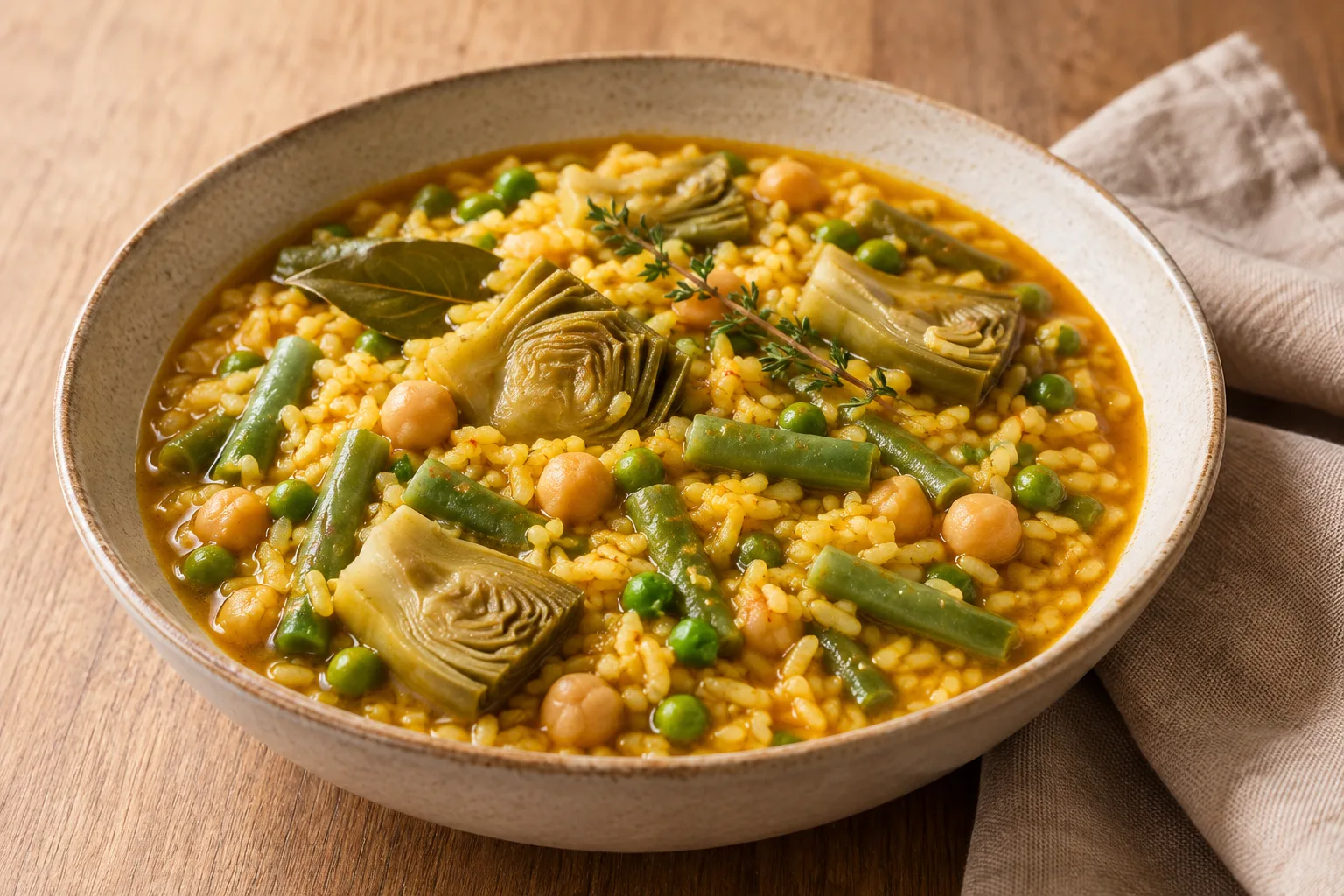
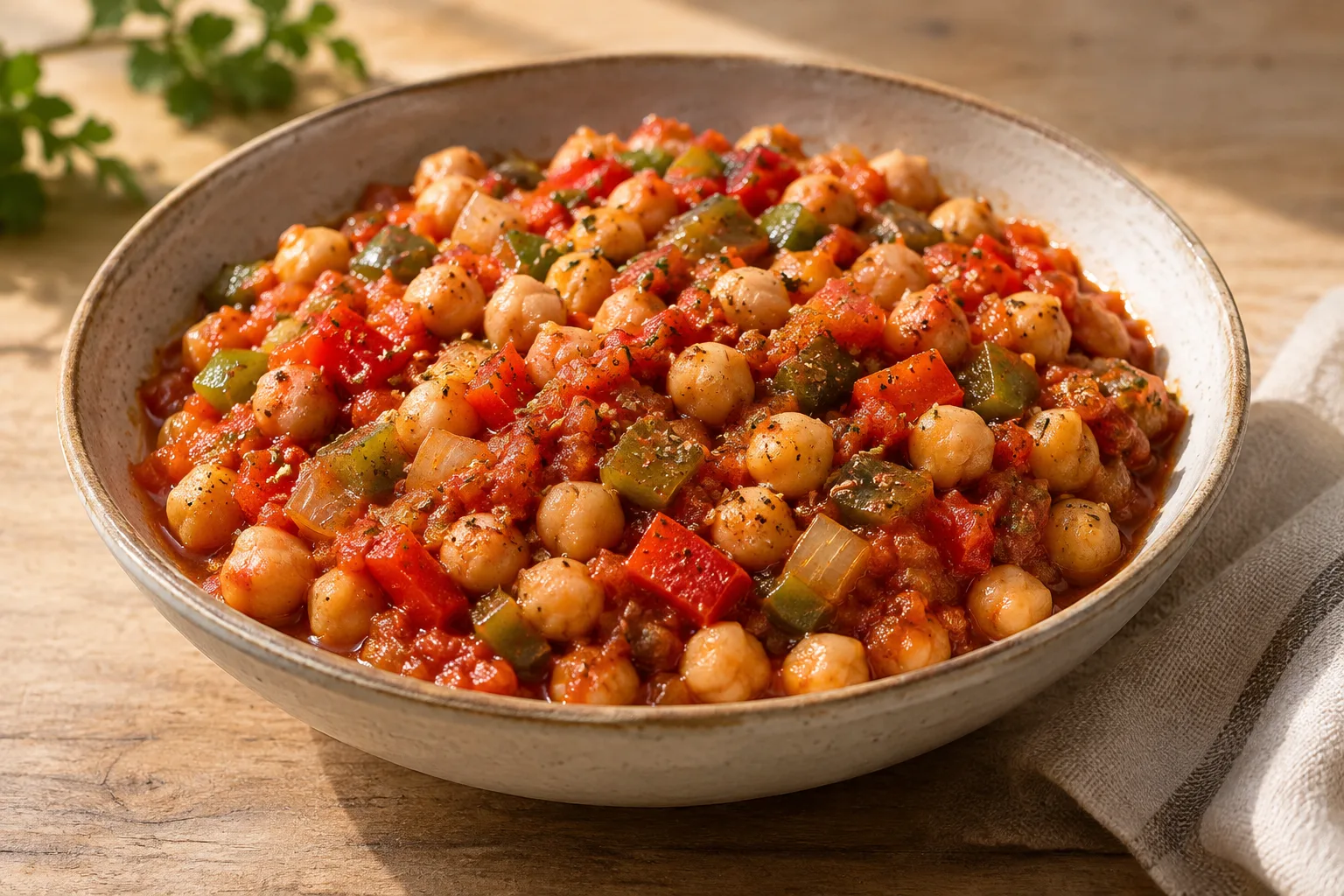
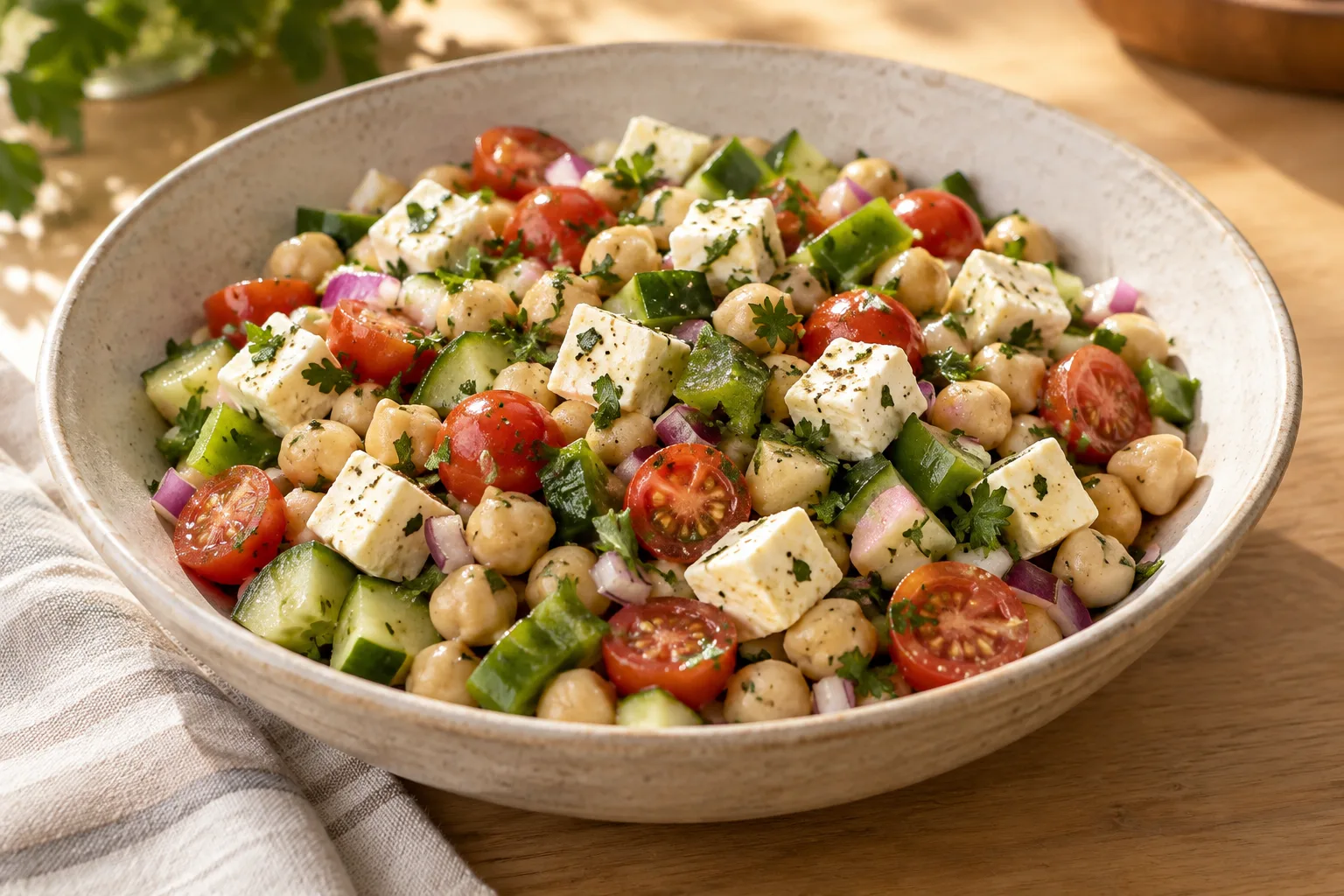
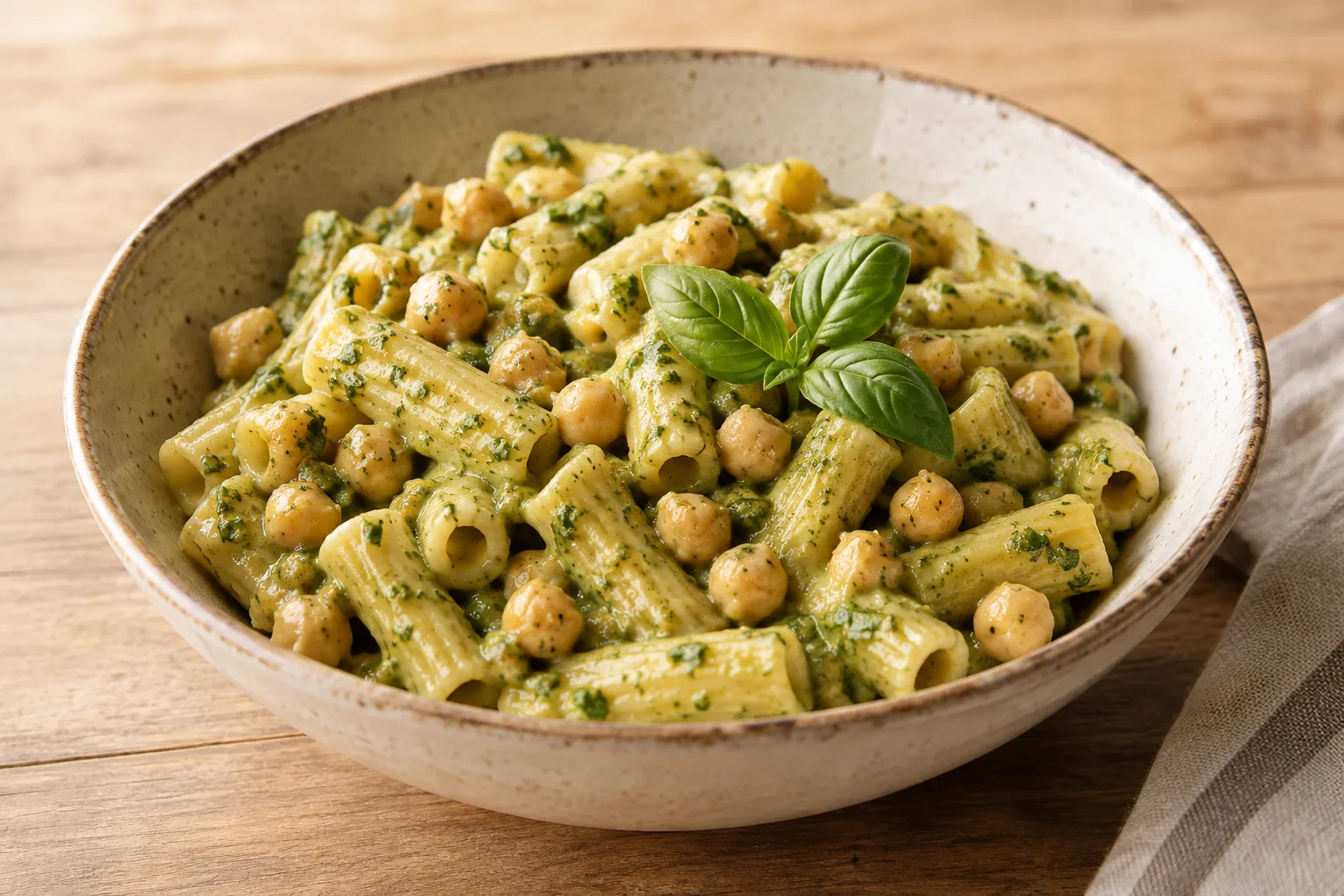
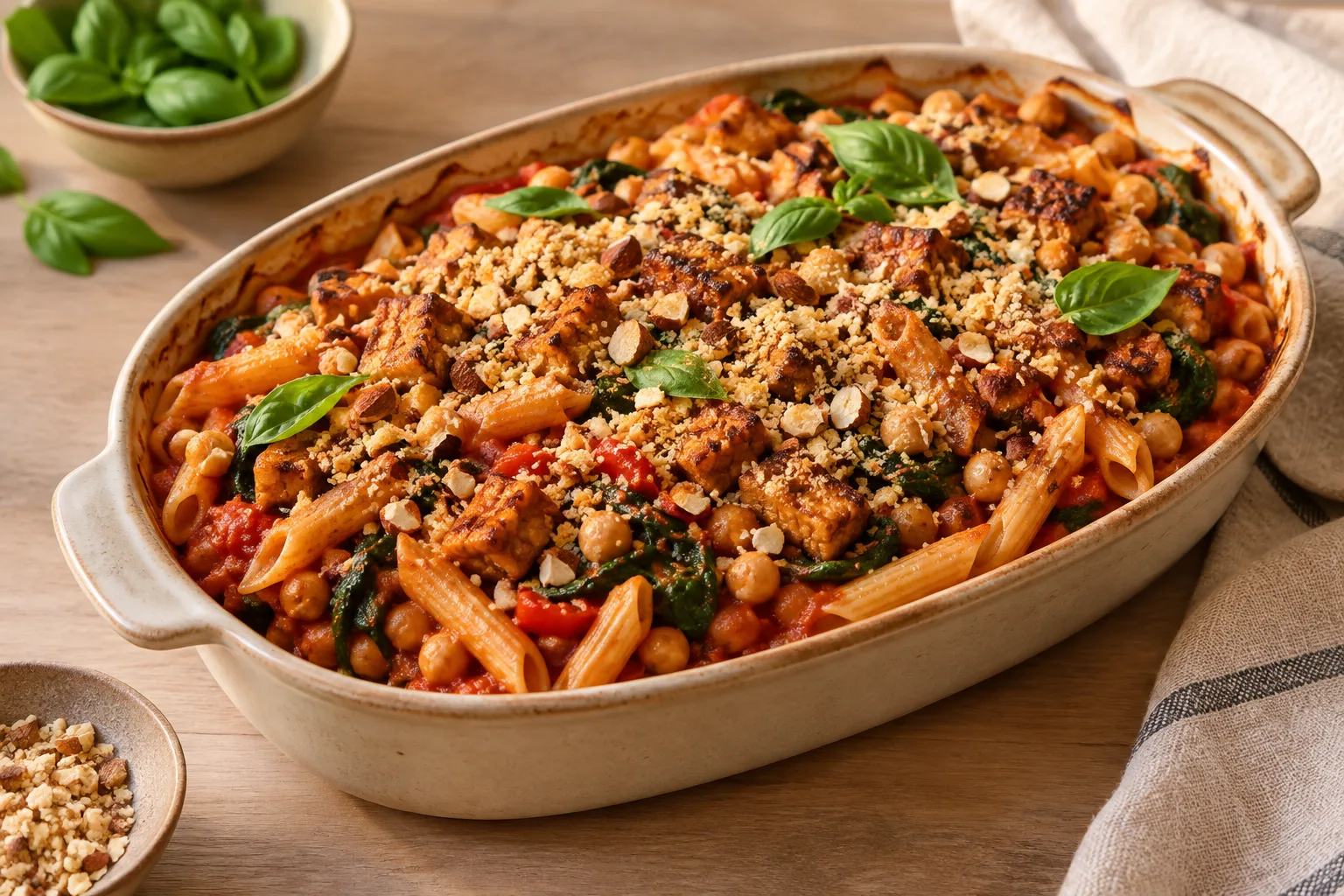
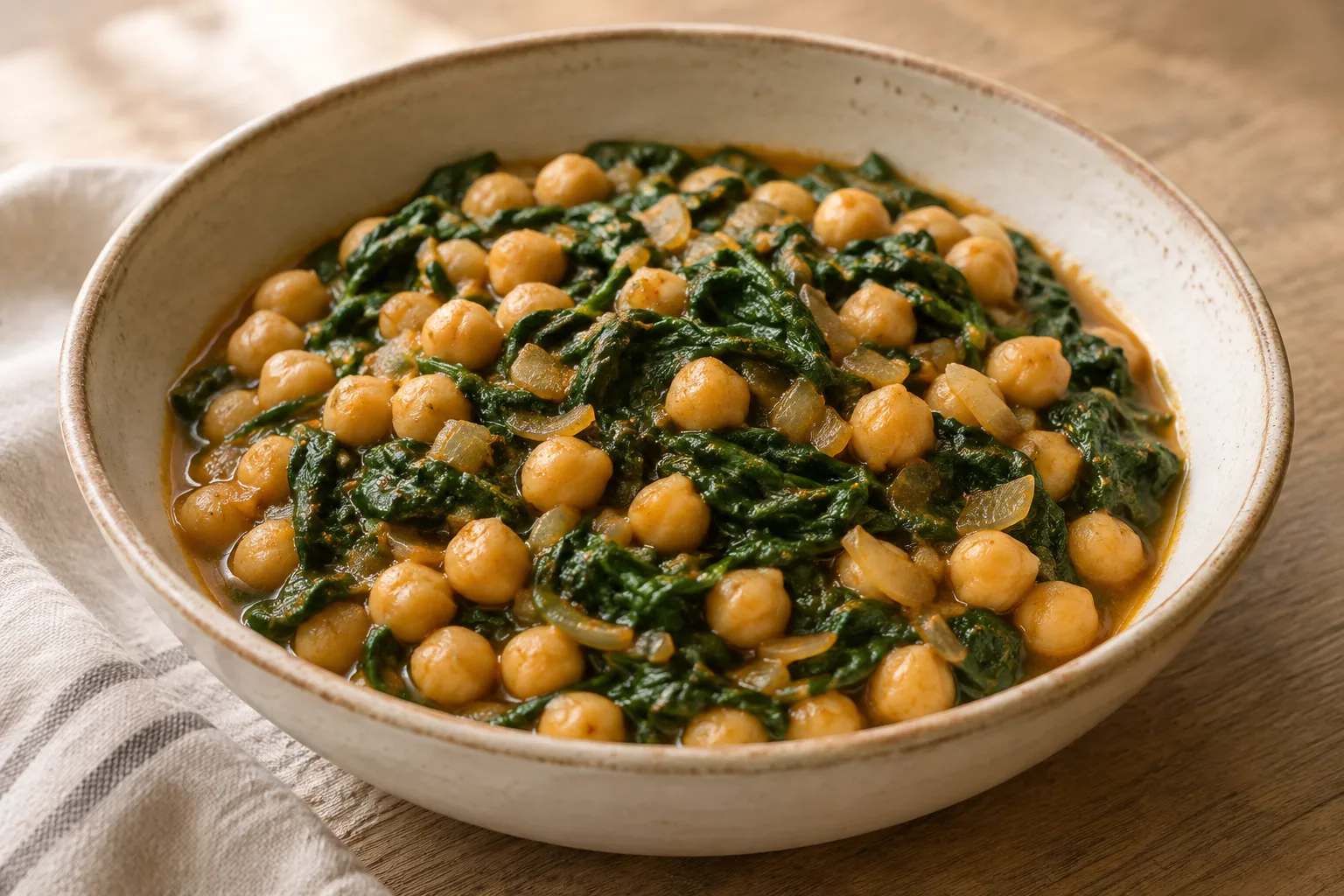
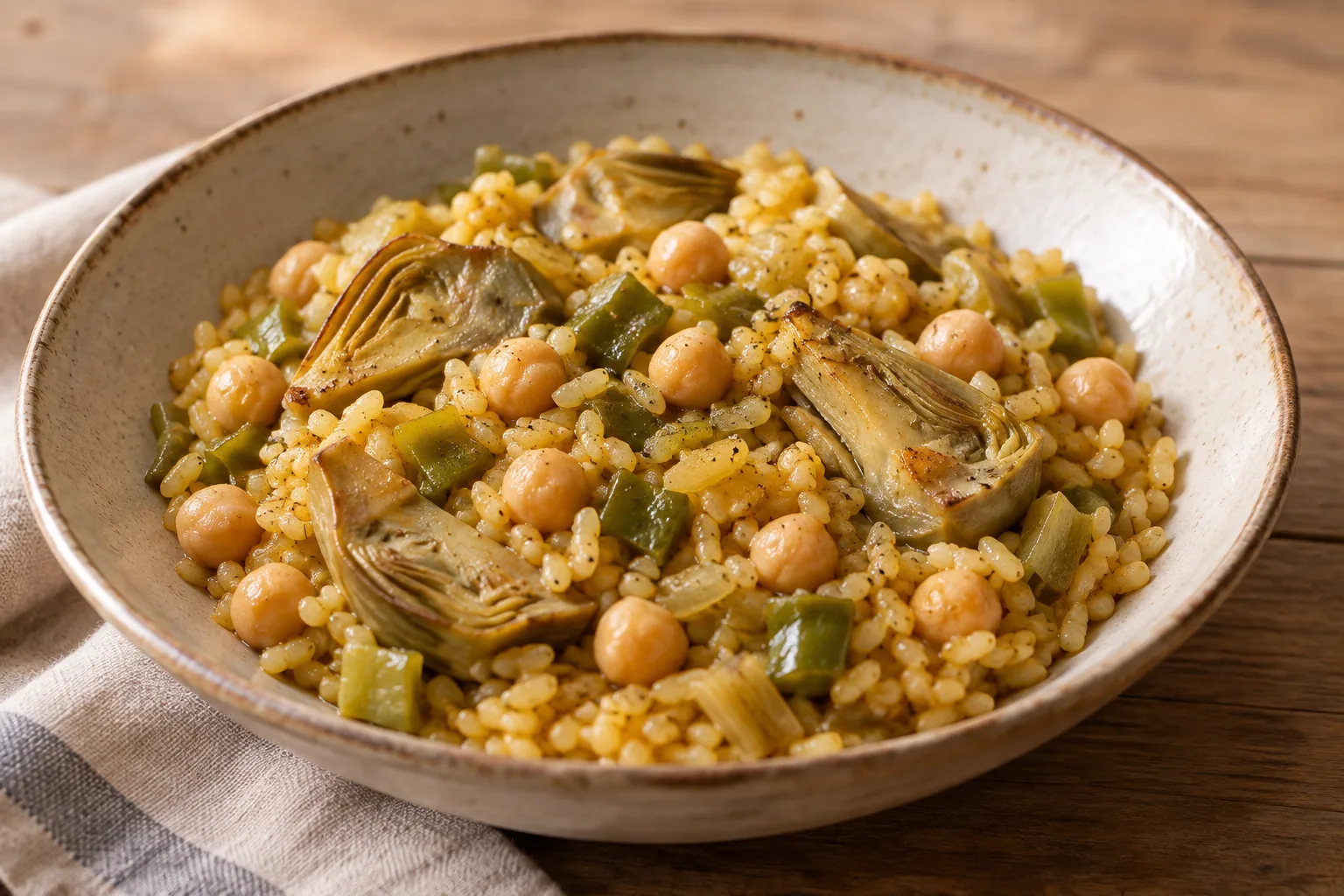
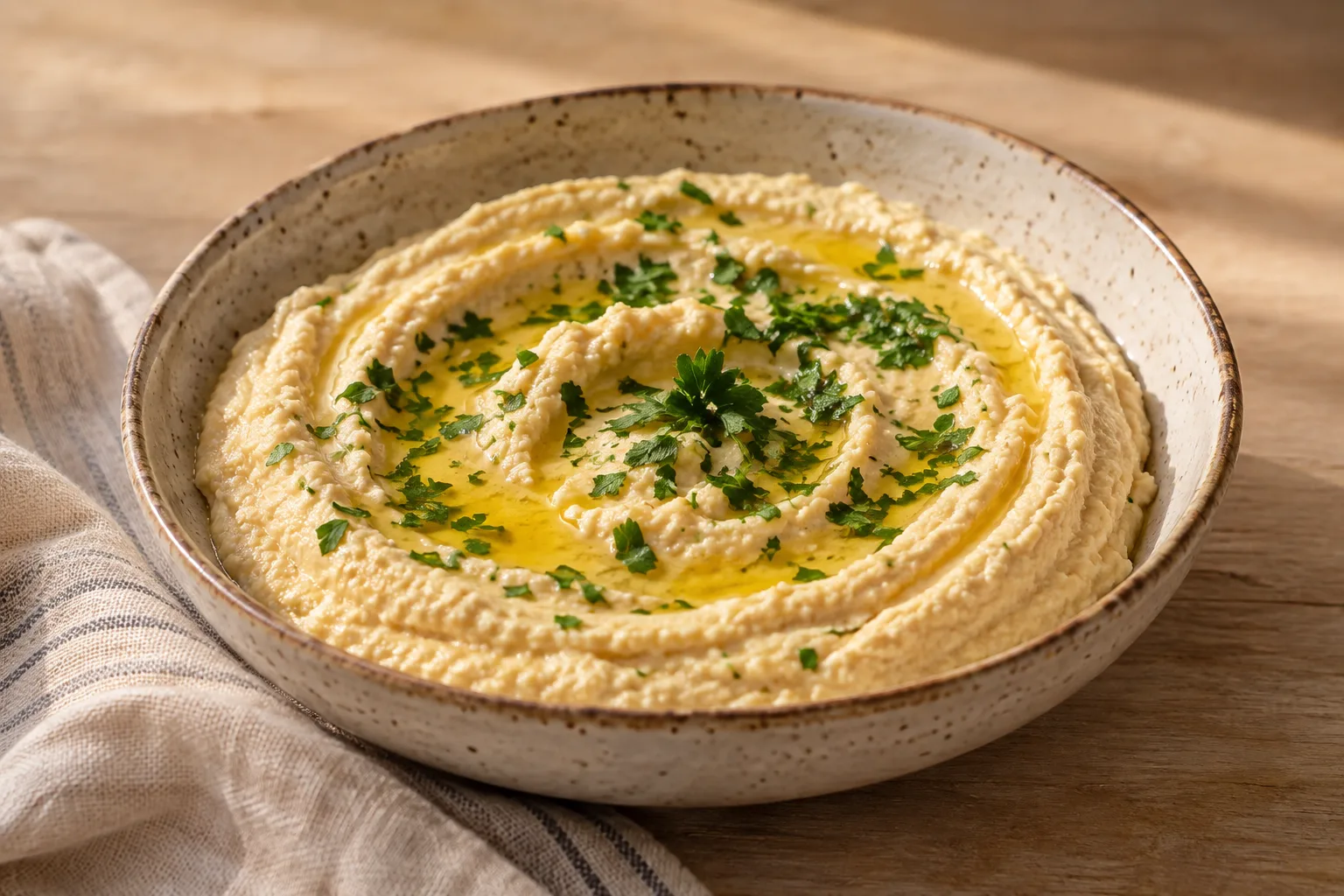
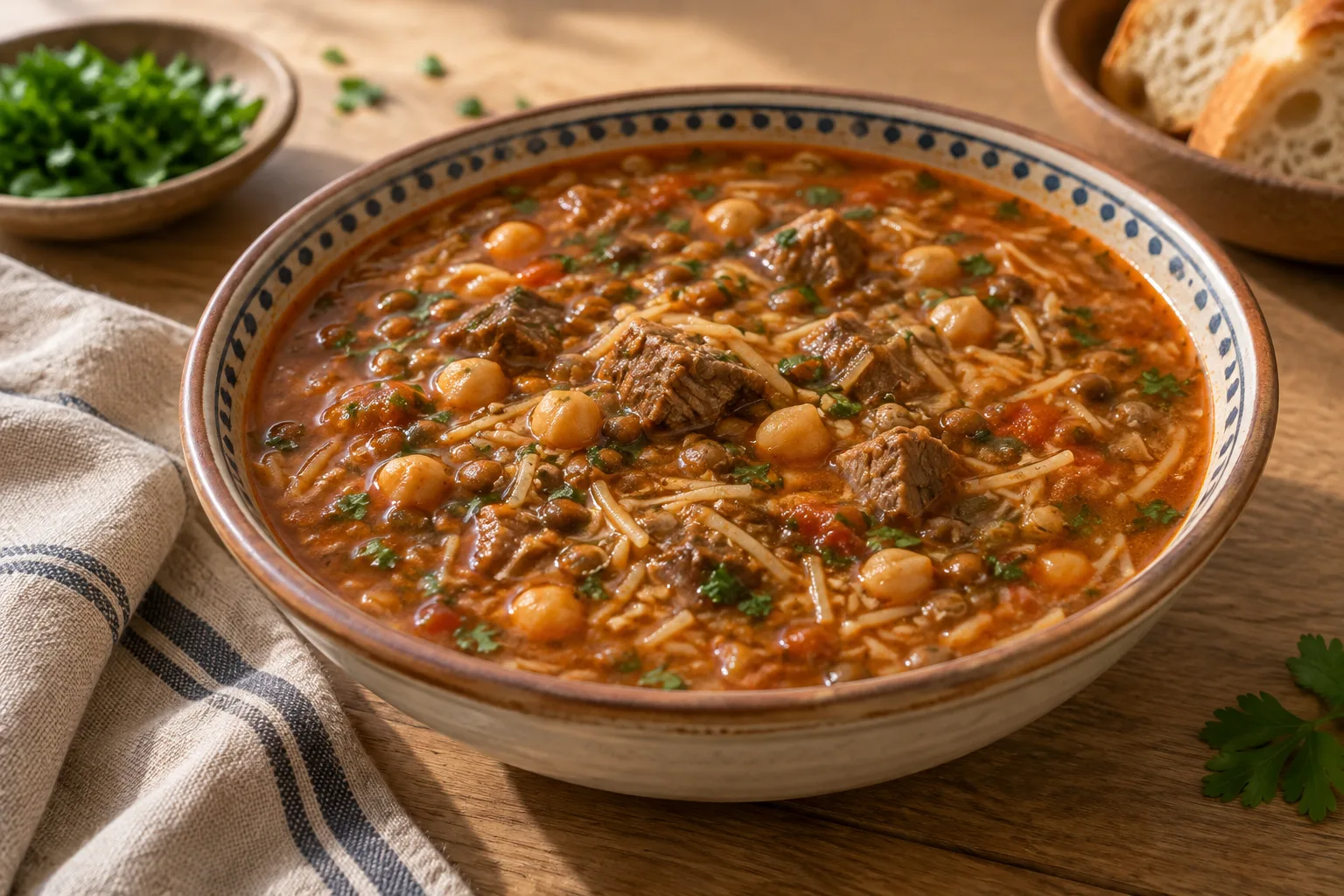
Use cooked chickpeas when you want to add a ready-cooked legume without planning a cooking session from dry. They work in salads and other cold dishes, as well as soups, curries and stews; they can also be mashed into hummus or purées, or used in vegetable patties. If the dish will cook further, remember that the chickpeas are already cooked and the packaged product may contain salt. For a crispier result, roast or sauté them rather than serving them soft.
How to use it
For canned or jarred chickpeas, check the label to see what the product contains and how it should be used; some are packed in cooking liquid and may contain salt. Taste them before adding more salt, and drain them if your recipe needs chickpeas without liquid. Add them whole to salads, soups, curries or stews; mash or blend them for hummus, sauces and purées, or use them in patties. You can also sauté them with vegetables or roast them with spices for a more browned exterior. Pair them with garlic, cumin, curry, chile, parsley or thyme, then adjust the seasoning at the end.
Flavour and texture
Their flavor is mild, with a slight nuttiness, so they take well to spices, herbs and assertive sauces. A cooked chickpea is generally tender and creamy inside, although firmness and skin integrity vary with the variety, cooking and product. Blending creates a thick base for purées and sauces; sautéing or roasting can give the exterior a firmer, browned finish.
How to choose it
Cooked chickpeas are often sold in cans or jars, sometimes packed in their cooking liquid and with salt. Compare labels for ingredients, salt and use instructions, and check the allergen declaration on packaged products. Appearance and firmness can differ between varieties and brands, so choose according to the dish: intact chickpeas for salads, or softer ones that are easy to mash for purées. Do not assume every product is seasoned in the same way.
Storage
Follow the storage instructions printed on the package, since presentations and recommended conditions can differ between products. If you cook chickpeas at home or open a package, follow the guidance that applies to that product and do not assume a storage period that is not stated on its label. Keep the container closed when appropriate and check appearance and smell before use. There is no single storage period that applies to every form.
Substitutions
You can replace canned cooked chickpeas with chickpeas cooked at home, or the other way around; account for differences in salt and liquid. Cooked green chickpeas may work in dishes that suit green legumes, but they will not necessarily have the same texture as mature chickpeas. Chickpea flour is used in other kinds of preparations, but it is not a direct replacement for whole chickpeas in a salad or stew.
Common mistakes
Do not automatically add salt: some packaged chickpeas already contain it. Do not treat cooked chickpeas like dried ones; depending on the product, they can be eaten or added directly to a recipe. Avoid blending them when you need whole chickpeas for a salad, and do not expect chickpea flour to replace whole beans in a dish. Finally, do not assume that every package has the same ingredients or storage directions.
Safety and allergens
People with a chickpea allergy should avoid the ingredient and check product labeling; cooking does not guarantee that legume allergens are removed. For packaged products, review the ingredient list, declared allergens, and storage and use directions. Follow the manufacturer's specific instructions because products and packaging can differ.
Culinary uses
- Base para guisos, sopas y curris
- Ingrediente para ensaladas, purés y salsas
Recommended techniques
- Triturar o machacar para preparar hummus, purés o hamburguesas
- Saltear o asar para servir como guarnición o tentempié
Pairs well with
- Comino, curry, ajo, chile y hierbas como perejil o tomillo
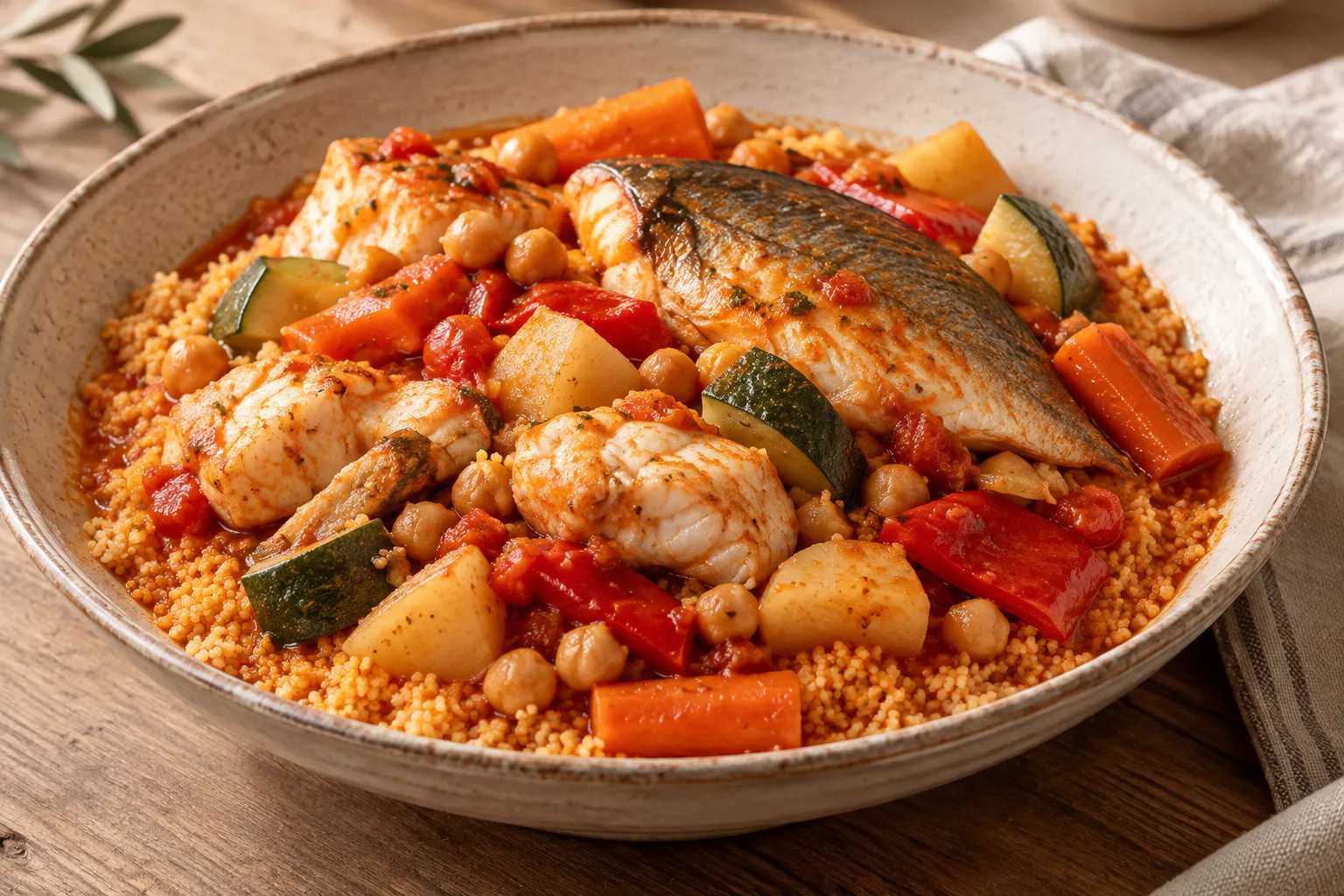
- Tomate, verduras, arroz, cuscús y pan
Frequently asked questions
Can canned or jarred cooked chickpeas be used straight away?
Canned chickpeas are already cooked and can be eaten or added to recipes according to the product directions. Check the label and taste them before adding salt.
Do cooked chickpeas need to be drained?
That depends on the recipe and the product. Some are packed in cooking liquid; drain them when you need chickpeas without liquid, and follow the package directions.
What can I make with cooked chickpeas?
Add them to salads, soups, curries and stews, or blend them for hummus and purées. Sautéing or roasting them is another way to change their texture.
Estimated nutrition
- Fat
- 2.59 g
- Saturates
- 0.27 g
- Carbohydrate
- 27.4 g
- Sugars
- 4.8 g
- Fibre
- 7.6 g
- Protein
- 8.86 g
- Salt
- 0.02 g
Sources and review
Automatically researched, cross-checked and validated content. Sources consulted:
- En el etiquetado alimentario hay algunas menciones que son obligatorias eletiquetadocuentamucho.aesan.gob.es
- Client Challenge doi.org
- Informe del Comité Científico de la Agencia Española de ... aesan.gob.es
- Los garbanzos: variedades, propiedades nutricionales y muchas recetas para disfrutar con la legumbre más consumida en España directoalpaladar.com
- El Garbanzo: Historia, Diseminación Y Usos Culinarios - Restaurante Romero restaurante-romero.es
- Garbanzos cocidos (orgánicos) | Fundación G+E diet-health.info
- Origen y propiedades de los garbanzos ¡6 BENEFICIOS ÚNICOS! lacribadevalseca.com
- Garbanzos cocidos – Mocitos – 560 g es.openfoodfacts.org
- Guía completa sobre los tipos de garbanzos más utilizados: variedades, propiedades, usos y recetas jardineriaon.com
- Los garbanzos | Naturarla | Arla naturarla.es
- Los garbanzos | Naturarla | Arla arlafoods.es
- Garbanzos - Información nutricional, propiedades y beneficios abc.es
- Cicer arietinum - Wikipedia, la enciclopedia libre es.wikipedia.org
- Maridaje Perfecto: Cómo la Cocción de Garbanzos Potencia el Sabor de los Mejores Quesos y Embutidos donquesotori.es
- La técnica para cocinar garbanzos tiernos y con más sabor - Guia de Cocina Facil guiadecocinafacil.com
- Legumbres cocidas, aliadas rápidas y saludables en tu cocina. info.mercadona.es