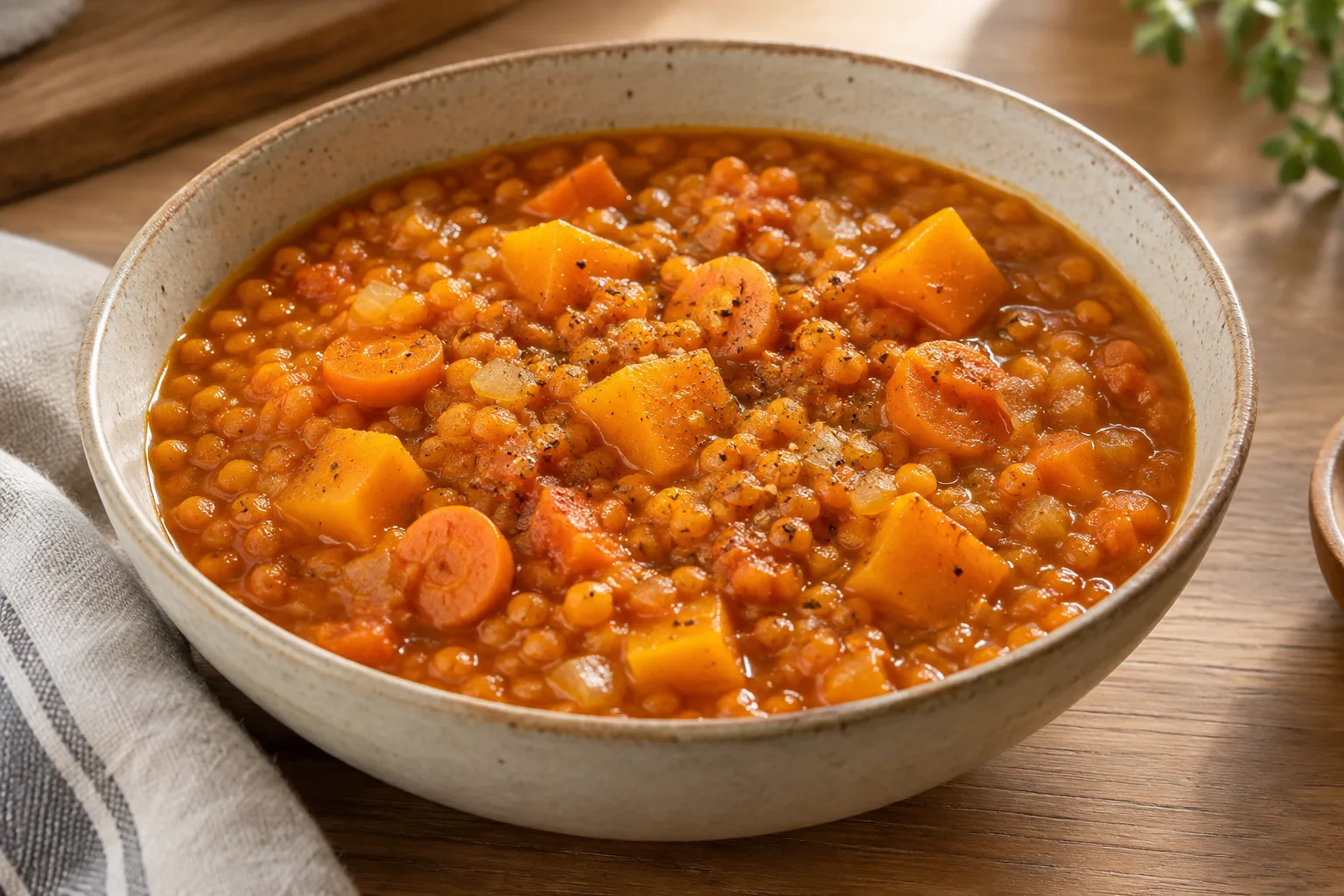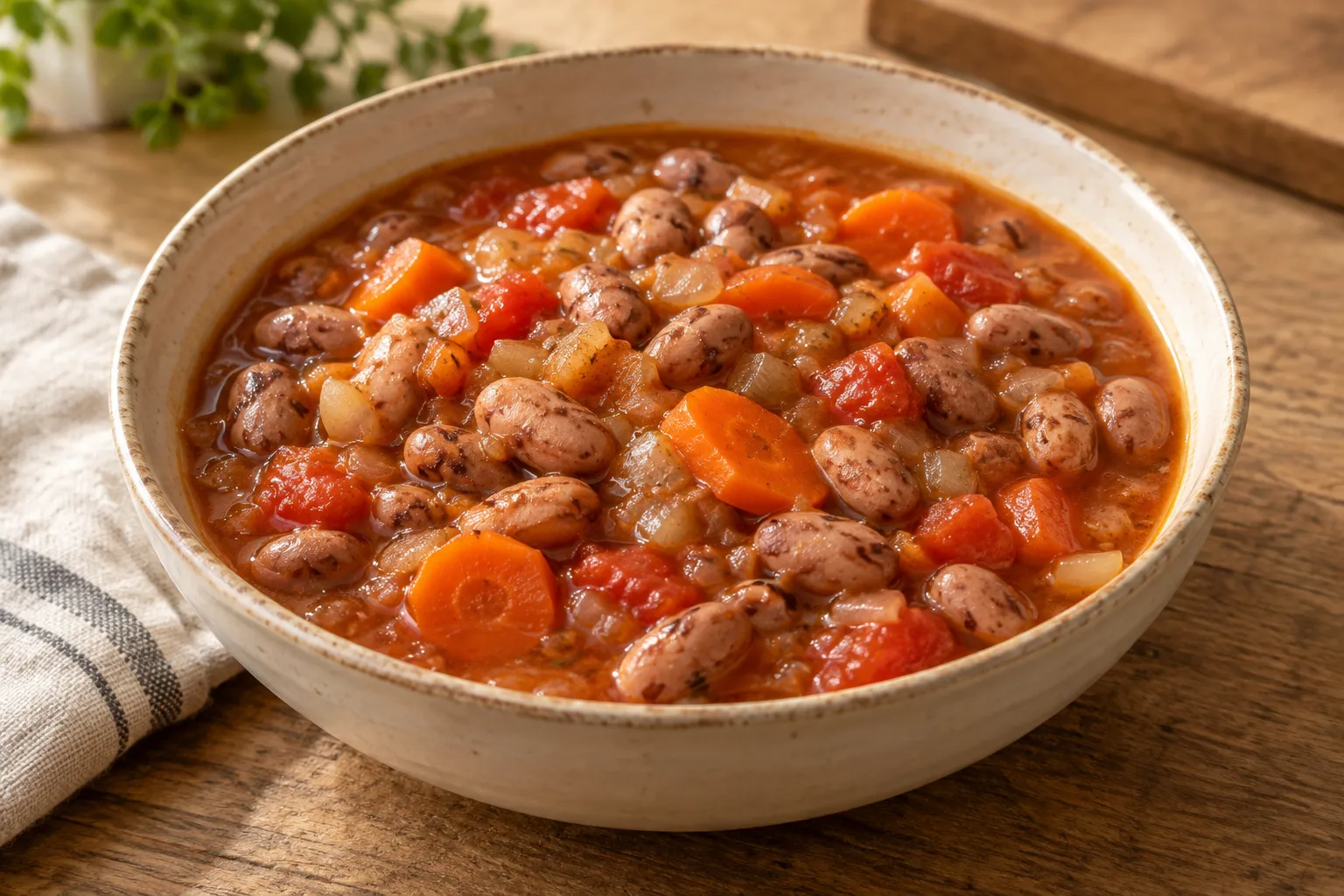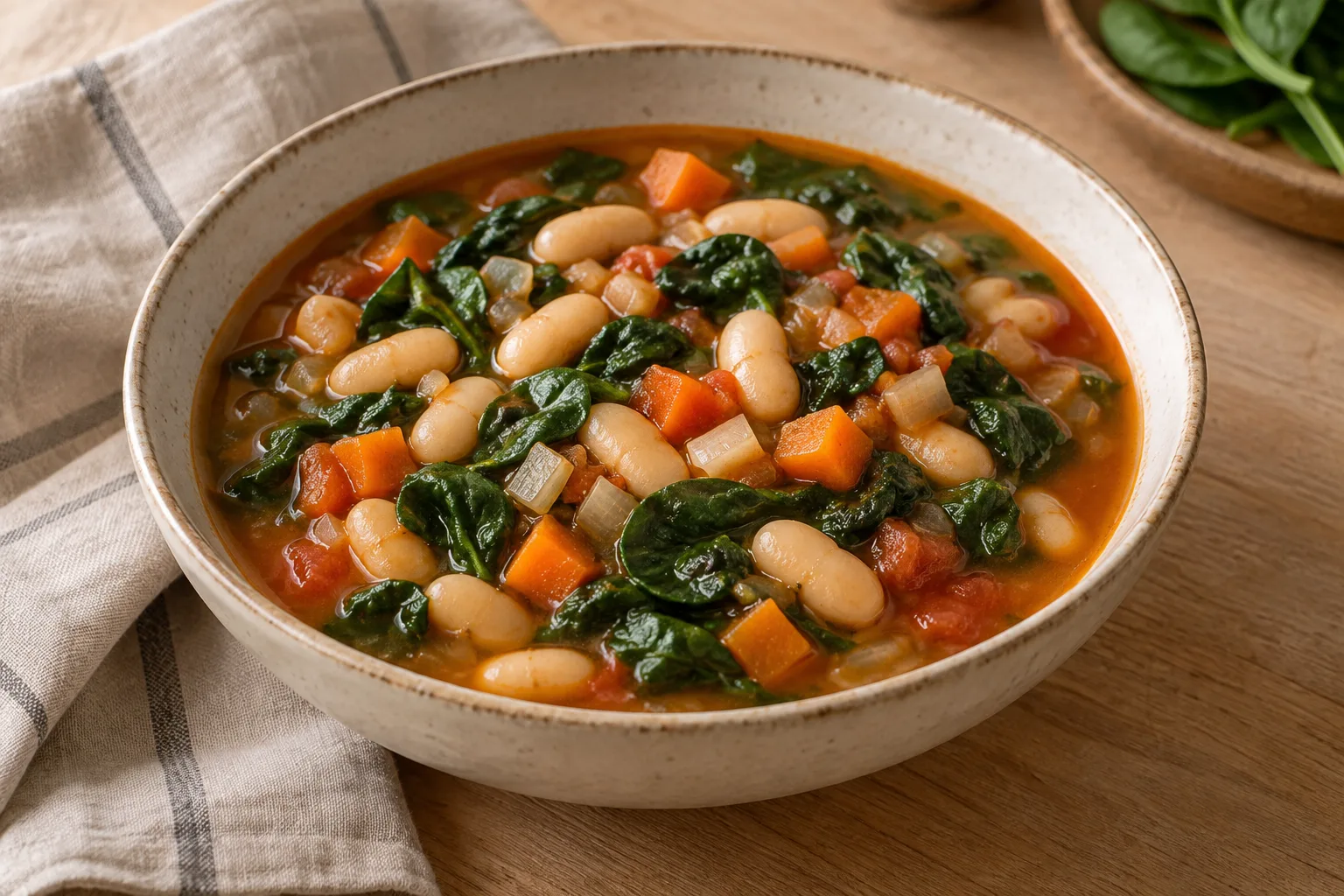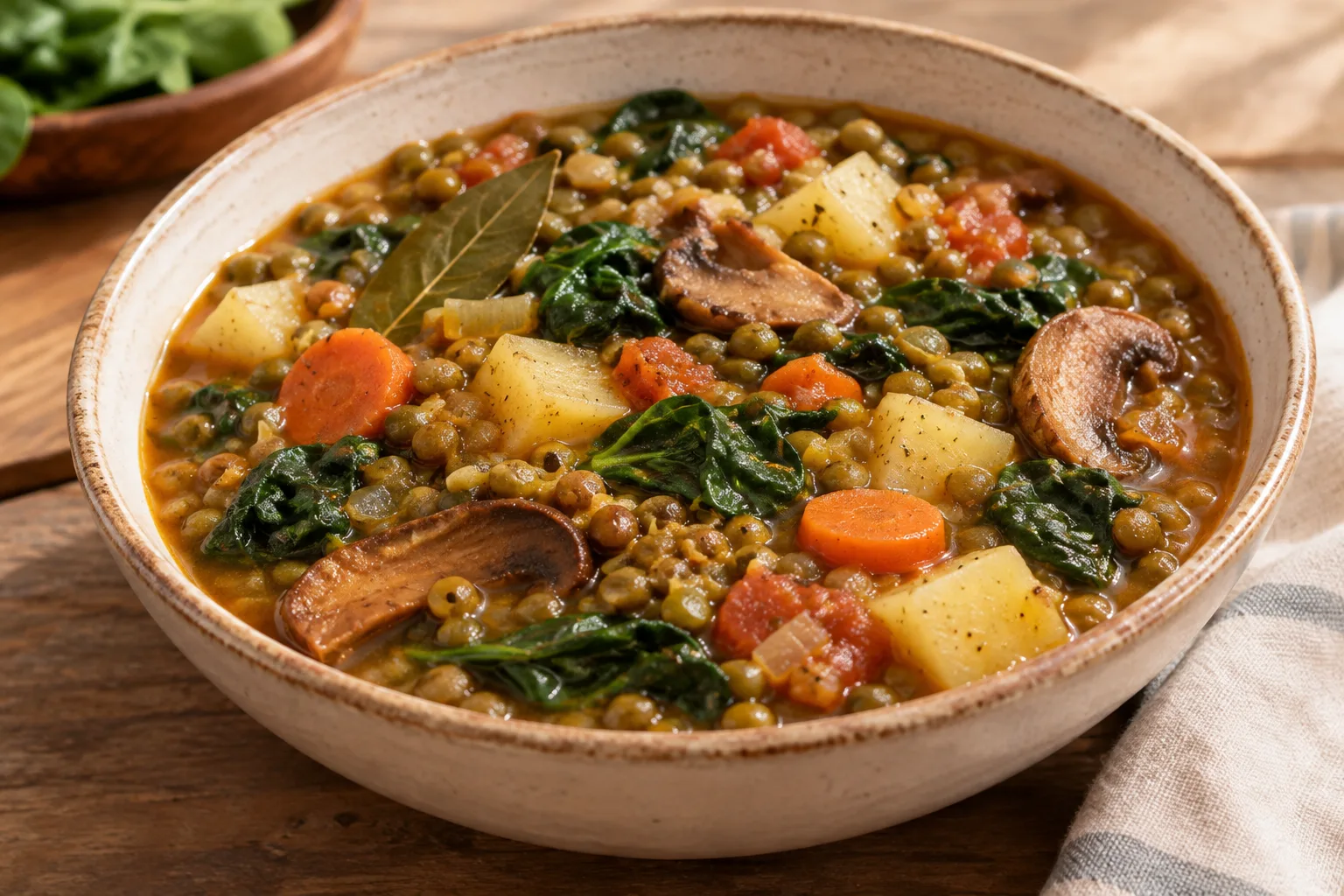
- Category
- Vegetables
- State
- Fresh
- Usual unit
- unidades
What it is
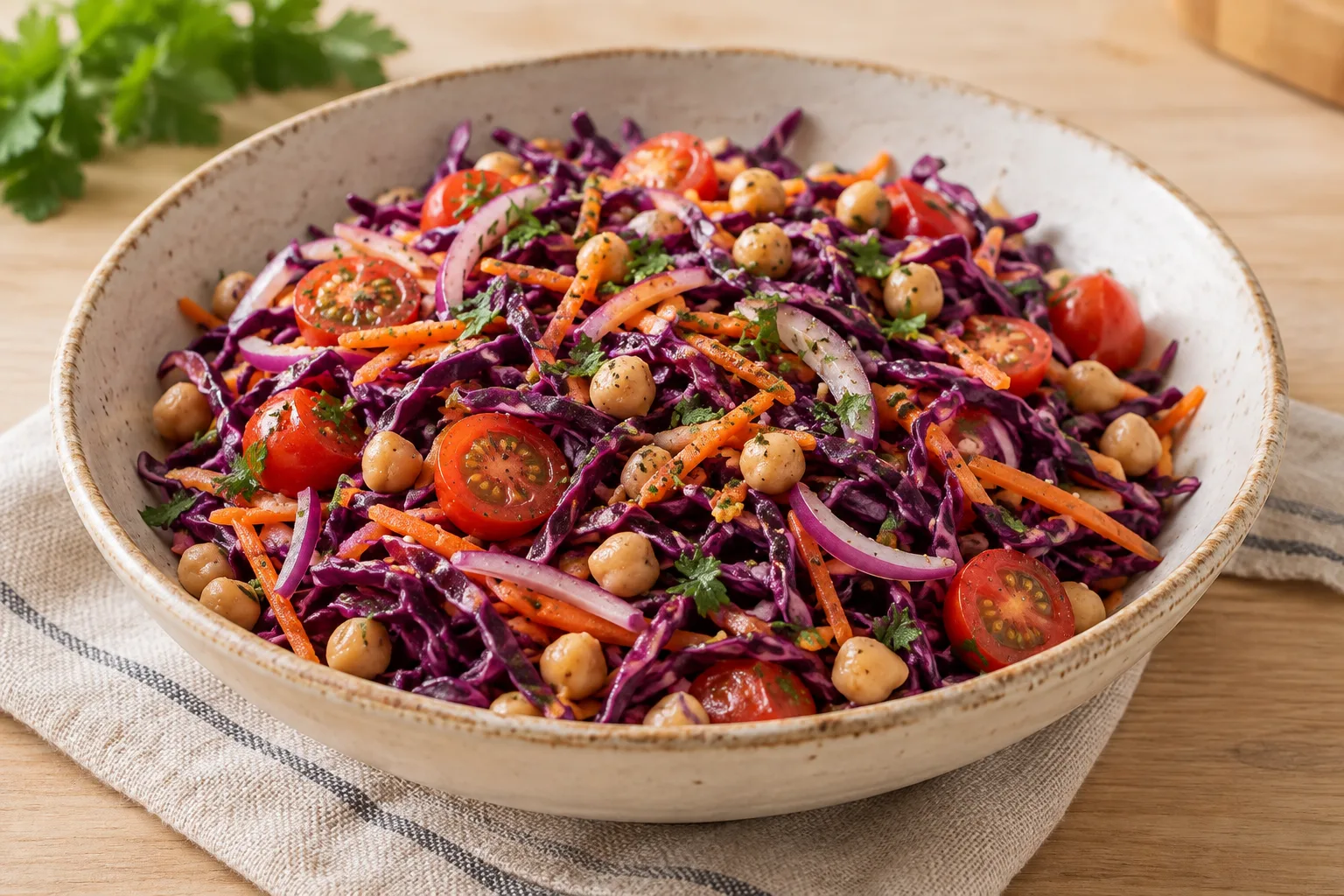
A carrot is the edible root of a vegetable in the Apiaceae family. Orange carrots are common, but yellow, white, red and purple varieties are also available. Shape, size and colour can differ between varieties. In the kitchen, carrots can be used raw or cooked: grate or slice them for salads, add them to stews and soups, serve them as a side, or use them in cakes and other bakes. Their mild, somewhat sweet character suits both savoury and sweet preparations. This profile is for fresh carrots, not preserved products, juice or supplements.
When to use it
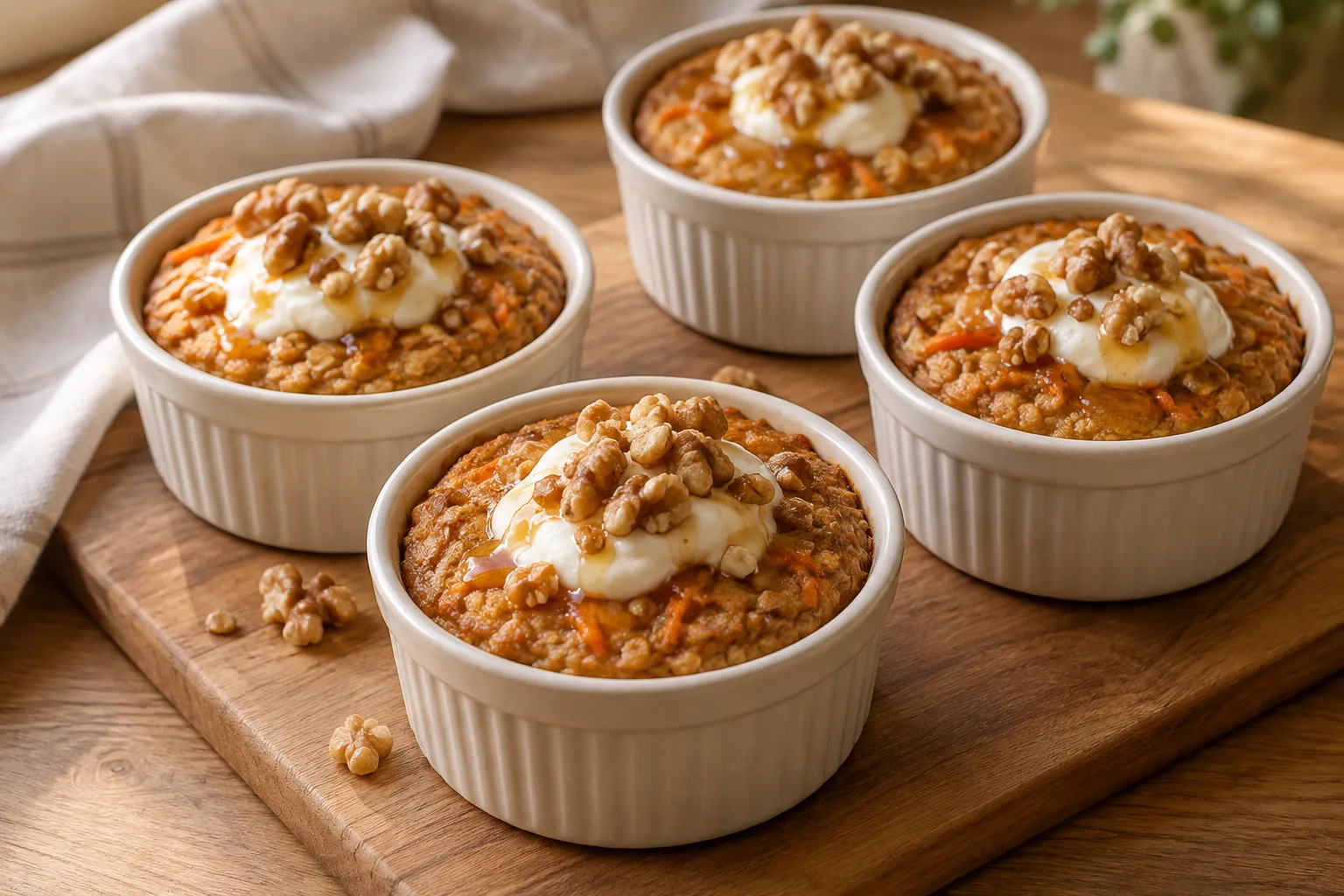
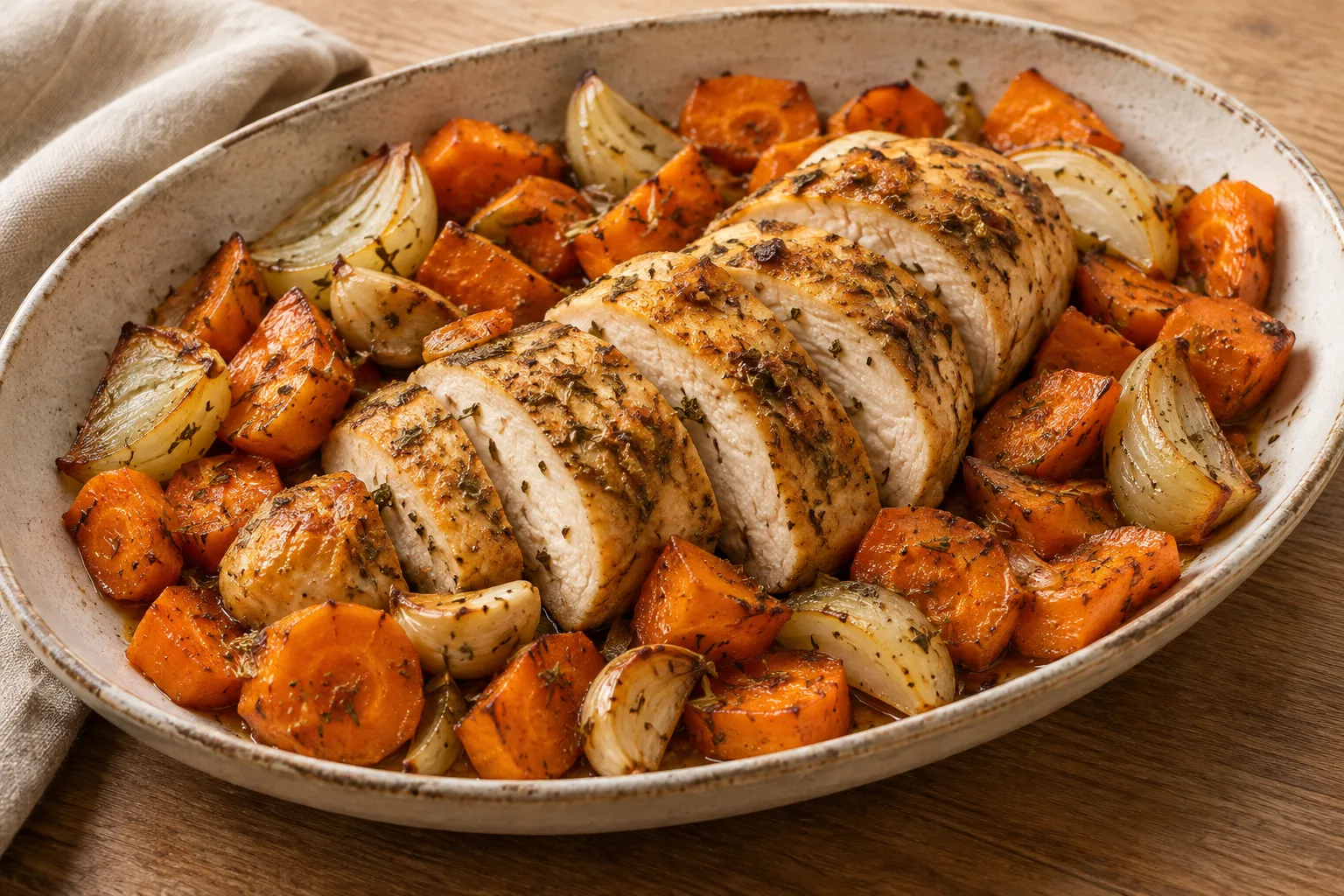
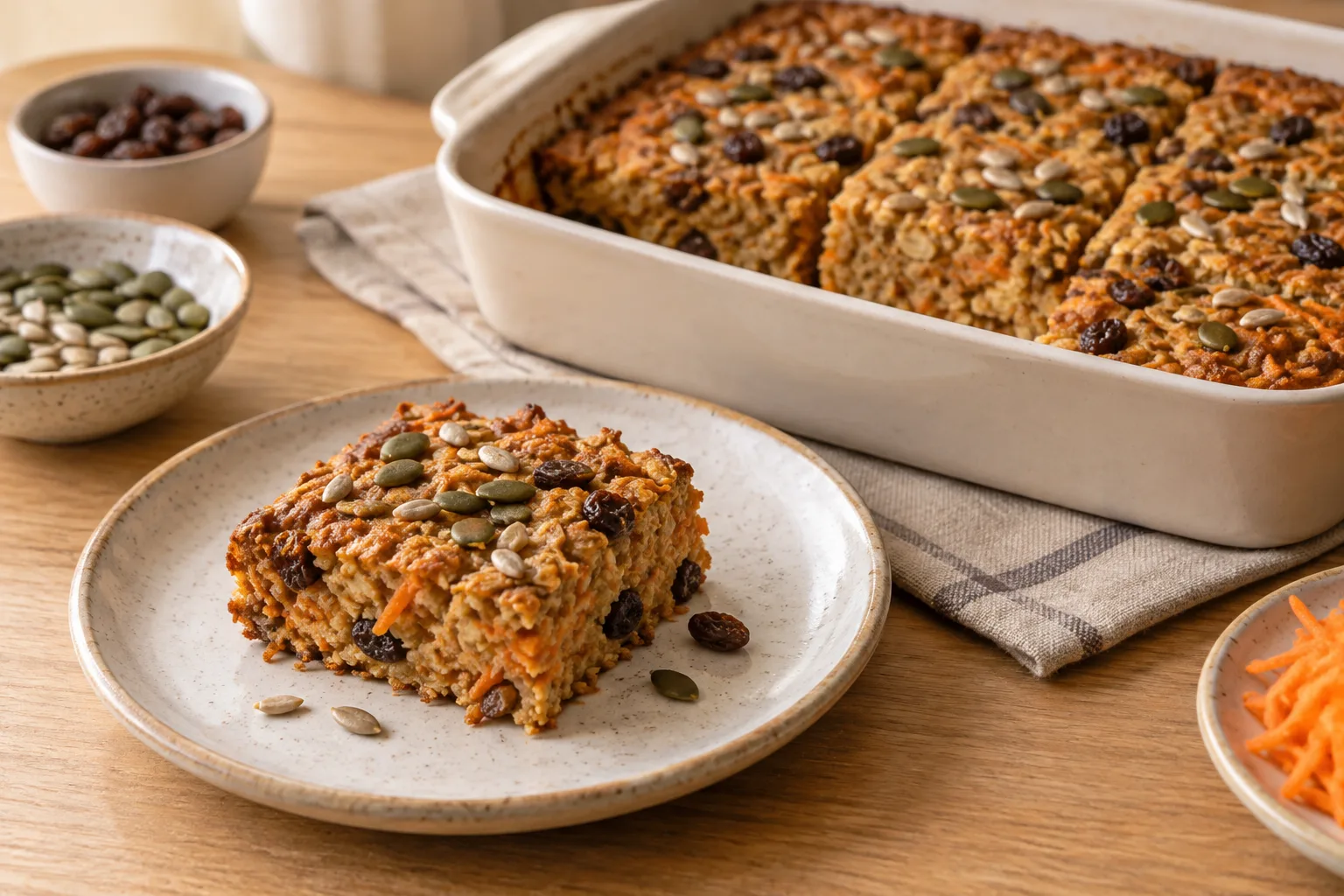
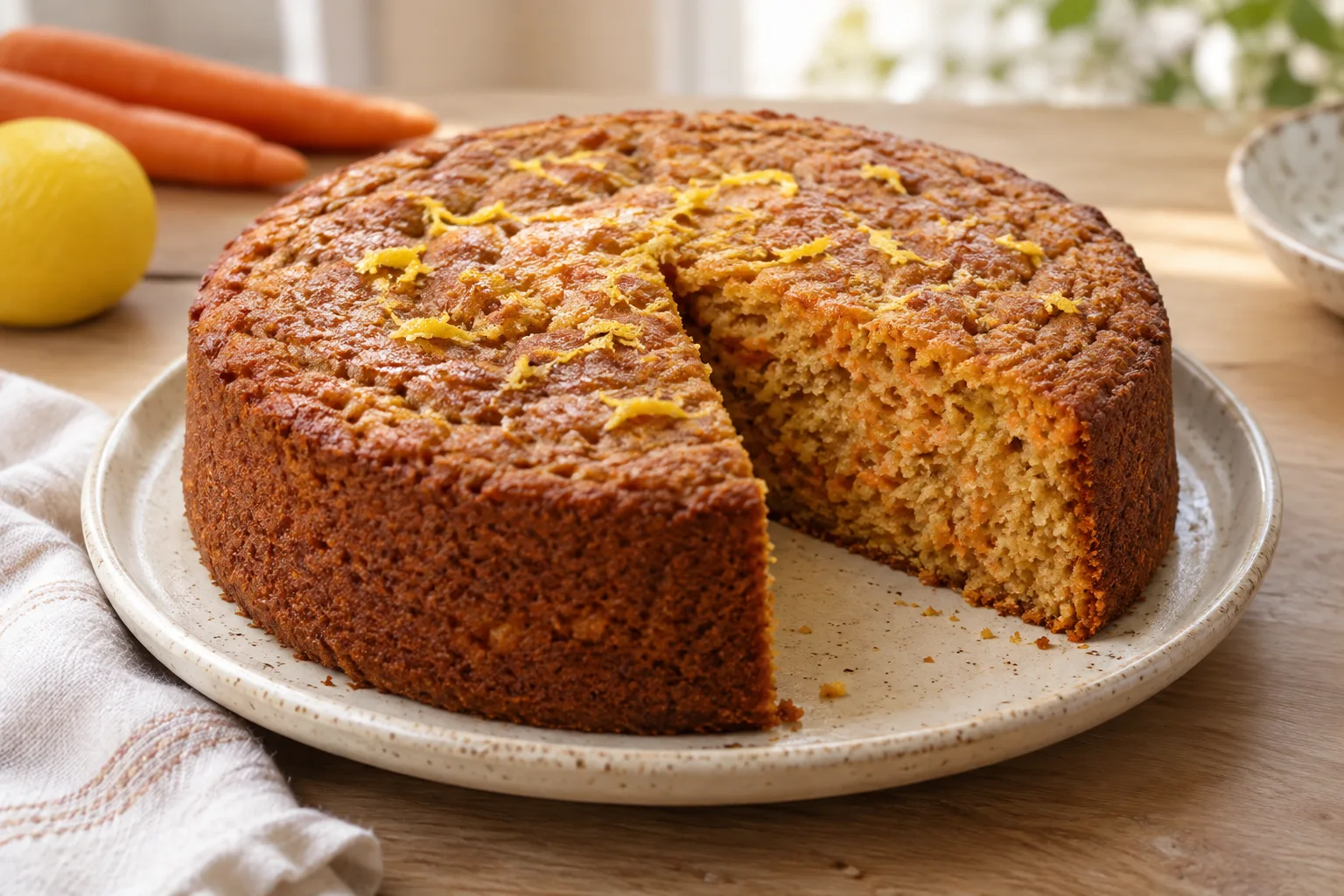
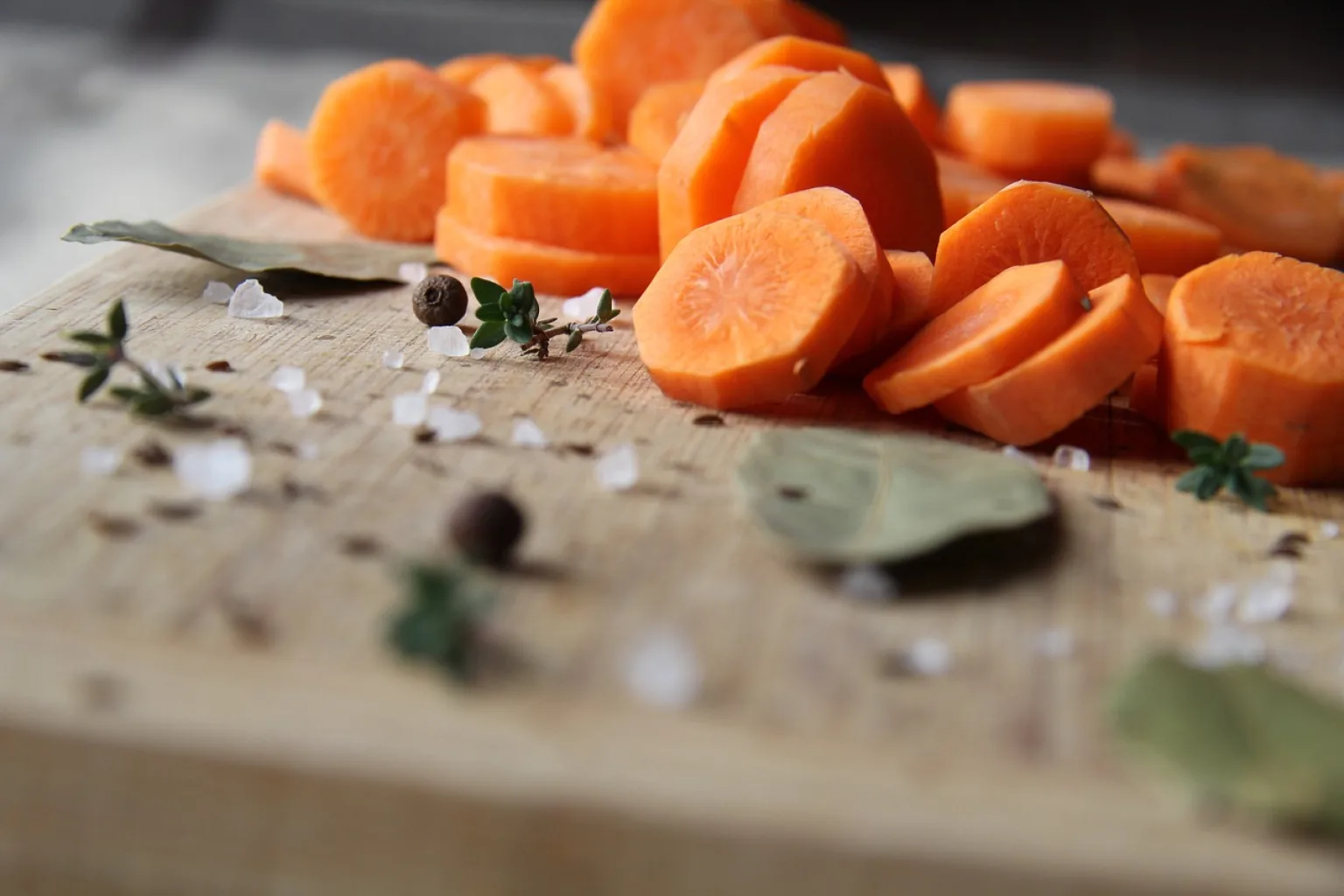
Use carrots raw when you want colour and crunch in salads, crudités or grated preparations. Cook them when you want a tender texture and a flavour that blends into soups, purées, stews or sauces. Cut into sticks or rounds, they can become a roasted, boiled or sautéed side dish, or the main ingredient in a simple accompaniment. Grated carrot is also used in cakes and loaves. Cut size affects the final texture, so make pieces similar in size when you want them to cook evenly. Choose the preparation to suit the texture you want rather than assuming there is one best way to cook every carrot.
How to use it
Remove any leaves and inspect the root before preparing it; avoid choosing carrots that are soft or spotted. Rinse and clean the carrot before cutting. For salads, grate it or cut it into fine strips and combine it with cabbage, apple or a dressing. For a side dish, cut it into sticks or rounds and roast, boil or sauté it until it reaches the texture you prefer. Chopped carrot can also go into soups, purées, stews and sauces, while grated carrot can be folded into cake or loaf batter. Match the cut to the dish: thin pieces blend in readily, while larger pieces remain more distinct. Cooking time depends on the cut and the recipe, so the available evidence does not support one universal timing.
Flavour and texture
Carrots are generally mild and gently sweet. Raw, they are firm and crunchy; cooking makes them tender and can give them a softer, more yielding texture. The result depends on the cut and technique: grated carrot blends easily, while sticks or rounds retain a more distinct presence. Orange is a common colour, but other varieties exist; colour alone does not determine how a carrot will behave in a particular preparation.
How to choose it
Choose firm carrots with smooth skin and no visible spots. Soft or deteriorating roots are best avoided. If the carrots still have their leaves, look for leaves that appear fresh and green. Small or medium carrots are convenient for many uses, though size choice can depend on the recipe and variety. Carrots vary in colour and shape, so they do not all need to be orange or uniform.
Storage
Keep fresh carrots in a cool, airy place or in the refrigerator. One retail source gives two to three weeks in the refrigerator as a reference for freshly purchased carrots, but initial condition and storage conditions matter. You can wipe them with a damp cloth before storing. If they are packaged, follow the storage directions on the label. Check their condition before use and discard carrots that are soft or spotted.
Substitutions
If orange carrots are unavailable, try a yellow or purple variety in a recipe calling for carrot. These are colour alternatives within the same vegetable; the available evidence does not establish that every variety has exactly the same flavour or texture. Choose according to the appearance you want and the carrot's role in the dish, then assess the result as you prepare it.
Common mistakes
Do not assume all carrots have the same size, shape or colour, or that one cut will work equally well in every recipe. Avoid using soft or spotted roots. Do not leave them cooking without checking the texture: carrots can be served crunchy or tender depending on the dish. When adding grated carrot to a bake, follow the chosen recipe rather than assuming it will have no effect on moisture or texture.
Safety and allergens
For packaged carrots, read and follow the storage and use directions on the label. Check that the carrots are in good condition before using them; avoid roots that are soft or spotted. The available evidence does not identify a specific safety warning for fresh carrots.
Culinary uses
- crudité o ingrediente crujiente para ensaladas
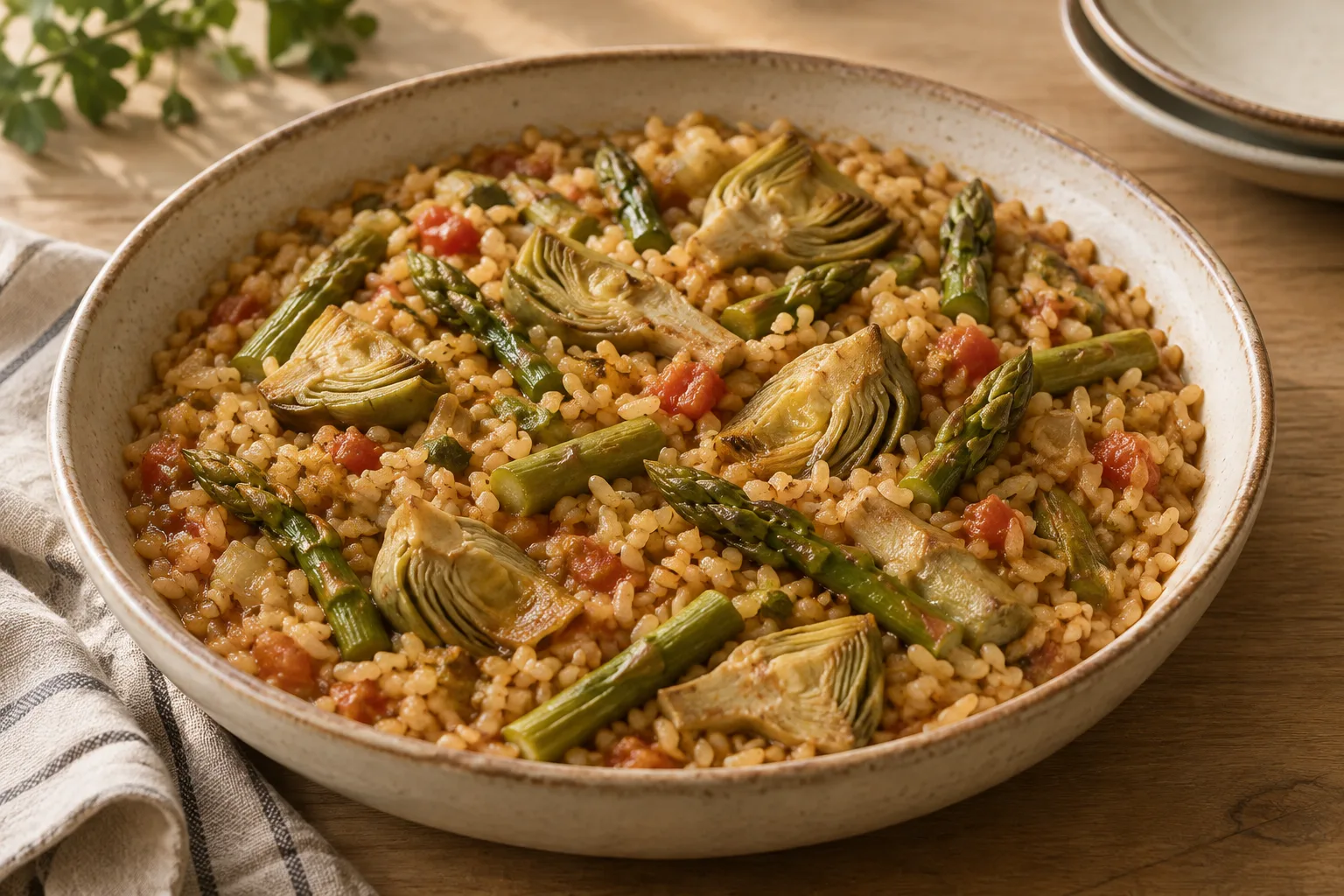
- base aromática y dulce para guisos, sopas y salsas
- guarnición asada, cocida o glaseada
- ingrediente para tartas y bizcochos
Recommended techniques
- rallar o cortar en juliana para servir cruda
- asar
- cocer en agua o al vapor
- saltear en rodajas o bastones
Pairs well with
- col y aliño de yogur o mayonesa
- garbanzos y tahini
- manzana
- naranja y jengibre
Frequently asked questions
Can carrots be eaten raw?
Yes. Grate them, cut them into fine strips or serve them as sticks for salads and crudités.
What cooked dishes can use carrots?
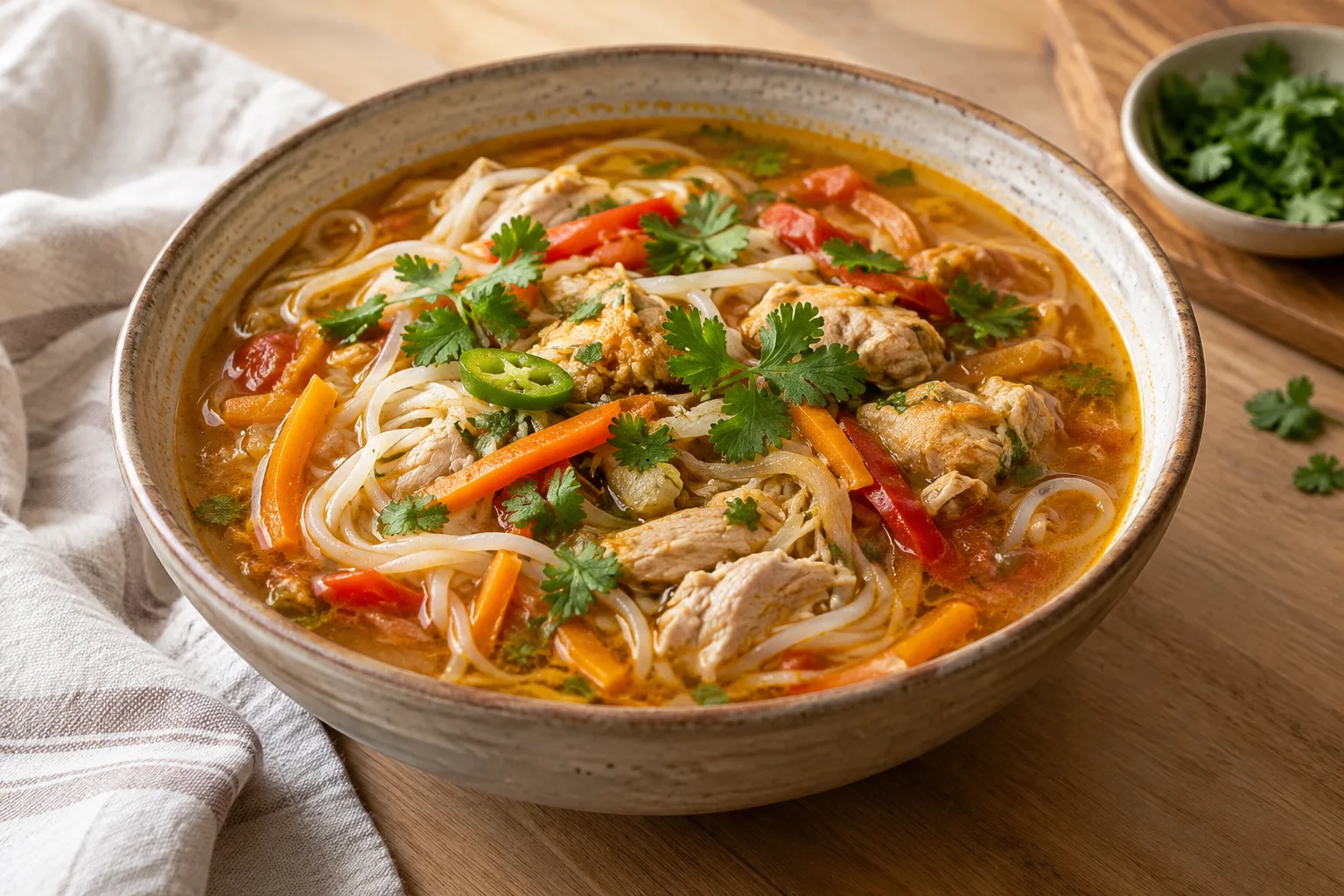
They can be used in stews, soups, purées, sauces and roasted, boiled or sautéed side dishes.
Are carrots only orange?
No. Yellow, white, red and purple varieties are also available.
Estimated nutrition
- Fat
- 0.1 g
- Saturates
- 0.01 g
- Carbohydrate
- 9.9 g
- Sugars
- 8.4 g
- Fibre
- 0.4 g
- Protein
- 0.5 g
- Salt
- 0.02 g
Sources and review
Automatically researched, cross-checked and validated content. Sources consulted:
- En el etiquetado alimentario hay algunas menciones que son obligatorias eletiquetadocuentamucho.aesan.gob.es
- Client Challenge doi.org
- Aesan - Agencia Española de Seguridad Alimentaria y Nutrición aesan.gob.es
- Zanahoria: Variedades, Propiedades, Beneficios y Cultivo frutamerca.com
- NOTICIA: Zanahoria, la hortaliza revitalizante de la cocina del mundo. dulceslaly.es
- 12 recetas con zanahoria: propuestas dulces y saladas para disfrutar de su gran sabor bonviveur.es
- Zanahoria | HerbaZest herbazest.com
- Zanahoria - Trevijano trevijano.com
- Zanahoria: propiedades, beneficios, tipos, cultivo y todo lo que debes saber jardineriaon.com
- Beneficios, propiedades y recetas de zanahoria dehesaelmilagro.com
- Zanahoria Origen, Cultivo, Beneficios y Propiedades Saludables flores.ninja
- ¿Qué es la Zanahoria? Origen, beneficios y posología | Dieti Natura dieti-natura.es
- Recetas con zanahoria - Paulina Cocina paulinacocina.net
- Gastronomía del Perú - Wikipedia, la enciclopedia libre es.wikipedia.org
- Cómo cocer zanahorias para obtener una textura deliciosa y tierna 20minutos.es
- 12 recetas con zanahoria: propuestas dulces y saladas para disfrutar de su gran sabor bonviveur.com
- Cómo cocer zanahorias para obtener una textura deliciosa y tierna agroinforma.ibercaja.es