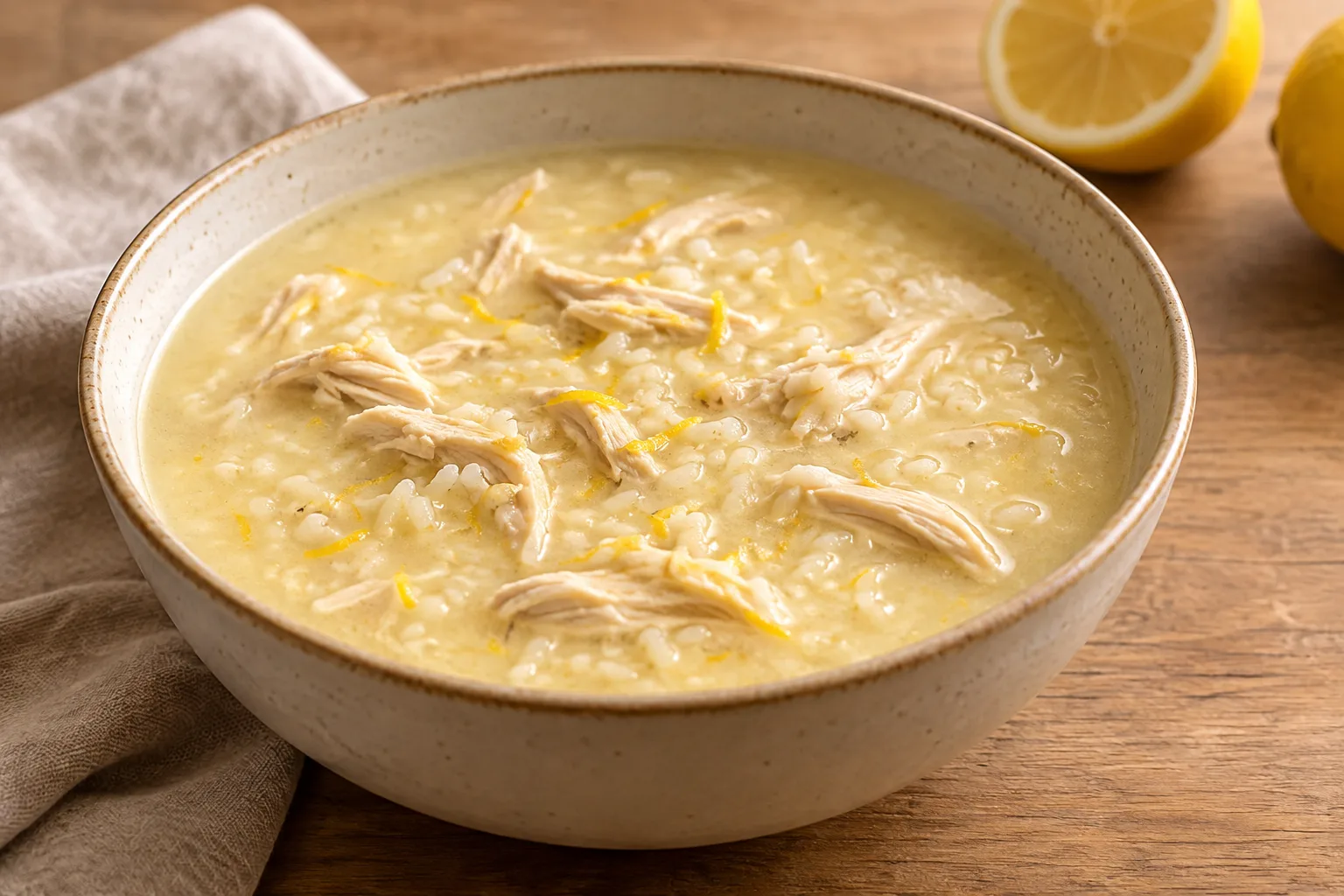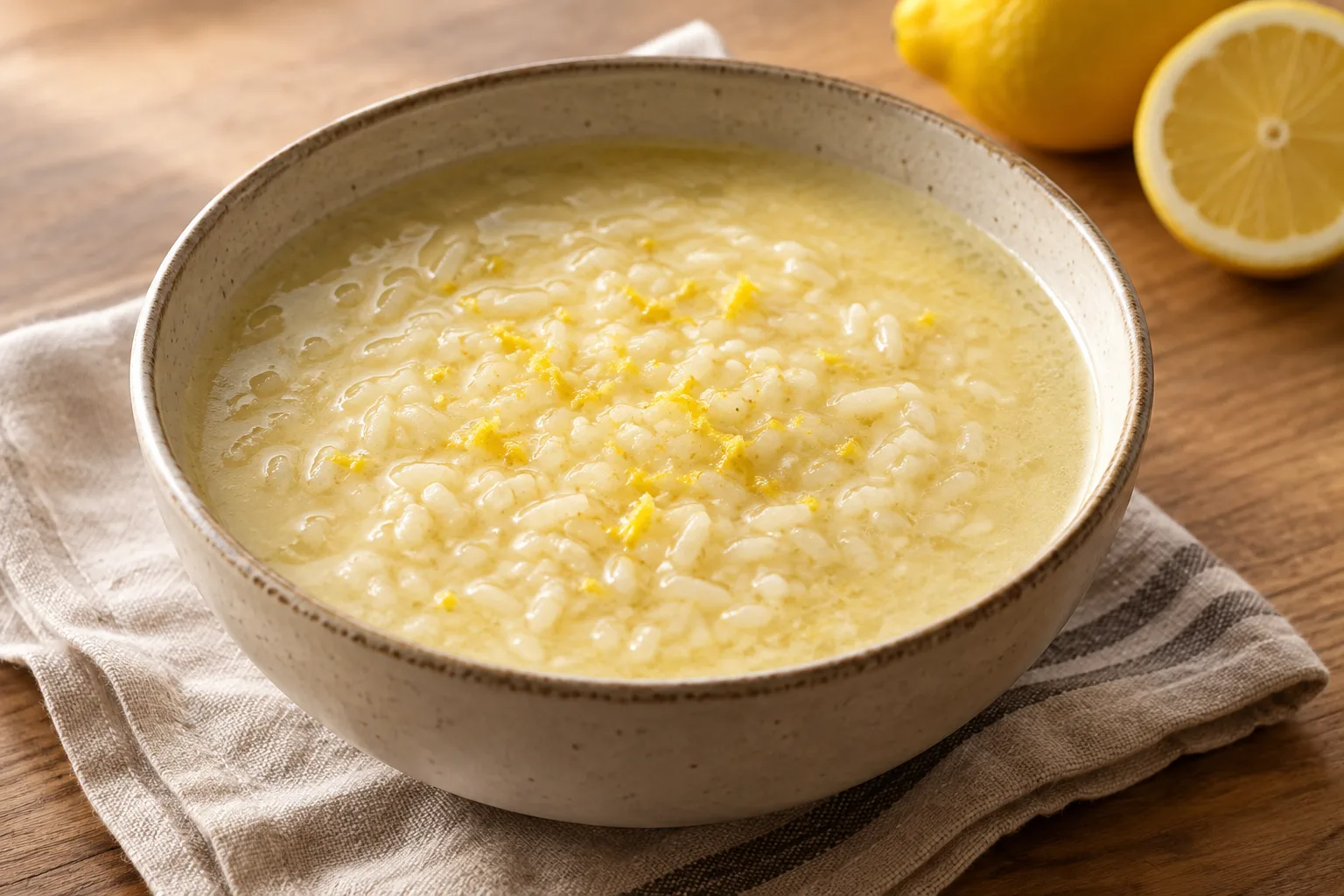
- Category
- Fruit
- State
- Fresh
- Usual unit
- pieza
What it is
Lemon is a fresh citrus fruit used for both its juice and its aromatic peel. Its characteristic acidity can brighten and balance other flavors, while zest contributes a citrus aroma different from the juice. Fruits and varieties may differ in shape, color, juiciness, seeds and peel thickness, so they do not all behave exactly alike in a recipe. In cooking, lemon appears in savory dishes, baking, drinks, sauces and dressings. The common name can refer to different citrus fruits in different places; this guide covers the culinary ingredient called lemon without assuming a particular variety.
When to use it
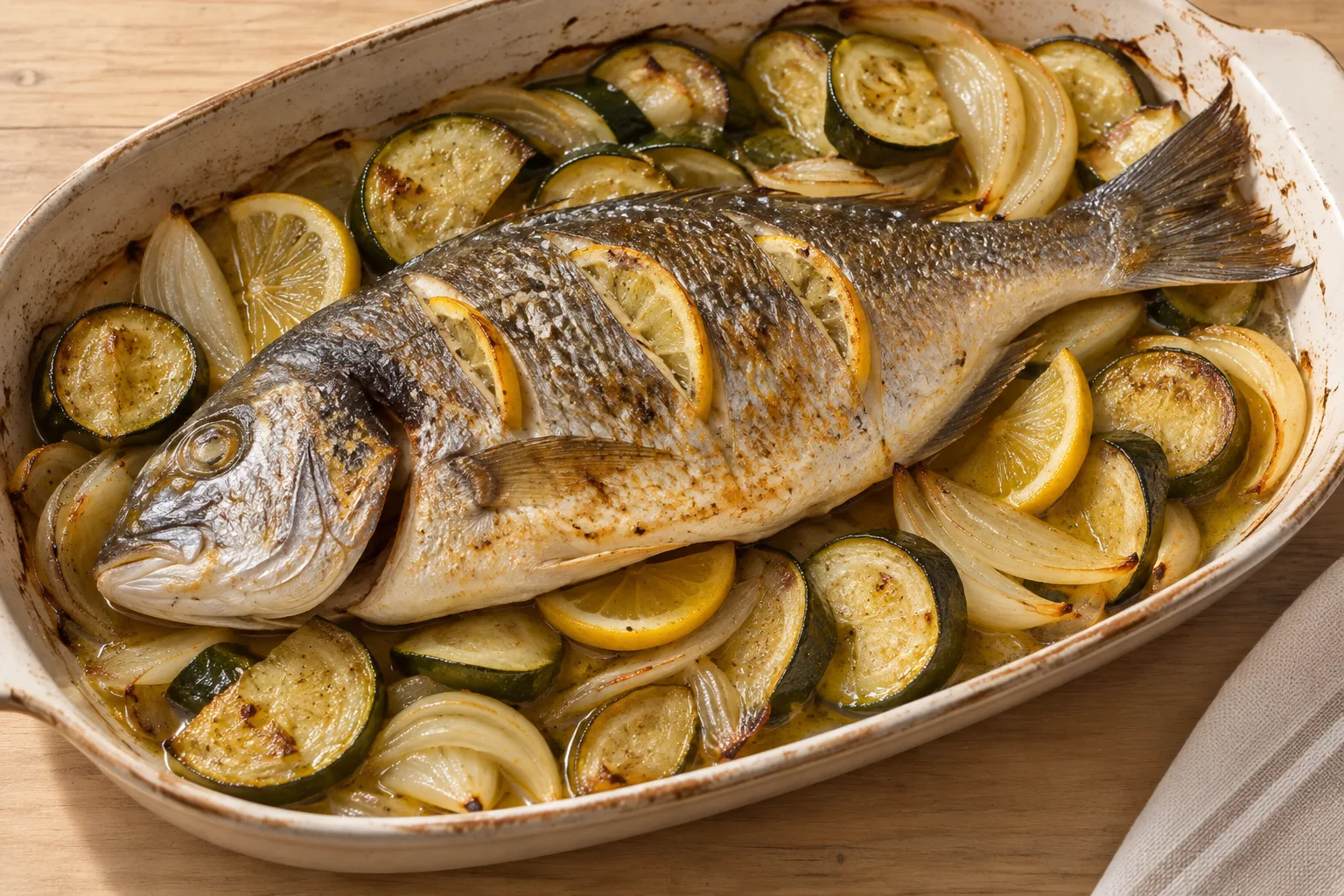
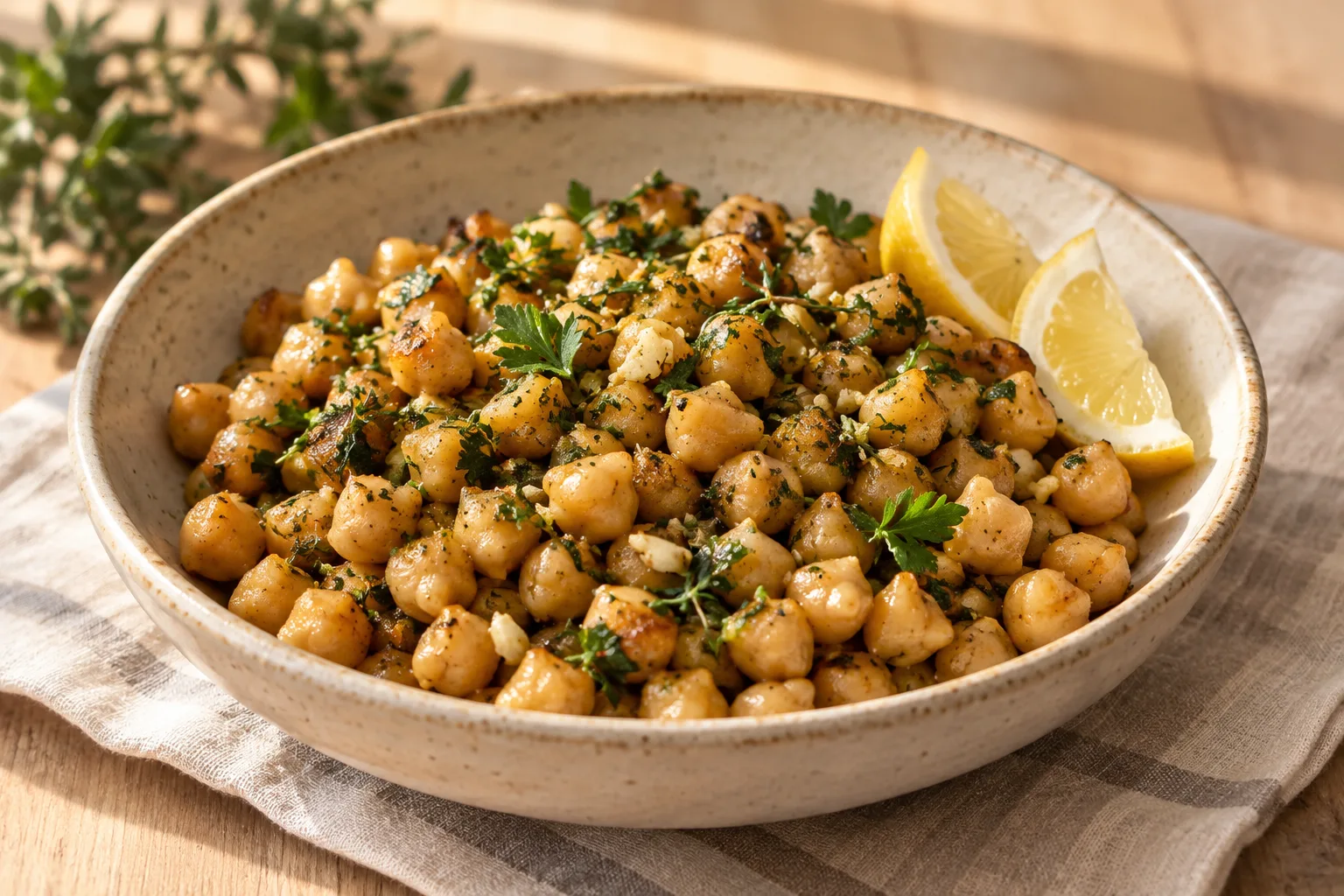
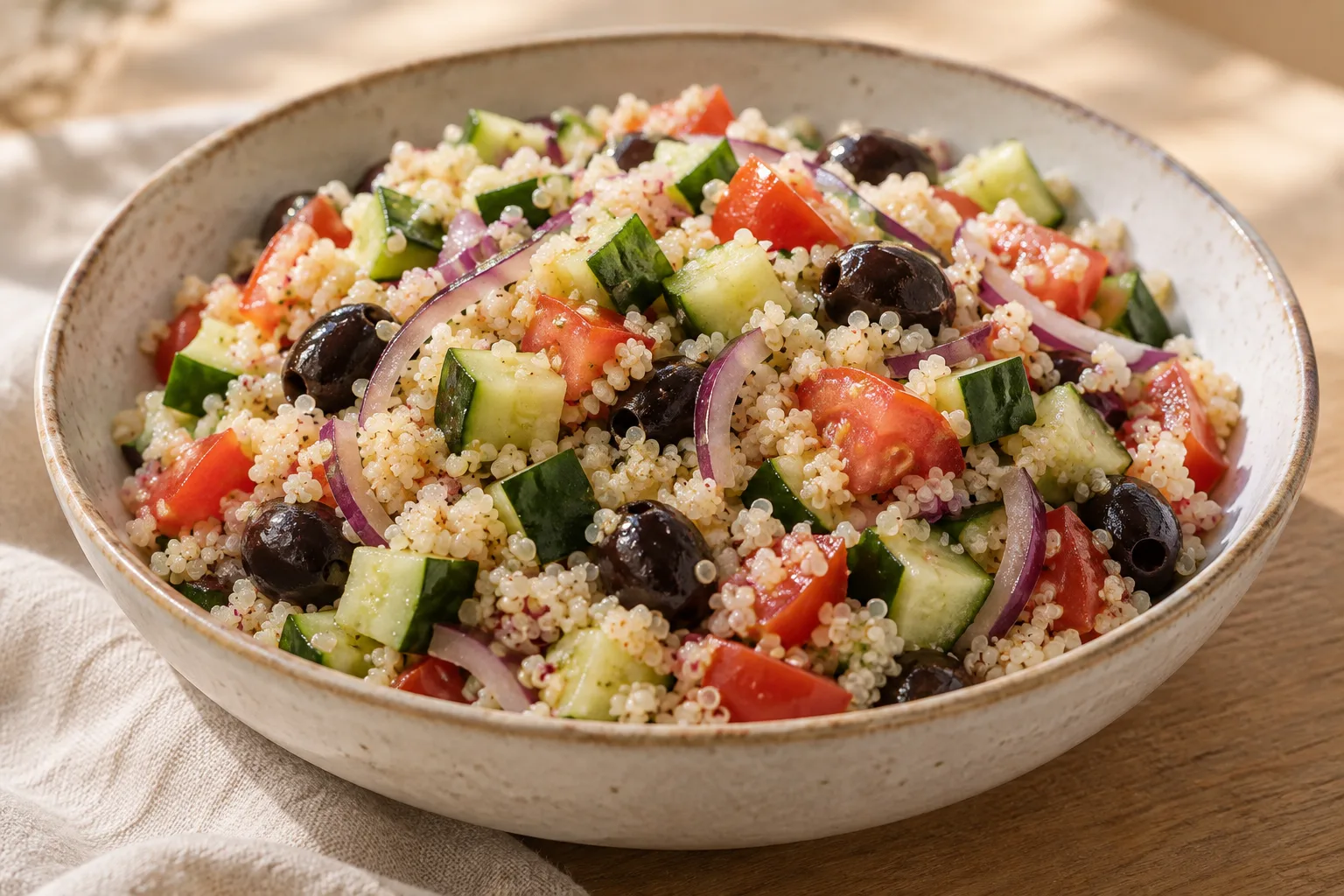
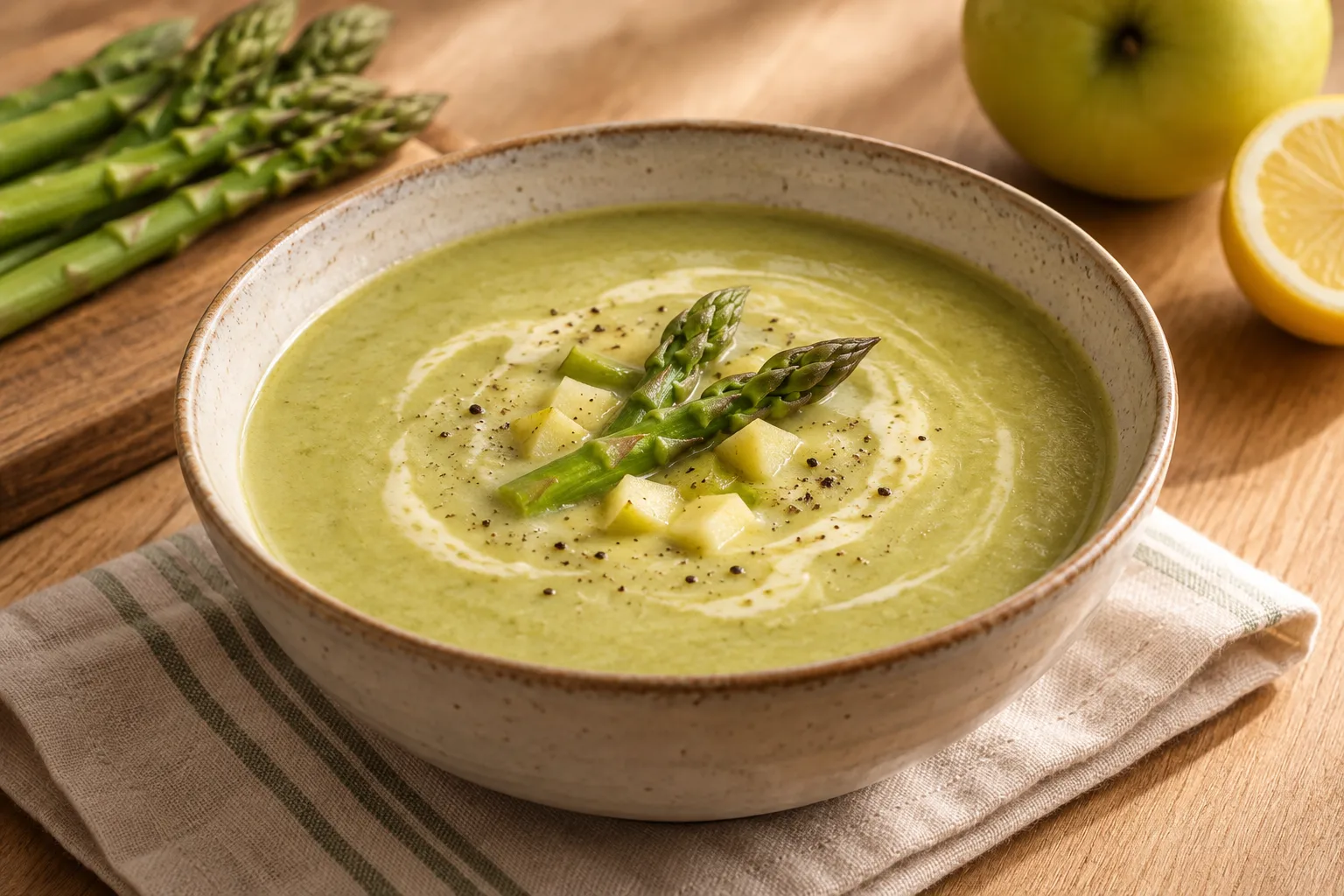
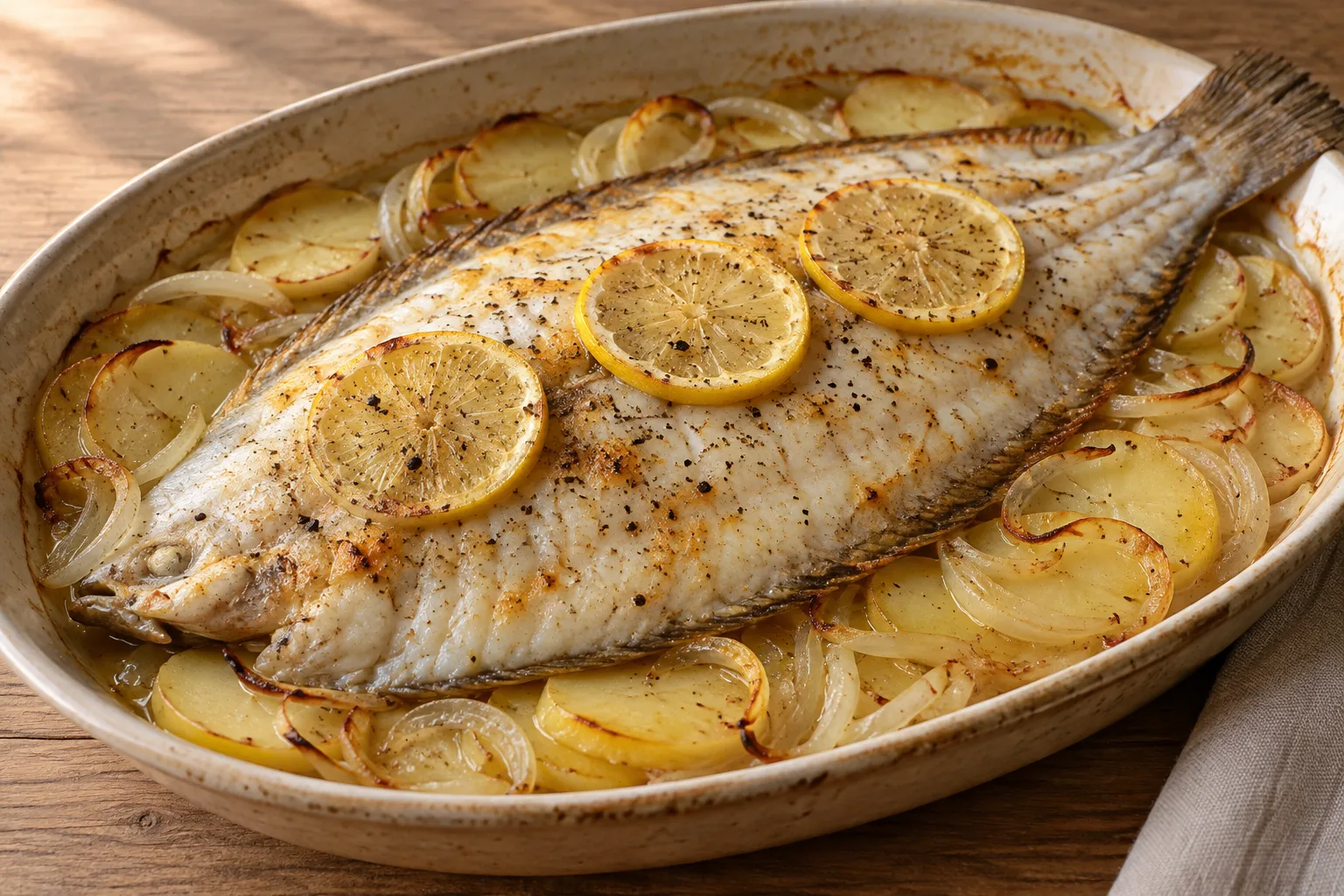
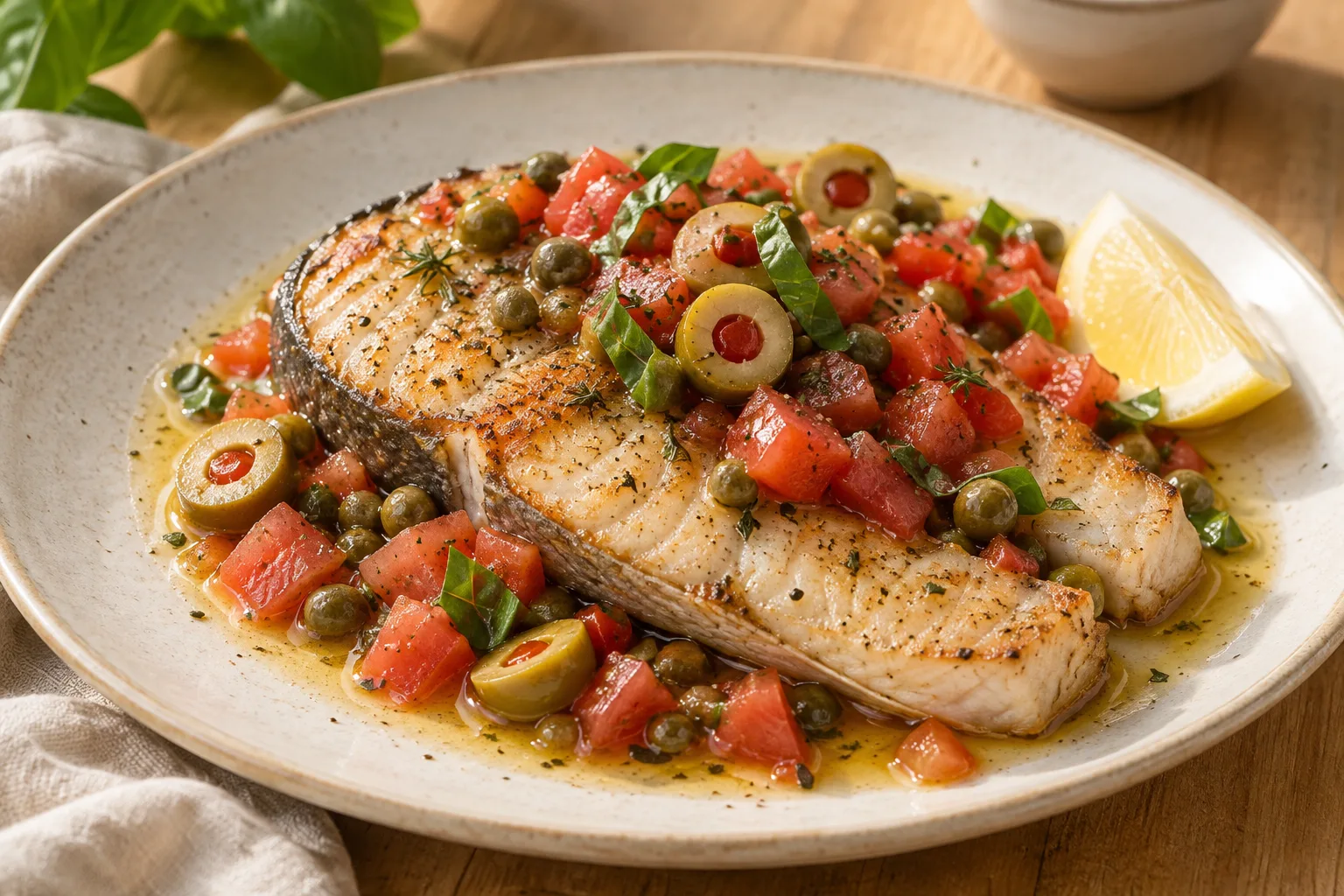
Use lemon when a dish needs acidity, aroma or a fresh counterpoint. The juice works in salads, vinaigrettes, sauces and soups, as well as with meat, fish and seafood; it can also be used in marinades. Lemon is used in lemonade, cocktails and desserts such as tarts, cakes, creams and sorbets. Zest is useful when you want aroma without adding as much liquid. In hot dishes, adding juice at the end can preserve a fresher impression; adjust the amount to suit the other ingredients.
How to use it
Wash and dry the fruit before zesting it for food. Grate only the colored outer layer: the white layer underneath can taste bitter. Squeeze the lemon and add the juice gradually, tasting as you go to control the acidity. Use it directly in dressings and sauces, or combine it with other ingredients for a marinade. In hot preparations, add it at the end or off the heat when you want to retain its fresh character. For baking and drinks, combine juice and zest if you want both acidity and aroma; remember that each contributes something different.
Flavour and texture
The juice tastes acidic, with intensity that can vary between fruits and varieties, and adds moisture to a dish. The outer peel has a pronounced citrus aroma; finely grated, it adds small aromatic flecks without the liquid volume of juice. The white pith beneath the peel can be bitter, so avoid grating it. Appearance, peel thickness and juice yield are not identical in every lemon.
How to choose it
Choose firm, sound fruit without soft areas or visible signs of spoilage. If you want juice, comparing weight with size can be useful: a fruit that feels heavy may be a practical choice, although variety and peel thickness affect yield. For zest, look for intact, clean skin. Color alone cannot guarantee how juicy or acidic a lemon will be.
Storage
Store fresh lemons so that you can check their condition, and do not keep using fruit that has deteriorated. The available evidence does not establish one universal storage period or one set of conditions for every variety and household. If packaged fruit has storage instructions, follow them. Once cut or juiced, follow the relevant instructions for the preparation or package rather than assuming a specific shelf life.
Substitutions
Lime can replace lemon in many preparations where acidity is wanted, but its aroma and flavor are not identical. Start with a modest amount and adjust after tasting. Another citrus fruit may play a similar role in dressings, drinks or desserts, though the result will change. If a recipe calls for zest, replacing it with juice will not reproduce the same texture or peel aroma.
Common mistakes
Grating the white layer can add bitterness, so keep the zest on the colored surface. Adding too much juice at once can overpower other flavors; add it gradually and taste. Long cooking can reduce lemon’s fresh aroma in hot dishes. Do not assume every lemon has the same acidity, seeds, peel or juice yield.
Safety and allergens
The available sources identify no specific warning for fresh lemon. If packaged product has storage or use instructions, follow them; guidance can depend on the product and how it is presented.
Culinary uses
- Condimento ácido para realzar y equilibrar sabores
- Ingrediente aromático mediante el zumo y la ralladura
- Base de bebidas, postres, aliños y salsas
Recommended techniques
- Exprimir el zumo para aliñar, marinar o incorporar a salsas
- Rallar finamente solo la capa coloreada de la piel
- Añadir zumo al final de la cocción para conservar mejor su frescura
- Usar en preparaciones dulces, bebidas y marinados
Pairs well with
- Pollo y otras carnes
- Pescados y mariscos
- Ensaladas y verduras
- Cilantro, perejil y menta
- Ajo, jengibre y comino
Frequently asked questions
Which part of a lemon should I zest?
Zest the colored outer layer. Avoid the white layer beneath the peel, which can add bitterness.
When should I add lemon juice to a hot dish?
If you want a fresher character, add it near the end of cooking or off the heat when the recipe allows.
Can I substitute lime for lemon?
Yes, lime works in many acidic preparations. Its flavor and aroma differ, so adjust the amount by tasting.
Estimated nutrition
- Fat
- 13.55 g
- Saturates
- 2.03 g
- Carbohydrate
- 20.61 g
- Sugars
- 8.18 g
- Fibre
- 1 g
- Protein
- 11.87 g
- Salt
- 0.63 g
Sources and review
Automatically researched, cross-checked and validated content. Sources consulted:
- En el etiquetado alimentario hay algunas menciones que son obligatorias eletiquetadocuentamucho.aesan.gob.es
- Recetas con Limón - Gallina Blanca gallinablanca.es
- Recetas con limón - Paulina Cocina paulinacocina.net
- Limón, un sol en la cocina | Diario Sur diariosur.es
- Client Challenge doi.org
- Aecosan - Agencia Española de Consumo, Seguridad Alimentaria y Nutrición aesan.gob.es
- Estudio sobre el Limón: Orígenes, Beneficios y Usos Culinarios - Studocu studocu.com
- Limón - Wikipedia, la enciclopedia libre es.wikipedia.org
- Limón: propiedades, beneficios y usos - Herbolario Casa Pià casapia.com
- Tipos de limones: descubre cuál es el mejor para cada receta valledelguadalhorce.org
- Limón: Variedades (Fino, Verna), Temporada y Propiedades frutamerca.com
- Artes culinarias/Ingredientes/Limón - Wikilibros es.wikibooks.org
- Características y variedades de los limones - Iberiana iberiana.es
- Sabor a limón: 8 recetas deliciosas, 8 texturas diferentes hola.com
- 15 recetas al limón: platos salados y postres con todo el sabor de este cítrico bonviveur.com