- Category
- Dairy and eggs
- State
- Liquid
- Usual unit
- tazas
What it is
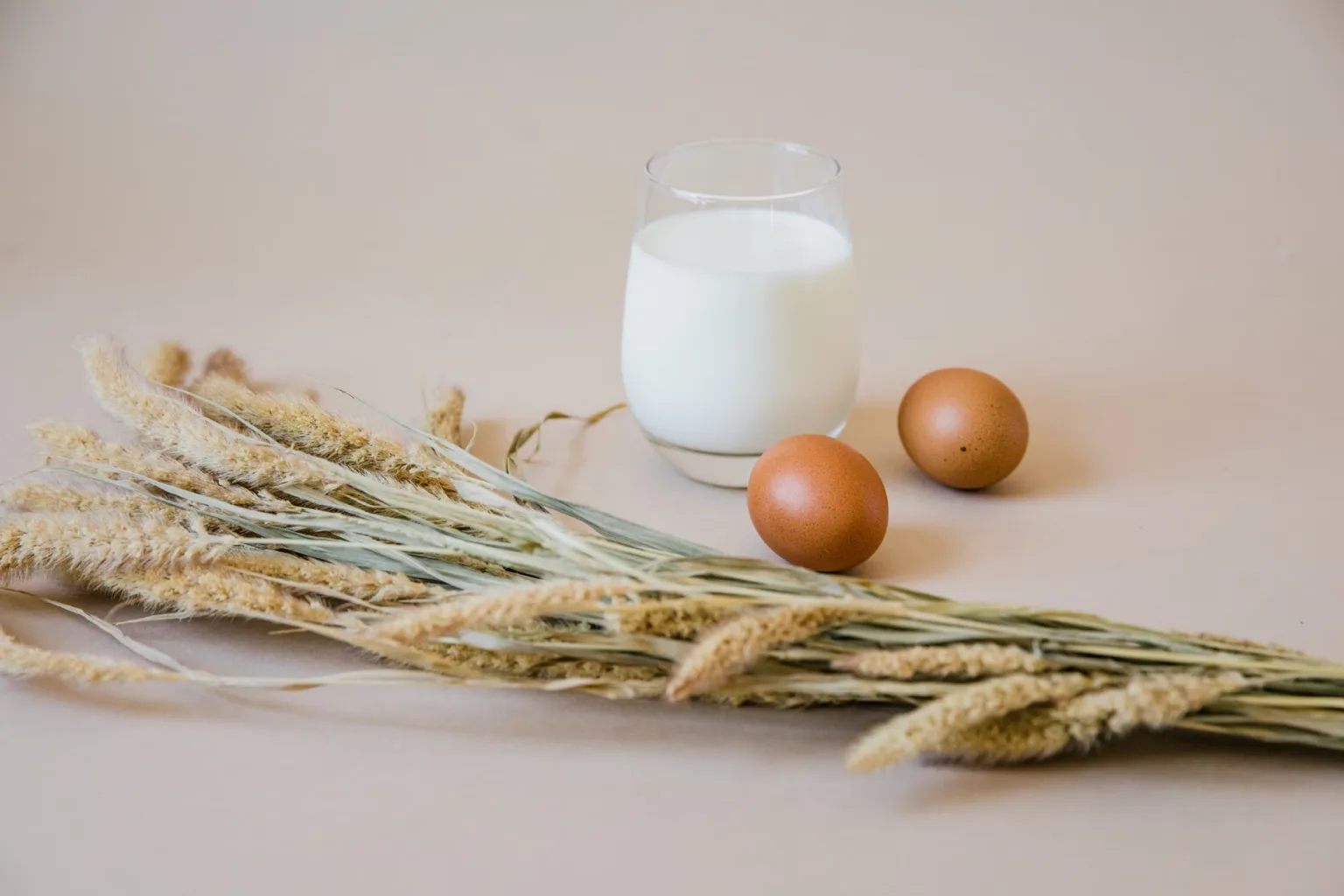
Milk is a dairy ingredient sold in different forms and varieties; this guide focuses on liquid animal milk used in cooking. It should not automatically be confused with plant-based drinks, although some recipes allow them as alternatives. Depending on the recipe and product, milk can be used in sweet or savoury preparations. It appears in batters, creams, desserts, sauces and purées, and can also be drunk on its own or added to drinks such as coffee and tea. Product composition and processing vary, so check the product name and directions on the package.
When to use it
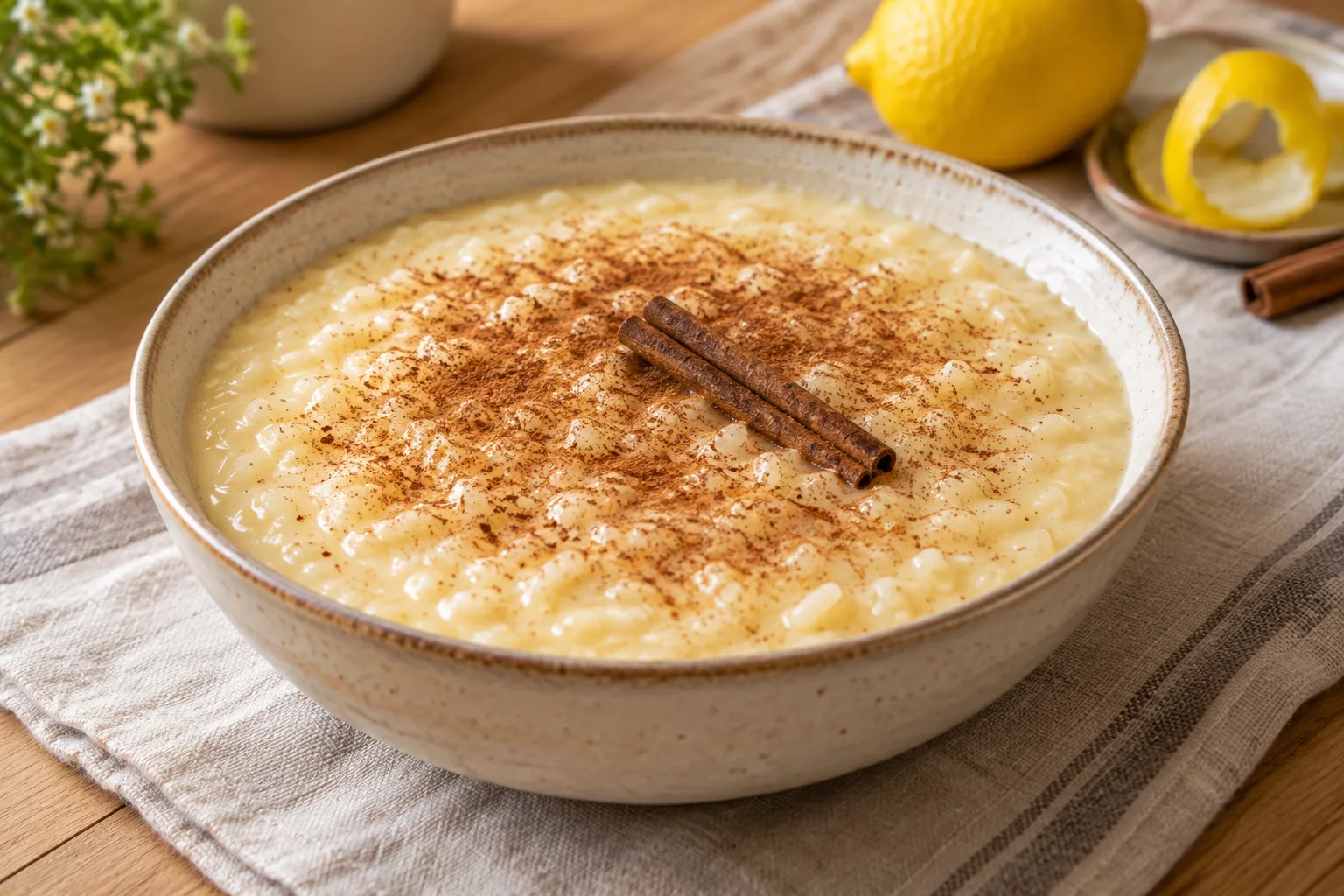
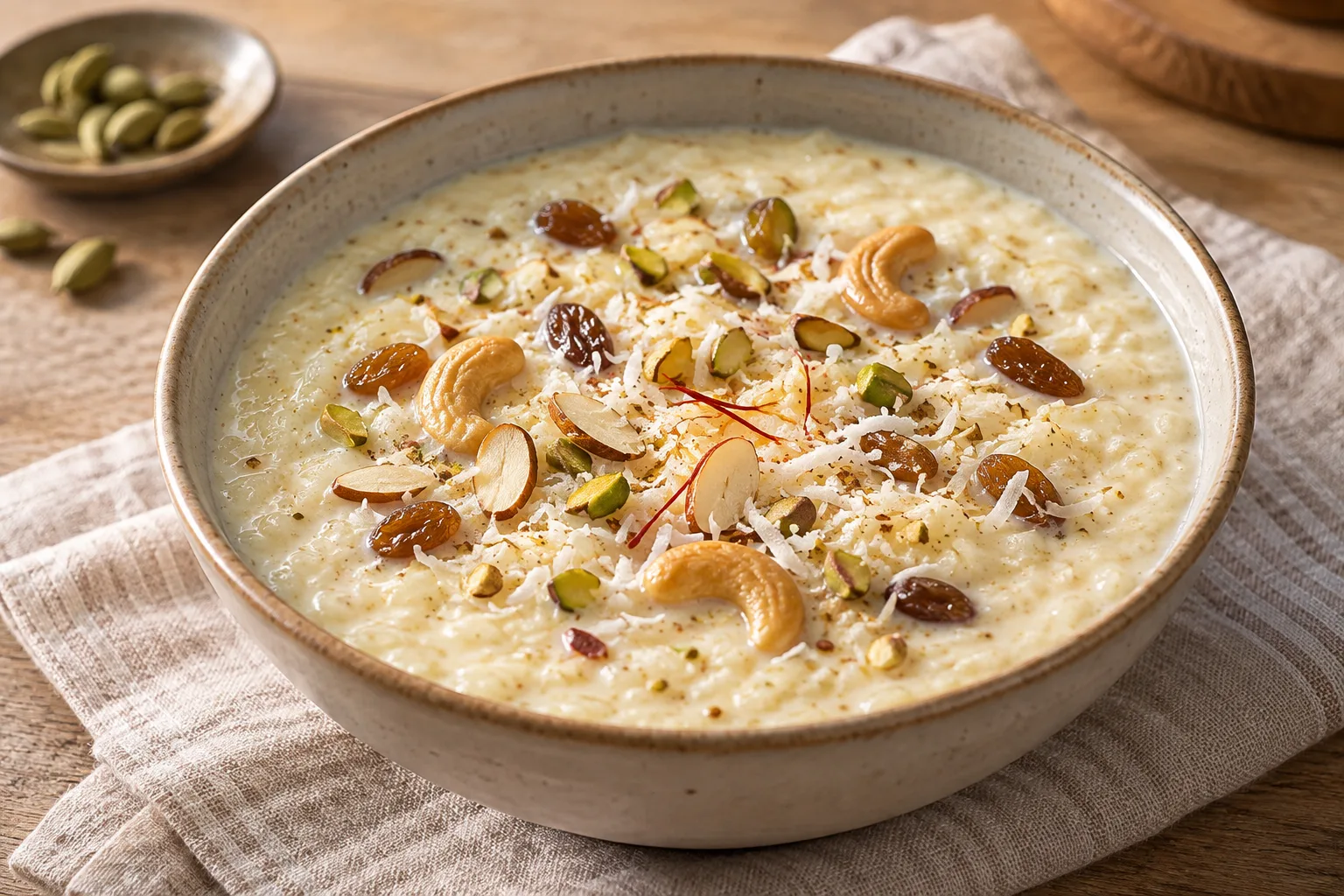
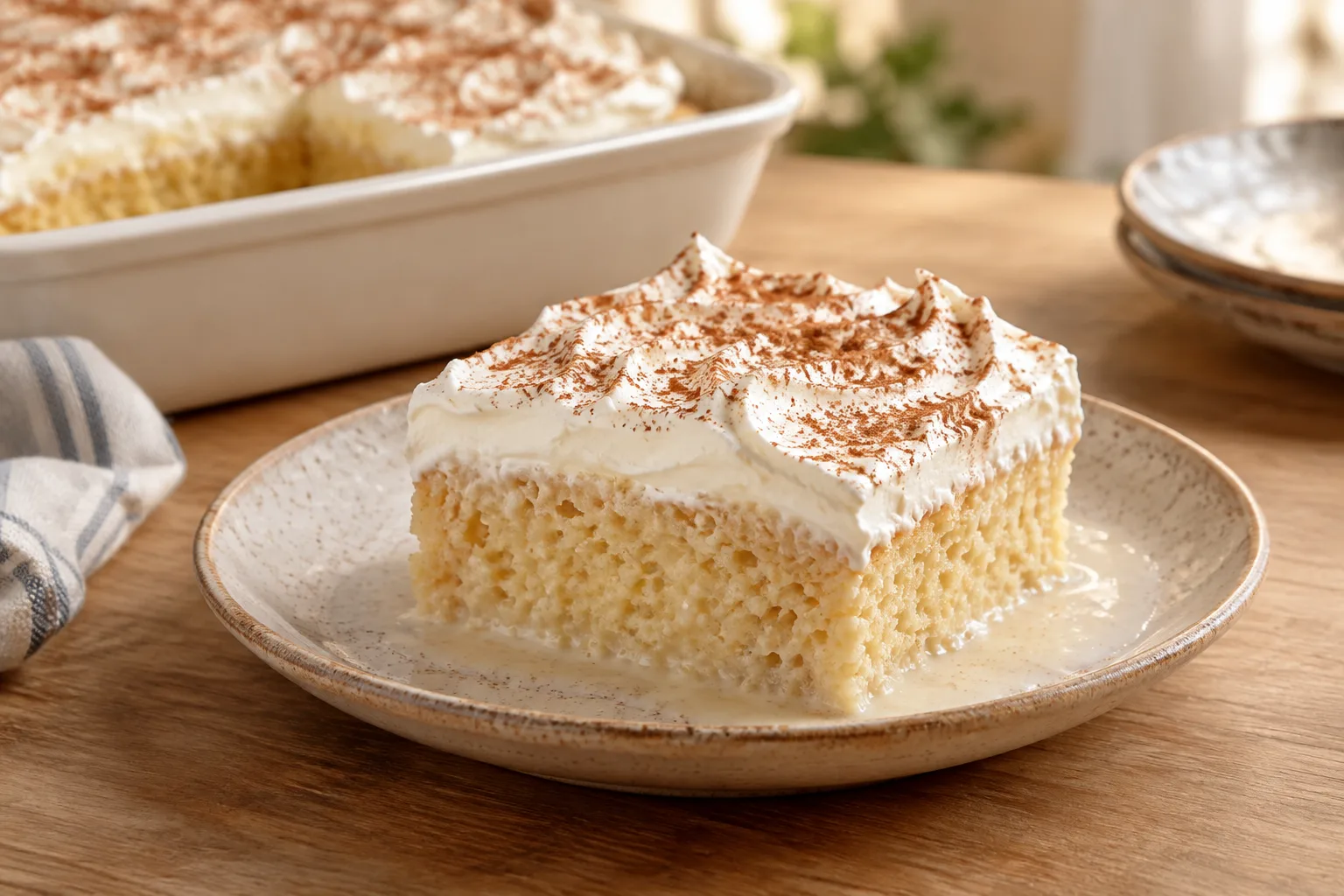
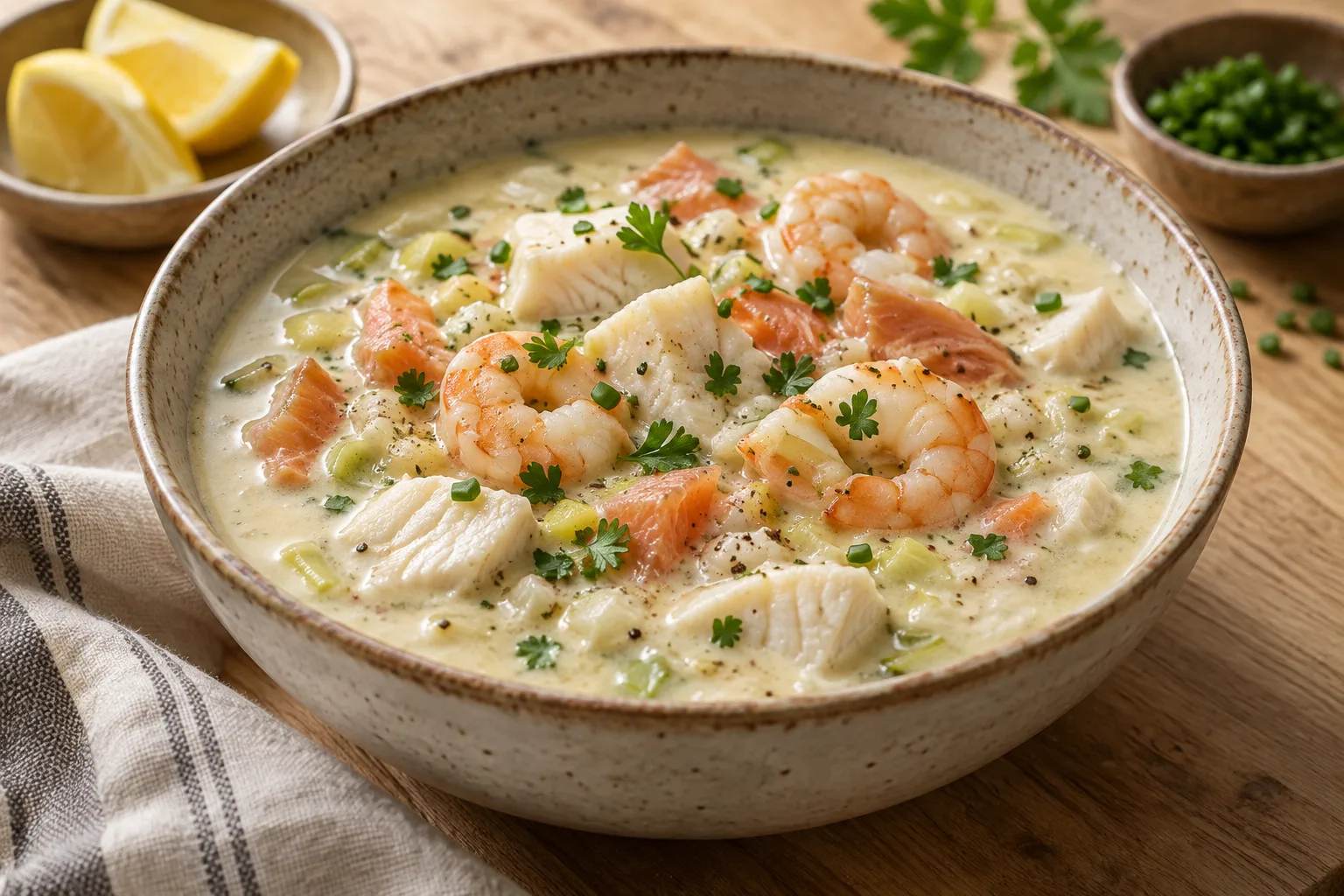
Use milk when a recipe calls for a dairy liquid, a smooth cream or a sauce base. It is common in custards, rice pudding, ice cream and baking, and is also used in savoury dishes such as béchamel, sauces and vegetable creams. Milk can be added to purées to make their texture softer. If a dish relies on a particular richness or thickness, remember that milk does not have the same body as cream and adjust the recipe accordingly.
How to use it
Measure milk as directed and add it to batters, dessert mixtures, purées or sauces. For béchamel, combine it with flour and butter; mixing as the liquid is added helps produce a smooth sauce. For sweet creams, milk can be heated with flavourings such as cinnamon or vanilla and citrus, then combined with the remaining ingredients. It can also be served in hot or cold drinks. If replacing cream with milk in a savoury dish that needs more body, one culinary source suggests adding fat, such as egg yolk; use this adaptation only if it suits the recipe.
Flavour and texture
Milk generally has a mild, slightly sweet flavour and a fluid texture. In a recipe, it can soften creams and purées or provide the liquid component of batters and sauces. The finished result depends on the type of milk and the other ingredients; different products do not all have the same body. Replacing milk with cream, a plant-based drink or another product can therefore change both texture and flavour.
How to choose it
Choose a product whose name and form match the recipe; options include liquid milk with different fat levels as well as products such as powdered or condensed milk. If you want animal milk, do not mistake it for a plant-based drink. Check the package information, including storage and use directions, and avoid torn or damaged packages. If the product is sold refrigerated, make sure it feels cold and take it home promptly.
Storage
Follow the storage directions on the package: the product's form and processing can affect how it should be kept. If it is a perishable refrigerated product, put it in cold storage promptly after purchase and follow the directions for use after opening. Keep the package closed and avoid exposing the milk or storing it near foods that may transfer odours. Do not assume milk can be kept at room temperature based on appearance; check its label.
Substitutions
Some recipes allow plant-based drinks, but flavour and results may change; choose an alternative that suits the dish. In some savoury preparations, milk can replace cream, though the mixture may be less rich. A culinary source suggests adding fat, such as egg yolk, for extra body. Do not swap liquid milk, condensed milk and powdered milk without adjusting the proportions and the rest of the recipe.
Common mistakes
Do not assume that all milks and plant-based drinks behave the same way in a recipe. Replacing cream with milk without accounting for the difference in body can change a sauce or filling. Nor should powdered or condensed milk be used as though it were liquid milk without adjusting the recipe. Finally, do not overlook package storage directions or allergen information.
Safety and allergens
Milk is an allergen that must be identified in food information; check the label and disclose its presence when cooking for others. Follow the package's storage and use directions. If you do not know which product was used or how it was stored, clarify that before serving it.
Culinary uses
- Base líquida para masas y postres
- Ingrediente para salsas, cremas y purés
Recommended techniques
- Mezclar con harina y grasa para preparar una salsa ligada
- Calentar para infusionar con aromáticos o integrar en cremas
- Incorporar a masas y preparaciones de repostería
Pairs well with
- Harina y mantequilla en bechamel
- Canela, vainilla y cítricos en preparaciones dulces
- Verduras en cremas y purés
Frequently asked questions
Can milk be used in both sweet and savoury recipes?
Yes. It is used in desserts and batters as well as sauces, béchamel, creams and purées.
Can I replace cream with milk?
Some recipes allow it, but the result may be less creamy. A culinary option for extra body is to add fat, such as egg yolk, if the recipe permits.
How should I store milk?
Follow the directions on the package. The product's processing and form can change its storage requirements.
Estimated nutrition
- Fat
- 2.12 g
- Saturates
- 1.27 g
- Carbohydrate
- 5.08 g
- Sugars
- 5.08 g
- Fibre
- 0 g
- Protein
- 3.39 g
- Salt
- 0.14 g
Sources and review
Automatically researched, cross-checked and validated content. Sources consulted:
- En el etiquetado alimentario hay algunas menciones que son obligatorias eletiquetadocuentamucho.aesan.gob.es
- GUÍA DE ANÁLISIS DE PELIGROS Y PUNTOS DE CONTROL CRÍTICO (APPCC) LECHES UHT Y aesan.gob.es
- Cooking Food Storage | USU extension.usu.edu
- The Essential Glossary of Cooking Terms for the Culinary Arts - Escoffier escoffier.edu
- La leche: Un ingrediente con gran versatilidad en la cocina • Leche Pascual lechepascual.es
- La leche y usos en la cocina | El Diario Vasco diariovasco.com
- Usos de la leche en la cocina | Consumer consumer.es
- Leche - Wikipedia, la enciclopedia libre es.wikipedia.org
- ¡Usos culinarios de la leche! Descubre sus tipos. guiagastronomica.net
- Tipos de leche: características y recetas | Recetas Nestlé recetasnestlecam.com
- Leche: Qué es, origen, características e información nutricional - Mundo Lácteo mundolacteo.es
- Leche materna o fórmula, ¿Qué es lo mejor para tu bebé? | Con Evidencia doi.org
- Dulce de leche artesanal: ingrediente estrella y técnicas de uso en la repostería moderna - MrTango mrtango.es
- Cómo sustituir la leche en las recetas abc.es
- Sustitutos de la leche para hornear | Craftsy Espanol es.craftsy.com
- Alternativas a la leche igual de sabrosas en cocina lecturas.com
- ESCUELA CANAL COCINA TEMA 20 LACTEOS - AMC CHANNELS amcchannels.es
- Trucos de cocina con leche: Descubre todos los usos que tiene la leche para equilibrar tus recetas | Leche Larsa leitelarsa.es
- INFORME SOBRE DECLARACIONES DE ENTREGAS DE LECHE A LOS PRIMEROS COMPRADORES mapa.gob.es
- Storing Food for Safety and Quality - OSU Extension Service extension.oregonstate.edu
- Pantry Food Storage | Ohioline ohioline.osu.edu
- Food Selection & Storage | Home & Garden Information Center hgic.clemson.edu
- Cheese-Storage-Bulletin-4-8-20.pdf cdr.wisc.edu
- "Food Storage Cooking School" by Rebecca Low and Deloy G. Hendricks digitalcommons.usu.edu