- Category
- Herbs and spices
- State
- Powdered
- Usual unit
- teaspoon
What it is
Ground cumin is the powdered spice made by grinding the dried seeds of Cuminum cyminum. It belongs to the Apiaceae family and is used as a seasoning. Because it is already ground, it can be stirred into moist dishes and distributed through a recipe without grinding whole seeds first. It should not be confused with caraway, a different spice that is sometimes given a popular name associated with cumin but has a distinct flavor profile. Commercial products can vary by brand and batch, so check the package for its ingredients and product-specific information.
When to use it
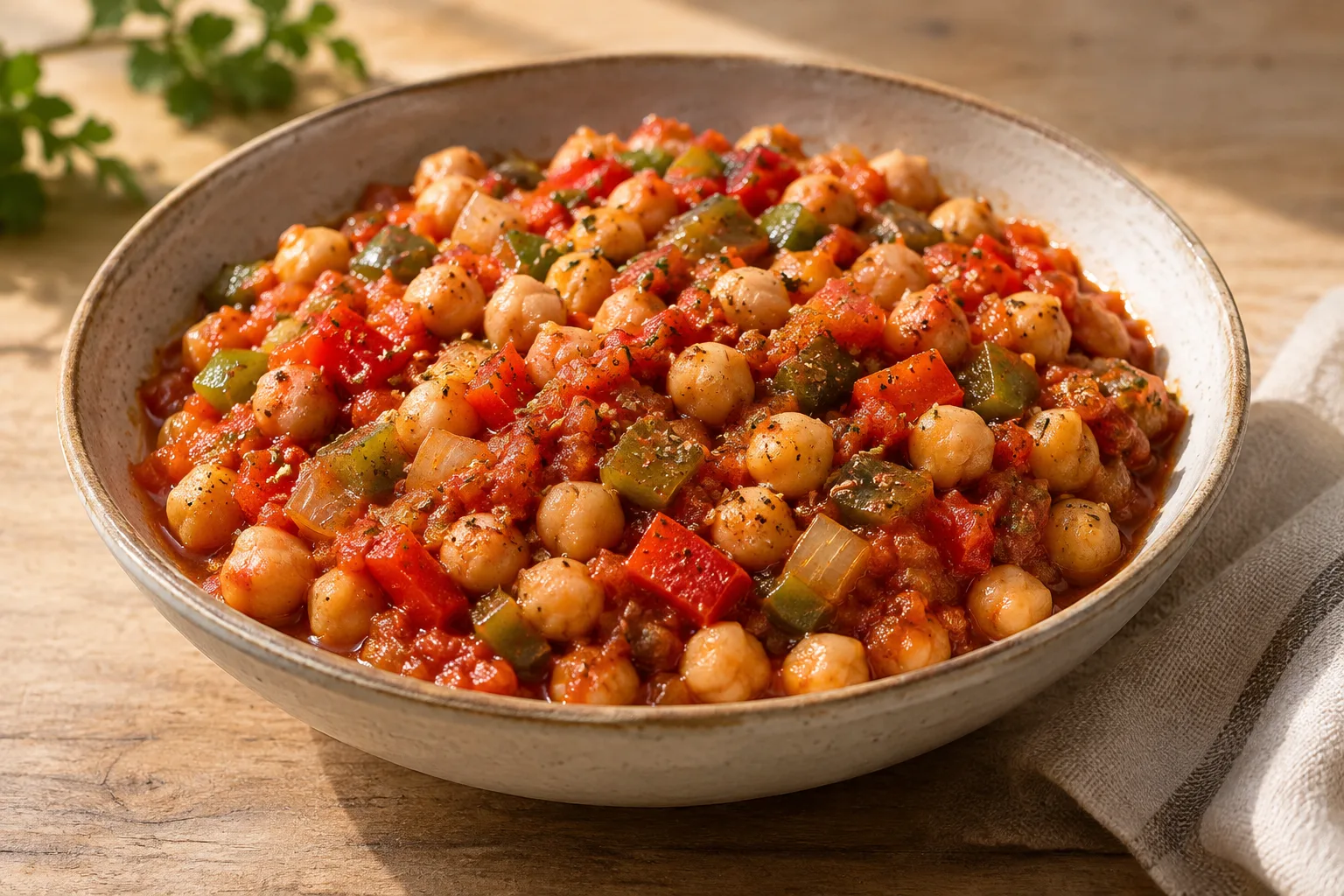
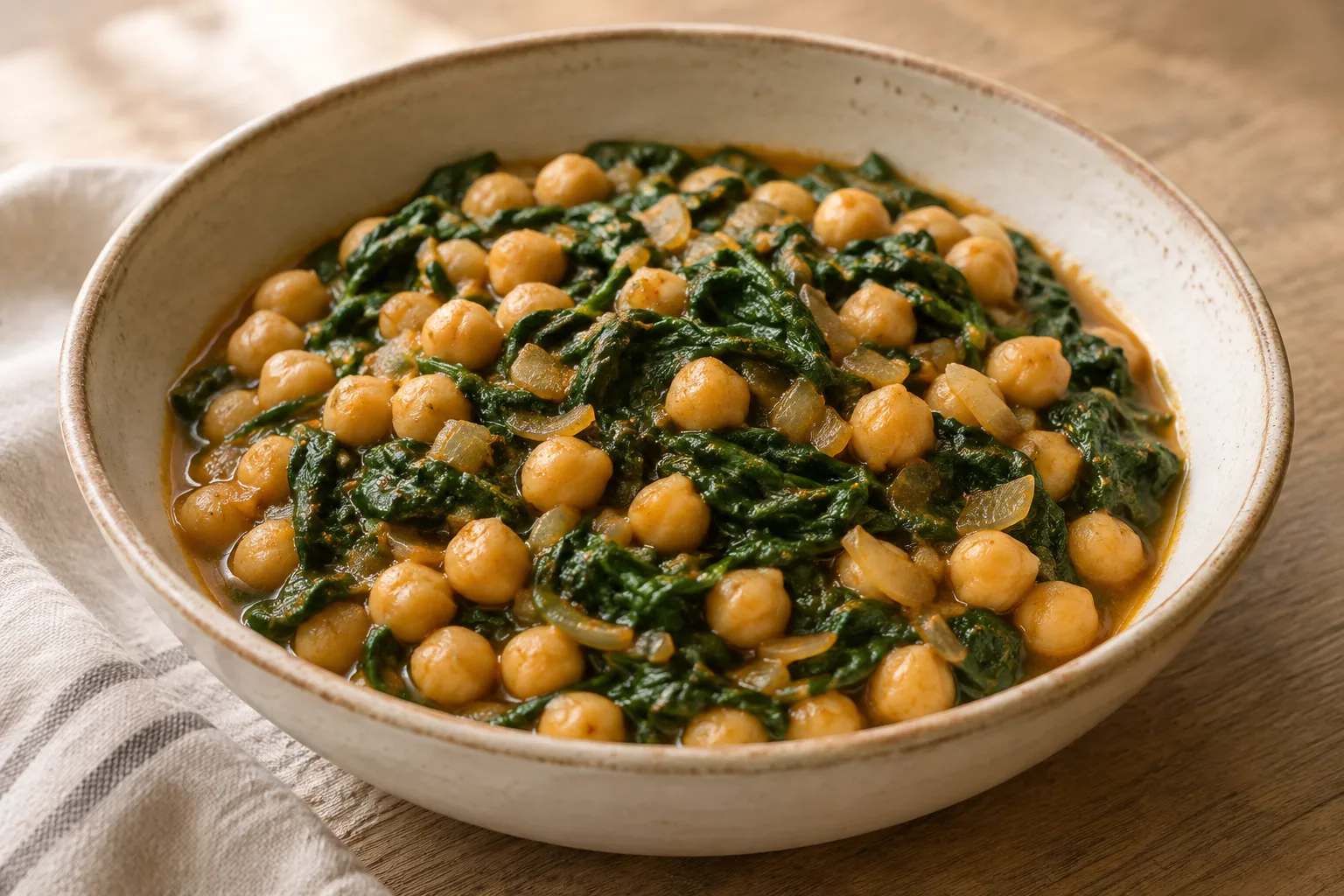
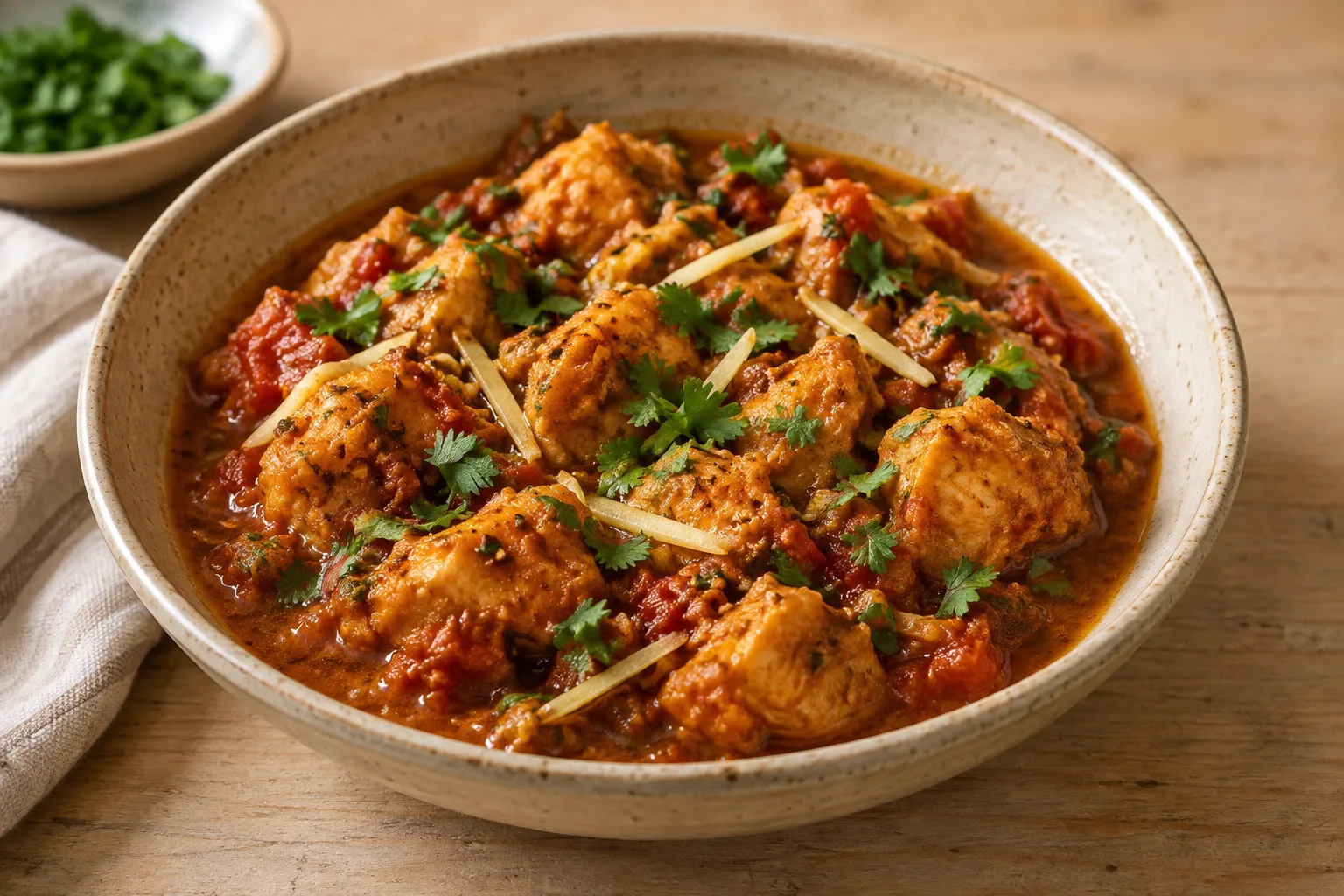
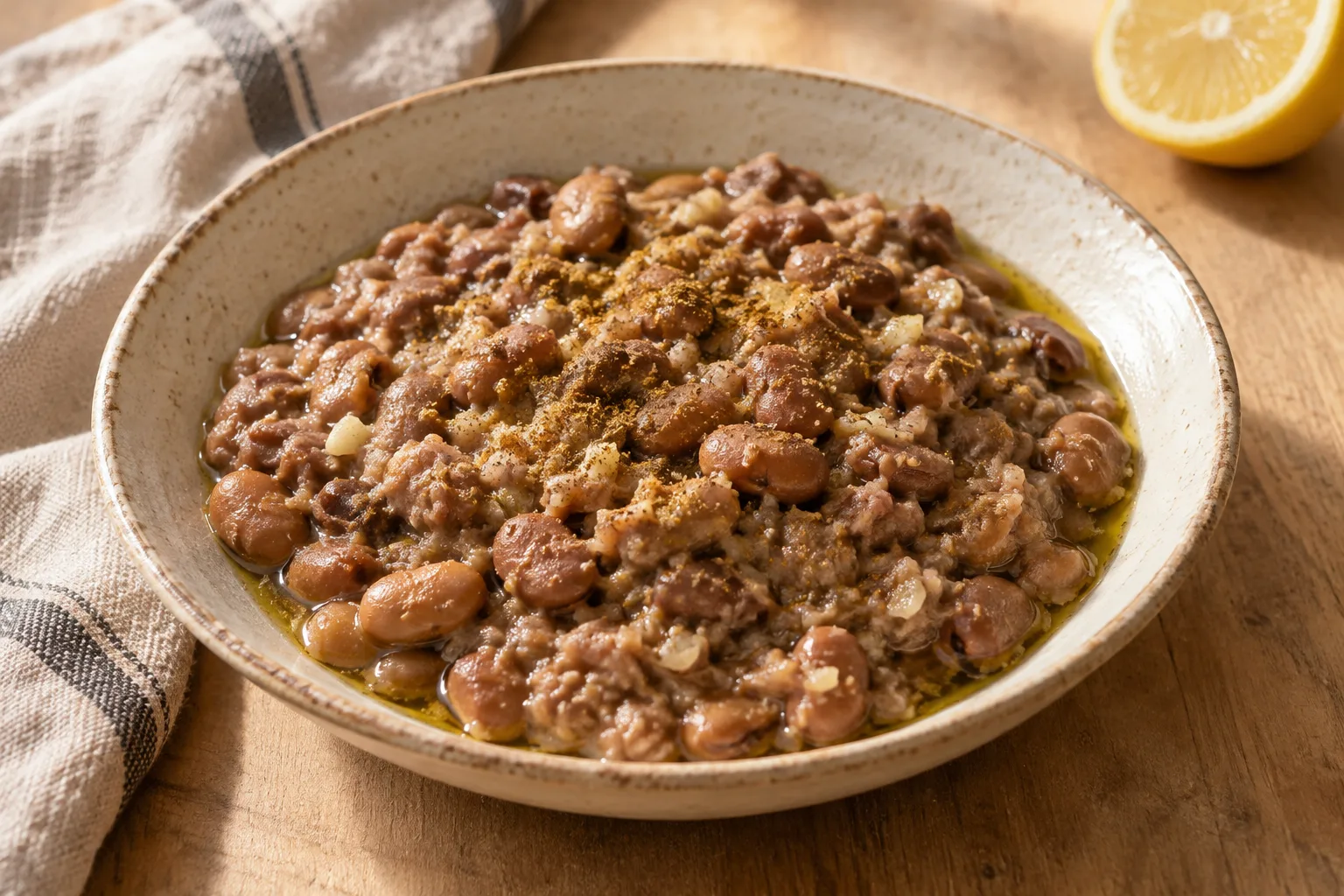
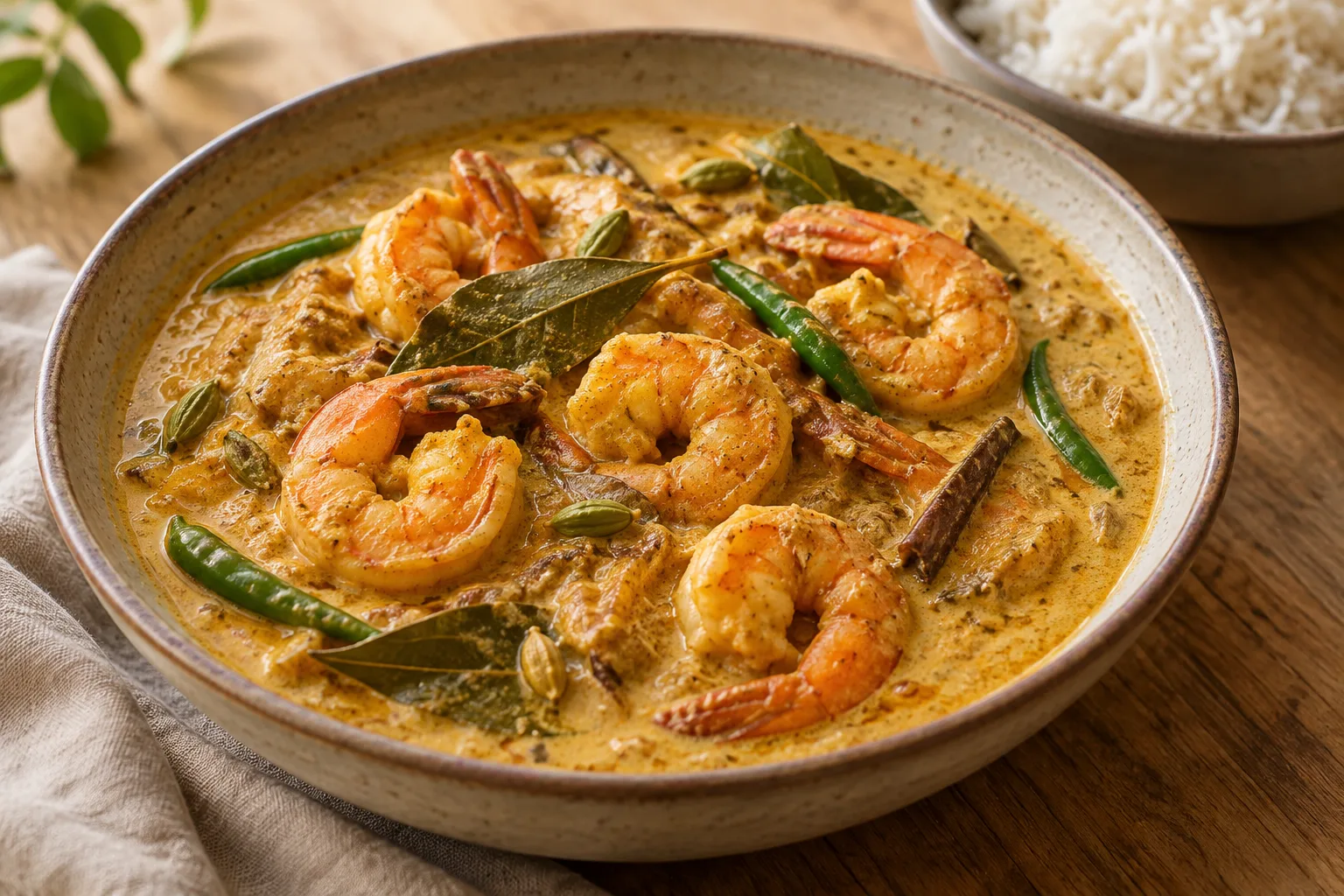
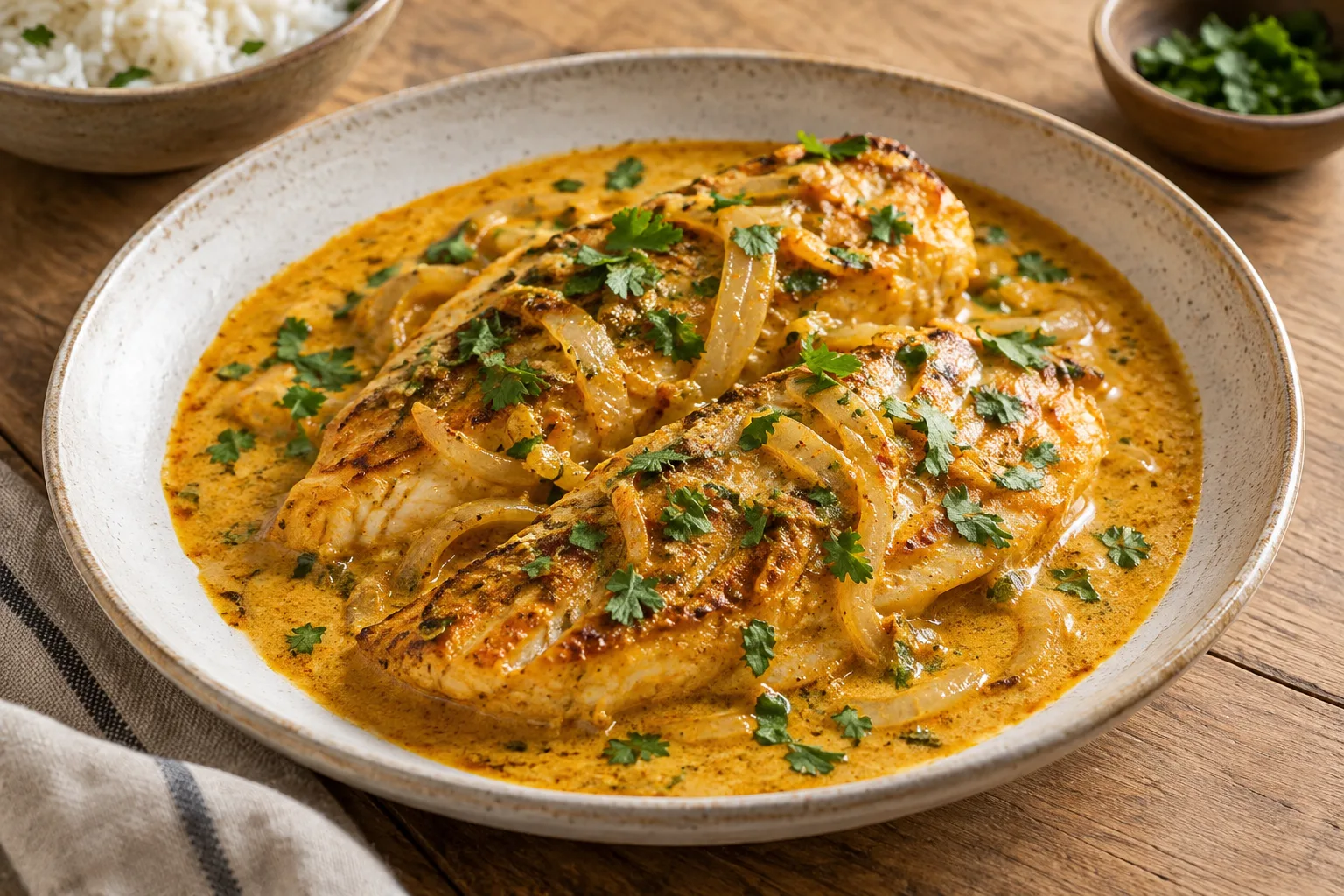
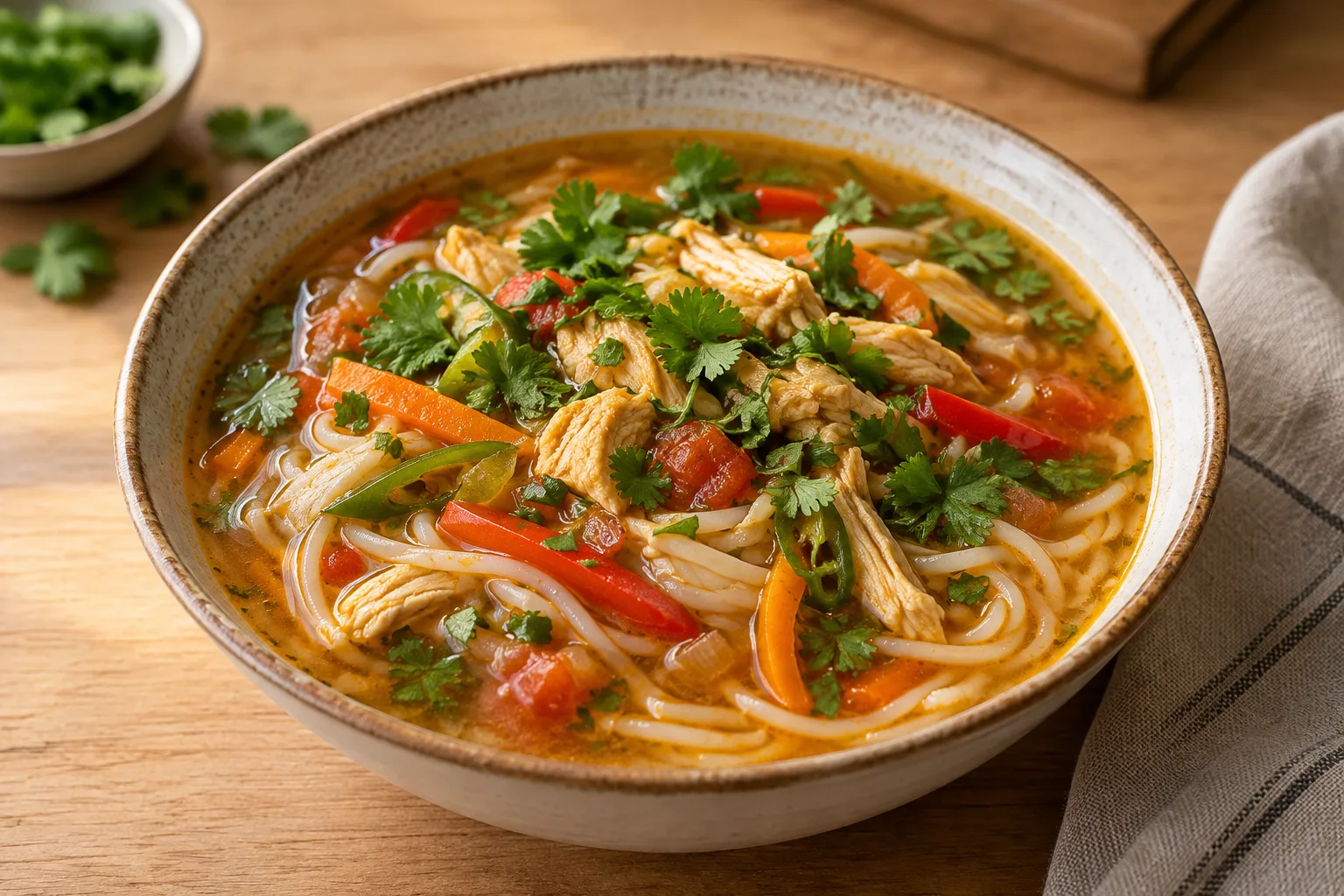
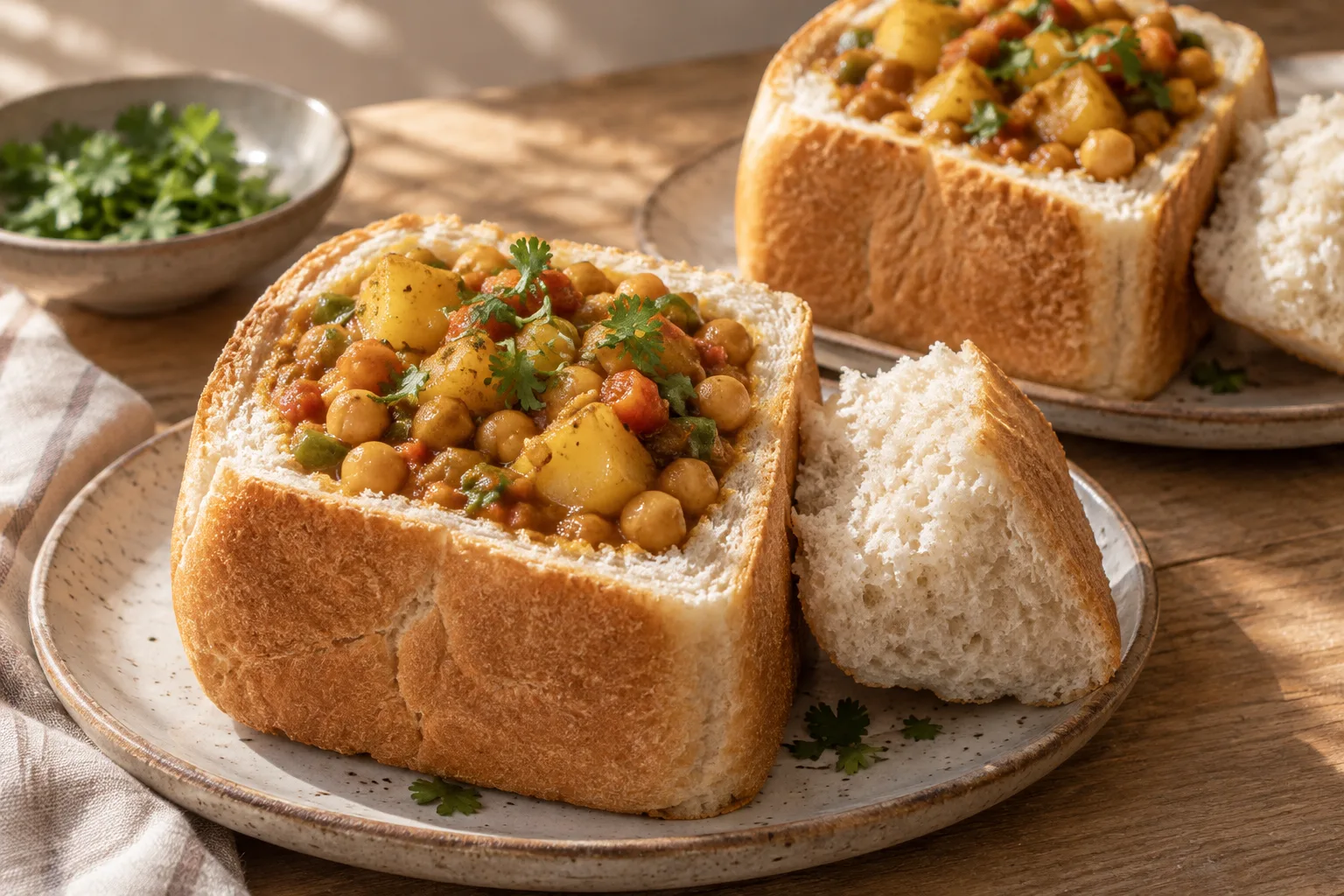
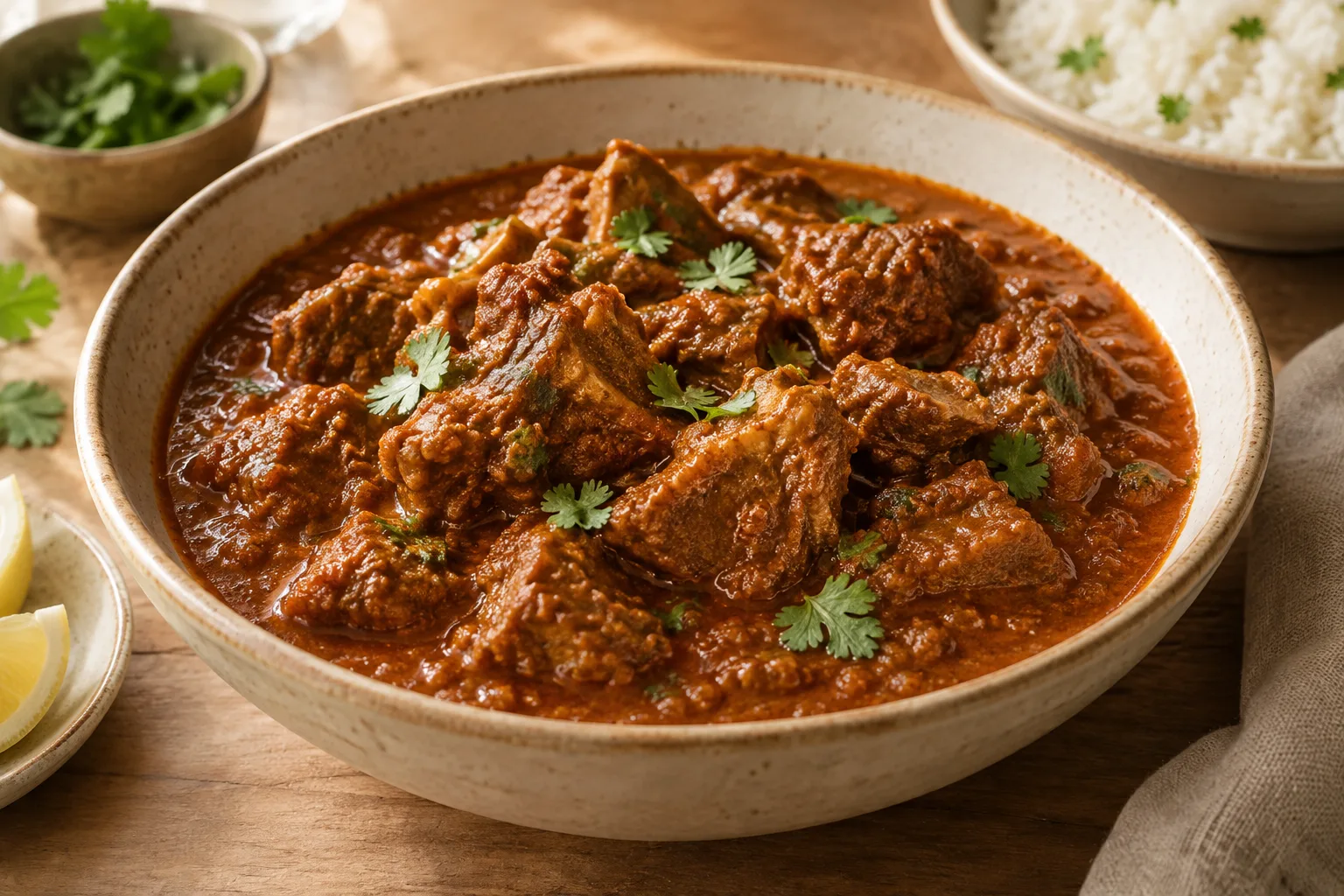
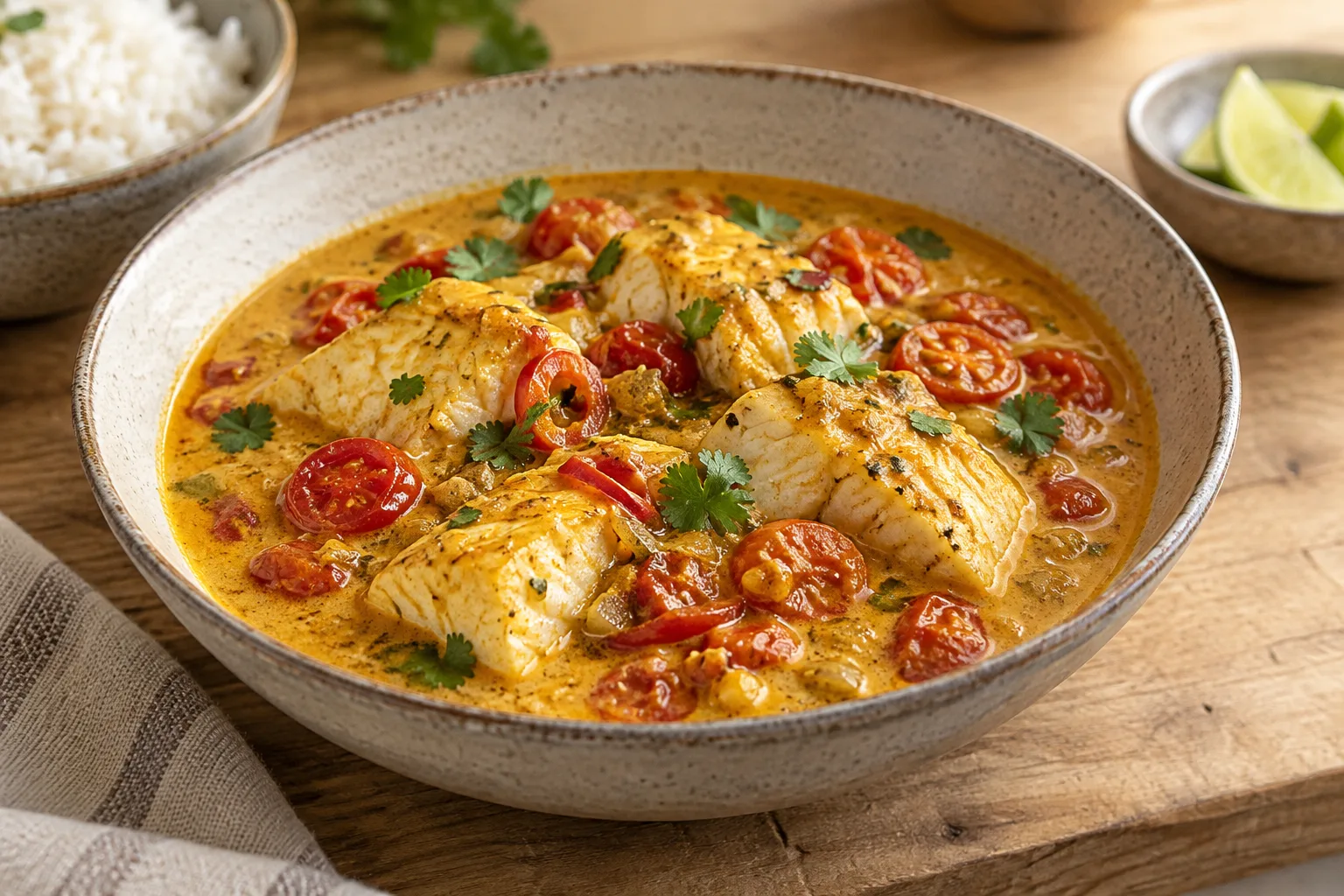
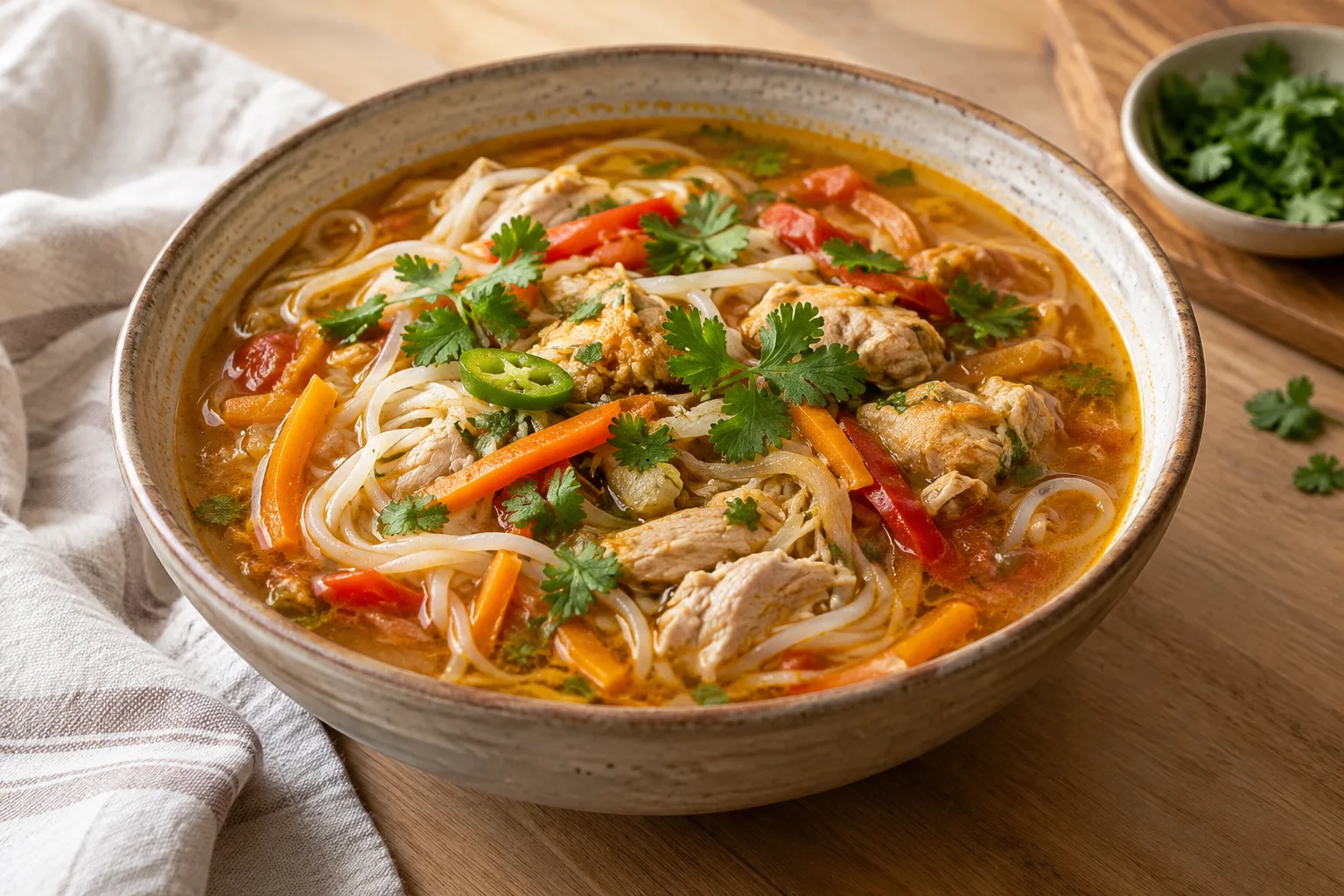
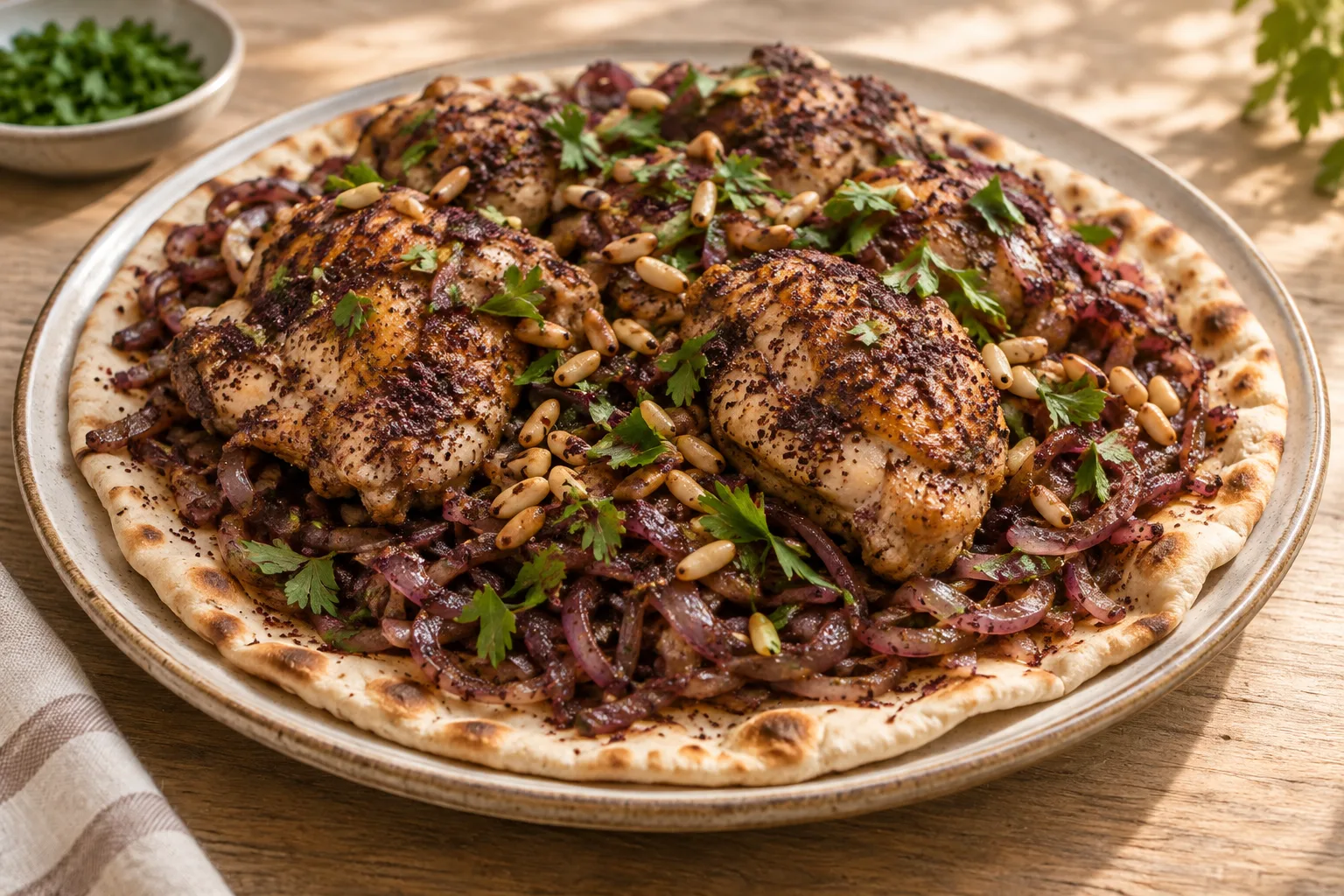
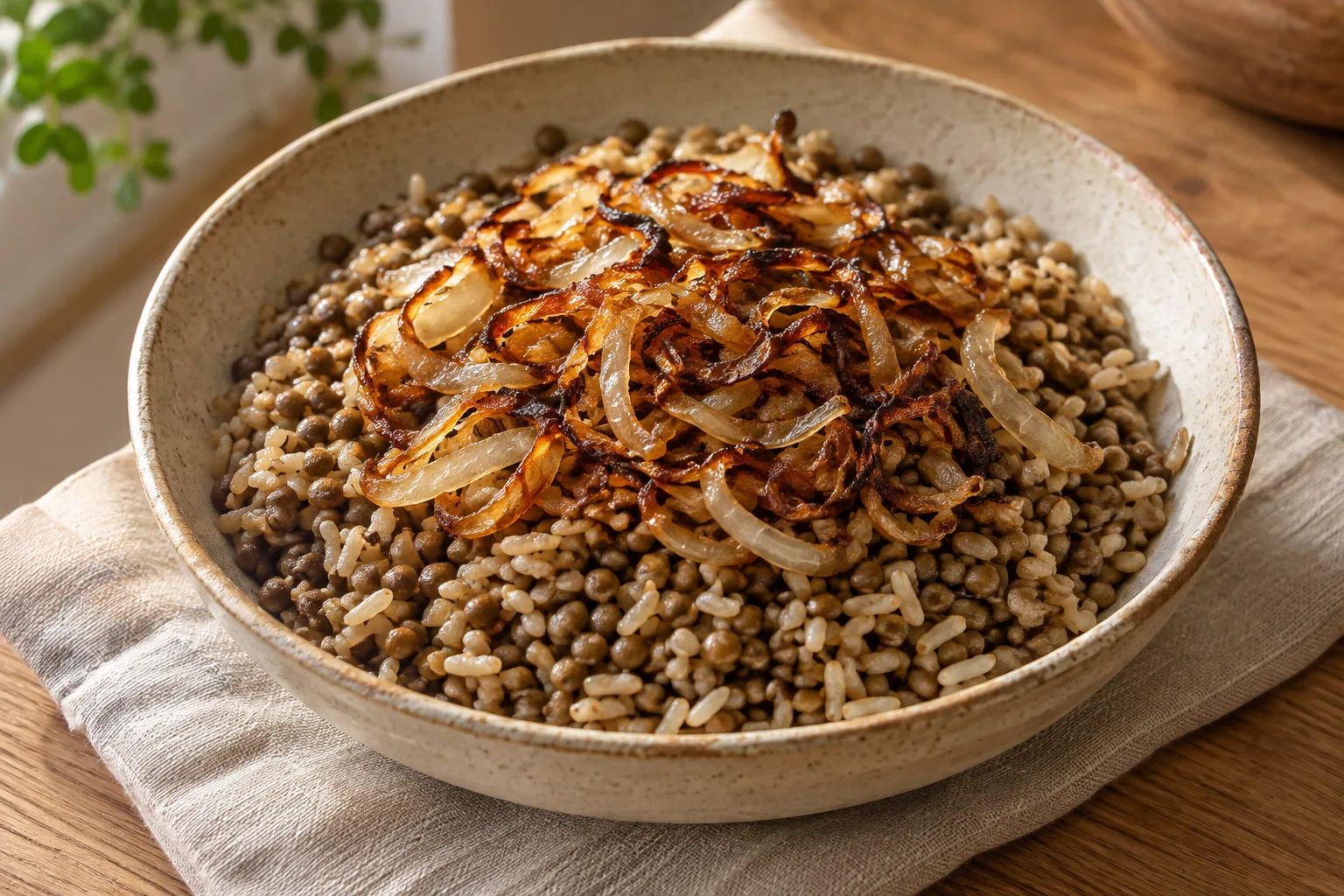
Use ground cumin when you want a warm, recognizable spiced note in legumes, soups, stews, rice dishes, sauces, or marinades. It is also used in preparations such as hummus and in spice blends. Its aroma can readily stand out, so begin with a small amount, taste the dish, and add more only if needed. Ground cumin is convenient when you want cumin flavor without first grinding whole seeds.
How to use it
Stir ground cumin into a stew, soup, sauce, or marinade and mix well so it is distributed through the preparation. You can also add it to a hot cooking base or briefly warm it in oil alongside other seasonings. It does not need to be ground before use. To keep it from overshadowing the main ingredients, start with a little, mix, taste, and adjust. If a recipe calls for whole seeds, remember that ground cumin disperses differently and does not provide the same texture.
Flavour and texture
Ground cumin has a warm, distinctive spiced flavor, described as somewhat bitter, with a sweet and pronounced aroma. Its powdered texture blends into ingredients rather than leaving whole seeds to bite into. Intensity can vary between products and dishes, so adding it gradually helps maintain balance and leaves room for the other flavors.
How to choose it
Choose a product whose label clearly identifies cumin and lets you check its ingredients and allergen or cross-contact information. When buying in bulk, ask for the available information about composition and handling. Do not assume every package is identical: brand, blend, batch, and manufacturer warnings can differ. If you need to avoid an allergen, check the specific package before buying or using it.
Storage
Store ground cumin according to the directions on its package. One available commercial recommendation is to keep it in a cool, dry place away from direct light to help preserve its flavor and aroma. Keep the label available and check for any additional instructions from the manufacturer. Do not assume a universal storage period; use the durability and storage information supplied for your particular product.
Substitutions
Caraway can work as an approximate alternative because it shares some aromatic notes, but it does not taste the same as cumin. Coriander with a little chili powder is another option when you want an earthy flavor with some warmth. Paprika or chili powder can shift a dish in a different direction rather than reproduce cumin exactly. Substitute gradually and taste before adjusting the rest of the seasoning.
Common mistakes
A common mistake is adding too much cumin at once: its aromatic character can dominate and mask other flavors. Start with a small amount, mix, and taste before adding more. Also distinguish cumin from caraway, which is not another form of cumin, and check the package rather than assuming that every ground product has identical ingredients or warnings.
Safety and allergens
Check the product label for ingredients and allergen or cross-contact information. AESAN issued a historical alert about peanut traces in one specific lot of ground cumin; it did not apply to all products. Follow the storage and use directions on your package.
Culinary uses
- Seasoning
- Aromatic
Recommended techniques
- Stir into stews, soups, sauces, or marinades
- Briefly heat in oil or incorporate into a hot cooking base
Pairs well with
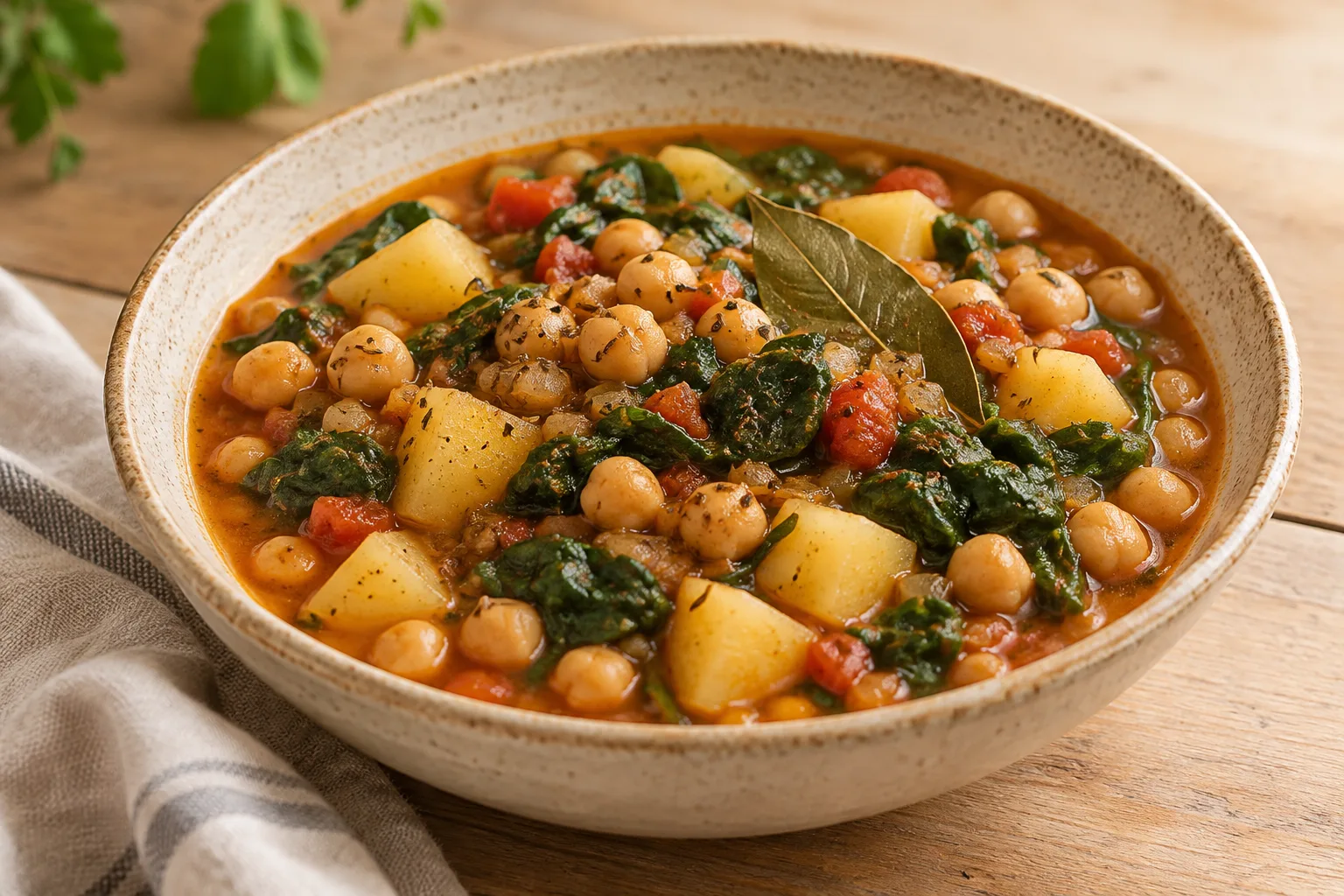
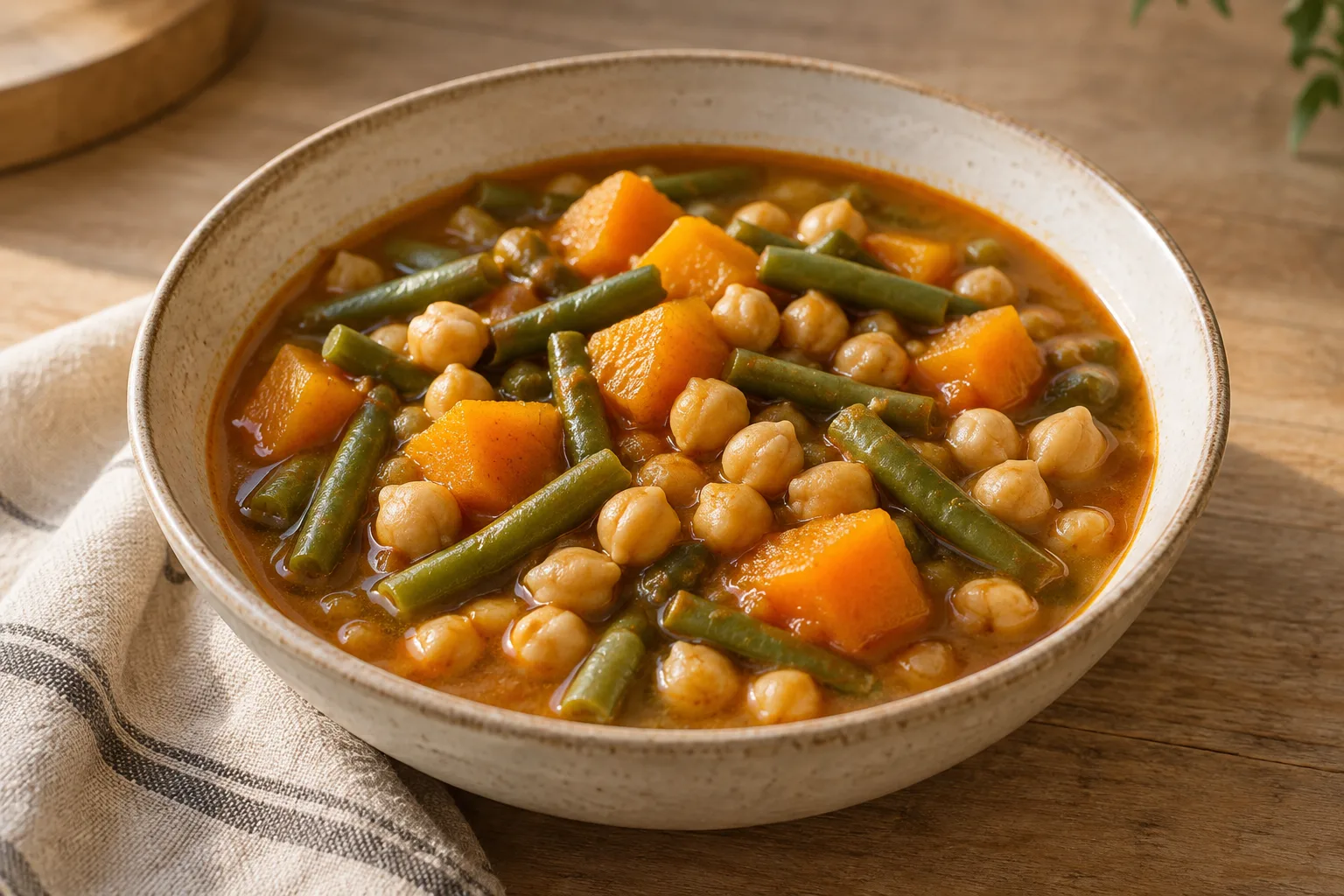
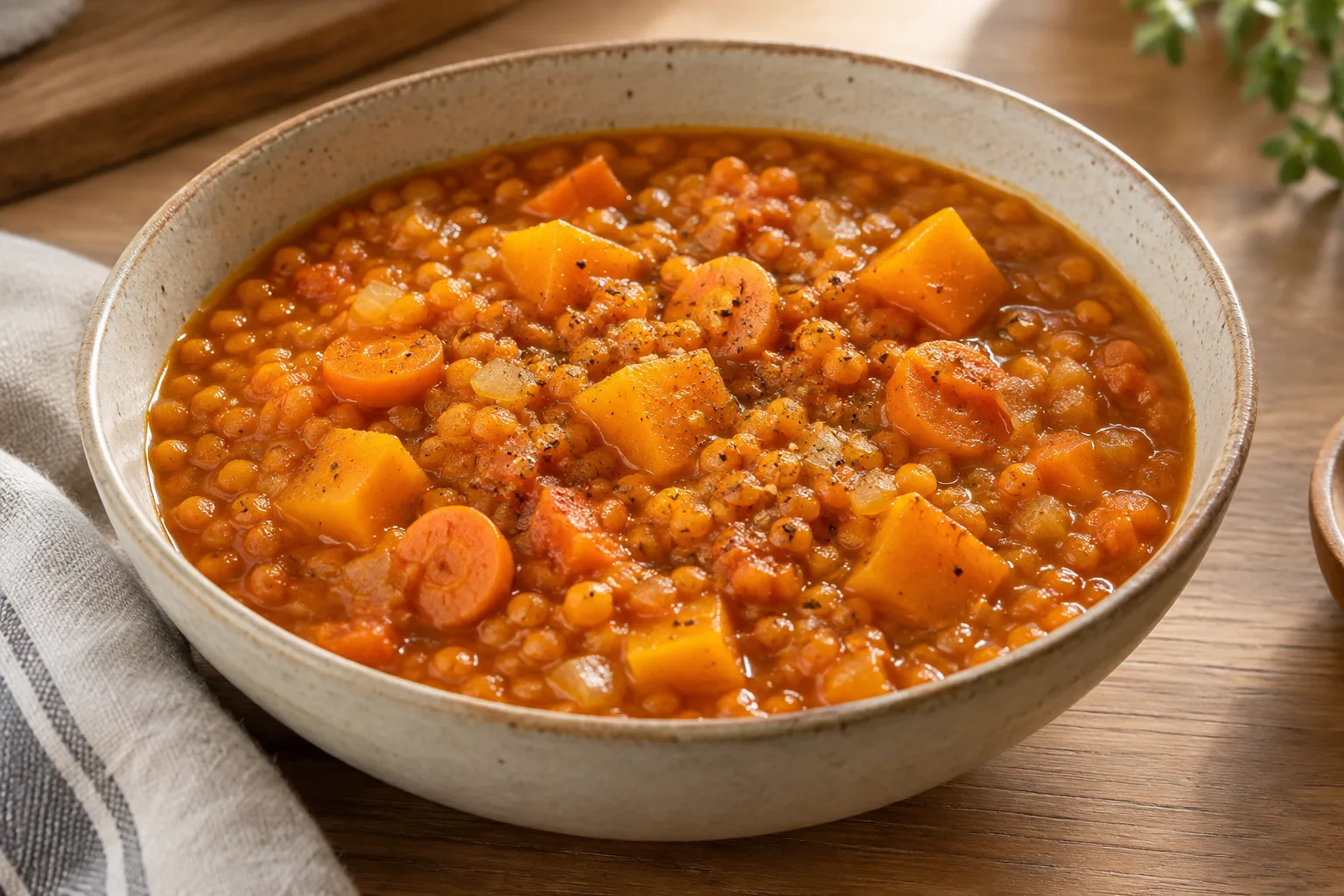
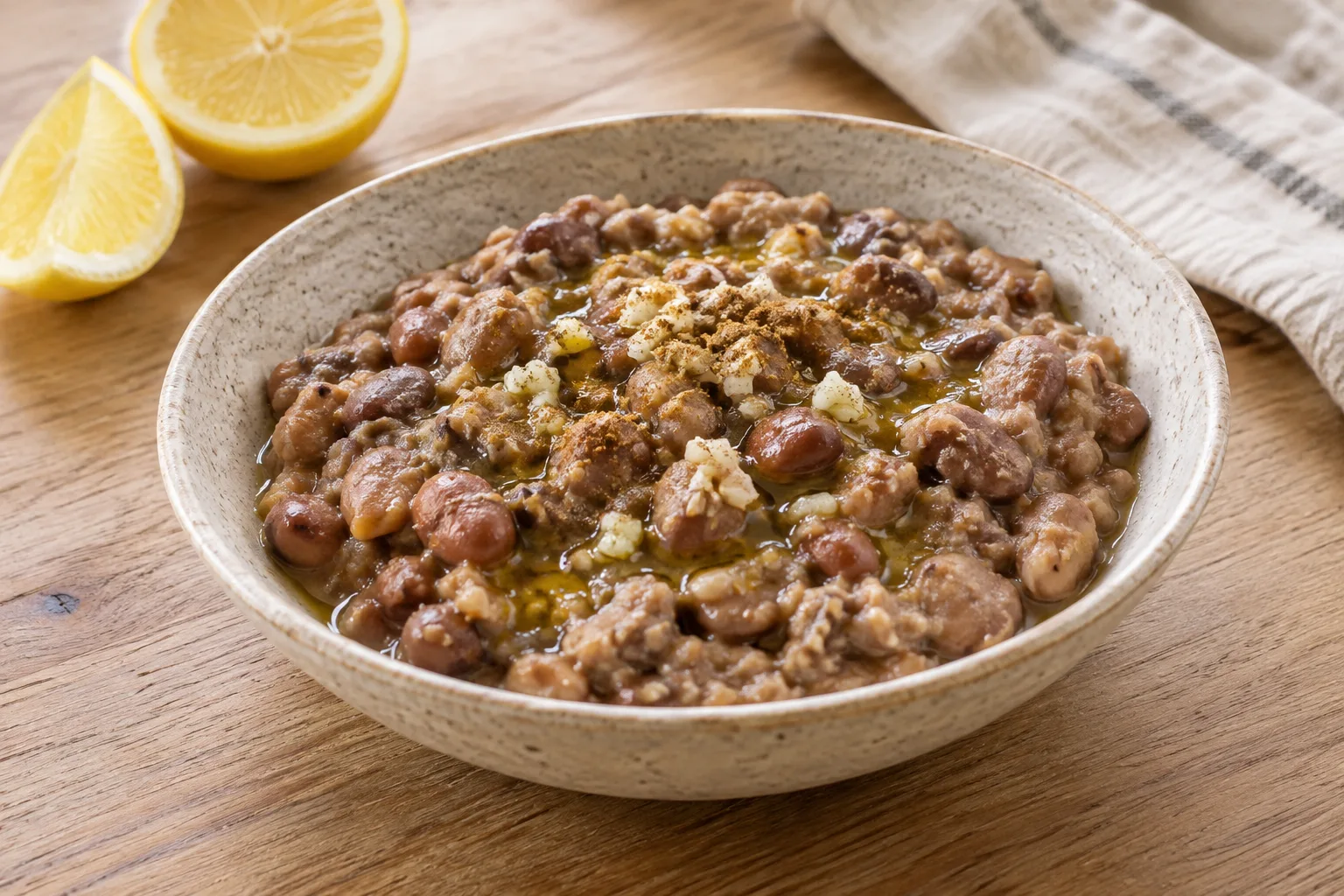
- Legumes such as chickpeas, lentils, and beans
- Rice and other grain dishes
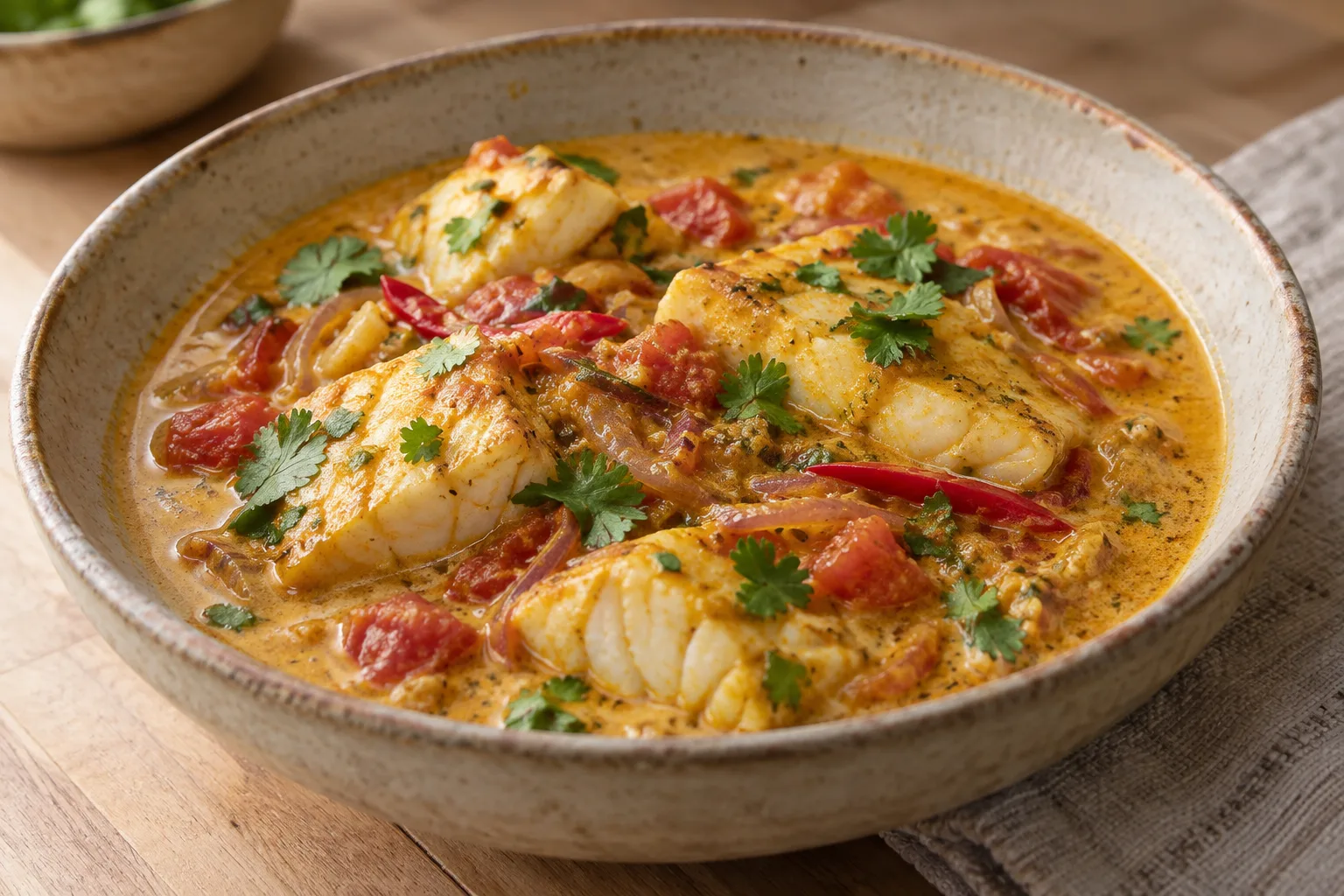
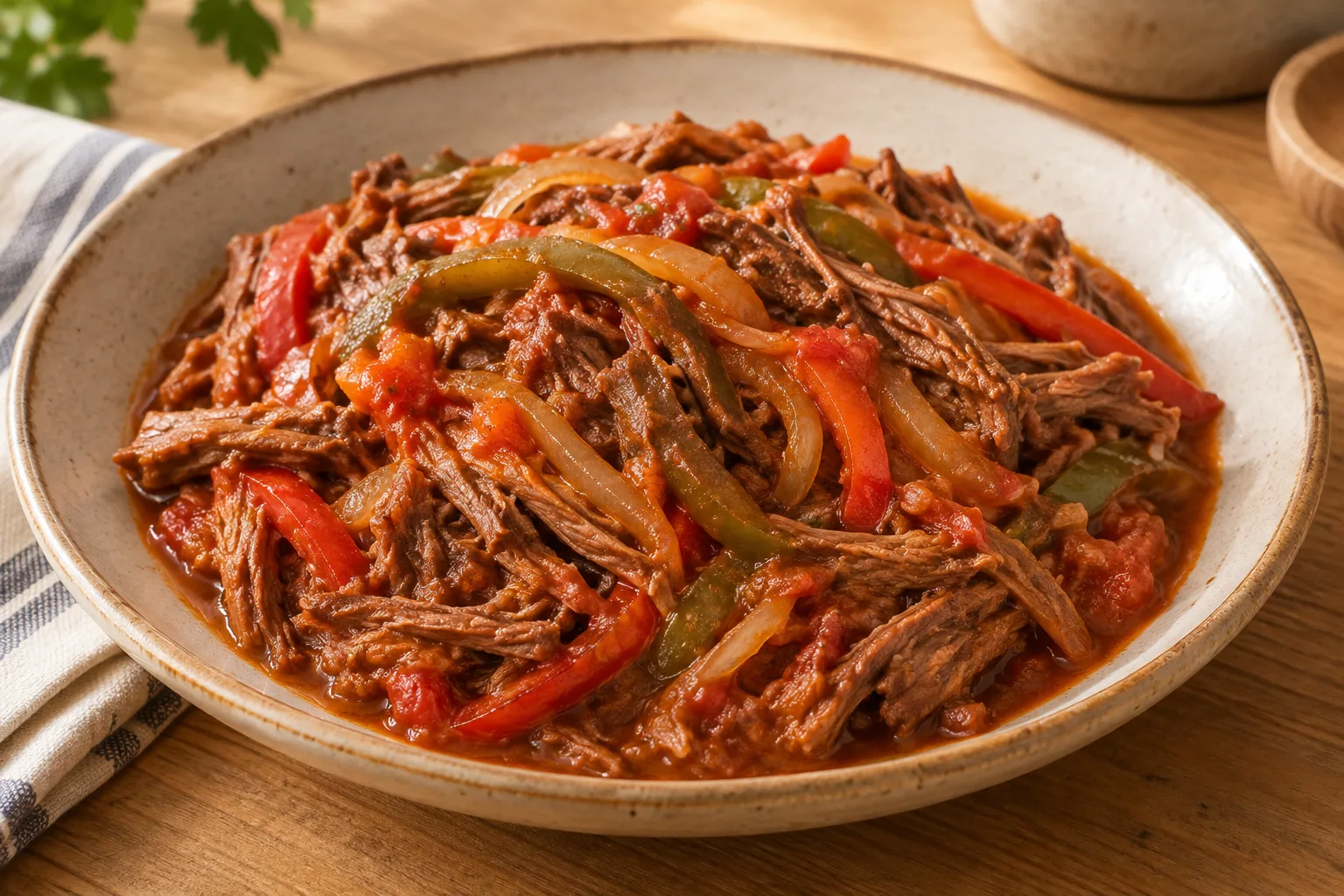
- Vegetables, meats, and fish
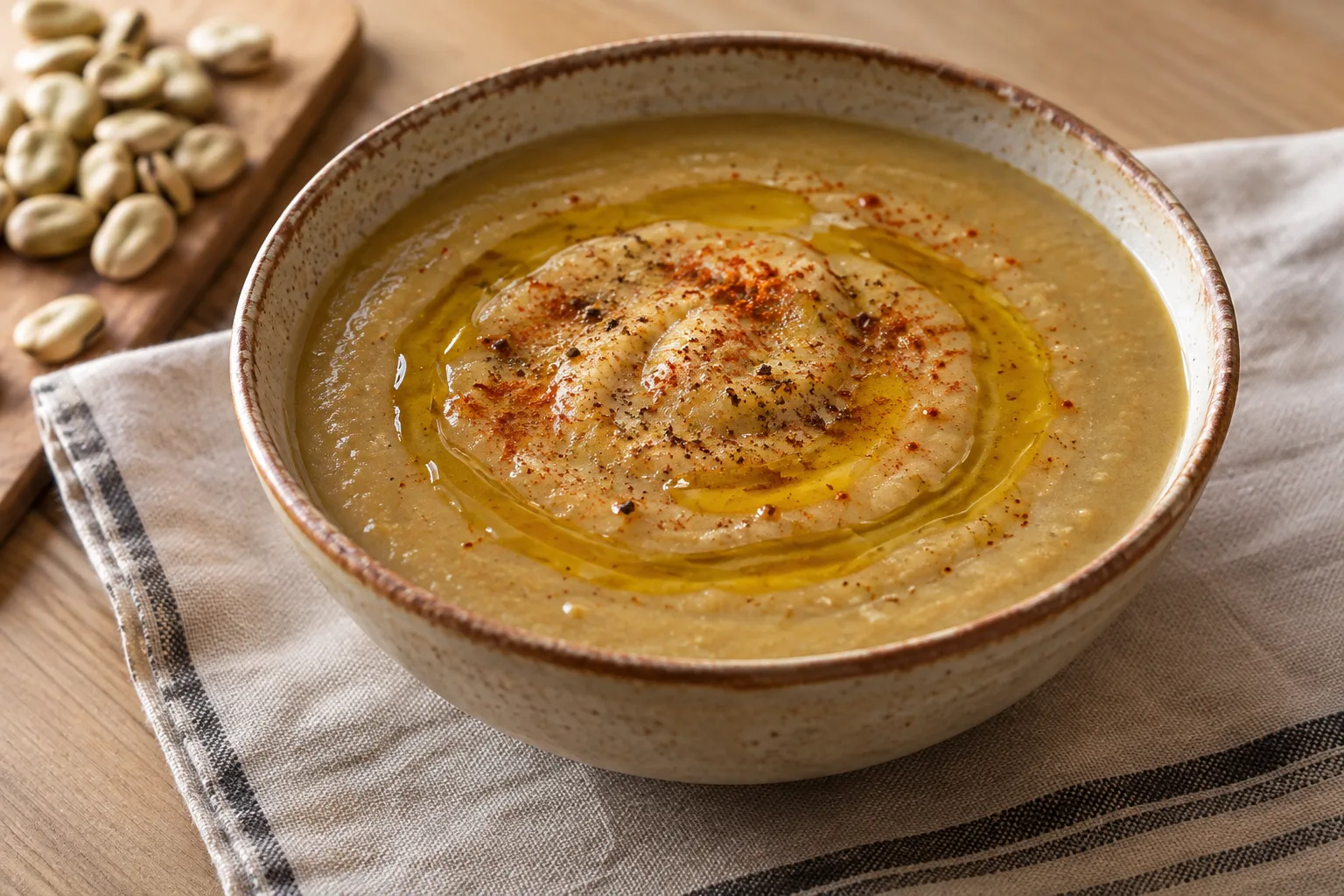
- Hummus and sauces
Frequently asked questions
What is ground cumin made from?
It is made by grinding the dried seeds of Cuminum cyminum, which are used as a spice.
Can I add ground cumin directly to a sauce or stew?
Yes. Stir it in and mix to distribute it; you can also add it to a hot cooking base or briefly warm it in oil.
Is caraway the same as cumin?
No. They are different spices, even though some common names can cause confusion, and their flavor profiles are not identical.
How should I store ground cumin?
Follow the package directions. One available recommendation is to keep it in a cool, dry place away from direct light.
Estimated nutrition
- Fat
- 0 g
- Saturates
- 0 g
- Carbohydrate
- 0 g
- Sugars
- 0 g
- Protein
- 0 g
- Salt
- 0 g
Sources and review
Automatically researched, cross-checked and validated content. Sources consulted:
- En el etiquetado alimentario hay algunas menciones que son obligatorias eletiquetadocuentamucho.aesan.gob.es
- Client Challenge doi.org
- Aesan - Agencia Española de Seguridad Alimentaria y Nutrición aesan.gob.es
- Recetas, usos y propiedades del comino hola.com
- Comino. Qué es, para qué sirve, propiedades y usos en la cocina. abc.es
- Cuminum cyminum - Wikipedia, la enciclopedia libre es.wikipedia.org
- Propiedades del Comino Molido y Contraindicaciones – Puerto de Oriente puertodeoriente.es
- COMINO molido ESPECIAS - BUMBUTEA bumbutea.com
- Cómino: qué es y para que sirve | JUST SPICES ® justspices.es
- Comino: qué es, propiedades y usos en cocina | Fine Dining Lovers finedininglovers.com
- Comino molido - O Colmado da Vila ocolmadodavila.com
- Comino | www.cocinista.es cocinista.es
- Comino molido GRANEL - Especia aromática para tus platos laesquinadelgranel.es
- ¡5 mejores sustitutos del comino molido - Receta Hoy Receta Hoy recetahoy.net
- Comino molido - Comprar Online - La Parada de las Especias comprarespecias.net
- Comino Molido - Slow Shop granel slowshopgranel.es
- Comino molido carmencita.com