- Category
- Dairy and eggs
- State
- Fresh
- Usual unit
- unit
What it is
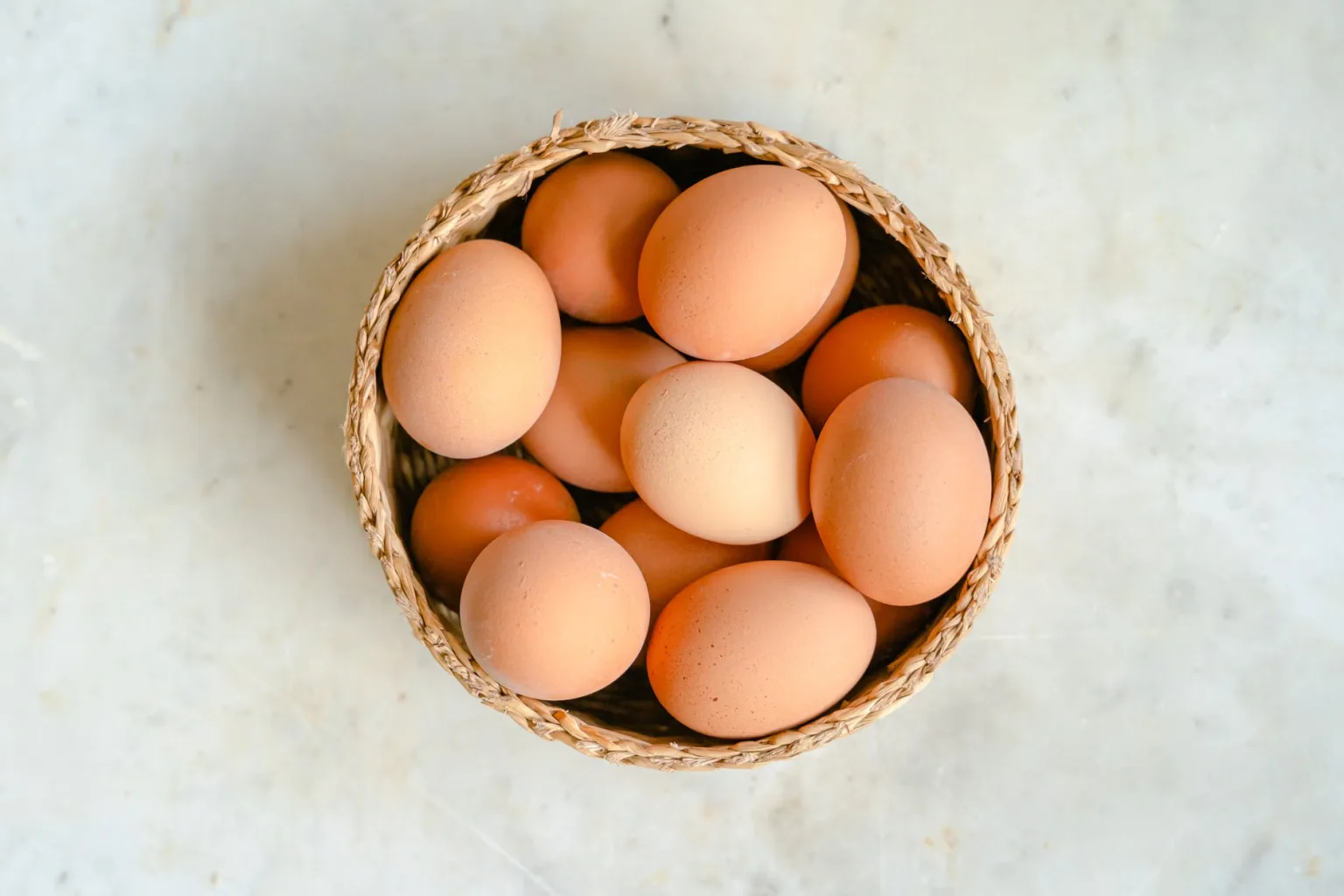
In cooking, “eggs” usually means chicken eggs in their shells, although eggs from other birds are also eaten. An egg has a white and a yolk protected by a shell. These parts behave differently: the white can form foams and contribute structure, while the yolk helps emulsify and gives mixtures a creamier texture. This makes eggs useful as the main ingredient in a dish or as part of sauces, batters, desserts and other recipes. If a recipe does not specify the kind of egg, check what it calls for and follow its instructions.
When to use it
Use eggs when you want to serve them as a dish on their own, or when a recipe needs ingredients bound, set, thickened or emulsified, or needs air incorporated. Whipped whites suit foamy preparations; yolks help emulsify sauces and enrich creamy mixtures; whole eggs combine several of these functions in batters, custards and omelets. The right substitute depends on the specific job, so do not assume one alternative will work the same way in every recipe.
How to use it
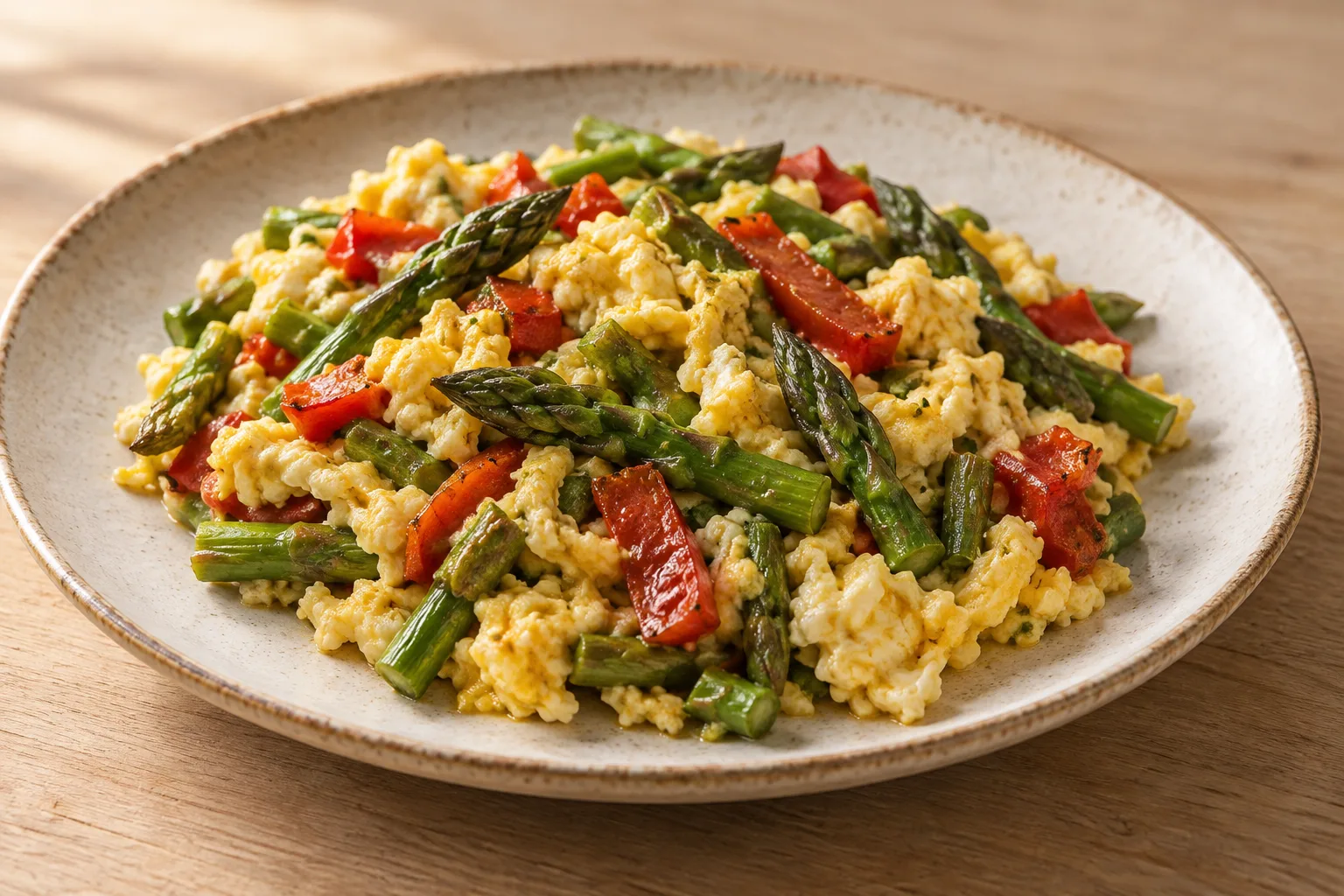
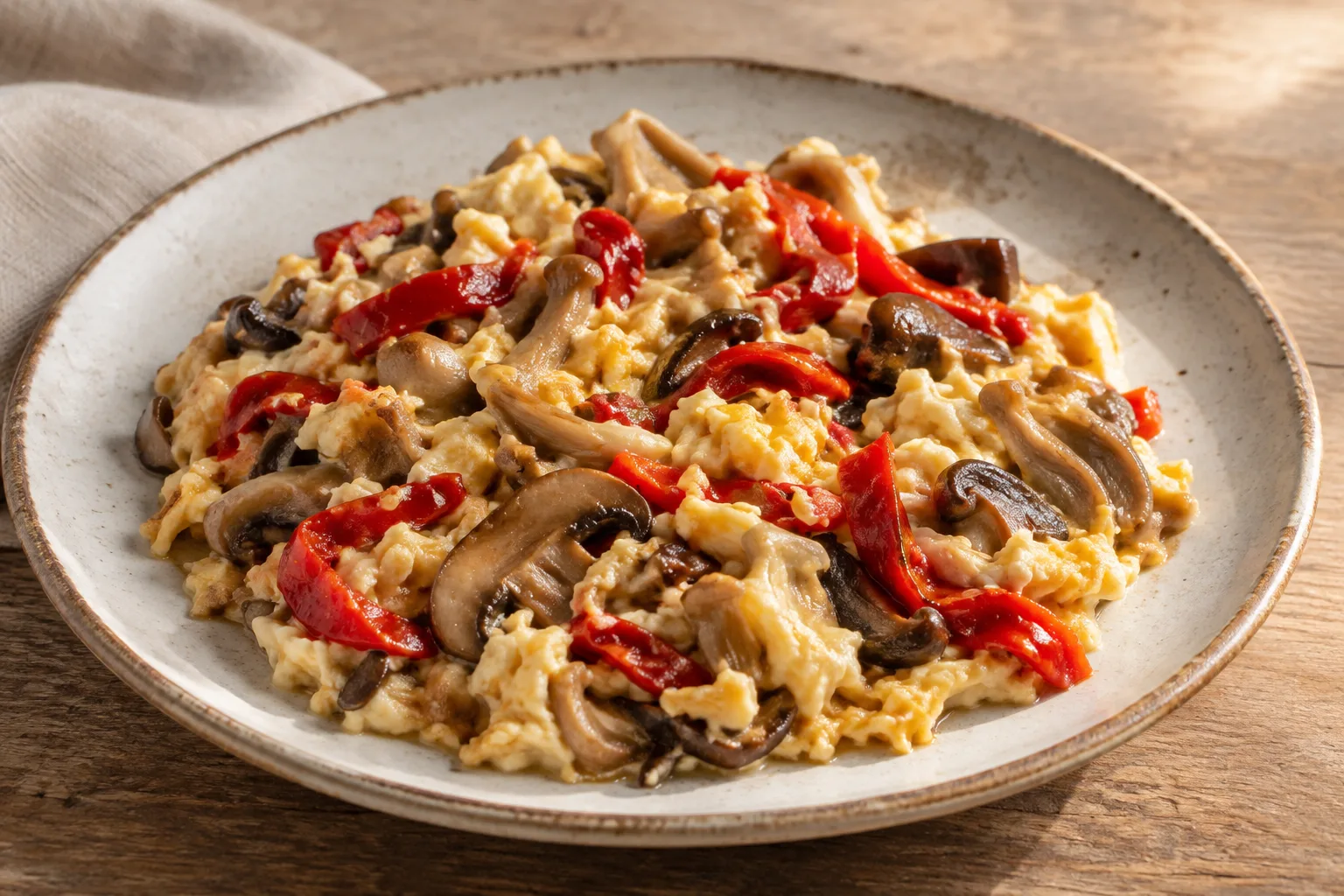
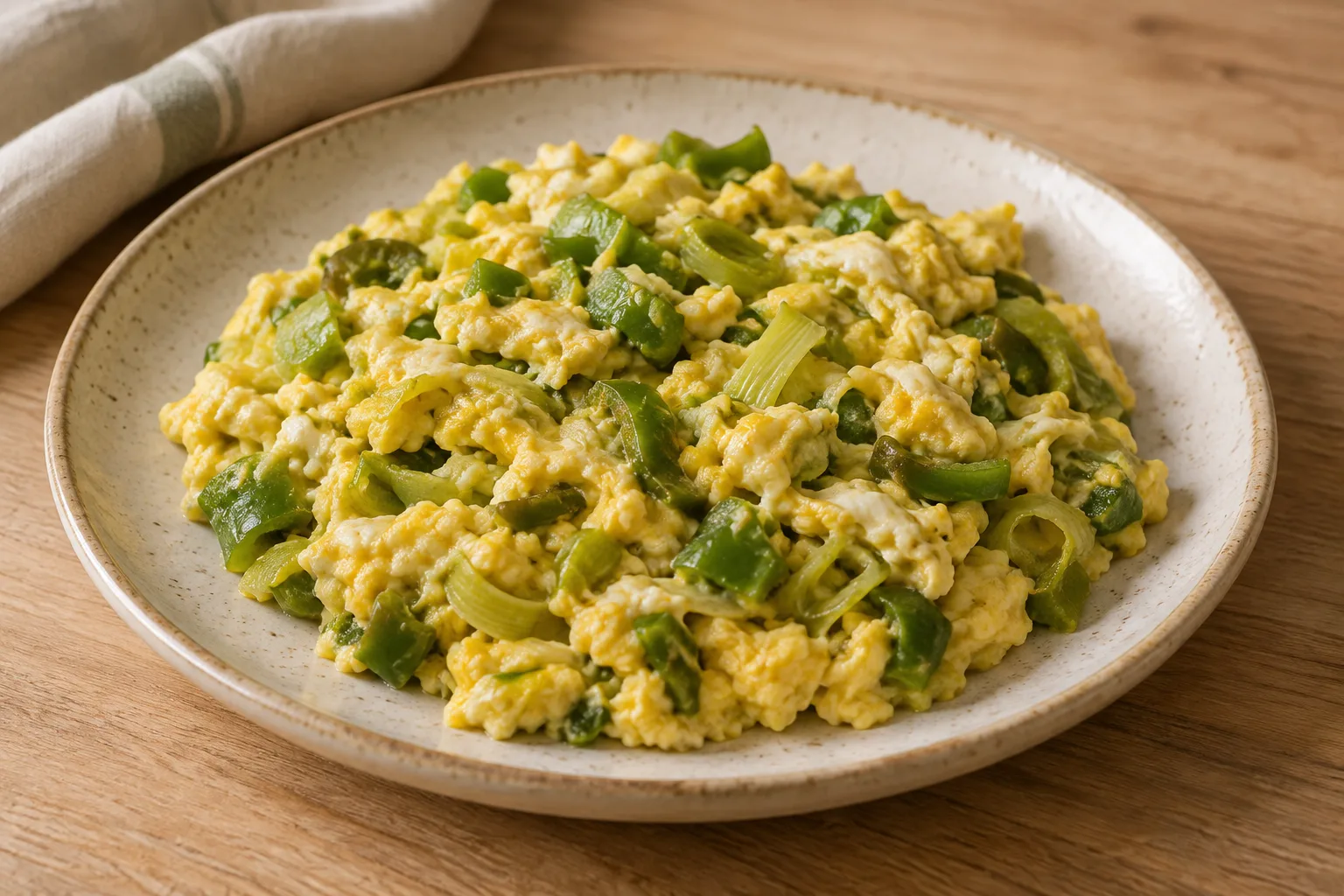
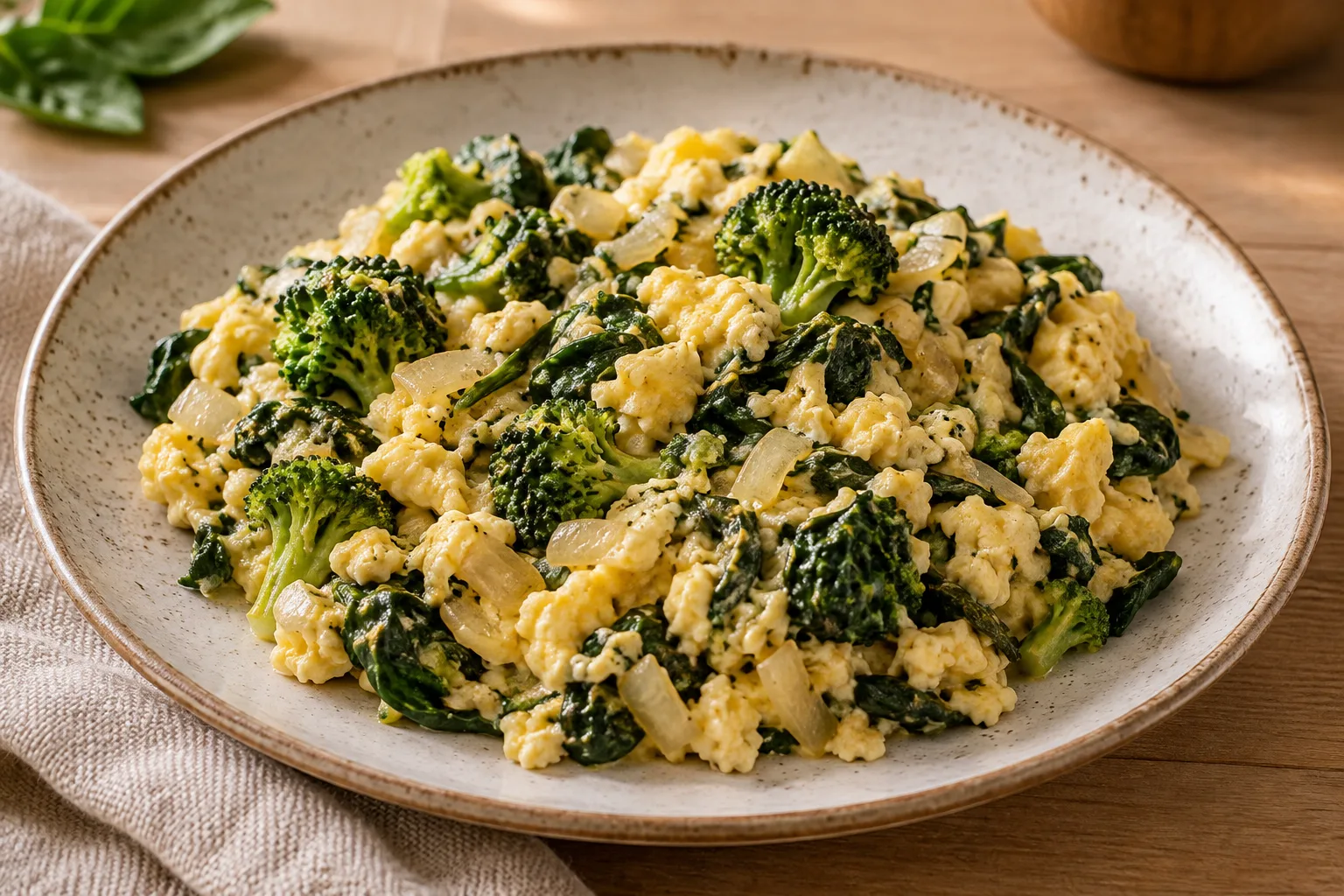
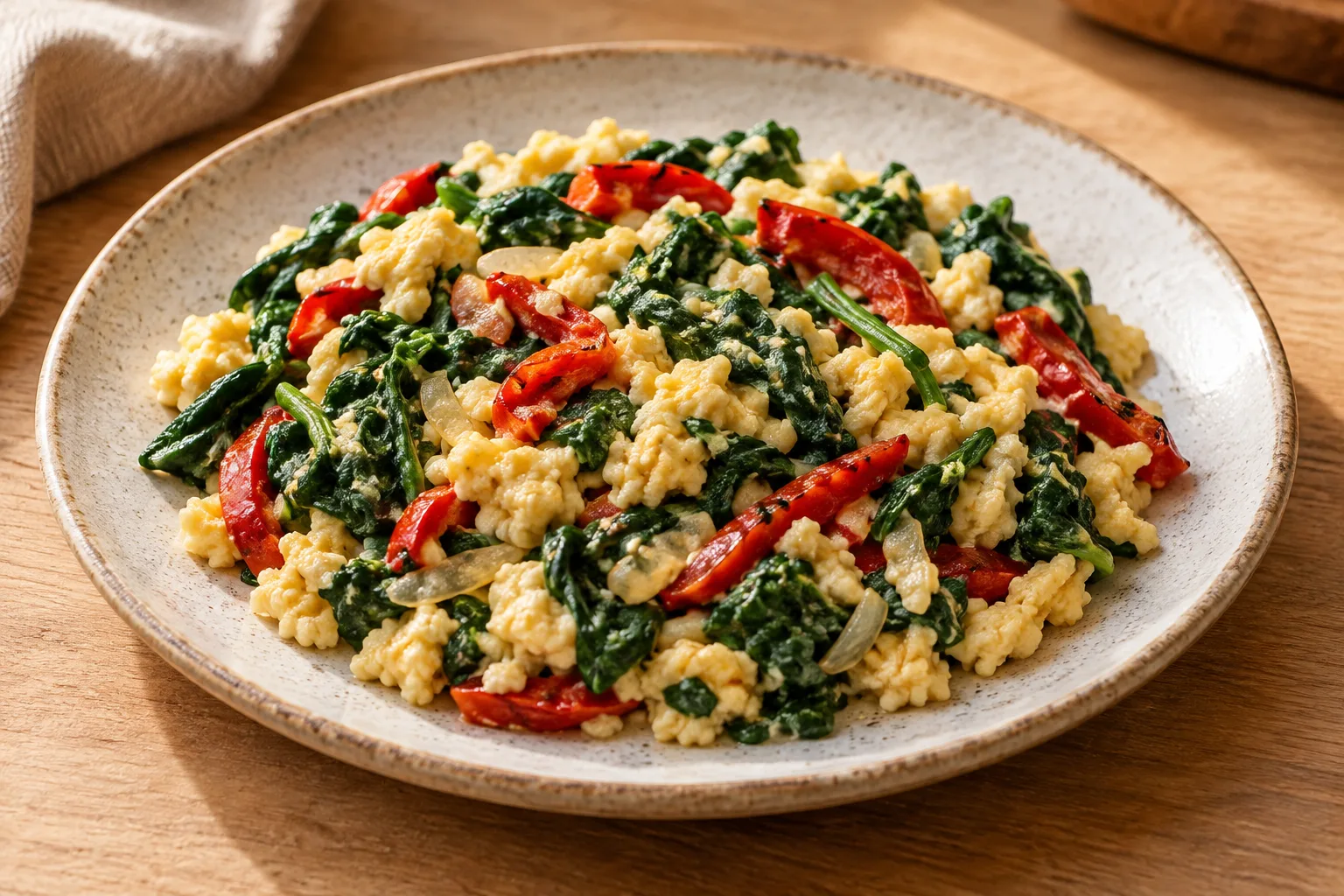
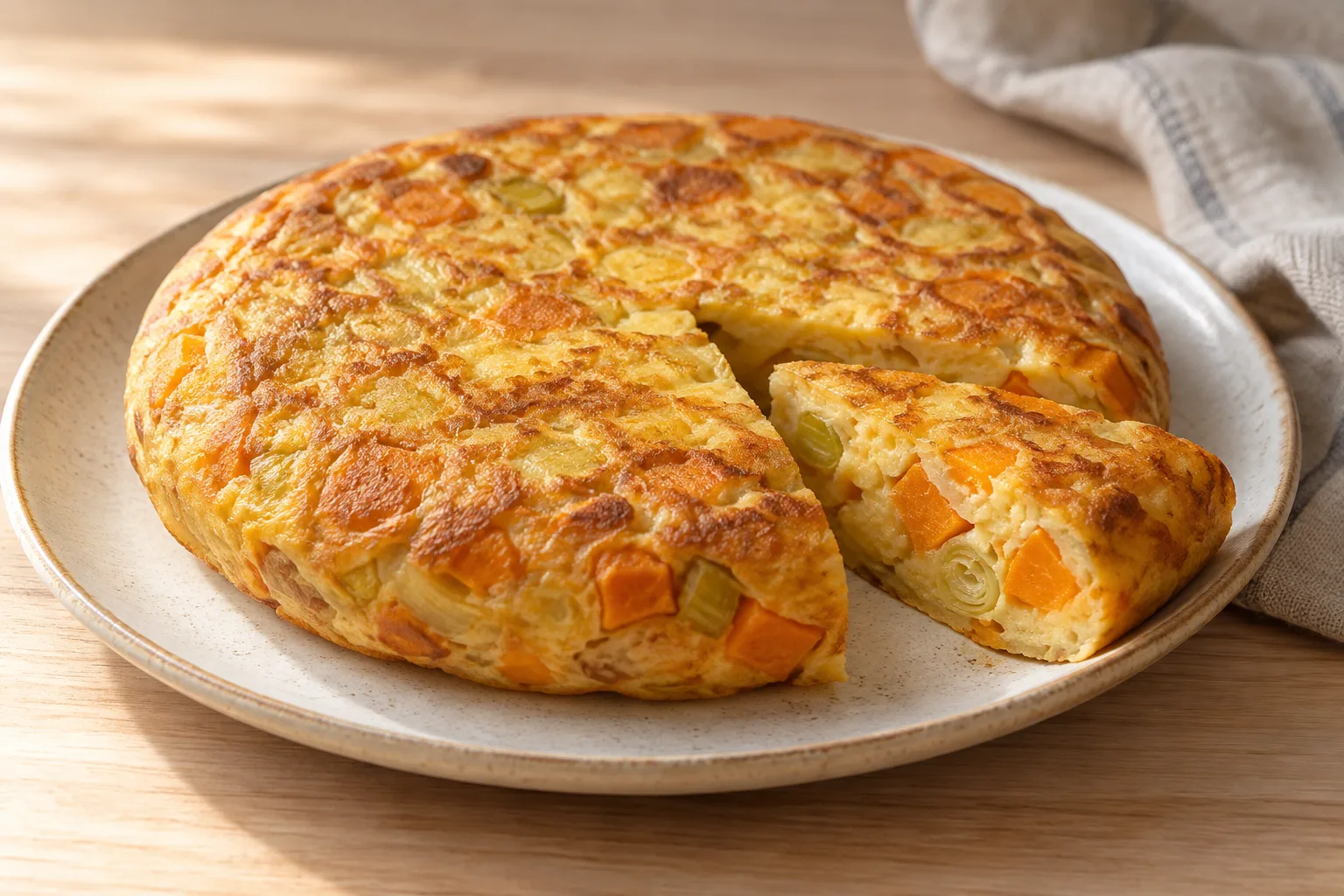
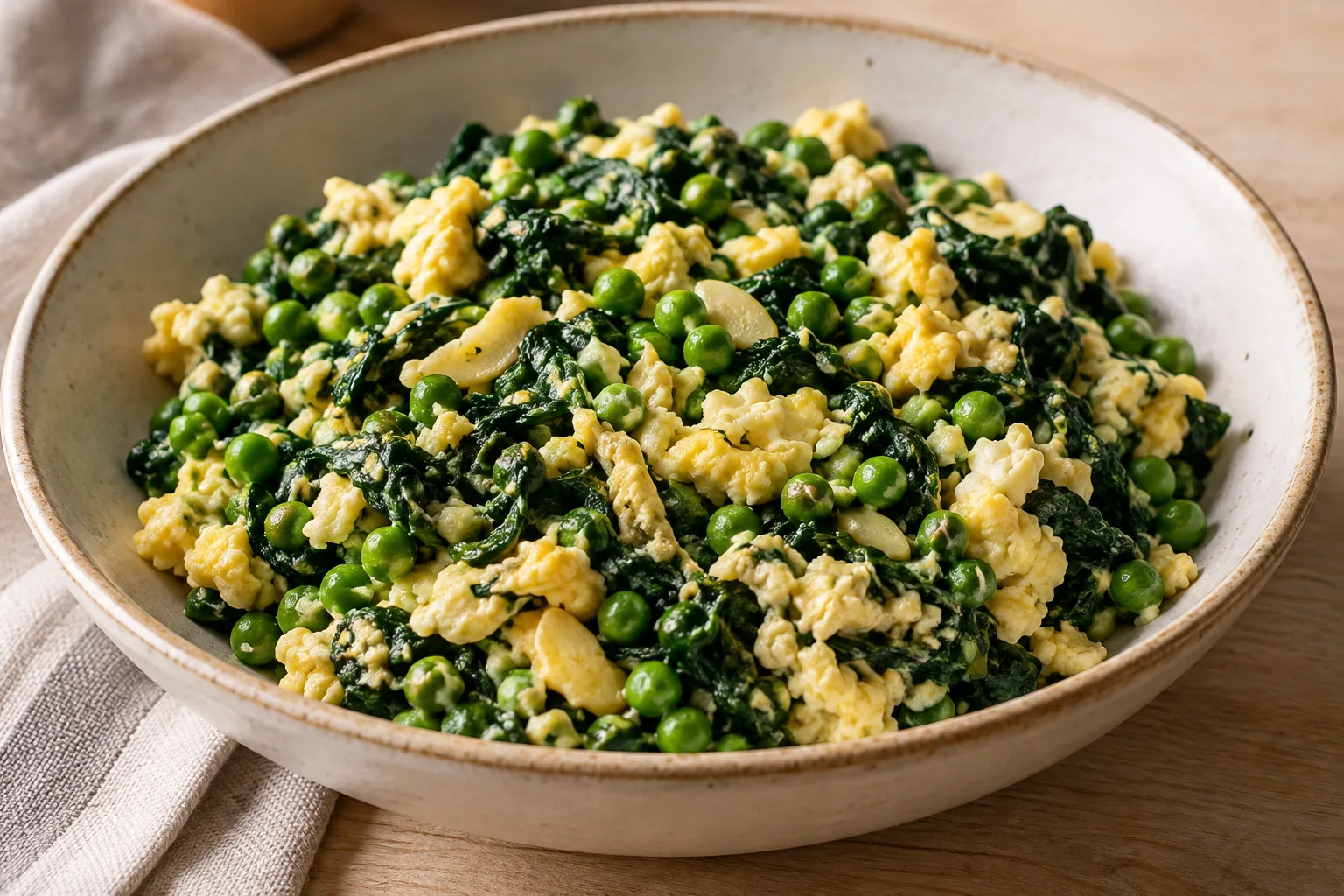
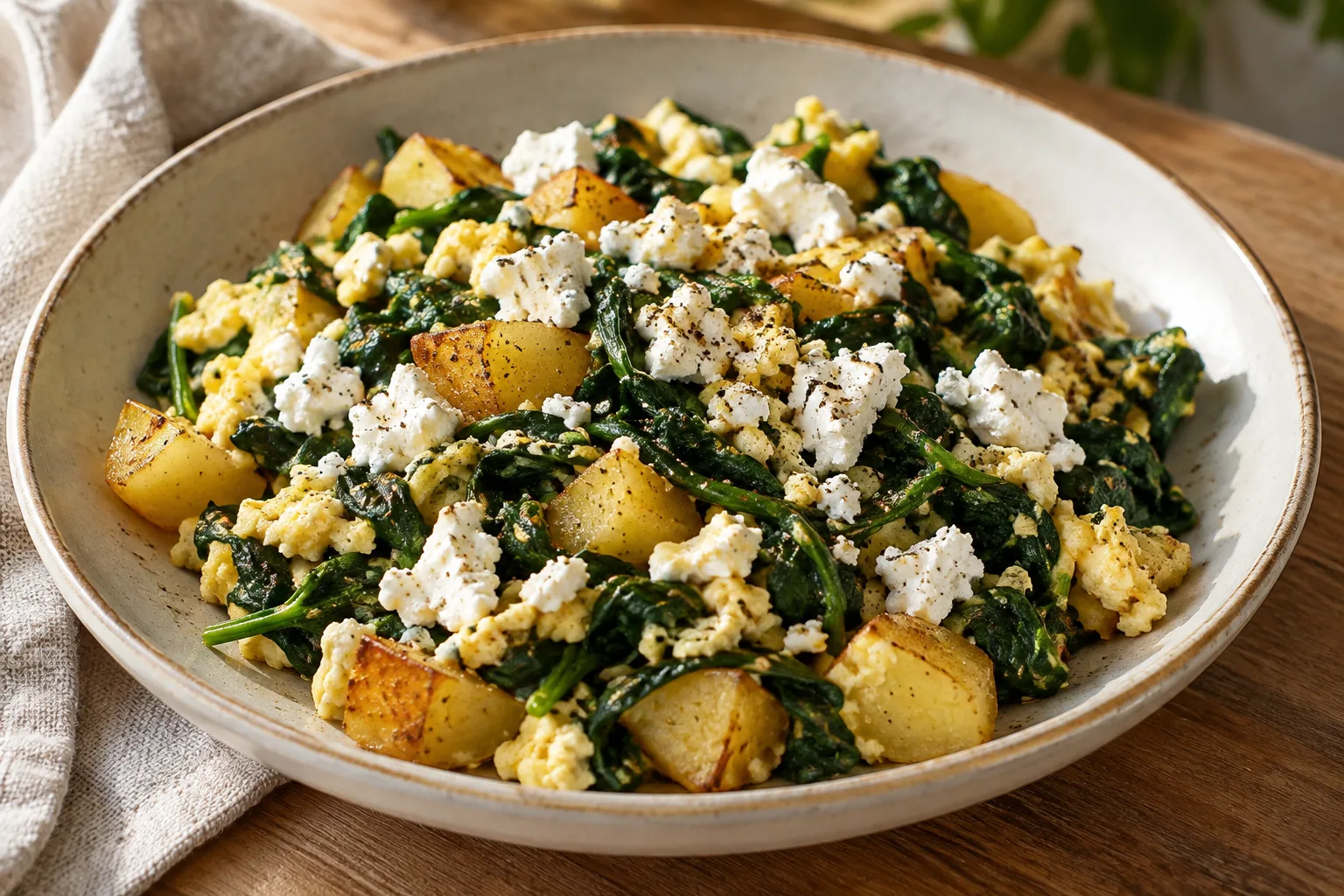
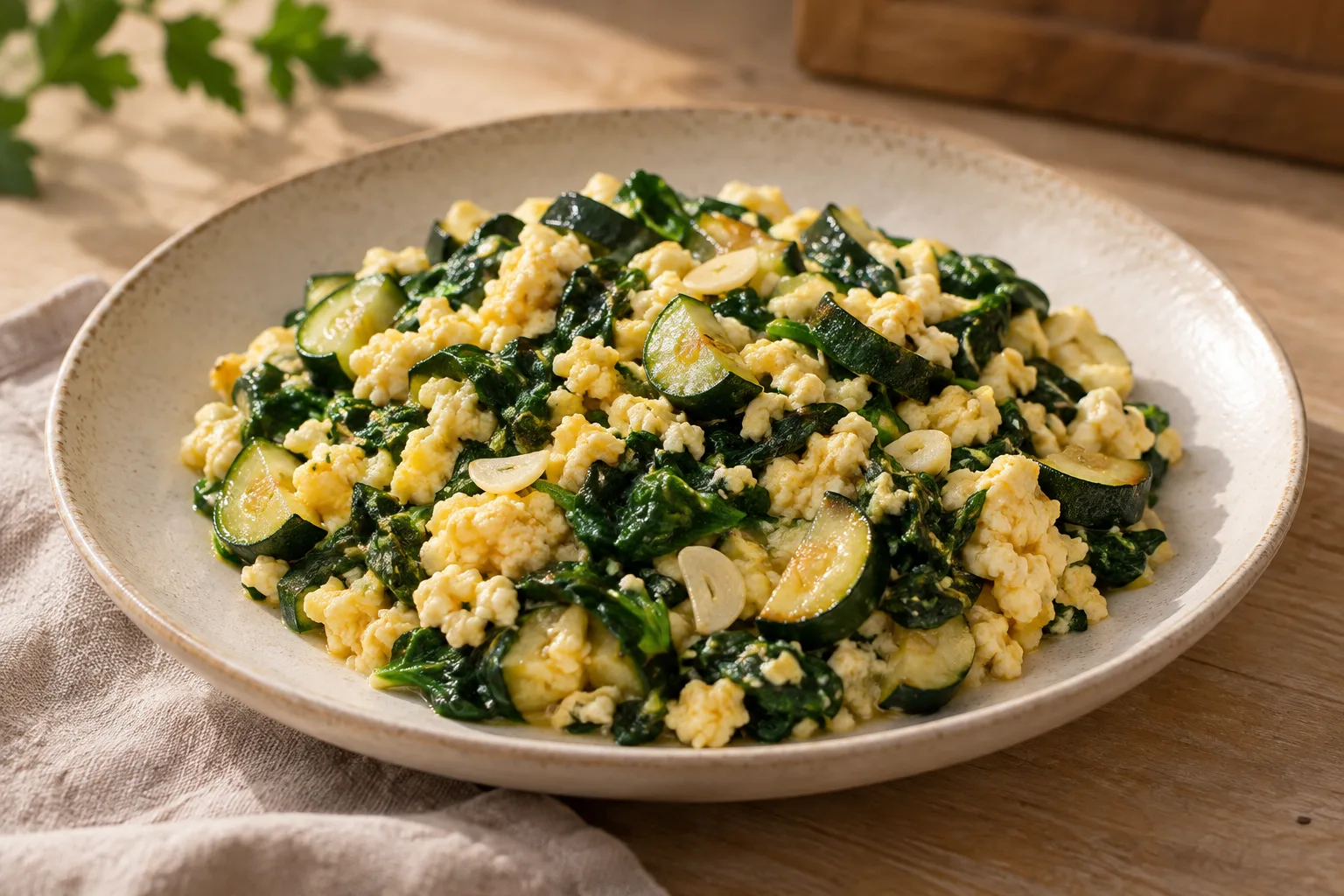
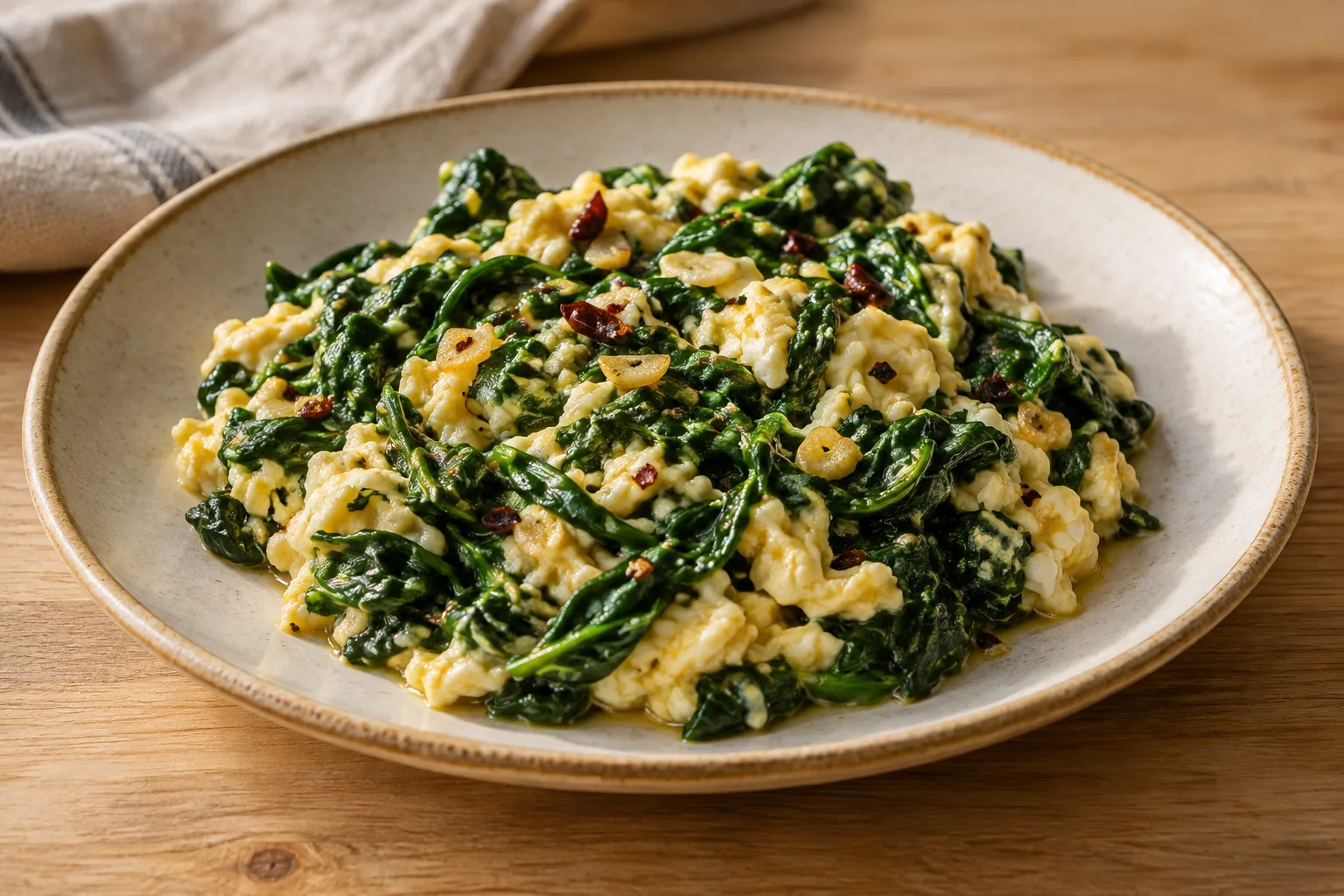
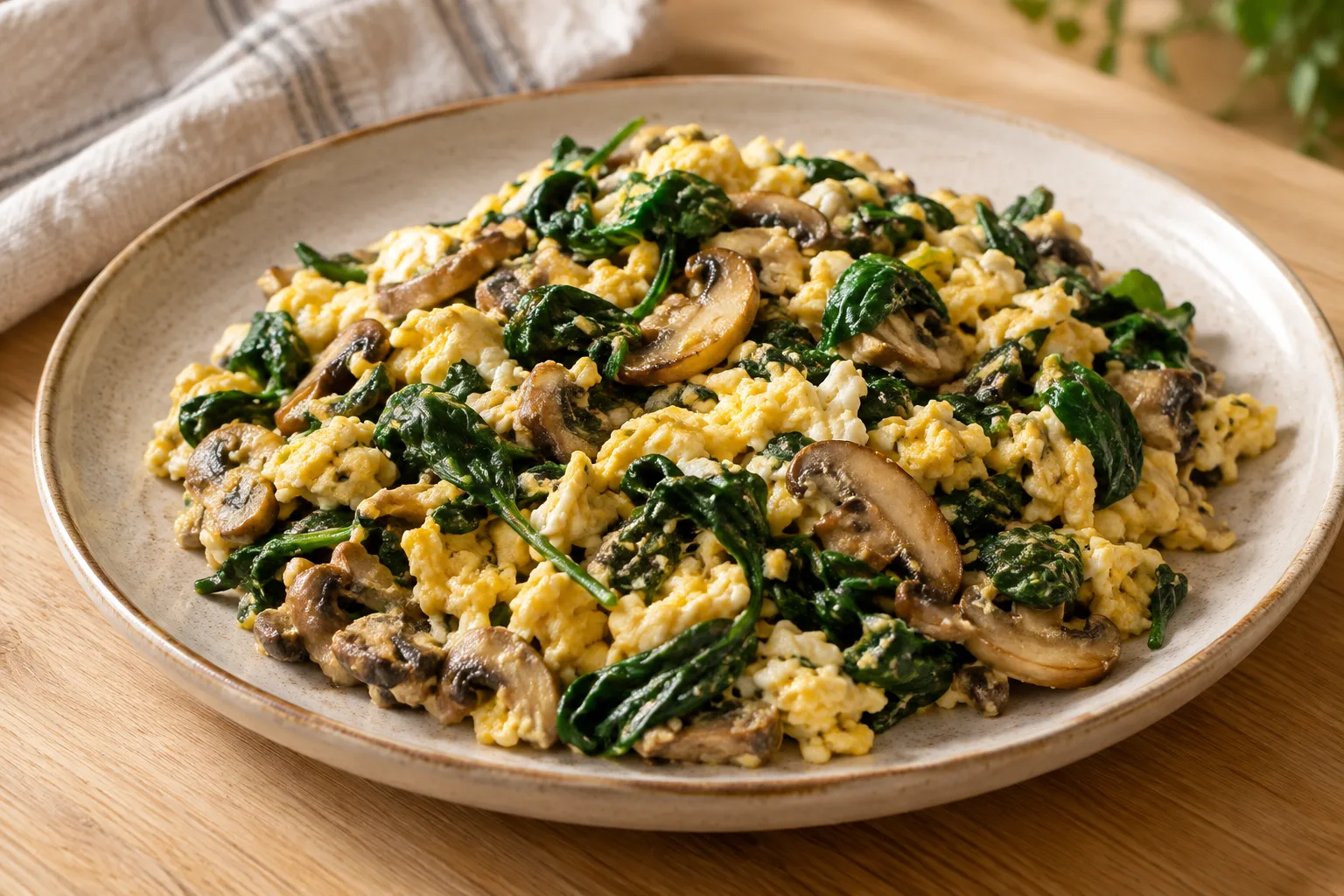
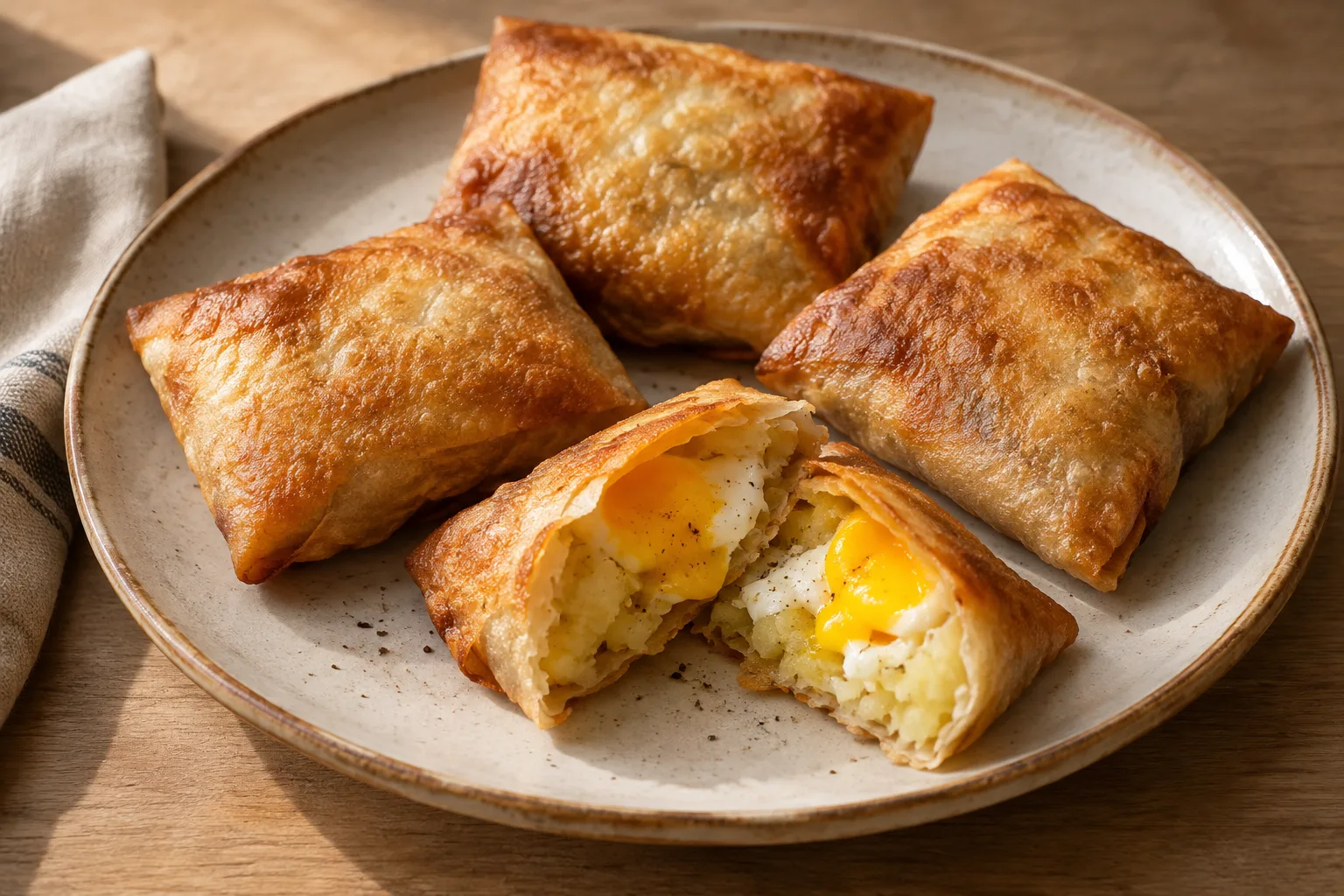
Fry, scramble, poach or boil eggs in their shells, or make an omelet, depending on the texture you want. For other preparations, separate the white and yolk only when the recipe calls for it: whipping the white creates foam, while the yolk helps emulsify sauces such as mayonnaise. Whole eggs can set and bind mixtures and are also used in batters and desserts. Add them as directed, bearing in mind that changing the balance of white and yolk changes the result. For recipes that do not cook eggs thoroughly, consider a pasteurized egg product and follow food-safety guidance in your area.
Flavour and texture
Eggs have a mild flavor that changes with the cooking method and accompanying ingredients. The raw white is translucent and becomes opaque and firm when cooked; when whipped, it can form a foam. The yolk feels richer and helps create creamy emulsions. Depending on preparation, the result can be tender, firm, foamy or creamy: the method and degree of setting make the difference.
How to choose it
Choose eggs with clean, intact shells, and check the package information and storage instructions. If a recipe simply says eggs, check whether it means chicken eggs or specifies another bird. Shell color alone is not a reliable guide to which egg suits a preparation. Choose the product that matches your recipe and avoid eggs with damaged shells.
Storage
Store eggs according to the package directions and the food-safety guidance that applies where you live. Refrigeration at home helps preserve quality; try to avoid temperature changes, and protect eggs from knocks and strong odors. Keep shells intact and do not use cracked eggs unless you can assess the safety of the preparation and handling.
Substitutions
There is no single substitute that reproduces every function of an egg. Aquafaba can be whipped into foam; mashed banana or applesauce can add moisture and binding in some sweet batters, and yogurt can contribute moisture and binding. These options change flavor or texture and are not interchangeable in every recipe, especially when the egg performs several jobs at once.
Common mistakes
A common mistake is replacing an egg without first identifying its role in the recipe: foam, emulsification, moisture, binding or setting. An alternative may change flavor and texture and may not work in batters that rely heavily on eggs. Also avoid assuming that whites and yolks behave alike, or that shell color predicts how a dish will turn out.
Safety and allergens
Egg is an allergen for some people. For preparations served raw or lightly cooked, consider pasteurized egg products and follow official food-safety guidance in your area. Follow the package storage instructions and avoid using eggs with cracked shells when safe handling cannot be assured.
Culinary uses
- Ingrediente principal
- Aglutinante y estructurante
- Emulsionante
- Espumante y gelificante
Recommended techniques
- Freír
- Revolver
- Escalfar
- Cocer con cáscara
- Montar claras
- Emulsionar
Pairs well with
- Patatas
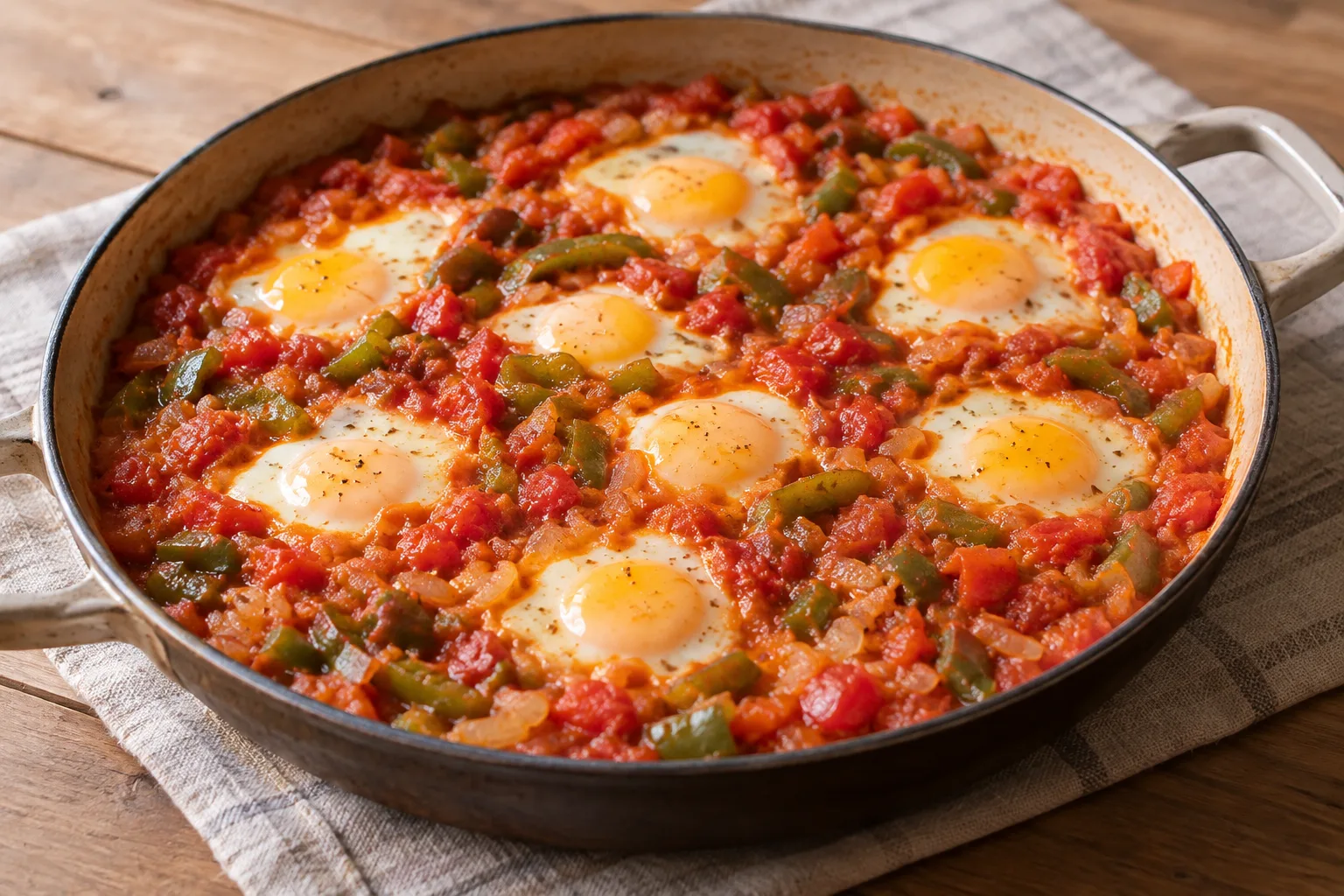
- Tomate y pimiento
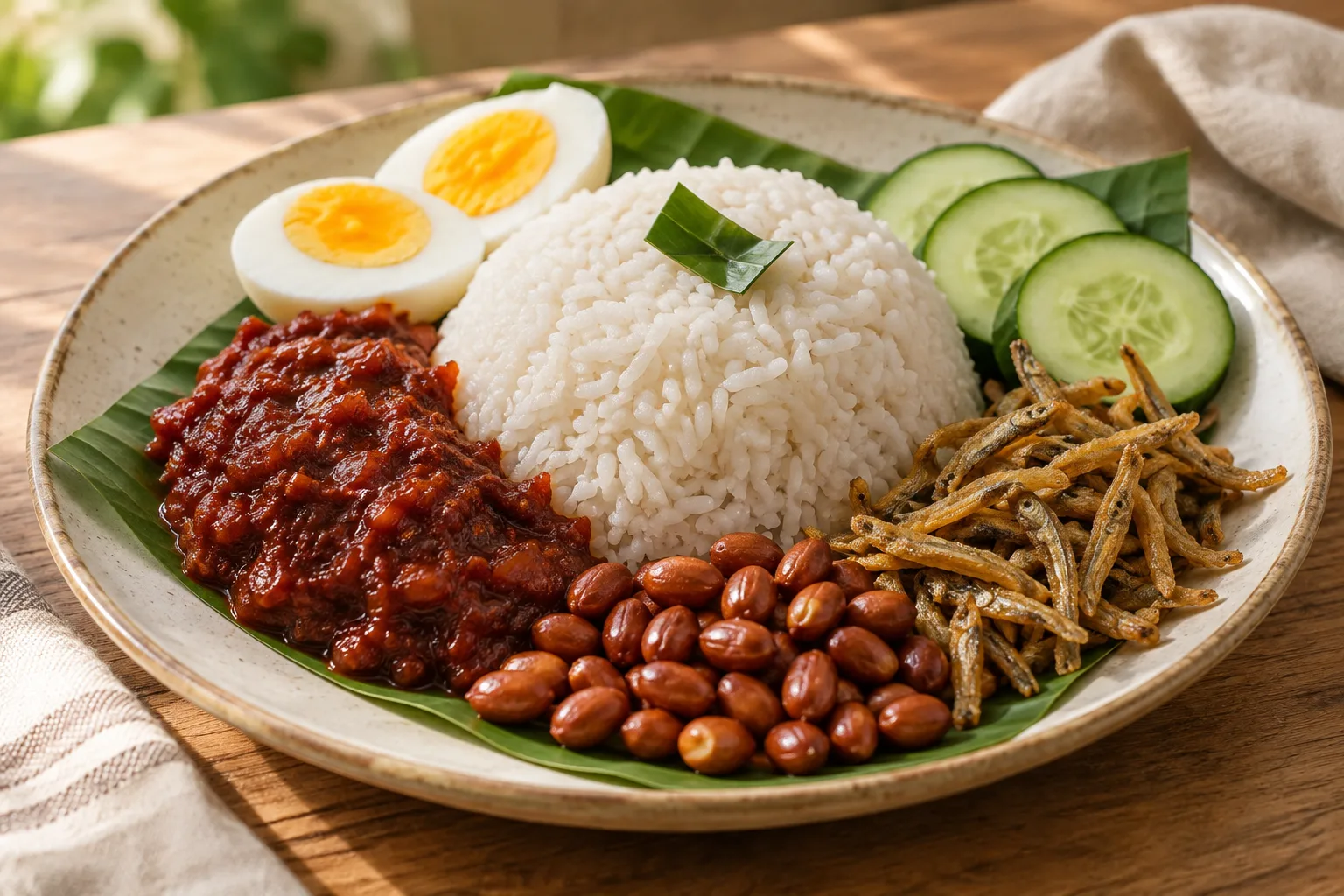
- Arroz
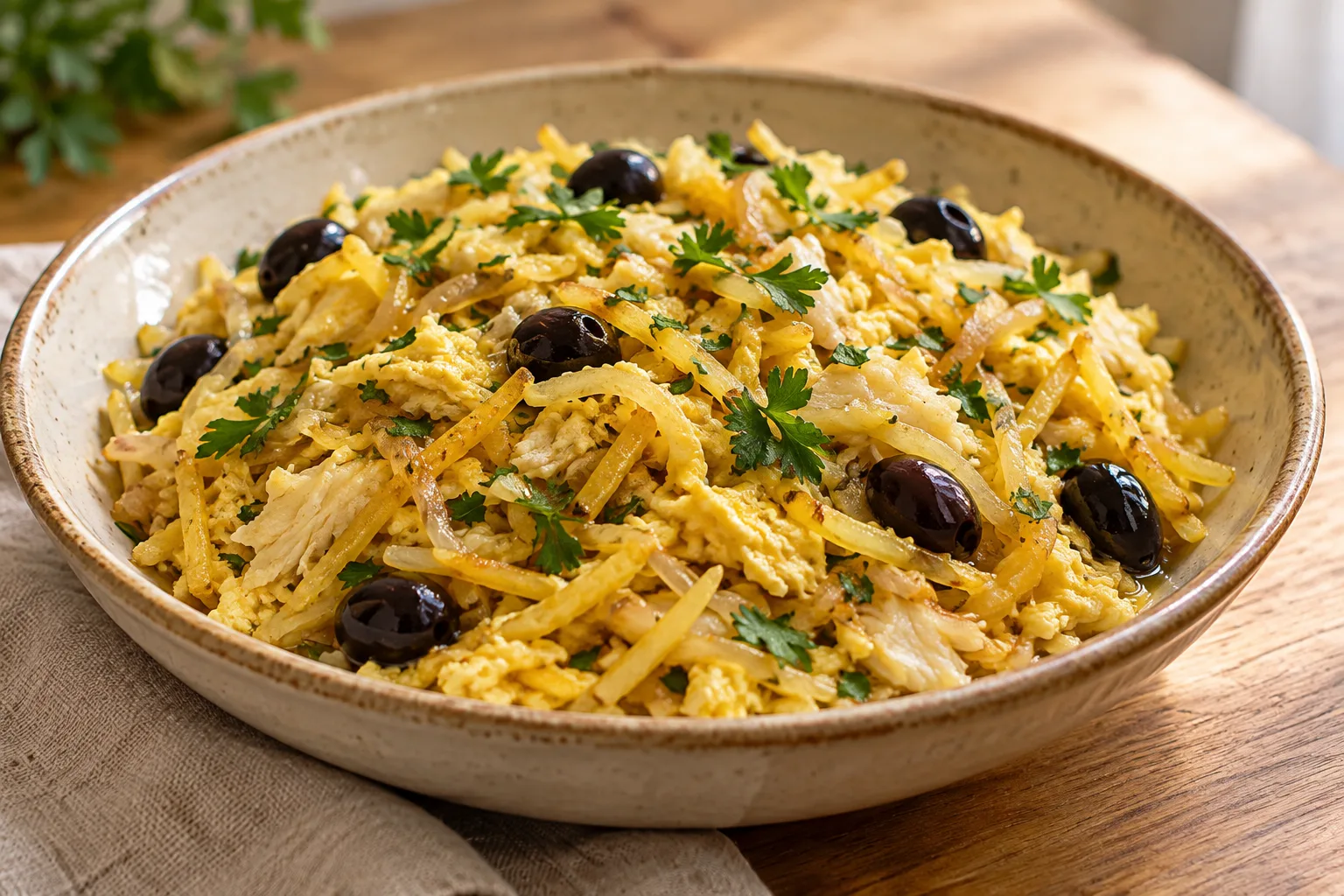
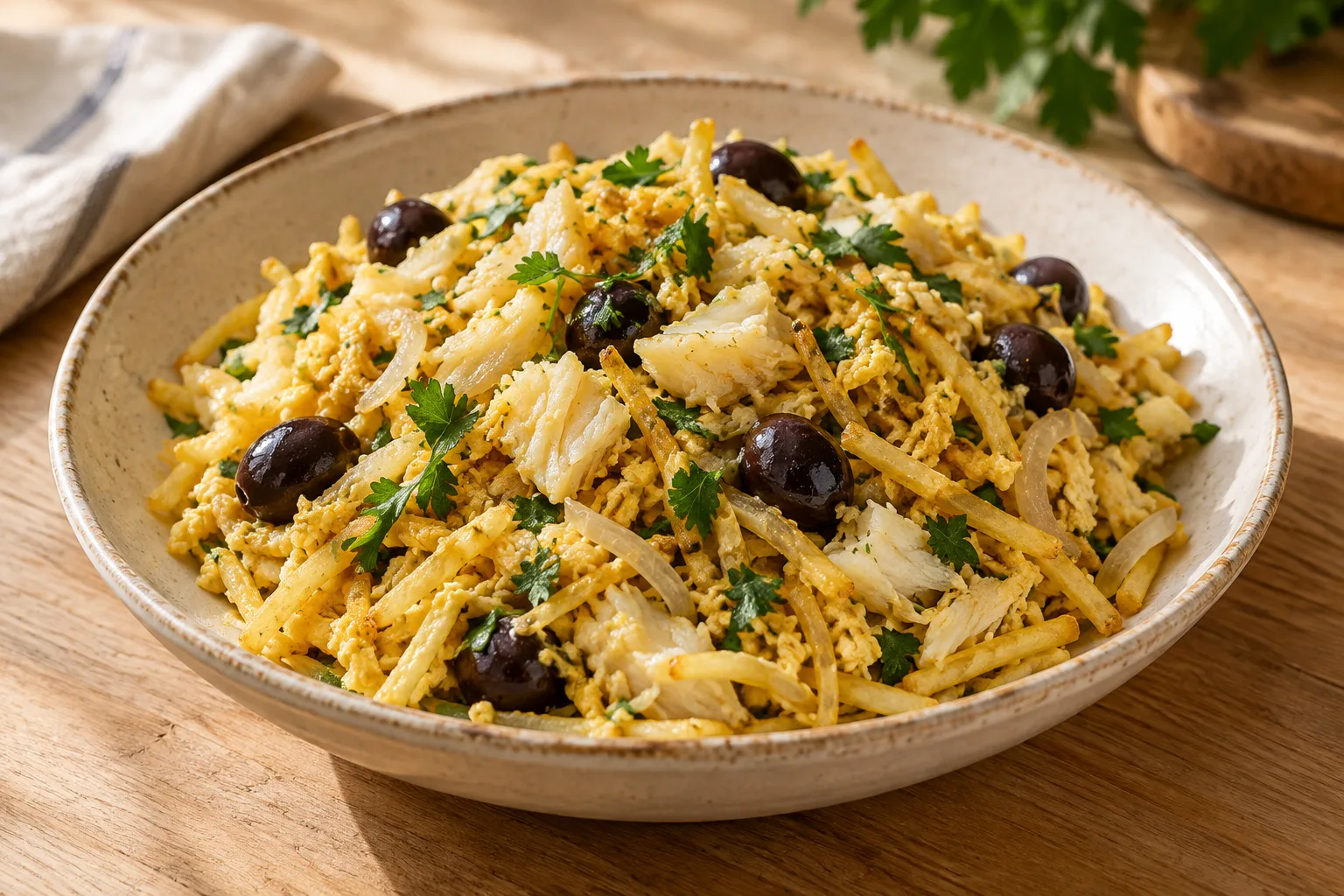
- Bacalao
Frequently asked questions
Which part of an egg makes foam?
Egg whites can be whipped into foams used in preparations such as meringues, mousses and soufflés.
What does the yolk do in a sauce?
The yolk helps emulsify and adds creaminess to sauces such as mayonnaise and hollandaise.
Can I replace eggs with banana in every recipe?
No. Banana can add moisture and binding in some batters, but it changes the flavor and does not perform every egg function.
Estimated nutrition
- Fat
- 43.9 g
- Saturates
- 15.07 g
- Carbohydrate
- 1.13 g
- Sugars
- 0.56 g
- Fibre
- 0 g
- Protein
- 48.05 g
- Salt
- 1.19 g
Sources and review
Automatically researched, cross-checked and validated content. Sources consulted:
- Client Challenge doi.org
- Guía de Buenas Prácticas de Higiene para la Elaboración de Ovoproductos aesan.gob.es
- Huevo (alimento) - Wikipedia, la enciclopedia libre es.wikipedia.org
- El huevo: origen, tipos, tamaños, propiedades y elaboraciones faborit.com
- Usos del Huevo – Instituto de Estudios del Huevo institutohuevo.com
- Huevo: tipos, usos, técnicas y recetas - CocinoPedia.com cocinopedia.com
- Artes culinarias/Ingredientes/Huevo - Wikilibros es.wikibooks.org
- Huevo | Mi Gastronomia Wiki | Fandom migastronomia.fandom.com
- Tipos de huevos, categorías y derivados - Scoolinary Blog blog.scoolinary.com
- 3.- Diferentes variedades de huevos chefcampus.com
- El huevo, un alimento presente en las culturas gastronómicas de todo el mundo - Avicultura avicultura.com
- Sustitutos de huevo para hornear y cocinar - Fat Daddio's fatdaddios.com
- Tipo de cocción de huevos: guía completa para prepararlos en casa | Recetas Nestlé recetasnestlecam.com
- 21 sustitutos del huevo para hornear y cocinar y cómo utilizarlos - GenV genv.org
- Cómo cocinar huevos: nueve técnicas distintas | Consumer consumer.es
- Huevos y vino: un maridaje con mil combinaciones - Vignerons bodeboca.com
- Cómo preparar huevos de siete formas distintas con técnicas de chefs reconocidos - Infobae infobae.com