- Category
- Sugar and sweeteners
- State
- Dry
- Usual unit
- g
What it is
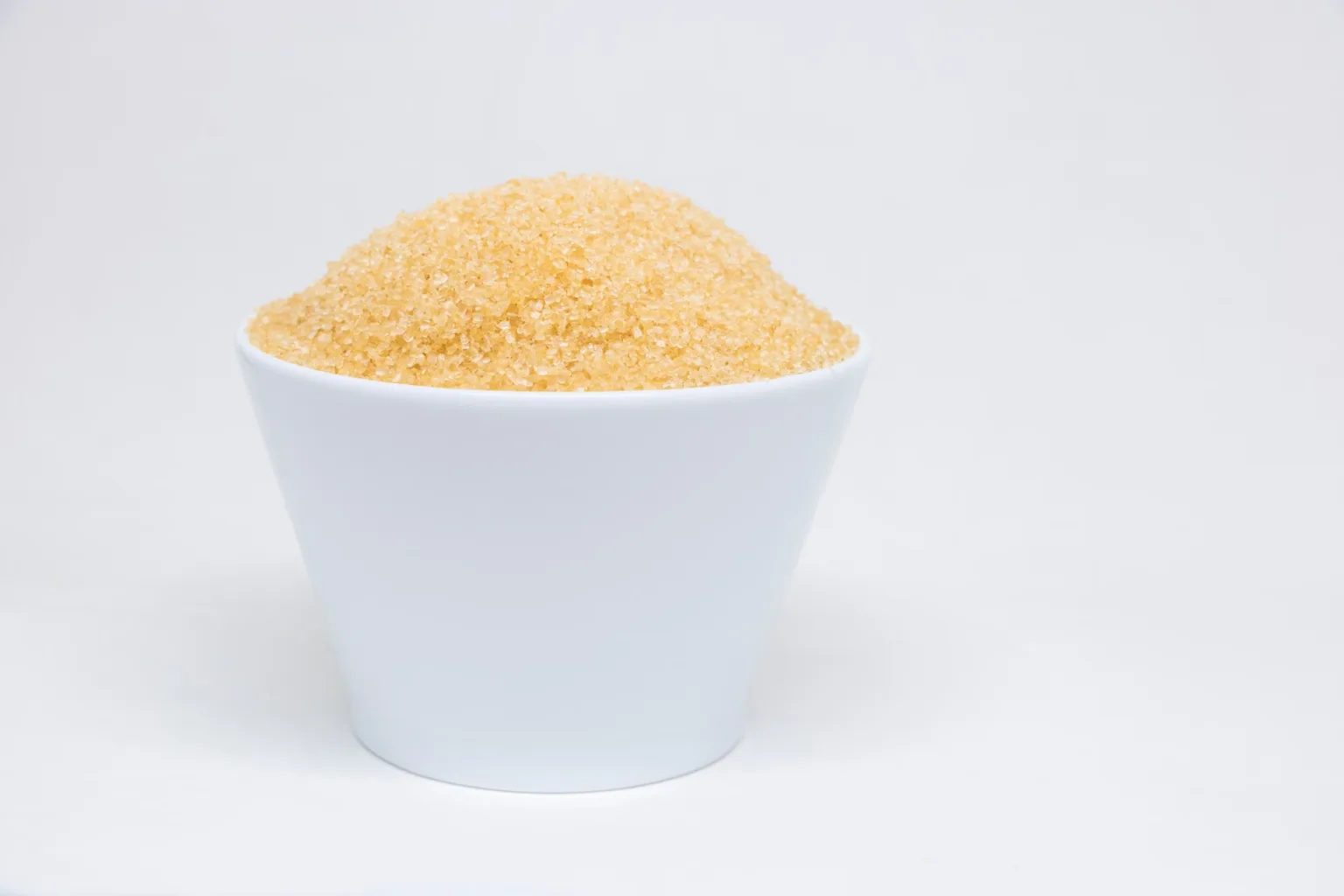
In common culinary use, table sugar mainly means sucrose, a sugar obtained from sugar cane or sugar beet. It is sold in different forms: granulated sugar has visible crystals; powdered sugar is ground very fine and may contain starch or another anti-caking ingredient; and brown sugar contains or is made with molasses. These varieties do not have identical textures or behavior. When a recipe simply calls for sugar, ordinary granulated sugar is usually the intended choice. Check the product name and ingredient list to confirm which variety you have.
When to use it
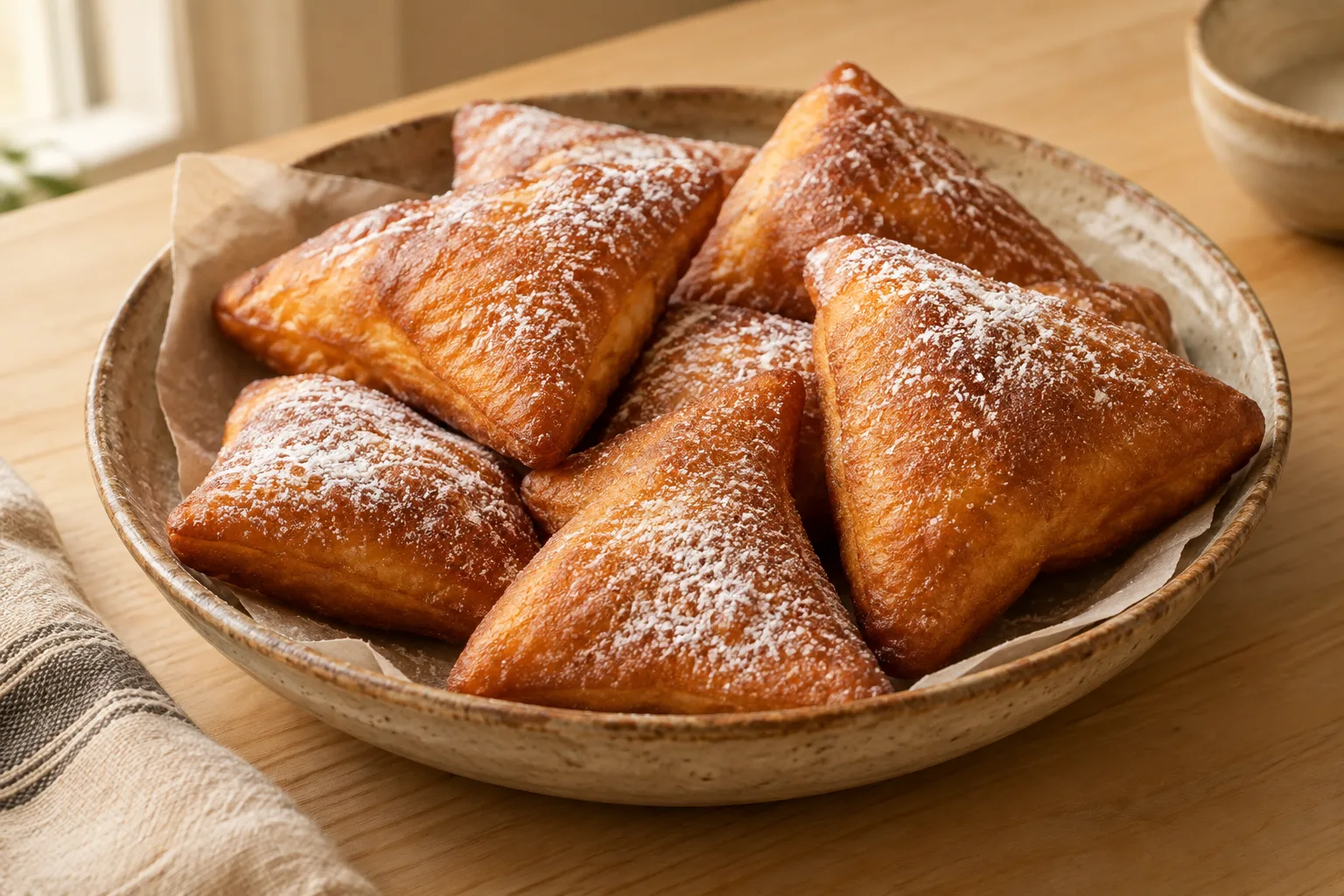
Use granulated sugar when a recipe does not specify a particular type, to sweeten coffee, tea and other liquids, or when creaming it with butter and eggs. It can also be sprinkled over a preparation before baking to create a crisp surface, and it melts and caramelizes when heated. Powdered sugar is more suitable for dusting desserts and making glazes; brown sugar brings molasses notes and can contribute to a moister texture. In some savory preparations, a small amount can help balance acidity, but add it gradually and taste as you go.
How to use it
Choose the form before measuring: granulated sugar is versatile, while powdered sugar blends and dissolves more readily because it is finely ground. For drinks, stir until the crystals dissolve; fine sugar can be useful in cold liquids. In batters, follow the recipe’s order: granulated sugar can be creamed with butter or eggs, and beating helps incorporate air. For dusting or glazing, sift powdered sugar if you want an even finish, then mix it with the liquid specified in the recipe. For a crisp top, sprinkle sugar over the preparation before baking. If heating sugar to make caramel, monitor it and follow a reliable recipe: melted sugar is extremely hot and can burn.
Flavour and texture
Ordinary sugar tastes sweet and relatively neutral; its dry granules are visible and can feel crisp. Grain size differs between products. Powdered sugar is much finer and generally dissolves and blends more easily; some commercial versions contain starch or another anti-caking ingredient. Brown sugar has color, flavor and moisture associated with molasses, and light and dark varieties can differ in intensity. As a result, one type will not always produce the same texture as another in a recipe.
How to choose it
Check whether the recipe calls for granulated, powdered, brown or another type of sugar: the name signals useful differences in grind and composition. Commercial powdered sugar may contain cornstarch or another anti-caking ingredient, so read the ingredient list if you need to know what is included. Brown sugar can vary in color and in the intensity of its molasses notes. Whether buying packaged or loose, confirm the product name and consult the allergen and use information that applies to that product and presentation.
Storage
Granulated sugar can be kept in the pantry without especially demanding conditions, according to the available culinary information. Store it in a dry place and follow any specific directions on the package, especially for a variety with added ingredients. Brown sugar can clump over time; if it does, its texture has changed even though it remains sugar. Do not assume every variety has the same storage life: consult the product label for guidance on the item you bought.
Substitutions
Brown sugar can replace granulated sugar in some recipes if you accept a stronger flavor and changes in moisture; the result will not be identical. Powdered sugar works for dusting and glazes, but its fine grind and possible anti-caking ingredients make it unsuitable as an automatic replacement in every batter. Honey and other liquid sweeteners can also sweeten, but changing from a solid to a liquid may affect texture. The available evidence does not establish a universal conversion: adapt the recipe and assess the result.
Common mistakes
Do not assume granulated, powdered and brown sugar are interchangeable without consequences: grind, moisture or flavor can differ. Do not use powdered sugar without checking the label if the presence of starch or another anti-caking ingredient matters. Avoid adding a large amount at once to balance acidity; add a little and taste. When melting sugar, do not touch it: hot caramel can cause burns.
Safety and allergens
Check the product label, especially for varieties with added ingredients or products sold loose; allergen, storage and use information depends on the product and its presentation. When heating melted sugar or caramel, avoid direct contact and take care to prevent burns.
Culinary uses
- Endulzar bebidas y preparaciones
- Aportar color y textura a productos horneados
- Equilibrar la acidez de algunas preparaciones
Recommended techniques
- Disolver en líquidos fríos o calientes
- Batir con mantequilla o huevos para incorporar aire
- Calentar para fundir y caramelizar
- Espolvorear sobre preparaciones antes de hornear
Pairs well with
- Café e infusiones
- Huevos y mantequilla en masas
- Frutas y preparaciones horneadas
- Ingredientes ácidos en algunas preparaciones saladas
Frequently asked questions
Which sugar should I use if a recipe just says sugar?
Ordinary white granulated sugar is usually the default when no other type is specified.
Can I swap powdered sugar for granulated sugar?
Not in every recipe. Powdered sugar is finer and may contain starch or another anti-caking ingredient; use it mainly for dusting, glazes or recipes that call for it.
Why does brown sugar clump?
Brown sugar can clump over time. Its texture and moisture differ from those of white granulated sugar.
Does sugar do more than sweeten?
Yes. It can contribute to browning and texture in baked goods, and it melts and caramelizes when heated.
Estimated nutrition
- Fat
- 0 g
- Saturates
- 0 g
- Carbohydrate
- 98.1 g
- Sugars
- 97 g
- Fibre
- 0 g
- Protein
- 0.12 g
- Salt
- 0.07 g
Sources and review
Automatically researched, cross-checked and validated content. Sources consulted:
- En el etiquetado alimentario hay algunas menciones que son obligatorias eletiquetadocuentamucho.aesan.gob.es
- Client Challenge doi.org
- Del blanco a la panela: los 19 tipos de azúcar más comunes, en qué se diferencian y cómo usarlos en cocina directoalpaladar.com
- Azúcar - Wikipedia, la enciclopedia libre es.wikipedia.org
- De Qué Está Hecho El Azúcar: Guía Completa sobre su Composición, Orígenes y Usos en la Cocina – I-consulting.es i-consulting.es
- Origen y tipos de azúcar - facilisimo.com cocina.facilisimo.com
- Tipos de Azúcar: Clasificación, Características y Usos | Sefhor sefhor.com
- Conociendo los tipos de azúcar: Opciones y usos en la cocina | Secretaría de Agricultura y Desarrollo Rural | Gobierno | gob.mx gob.mx
- Tipos de azúcar: cuáles son y cómo usarlos | Fine Dining Lovers finedininglovers.es
- Diferencias entre Tipos de Azúcar | Estuchados Júcar ejucar.com
- Origen y tipos de azúcar, el dulce elemento vanitatis.elconfidencial.com
- ¿Cuáles son los distintos tipos de azúcar? esdiario.com
- Maridaje de sabores 101: cómo descubrir combinaciones perfectas - Aromatech aromatechgroup.com
- Presentamos nuestra herramienta de maridaje de ingredientes culinarios basmatic.com
- ¿Qué es el maridaje de sabores? - Hostelería Benidorm hosteleriabenidorm.com
- 10 endulzantes naturales para sustituir el azúcar en postres cocinatis.com