- Category
- Oils and fats
- State
- Liquid
- Usual unit
- ml
What it is
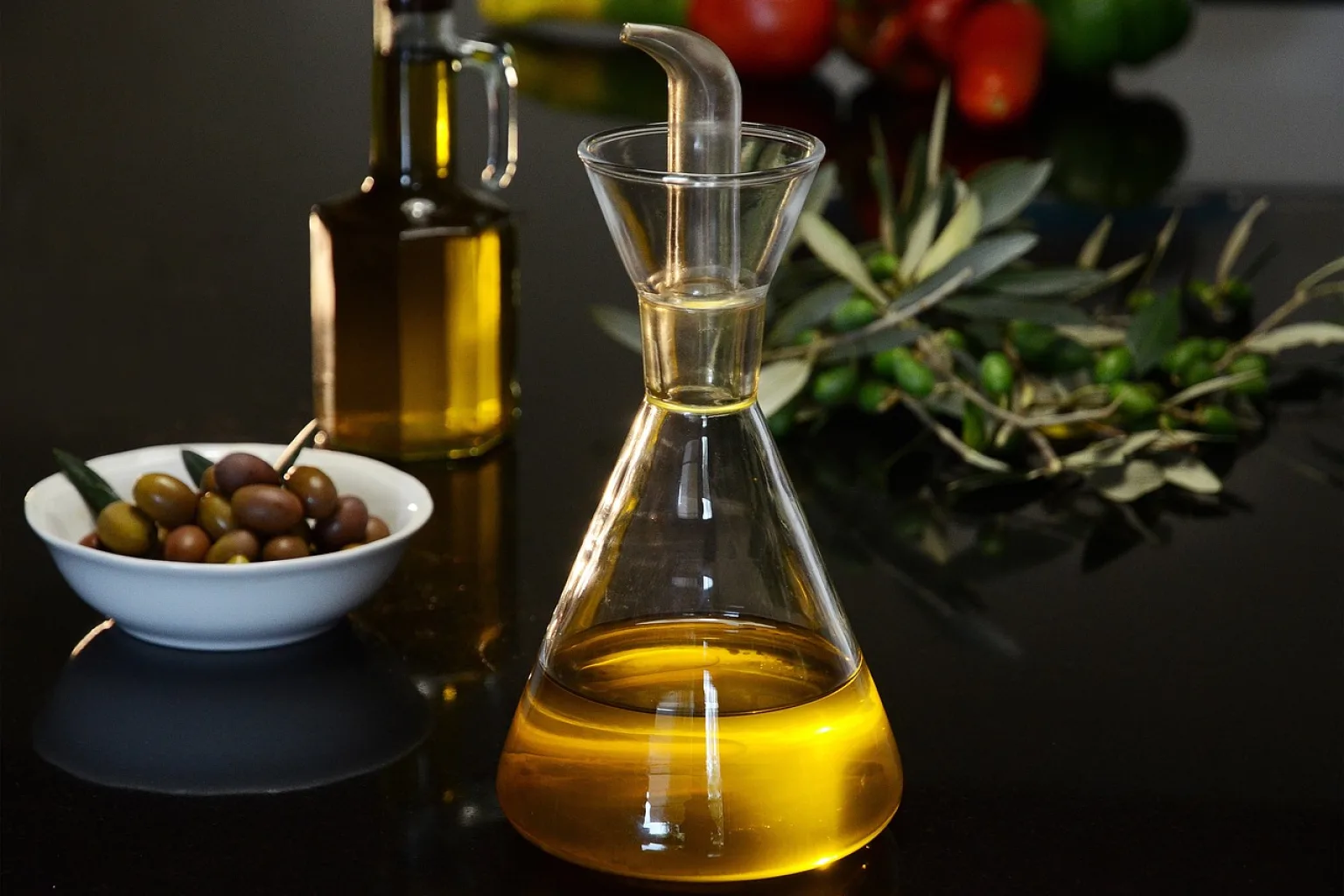
Extra-virgin olive oil is a category of vegetable oil made from olives, the fruit of the olive tree. The supplied evidence describes extra-virgin oils as obtained directly from olives by mechanical procedures, without chemical refining. It does not have one single flavor profile: the olive variety and the individual product affect its intensity and notes. Some oils are mild and fruity; others are more bitter, peppery or herbaceous. The category name therefore does not mean every bottle will taste the same. In the kitchen, it can serve as a cooking fat and as an ingredient in dressings, emulsions and finishing drizzles. (3320, 3323, 3324)
When to use it
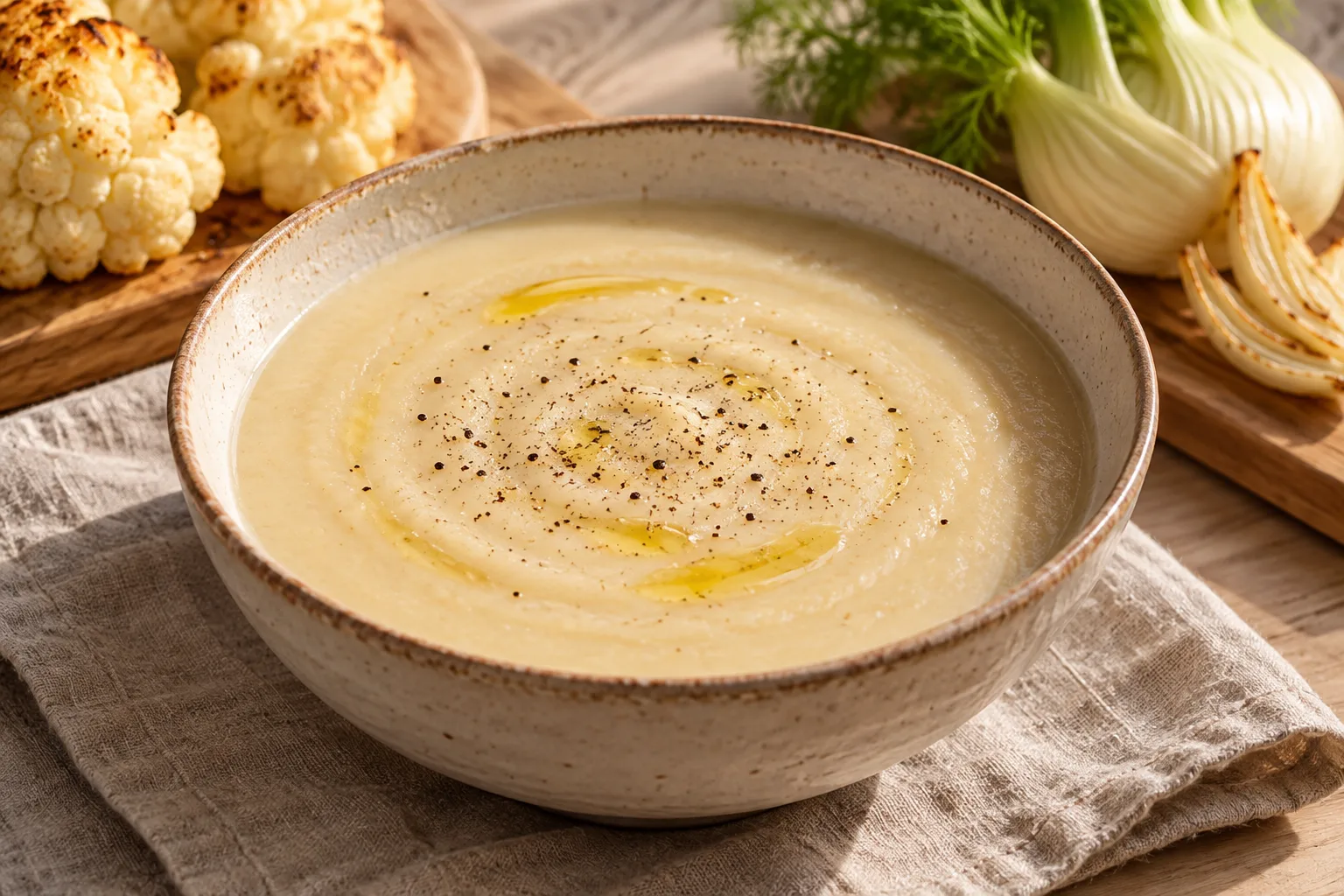
Choose extra-virgin olive oil when you want the oil to contribute aroma and flavor, not just fat. Raw, it works well in salad dressings, with bread or toast, and as a finishing drizzle over soups, purées or vegetables. It can also be used in emulsions and marinades, or for sautéing, braising, roasting and frying. A mild oil can accompany delicate food without overwhelming it; a more intense one can add contrast to strongly flavored ingredients. Profiles vary, so match the oil to the result you want. (3324, 3329, 3331, 3332)
How to use it
For a simple dressing, combine the oil with vinegar or lemon juice and seasonings to taste. Whisk it with the other liquids to form an emulsion; it can also be used in emulsified preparations such as mayonnaise or salmorejo. Drizzle it over bread, salads, vegetables, soups or purées just before serving when you want its aroma to stand out. For cooking, use it to sauté or gently cook ingredients, coat food before roasting, or make up part of a marinade. It is also used for frying. Choose a mild or more pronounced profile depending on whether you want the oil to complement or stand out. These are general culinary uses: follow the recipe’s food-handling directions and do not let the oil burn or smoke. (3324, 3329, 3331, 3332)
Flavour and texture
Its profile is not uniform: depending on the variety and product, it can range from mild and fruity to more intense, with bitter, peppery, herbaceous or fruit-like notes. At room temperature it is a smooth liquid that blends readily into dressings and can add body to an emulsion. Raw, its aromas come through directly; in cooked dishes, the flavor it contributes depends on the oil chosen and the preparation. Taste it before pairing it with delicate food. (3324, 3329, 3332)
How to choose it
Read the product name on the label and check that it says extra-virgin olive oil. If the label provides the olive variety or a flavor description, that may help you judge its intensity; the varieties described in the supplied evidence have different flavor profiles. Do not assume every oil in this category tastes alike. First consider whether you will use it raw, when its aroma is readily noticed, or in a cooked preparation. Packaging and product information vary; the supplied evidence does not support recommending a particular brand, origin or harvest date as a universal guarantee of quality. (3320, 3324)
Storage
Keep the bottle tightly closed in a cool, dark place and avoid leaving it exposed to light. The available culinary evidence recommends limiting exposure to light and air to help preserve the oil’s qualities. Close the container after each use and avoid keeping it open beside heat sources. The supplied sources do not establish one universal storage period for every bottle; follow the label and the directions for the product you purchased. (3320, 3322)
Substitutions
Virgin olive oil can work in some recipes if you accept that it is a different category and may have a less prized sensory profile than extra-virgin oil. Refined olive oil or a commercial olive-oil blend may be an option when you want a more neutral flavor. Another edible vegetable oil, such as sunflower oil, can also be used when the recipe can accommodate a change in aroma and taste. No substitute necessarily reproduces the original oil’s profile; choose according to the oil’s role in the dish. (3318, 3325, 415)
Common mistakes
Do not assume that all extra-virgin olive oils taste the same: profiles vary from mild to intense. Nor is the oil only for salads; the supplied culinary evidence describes both raw and cooked uses. If you want its aromas to come through, avoid masking them with dominant ingredients and taste the oil before adding it to a delicate dish. Do not confuse it with refined olive oil, which is described as more neutral. (3324, 3325, 3332)
Safety and allergens
Spain’s food-safety agency AESAN advises moderating total fat intake and eating a varied diet. Use the oil as an ingredient and adjust the amount to the recipe and your needs; the supplied evidence identifies no specific safety warning for pure extra-virgin olive oil. This brief caution does not replace the product label or personal advice from a health professional. (415)
Culinary uses
- grasa para cocinar y rehogar
- aliño y aceite de acabado
- base para emulsiones y marinadas
Recommended techniques
- aliñar
- emulsionar
- saltear y rehogar
- asar y freír
Pairs well with
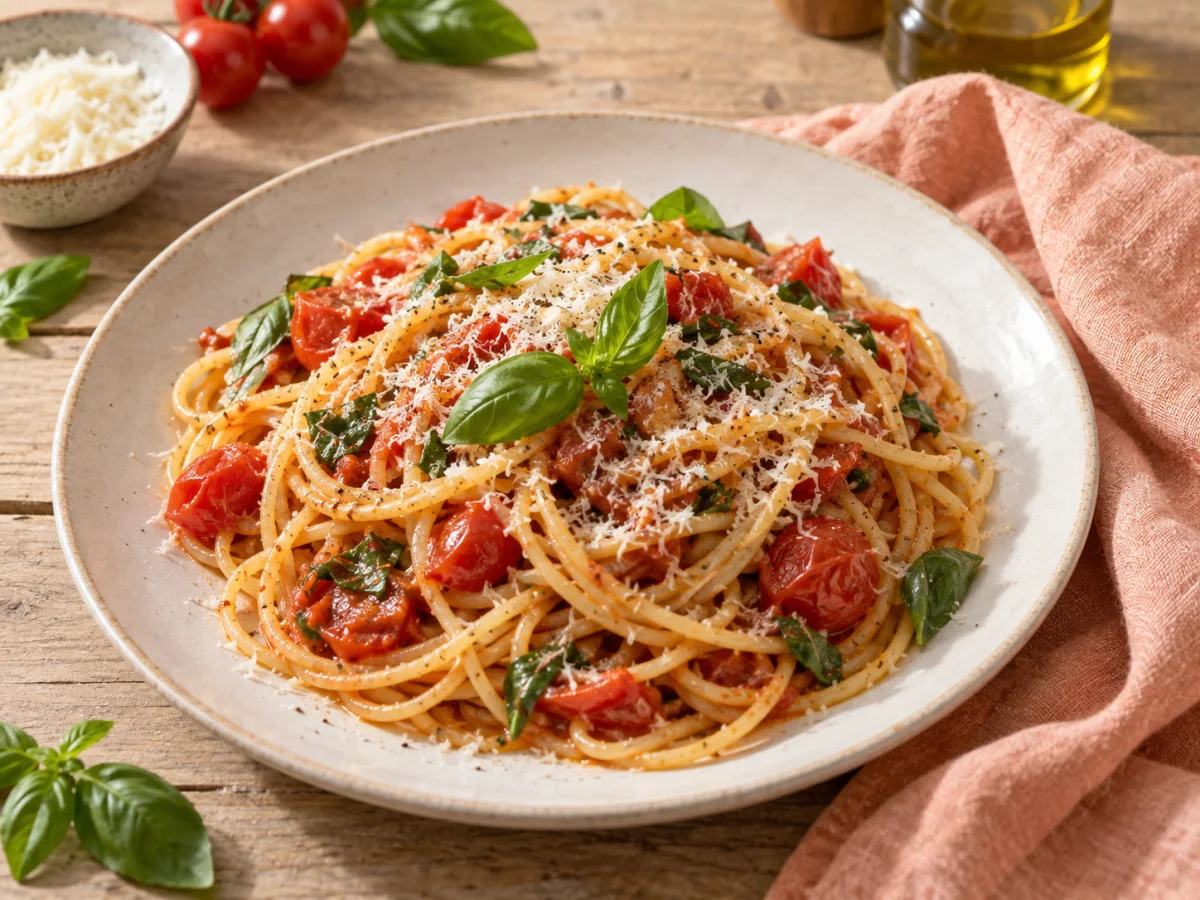
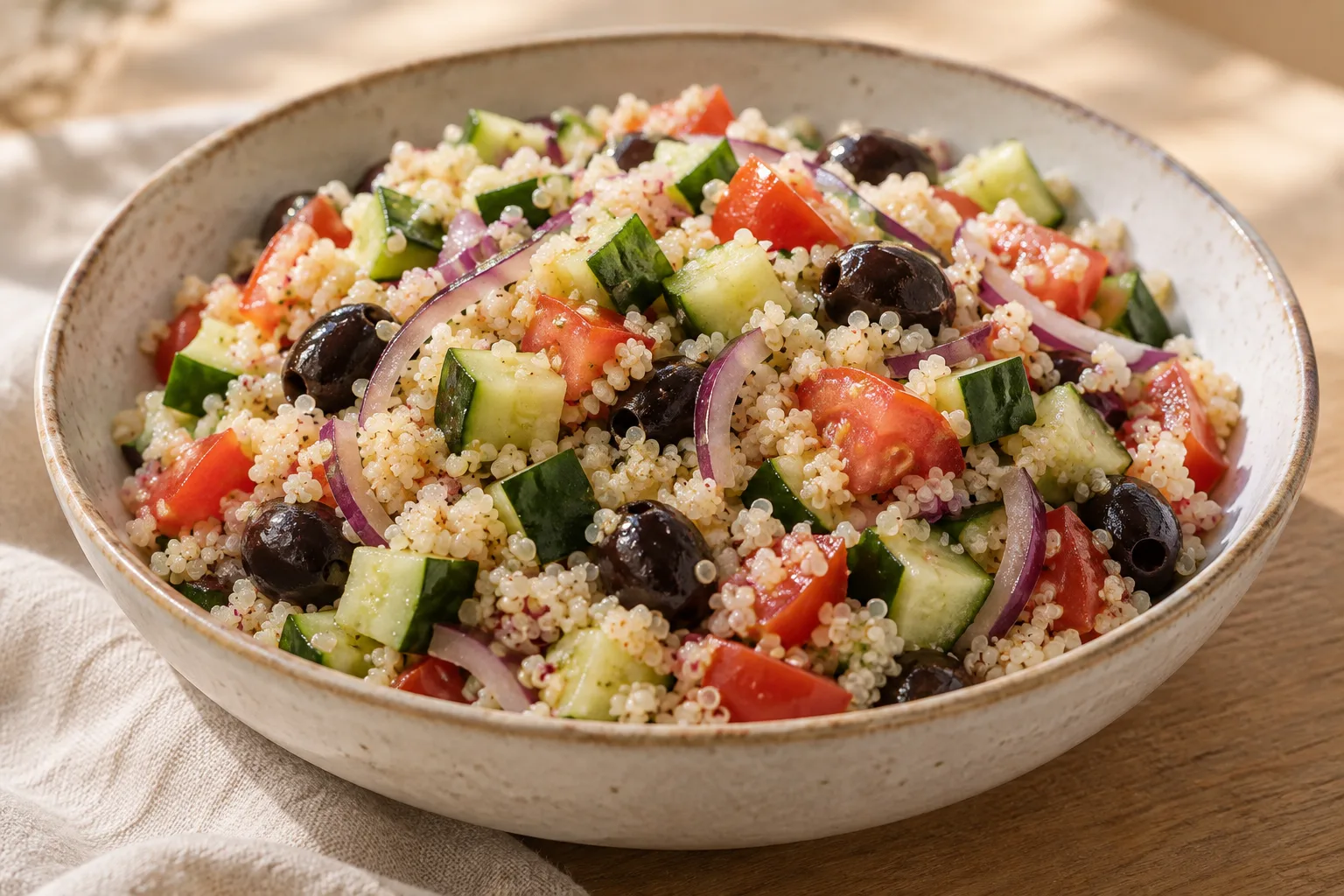
- ensaladas y verduras
- pan y tostadas
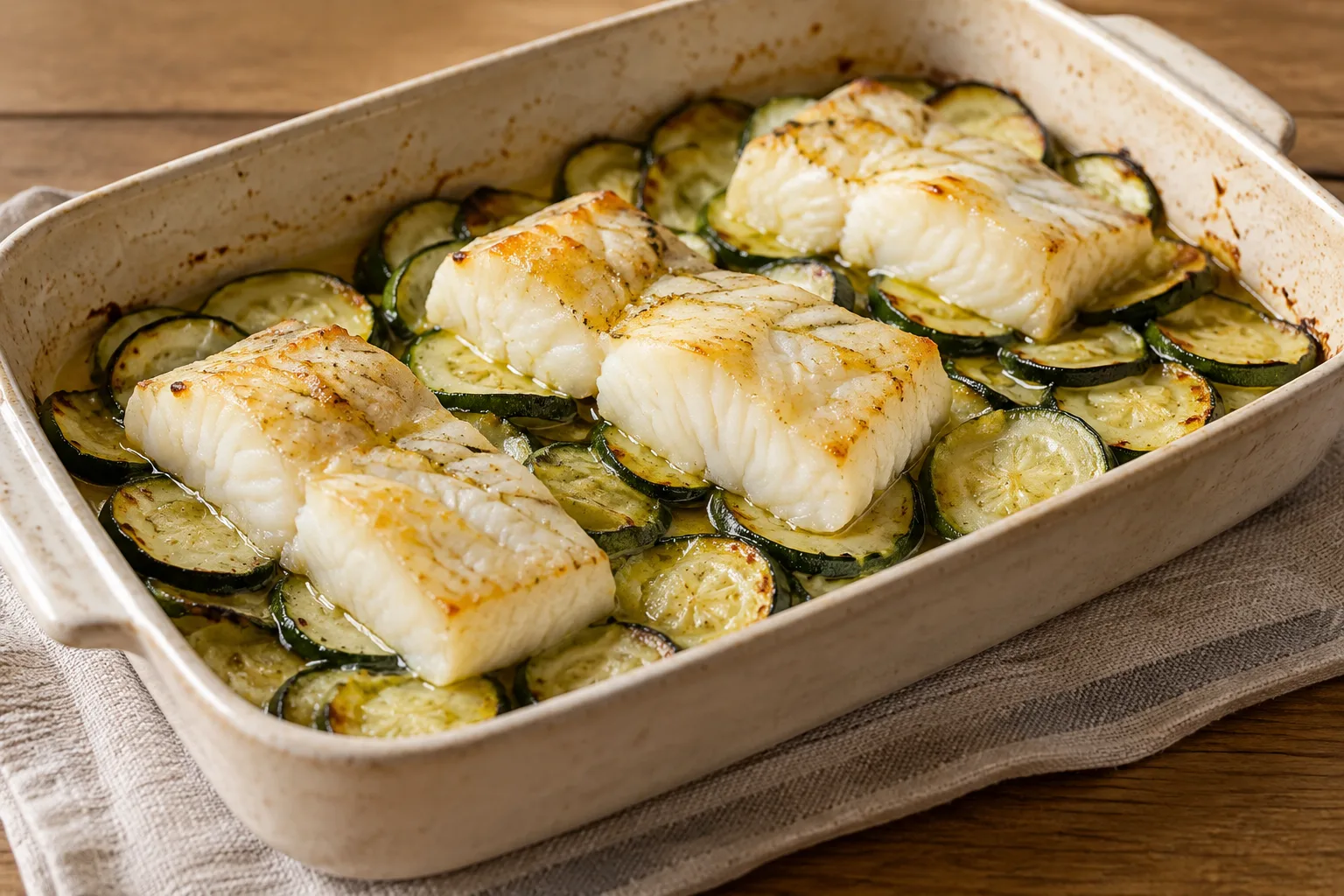
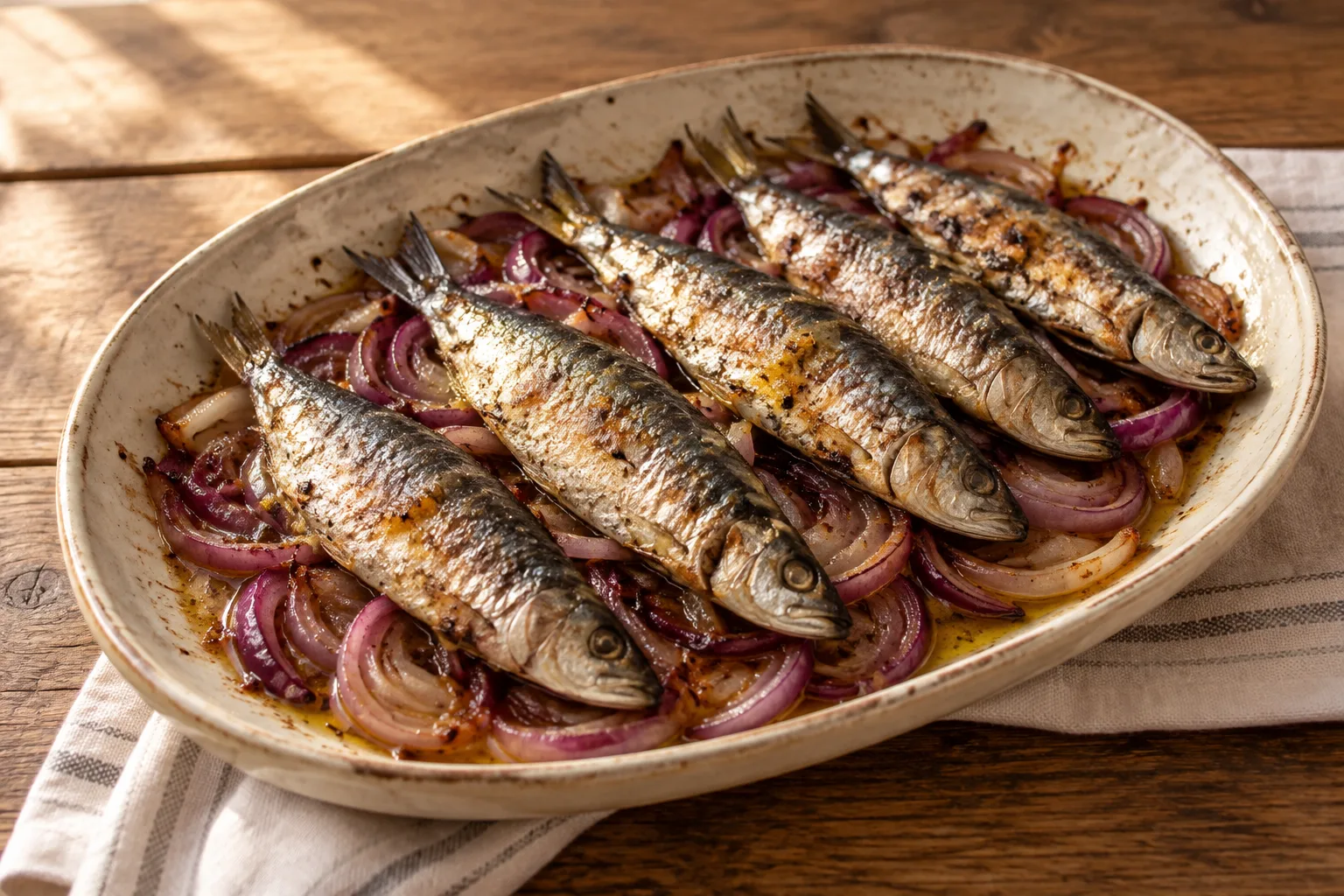
- pescados y mariscos
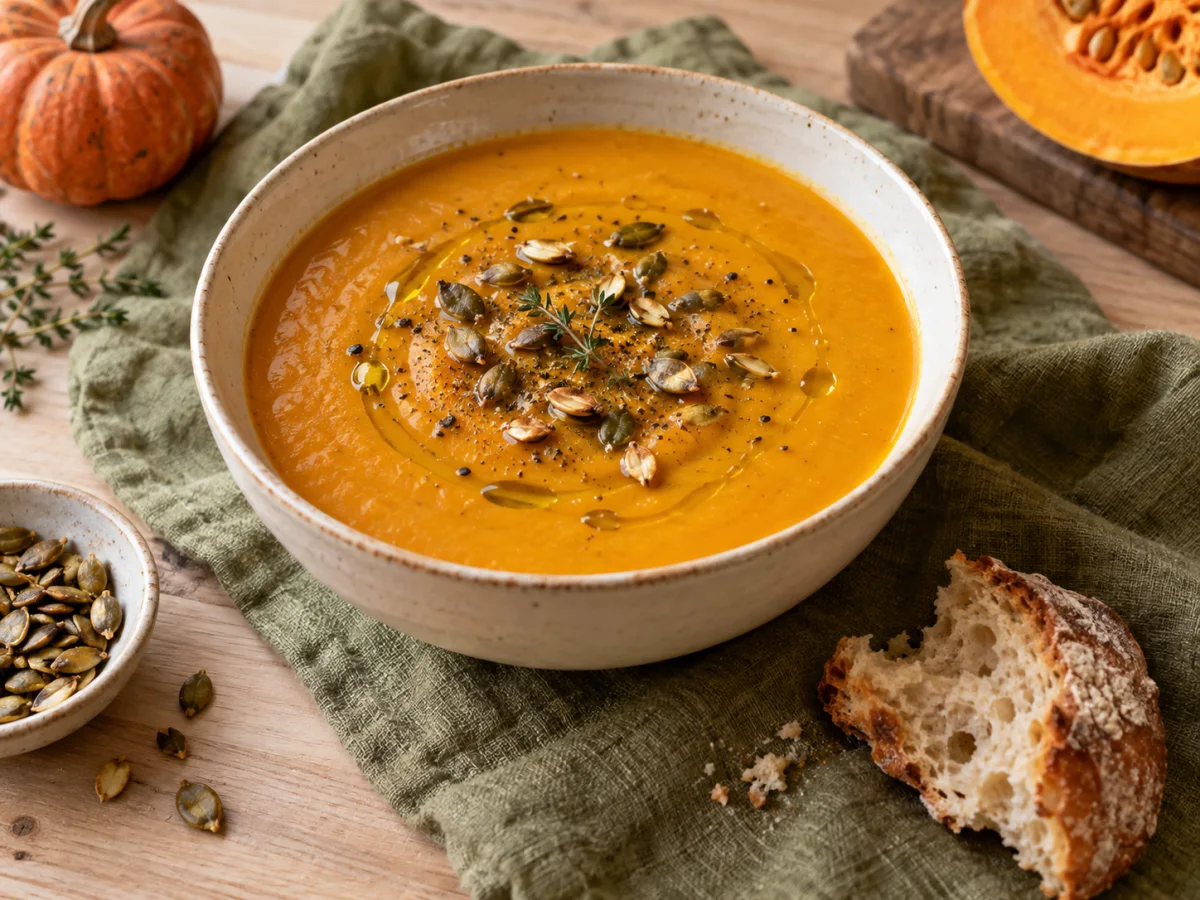
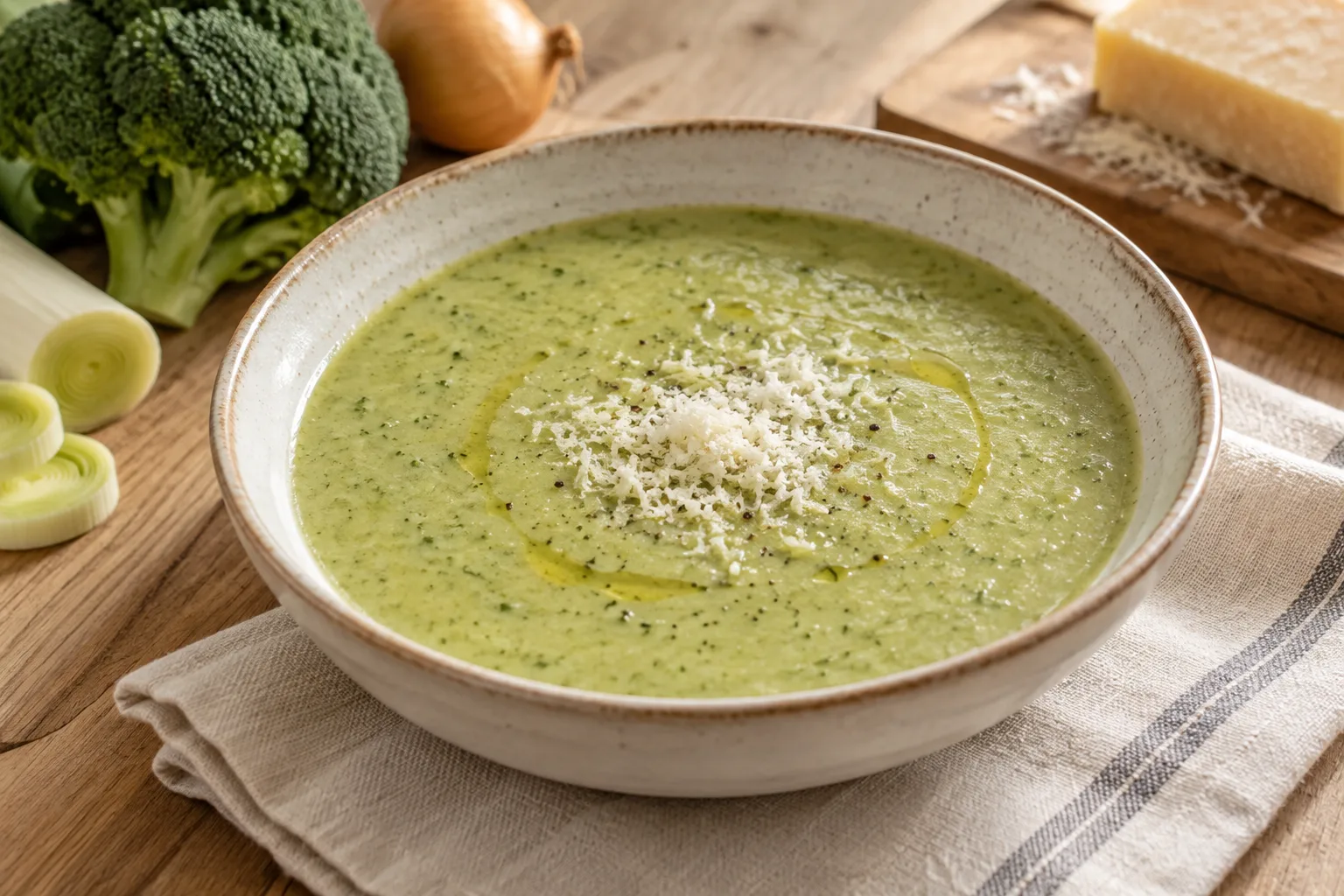
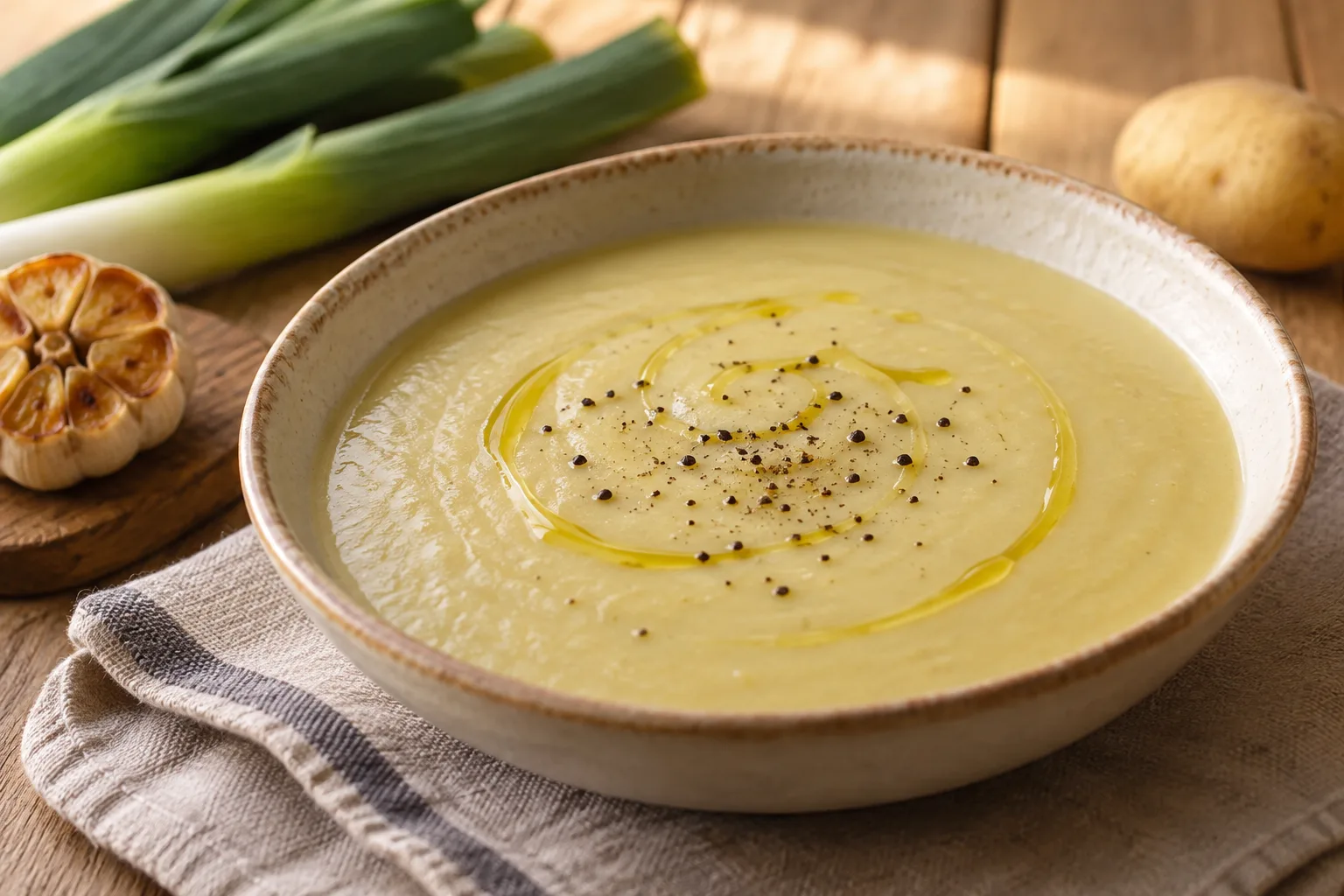
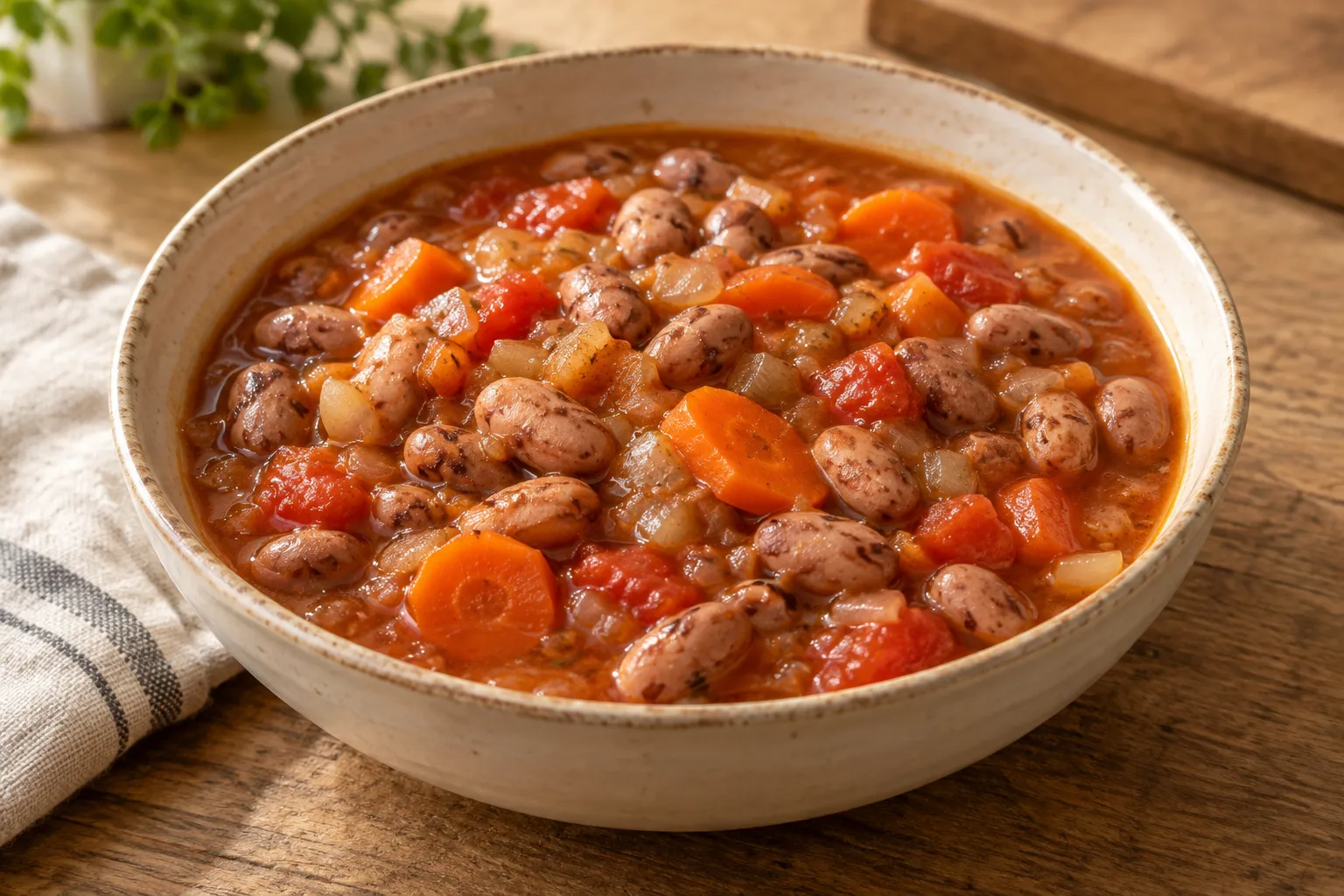
- sopas, cremas y guisos
Frequently asked questions
Can extra-virgin olive oil be used for cooking?
Yes. The supplied culinary sources describe it for sautéing, gentle cooking, roasting and frying, as well as raw use. Choose a profile that suits the dish and do not let the oil burn or smoke. (3332, 3331)
Do all extra-virgin olive oils taste the same?
No. The olive variety and specific product can produce mild, fruity profiles or more intense, bitter, peppery or herbaceous ones. (3324)
How should I store the bottle?
Close it tightly and keep it in a cool, dark place, protecting it from light. Also follow the label’s directions. (3320, 3322)
Estimated nutrition
- Fat
- 15 g
- Saturates
- 1.67 g
- Carbohydrate
- 70 g
- Sugars
- 3.33 g
- Fibre
- 3.3 g
- Protein
- 10 g
- Salt
- 2 g
Sources and review
Automatically researched, cross-checked and validated content. Sources consulted:
- Conoce la Grasa - Moderar el Consumo plancuidatemas.aesan.gob.es
- Aesan - Agencia Española de Seguridad Alimentaria y Nutrición aesan.gob.es
- Aceite de oliva - Wikipedia, la enciclopedia libre es.wikipedia.org
- Aceite de Oliva Virgen Extra: Beneficios, Historia y Usos elpaladar.es
- Aceite de Oliva Virgen Extra: Beneficios, Historia y Usos miolivagourmet.com
- Explora Sabores de Oliva Virgen: Aceites, Encurtidos y Gourmet grenadeoliveoil.com
- Todo sobre el aceite de oliva extra virgen: propiedades, beneficios y su uso en la cocina vitonica.com
- Tipos de aceite de oliva y principales usos en la cocina | Recetas Nestlé recetasnestlecam.com
- Guía práctica para conocer el aceite de oliva virgen extra hola.com
- Tipos de Aceite de Oliva y Usos reces.es
- Aceite de oliva: beneficios, propiedades y usos + para qué sirve ecoinventos.com
- ▷ El aceite de oliva virgen extra (aove) y la lactancia materna - Ocronos - Editorial Científico-Técnica doi.org
- Maridajes ideales con aceite de oliva virgen extra rontonar.com
- Formas de usar el aceite de oliva virgen extra: una guía práctica para cocineros caseros - Terra Centuria terracenturia.com
- Maridajes y Usos Culinarios del Aceite de Oliva Virgen de Extremadura: Potenciando Cada Plato - ACEITES CLEMEN : Aceite de Oliva Virgen Extra del campo Extremeño aceitesclemen.com
- Técnicas de cocina con aceite de oliva aceitesdeolivadeespana.com
- Técnicas de Cocina con Aceite de Oliva Virgen Extra | ISBILYA isbilya.com