- Category
- Oils and fats
- State
- Liquid
- Usual unit
- ml
What it is
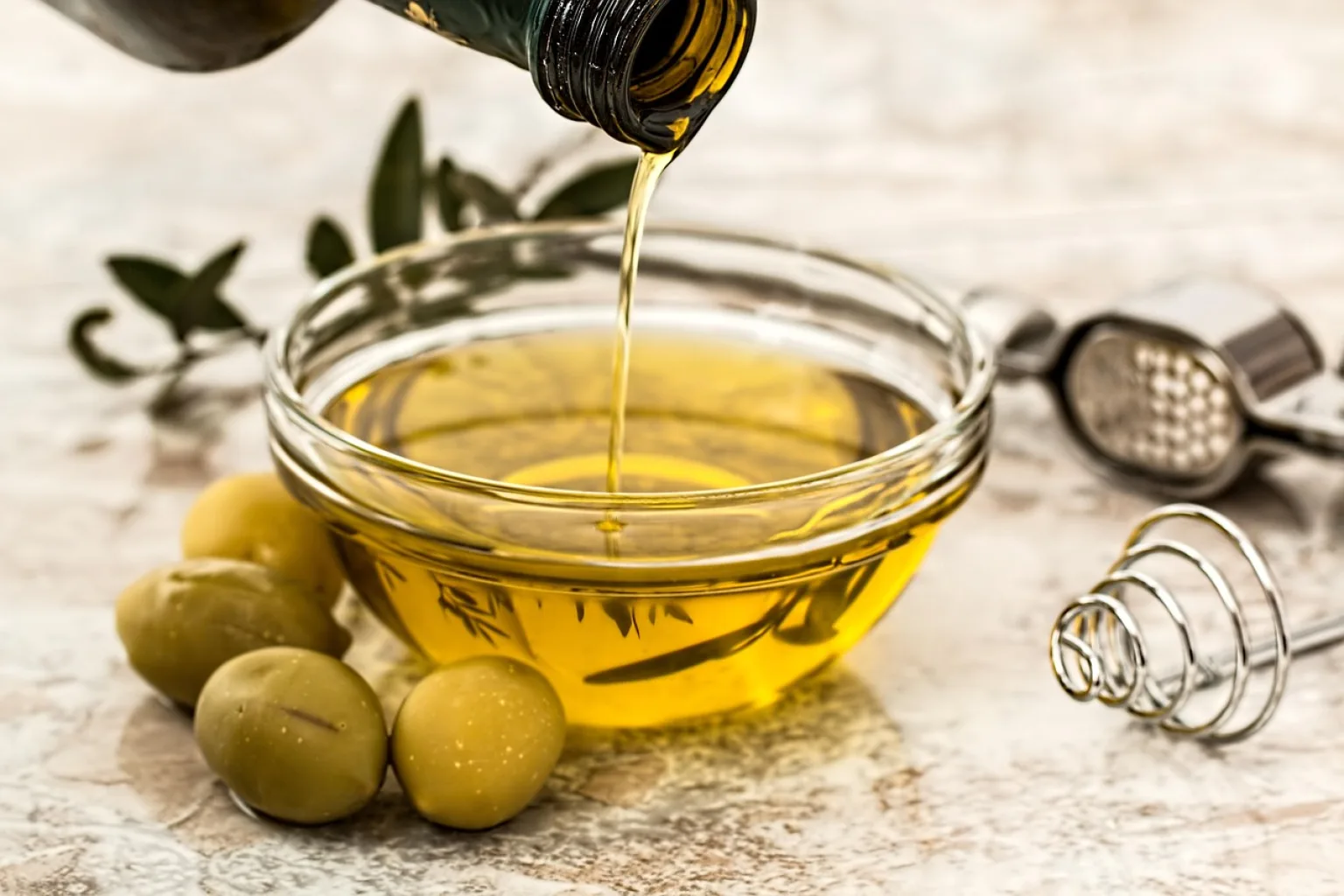
Olive oil is a vegetable oil obtained from olives, the fruit of the olive tree. The name covers products with different categories and flavor profiles: virgin oils are obtained by physical processes, while some products on sale combine refined olive oil with virgin olive oil. As a result, not every olive oil has the same aroma, taste, or intensity. Color can also vary and is not enough on its own to describe flavor. In cooking, olive oil serves as a cooking fat, a dressing, an ingredient in sauces, and a finishing touch. Read the product name on the label and choose a type that suits the preparation.
When to use it
Use it when you want to add fat, aroma, or gloss to a dish. Uncooked, it works on salads, vegetables, bread, pasta, or pizza, and as part of dressings and sauces. It can also be used for cooking methods such as sautéing, sweating, roasting, and frying. A milder oil can accompany delicate flavors without overwhelming them; a more pronounced oil can work when you want its character to stand out. The best choice depends on the specific product and your preference.
How to use it
For uncooked dishes, drizzle the oil at the end or combine it with other seasonings to dress salads and vegetables. To make an emulsion, add it to the other ingredients while mixing, as in some sauces. In a pan, use it for sautéing or sweating; it can also be part of roasted or fried preparations. Choose a milder flavor when you want other ingredients to lead, or a more pronounced one for an aromatic finish. Categories and sensory profiles vary, so read the label and adjust the amount to taste. There is no single proportion that suits every dish.
Flavour and texture
Olive oil is liquid and fatty, and its flavor can range from fairly mild to intense depending on the product. Virgin and refined olive oils do not necessarily have the same aroma or presence on the palate; oils from some varieties are described as fruity, bitter, or slightly peppery. Color may range from green to golden, but it does not by itself reveal flavor intensity. Taste the oil before using it in a delicate preparation.
How to choose it
Read the product name and label information to distinguish olive oil types; virgin, extra virgin, and refined do not describe identical products. Choose according to the intended use and the intensity you enjoy: a more neutral-tasting oil can leave more room for other ingredients, while a more aromatic one can stand out in a dressing or finishing drizzle. Color alone is not a reliable guide to flavor. If a recipe specifies a type, check the label before buying.
Storage
Keep olive oil away from sunlight and heat, in a cool, dark place. When you have a choice, an opaque container helps limit exposure to light. Close the container between uses and follow any specific instructions on its label. There is no single storage duration that applies to every product; check the package for storage directions and the stated date.
Substitutions
For a less pronounced flavor, you can replace extra-virgin olive oil with refined or milder olive oil, bearing in mind that the aroma and final result will change. In some doughs and baking preparations, olive oil can replace butter, but the texture and behavior of the recipe may differ. Do not assume that every swap is equivalent in quantity: use a recipe designed for the substitution or adjust thoughtfully.
Common mistakes
Do not choose olive oil by color alone or assume that every category tastes the same. A very intense oil may dominate a delicate dish, while a milder one may go unnoticed when you want a pronounced finish. Avoid storing the bottle in sunlight or near heat, and do not ignore the package's storage directions. Nor should butter be replaced with oil in every recipe as if the result were identical.
Safety and allergens
Check the label for product-specific storage and use directions. For prepared foods made with olive oil, also check the allergen information for the complete product, since other ingredients may be present.
Culinary uses
- Grasa para cocinar y dorar
- Aliño y acabado aromático
- Base para emulsiones y salsas
Recommended techniques
- Aliñar y rociar en crudo
- Emulsionar
- Saltear
- Rehogar
- Asar
- Freír
Pairs well with
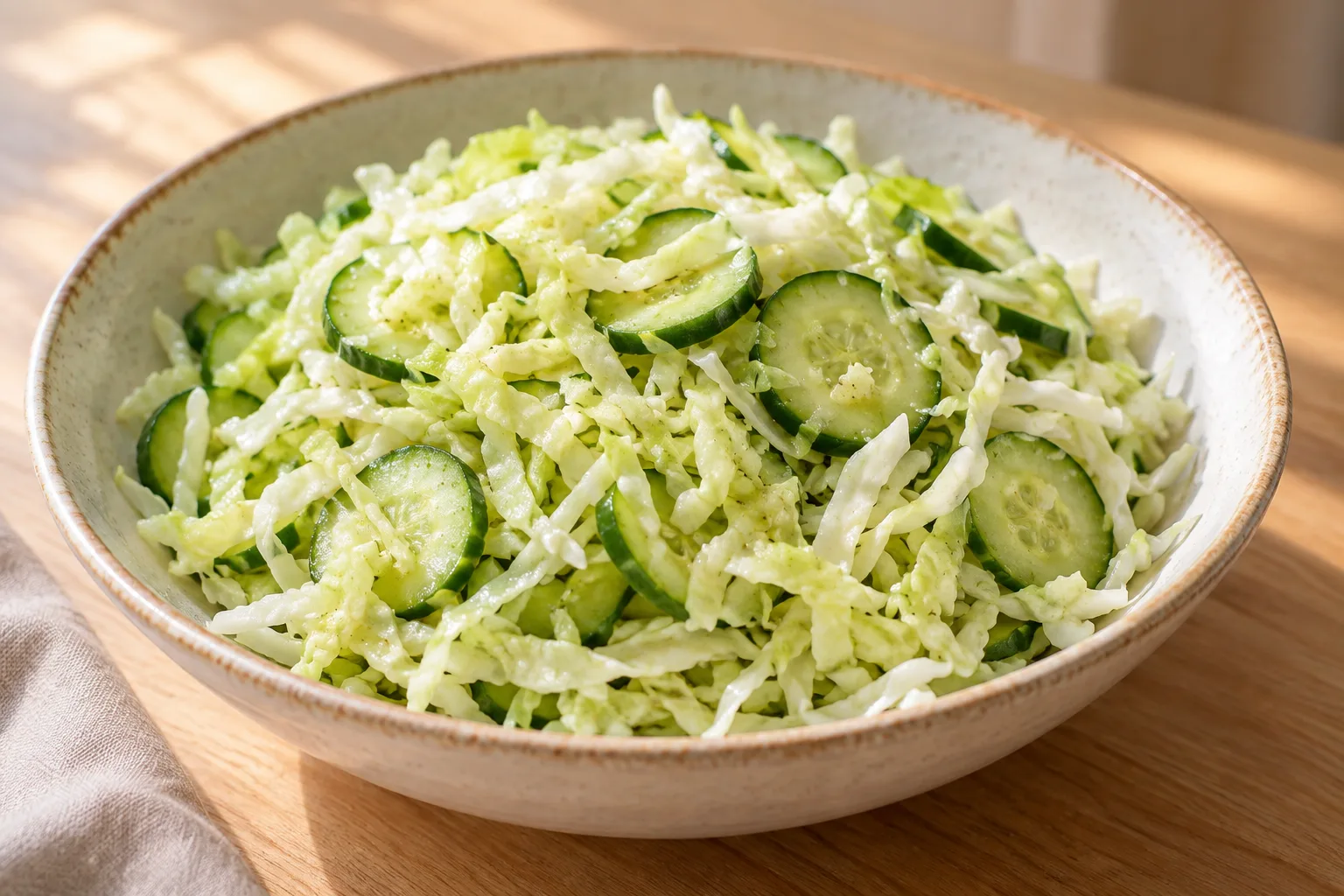
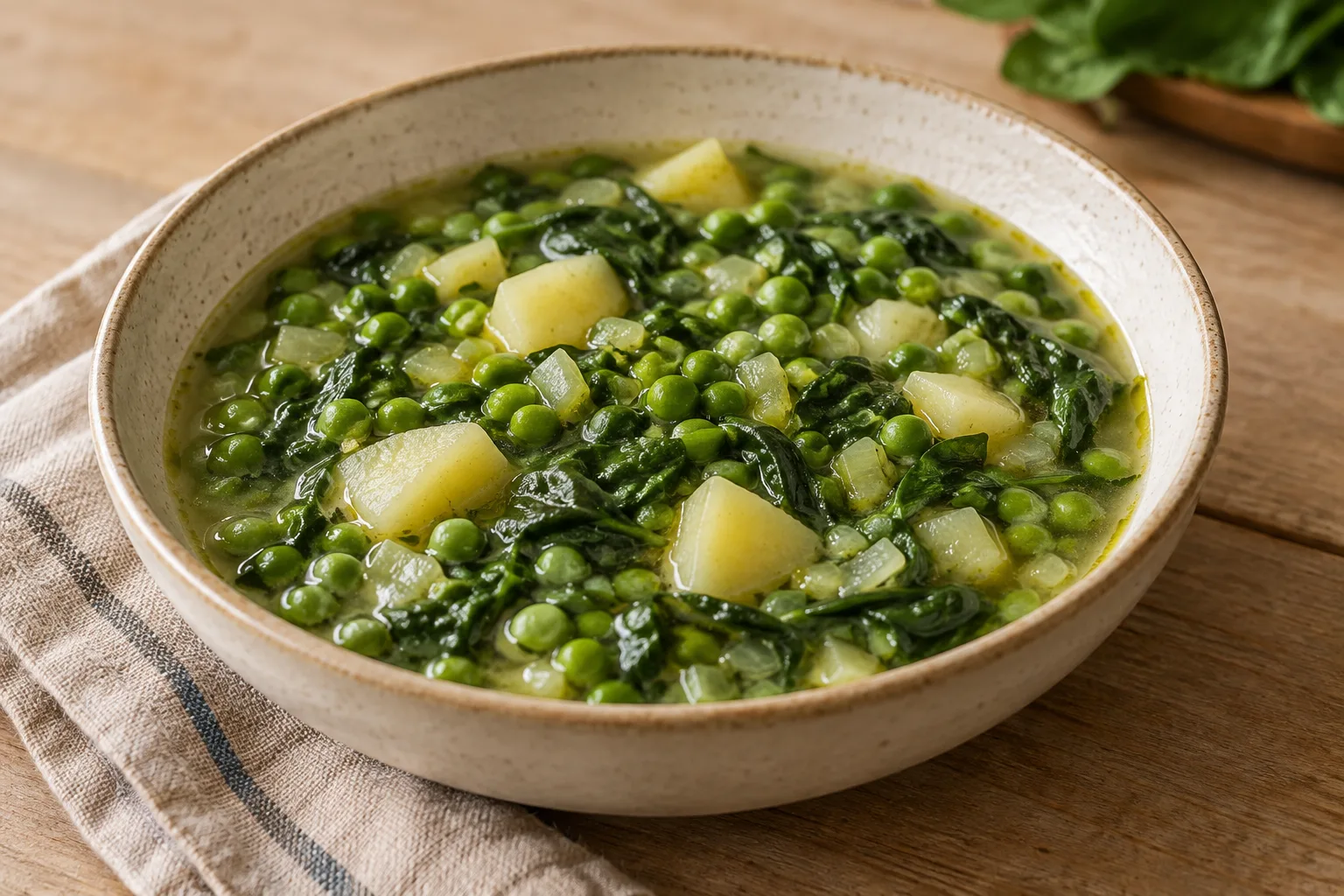
- Ensaladas y verduras
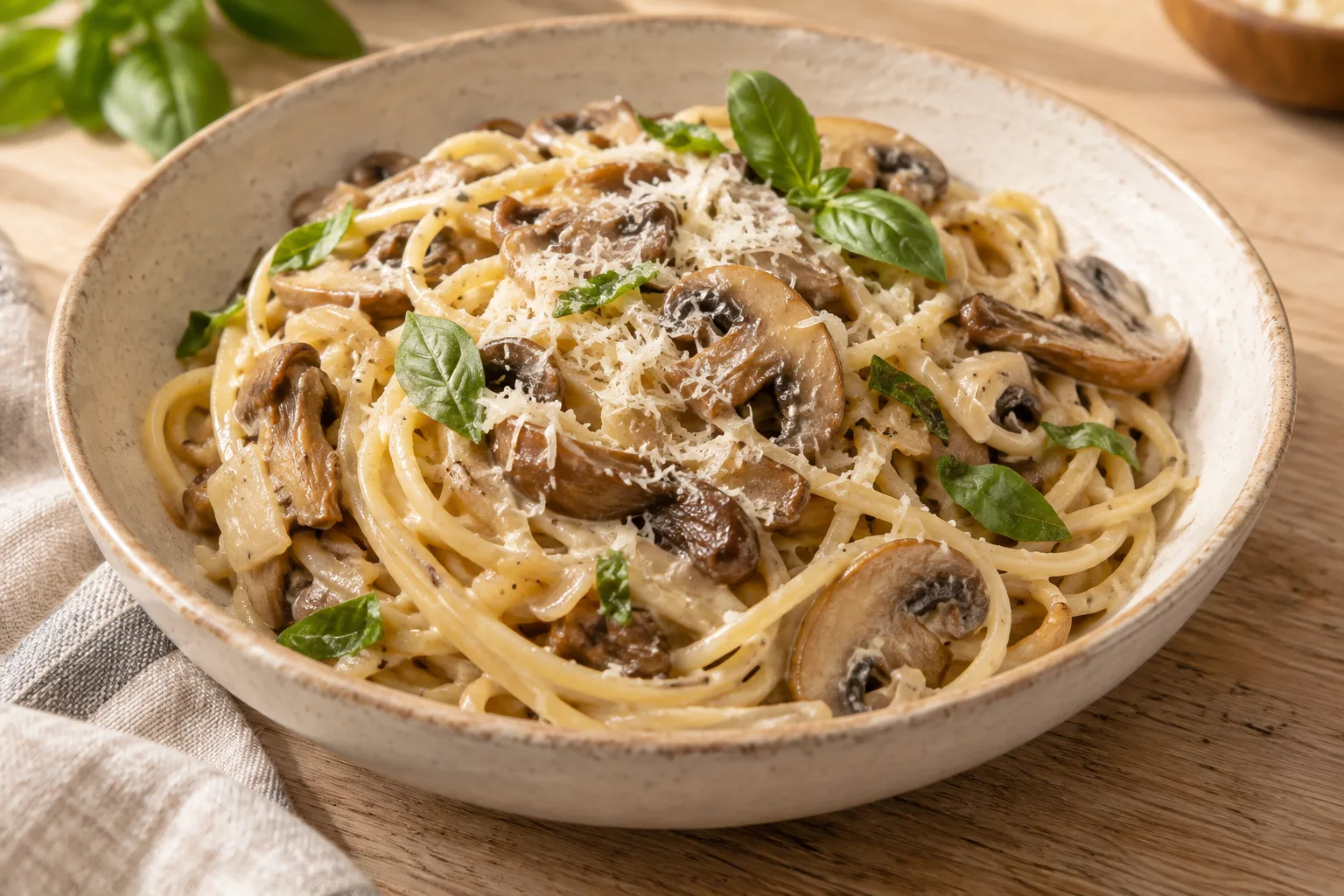
- Pan, pasta y pizza
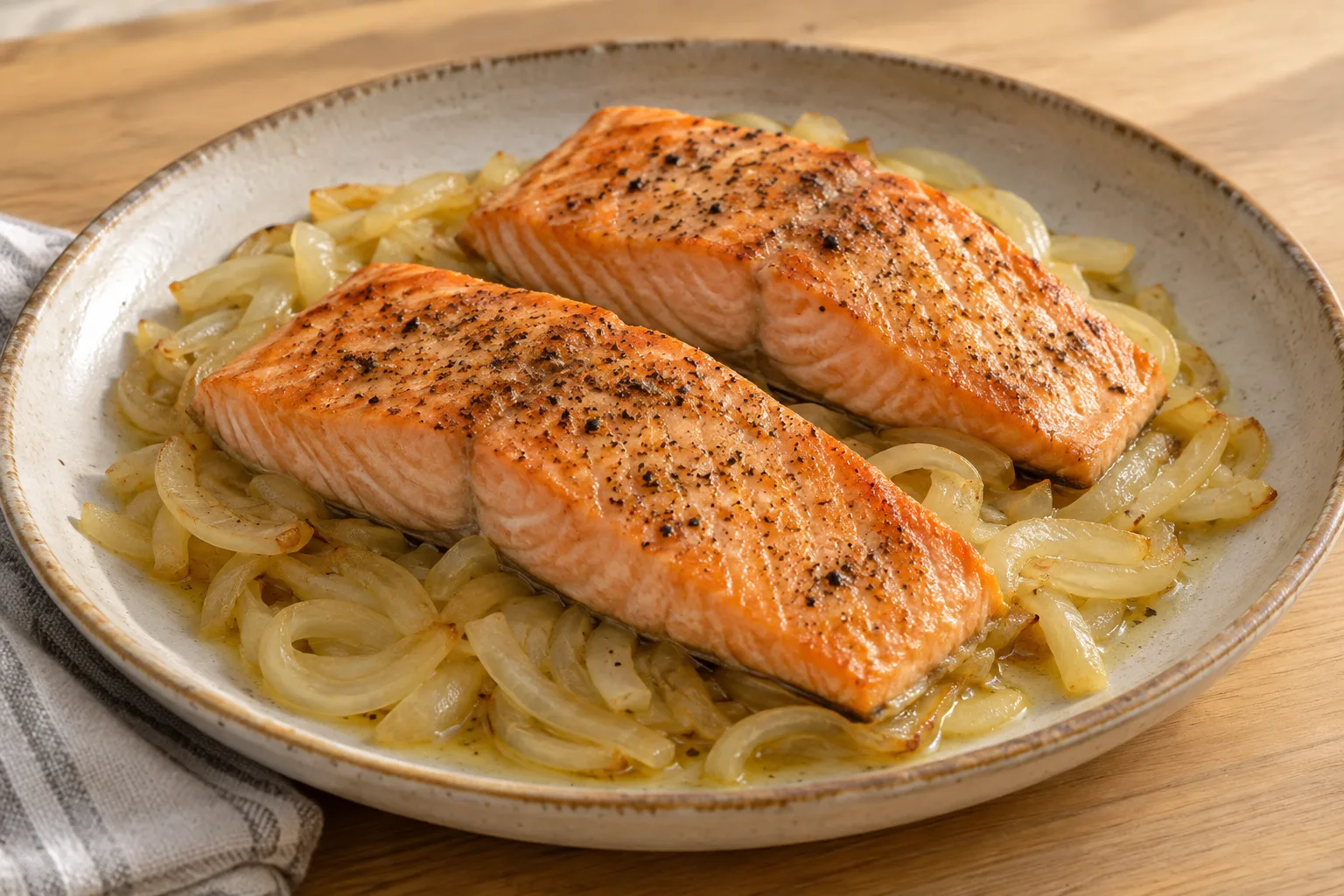
- Pescados y mariscos
- Salsas y emulsiones
Frequently asked questions
Can olive oil be used both uncooked and for cooking?
Yes. It is used in uncooked dressings and finishes, as well as in cooking methods such as sautéing, sweating, roasting, and frying. Choose a flavor profile that suits the dish.
Does color tell me whether the oil will taste intense?
Not reliably. Color can range from green to golden, but the product type, its described flavor profile, and your preference are more useful guides.
How should I store an opened bottle?
Keep it closed and protected from light and heat in a cool, dark place. Always follow the instructions on the label.
Estimated nutrition
- Fat
- 100 g
- Saturates
- 13.81 g
- Carbohydrate
- 0 g
- Sugars
- 0 g
- Fibre
- 0 g
- Protein
- 0 g
- Salt
- 0 g
Sources and review
Automatically researched, cross-checked and validated content. Sources consulted:
- En el etiquetado alimentario hay algunas menciones que son obligatorias eletiquetadocuentamucho.aesan.gob.es
- Aesan - Agencia Española de Seguridad Alimentaria y Nutrición aesan.gob.es
- Aceite de oliva - Wikipedia, la enciclopedia libre es.wikipedia.org
- Tipos de aceite de oliva y principales usos en la cocina | Recetas Nestlé recetasnestlecam.com
- Tipos de Aceite de Oliva y Usos reces.es
- Aceite de oliva: beneficios, propiedades y usos + para qué sirve ecoinventos.com
- Maridajes ideales con aceite de oliva virgen extra rontonar.com
- Técnicas de cocina con aceite de oliva aceitesdeolivadeespana.com
- Qué es el aceite de oliva y cómo usarlo | Recetas Nestlé recetasnestle.cl
- Aceite de Oliva | www.cocinista.es cocinista.es
- Qué es el aceite de oliva y cómo usarlo | Recetas Nestlé recetasnestle.com.co
- Aceite de Oliva: Tipos, Elaboración y Variedades de Aceitunas | Guía Completa elpaladar.es
- ¿Qué es el aceite de oliva y cómo usarlo? | Recetas Nestlé recetasnestle.com.pe
- Aceite de oliva, usos y propiedades - Divina Cocina divinacocina.es
- Efectos territoriales de las denominaciones de origen protegidas de aceite de oliva en España | Archivo Digital UPM doi.org
- 4 maridajes con aceite de oliva - Coosur coosur.com
- 10 técnicas esenciales para cocinar con aceite de oliva blog.scoolinary.com