- Category
- Vegetables
- State
- Fresh
- Usual unit
- Variable
What it is
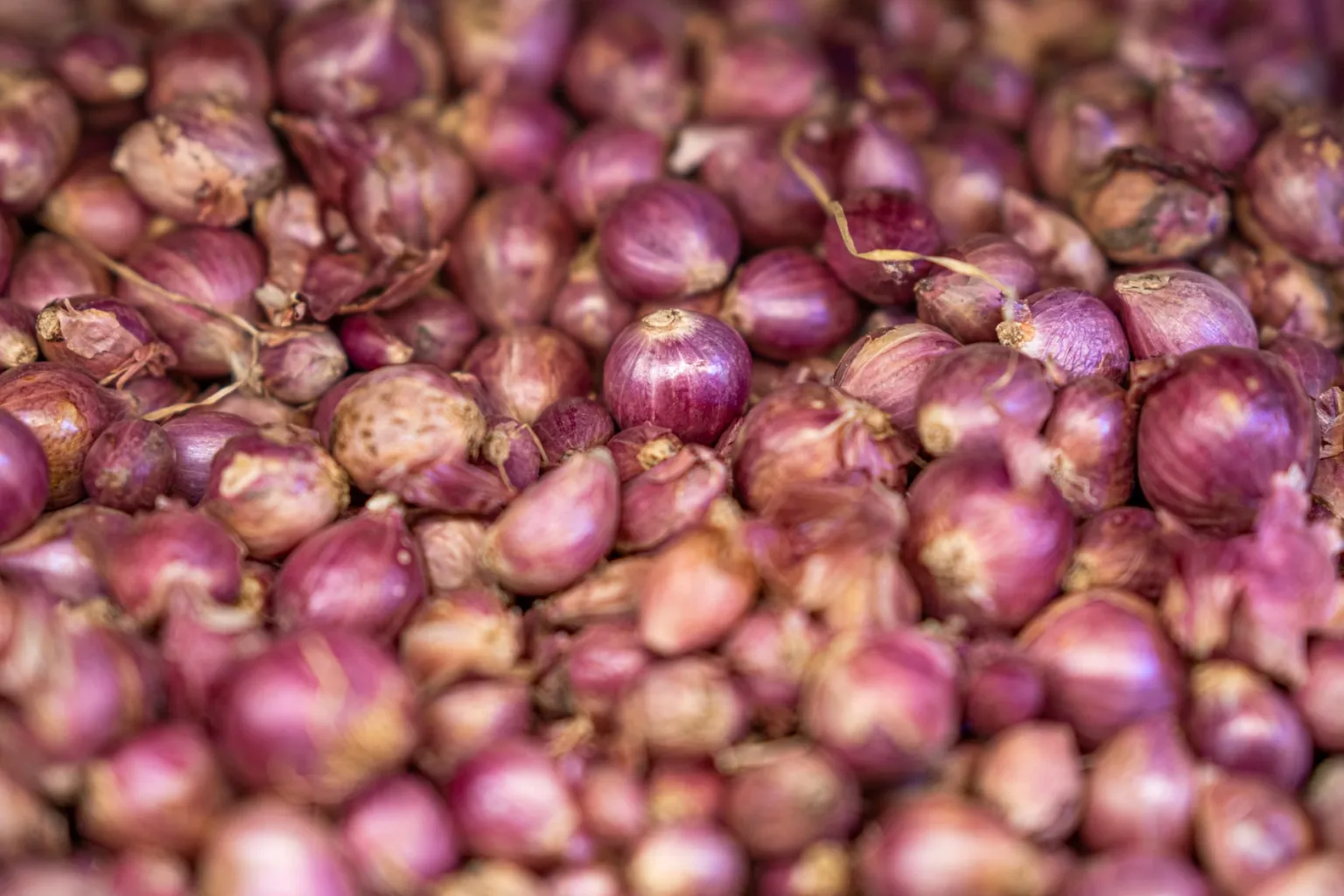
The common onion is the edible bulb of Allium cepa. It consists of overlapping fleshy layers and is sold in different shapes, sizes and colors, including white, yellow and purple. Onions do not all taste or feel the same: some are milder or crunchier, while others have a stronger character. They can be served raw or cooked in many ways, making them a main ingredient, garnish or aromatic base. This profile covers fresh bulb onions; spring onions, shallots and dried or powdered onion are related products, but are not identical to a fresh bulb onion.
When to use it
Use onion when you want to add aroma and substance to a sauce, sofrito, soup or stew, or a crisp bite to a cold dish. For salads, tacos, sandwiches and uncooked sauces, choose a variety whose flavor and intensity you enjoy; purple and some white onions are often used raw. For cooked dishes, yellow onion is a versatile, common choice for stews, soups and sauces. These are useful suggestions, not strict rules: varieties differ, and the same onion can work in more than one preparation.
How to use it
Remove the dry outer skin and slice, cut into wedges or dice the onion to suit the texture you want. Use it raw in salads, tacos, sandwiches or sauces; if its flavor overwhelms the dish, use less or choose a milder variety. For a sofrito or sauce, cut it finely and cook it with the other ingredients in the recipe. Onion can also be fried, boiled, roasted, grilled or pickled. Yellow onion is commonly used in stews and soups; purple onion adds color to raw preparations. Match the cut and cooking method to the dish, rather than assuming every variety behaves in exactly the same way.
Flavour and texture
Flavor can range from mild or sweet to sharp and intense, depending on the variety and the individual onion. Raw onion usually adds crunch and a pronounced aroma; cooking softens it and changes its flavor, often bringing out sweeter notes. White, yellow and purple varieties also differ in juiciness, texture and color. Choose according to the result you want instead of relying on a rigid rule based on color alone.
How to choose it
Choose an onion type with its intended use in mind: yellow onions are a versatile cooking option, while purple onions are often used raw and white onions can offer a crisp texture. Varieties differ, so these suggestions cannot guarantee a specific flavor. For packaged onions, check the product information and any use instructions. If you are unsure about an unpackaged onion, ask the retailer for its name or variety.
Storage
Storage depends on the onion type and how it is sold. Dry onions generally keep longer than fresh or spring onions, which are more delicate; dry yellow onions are described as suitable for longer storage than more delicate varieties. No universal storage duration or temperature is specified here. Follow package directions when provided, and ask the retailer if the product has special storage requirements. Do not assume that fresh, spring and dry onions have the same keeping life.
Substitutions
A shallot can replace onion in sauces and cooked dishes, though it has its own flavor profile. Chives or spring onions can provide a fresher, milder onion note, but do not give the same bulk or texture as a bulb onion. Onion powder supplies onion flavor without fresh pieces and is not an exact replacement in recipes where onion also contributes moisture or structure. Adjust the amount to taste and to the role the onion plays in the dish.
Common mistakes
Do not assume every variety has the same sharpness, sweetness or texture, or that color alone dictates how it should be used. An onion meant to add pieces and bulk is not interchangeable in the same way as one used only for aroma. Fresh, spring and dry onions should not be treated as having identical storage needs. If a recipe does not name a variety, yellow onion is a common, versatile option, but it is not the only one.
Safety and allergens
If sulphites are a concern, check product information or ask the retailer, particularly for onions packaged in mesh: AESAN notes that levels are likely to exceed 10 mg/kg SO2 in these onions. Follow any storage and use instructions on the package. This caution does not mean every onion has the same sulphite concentration.
Culinary uses
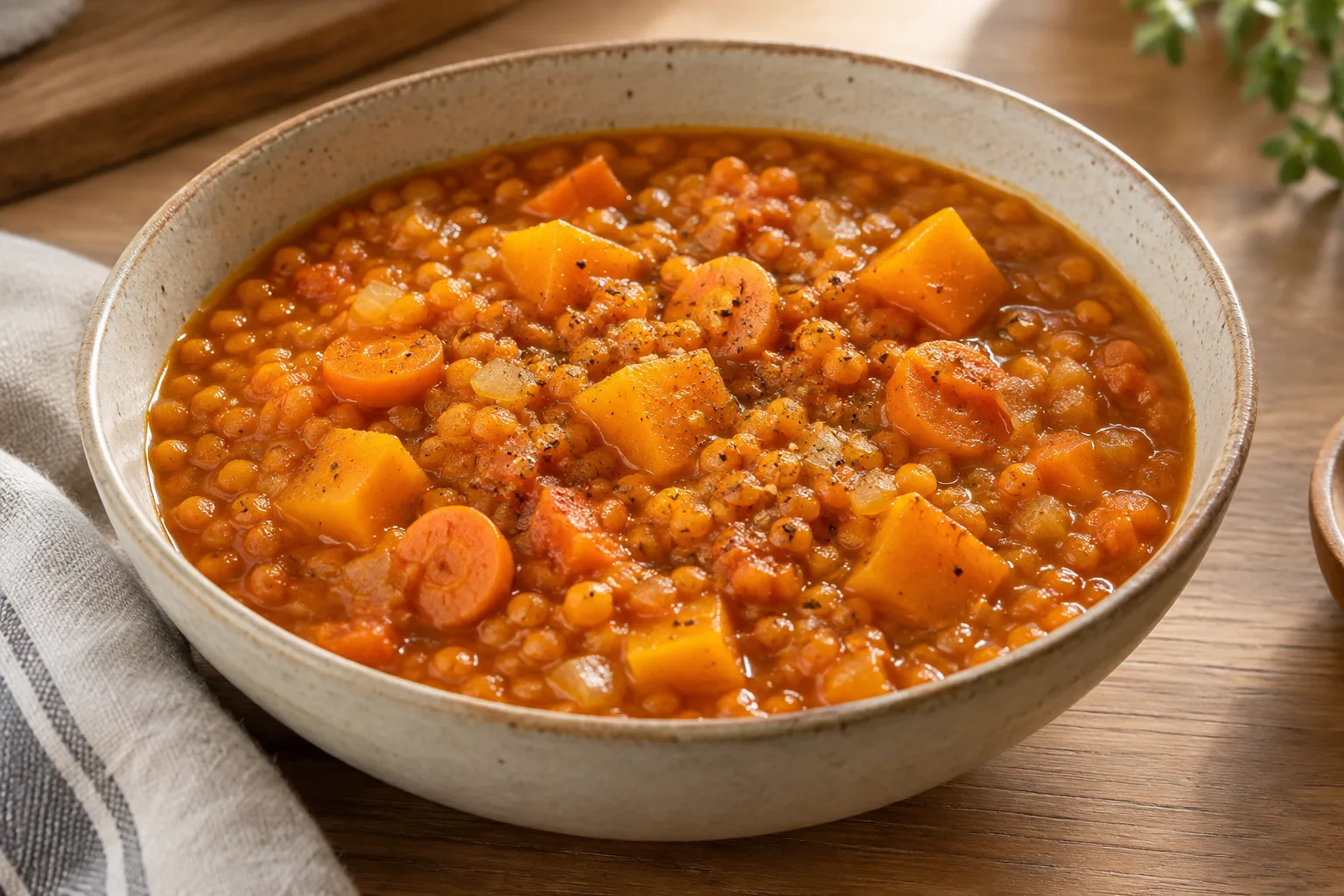
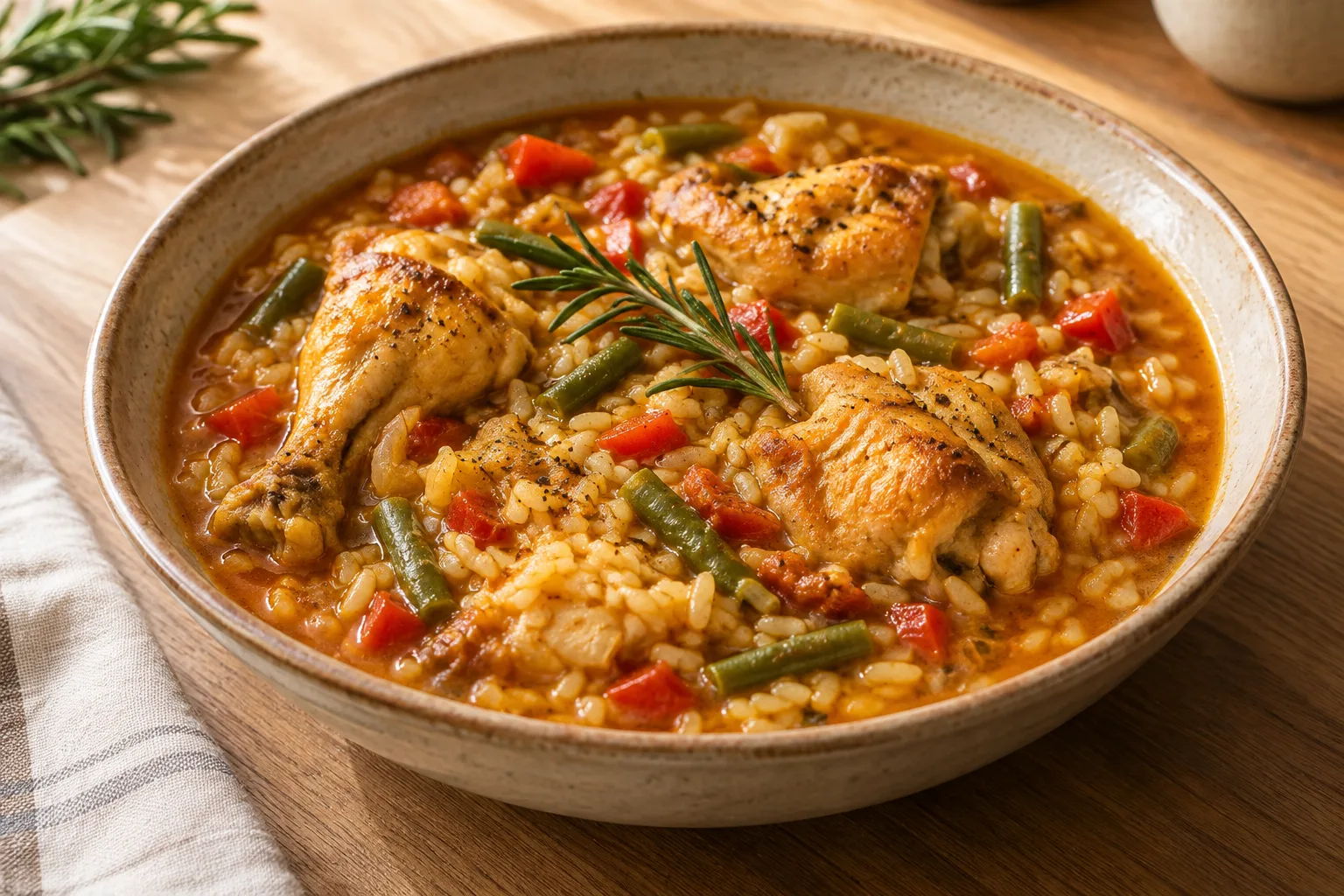
- Aromatic base for sauces, soups, stews and stocks
- Fresh or cooked vegetable and garnish
Recommended techniques
- Eat raw, sliced or chopped
- Sauté, fry, simmer, roast or grill
- Pickle
Pairs well with
- Tomato, peppers and herbs in sauces or sofritos
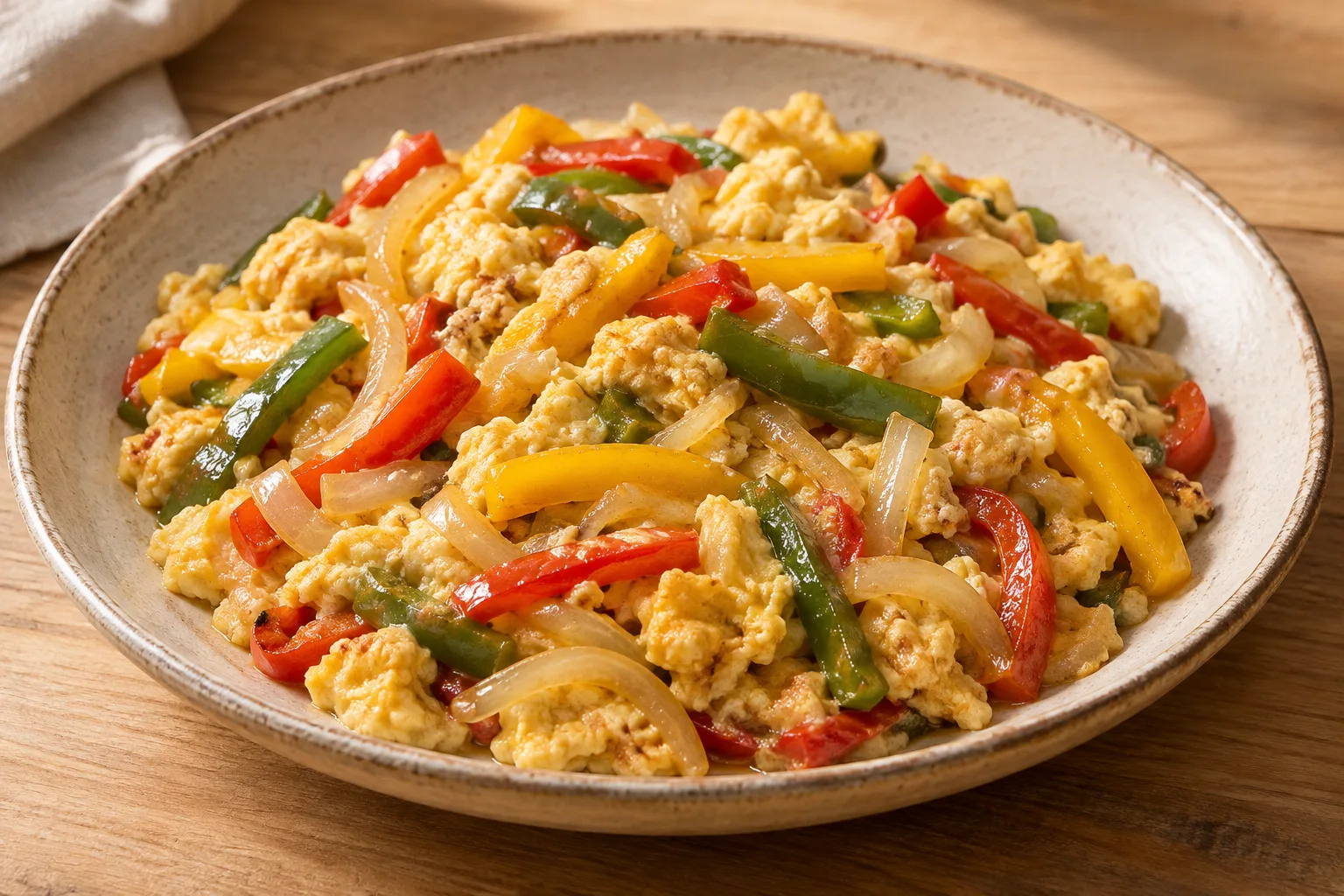
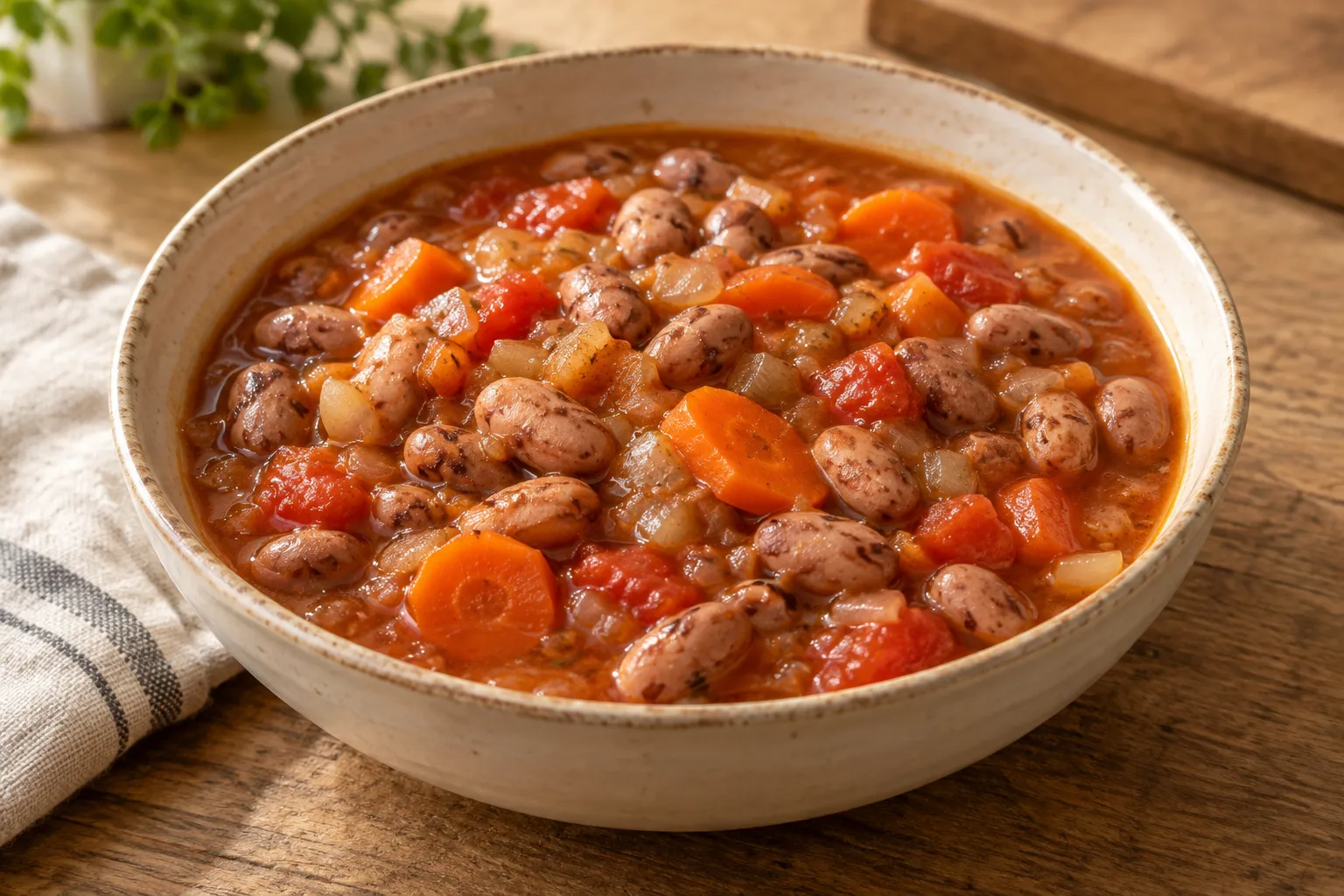
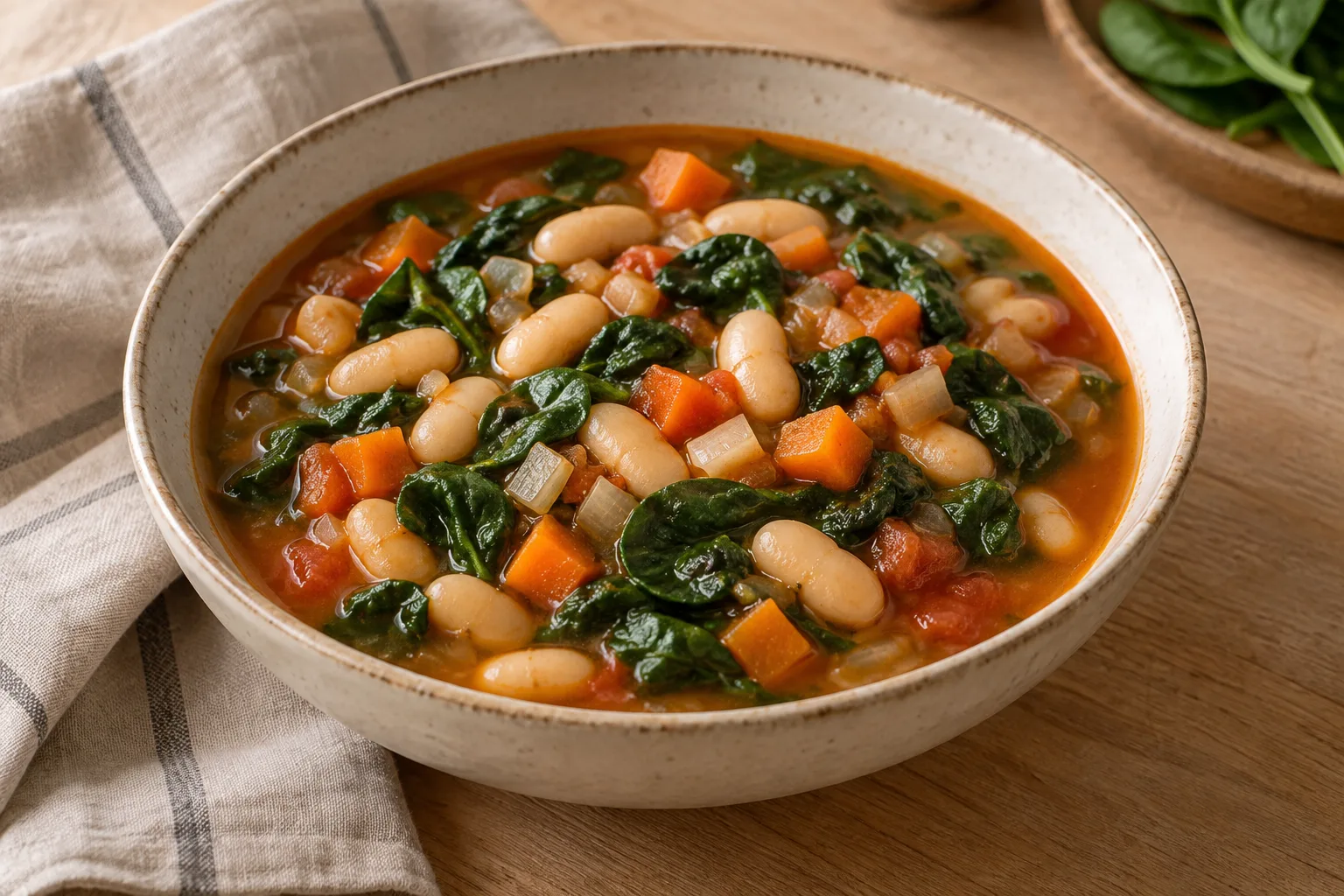
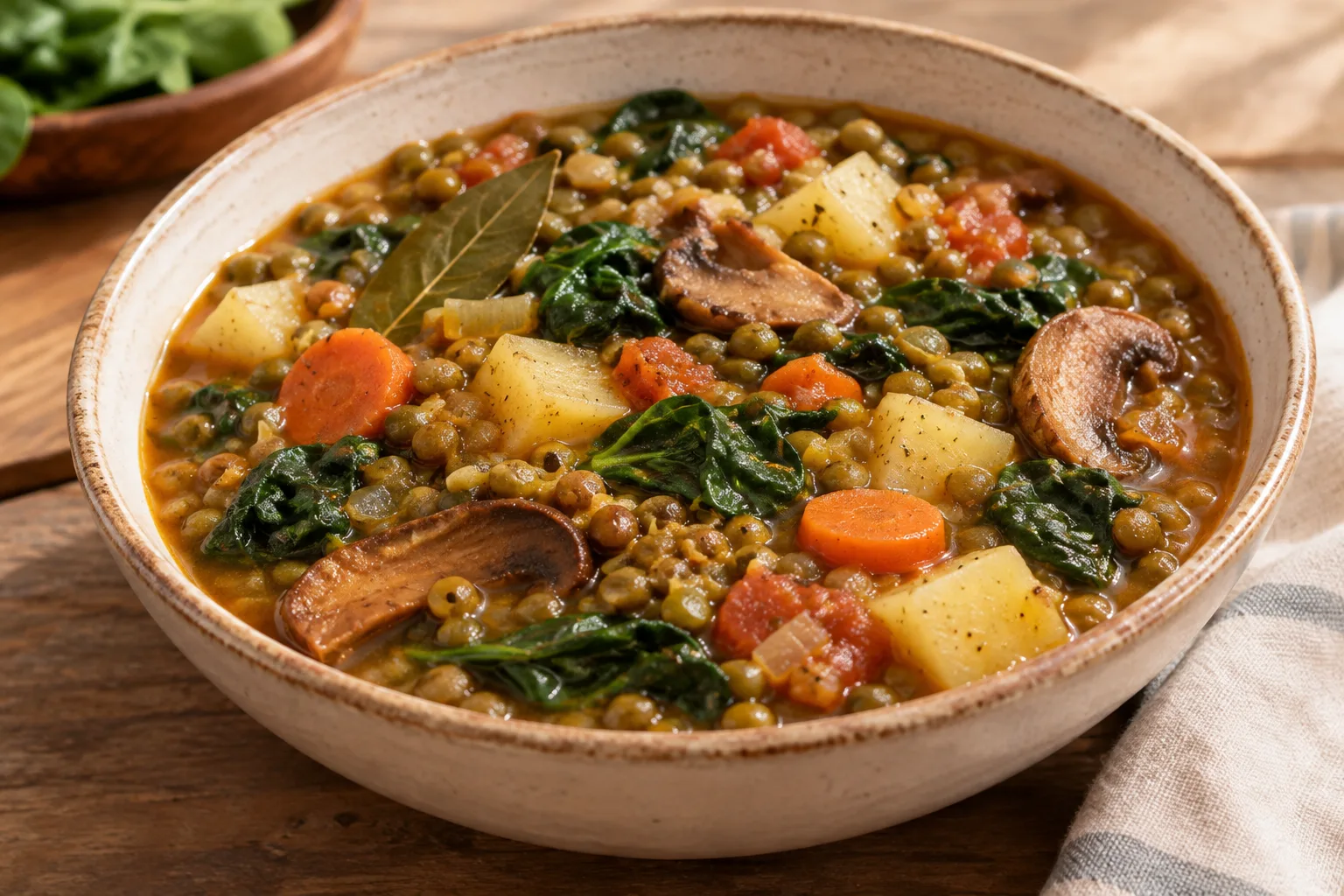
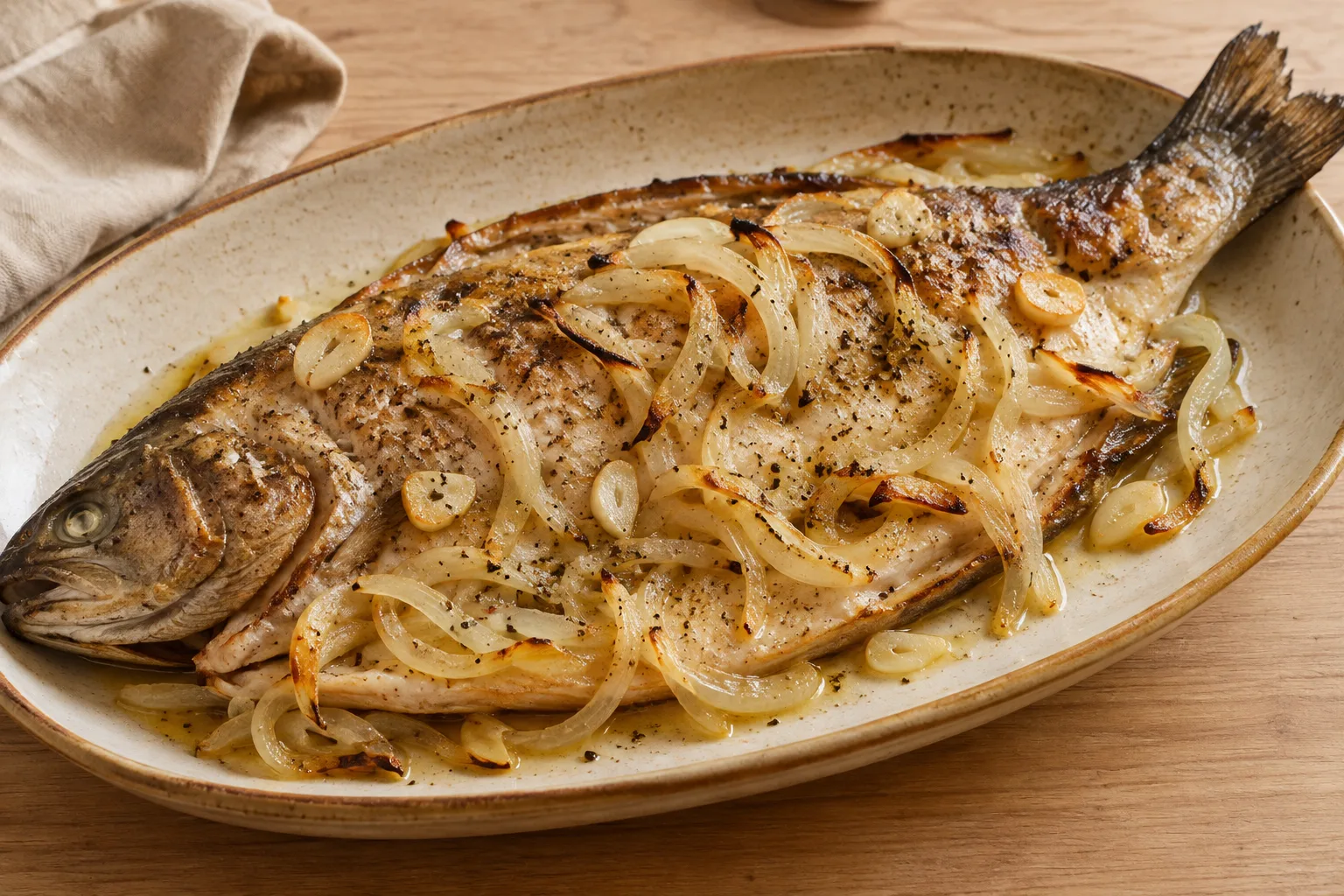
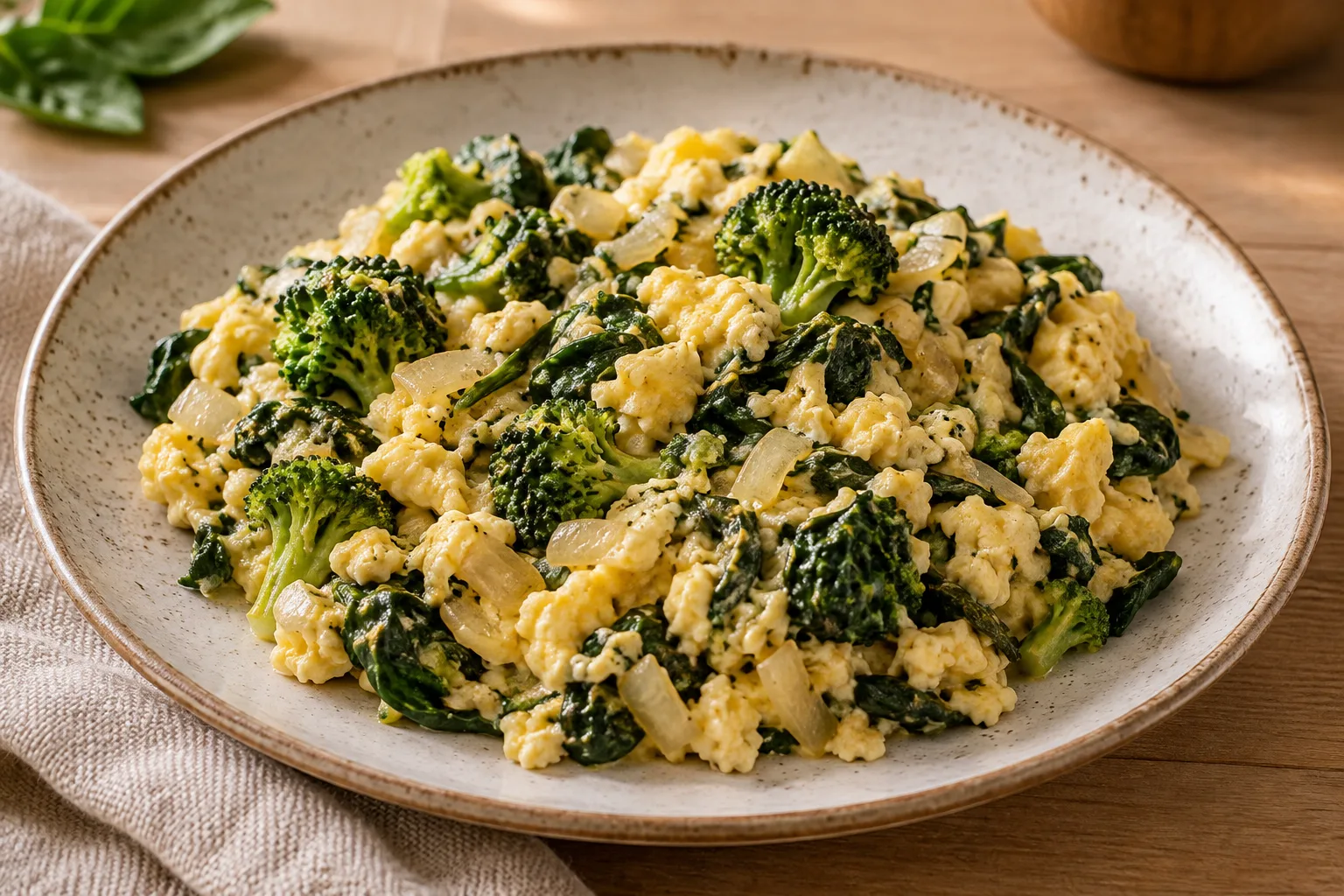
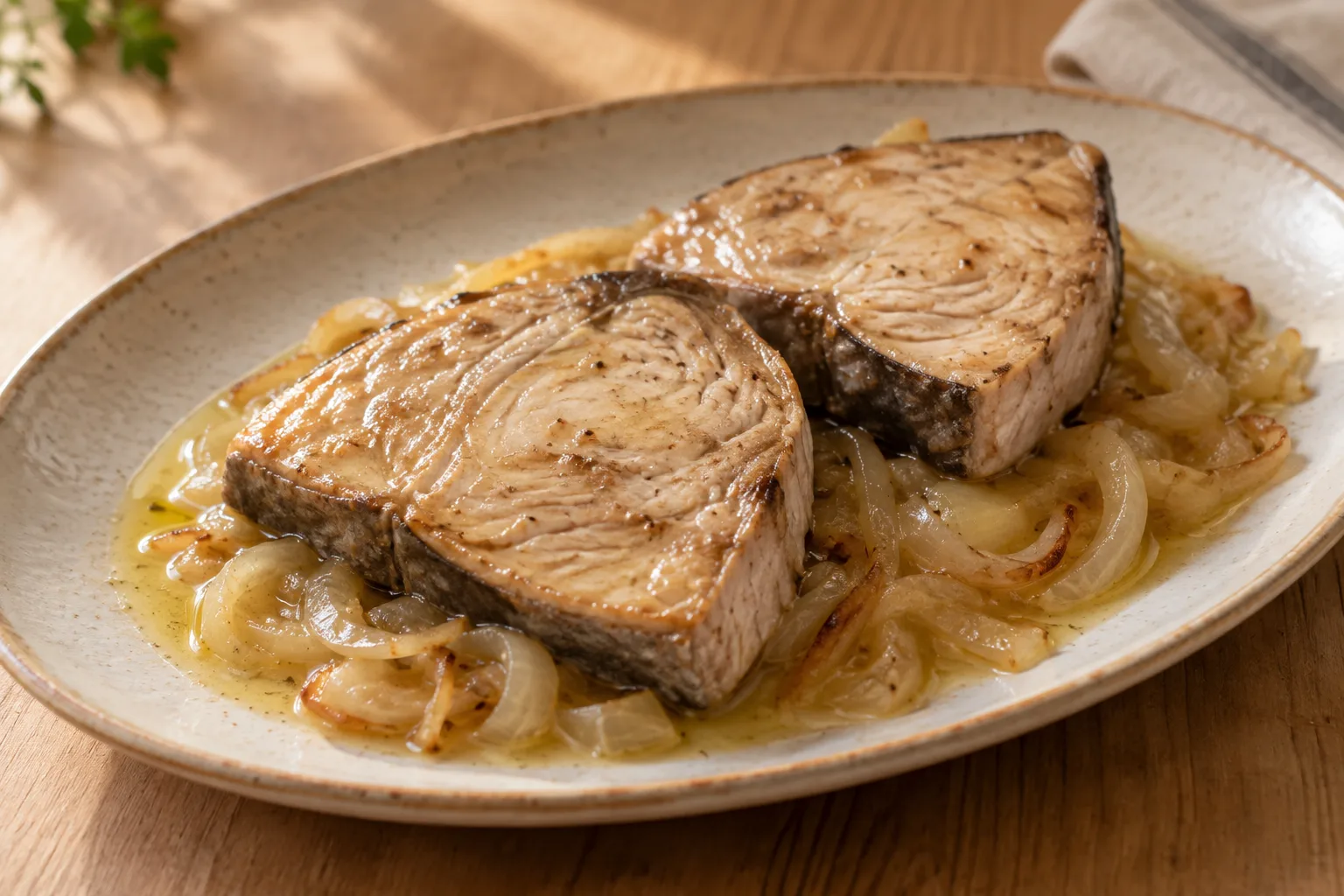
- Legumes, meat, fish and eggs in cooked dishes
- Salad vegetables, sandwiches and tacos when served raw
Frequently asked questions
Can onions be eaten raw?
Yes. They are used raw in salads, tacos, sandwiches and sauces. Flavor and intensity vary by variety.
Which onion should I use for cooking?
Yellow onion is a versatile, common choice for stews, soups and sauces. Other varieties can also work, depending on the flavor and texture you want.
Do all onions store in the same way?
No. Dry onions generally keep longer than fresh or spring onions, which are more delicate. Follow package directions when available.
Estimated nutrition
- Fat
- 19.61 g
- Saturates
- 3.57 g
- Carbohydrate
- 40.17 g
- Sugars
- 4.48 g
- Fibre
- 3.1 g
- Protein
- 4.58 g
- Salt
- 2.08 g
Sources and review
Automatically researched, cross-checked and validated content. Sources consulted:
- En el etiquetado alimentario hay algunas menciones que son obligatorias eletiquetadocuentamucho.aesan.gob.es
- Client Challenge doi.org
- ::AESAN:: Agencia Española de Seguridad Alimentaria y Nutrición aesan.gob.es
- Cebolla - Información general frutas-hortalizas.com
- Conoce 15 tipos de cebolla y sus usos en la cocina - Mejor con Salud mejorconsalud.as.com
- Para qué sirve cada tipo de cebolla (y un truco para no llorar al picarla) | El Comidista | Gastronomía | EL PAÍS elpais.com
- La cebolla, ingrediente básico en la cocina | Recetas Nestlé recetasnestle.com.mx
- Guía completa de tipos de cebolla: variedades, propiedades y usos culinarios jardineriaon.com
- Cebollas: variedades, usos y diferencias - CocinoPedia.com cocinopedia.com
- Conoce los diferentes tipos de cebolla: nombres, características y usos - Mariettas mariettas.es
- La cebolla, ese humilde ingrediente tan fundamental | Gastronosfera gastronosfera.com
- La cebolla, ingrediente básico en la cocina | Recetas Nestlé recetasnestle.com.ar
- Tipos De Cebolla: Variedades Y Usos Comunes | La Fallera lafallera.es
- Allium ascalonicum - Wikipedia, la enciclopedia libre es.wikipedia.org
- ¿Cómo elegir la mejor cebolla para cocinar? Guía de sabores patataslazaro.com
- 10 Sustitutos Increíbles para Cebolla: Cómo Reemplazarla Fácilmente en Casa | Chef Experto chefexperto.com
- 12 mejores sustitutos de la cebolla - NewFoodHub nwfoodhub.com