- Category
- Vegetables
- State
- Fresh
- Usual unit
- cabeza
What it is
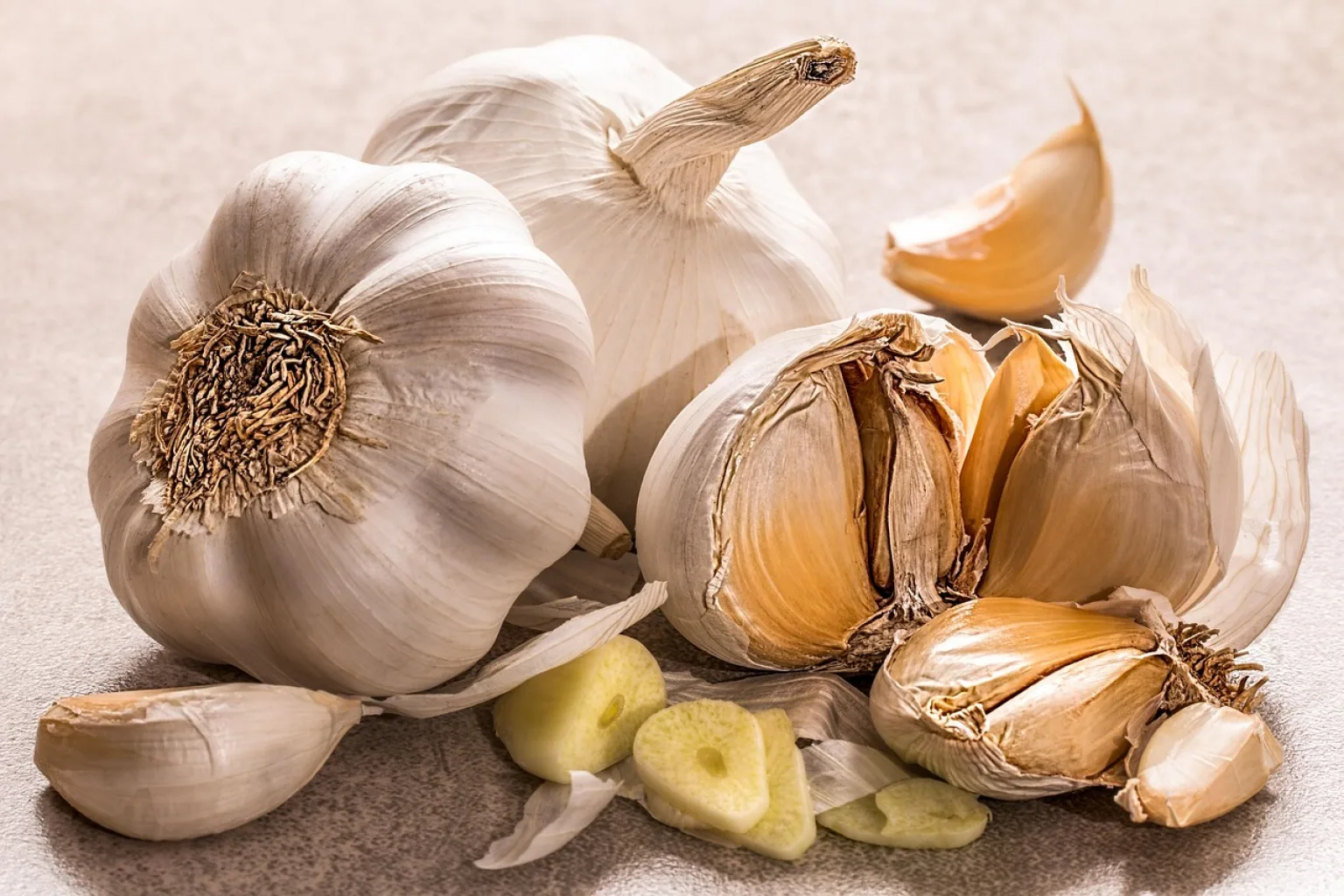
Garlic is the edible bulb of Allium sativum. Its cloves sit together inside a head and are covered by papery skin. It belongs to the Allium genus, alongside onion, chives, shallot and leek. In cooking, garlic can be used whole, chopped, crushed or sliced, ranging from a discreet aromatic base to the defining flavor in a sauce or garlic-forward dish. Its intensity varies with the variety, the size of the cloves and how it is prepared. This profile is about fresh garlic, not processed products such as black garlic, garlic powder or prepared sauces.
When to use it
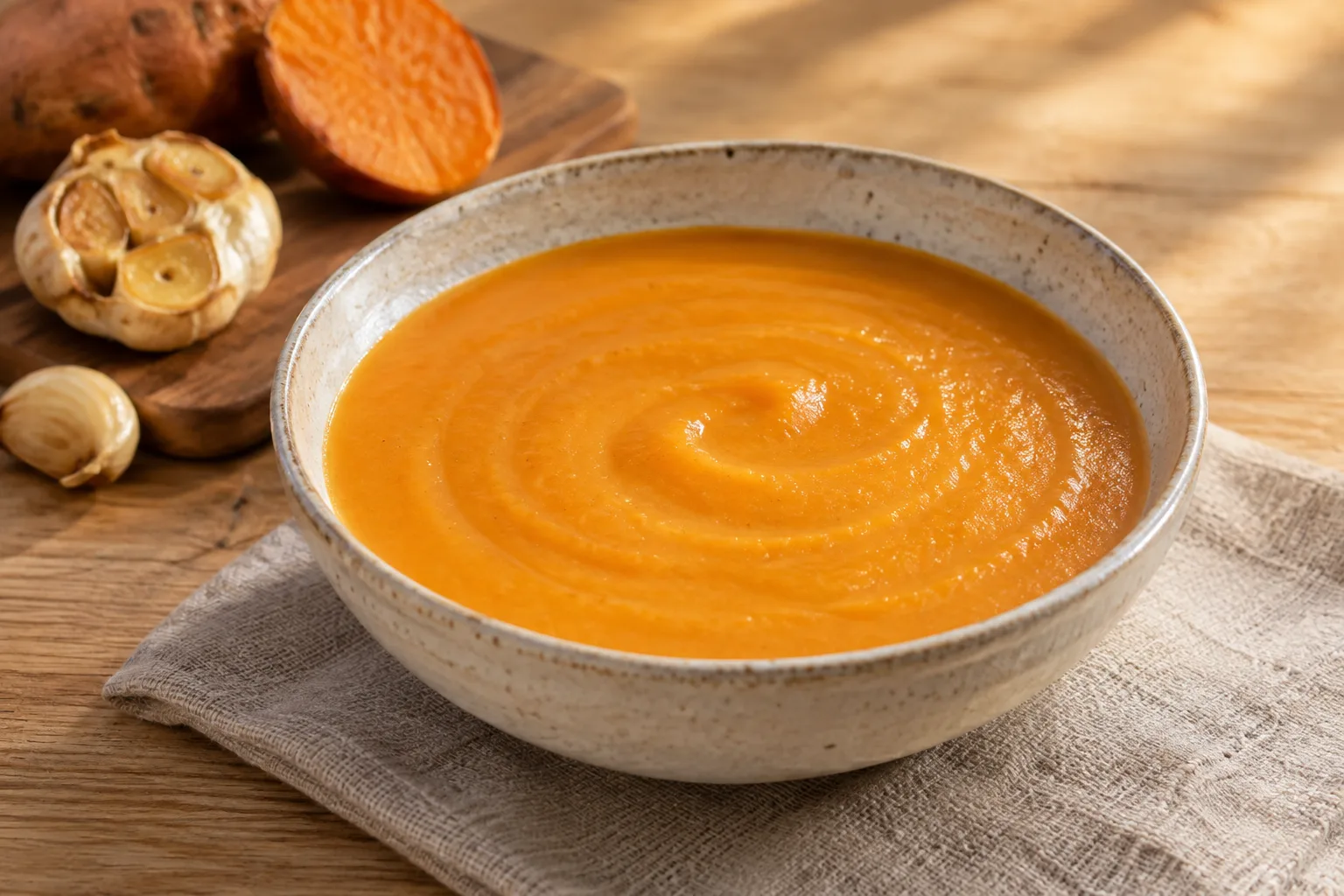
Use garlic to add aromatic depth to a cooking base, stew, sauce or sauté, or let it take the lead in a garlic-forward preparation. Raw garlic works in assertive dressings and sauces; cooked garlic can become part of a dish’s base. Roasted garlic is useful when you want a soft texture and sweeter flavor. Adjust the amount and cut to the result you want: chopped or crushed garlic disperses readily, while slices remain distinct in the finished dish.
How to use it
Separate the cloves from the head and remove their skins before preparing them. Chop or crush garlic to distribute it through a sauce, dressing or stew; slice it when you want distinct pieces in a sauté or garlic-forward dish. If cooking it, keep an eye on it: garlic browns quickly and can taste bitter if it burns. You can also roast a head or individual cloves until soft, then use the flesh in purées, sauces or on bread. For a more pronounced flavor, add it raw to dressings and sauces. Start with a small amount, taste, and add more if needed.
Flavour and texture
Fresh garlic has a distinctive aroma and can taste assertive and pungent, particularly when raw. The cut affects how it distributes through a dish: chopped or crushed garlic blends in readily, while slices remain distinct. Cooking changes its profile; properly roasted garlic becomes soft and sweeter. If it burns during cooking, it can turn bitter, so keep a close watch on it.
How to choose it
Choose compact, firm heads with cloves that do not feel soft. Check the outer skin and avoid bulbs with visible mold or signs of deterioration. Size and appearance vary among types, so do not judge solely by color or a particular shape. Variety can influence whether garlic tastes milder or more intense, but cut and cooking also matter. Buy an amount you expect to use, and check each head before cooking.
Storage
Keep whole fresh garlic in a dry, ventilated place and protect it from moisture. Check the heads occasionally and set aside any that show deterioration. The available evidence does not support one universal storage life; it depends on the product and storage conditions. For peeled, chopped or packaged garlic, follow the label’s storage and use directions rather than assuming the same guidance applies as for a whole bulb.
Substitutions
If fresh garlic is unavailable, garlic powder or dried garlic flakes are alternative forms of garlic, but they do not have the same cut or texture. A dried format mixes into a dish differently and will not reproduce the distinct pieces of fresh garlic in a garlic-forward preparation. Since no quantity equivalence is established here, add a little at a time and adjust to taste, while also following the product directions.
Common mistakes
A frequent mistake is letting garlic burn: it browns quickly and can make a dish bitter. Watch it closely and move it away from the heat if it is darkening too much. Another mistake is expecting every cut to behave alike: crushed garlic blends in, while sliced garlic leaves noticeable pieces. Do not automatically replace fresh garlic with the same quantity of a dried format; start with a little and taste.
Safety and allergens
For packaged, peeled or prepared garlic, follow the label’s storage and use directions, which may vary by format. Check fresh garlic and do not use bulbs with obvious deterioration. The available evidence does not establish a specific safety warning for whole fresh garlic.
Culinary uses
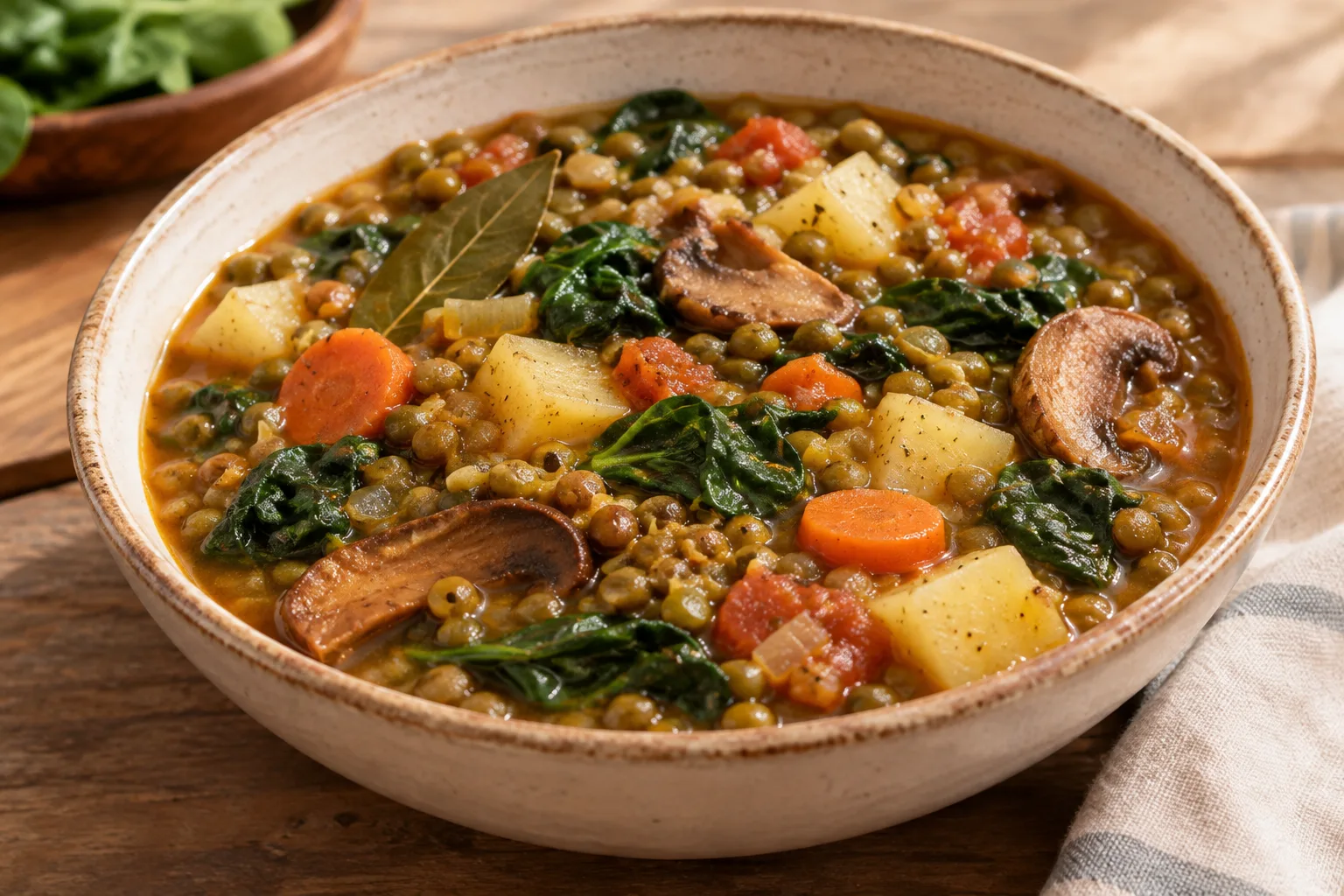
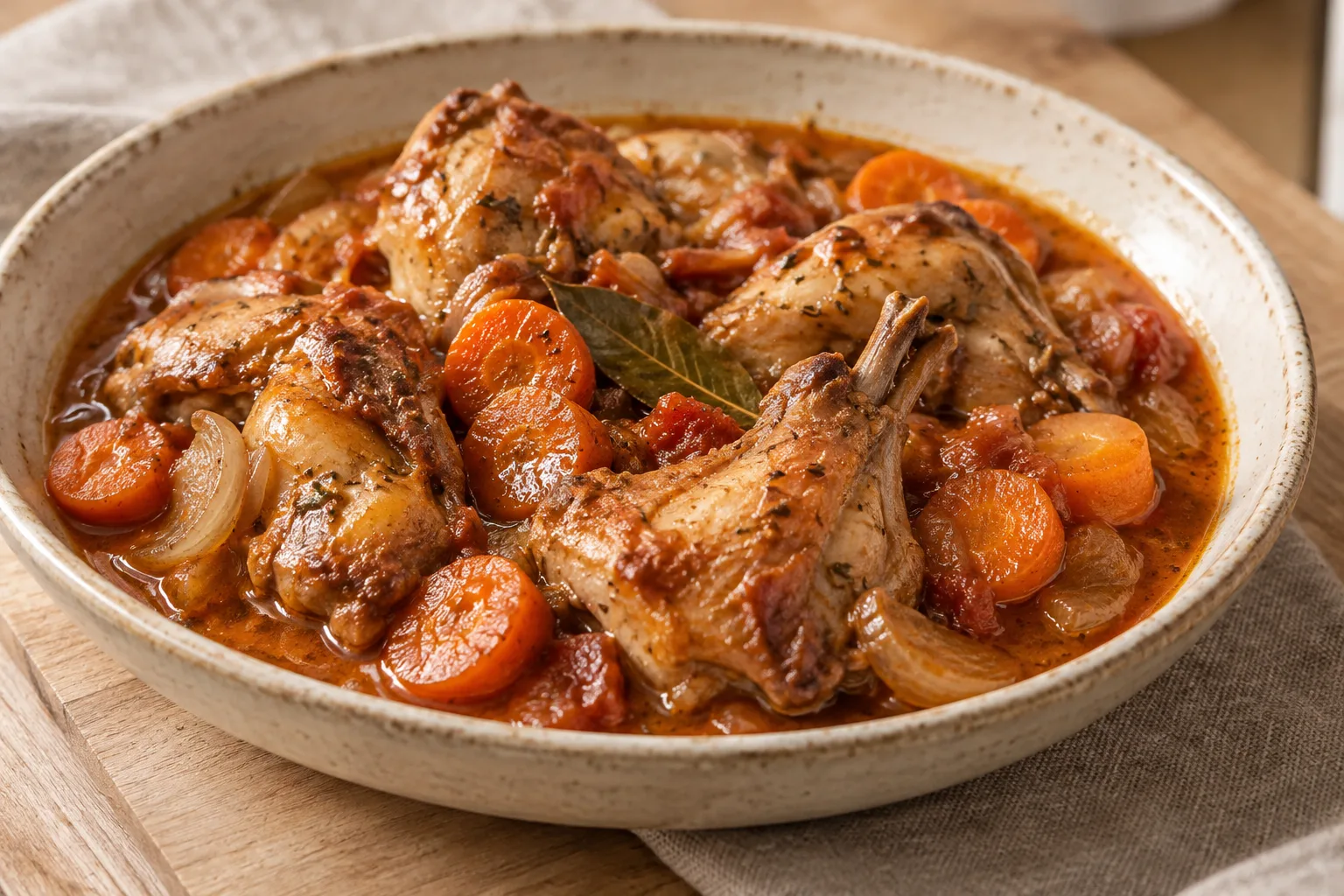
- Aromático para bases de sofritos y guisos
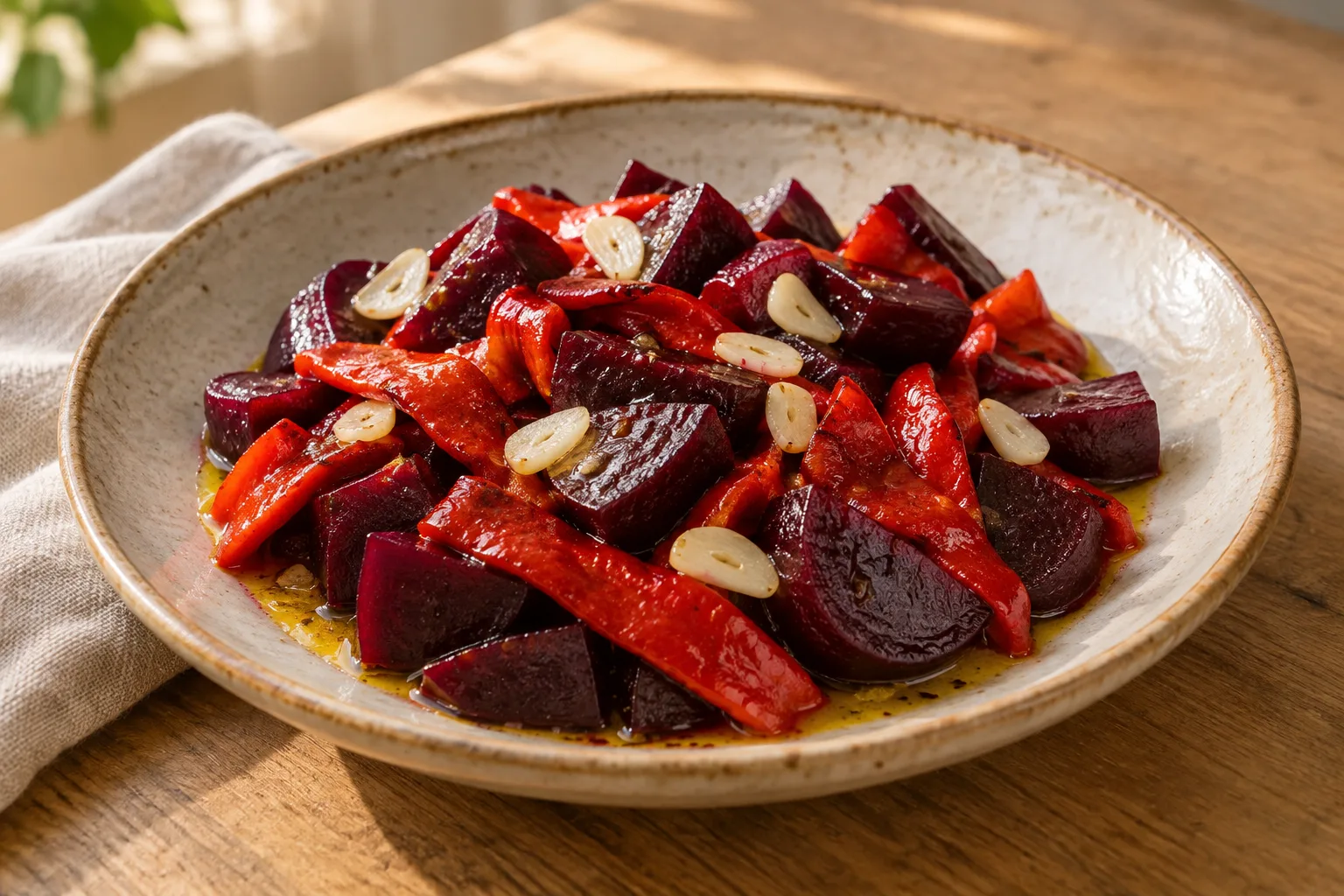
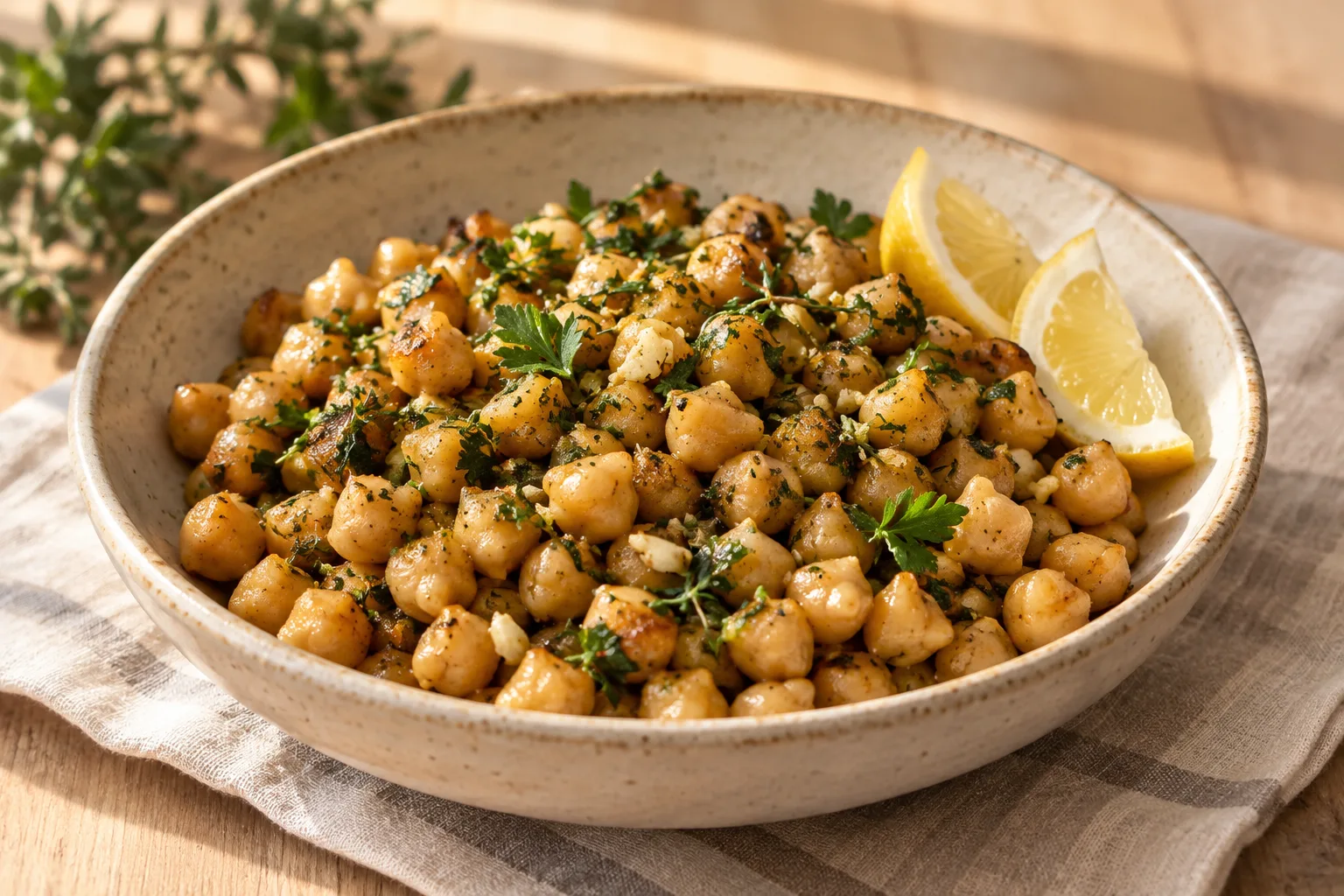
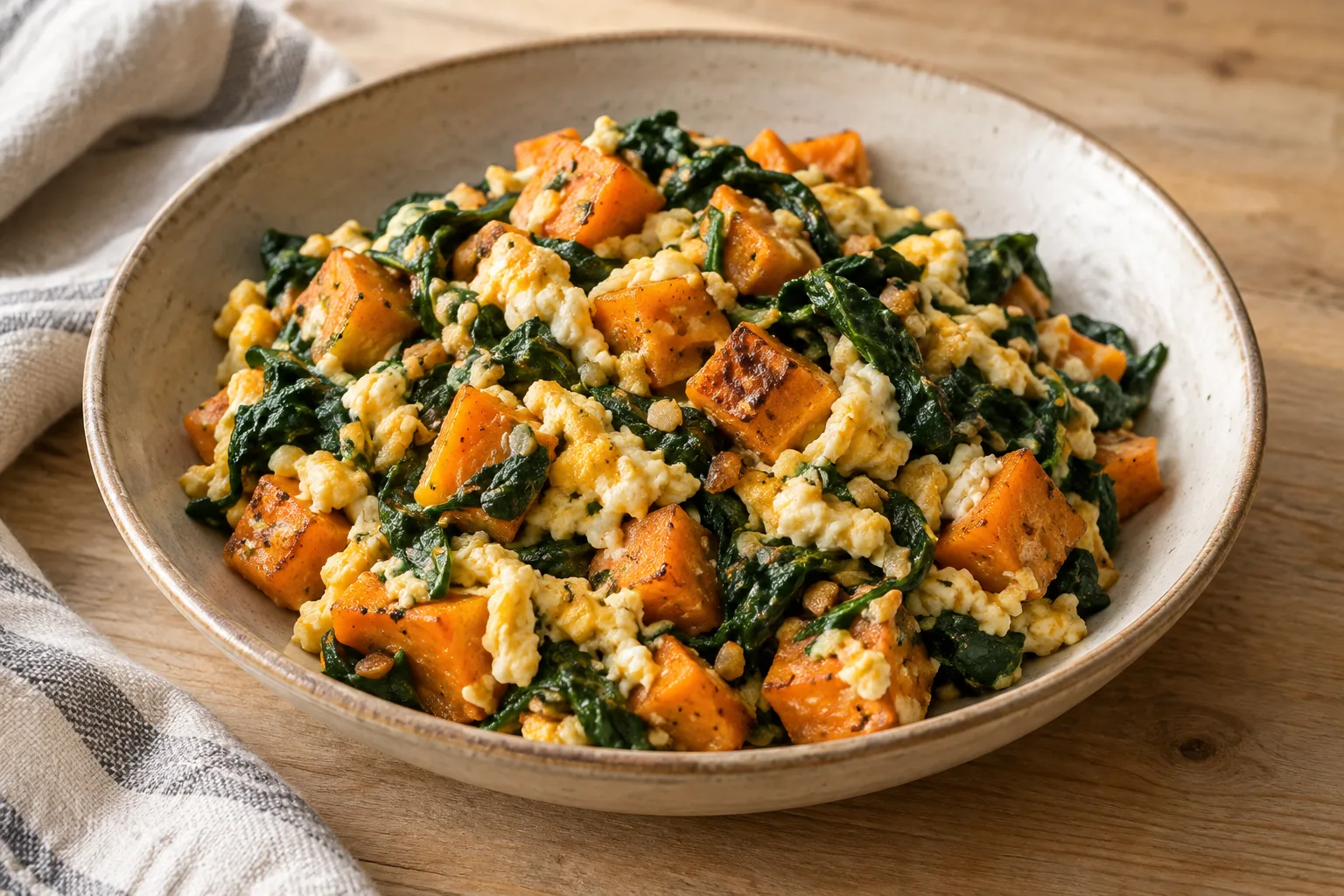
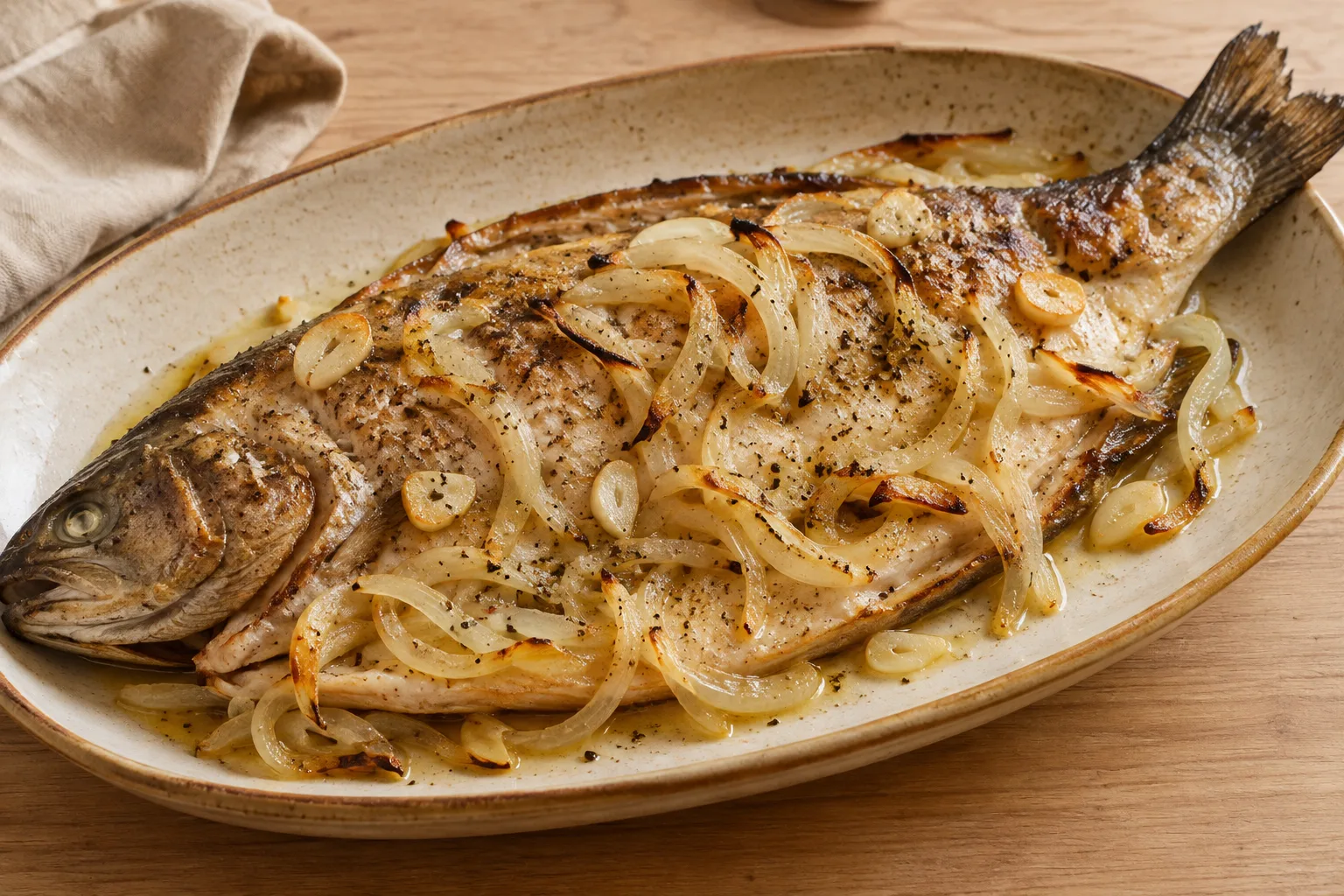
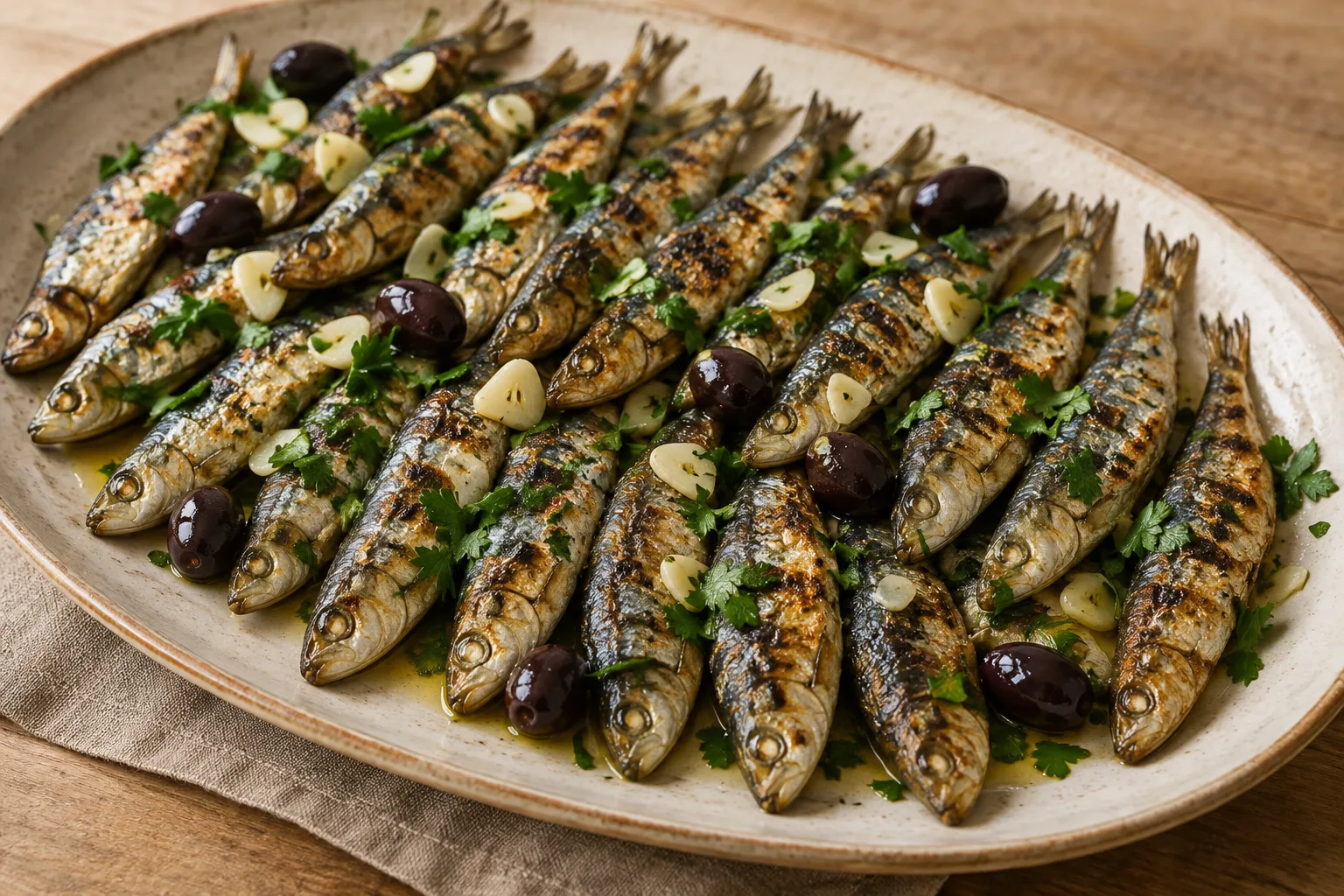
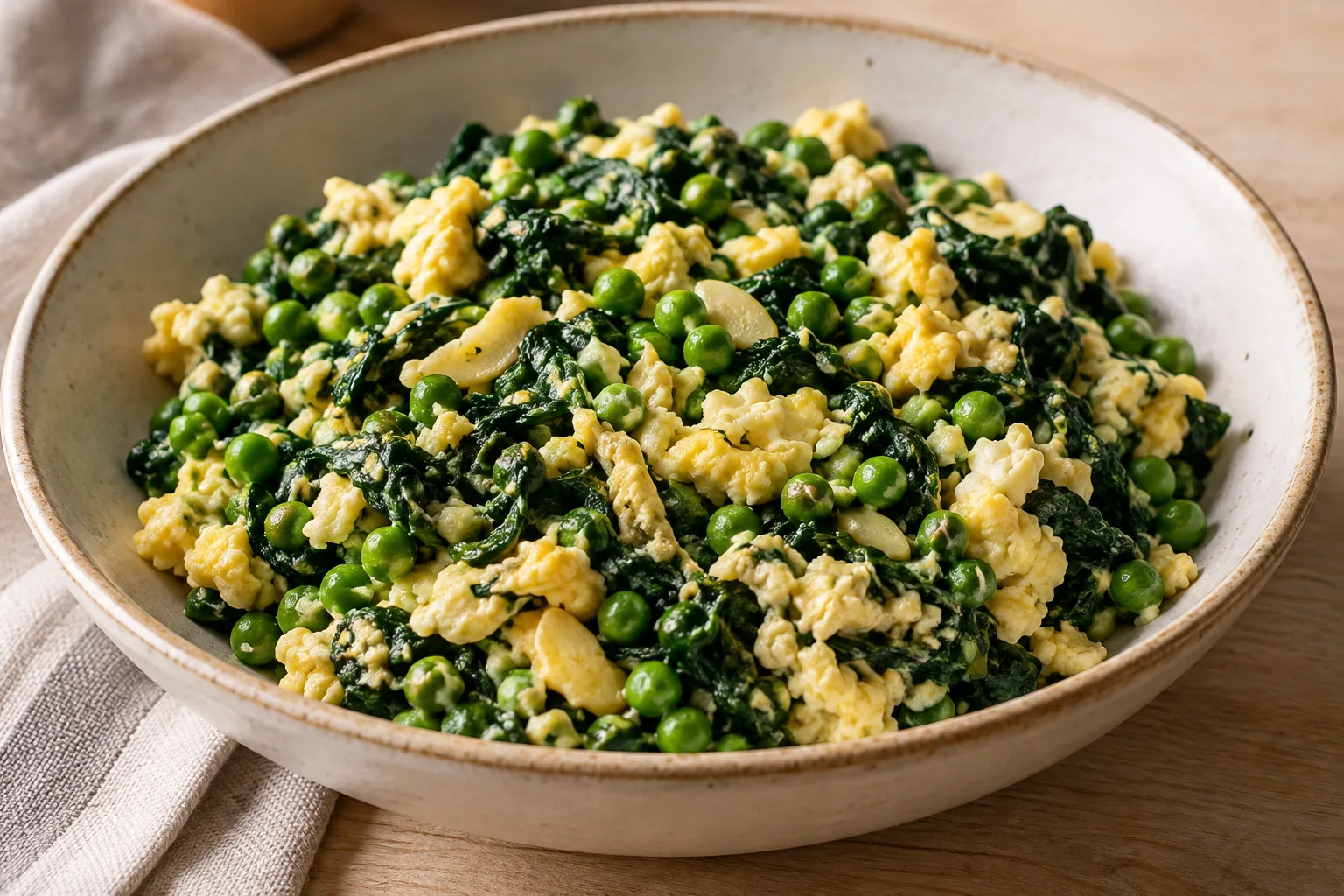
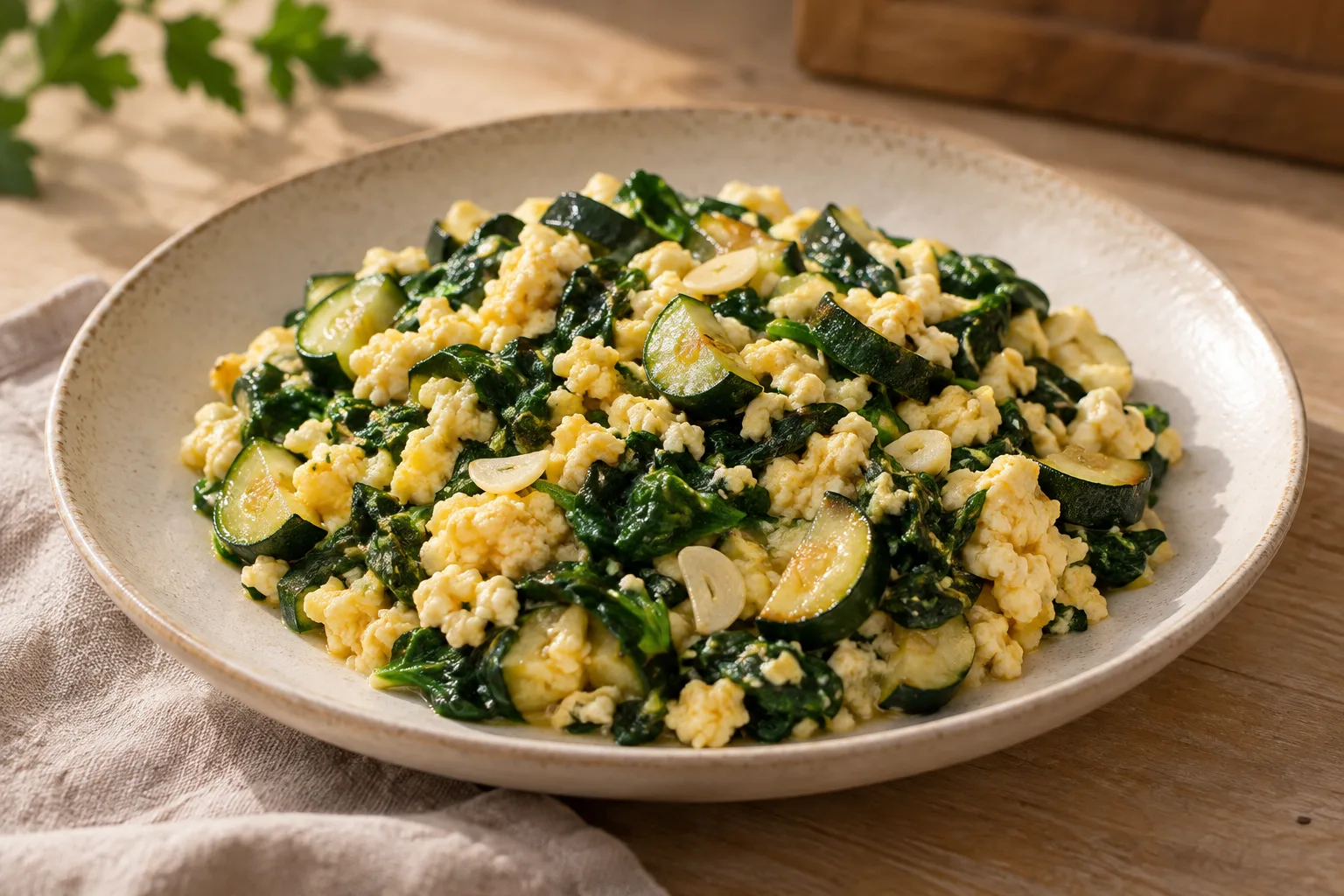
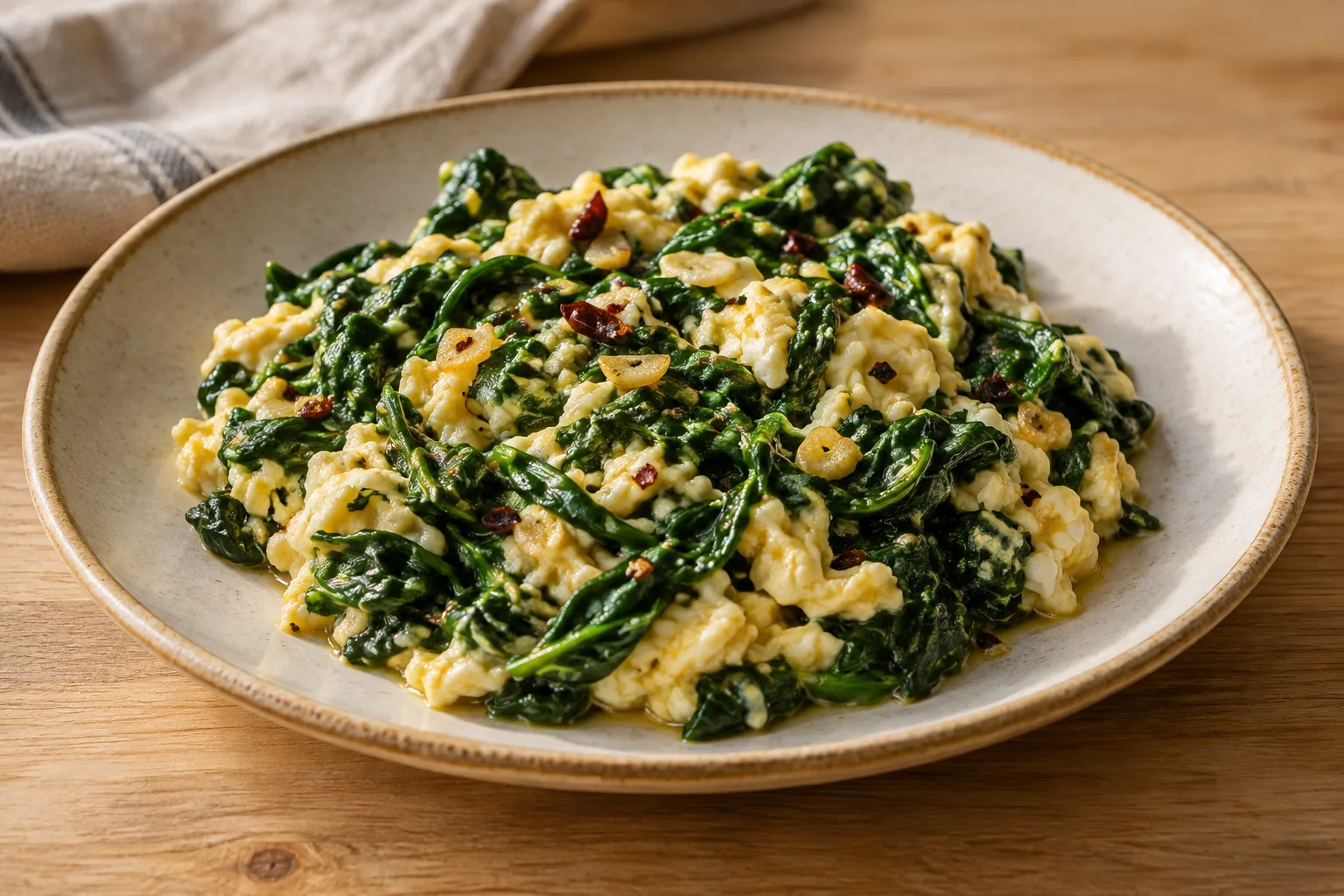
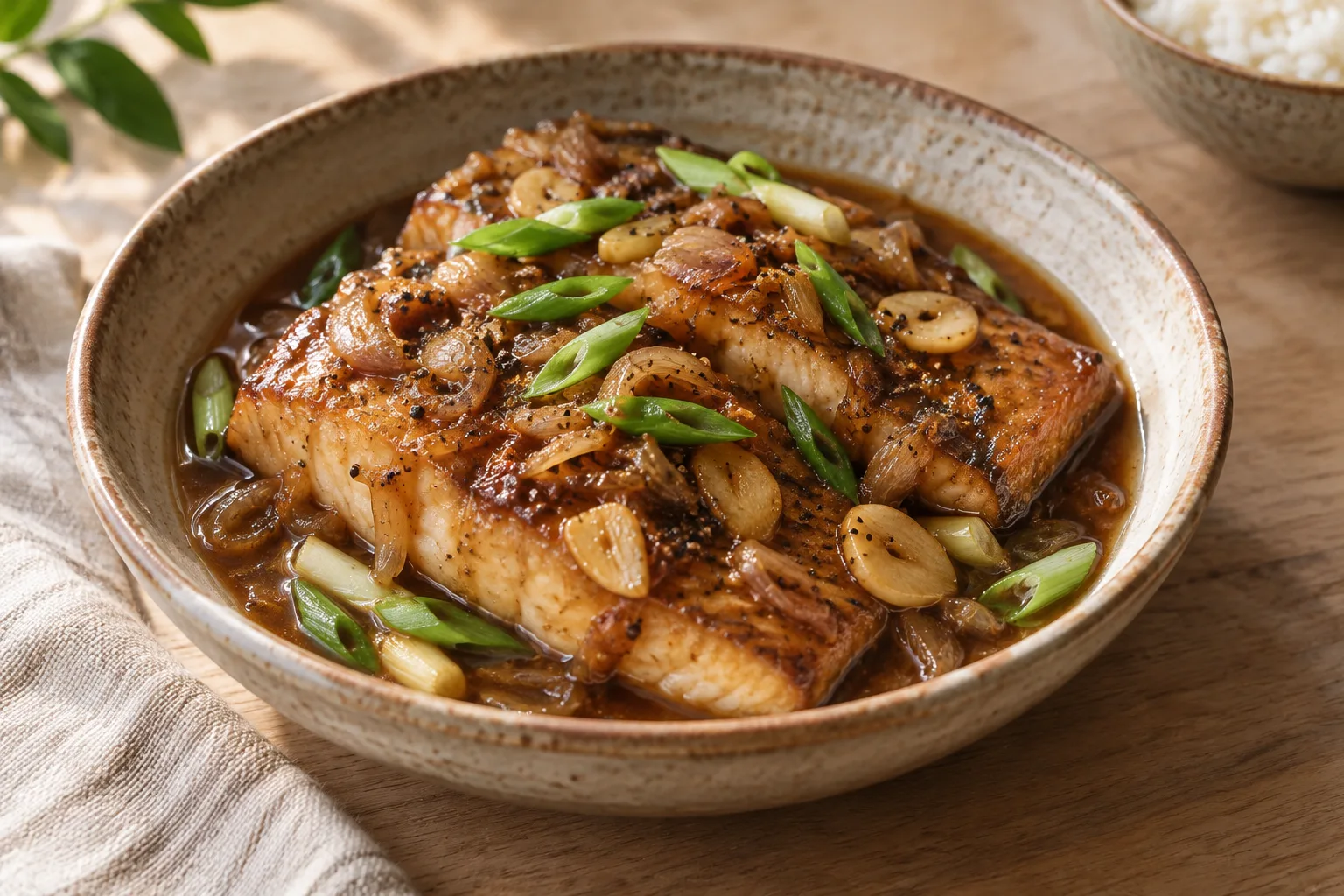
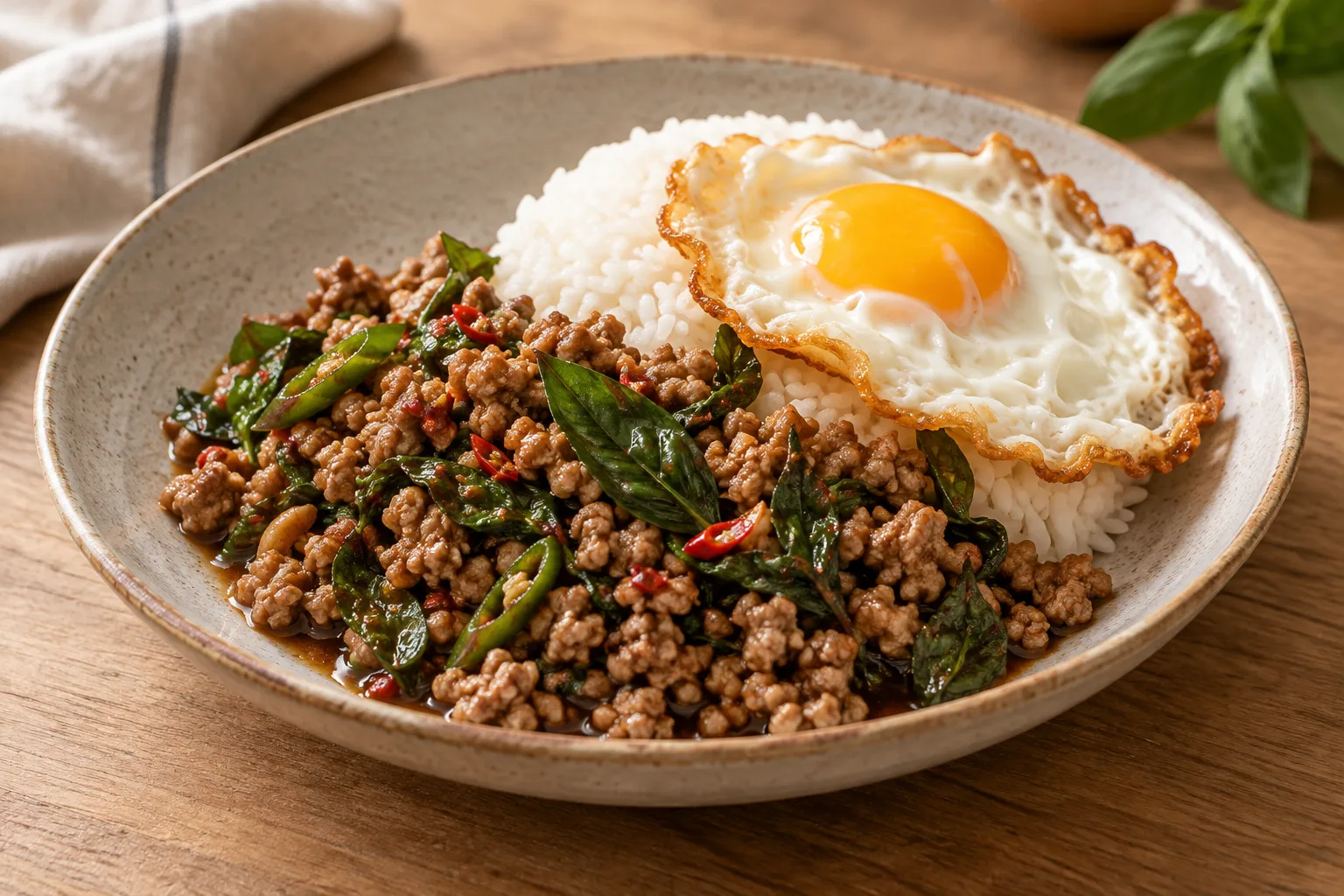
- Condimento protagonista en salsas, aliños y preparaciones al ajillo
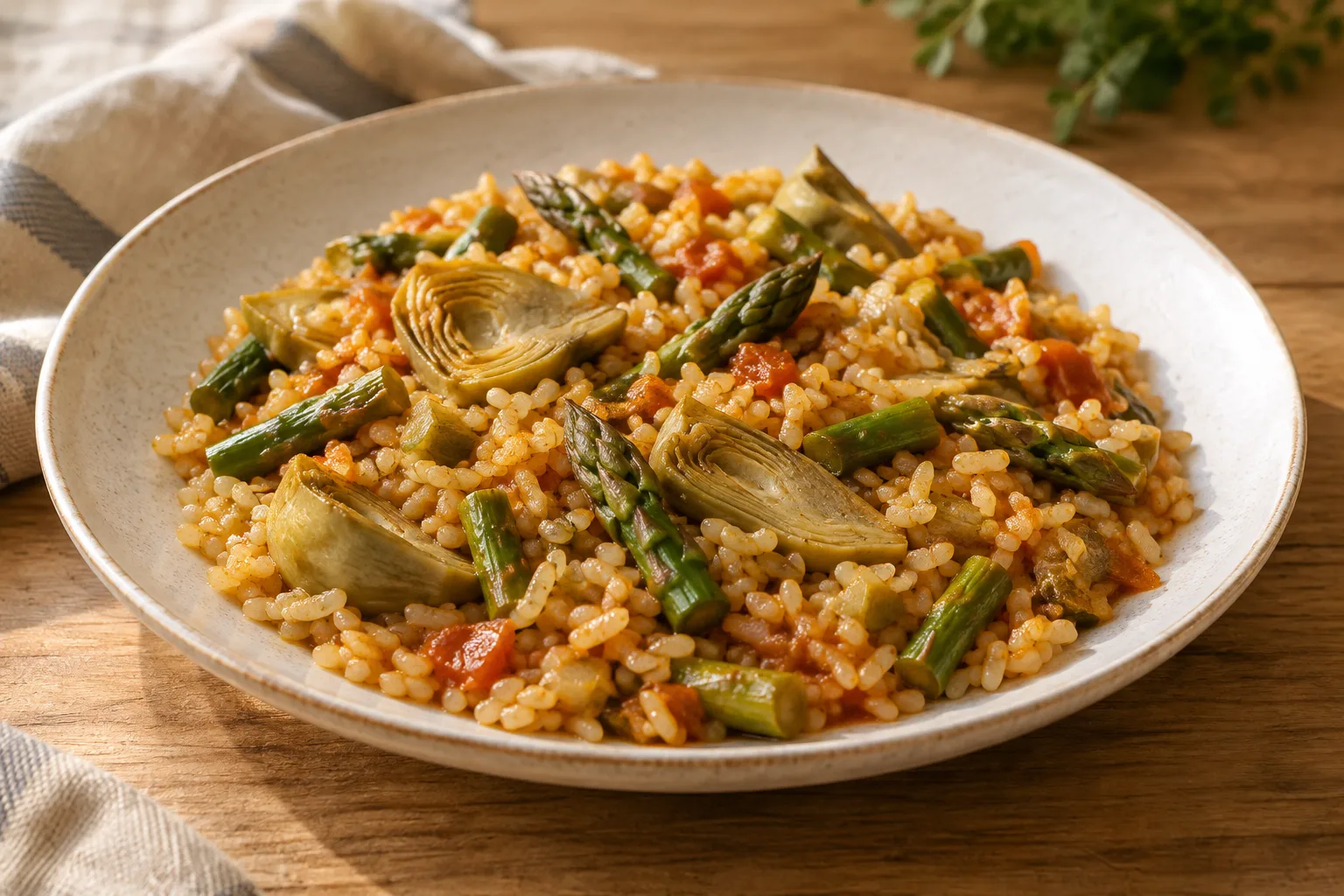
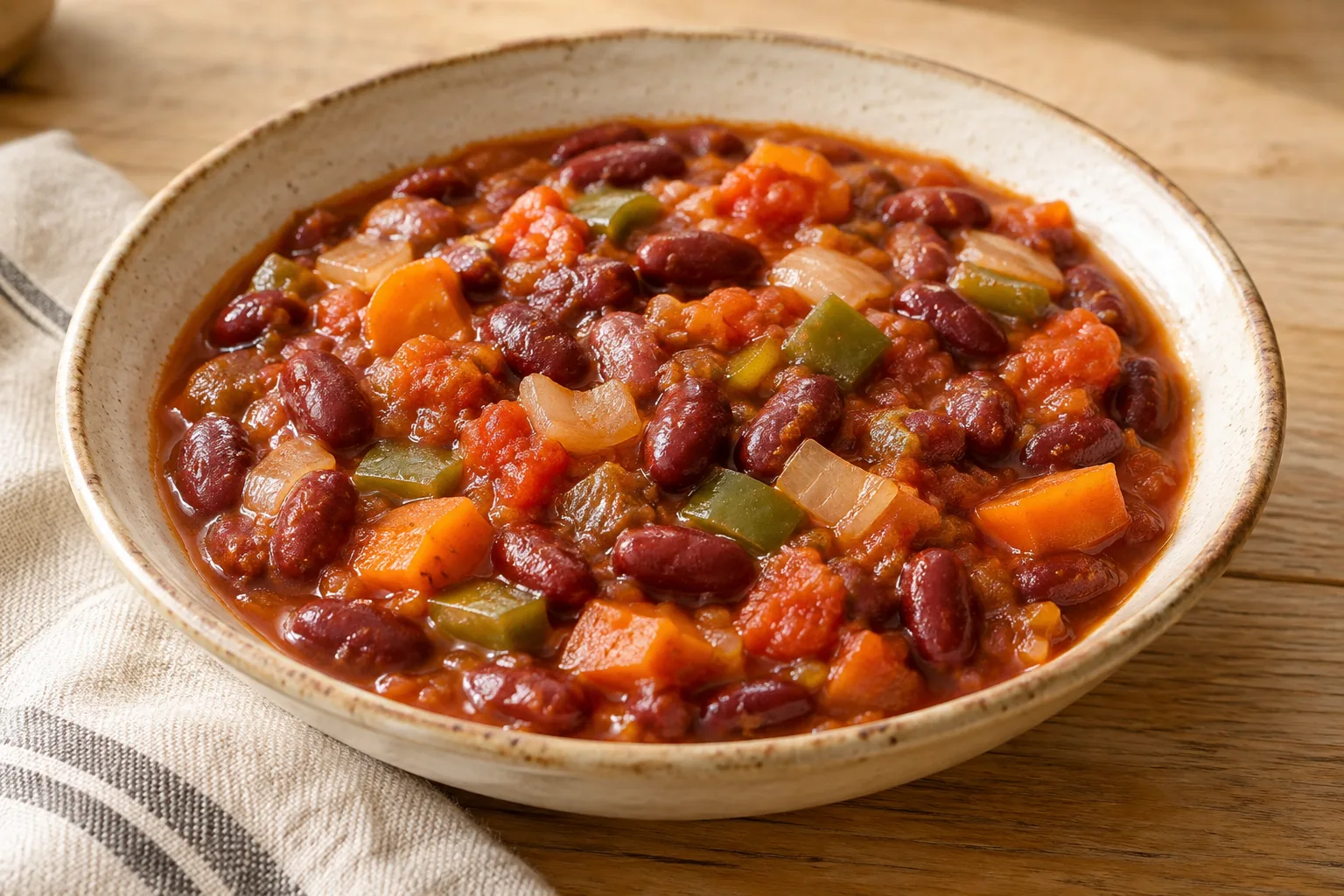
- Acompañamiento y saborizante para verduras, carnes, pescados y mariscos
Recommended techniques
- Picar o majar para incorporar su sabor a salsas y guisos
- Laminar y saltear brevemente, evitando que se queme
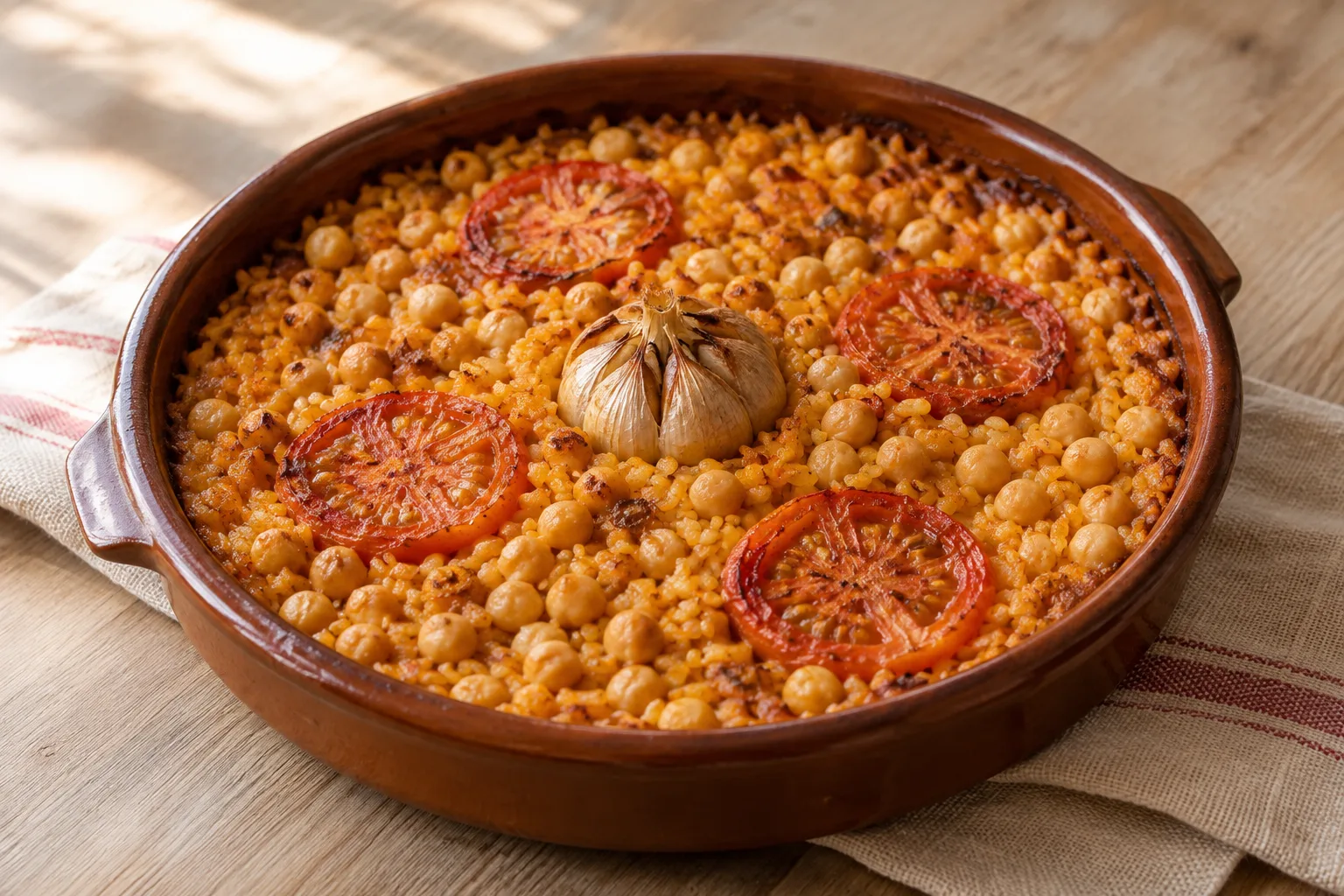
- Asar para obtener una textura blanda y un sabor más dulce
- Usar crudo en aliños y salsas cuando se busque un perfil intenso
Pairs well with
- Perejil y aceite
- Aceite y guindilla
- Pimentón y pan
- Tomate, cebolla y verduras
Frequently asked questions
What is the difference between chopped and sliced garlic?
Chopped or crushed garlic blends more readily into sauces and stews. Sliced garlic leaves distinct pieces and works when you want its texture to be noticeable.
Why can cooked garlic taste bitter?
Garlic can taste bitter if it burns. It browns quickly, so watch it while cooking and move it away from the heat if it becomes too dark.
Can I replace fresh garlic with garlic powder?
You can use it as another form of garlic, but the texture differs and no quantity equivalence is established here. Add it gradually and follow the package directions.
Estimated nutrition
- Fat
- 4.16 g
- Saturates
- 1.41 g
- Carbohydrate
- 1.79 g
- Sugars
- 0.22 g
- Protein
- 17.83 g
- Salt
- 1.48 g
Sources and review
Automatically researched, cross-checked and validated content. Sources consulted:
- En el etiquetado alimentario hay algunas menciones que son obligatorias eletiquetadocuentamucho.aesan.gob.es
- Client Challenge doi.org
- El Ajo, Un Ingrediente Milagro En La Gastronomía Mundial - Restaurante Romero restaurante-romero.es
- Pimentón - Wikipedia, la enciclopedia libre es.wikipedia.org
- ::AESAN:: Agencia Española de Seguridad Alimentaria y Nutrición aesan.gob.es
- Ajo: historia, beneficios y usos - CocinoPedia.com cocinopedia.com
- Ajo, tipos, beneficios y uso en la cocina - Mercado de Chamartín mercadodechamartin.es
- Ajo, el ingrediente milenario que transforma el sabor en la cocina chefyerika.com
- Ajo | HerbaZest herbazest.com
- Todo sobre el ajo: qué es, cómo se cultiva, cómo utilizarlo en cocina y qué propiedades tiene directoalpaladar.com
- El ajo: origen, composición y propiedades infoagro.com
- Ajo: propiedades, beneficios y cómo usarlo en la cocina cuerpomente.com
- Las variedades del ajo y el origen español marcan la diferencia en la calidad y el sabor de cada plato - Cantabria Económica cantabriaeconomica.com
- Maridaje de alimentos Crea combinaciones armoniosas de sabores en tu plato - FasterCapital fastercapital.com
- Guía de sustitución de alimentos lecturas.com
- Maridajes de sabores – El Cuaderno elcuadernodigital.com